Book 3 — INDEX. (continued 2)
Reading edition
Moncrieffe (Monaigh Craebi), in Perthshire, battle at, i. 288288.
Monifieth (Monyfoth), thanage of, iii. 263, 267.
Monikie (Monichi, Moneclatu), church of, dedicated to St. Andrew, i. 297-8297-8.
Montrose (Old Monros), thanage of, iii. 265.
Monzievaird (Moeghavard), in Stratherne, i. 383-4383-4; iii. 270.
Moray (Moravia, Myrhaevi, Moreb), district of, i. 241241, 381381, 396396, 402402; invaded by Malcolm, son of Donald, 360360; Finlaic, mormaer of, 375375, 389389; bishopric of, ii. 368-370368-370; historical sketch of the thanage of, iii. 249; earldom of, 287; chartulary of, 312; men of, 365; legendary descent of, 476.
Morgan (Mackays), clan, iii. 330.
Morkere, Earl, i. 418418.
Mormaers, rulers of provinces in the eleventh century, iii. 49, 303; termed Jarls by the Norwegians, 54.
Morphie, thanage of, iii. 261.
Mortuath. See Tribe.
Mount, St. Michael’s, i. 166166.
Mountain chains (see Cheviots, Drumalban, Lowthers, Mounth), their importance as landmarks, i. 1313.
Mounth, the, a mountain chain from near Aberdeen to Fort-William, i. 10-1410-14, 230230 seq.; iii. 133.
Moylinny. See Maighline.
Moyness, thanage of, iii. 248.
Mugdoch (Mocetauc, Magedauc), battle at, between the Picts of Manann and the Britons, i. 295295.
Mugint, St., i. 136136.
Mull (Mule), isle of, iii. 434; townships in, 371.
Munbre, thanage of, iii. 86, 251.
Munch, Professor, i. 400400, 412412.
Municipal government, a legacy of Rome to Britain, i. 121121.
Muredach Albanach, his address to the river Leven, iii. 117 seq.; 530the original of the poem, 454-5.
Muredach, son of Ainbhceallach, chief of the Cinel Loarn, i. 289289.
Mureif, district of, = Reged, i. 153153; iii. 102.
Mureston Water, i. 249249.
Mynyd Agned (Dineiddyn, Dunedin = Edinburgh), i. 153153, 238238.
Myrcforth (Myrcford), Norse term for the Firth of Forth, i. 369369.
Myrhaevi. See Moray.
Nabarus, river (the Naver), i. 6969.
Naiton, Naitan, king of the Picts. See Nectan.
Nash, D. W., remarks on his paper on the site of the battle in which Penda was slain, i. 255255.
Native-men, iii. 318-321.
Neachtan (MacNaughton), clan, iii. 331, 499.
Nechtan’s mere, i. 266266.
Nectan, a Pictish king, restored to life by St. Boethius, i. 135135.
Nectan (Naiton), son of Dereli, king of the Picts, i. 270270, 277-280277-280; conforms to the Anglican Roman Church, and expels the Columban clergy from his kingdom, 283-4283-4; becomes a cleric, 284284; bound by Drust, 285-6285-6; endeavours to regain his crown, 288288; his death, 289289.
Nectarides, a Count of the maritime tract in Britain, slain by the Saxons, i. 9999.
Neill (MacNeill), clan, iii. 331, 430.
Newburgh (Niwanbyrig), i. 295295.
Niall of Iceland and his sons, i. 377-9377-9.
Niall Mor, iii. 115.
Nicholas, Pope, i. 413413.
Nicolsons, clan, iii. 461.
Niduari, the, of Bede = Ptolemy’s Novantæ, i. 133133, 238238; ii. 208208, 209209.
Nieder Biebr, inscriptions found at, i. 8989.
Niger, C. Pescennius, Emperor, put to death by Severus, i. 8080.
Ninian, St., life and labours of, i. 130130; ii. 2-62-6; church of, known as Candida Casa, i. 188188; ii. 22, 45-4945-49. See Church, Whithorn.
Nith, river (the Novius of Ptolemy), i. 6666, 133133.
Nordereys (Northern Islands—Orkney and Shetland) and Sudreys (the Western Islands), iii. 28, 29; Hill Burton’s mistake as to these, i. 495495.
531Norman Castles first built in David the First’s reign, i. 465465; iii. 12.
Normandykes, on the Dee, camp at, i. 8787.
Norris, Mr., on the mutual intelligibility of Breton and Cornish, i. 199199.
Northumbria, kingdom of (see Ida, Aedilfrid, Aeduin, Osuald, Osuiu, Ecgfrid, Eadberct, Osulf); invasions of, by kings of Alban, i. 372372; invaded by the Danes, 332332; attacked by Aethelstan, 351351 seq.; vicissitudes under Eadmund and Eadred, 363-4363-4; the kingdom becomes an earldom, 364364; is divided into two earldoms, 369369; is invaded five times by Malcolm Ceannmor, 417417 seq.; Scottish church of, 258258; ii. 154-166154-166.
Norway, Maid of, i. 497497.
Norwegia and Dacia, districts occupied by Norwegians and Danes, i. 395-6395-6.
Norwegians (see also Danes), first irruptions of, on the British coasts (A.D. 793) i. 302302 seq.; iii. 18; association with the Gallwegians, i. 311311 (see Gallgaidhel); conflict with Danes, 327327; their invasions of Alban in Constantin’s reign, 339339, 347347. See Imhair Ua Imhair, Regnwald.
Novantæ, promontory of the (Mull of Galloway), i. 6666; tribe of the, and their towns, 7272, 127127.
Nrurim, Aed, king of the Picts, slain at, by his own people, i. 328328.
Oan (Eugein), king of the Britons, i. 250250, 271271.
Obeyn (Aboyne), thanage of, iii. 86, 256.
Ocha, battle of, i. 2525, 139139, 180180; ii. 4646; iii. 120.
Octa and Ebissa’s colony, i. 147147; war with, 152152 seq.
O’Curry, Professor, i. 22.
O’Donovan, Dr., i. 22, 199199.
O’Duibhn (Campbells), iii. 330, 458.
Oestrymnides, a name applied to the Cassiterides, i. 168168.
Oikell, river, i. 337337.
Olaf. See Anlaf, Amlaiph.
Olaf Ketilson, i. 377377.
Olaf the White. See Amlaimh.
Olaf Tryggvesson, the first Christian king of Norway, i. 386386.
Olave, son of Godred Crovan, rules Western Isles forty years, i. 443443.
532O’Neill, thanage of, iii. 256.
Oransay, isle of, iii. 438.
Orcades, the (Orkney Islands), i. 3535; taken possession of by the Roman fleet, 5757.
Orcas, promontory of (Dunnet Head), i. 3131, 6868.
Ordas, a name of Lewis, i. 395-6395-6.
Ordovices, a British tribe, i. 3535; defeated by Agricola, 4343.
Orkneyinga Saga, i. 336-7336-7, 375375, 389389, 390390; quoted, iii. 54; cited, 448.
Orkneys, the, Saxons form their headquarters there in A.D. 369, i. 101101, 130130; laid waste in 682 by Bruidhe, 263263; Norwegian earldom of Orkney founded, 335-7335-7; the earls and their exploits, 374374 seq., 386386, 388388, 401401; iii. 8. See Caithness, Orcades.
Orr, loch, Roman remains on, i. 7474.
Orrea, a town of the Vernicomes, i. 7474.
Osbryht, king of Northumbria, slain, i. 332332.
Osfrid, son of Aeduin, i. 243243.
Oshern, son of Siward, i. 408408.
Osirsdaill, Ottersdaill, forest of, iii. 429, 430.
Oslac, an earl of Northumbria, i. 368368.
Osred, son of Aldfrid of Northumbria, i. 270270.
Osric, son of Aelric, i. 244244; his son, Osuini, 253253.
Ostorius (Publius), appointed Roman governor of Britain, i. 3636, 3737.
Osuald, son of Aedilfrid, king of Northumbria (A.D. 634-42), i. 244-6244-6; ii. 159159; his reign, i. 251-2251-2; ii. 155155 seq.; slain by Penda, i. 252252.
Osuald the Patrician, i. 304304.
Osuiu (Oswy), his reign as king of Northumbria (A.D. 642-70), i. 252-260252-260; ii. 163163, 200200, 207207; his death, i. 260260.
Osulf, king of Northumbria (A.D. 758), i. 300300; disorganisation of the kingdom at his death, 331331.
Osulf, name of different earls of Northumbria, i. 368368, 418418.
Oswestry (Oswaldstree), battle of Cocboy fought at, in which Osuald was slain by Penda, i. 252252.
Oswine, one of Ethelwald’s generals, i. 300300.
Otadeni (Otalini), tribe of the, i. 7171; their territory, 106106, 218218, 237237.
Othlyn (Gethlyn, Getling), the plains of, mentioned as the scene of the battle of Brunanburg, i. 359359.
533Ottir, a Danish earl, slain at Tynemoor, i. 347-8347-8.
Outer Hebrides. See Long Island.
Ovania, probably Strathaven, i. 295295.
Owen (Eugenius the Bald), son of Domnall, sub-king of Cumbria, slain, i. 393-4393-4.
Owin (Eugenius, Eaoin), king of the Cumbrians, put to flight by Aethelstan, i. 352352.
Pabba, isle of, iii. 431.
Palgrave, Sir Francis, his work on Scottish Affairs quoted, iii. 444.
Palladius, St., notices of his life and labours, ii. 2626 seq.
Patrick, St., mentioned, i. 121121, 136136, 140140; analysis of the ‘Lives’ of, ii. 14-1714-17, 427-443427-443; sketch of his life and labours, 17-2517-25.
Paulinus, missionary among the Angles of Northumbria, i. 240240, 244244; ii. 154154.
Pecthelm, bishop in Candida Casa, i. 275275; ii. 222222.
Pedigrees, Book of, iii. 163.
Pedigrees in the Irish MSS., analysis of, iii. 338; of the Campbells, 339; the Macleods, 340; descendants of Colla Uais and Somerled, 340; of Hy Neill, 340; of the earls of Lennox and Mar, 341; of the clans among the Dalriadic Scots, 341; of the descendants of Cormac mac Airbertach, 344; artificial character of these pedigrees, 346; compilation of spurious pedigrees, 349; result of analysis, 364. See Clans, Genealogies.
Pelagian heresy, breaking out of the, i. 149149.
Penda, king of Mercia, joins Caedwalla in attacking Northumbria, i. 243243; slays Osuald at Cocboy, 252252; and thereafter ravages Northumbria, 253-54253-54; slain by Osuiu, 254254.
Penny lands defined, iii. 226.
Pentir. See Kintyre.
Pentland, a corruption of Petland or Pictland, i. 131131, 223223; the Pentland hills the southern boundary of the debateable lands, 238238, 247247, 249249; iii. 277.
Pentland Firth, i. 402402.
Perth, combat of two clans on North Inch of, iii. 310.
Peter, St., church of, at Wearmouth, i. 421421; churches dedicated to, amongst the Picts, ii. 233233.
534Peterborough, monastery of, ii. 244244.
Petilius Cerealis, a Roman governor in Britain, i. 3939.
Pharlane, clan, iii. 329, 365.
Phoceans, the, of Marseilles, i. 2929, 3030.
Phœnicians: their intercourse with the British Isles, i. 2929, 3030.
Phrissones. See Frisians.
Pictish Chronicle, a work of the tenth century, i. 133133, 134134, 185185; its first application of the term ‘Scotti’ to the Picts, 328328.
Pictish language, remains of, i. 501501.
Pictish legend of Cruithe and his seven sons, i. 281281.
Pictish and Cumbrian territories, foreign elements introduced among population of, iii. 20; spread of Teutonic element over, 21.
Picts: first appearance of the independent British tribes under this name, i. 9494, 9797; twofold division of, the Dicalidonæ and the Vecturiones, 9999, 129129; origin of the name from the practice of painting their bodies, 128128, 129129; their Welsh name Gwyddyl Ffichti, 197197, 343343; their incursions, along with Scots and Saxons, into the Roman province, 105105 seq.; their history traced, 123-137123-137; division into Northern and Southern Picts, and the districts occupied by them respectively, 130130, 230230 seq.; mission of St. Ninian to the Southern Picts (c. A.D. 397), 130130; ii. 33; Pictish legends, i. 185-189185-189; ii. 113113; iii. 124-134; did they belong either to the Welsh or the Gaelic race? i. 197-8197-8, 226226; analysis of lists of Pictish kings, and its philological results, 207-12207-12; topography of the districts occupied by them, 223223, 224224; differences between the two divisions as to race and language, 231231; their seat of government, 232232; peculiarity in the order of succession among their kings, 232-235232-235; church of the Southern Picts, ii. 2626 seq.; arrival of St. Columba among the Northern Picts (A.D. 565), see Columba; the Southern Picts subjugated (c. A.D. 660) by Osuiu, i. 256256 seq.; ii. 207207; their revolt, i. 260260; their kingdom invaded by Ecgfrid (A.D. 685), 265-266265-266; ii. 213213 (see Ecgfrid); recovery of their independence, i. 267267; their relations with the Scots of Dalriada at this juncture, 276-7276-7; 535the Picts of Manann (see Manau, Mugdoch), 270270, 271271, 295295; legend of St. Bonifacius, 277277; ii. 229229; establishment of Scone as the capital (A.D. 710), i. 280280; iii. 132; the seven provinces in the eighth century, i. 280280; \ iii. 42-44; expulsion of the Columban clergy (A.D. 717), i. 283-84283-84, 315-16315-16; ii. 177-78177-78; revolution, and struggle for supremacy, i. 286286; battles at Moncrieffe, Scone, Monitcarno, Dromaderg, 288-9288-9; battle at Circinn in the Mearns (A.D. 752), 295295; iii. 123; Alpin the Scot attacks the Picts (A.D. 834), and is slain at Pitelpie, near Dundee, i. 306-7306-7; his son Kenneth invades Pictavia five years later, and in anotheranother five years becomes king of the Picts, i. 308308-9; ii. 307; discussion of the question as to where the Scots came from who accompanied Kenneth, i. 316-322316-322. See Kenneth Mac Alpin.
Pinkerton, John, i. 1212, 2222, 140140; remarks on his Enquiry, 1919, 196196.
Pitalpin (Pitelpie), Alpin, father of Kenneth, slain there, i. 306-7306-7.
Pitmain, on the Spey, Roman remains at, i. 8989.
Pliny, i. 3131.
Pluscarden, Book of, iii. 311 seq.
Polybius, his reference to the British Isles, i. 3030.
Potato culture in the Highlands and Islands, iii. 374.
Presbyter-abbot, status and jurisdiction, ii. 4444.
Price, Rev. T., on the mutual intelligibility of Welsh and Breton, i. 199199.
Principes, status of, in the tribe, iii. 239.
Procopius, historian of sixth century—his ignorance of Britain, i. 115115, 145145.
Provinces of Scotland under the Picts in the kingdom of Scone, i. 280280; iii. 42-44; a second list of seven, excluding Caithness and including Argyll, in the kingdom of Alban, in the tenth century, i. 340340 seq.; iii. 44-49; provincial rulers termed Mormaers in the eleventh century, 49-5649-56; Toisechs of Buchan, 5656; first appearance of seven earls, 5858; David I.'s feudalising policy, 63-6663-66; additional earldoms created by subsequent kings of Feudal Scotland, 6666; 536earldom of Mar, 6868; of Garrioch and Lennox, 6969; of Ross and Carrick, 7070; of Caithness, 7171; the seven earls of Alexander II., 7171, 7979; and of Alexander III., 80-8380-83.
Ptolemy: his description of North Britain, i. 62-7062-70; and of the tribes and their towns, 7070 seq.; comparative value of the Greek and Latin versions of his Geography, 6363, 6464.
Pygmies Kirk, Isle of Lewis, iii. 429.
Pytheas, a Massilian, his expedition to Britain, i. 3030.
Quarry, clan, legendary descent of, iii. 488. See Guaire.
Qwhewyl, clan, iii. 310, 314.
Raarsa, isle of, iii. 433.
Raasay (Rosis), river (now Blackwater), a Scots colony reaches, i. 183183, 320320.
Raedykes, near Stonehaven, Roman camp at, i. 8787.
Raedykes, on the Ythan, Roman camp at, i. 8787.
Ragnall (Reginald), second son of Somerled, descendants of, iii. 401; espouse the cause of Bruce, 401.
Ragnall, son of Eoin, his religious gifts, extent of his territories, and death, iii. 403.
Ragnar Lodbrog and his sons, i. 332332.
Rath (homestead) lands, iii. 243.
Rathelpie (Rathalpin), connected with Alpin, father of Kenneth, i. 307307.
Rathinveramon (near Scone), Donald mac Alpin said to have died at, i. 322322; Constantin, son of Cuilean, slain at, 381381.
Rauchlynne, isle of, iii. 439.
Ravenna, the geographer of, on the Saxons in Britain, i. 148148; his list of local names, 216216, 217217.
Reginald, son of Somerled, iii. 35, 39, 293, 400.
Reginald, son of Godred Crovan, iii. 35; sometimes confounded with Somerled’s son, as both bore the title of King of the Isles, 35, 36.
Regnwald, leader of the last invasion of Alban by the Northmen, i. 347-349347-349, 373373.
Regulus, St., legend of, and the relics of St. Andrew, i. 297-8297-8.
Rerigonium, a town of the Novantæ, on Loch Ryan—its fortified moat, i. 7272, 132132.
537Rerigonius Bay (Loch Ryan), i. 6666.
Retaliation and fine, in the tribe, iii. 152, 204, 217.
Restennet (Restinoth), church of, i. 278278; iii. 262.
Reuda, leader of the Scots who came from Ireland, i. 138138, 139139.
Richard of Cirencester, the work attributed to him, De situ Britanniæ, entirely spurious, i. 2222, 7474, 7676, 102102, 103103.
Ricsig, king of Northumbria, i. 332332.
Rigmonath (St. Andrews), i. 183183.
Robertson, E. W., i. 1212; his Scotland under her Early Kings, 1919; iii. 62.
Robertson, Dr. Joseph, i. 333333; on the Mar letters-patent, iii. 443.
Rognwald, earl of Maeri, i. 335335, 344344.
Roland, lord of Galloway, i. 345345.
Romans in Britain: Julius Cæsar’s invasion, i. 3131; formation of a province, called Britannia Romana, in the reign of Claudius, 3333, 3434; progress of the Roman arms, 3434; extent of the province at the time of Agricola’s arrival, 4141, 4242; his campaigns (see Agricola); arrival of the Emperor Hadrian, 6060; first wall between the Forth and Clyde—the province established, 7676; irruptions on the province by the northern tribes in A.D. 162 and 182, 7979; the province divided by Severus into two, Upper and Lower Britain, 8181; campaign of Severus, 8282 seq.; peace made with the barbarian tribes by his son Antoninus, 9090, 9191; history silent for seventy years, 9292; ten years’ independence under Carausius and Allectus, 92-9592-95; war of Constantius Chlorus, 9494, 9595; commencement of systematic inroads of the barbarian tribes into the province, 9595; rapid development of wealth and civilisation, 9696; division into four provinces, 9696, 9797; invasion of the province by Picts and Scots, 9797, who were afterwards joined by the Saxons and the Attacotti, 98-10098-100; restoration of the province by Theodosius, 100-104100-104; usurpation of Maximus, 104104; his withdrawal of the Roman troops, and renewed incursions of the Picts and Scots, 105105; a legion sent by Stilicho to garrison the northern wall, 105105, 106106; 538the legion withdrawn, and the province again devastated, 106106; the invaders again repelled by Stilicho, and the army restored, 107107; troubled state of the empire till the abandonment (A.D. 410) of the imperial authority over Britain, 107-112107-112.
Roman remains in Scotland, i. 4444 seq., 4949, 7171 seq., 86-8886-88.
Roman roads in Scotland, i. 86-8986-89.
Roman walls in Britain: that of Hadrian, between the Tyne and the Solway, i. 6060, 6161; that of Antoninus, between the Forth and the Clyde, 77-7977-79; its reconstruction by Severus, 8181, 8989; examination of differing opinions on the walls, 89-9189-91.
Romb, isle of, iii. 434.
Romwrche, Ness of (Point of Ardnamurchan), iii. 428.
Rona, isle of, iii. 431.
Ronan, St., notice of, ii. 282282.
Root-words peculiar to the topography of the Pictish districts, i. 223-4223-4. See Topography.
Rosemarkie, a Columban foundation, i. 320320.
Rosnat, monastery of, ii. 4848.
Ross, province of, i. 319319; bishopric of, ii. 377377; earldom of, iii. 70; historic sketch of, 290, 364; Mairi, countess of, 408.
Rosses of Balnagown, MS. history of, quoted, iii. 355.
Rosses, clan. See Andres.
Ross-Foichen. See Feochan.
Roth, battle of, i. 247-8247-8.
Roy’s (General) Military Antiquities, i. 2222, 5151.
Run, king of the Strathclyde Britons, a son-in-law of Kenneth mac Alpin, i. 313313, 325325.
Runrig defined, iii. 380.
Rustici, class in the tribe so called, iii. 218, 219, 244.
Rutupiæ (Richborough), i. 100100.
Ryan, loch, i. 7272, 108108, 292292.
Rydderch Hael, king of Strathclyde, ii. 179179.
Sabrina (Severn) river, i. 3535.
Saddle, Cistercian monks established at, ii. 415415; Ragnall, son of Somerled, establishes a monastery of grey friars at, iii. 400.
St. Abb’s Head, ii. 201201.
539St. Andrews, foundation of, i. 296296; legends relating to, 296-298296-298; ii. 261-275261-275; church of, becomes the national church of the Picts, i. 299299; is the chief seat of the Scottish Church in the time of Constantin, son of Aedh, and its bishops become known as bishops of Alban, 340340; ii. 324324; primacy transferred to, 323323; rights of the Keledei pass to the bishopric of, 372372. See also Andrew, St.
St. Cyrus, i. 334334. See Grig, Eglisgirg.
St. Fillans, parish of, ii. 3333.
St. Kilda, native fort in, i. 185185.
St. Michael’s Mount, i. 166166.
St. Monans (Inverry), churches of, founded in honour of St. Moinenn, bishop of Clonfert, ii. 314-16314-16.
Sanctuary, privilege of, claimed by monasteries, ii. 6565.
Saxon Chronicle quoted, iii. 58.
Saxon shore, the, i. 150150, 151151.
Saxonia, name given to the northern part of Northumbria, i. 346346, 369369, 372372, 385385.
Saxons, first appearance of the, i. 9292; join with the Picts, Scots, and Attacotts in ravaging the Roman province, 9999; in Orkney, 101101; their settlement in Britain, as given by Gildas, 144144, 145145, Procopius, 145145, Nennius, 146146, and Bede, 148-150148-150; testimony of Prosper Aquitanus, 152152; the twelve battles of Arthur, 152-154152-154; legends regarding the original home of those who settled in Britain, 189-192189-192, 227227.
Scapa, isle of, iii. 434.
Scarba, isle of, i. 6969; iii. 438.
Scilly Islands. See Cassiterides.
Scolocs, functions of, ii. 446446; iii. 260.
Scone (Caislen or Castellum Credi), establishment of, as the Pictish capital, i. 280280; iii. 132; battle at, i. 288288; Kenneth Mac Alpin, the first king who gave the kingdom of Scone to the Gaidheal, 313313 seq.; priory of, founded, ii. 374; thanage of, iii. 275, 276.
Scotch language. See Languages.
Scoti, originally used to designate the inhabitants of Ireland, i. 137137 seq.; their first historical appearance in Britain (A.D. 360), 9797; iii. 124-5; the districts occupied by them, i. 98-10098-100; join with Picts, Saxons, and Attacotti in attacking the Roman province, but are at last driven back, 100-110100-110, 139139; iii. 124-5; 540establish a colony in Argyll (A.D. 498), i. 139-144139-144, 248248; [in iii. 125, l. 20, for sixth read fifth] (see Dalriada, Erc); legendary history, 9797 seq.; notices of, by Nennius and Bede, i. 138138, and by the Roman writers, 139139; their language, 193193; notices of the Scots till the reign of Kenneth Mac Alpin, 291-2291-2, 316316; they rule as kings of the Picts, 322-334322-334, and eventually became, as kings of Alban and of Scotia, kings of the whole territory of Scotland, 335-433335-433. See Miledh, Picts.
Scotia: the name not applied to any part of the present Scotland before the tenth century, i. 11, 398398; applied first to Ireland (A.D. 580) by Isidore of Seville, 2-42-4, 115115; by ‘Scottia’ Bede invariably means Ireland, 259 n.259 n.; Scotland then included in the term Britannia or Britain, 11; the country north of the Forth and Clyde known to the Romans as Caledonia, called also Alban and Albania, 11, 22; as applied to Scotland, Scotia a name superinduced on the older one of Alban, 33, 44; boundaries of the district in Scotland to which the name Scotia was applied from the tenth to the twelfth or thirteenth century, 22, 33, 55, 66; extension of the application of the term, 22, 33; light thrown by the changes in its application on the changes in the race and position of the inhabitants, 5-75-7; physical features of the country, 7-97-9; mountain chains and rivers, 9-149-14; the debateable lands, 14-1614-16; five distinct periods in its early history, 1616, during three of which Scotland was purely Celtic, 1717; changes during the two last periods, 1717; critical examination of authorities on its early history, 18-2218-22; questionable or spurious authorities, 22-2622-26; plan of the present work, 26-2826-28.
Scotland: campaigns of Agricola in, 43-6043-60 (see Agricola); the Roman province, 62-11162-111 (see Romans); early connection between Ireland and, iii. 125; true commencement of Feudal Scotland under David I., i. 459459; consolidation of the provinces completed under Alexander III., iii. 1; southern frontier of, 3; northern boundary of, 7; 541physical aspect of, 9; old descriptions of, 11-14; population of, at this time, 15, 135 seq.; indigenous races of, and their possessions, 16; colonising races, 17; intruding races, 18; influence of foreign races, 18; foreign elements introduced, 20; spread of Teutonic element and influence, 21-27; Religious Houses in (A.D. 1272), ii. 509509; communitas, or estates of, in 1283, iii. 39; population distinguished as Lowlanders and Highlanders, 40; the seven provinces of, in the eighth century, 42; in the tenth century, 44; districts ruled by kings and afterwards by Mormaers, 49; petty kings of Argyll and Galloway, 51; sources of information as to the early social state of the population, 136; description of the Isles, with their pertinents and pendicles (written 1577-95), 428-40.
Scots and Picts, character of the paganism of the, ii. 108-118108-118; no affinity with the Druidism of Gaul, 118118; twofold division of the Scots in Ireland, paralleled in the establishment of the Pictish kingdom at Scone, iii. 132.
Scottish Church. See Church.
Scott, Sir Walter, on the Culloden Papers, iii. 327; on the Highland Clans, 456.
Scribes, first appearance of, in the monasteries, ii. 423423.
Sealbach, son of Fearchar Fada, i. 272-3272-3; slays his brother Ainbhceallach, 284284; becomes a cleric, 285285.
Secular clergy, influence of, in the monastic church, ii. 227-33227-33; order of secular canons instituted, 241241.
Segine, third abbot of Iona, i. 245245; two important events under his presidency, ii. 154154 seq.
Seguise, battle of, between Garnaid and the family of Nechtan, i. 246-7246-7.
Seill, isle of, iii. 438.
Selden, John, antiquary, iii. 441, 442.
Selgovæ (Elgovæ), a Brigantian tribe, i. 4444; towns of, 7272.
Senchus Mor, iii. 177 seq.
Sennachies, Irish, iii. 337.
Sept, the, in Wales, iii. 205; territorial lords, 205; law of succession, 205; special parties liable for the crimes of its members, 206; fosterage, 207.
542Sepulchral remains in Britain: ethnological evidence furnished by, i. 169-70169-70.
Serf, St., or Servanus, notice of, ii. 3131; anachronism in connecting him with St. Kentigern, 184184, 255-258255-258; he founds an establishment of Keledei, who are hermits, about A.D. 704, 258-9258-9.
Severus, L. Septimus,—circumstances in which he was proclaimed Emperor, i. 7979; his campaign in Britain, 8282 seq.; wall of, 89-9189-91; his death at York, 9090.
Sgathaig (Dunscaich), Skye, site of a military school, iii. 128.
Shetland Islands, colonised by the Norwegians, i. 344344; iii. 8, 29.
Sidlaw hills, i. 266266, 382382.
Sigurd made jarl of Orkney, i. 335335; his burial-place, 337337; his successors, 344344.
Sigurd ‘the Stout,’ son of Hlodver, Norwegian earl of Orkney, i. 374374; his possessions on the mainland, 375375; narrative of his war expeditions, 376-9376-9; slain at Cluantarbh, in Ireland’s final conflict with the Danes, 386386, 388388; his sons, 401401.
Silura, island of,—Cornwall so called by Strabo, i. 167167.
Silures, a British tribe, i. 3535, 167167, 226226.
Simal, son of Drust, i. 285-6285-6.
Simeon of Durham, i. 294294; account of the attack of the Northmen on the Northumbrian coast (A.D. 793-94), 303303; on the battle in A.D. 1006 between the men of Alban and Saxonia, 385385.
Sitriuc, son of Imhair, leader of a Danish invasion of Alban, i. 338338; king of Deira, 351351.
Siward, earl of Northumbria, i. 407407; invades Scotland, 408408; death of, 410410, 418418.
Skidamyre, in Caithness, battle at, i. 375375.
Skene, Sir John, his De Verborum Significatione, iii. 240 n.; on the privilege pertaining to the cross of the clan Macduff, 304.
Skuli, son of Thorfinn, earl of Orkney, i. 374-5374-5.
Skye (Scetis, Scith, Sgithidh), i. 6969, 216216, 259259, 260260, 387387, 390390, 396396; sheriffdom of, and boundaries, iii. 88, 432.
Slait, isle of, iii. 432.
Slaughter, fines for, in the tribal system, iii. 151, 204, 217.
543Sluaged, or ‘hosting,’ the burden of, iii. 151, 172, 188, 234.
Solway Firth: tribes on its northern shore subjugated by Agricola, i. 4343. See Galloway.
Somerled, ‘Regulus’ of Arregaithel, invades Scotland with the sons of Malcolm mac Eth, i. 469469; treats with Malcolm IV., 471471; drives the Norwegians out of the mainland, and conquers part of the Isles, iii. 33-35; again attacks Malcolm, but is defeated, and killed at Renfrew (A.D. 1164), i. 473473; iii. 35; his three sons and their possessions, 35, 39, 293, 400.
Sorley, clan, iii. 474.
Spey river, i. 336336, 341-2341-2; anciently the boundary between Scotia and Moravia, 1313, 1414; battle on, 288288.
Stamford bridge, battle of, i. 413413.
Standard, battle of the, iii. 5.
Stanmore, i. 369369.
Steelbow tenancy, iii. 243, 283, 370.
Stewart, John, of Appin, iii. 436.
Stilicho, a Roman general, repels on different occasions the Picts and Scots, i. 105105 seq.
Stone altars, i. 283283, 370370.
Stone coffins found at the Mire of Dunnichen, i. 266266.
Strabo: notices of the British Isles and their inhabitants in his Geography, i. 31-3331-33, 166-7166-7.
Stræcled Wealas, the Cumbri-Britons of Strathclyde, i. 326326; iii. 197. See Alclyde.
Strageath, Roman camp at, i. 5050.
Strath, battle of, iii. 123.
Strathardell, iii. 133-4; thanage of, 276.
Strathaven, i. 295295.
Strathcarron, i. 249-50249-50.
Stratherne, district of, i. 211211. See Fortrenn, Menteith.
Strenaeshhalc (Whitby), council held at (A.D. 664), i. 259259; ii. 165165.
Struin (Strowan), thanage of, iii. 87, 270.
Stuart, Dr. John, ii. 310310, 317317, 448448; iii. 58.
Stuart’s (R.) Caledonia Romana, i. 2323.
Succession, law of, among the Picts, i. 232-4232-4, 315315, 323323.
Suibhne, fourth abbot of Iona, ii. 163163.
Sudreys, iii. 29. See Western Islands.
Suetonius Paulinus, a Roman commander in Britain, i. 3838.
Suevi, the. See Vandals.
544Sumarlidi = Summer Wanderers, defeat of their fleet in Buchan, i. 365365.
Sumarlidi, son of Sigurd the Stout, i. 388388, 401401.
Sutherlandshire, with Caithness, overrun by the Northmen, i. 326326, 336336, 345345, 375375; iii. 18.
Swein, king of Denmark, i. 420420.
Sweno’s stone, account of, i. 337-8.
Tacitus as an historian, i. 2727; his works referred to, 3939, 43-5843-58.
Taexali, promontory of (Kinnaird’s Head), i. 6767, 7474; tribe of the, 7474, 206206.
Taliessin, Book of, quoted, iii. 100.
Talorcan, son of Ainfrit, and nephew of Osuiu of Northumbria, king of the Picts, i. 257257.
Talorcan (Talorg), son of Congus, defeated by Brude, son of Angus, i. 289289; drowned, 290290.
Talore. See Garnaid.
Talorgan, son of Drostan, king of Atholl, i. 281281; bound by Angus, 290290.
Talorgan, son of Fergus, defeats the Dalriads at Carriber, i. 291291; slain at Mugdoch, 295295.
Talorgan, son of Wthoil, joint king of the Picts with Drest, son of Constantin, i. 306306.
Talorgen, son of Angus, king of the Picts, i. 301301.
Tamea, a town of the Vacomagi, i. 7575.
Tamworth taken by storm, i. 361361.
Tanistry, law of, i. 323323.
Tannadyce, thanage of, iii. 262, 264.
Taran, son of Entefidich, king of the Picts, i. 269-70269-70.
Tarbet, in Easter Ross, St. Aidan patron saint of, i. 260260.
Tarvedrum (the Orcas promontory—Dunnet Head), i. 6868.
Tatooing, practice of, among the Caledonians, i. 8383, 106106, 128128.
Tava (Tavaus) estuary (Firth of Tay), i. 6666, 216216.
Tay (Toe) river, a formidable barrier to the Romans and Angles, i. 1414; estuary of, reached by Agricola, probably by way of Stirling and Perth, 4545; his fleet afterwards in the Firth, 4949.
Taylor, Rev. Isaac, on Words and Places, i. 220220 seq.
Taymouth, Black Book of, iii. 319 seq.
Tees, river, i. 236236, 369369, 420420.
545Teith, river, i. 261261.
Tenures of land, old Celtic, gradually give way before feudalfeudal>feudal forms, iii. 236-246. See Land-tenure.
Termon lands, ii. 321321; iii. 168-9.
Ternan, St., notice of, 29-32.
Teudubr, son of Bile, king of Alclyde, i. 295295.
Teutones, the, i. 192-194192-194; make settlements in Britain, 227227; iii. 21.
Thanage, the, iii. 85-87; definition of, 245; status of thanes, 239; thanages converted into baronies, 246; historical sketch of the, 247-277; they replace the Tuath, 281; general extent, 282-3.
Thanet, isle of, Saxons in, i. 146146, 150150.
Theodosius the elder sent to Britain, his restoration of the province, i. 99-10399-103, 141141.
Theodosius the younger becomes Emperor, i. 104104.
Thorfinn ‘the Skull-cleaver,’ son of Einar, Norwegian earl of Orkney,—his wife Grelauga and their sons, i. 374-5374-5.
Thorfinn, son of Sigurd the Stout, by the daughter of Malcolm II., i. 386386, 389389; war between him and his cousin Duncan, king of Scotia, 401401 seq.; iii. 31, 52, 54. See Caithness, Ingibiorg.
Thorkell Fostri, leader of the Orkneymen in the war between Thorfinn and Duncan, i. 401-2401-2. See Thorfinn, son of Sigurd.
Thorkell, Jarl, i. 420420.
Thorstein the Red (Ostin), attacks the northern provinces of Scotland, i. 326-7326-7, 336336.
Thule, the name, i. 4141; Roman fleet in sight of the island, 5757; applied by Claudian to Caledonia, 101101, 130130.
Thurnam, Dr., i. 169-70169-70.
Tighernac, i. 2626 et passim.
Tin mines of Britain, i. 2929, 165165 seq.
Tina, river (Eden), i. 6666, 216216.
Tiree (Tierhie), isle of, iii. 345, 437; monasteries in, ii. 128-30128-30.
Toe (the Tay), battle on, between the men of Alban, i. 381381.
Topography, evidence furnished by, as to the languages of the tribes, i. 212-225212-225; and as to the divisions of land, iii. 225.
Toragh (Tory Island, off coast of Donegal), plundered, i. 289-90289-90.
Torfnes, Norse name of Burghead, i. 336336, 403403.
546Toshach or Toisech, a leader in the ancient Celtic Tuath, iii. 156 seq.; the Toschachdor and Toschachdera, officers at a later period in the Highlands and Islands, 278-281; description of their offices, which were called Toschachdoracht and Toschachderacht, 279, 300-302.
Toshiagh Jioarey (Manx), definition, iii. 279, 280.
Tostig, son of Earl Godwine, appointed earl of Northumbria by king Edward, i. 410410, 418418; his earldom ravaged by Malcolm Ceannmor, 413-4413-4.
Townships in the Highlands and Islands subsequent to the sixteenth century, described, iii. 369; mode of occupation, 370; in the central Highlands, 370; in the Islands, 371; enlargement of, 373; in Inner Hebrides, 347; in Outer Hebrides, 378; townlands, 379; mode of division, 380. See Long Island.
Train, Joseph, iii. 279-80.
Transmarine Scotland, application of the term, iii. 42, 104.
Tribe, the, in Scotland, iii. 209; early notices of, in Greek and Roman writers, 209-10; the tribe among the Picts, 210; in Dalriada, 212; in Galloway, 214; modified by external influences, 214; transition of the mortuath into the earldom, and the tribe into the thanage, 215; distinction of the people into free and servile classes, 216; fines exigible from freeman class, 217; different ranks of bondmen, 220-3; land measures, variously denominated, 223; burdens on land, 228-234; gradual assimilation to feudal forms, 236; Crown lands held in feu-farm, 237; ranks of society on crown-lands, 238. See Cain, Feacht, Sluaged, Waytinga. Tribe, the, in Wales, iii. 197; division of land, 198, 200; indications of an earlier tribal system, 198; land measurement, 200; the Alltudion analogous to the Irish Fuidhir, 200; rights of the free members, 203; burdens on land and its possessors, 203; fines for slaughter or injuries, 204. See Sept.
Tribruit, river, i. 153153.
Trimontium, a town of the Selgovæ, i. 7272.
Trouternes, isle of, iii. 432.
547Trumuin, bishop of the Picts who were subject to the Angles, i. 262262; his flight from Abercorn, 133133, 268268; ii. 214214.
Trusty’s Hill, in Galloway, remains of a vitrified wall on, i. 136.
Tuath or Tribe in Ireland, iii. 135; definition of the term, 136; influences affecting the tribe, 137; effect of Christianity upon, 138; land originally held in common, 139; distinction of ranks, 139; the Ri or king, his authority and privileges, 140-2; distinctions arising from possession of cattle, 142-44; origin and growth of private property, and creation of territorial chiefs, 144-5; the ceile or tenants of a chief, 145-7; condition of the territory, 147; the dun or fort, 148; the mortuath or great tribe, 149; the cuicidh or province, 149; law of tanistry, 150; tie between superior and dependants, 150; fines for injuries, 151; honor price or fixed value, 152; land measures, 153-157; later state of the tribes, 157-70; process of internal change, 300. See also Finé in Ireland.
Tuatha de Danaan, the, i. 173173 seq., 226226; iii. 105, 131.
Tuathal mac Artguso, abbot of Dunkeld and first bishop of Fortrenn, head of the Columban Church, ii. 308308.
Tuessis, river (Spey), i. 6767; a town of the Vacomagi, 7474.
Tuirrin palace, Rescobie, iii. 123.
Tula Aman, burnt by Ecgfrid, i. 266266.
Tunberct, bishop of the church of Hagustald, i. 262262.
Turner’s Anglo-Saxons, i. 151151.
Tuthald, bishop of Alban, ii. 344344.
Tweed, river, i. 241241.
Tyne, river, i. 332332.
Tynemoor, in East Lothian, battle with the Danes at, 347-8347-8.
Tyninghame, monastery of, founded, ii. 223223.
Tytler, Patrick Fraser, his History of Scotland, i. 1919.
Uchtred, son of Waltheof, earl of Northumbria in 1006, inflicts a disastrous defeat on the Scots under Malcolm, i. 385385; slain in 1016 by Cnut, 392392; his daughter Aldgetha and her son Earl Gospatrick, 394394, 419419.
Uisneach, sons of, extent of their possessions, iii. 129.
548Uist, island, iii. 387, 393, 430; bestowed on the church (A.D. 1440), 408.
Ulloway, isle of, iii. 436.
Ulster (Uladh), a district in the north of Ireland inhabited by a Pictish people, i. 131131, 140140.
Ulster, Annals of, i. 2626 et passim.
Umphraville, Gilbert de, iii. 80.
Ungus, son of Uirguist. See Angus, son of Fergus.
Urien (Urbgen = Cityborn), kingdom of (? Dumbarton), i. 153153, 156156, 159159.
Urr, moat of, Roman remains on, i. 7272.
Uven, son of Unuist. See Eoganan, son of Angus.
Uxellum, a town of the Selgovæ, i. 7272.
Vacomagi, a tribe whose territory lay along the Highland Line, i. 7474, 7575, 127127, 206206.
Valentia, a British province, i. 100100; different opinions as to its position, 102102; author’s opinion that Wales is meant, 103103.
Vandals, the, with the Alani and Suevi, make irruptions into the Roman empire, i, 107107, 108108.
Vandogara (Vanduara), a town of the Damnonii, i. 7373.
Varar estuary (Firth of Beauly), i. 6767, 7575.
Vecturiones, a division of the Picts, i. 9999, 129129.
Vedra, river (the Wear), i. 6464.
Venusio, town of the Brigantes, i. 3737.
Venusius, a British leader, i. 3737, 7171.
Veranius, a Roman commander in Britain, i. 3838.
Vernicomes, tribe of the, and its territory, i. 7474, 206206.
Veruvium (Noss Head), i. 6767.
Vervedrum (Duncansbay Head), i. 6767.
Vettius Bolanus, a Roman governor in Britain, i. 38-4038-40.
Victoria, a town in Fothreve, i. 7474; inhabitants of, enrolled by Severus among the Roman auxiliaries, 8989. See Fothreve.
Villages, fishing, established in the Highlands and Islands, in 1788, iii. 376.
Vindogara (Ayr) Bay, i. 6666, 7373.
Virides, a term applied by Cæsar to the Britons, i. 3232.
Visibsolian, battle at, i. 338338.
Volsas Bay (Loch Broom), i. 6969.
Vuirich, clan, iii. 364.
549Wales, descent of the Scots (from Ireland) on (A.D. 360), i. 9797 seq. See Tribe in Wales.
Wallingford, John, his narrative of the cession of Lothian to Kenneth, spurious, i. 371-2371-2.
Walls, Roman, in Britain. See Roman walls.
Wallsend, i. 61.
Waltheof, a Northumbrian earl, i. 385385, 425425.
Wardlaw hill, Roman remains on, i. 7272.
Wardykes, Roman camp at, i. 8787.
Waterford, the Danes in, i. 347347.
Watling Street, a Roman road, i. 8686.
Waytinga, a yearly tax, paid by thanes, iii. 232.
Wearmouth, i. 421421.
Welsh Historical Triads, undoubtedly spurious, i. 2323, 2424, 172172, 197197; codes of laws, iii. 197.
Wendune. See Brunanburg.
Werid, British name of the Forth, iii. 45.
Wessex, kings of, their increasing power in the ninth century, i. 349349.
Western Isles (Sudreys) ravaged by Northmen, i. 304-5304-5, 311-12311-12; colonised by the Norwegians, 345345, 376376; attacked and for a time occupied by the Danes, 378-9378-9; war between the kings of Norway and Scotland for the possession of them (A.D. 1263), 492492; early churches founded in the, ii. 7676; the islands finally ceded to the Scottish kings, i. 495495; iii. 9; Norwegian kingdom of the, 28; dynasty of Godred Crovan, 31; Somerled drives the Norwegians from the mainland, and conquers part of the Isles, 31-35; summary of their history, 36-3936-39.
Whitby, church council at (A.D. 664), i. 259259; ii. 165165.
Whithorn (Whithern, Candida Casa), Roman remains at, i. 7272; church at, dedicated to St. Martin of Tours, built by St. Ninian, 130130, 132132; principal seat of the Picts of Galloway, 271271; Pecthelm, first bishop in, 275275; ii. 222222; bishopric of, founded, 224224; comes to a close, 225225.
550Wid (Uid, Foith), i. 242242.
Wight, Isle of, i. 166166.
Wilfrid, St., bishop of York (A.D. 669-678), i. 258-260258-260, 275275; ii. 210210; dissension with Ecgfrid, i. 262262; founds the church of Hexham, in honour of St. Andrew, ii. 210210; temporarily bishop of Lindisfarne, 220220; expelled from his see of York, 220220; favoured by the Pope, 220220; illness in Gaul, 220220; returns to Britain, 221221; founds the churches of St. Mary and St. Michael, 221221; his death, 221221.
William the Conqueror, his conquest of England, i. 417-23417-23; penetrates into Scotland, and receives homage from Malcolm III. for land held in England, 424424, 429429; his son Robert sent by him to Scotland, but forced to retreat, 427427; William’s death, 428428.
William Fitz Duncan, i. 438438.
William the Lion, crowned at Scone, A.D. 1165, reigns forty-eight years, i. 474474; taken prisoner by the English, 474474; is liberated, 475475; arrests an insurrection in Galloway, 475475; subdues the district of Ross, 475475; defeats an insurrection headed by Donald Ban Mac William, 476-79476-79; subdues Caithness, 479-482479-482; suppresses an insurrection in Rossshire, 482482; his death, 483483; grants by, ii. 393393 seq.; text of the alleged letters-patent granted by him to the Earl of Mar, iii. 446.
Winuaed, river (probably the Avon), where Penda was slain, i. 254-6254-6.
Wist (Uist), isle of, iii. 430.
Wrad, son of Bargoit, king of the Picts, i. 309309.
Wrath, Cape, headland of, not mentioned by Ptolemy, i. 7070.
Writing, art of, introduced, ii. 448448.
Wyntoun, prior of Lochleven, quoted, ii. 312312, 314314, 316316; iii. 66, 78, 304, 308, et al.
Yarrock, Port (Beruvick), i. 390 n.390 n..
York, the capital of Deira, i. 237237; taken possession of by the Danes, 332332.
Yvelchild. See Eadulf.
PRINTED BY T. AND A. CONSTABLE, PRINTERS TO HER MAJESTY,
AT THE EDINBURGH UNIVERSITY PRESS.
Works by Mr. W. F. Skene.
I.
Ancient Gaelic Poetry.
THE DEAN OF LISMORE’S BOOK. A Selection of Ancient Gaelic Poetry, from a Manuscript Collection made by Sir James M‘Gregor, Dean of Lismore, in the beginning of the Sixteenth Century. [Introduction and Additional Notes.] 1 vol. 8vo, with Facsimiles.
II.
Ancient Chronicles.
CHRONICLES OF THE PICTS AND SCOTS, and other Early Memorials of Scottish History. Published by the Authority of the Lords Commissioners of Her Majesty’s Treasury, under the direction of the Lord Clerk-Register of Scotland. In 1 vol. 8vo.
III.
John of Fordun.
FORDUN’S CHRONICLE OF THE SCOTTISH NATION. With English Translation, edited with Introduction and Notes. 2 vols. 8vo.
IV.
Cymric Scotland.
THE FOUR ANCIENT BOOKS OF WALES, containing the Cymric Poems attributed to the Bards of the Sixth Century. 2 vols. With Maps and Facsimiles. Price 36s.
V.
The Stone of Scone.
THE CORONATION STONE. Small 4to. With Illustrations in Photography and Zincography.
VI.
Celtic Scotland.
A HISTORY OF ANCIENT ALBAN.
Book I. History and Ethnology.
” II. Church and Culture.
” III. Land and People.
In Demy 8vo. Price 15s. each.
VII.
Gospel History.
THE GOSPEL HISTORY FOR THE YOUNG. Being lessons on the Life of Christ, Adapted for use in Families and Sunday Schools. Small crown 8vo, 3 vols., with Maps, 2s. 6d. each vol., or in cloth box, 7s. 6d. net.
551Books recently Published in History and Archæology.
The Castellated and Domestic Architecture of Scotland, from the Twelfth to the Eighteenth Century. By David M‘Gibbon and Thomas Ross, Architects. 4 vols., with about 2000 Illustrations of Ground Plans, Sections, Views, Elevations, and Details. Royal 8vo. 42s. each vol. net.
Scotland as It Was and as It Is. By the Duke of Argyll. 1 vol. 8vo. Illustrated. New Edition. Carefully Revised. 7s. 6d.
Scotland under her Early Kings. A History of the Kingdom to the close of the 13th century. By E. William Robertson. 2 vols. 8vo, 36s.
Historical Essays. In connection with the Land and the Church, etc. By E. William Robertson, Author of “Scotland under her Early Kings.” 1 vol. 8vo, 10s. 6d.
The Past in the Present: What is Civilisation?
By Sir Arthur Mitchell, K.C.B., M.D., LL.D., etc., Secretary to the Society of Antiquaries of Scotland. (Being the Rhind Lectures in Archæology for 1876 and 1878.) 1 vol. demy 8vo. with 148 Woodcuts, 15s.
Scotland in Early Christian Times.
By Joseph Anderson, LL.D., Keeper of the National Museum of the Antiquaries of Scotland. (Being the Rhind Lectures in Archæology for 1879 and 1880.) 2 vols. 8vo, profusely Illustrated. 12s. each volume.
Contents of Vol. I.—Celtic Churches—Monasteries—Hermitages—Round Towers—Illuminated Manuscripts—Bells—Crosiers—Reliquaries, etc.
Contents of Vol. II.—Celtic Metal-Work and Sculptured Monuments, their Art and Symbolism—Inscribed Monuments in Runics and Oghams—Bilingual Inscriptions, etc.
Scotland in Pagan Times.
By Joseph Anderson, LL.D. (Being the Rhind Lectures in Archæology for 1881 and 1882.) 2 vols. 8vo, profusely Illustrated. 12s. each volume.
Contents of Vol. I.—The Iron Age—Viking Burials and Hoards of Silver and Ornaments—Arms, Dress, etc., of the Viking Time—Celtic Art of the Pagan Period—Decorated Mirrors—Enamelled Armlets—Architecture and Contents of the Brochs—Lake Dwellings—Earth Houses, etc.
Contents of Vol. II.—The Bronze and Stone Ages.—Cairn Burial of the Bronze Age and Cremation Cemeteries—Urns of Bronze-Age Types—Stone Circles—Stone Settings—Gold Ornaments—Implements and Weapons of Bronze—Cairn Burial of the Stone Age—Chambered Cairns—Urns of Stone-Age Types—Implements and Weapons of Stone.
Ogham Inscriptions in Ireland, Wales, and Scotland.
By the late Sir Samuel Ferguson, President of the Royal Irish Academy, Deputy Keeper of the Public Records of Ireland, LL.D., Queen’s Counsel, etc. (Being the Rhind Lectures in Archæology for 1884.) 1 vol. 8vo, 12s.
Ecclesiological Notes on some of the Islands of Scotland: with other Papers relating to Ecclesiological Remains on the Scottish Mainland and Islands. By Thomas S. Muir, Author of “Characteristics of Church Architecture,” etc. 1 vol. 8vo, with numerous Illustrations, 21s.
Archæological Essays. By the late Sir James Simpson, Bart. Edited by the late John Stuart, LL.D. 2 vols. 4to, 21s.
The Hill Forts, Stone Circles, and other Structural Remains of Ancient Scotland. By C. Maclagan, Lady Associate of the Society of Antiquaries of Scotland. With Plans and Illustrations. 1 vol. fol., 31s. 6d.
Kalendars of Scottish Saints. With Personal Notices of those of Alba, etc. By the late Alexander Penrose Forbes, D.C.L., Bishop of Brechin. 1 vol. 4to, price £3, 3s. A few copies for sale on large paper, £5, 15s. 6d.
Researches and Excavations at Carnac (Morbihan), The Bossenno, and Mont St. Michel. By James Miln. 1 vol. royal 8vo, with Maps, Plans, and numerous Illustrations in Wood-Engraving and Chromolithography. 42s.
Reminiscences of Old Edinburgh.
By Sir Daniel Wilson, LL.D., F.R.S.E., President of the University of Toronto, Author of “Prehistoric Annals of Scotland,” etc., etc. 2 vols. post 8vo, 15s.
Studies in the Topography of Galloway: Being a List of nearly
4000 Names of Places, with Remarks on their Origin and Meaning. By Sir Herbert Maxwell, Bart., M.P. 1 vol. demy 8vo, 14s.
The History of Liddesdale, Eskdale, Ewesdale, Wauchopedale, and the Debatable Land. Part I., from the Twelfth Century to 1530. By Robert Bruce Armstrong. The edition is limited to 275 copies demy quarto, and 105 copies on large paper (10 inches by 13). 42s. and 84s.
Burnt Njal. From the Icelandic of the Njal’s Saga. By Sir George Webb Dasent, D.C.L. 2 vols. demy 8vo, with Maps and Plans, 28s.
Circuit Journeys from 1837 to 1854.
By the late Lord Cockburn. 1 vol. crown 8vo. Second Edition. 6s.
EDINBURGH: DAVID DOUGLAS.
552ARCHITECTURAL
ARCHÆOLOGICAL AND HISTORICAL WORKS
RECENTLY PUBLISHED
By DAVID DOUGLAS
Five Volumes, Royal 8vo, 42s. net each volume, with about 500 Illustrations in each volume.
THE
CASTELLATED AND DOMESTIC
ARCHITECTURE
OF SCOTLAND
FROM THE TWELFTH TO THE EIGHTEENTH CENTURY
BY
DAVID MACGIBBON AND THOMAS ROSS
ARCHITECTS
“One of the most important and complete books on Scottish architecture that has ever been compiled. Its value to the architect, the archæologist, and the student of styles is at once apparent. It consists almost exclusively of what may be called illustrated architectural facts, well digested and arranged, and constituting a monument of patient research, capable draughtsmanship, and of well-sustained effort, which do the authors infinite credit.”—Scotsman.
EDINBURGH: DAVID DOUGLAS
One Volume, 8vo, 21s., with nearly 300 Illustrations.
THE ARCHITECTURE OF
PROVENCE
AND
THE RIVIERA
BY
DAVID MACGIBBON
AUTHOR OF “THE CASTELLATED AND DOMESTIC ARCHITECTURE OF SCOTLAND”
EDINBURGH: DAVID DOUGLAS
Two Volumes 8vo, fully Illustrated, 12s. each (sold separately).
SCOTLAND
IN
EARLY CHRISTIAN TIMES
THE RHIND LECTURES IN ARCHÆOLOGY—1879 AND 1880.
By JOSEPH ANDERSON, LL.D.
KEEPER OF THE NATIONAL MUSEUM OF THE ANTIQUARIES OF SCOTLAND
Contents of Vol. I.—Celtic Churches—Monasteries—Hermitages—Round Towers—Illuminated Manuscripts—Bells—Crosiers—Reliquaries, etc.
Contents of Vol. II.—Celtic Medal-Work and Sculptured Monuments, their Art and Symbolism—Inscribed Monuments in Runics and Oghams—Bilingual Inscriptions, etc.
EDINBURGH: DAVID DOUGLAS
One Volume 8vo, fully Illustrated, 12s.
SCOTLAND
IN
PAGAN TIMES
The Iron Age
THE RHIND LECTURES IN ARCHÆOLOGY FOR 1881
By JOSEPH ANDERSON, LL.D.
KEEPER OF THE NATIONAL MUSEUM OF THE ANTIQUARIES OF SCOTLAND
Contents.—The Iron Age.—Viking Burials and Hoards of Silver and Ornaments—Arms, Dress, etc., of the Viking Time—Celtic Art of the Pagan Period—Decorated Mirrors—Enamelled Armlets—Architecture and Contents of the Brochs—Lake-Dwellings—Earth Houses, etc.
EDINBURGH: DAVID DOUGLAS
One Volume 8vo, fully Illustrated, 12s.
SCOTLAND
IN
PAGAN TIMES
The Bronze and Stone Ages
THE RHIND LECTURES IN ARCHÆOLOGY FOR 1882
By JOSEPH ANDERSON, LL.D.
KEEPER OF THE NATIONAL MUSEUM OF THE
ANTIQUARIES OF SCOTLAND
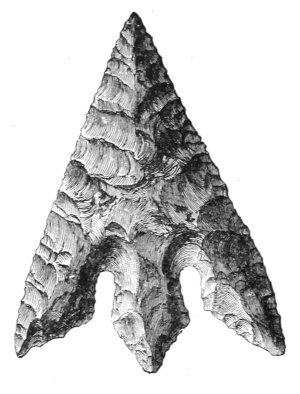
Contents of Vol. II.
The Bronze and Stone Ages.—Cairn Burial of the Bronze Age and Cremation Cemeteries—Urns of Bronze Age Types—Stone Circles—Stone Settings—Gold Ornaments—Implements and Weapons of Bronze—Cairn Burial of the Stone Age—Chambered Cairns—Urns of Stone Age Types—Implements and Weapons of Stone.
EDINBURGH: DAVID DOUGLAS
One Volume 8vo, fully Illustrated, 15s.
THE
PAST IN THE PRESENT:
WHAT IS CIVILISATION?
By SIR ARTHUR MITCHELL, M.D., LL.D.
Contents.
I. The Spindle and Whorl. IV. Cave Life.
II. Craggans and Querns, etc. V. Stone, Bronze, and Iron Ages.
III. Beehive Houses, etc. VI. Superstitions.
EDINBURGH: DAVID DOUGLAS
William F. Skene.
Celtic Scotland. A History of Ancient Alban. By William F. Skene, D.C.L., LL.D., Historiographer-Royal for Scotland. Second Edition, carefully Revised by the Author, with a new Index to the entire work. 3 vols. demy 8vo, 45s.
Vol. I. HISTORY AND ETHNOLOGY. 15s.
Vol. II. CHURCH AND CULTURE. 15s.
Vol. III. LAND AND PEOPLE. 15s.
“Forty years ago Mr Skene published a small historical work on the Scottish Highlands which has ever since been appealed to as an authority, but which has long been out of print. The promise of this youthful effort is amply fulfilled in the three weighty volumes of his maturer years. As a work of historical research it ought, in our opinion, to take a very high rank.”—Times.
E. W. Robertson.
Scotland under her Early Kings. A History of the Kingdom to the close of the Thirteenth Century. By E. William Robertson. 2 vols. demy 8vo, cloth, 36s.
Historical Essays, in connection with the Land and the Church, etc. By E. William Robertson, Author of “Scotland under her Early Kings.” 1 vol. demy 8vo, 10s. 6d.
Rev. James B. Johnston.
The Place-Names of Scotland. By the Rev. James B. Johnston, B.D., Falkirk. 1 vol. crown 8vo, 7s. 6d.
This book, for which the author has been collecting materials during the last five years, contains an introduction, general and philological, followed by a list of the important place-names in Scotland, with explanations of their meaning, and with their old spellings, each dated so far as known.
Lord Cockburn.
Circuit Journeys. By the late Lord Cockburn, one of the Judges of the Court of Session. Second Edition, 1 vol. crown 8vo, 6s.
“One of the best books of reminiscences that have appeared.”—Morning Post.
“Delightful alike for its pleasant landscapes; its sound criticisms on men, law, and books; for its sharp things said in a good-natured way.”—Academy.
“Valuable for their topographical descriptions; and they form an indirect contribution to the social history of Scotland.”—Scotsman.
Sir Daniel Wilson.
The Lost Atlantis and other Ethnographic Studies. By Sir Daniel Wilson, LL.D., F.R.S.E. 1 vol. demy 8vo, 15s.
Contents.—The Lost Atlantis—The Vinland of the Northmen—Trade and Commerce in the Stone Age—Pre-Aryan American Man—The Æsthetic Faculty in Aboriginal Races—The Huron-Iroquois: a Typical Race—Hybridity and Heredity—Relative Racial Brain-Weight and Size.
EDINBURGH: DAVID DOUGLAS.
Two Volumes, Demy 8vo, Illustrated, 25s.
THE HEREDITARY
SHERIFFS OF GALLOWAY
THEIR “FORBEARS” AND FRIENDS
THEIR COURTS, AND CUSTOMS OF THEIR TIMES
WITH NOTES OF THE EARLY HISTORY, ECCLESIASTICAL
LEGENDS, THE BARONAGE AND PLACE
NAMES OF THE PROVINCE
BY THE LATE
Sir ANDREW AGNEW, Bart.
OF LOCHNAW
EDINBURGH:
DAVID DOUGLAS, 10 CASTLE STREET
1893
553ICELANDIC SAGAS, Translated by Sir GEORGE DASENT
Two Volumes, Demy 8vo, with Maps and Plans, 28s.
THE NJALA SAGA
BURNT NJAL
FROM THE ICELANDIC OF THE NJAL’S SAGA
BY
SIR GEORGE WEBBE DASENT, D.C.L.
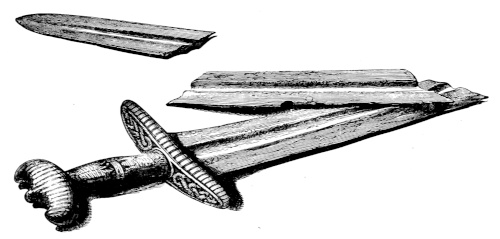
Graysteel
Small 4to, with Illustrations, 7s. 6d.
THE GISLI SAGA
GISLI THE OUTLAW
FROM THE ICELANDIC
BY
SIR GEORGE WEBBE DASENT, D.C.L.
EDINBURGH: DAVID DOUGLAS
Demy 4to, Illustrated, 42s. and 84s.
THE
HISTORY OF LIDDESDALE
ESKDALE, EWESDALE, WAUCHOPEDALE
AND THE
DEBATEABLE LAND
Part E. from the Twelfth Century to 1530
BY
ROBERT BRUCE ARMSTRONG
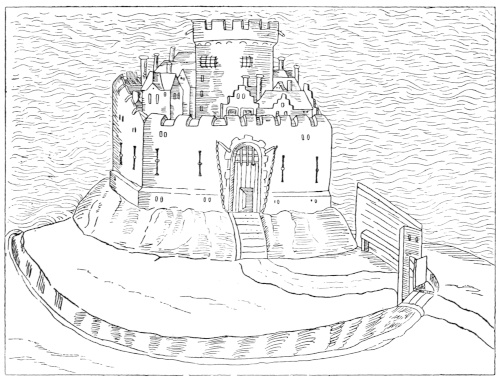
CRUKILTON CASTLE
EDINBURGH: DAVID DOUGLAS
One Volume 8vo, Illustrated, 7s. 6d.
SCOTLAND
AS IT WAS AND AS IT IS
BY THE
DUKE OF ARGYLL
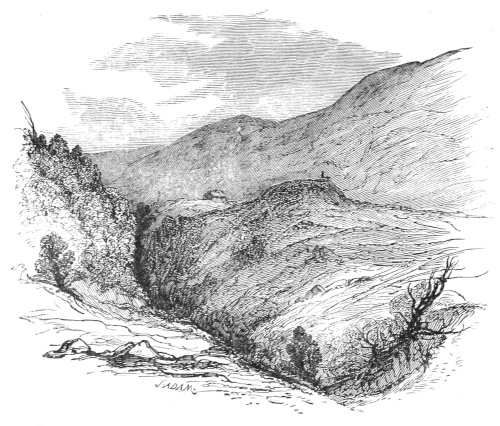
ROB ROY’S HOUSE, GLENSHIRA
A HISTORY OF RACES, OF MILITARY EVENTS,
AND OF THE RISE OF COMMERCE
EDINBURGH: DAVID DOUGLAS
Two Volumes 4to, 21s.
ARCHÆOLOGICAL ESSAYS
BY THE LATE
SIR JAMES Y. SIMPSON, Bart.
EDITED BY THE LATE
JOHN STUART, LL.D.
AUTHOR OF THE “SCULPTURED STONES OF SCOTLAND”
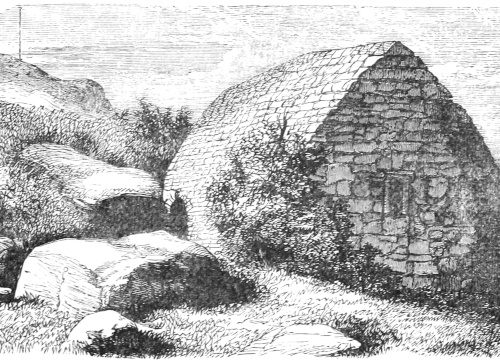
ANCIENT ORATORY IN THE ISLAND OF INCHCOLM
Contents.
1. Archæology. 6. Leprosy and Leper Hospitals.
2. Inchcolm. 7. Greek Medical Vases.
3. The Cat Stane. 8. Was the Roman Army provided
4. The Magical Charm-Stones. with Medical Officers
5. Pyramid of Gizeh. 9. Roman Medicine Stamps, etc., etc.
EDINBURGH: DAVID DOUGLAS
Two Volumes, Demy 8vo, 19s. 6d.
SOCIAL LIFE
IN FORMER DAYS
CHIEFLY IN THE PROVINCE OF MORAY
Illustrated by Letters and Family Papers
By E. DUNBAR DUNBAR
LATE CAPTAIN 21ST FUSILIERS
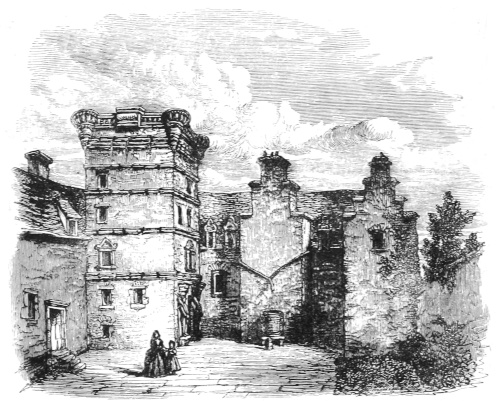
THUNDERTON HOUSE.
EDINBURGH: DAVID DOUGLAS
One Volume, Demy 8vo, price 14s.
EARLY TRAVELLERS
IN SCOTLAND
1295-1689
EDITED BY
P. HUME BROWN
AUTHOR OF ‘THE LIFE OF GEORGE BUCHANAN’
EDINBURGH:
DAVID DOUGLAS, 10 CASTLE STREET.
554P. Hume Brown.
George Buchanan, Humanist and Reformer: a Biography. By P. Hume Brown. Demy 8vo, 12s.
“There is, perhaps, no eminent Scotsman who has stood in better need of an impartial and scholarly biography than George Buchanan; and Mr Hume Brown is to be congratulated on having in the present volume produced a model of its kind.”—Scotsman.
Tours in Scotland, 1677 and 1681. By Thomas Kirk and Ralph Thoresby. Edited by P. Hume Brown. Demy 8vo, 5s.
A lucky accident having brought these two interesting narratives to light since the “Early Travellers in Scotland” was published, it was thought desirable to reprint them uniform with that book.
Scotland Before 1700. From Contemporary Documents. Forming a Companion Volume to “Early Travellers in Scotland.” By P. Hume Brown, Author of “The Life of George Buchanan,” &c. Demy 8vo, 14s.
Bishop Forbes.
Kalendars of Scottish Saints. With Personal Notices of those of Alba, etc. By Alexander Penrose Forbes, D.C.L., Bishop of Brechin. 4to, price £3, 3s. A few copies for sale on large paper, £5, 15s. 6d.
“A truly valuable contribution to the archæology of Scotland.”—Guardian.
Thomas S. Muir.
Ecclesiological Notes on some of the Islands of Scotland, with other Papers relating to Ecclesiological Remains on the Scottish Mainland and Islands. By Thomas S. Muir, Author of “Characteristics of Church Architecture,” etc. Demy 8vo, with numerous Illustrations, 21s.
Sir Samuel Ferguson.
Ogham Inscriptions in Ireland, Wales, and Scotland. By the late Sir Samuel Ferguson, President of the Royal Irish Academy, Deputy Keeper of the Public Records of Ireland, LL.D., Queen’s Counsel, etc. (Being the Rhind Lectures in Archæology for 1884.) 1 vol. demy 8vo, 12s.
Miss Maclagan.
The Hill Forts, Stone Circles, and other Structural Remains of Ancient Scotland. By C. Maclagan, Lady Associate of the Society of Antiquaries of Scotland. With Plans and Illustrations. Folio, 31s. 6d.
“We need not enlarge on the few inconsequential speculations which rigid archæologists may find in the present volume. We desire rather to commend it to their careful study, fully assured that not only they, but also the general reader, will be edified by its perusal.”—Scotsman.
Prof. Baldwin Brown.
From Schola to Cathedral. A Study of Early Christian Architecture in its relation to the life of the Church. By G. Baldwin Brown, Professor of Fine Art in the University of Edinburgh. Demy 8vo, Illustrated, 7s. 6d.
The book treats of the beginnings of Christian Architecture, from the point of view of recent discoveries and theories, with a special reference to the outward resemblance of early Christian communities to other religious associations of the time.
Patrick Dudgeon.
A Short Introduction to the Origin of Surnames. By Patrick Dudgeon, Cargen. Small 4to, 3s. 6d.
EDINBURGH: DAVID DOUGLAS
Transcriber’s Note
39.21: The date 1315 referred to in “...when Edward the First placed the whole of Scotland under four justiciaries in 1315.” was hand-corrected in our source text, and is obviously incorrect. Edward I died in 1307. In 1305, Edward I re-organized the administration of Scotland under English rule, promulgating the order in September, 1305 (Edward I in Scotland: 1296-1305, Fiona Jane Watson, 1999, University of Glasgow, Ph.D. Thesis..)
298.8: The chronology given regarding the Earl of Ross, on p. 298 (“He appears, however, to have entered into a league with the earls of Douglas and Crawford, in 1455, for the dethronement of that monarch, but died in 1449...”) is suspect. The year 1445, most likely, would have been intended. Douglas and Crawford were indeed opposed to James II at that time.
Names frequently appear with some variation of spelling, and given the fluidity of vowels in Gaelic, Anglic, and Latin, these have usually been retained.
Errors deemed most likely to be the printer’s have been corrected, and are noted here. The references in the table below are to the page and line in the original.
There are a number of instances of quotations being unopened, unclosed or otherwise mispunctuated. Closure is sometimes not obvious, and where possible the original sources were consulted. Skene often begins with quotation and continues in paraphrase without clearly marking such. Where it is not clear, these have been corrected and noted as ‘Probable.’
x.17 E[a]rldoms of Ross and Carrick, Inserted.
14.28 in sea, river, and lake.[’] Added.
64.30 his co[m/n]firmation of the grants Replaced.
65.1 monastery of Du[m/n]fermline Replaced.
91.20 fa[s/n]tastic creations of the popular mind Replaced.
101.2 above the mead vessels[”] Removed.
101.22 adorned with the purple;[’] Added.
116.24 dashed out his brains.[’] Added.
117.14 people of the Levenach or Lennox.[’] Probable.
127.15 and two of his succes[s]ors Inserted.
150.34 Battle of Maghra[l/t]h Replaced.
158.19 [(]the town of the Chlinnes) Added.
161.13 and O’Docomhlan over [Rinnna] h-Eignide sic
165.24 the Tuogh of Braden [Iland] sic
168.15 Tirkennedy, Knockrinie[./,] and Lough Lurgh. Replaced.
182.8 whole number of seventeen was comp[ /l]eted Restored.
194.24 He is said to have had [‘]twenty-four sons Probable.
205.31 there is no propriate share of land;[’] Added.
228.5 free of [‘]Can et Cuneveth Added.
235.20 of our lord the king;[’] Added.
243.24 grants to the monks of Arbroath [‘]two bovates of land Probable.
246.11 their respective partisans which accompa[in/ni]ed it Transposed.
253.17 while in [1]358 one-half of the thanage Almost certainly.
301.14 to Neill mac[ ]Neill Inserted.
309.25 The second group of the Mowats and Cowt[t]s Removed.
366.11 to the late John Lachlan Mac[g]illivray Inserted.
378.7 upon this farm the[ir/re] were besides Replaced.
398.35 Giolla Og[h]amhnan was begotten of Solomh Inserted.
450.36 [‘]Caterina Comitissa Orcadiae et Cathanesiae ’ Added.
482.5 Niall more[o]ver had two sons Inserted.
494.3 Manuis oig[./ ]mic Period removed.
512.21 Fothad, second bishop of [Alban, ii. ]Alban, ii. Removed.
517.46 heads an insurrection[rection] Removed.
523.21 and in [a]nother five years Added.
528.3 give way before fe[n/u]dal forms Inverted.