THE BALEARIC ISLANDS
Reading edition
The Balearic archipelago no longer deserves the name of the Forgotten Isles bestowed upon it a dozen years ago by a French traveller. Much has since been written about the islands in our own and other languages, and yachtsmen often put in at what the Genoese Admiral classed with June, July and August, as one of the four best harbours in the Mediterranean. But the influx of tourists has not been large, and the isles run no immediate risk of losing their marked local characteristics. The remote past keeps a firm grip on Mallorca and Menorca; as in Egypt, you never cease to feel dead stony eyes are staring at you across thousand-year-long vistas. In the aisles the monuments of antiquity belong to the very dawn of human history, appearing almost the works of nature, even as those who reared them seem hardly to have emerged into full manhood. At every turn, as in Sardinia, you are met by the rude handiwork of that primitive Mediterranean race, which passed away in the struggle between Latins, Greeks and Semites. Every one knows now that the word Balearic is derived from a Greek word meaning to throw, and that it refers to the extraordinary dexterity of the natives in the use of the sling. This was their national weapon, their sole means of attack and defence. In summer, as their only clothing, each man wore three slings—one round his head, one round his loins, and one at his wrist. To train their children in its use, the mothers, we are told, would not let them have their bread or meat till they had brought it down from a bough or ledge by means of the sling.
Of all their dexterity they had need when strange men with black curling beards and dark stern faces—men that they had never seen—came sailing into their harbours and tempted them down from their perches with a display of bright rare stuffs and gewgaws. Poor simple white savages, it is likely enough that they had thought themselves till then the only men in the world. Then came the attempts of the Phœnicians to enslave and to subdue them, and wildly the islanders fought for their freedom, knowing as little as the creatures of the jungle do of the forces arrayed against them. The wild birds were netted at last. In the sixth century before Christ, the Carthaginians were masters of the archipelago, and dragged the slingers off to serve in their armies. Mago, a Punic leader, gave his name to Puerto Mahon. Then came a time when the natives felt the grasp of the Semites relax. Their power had been crushed by the Romans and the islands enjoyed a brief interval of liberty. But in the year 123 B.C., the conquerors of Carthage remembered their neglected heritage, and sent Cecilius Metellas to take possession. He founded the cities of Palma and Pollensa, which still retain their Latin names, and brought with him some thousands of Italian and Spanish colonists, who soon tamed the wildness of the aborigines. Thence onward for centuries the archipelago prospered quietly, safe beneath the outspread wings of the Roman eagle. Upon the break-up of the empire it passed through various hands to the Visigoths, to be wrested from them in the eighth century by the Arabs. Under this new dominion the islands became a nest of pirates, who ultimately founded a kingdom embracing parts of the Spanish mainland and of Sardinia. The depredations of the Balearic Moors excited the anger of Christendom, and Pope Pascual II. preached a crusade against them. Constituting themselves the ministers of Europe’s vengeance, the Pisans and Catalans inflicted a severe punishment on the Pirates and sacked the rich city of Palma. Over a hundred years later, in 1227, Don Jaime I. of Aragon reduced the whole group of islands in a memorable campaign, and annexed them finally to Christendom. The conqueror constituted his new possessions into a kingdom for his second son and namesake, from whose grandson, Jaime II., they were taken by Pedro IV. in the year 1347 and incorporated with the kingdom of Aragon.
But history had not yet done with the islands. The old rancour between the peasantry and the nobles came to a head at the beginning of the sixteenth century, in the war of the Germania or brotherhood. The viceroy took refuge in the Citadel of Ibiza, while the nobles defended themselves in the castle of Alcadia against the desperate attacks of the peasantry led by Juan Colom. The arrival of a royal squadron commanded by Don Juan de Valesco led to the extinction of the revolt. Ruled by Carthaginians, Romans, and Moors, the islands excited the cupidity of another race of conquerors. Seized by the English in 1708, Menorca remained in their possession till 1781, when it was retaken by the French and Spaniards. The failure to relieve the garrison cost Admiral Byng his life. We again took possession of the island in 1793 to surrender it finally to Spain at the peace of Amiens nine years later.
Mallorca (it is as easy to call it by its proper name as by its variant Majorca) is the largest and most beautiful of the islands. Towards the north and south-west it presents an iron-bound wall of rock to the turbulent waters of the Catalan seas; on the south the plain stretches to the shore, and here we find the little harbour of Santa Ponza, at which the conqueror Jaime I. disembarked his army on September 10, 1229.
Hard by is the estate of Ben Dinat, so named, it is averred, because the conqueror expressed in those two words his satisfaction with a meal of bread and garlic served him at this spot. It is more probable that the name is that of some long-forgotten Moor. Then comes the little harbour and tower of Portopi and round the next promontory the lovely bay of Palma, with the capital of the Balearics smiling a welcome to the stranger. The walls that once surrounded the city have been demolished: the turrets that rise above the house-tops are those of the Cathedral and the Exchange (Lonja). We enter the town through the Water Gate, a building not without majesty, and crowned by a statue of the Blessed Virgin. The streets, as in most Spanish towns, are narrow and shady, often rewarding the curiosity of the passer-by with glimpses of Renaissance patios, graceful balconies, and turret windows. Among the most interesting houses of the Butifarras (big sausages), as the nobility of the island used to be called, are the Casa de Vivot and the palace of the Counts of Montenegro. But Palma is a living city, and side by side with these dignified memories of the past we find handsome modern buildings such as the Bank of Spain and the Hall of Provincial Deputation. Nor does Palma want for wide breathing-spaces and promenades. It has the fine Paseo del Borne and the Boulevards constructed round the bay and on the site of the old fortifications. Close to the landing-stage the new-comer’s attention is first attracted by the Exchange or Lonja. Charles V. on visiting the island for the first time hastened at once to see it, eagerly demanding if it belonged to the Church or to the State, and was visibly relieved on hearing that it was a civil edifice. The Lonja is a quadrangular building, surmounted by a crenellated balustrade and flanked at each angle with an octagonal tower of six stages, one of these rising above the balustrade. The walls are strengthened with graceful pilasters, and pierced in their lower story by ogival windows with good traceries. The door is square and enclosed within an ogival arch. The interior forms a single great hall, the roof of which is supported by only four slender fluted columns, from which the arches spring like palm branches. This interesting building was designed and begun by Antonio Sagrera in the year 1426. Like the numerous other Spanish Lonjas, it has long been deserted by the mercantile community.
The cathedral towers above the whole city and is one of the most important churches in the kingdom. The name of the architect is unknown, but the foundations were laid by order of Jaime the Conqueror soon after he had annexed the island. The plan is rectangular, the walls supported by massive flying buttresses, surmounted with pinnacles and turrets. The south front is the finest and is pierced by the beautiful Puerta del Mirador, in florid Gothic style, the work of Pedro Morey, who died in 1394. The west porch is an elaborate work, finished in 1601. On the north side is the noble square bell-tower.
The interior is remarkable for the enormous span of the nave, the widest in Spain. It rises to a height of 147 feet and is sustained by relatively slender columns. The nave terminates in the beautiful Capilla Real, founded in 1282, wherein is the modest tomb of the last King of Mallorca. The wooden gallery running round the wall is strongly suggestive of Saracenic influence. Opening into this chapel are the Capillas de Santa Eulalia, containing a Gothic altar and the tomb of a Bishop of Palma, and San Mateo, in which ends one of the aisles. In the chapel of St. Jerome is the fine tomb of the Marques de la Romana, who did such good service to Spain by bringing from Denmark the Spanish troops in Napoleon’s service. Another notable sepulchre is that of Bishop Gil Sancho Munoz, successor elect to Pope Benedict XIII. (1447). The choir is in decadent Gothic style, but the carving is very good and reveals imagination and fertility of resource on the part of the artist. The statues of St. Bruno and St. John were brought here from the chapter-house of Valledemosa. The old Moorish palace of Almudaina, adjacent to the cathedral, is the residence of the Captain-General and seat of the High Court. It is provided with a chapel built by Jaime II.
The only other church worthy of mention at Palma is that of San Francisco de Asis, remarkably like the cathedral for the span of its nave and for the tomb of the famous Raymond Lull, Mallorca’s most illustrious son. This famous philosopher was born in 1235 and is said to have been converted from evil courses in his youth by finding that his mistress was devoured by cancer—such reasons for a change of life being frequent in the Middle Ages. He imagined himself called upon to overthrow the religion of Mohammed not by the old methods, but by a “great art” of logic which he devised. Like some liberal Catholics of later days, he held that the dogmas of his Church could and should be demonstrated by reason, and not by mere exhortations to believe. To combat Islam he rightly considered necessary that missionaries should understand the language of their adversaries. His exertions induced the Pope to found one or two chairs of Arabic and Syriac, and his philosophy, strange to say, met with no censure from ecclesiastical authorities. Lull was credited with immense and preternatural wisdom by his generation, and was popularly believed to have discovered the Philosopher’s Stone. He undertook several journeys to Northern Africa in his zeal for souls, and on the last of these visits received such severe injuries from a Moslem mob that he succumbed on board ship within sight of his native isle (1315).
A picture of his funeral may be seen at the Town Hall, which is a rather imposing Renaissance building adorned by one of those heavy projecting eaves, carved and once painted, that one sees at Granada. Another house that should be noticed is the Casa Bonapart, said to have been founded by an ancestor of the Imperial family in 1411.
In the suburbs of Palma is the fine old castle of Bellver, founded by the last King of Mallorca. It is composed of a vast keep, strengthened by bastions and surrounded by a moat. Connected with this stronghold by a bridge of two tiers is the massive Torre del Homenage. The castle has received many distinguished and involuntary guests. Here was confined Jovellanas, the able Minister of Carlos IV., and here was shot General Lacy for conspiring against the tyrant Fernando VII. Arago the Astronomer took refuge here, when the mob, suspecting that he was signalling to the French when he was simply making observations, sought his life.
Seven miles from Palma is Raxa, the seat of the Conde de Montenegro, who has an exceedingly valuable collection of antiquities. Here may be seen a curious chart of the world, drawn in 1439, according to the instructions of Amerigo Vespucci. It is partly obliterated by the ink spilt over it when it was being spread out for examination by George Sand.
That gifted Frenchwoman slayed at the suppressed Carthusian monastery of Valldemosa, and there she wrote the romance “Spiridion,” at which Mr. Titmarsh poked his fun. It is a beautiful, decayed old place, once a royal palace, and decorated with frescoes illustrating its history.
We again come to the traces of Raymond Lull at Miramar, the beautiful seat of the Archduke Ludwig Salvator, who kindly placed a hospice at the disposal of travellers. This was originally the college established by the philosopher for the study of Oriental tongues. The ill-fated Maximilian of Mexico borrowed the name of his palace near Triente from this enchanting spot.
In addition to the capital, Mallorca contains three or four towns of importance, such as Manacor, Alcudia, and Pollensa, but these present few features of interest. The scenery in the vale of Soller is radiant and smiling, the soil being of amazing fertility, such as the Barranco and Gorch Blau, or Blue Gorge. Between Pollensa and Soller in the heart of the hills is the sanctuary of Our Lady of Lluch, the origin of which is accounted for by a legend similar to that of Lourdes. To accommodate the pilgrims who flocked to the spot, a hospice was built, which in course of time was converted into a school of religious music. Here as at Miramar every stranger can have three days’ free lodging, including fire, light, and the indispensable oil and olives.
On the other side of the island are the caves of Anta, rivalling those of Han and Adelsberg. “The most fantastic part of this subterranean region,” says Mr. Vuillier, “goes by the significant name of L’Infierno. It is a nightmare in stone. Tongues of petrified flame seem to lick the walls. An enormous lion squats in one corner, staring at unhewn tombs overhung by rigid cypresses. Strange forms of antediluvian monsters lurk half-seen in the obscurity. Many of the stalactites when rapped sharply with a stick emit musical notes, some like the vibration of a harp-string, others like the deep resonance of a church bell. These are in an immense hall as vast as a cathedral nave.... In silence and darkness, the forces of nature have for centuries been hewing and shaping an architecture more sublime than ever was conceived in the wildest dream of the Gothic craftsman.”
Menorca, the second largest of the islands, is bare and bleak and flat round the coast, though at one point in the interior it rises to a height of nearly 6000 feet. Here and there are picturesque spots, notably the Barranco of Algendar; but speaking generally the island is the Holland of the Mediterranean. Cleanliness, well-being, industry and good conduct are the characteristics of the inhabitants, who live farther outside the world of romance even than most Latin people. We flatter ourselves of course that they learned their good qualities from our ancestors, when they ruled the island, and certainly there are frequent reminders of our influence to be traced in the daily life of Menorca. “Ashes to Ashes,” though seldom heard now, was in Ford’s time an oath or exclamation often on the lips of the natives, and children use English words when playing marbles, a game that we taught them among other perhaps less useful arts. We sent to the island a Governor Kasie, who made roads and built market-halls, and did all that a worthy and unimaginative English gentleman might feel it is his duty to do in such a position; but the natives do not sigh once more to be under our dominion, as they are sometimes polite enough to tell English folk they do, and a Spanish writer actually refers to our paternal government as the Babylonish captivity.
Puerto Mahon was founded, as we have said, by the Carthaginians, and was appropriately enough occupied by us, the Carthaginians of later days. Its harbour is one of the best in the Mediterranean, and is very strongly fortified. Except for the forts, the town contains no public monuments of interest. The streets are very clean and rather quiet, and you remark the absence of the running water in the gutters characteristic of so many European towns. The streets are well paved, often with tombstones from the English cemetery; the dustman goes his rounds as he does in London, and many of the houses have English windows. The domestic life is held in high honour at Mahon, and the chief occupation and delight of the women is cleaning their houses. “It is an amusing spectacle” says M. Vuillier, “to see them armed with brooms of dwarf palm and immense pails of lime-water, gossiping along the walls from early morning, while they scrub and wash as if their lives depended upon it, fastening their brooms to long poles the better to reach the higher parts of the wall. Should a death occur in a house the walls are not whitened for a week, a fortnight or even a month, according to the closeness of the relationship or the degree of grief felt for the deceased. In rare cases the walls are not touched for six months.” The traveller comments on the absence of the tribe of unwelcome bedfellows, so persistent in their attentions in other parts of Spain.
This does not sound very interesting. Mahon is not, however, wholly devoid of the picturesque element. The old gate of Barbarossa is named after that famous pirate, by whom the city was surprised and sacked in 1536, and the fortifications still bear traces of the siege of 1781. Ciudadela, the old capital, at the opposite end of the island, is more suggestive of old times and memories. The streets are quaint and arcaded, and lined with fine old mansions: and there is an old palace, and a vast dim cathedral, which no one has ever properly explored. Ten minutes will be enough in which to exhaust the sights of Ciudadela, and you may then go and look at the Buffador, a blow-hole like those to be seen at Sark.
The people of Menorca have long since abandoned their native dress—presuming that they ever had one; but M. Vuillier remarked the continuance of the old custom, observable in other countries, of strewing the path of a bridal party with obstacles and building a wall before the house of the bride and bridegroom, the morning after their marriage. We see one of the innumerable survivals here of marriage by capture. The people are strangely fond of the practice of vaccination, and will perform it on each other with the least possible excuse. In blood-letting they also entertain an ineradicable belief.
Speaking of Alazor, a large village, Ford says: “It is worth the traveller’s while to go into any of the peasants’ houses and convince himself that in no other part of the world do the lower (i.e., working) classes live in greater comfort and even luxury. A man who has only a franc and a half a day as wages, and a little bit of garden, has a large and commodious house, well furnished, exquisitely clean, and always with a spare bed for the stranger. The character of the people is in exact harmony with their surroundings. They are polite and hospitable, crime is unknown, and their hygienic condition being so favourable they are healthy and long-lived. If is difficult to write of them without exaggeration and using too many terms of admiration for the good and wholesome life they lead.”
To the economist, then, the island of Menorca must be of interest, but it is infinitely more so to the archæologist. From end to end it is strewn with the works of prehistoric man, whose record in stone is hard to read. These megalithic remains present a strong resemblance to the mirage of Sardinia and Malta, but have also local characteristics which have puzzled and delighted the learned. M. Cartailhac has traced the sites of many ancient villages. The most considerable may be seen at Torre d’ea Galines, south of Alazor. There, on the summit of a slight eminence, a vast pile of stones is all that remains of the “city” to which the naked aborigines fled wildly the instant a sail rose above the horizon. In the constant and arduous struggle waged by the present inhabitants with the stones and the rock, the limits of the stronghold have, ages ago, disappeared, and if it had an outer wall it can no longer be traced. The dwellings were grouped together so closely that no streets can be distinguished. No chariot or beast of burden could have been known to the citizens. They communicated with each other by corridors leading from cabin to cabin. Here and there the doorways remain intact and uphold a heavy lintel of stone.
In each of these villages is to be found a single huge monument, composed of two blocks of stone, arranged T-shape. It is surrounded by a semicircular wall of unhewn stones, which probably once rose higher and higher and supported a roof of flat stones. These monuments are termed altars by the people of Menorca, and such they may, in fact, have been, but nothing definite can be said on this point.
Equally uncertain are the nature and purpose of the monuments called talayots, a word allied to the Arabic term for watch-tower. These are structures of uncemented blocks of stone in the form of a tower, slightly conical or cylindrical, sometimes square at the base. None of them is wholly intact. Whether the summit was a dome or a platform we have no means of knowing. “I observed, however, at Torranba de Salort,” says M. Cartailhac, “a detail which throws some light on this point. The tower is among the highest at the summit and at two steps from the centre lies a great stone more than a metre in diameter, in the shape of a thick mushroom, almost circular, flat on one side and with a protuberance on the other. It is possible that this block once crowned the culminating-point of the edifice.”
Among the largest talayots are those of Torre Ilafuda. They measure sixteen metres across the base and fourteen at the summit. The stones are laid horizontally and are carefully adjusted. The walls are three or four metres thick, and skilfully constructed. The interior usually forms a single chamber, and where this was large the roof was supported by a column formed of huge blocks of stone. The wall itself is often threaded by a passage to the roof or upper chamber, so narrow that it could only have been ascended by crawling. The entrance to the talayot is through a square opening large enough to permit a short man to walk through upright. All sorts of theories and guesses have been made as to what these towers originally were. Near every T-shaped altar one or two are to be found; there was always one at least on every town site. Perhaps, suggests our authority, they existed before all the other structures and were used as centres by a later population. Though they are often placed on eminences, it has been established that they were not fortresses; it can be proved more or less satisfactorily that they were not dwelling-places, storehouses, or tombs.
The boat-shaped piles, called navetas or naves, on the other hand had clearly a sepulchral character. The front or prow is slightly concave. The entrance measures about half a metre across and three-quarters of a metre in height, the edges are grooved as though to admit some sort of door. Inside, the passage widens and conducts you to a second opening as narrow as the first, through which you penetrate into the mortuary chamber itself. Filled now with rubbish, filth and carrion, these are the tombs of the fathers of the Mediterranean races, whose bones are brought to light each time the Menorcan ploughs his stubborn soil.
Stones must always have been a plague to the people of the island, and this, besides accounting for their selection of the sling as their peculiar weapon, may partially explain, as Ford reasonably remarks, the abundance of these monuments. “The erection of a large tumulus was not a piece of barbaric extravagance. It provided an unperishable monument for the person it was intended to honour (?) and it got rid of an immense mass of loose stone which greatly impeded agriculture.”
“One fact,” adds this lively writer, “is very curious. The Menorcans, even now, are in the habit of constructing just such tumuli as the talayots for the use of their cattle, though of smaller stones. In the distance they present an appearance not at all unlike the older structures.”
Ibiza, the third largest island of the group, is one of those spots which can afford no sort of justification for its existence. It is a mere backwater, a stagnant pool of humanity, interesting, though, as a place buried beneath prejudices and customs hundreds of years old. How should they be blown away in so out-of-the-way an island? The town stands on a fine harbour and reminds one rather of Guernsey. The collegiate church, formerly a cathedral, was founded by the Archbishop of Tarragona, in the thirteenth century, at the time the island was granted to him by Jaime the Conqueror. It is uninteresting, except for the view from the belfry. Better worth a visit is the fortified church of San Antonio at the other end of the island, wherein the people took refuge at the approach of the Corsairs. It is flanked with two massive towers and the apse has a parapet pierced with embrasures for guns. The walls are nearly eight feet thick, and the doorway is protected by a machicolation.
There is little else to be seen at Ibiza during the short time the traveller will be disposed to stay there, but M. Vuillier, who lingered there longer than he had intended, is able to tell us much that is interesting about the people and their customs. The islanders are a savage primitive stock. The recognised form of salutation between man and maid is for the former to hurry after the latter and without any warning discharge his gun into the ground at her feet. After spending the evening at her house, he fires at the ceiling, so that it should be easy to tell at a glance on going into a house for the first time if the daughters have been much sought after. The men do not confine their shooting to this sort of practice, however; duels, assassinations, and vendettas are frequent, and the feuds partake of the mysterious brutal character of those of Kentucky and Tennessee. In such a country animals fare badly, and one is not surprised to learn that throwing stones at a live cock is one of the favourite pastimes. When the youths come a-courting, each sits with the girl for a few minutes in turn and if he overstays the allotted period is punished by the others with the knife or pistol. Abduction is the rule rather than the exception; but for all the anxiety shown to possess them, the women have a wretched time, being hardly allowed to stir out of their dingy poverty-stricken cabins. Altogether it must be as difficult to make yourself happy at Ibiza as at any spot on or off the planet.
Of the remaining islands of the group, only one deserves mention and that only for its sad memories. This is Cabrera. It is little better than a bare rock, incapable of affording subsistence to more perhaps than two or three score of men, yet here during the Peninsular War the Spaniards were thoughtless enough to confine 5500 French soldiers, the victims of Dupont’s surrender at Bailen. Their sufferings were more severe than those of many a shipwrecked mariner. Each man was allowed only 24 ounces of bread and a few beans every four days. There was but one spring in the island and the thirst-maddened men would fight each other desperately to get a drink from this. Murder was common, and in one instance a man was detected in the act of preparing a meal from the remains of a comrade. It is touching to relate that for many months the men made a pet of a donkey they found wandering on the island, and it was not till the boat which brought them their miserable ration was long overdue that the poor famished wretches could find it in their hearts to kill and eat their only four-footed companion. As time went on, the captives made some attempt to cultivate their island, and their lot greatly improved, as the Spaniards continued to send the same rations, though their number was now reduced by two-fifths. Finally, in 1814, the last survivors were taken off by a French transport. The bones of those who died on the island were interred by the crew of a French warship and a monument was erected over their remains.
Plate 1
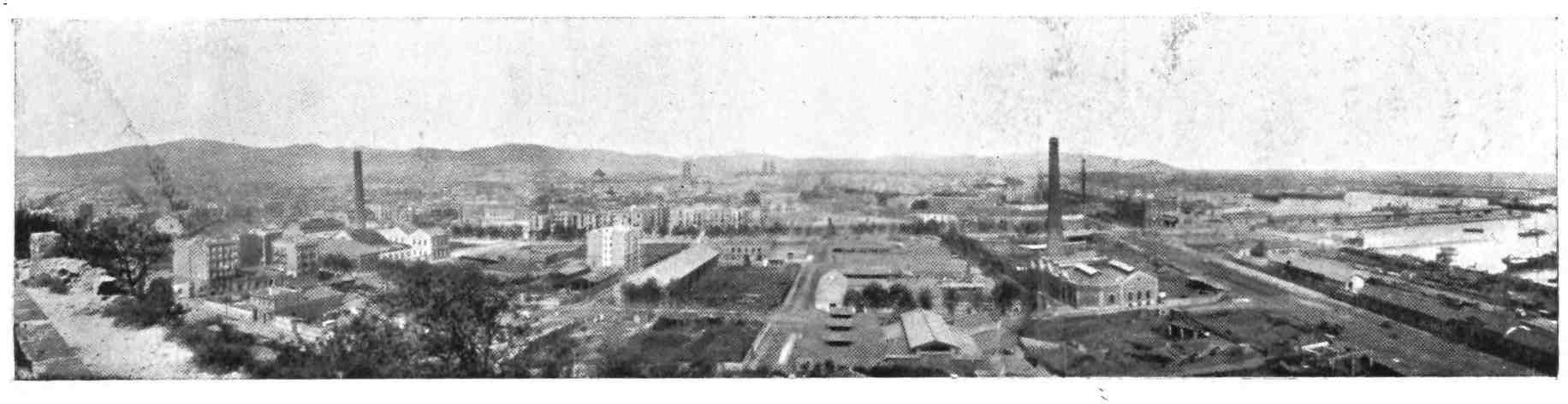
GENERAL VIEW OF BARCELONA
Plate 2
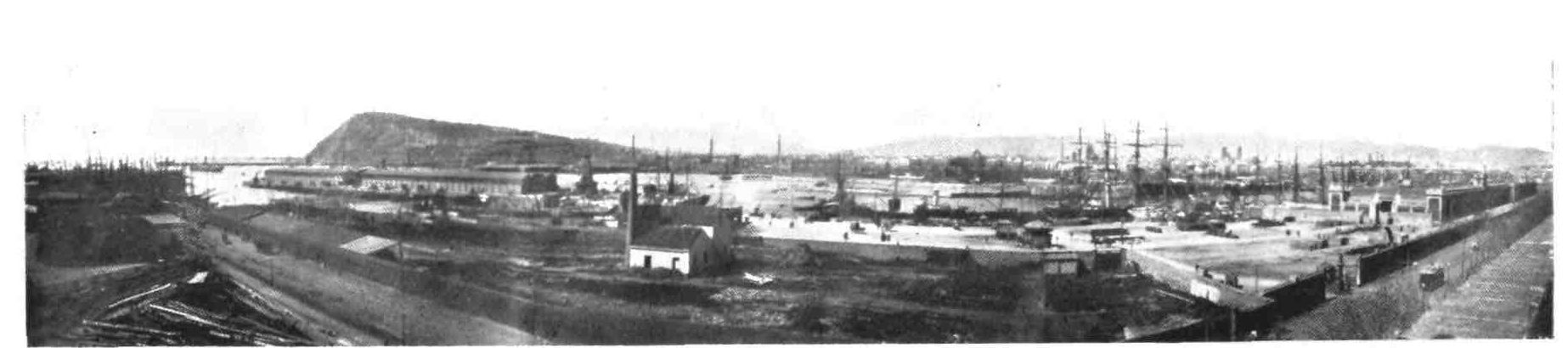
GENERAL VIEW OF BARCELONA
Plate 3
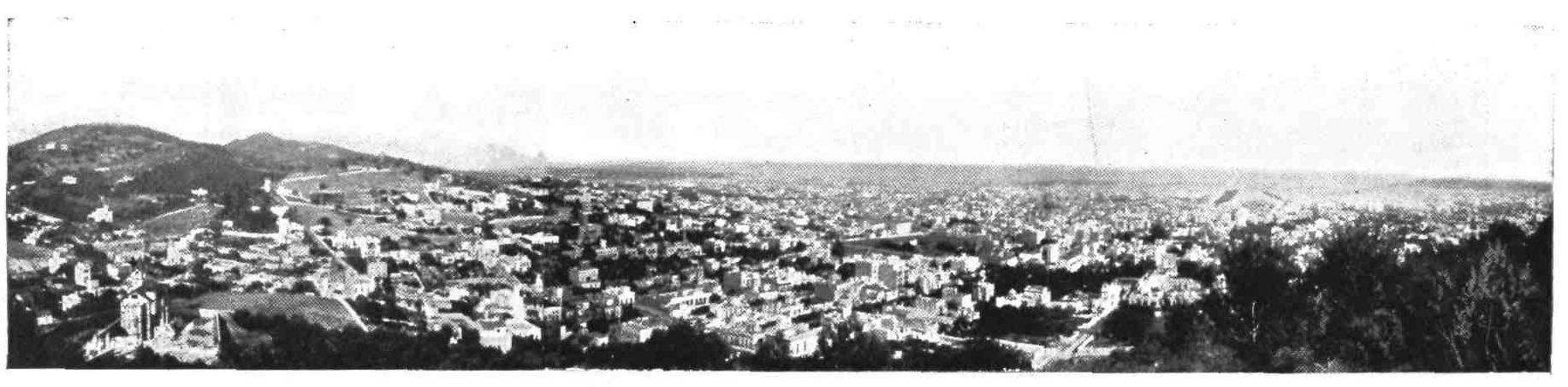
BARCELONA: VIEW FROM THE FUNICULAR RAILWAY STATION
Plate 4
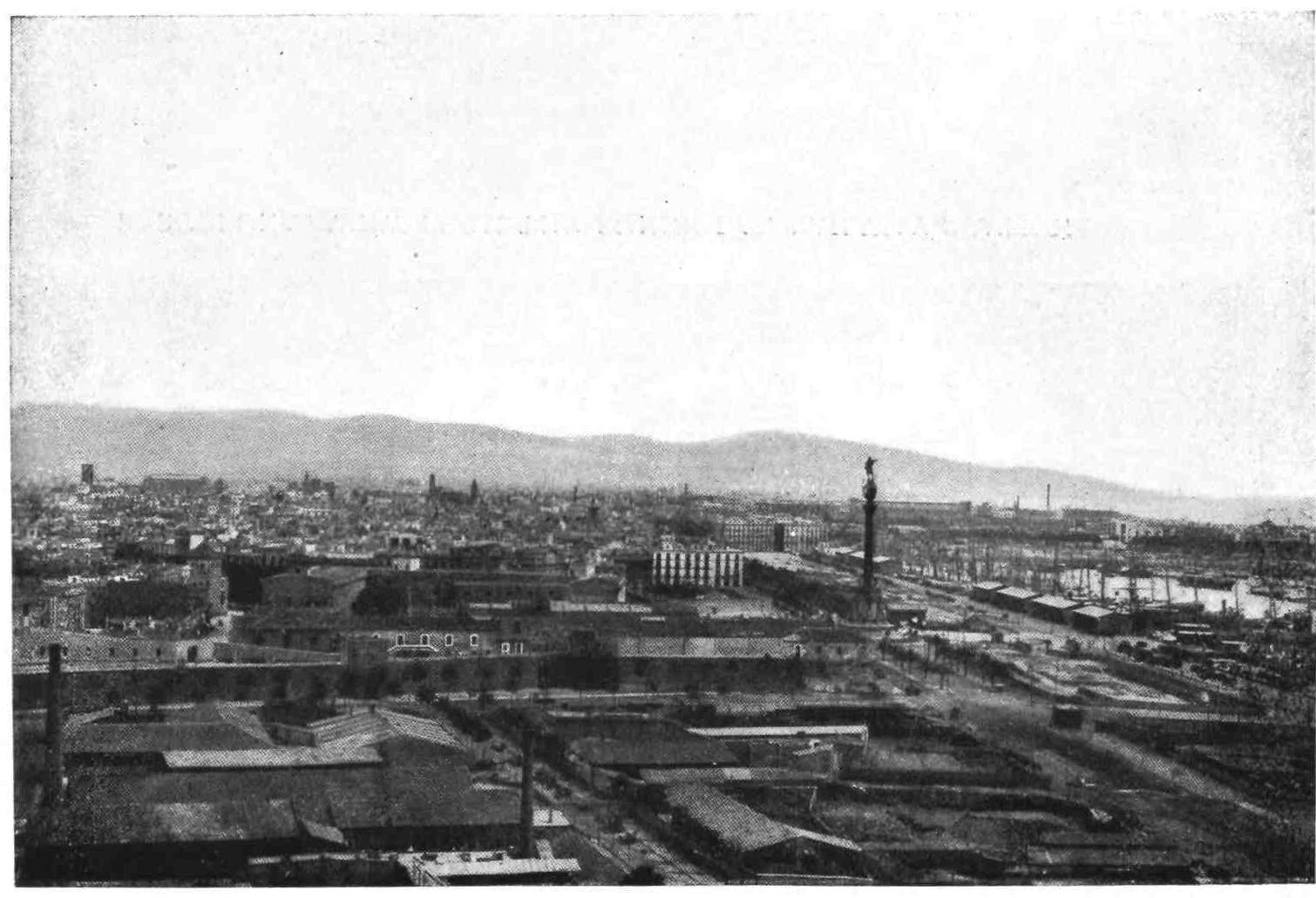
BARCELONA: PANORAMA FROM MONJUICH
Plate 5
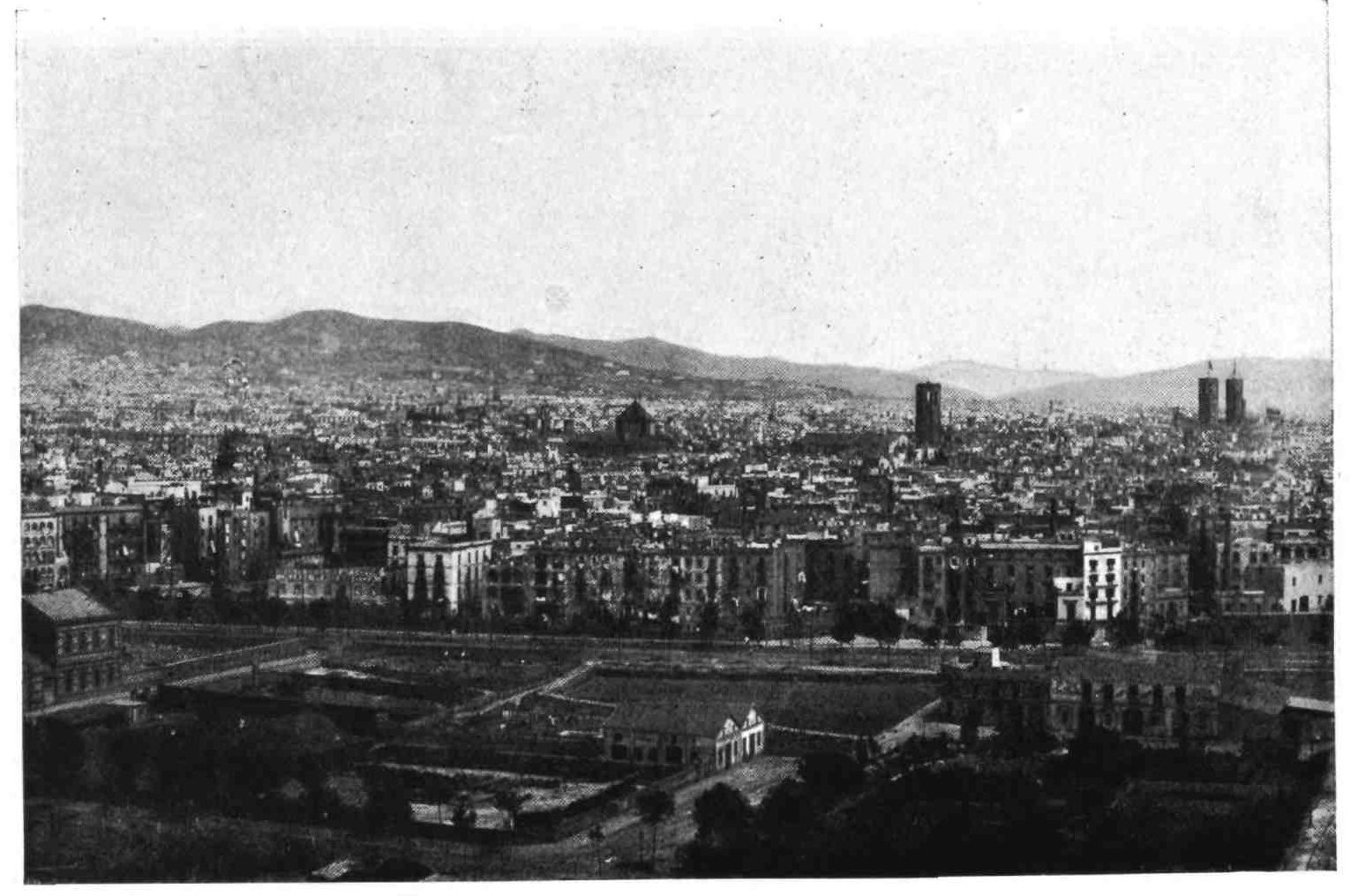
BARCELONA: PANORAMA FROM MONJUICH
Plate 6
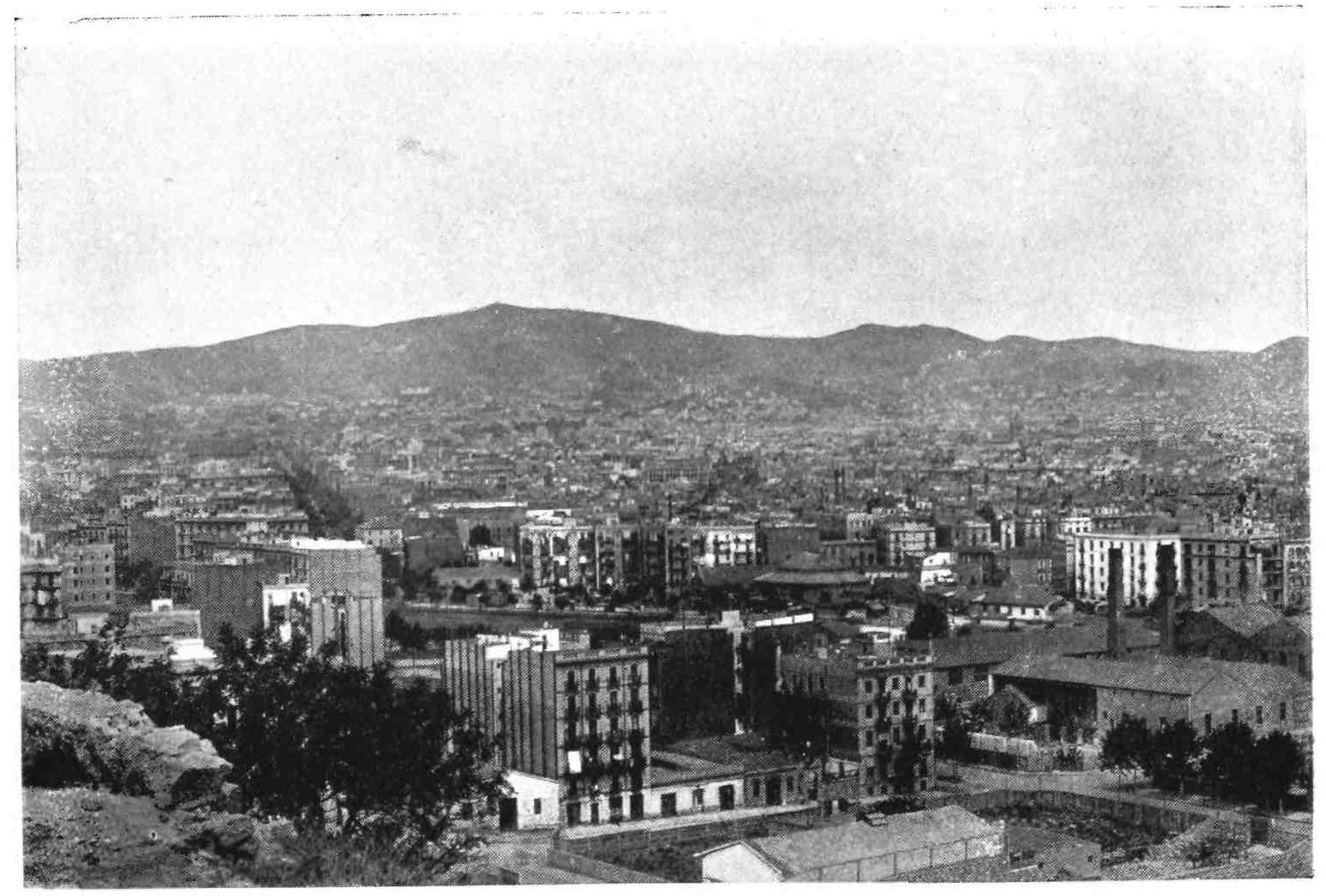
BARCELONA: PANORAMA FROM MONJUICH
Plate 7
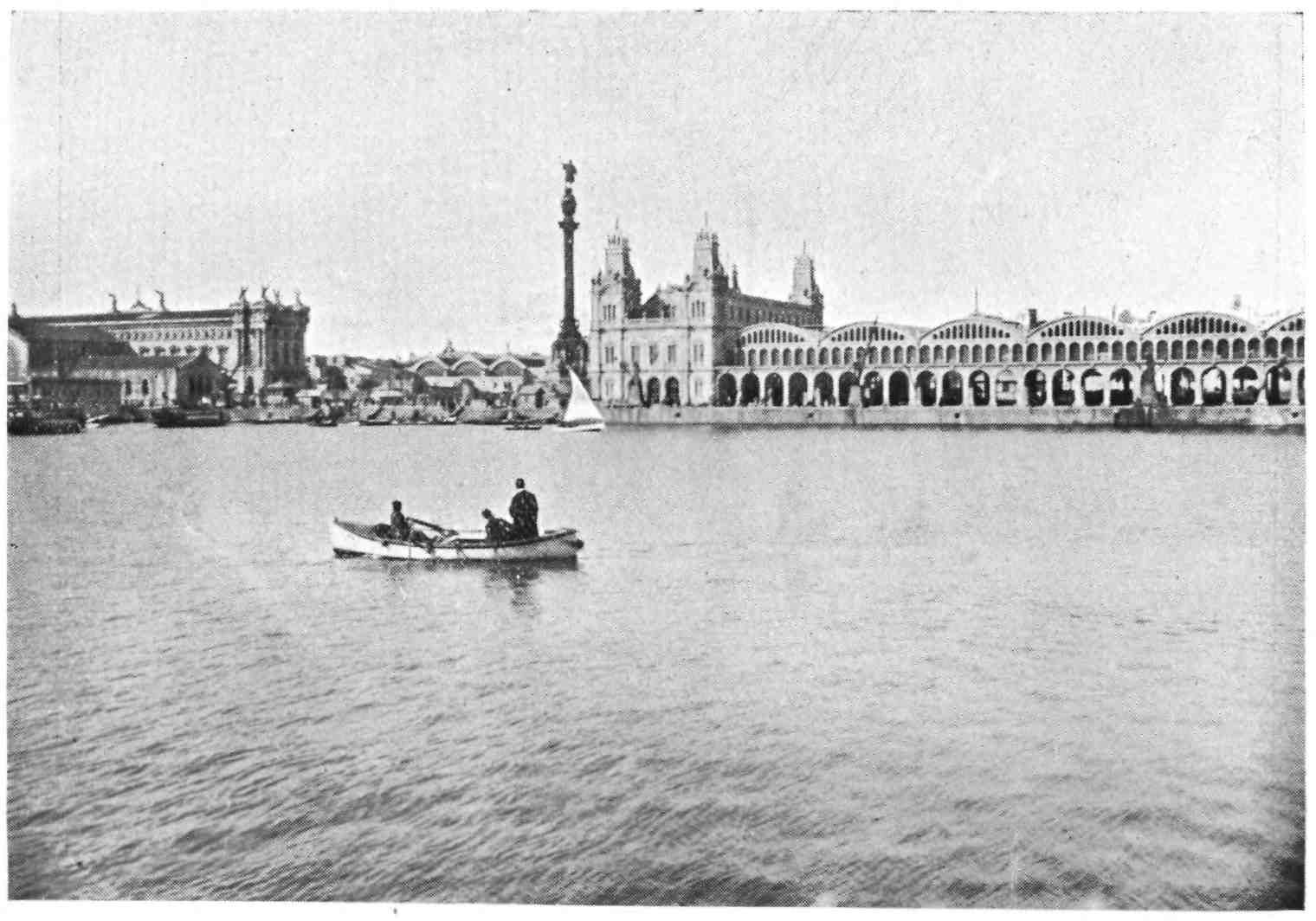
BARCELONA: THE DOCKS
Plate 8
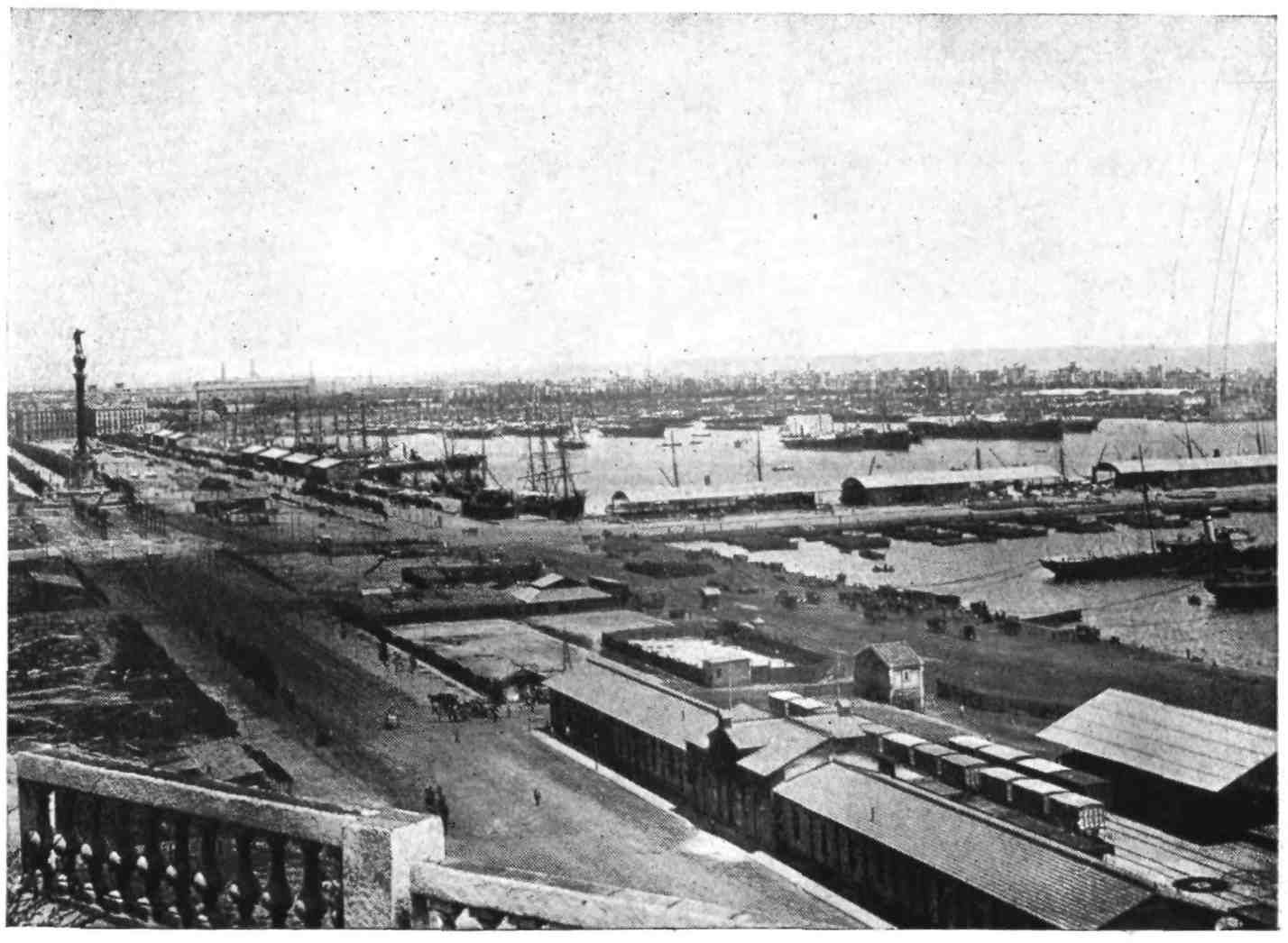
BARCELONA: GENERAL VIEW OF THE PORT
Plate 9
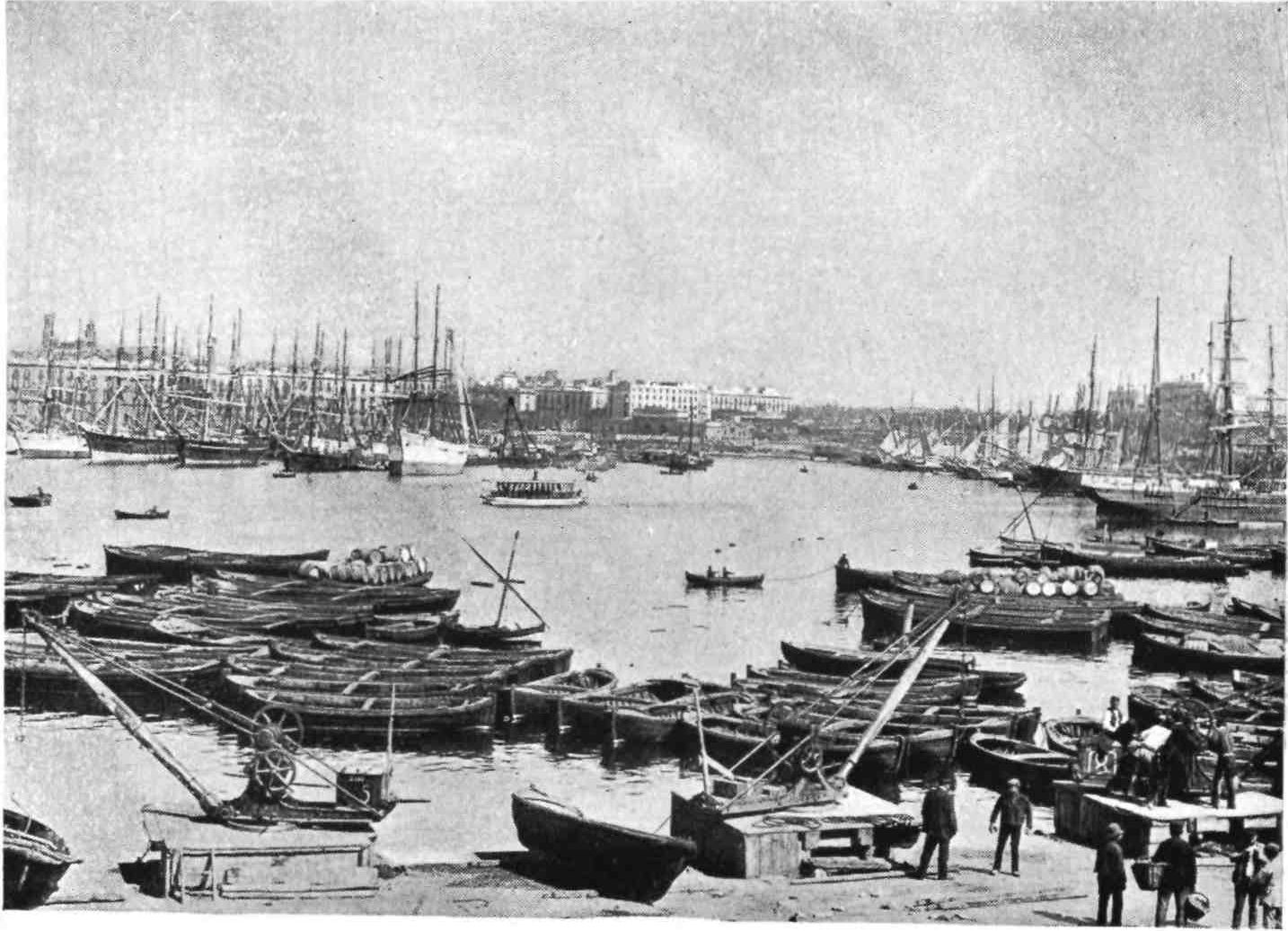
BARCELONA: DETAIL OF THE PORT
Plate 10
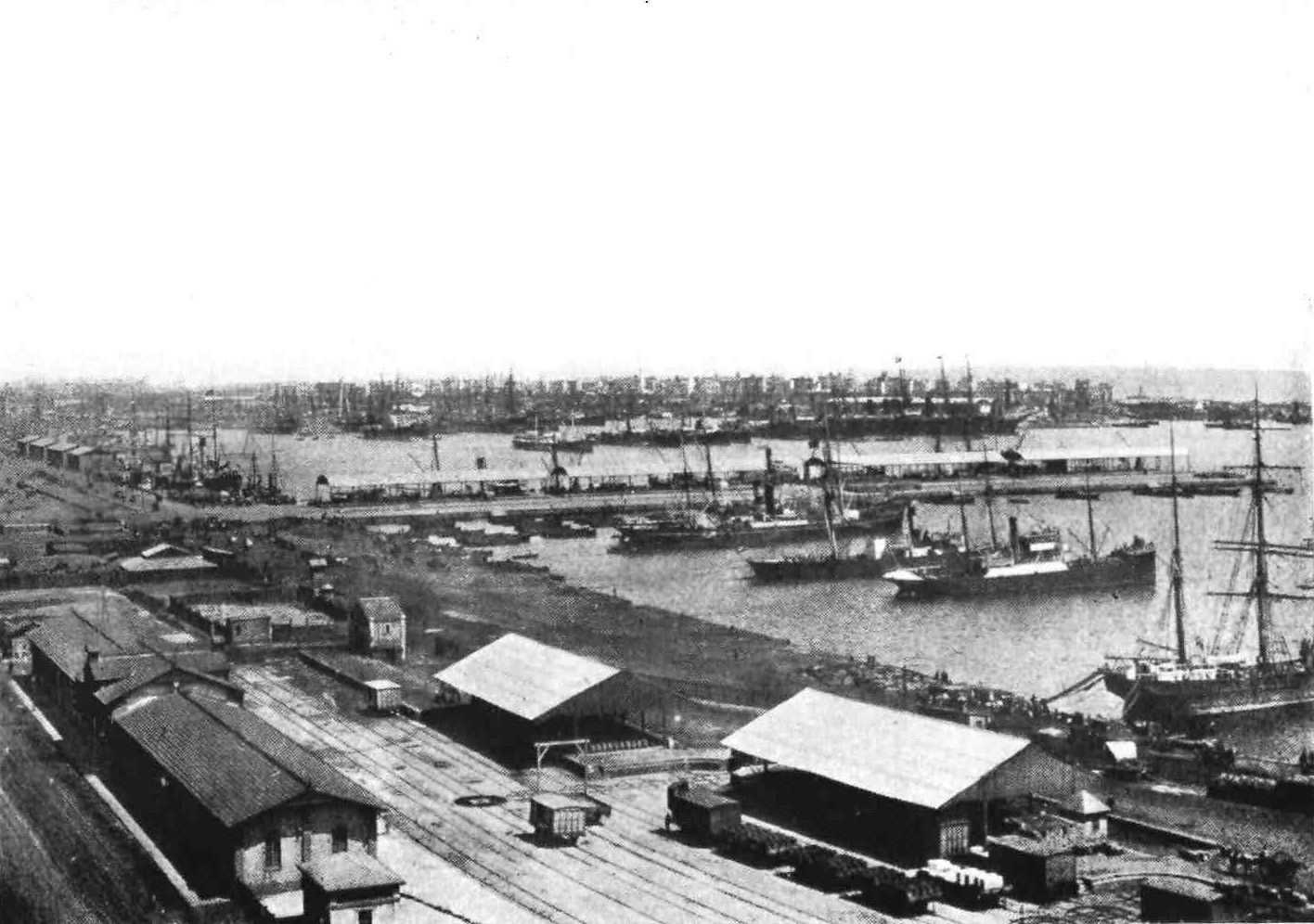
BARCELONA: VIEW FROM MIRAMAR
Plate 11
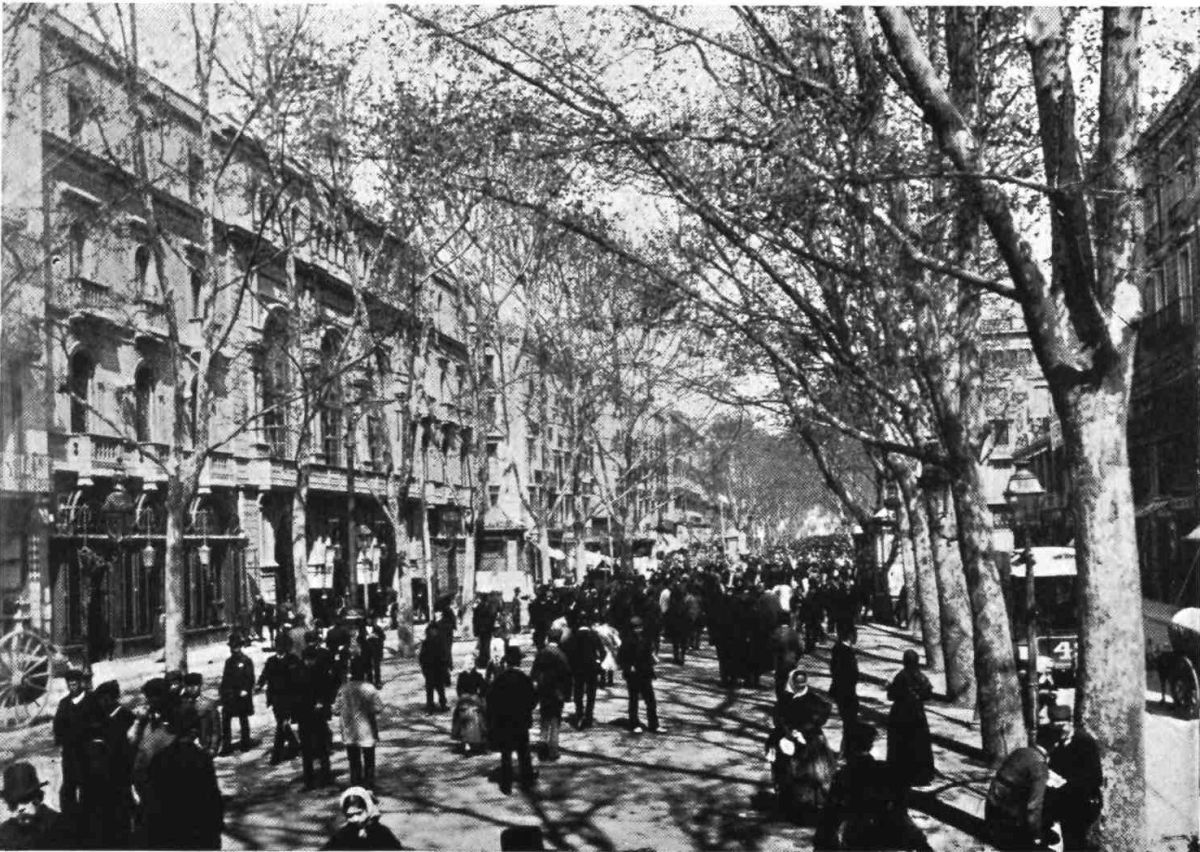
BARCELONA: RAMBLA DEL CENTRO
Plate 12
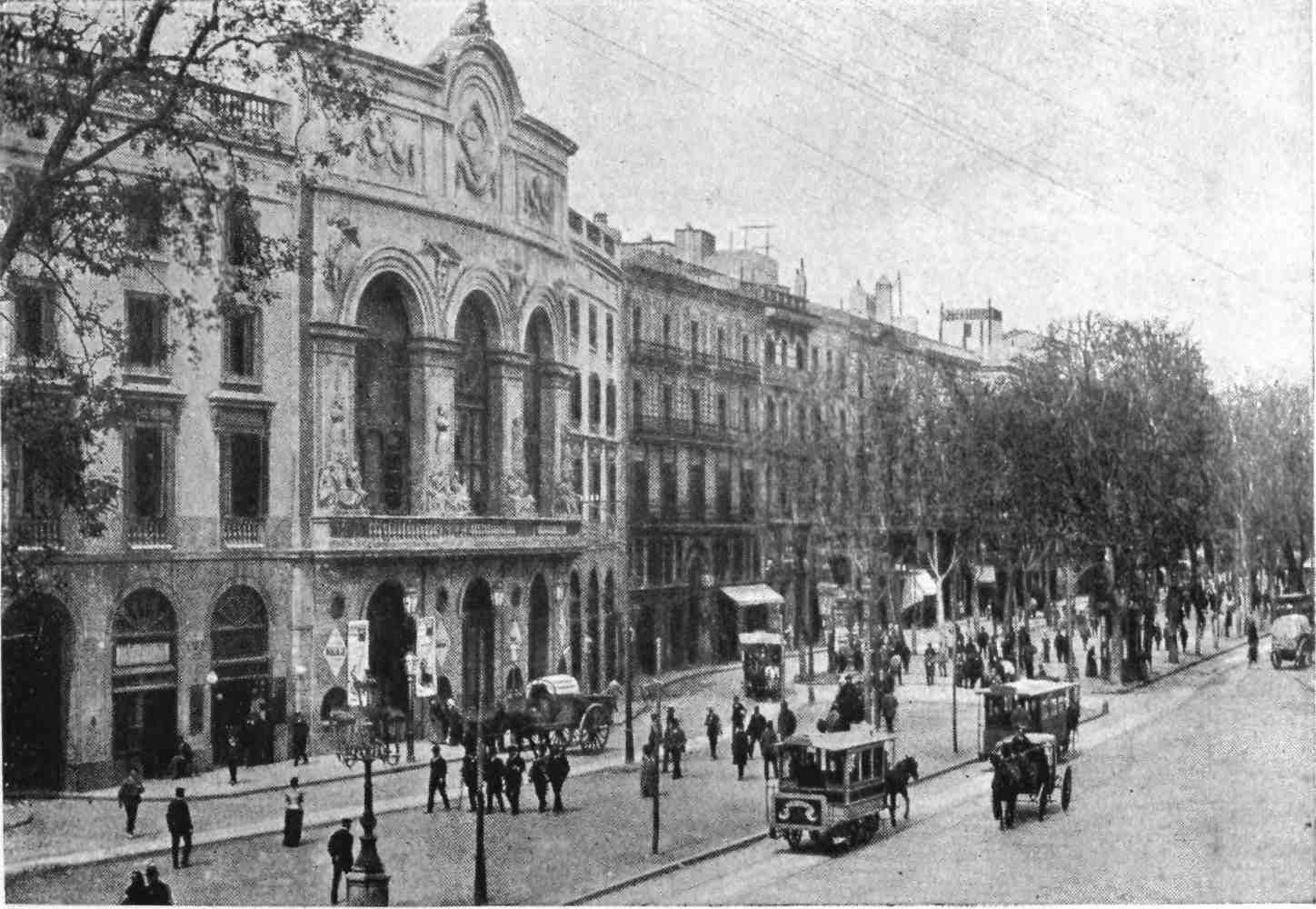
BARCELONA: RAMBLA DEL CENTRO
Plate 13
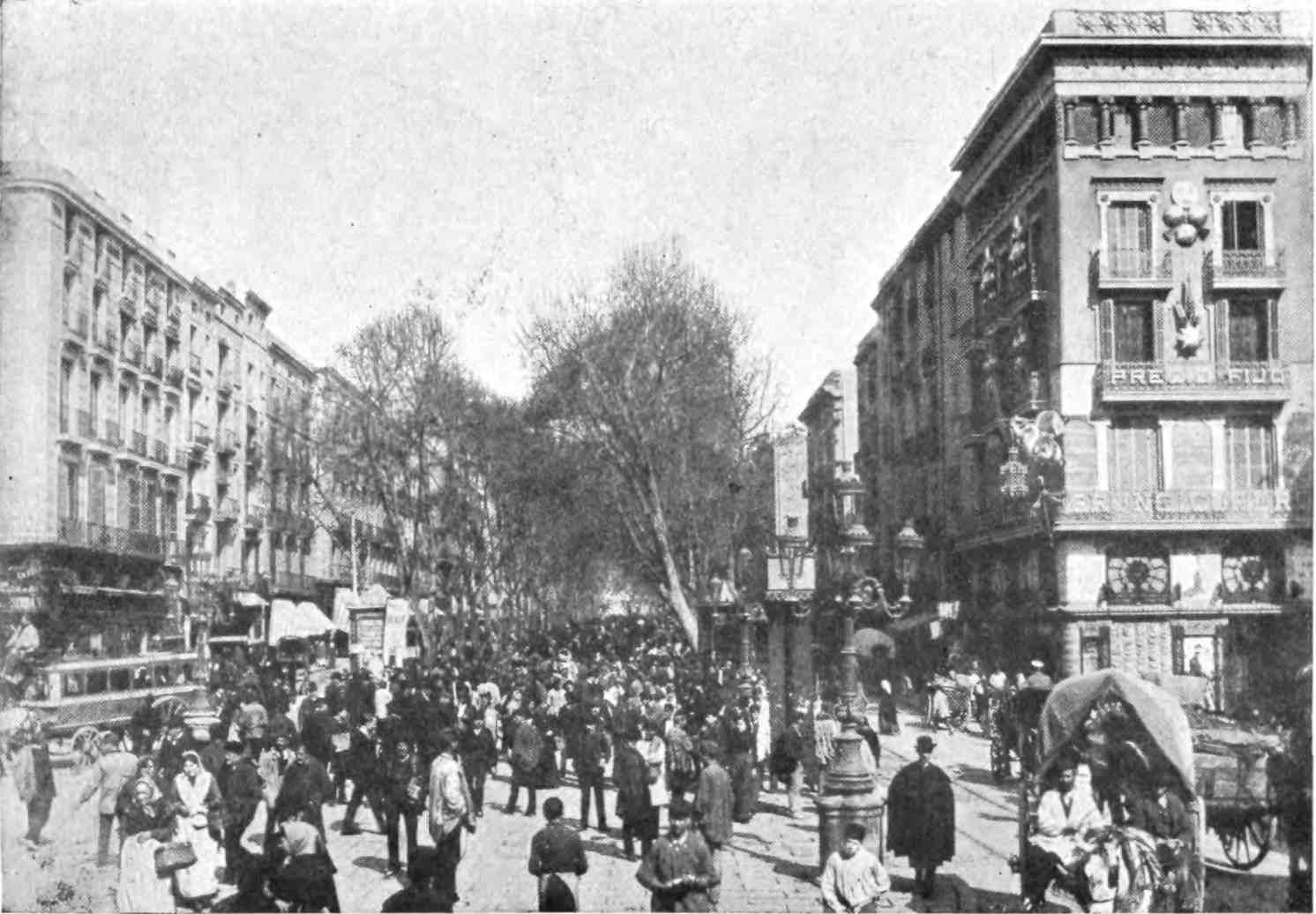
BARCELONA: RAMBLA DE LAS FLÓRES
Plate 14
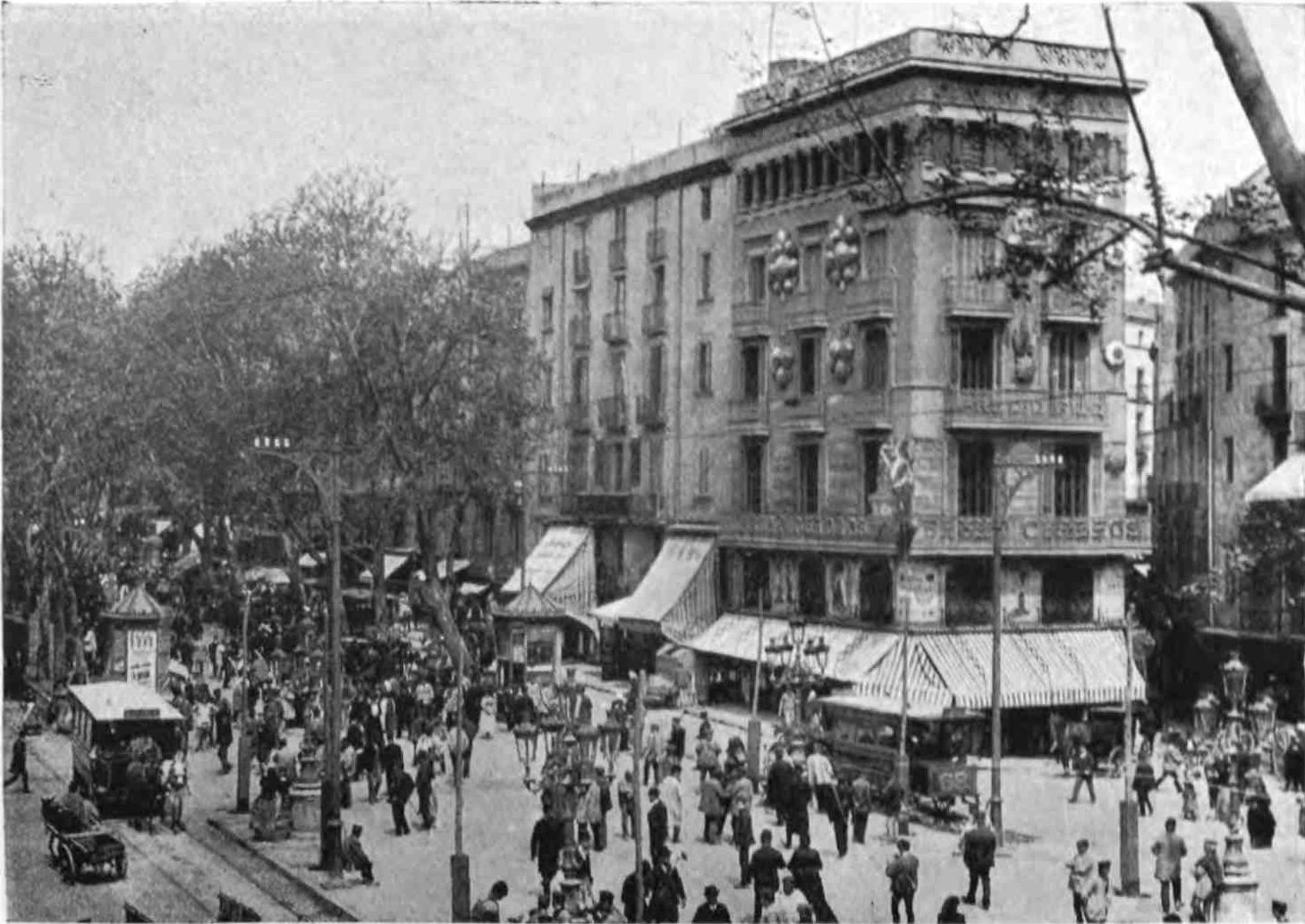
BARCELONA: RAMBLA DE LAS FLÓRES
Plate 15
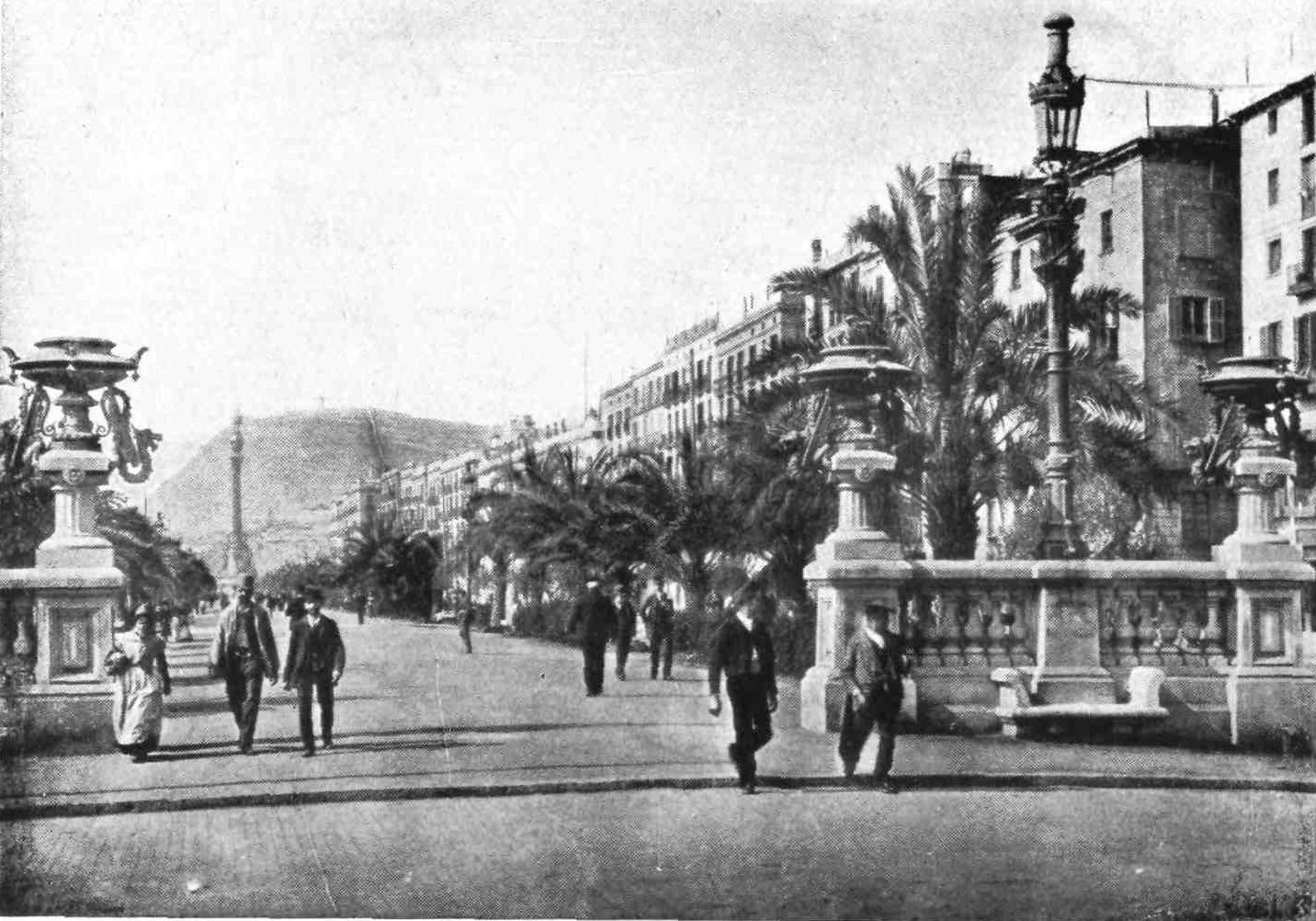
BARCELONA: PASEO DE COLÓN
Plate 16
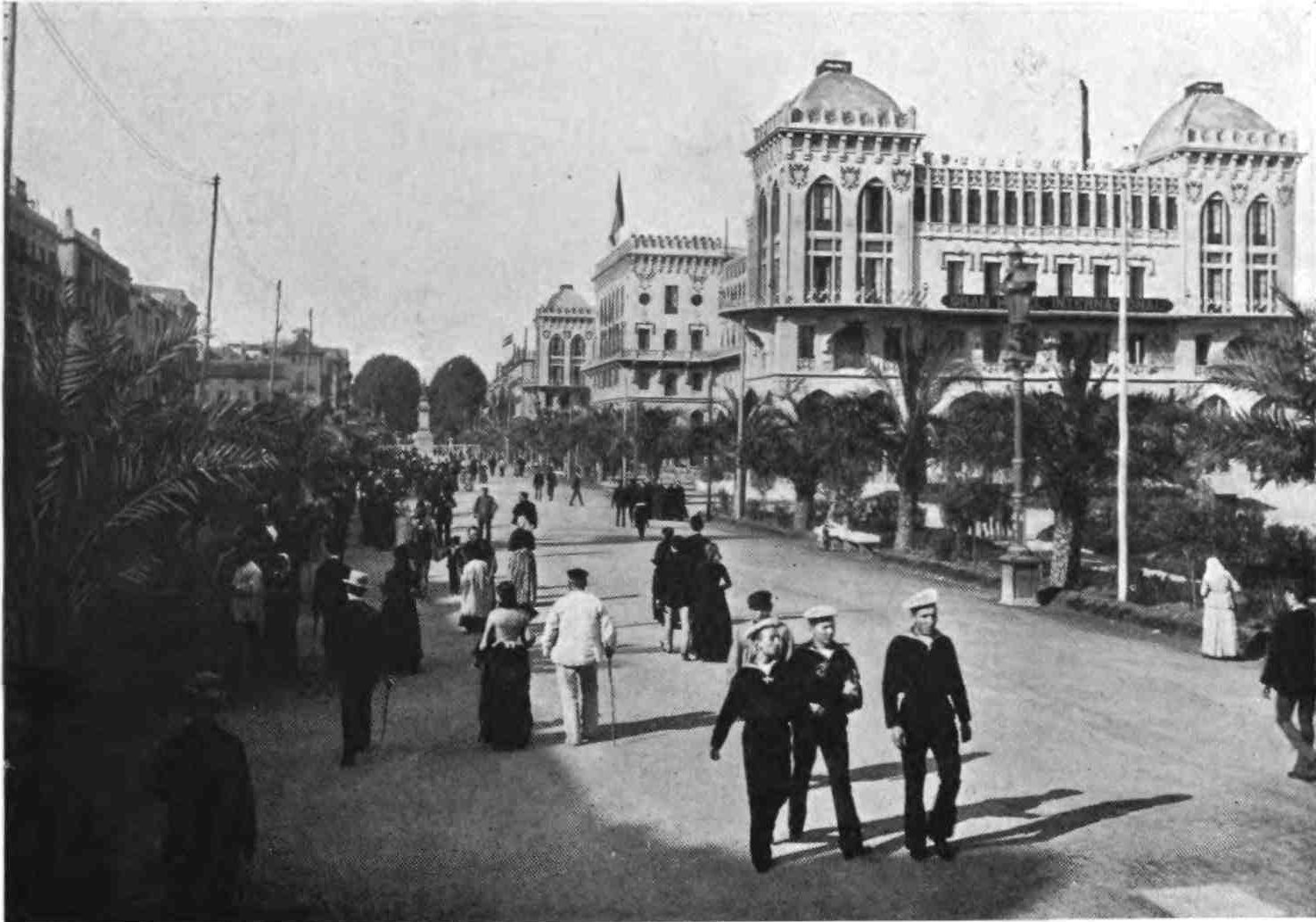
BARCELONA: PASEO DE COLÓN AND HOTEL
Plate 17
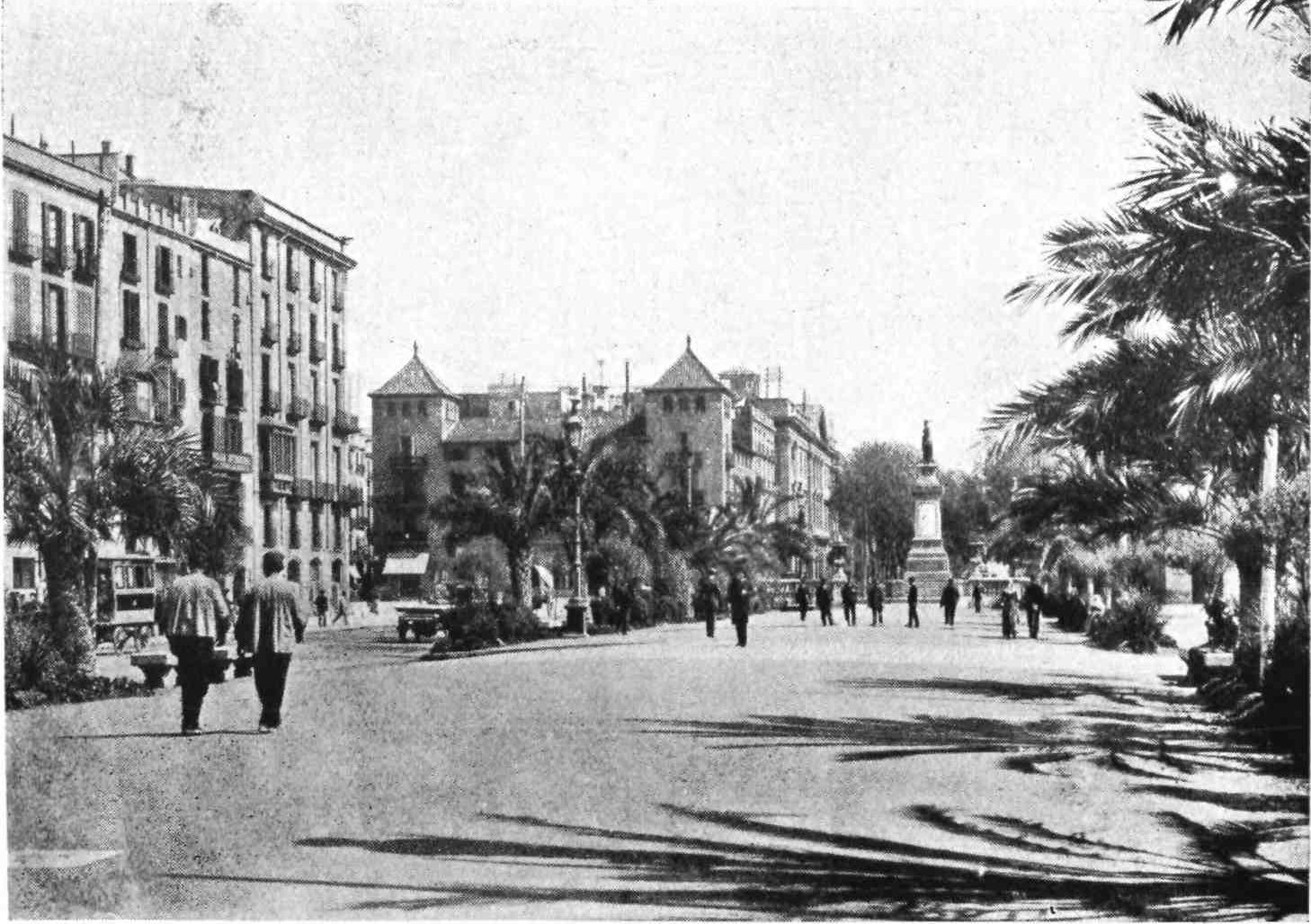
BARCELONA: PASEO DE COLÓN AND STATUE OF LÓPEZ
Plate 18
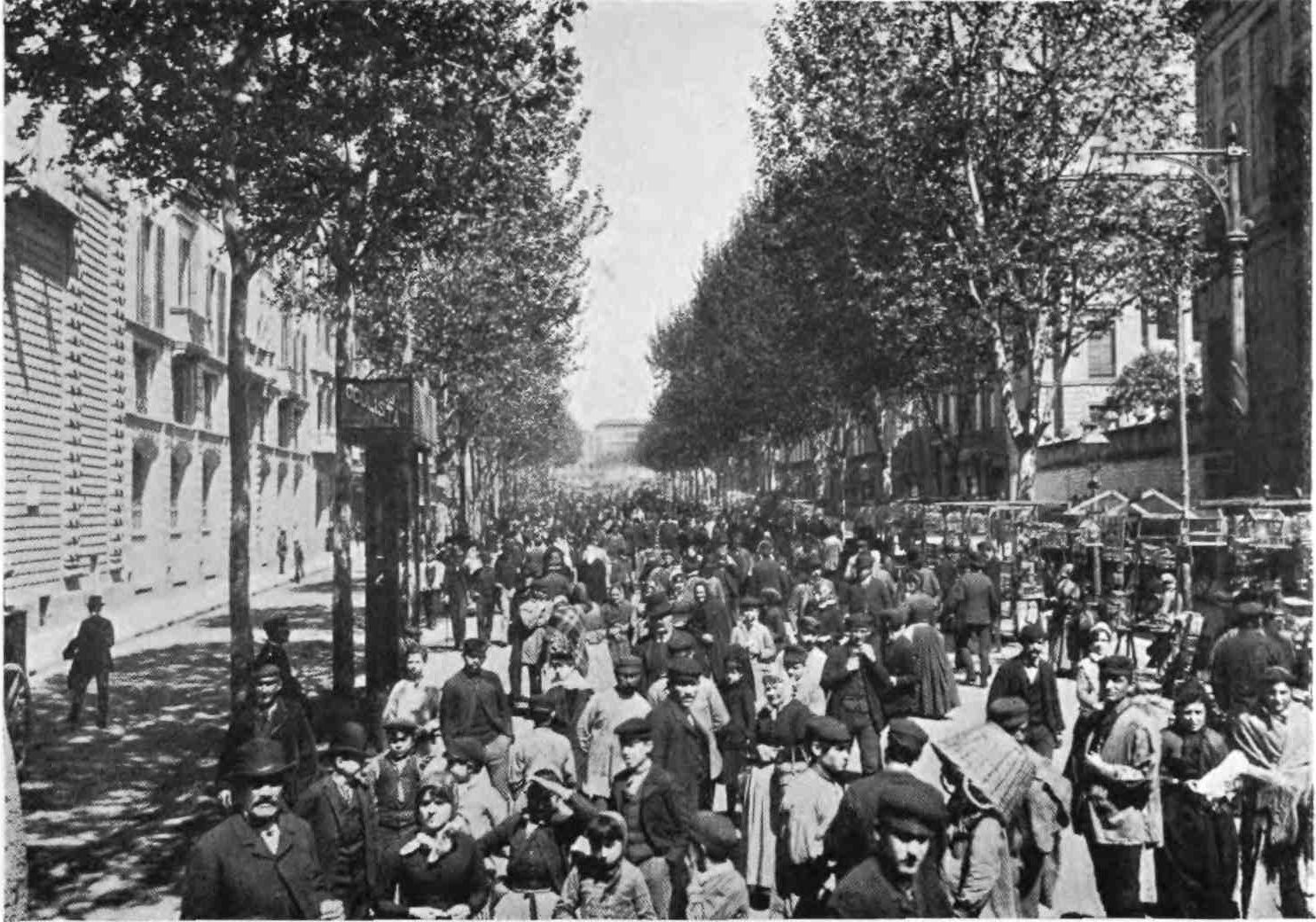
BARCELONA: RAMBLA DE LOS ESTUDIANTES
Plate 19
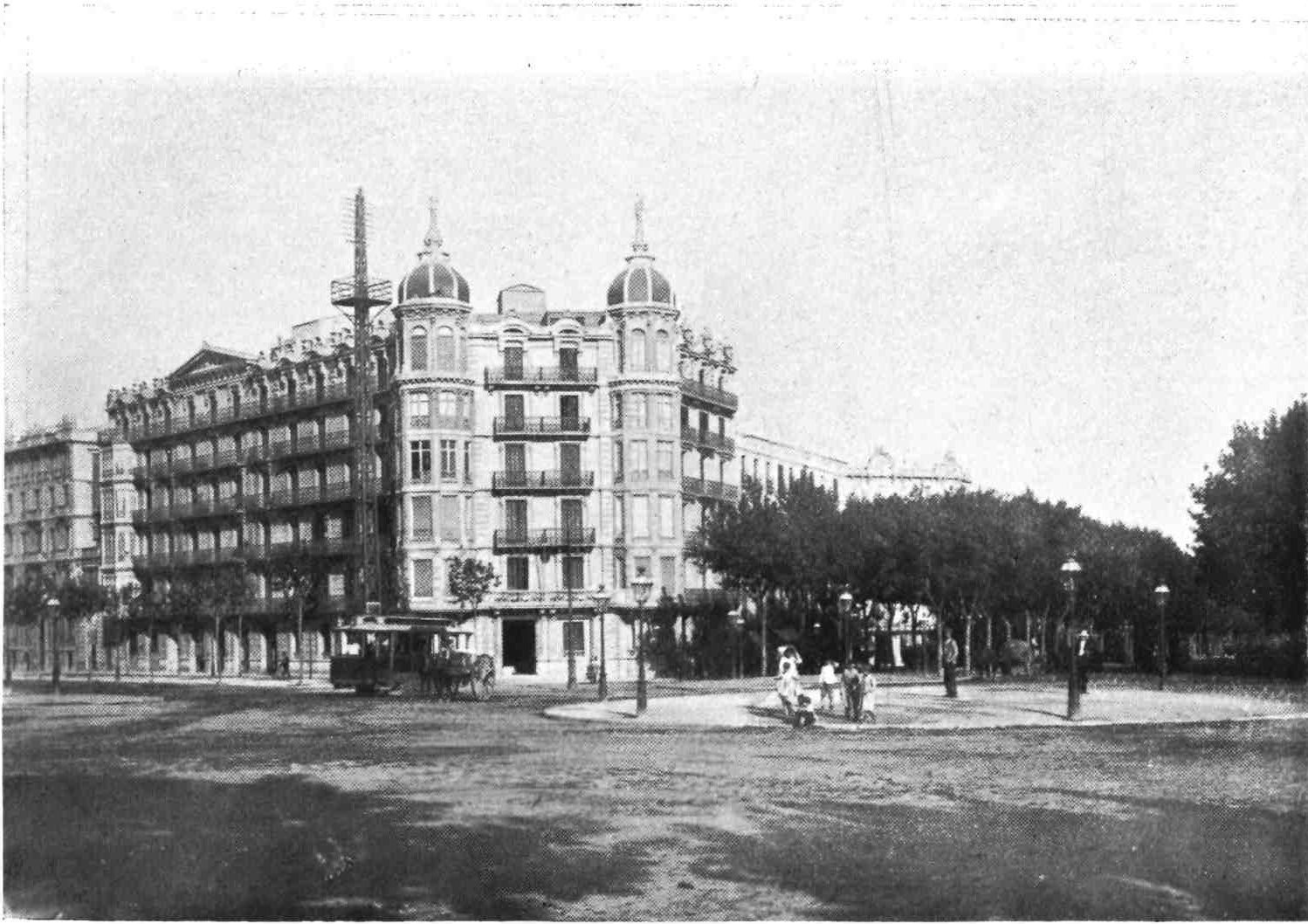
BARCELONA: PASEO DE GRACIA
Plate 20
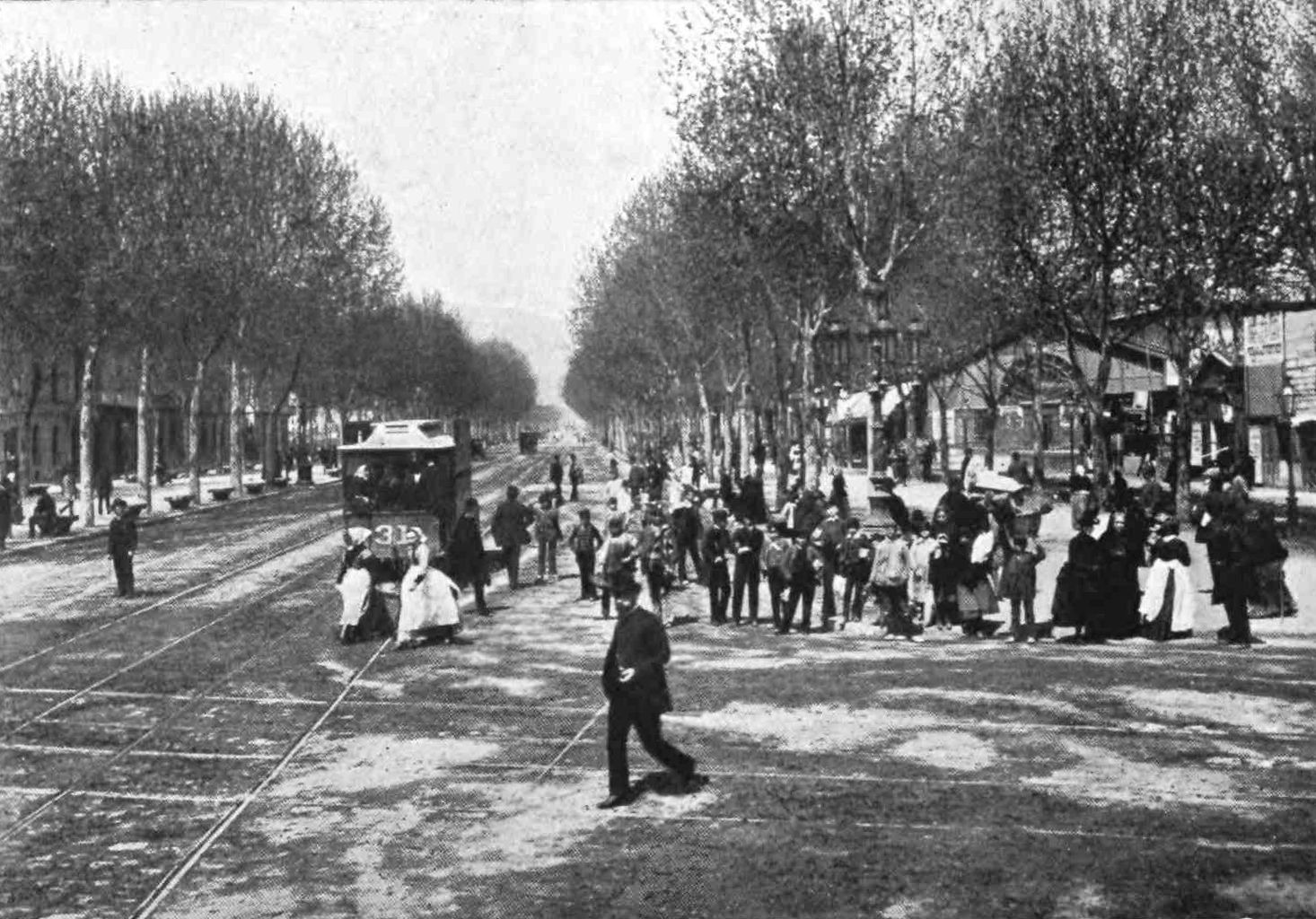
BARCELONA: PASEO DE GRACIA
Plate 21
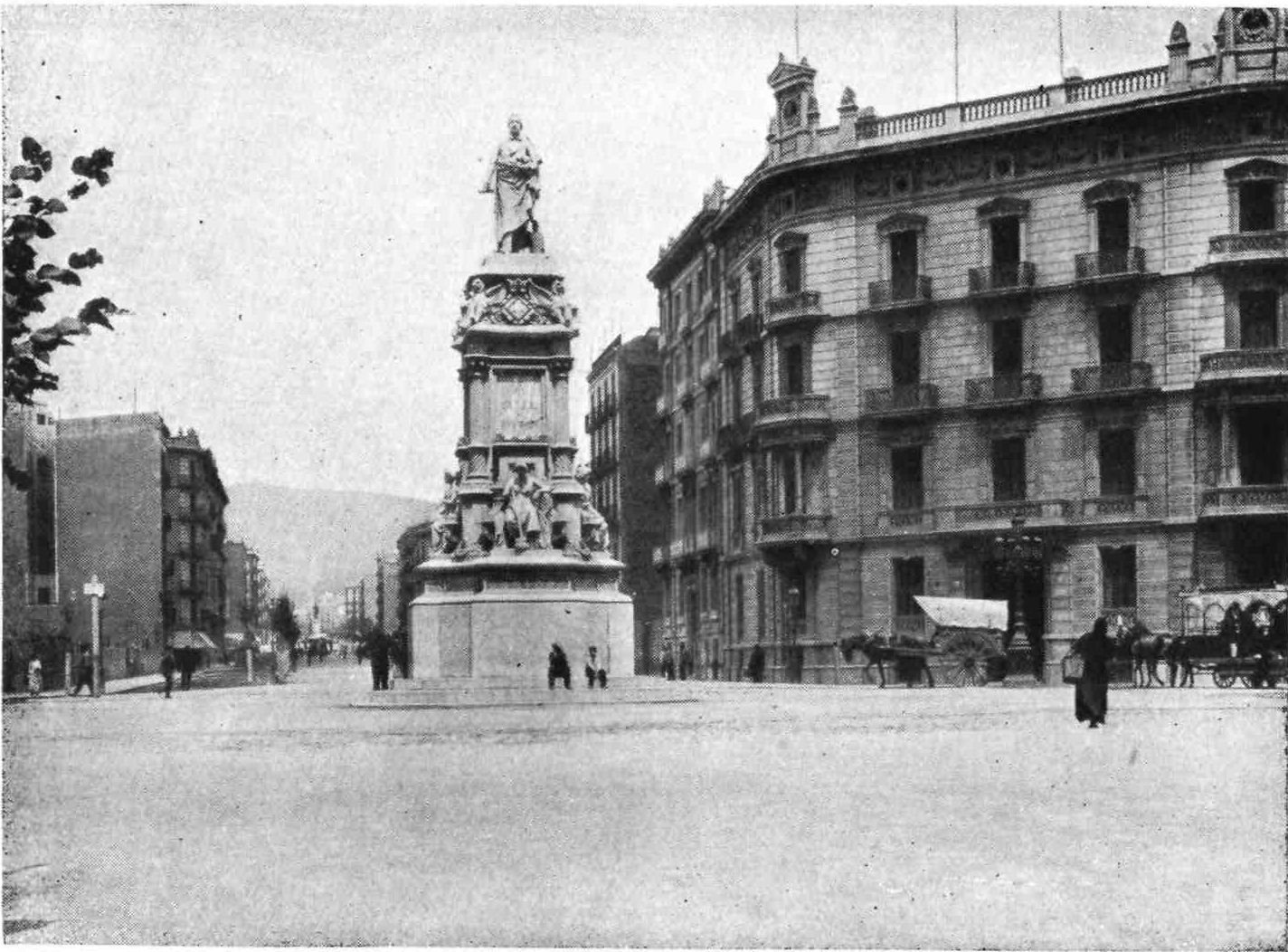
BARCELONA: RAMBLA DE CATALUÑA
Plate 22
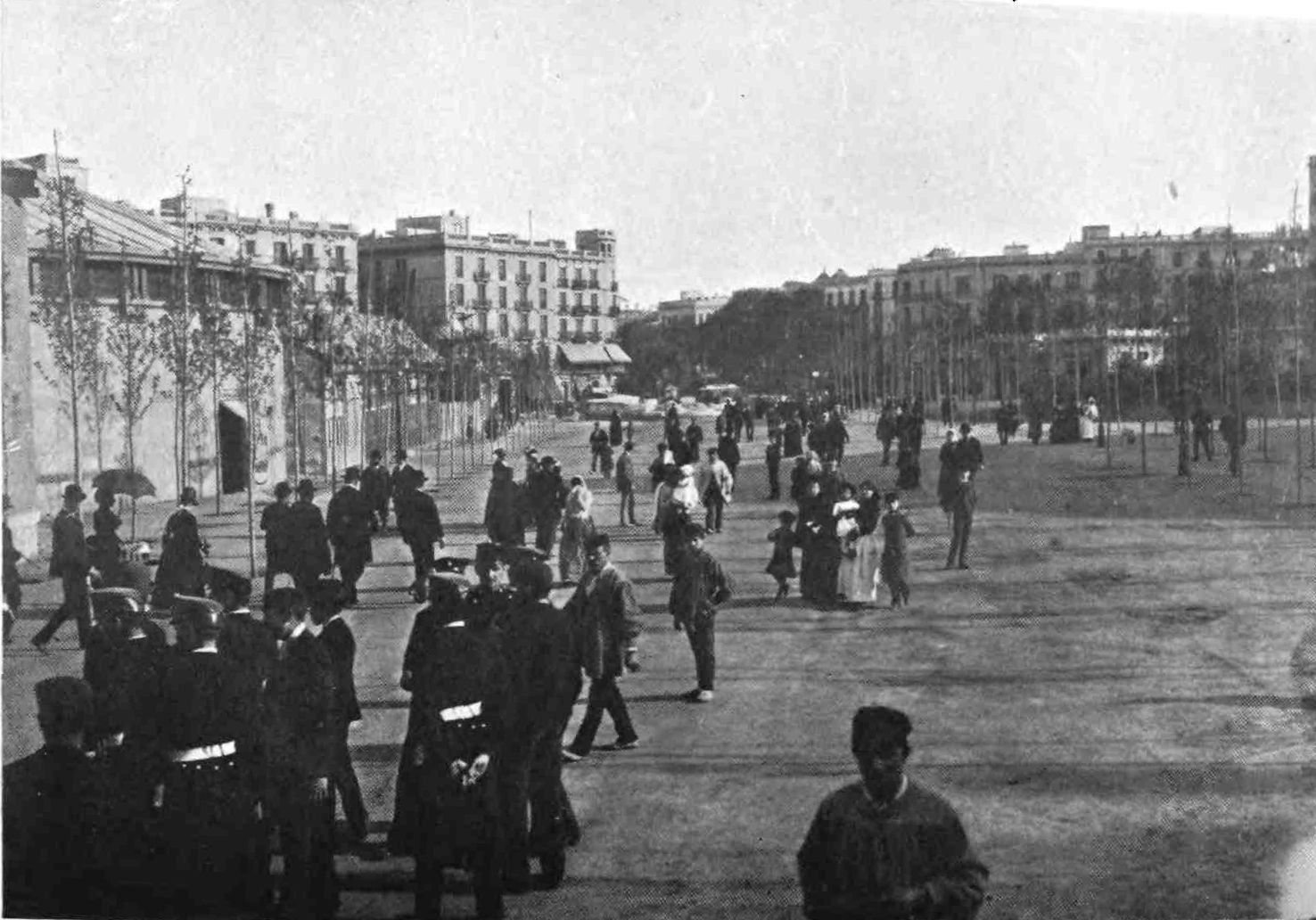
BARCELONA: PLAZA DE CATALUÑA
Plate 23
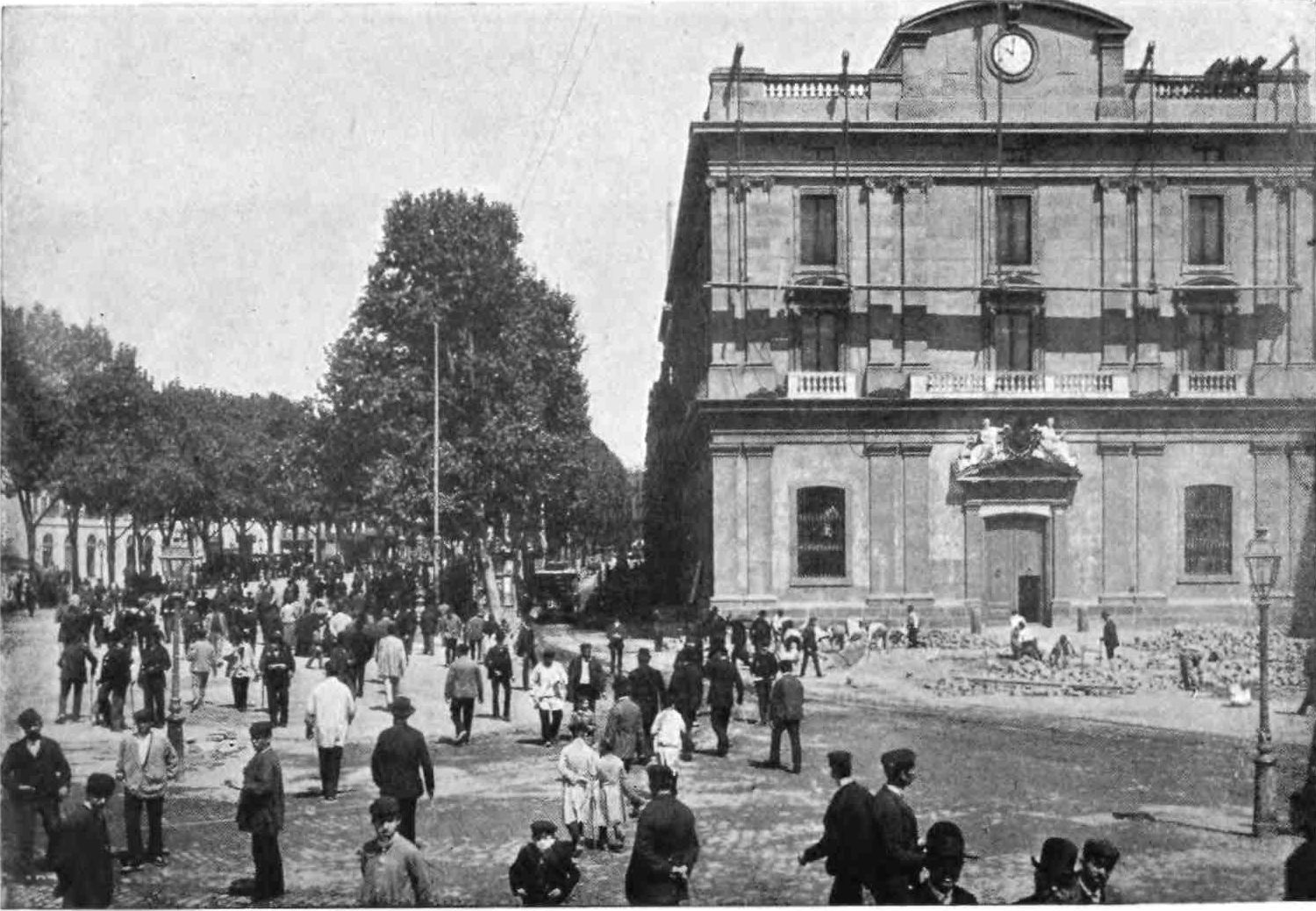
BARCELONA: RAMBLA DE SANTA MONICA AND THE BANK
Plate 24
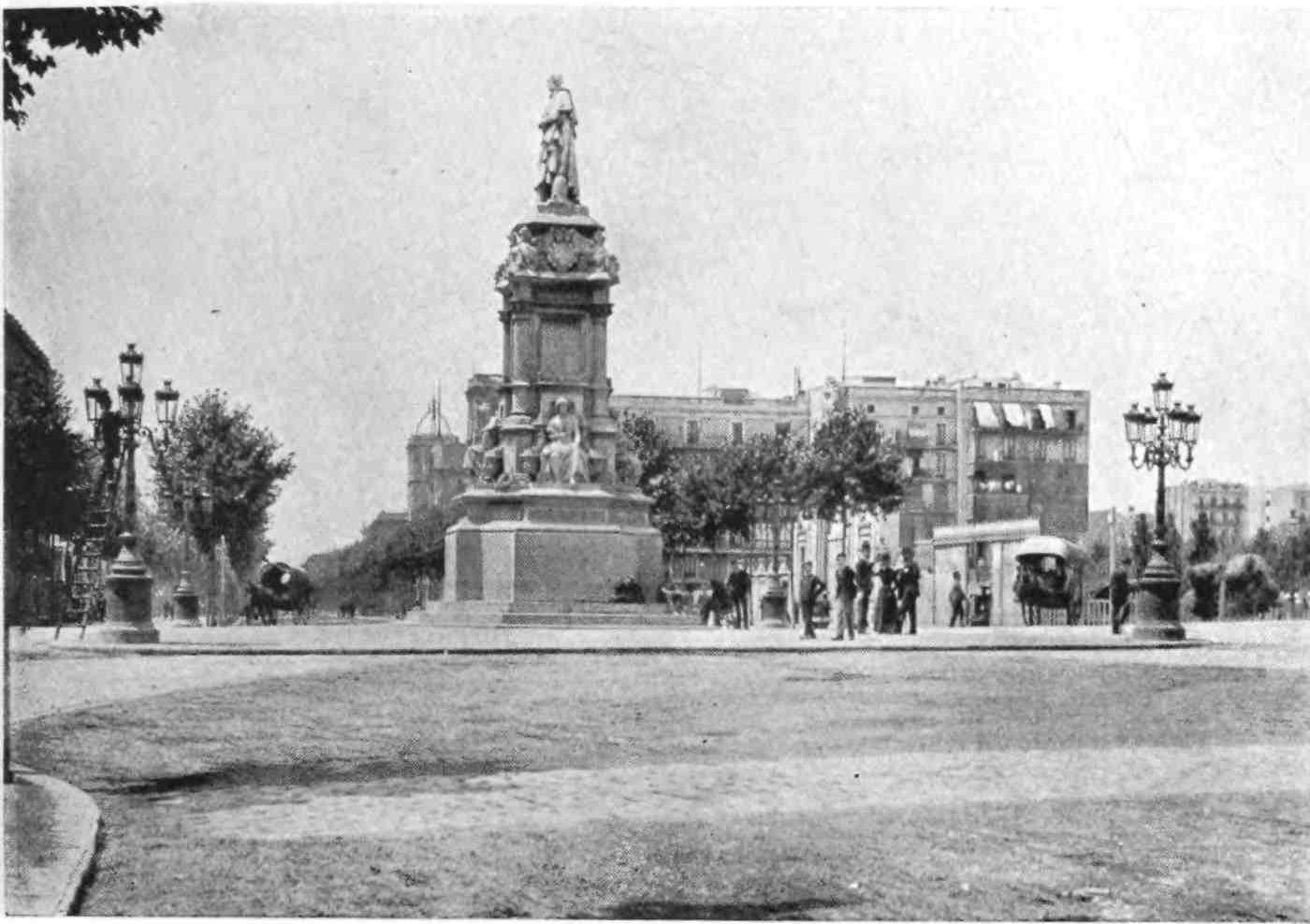
BARCELONA: LA GRAN VIA AND STATUE OF GÜELL Y FERRER
Plate 25
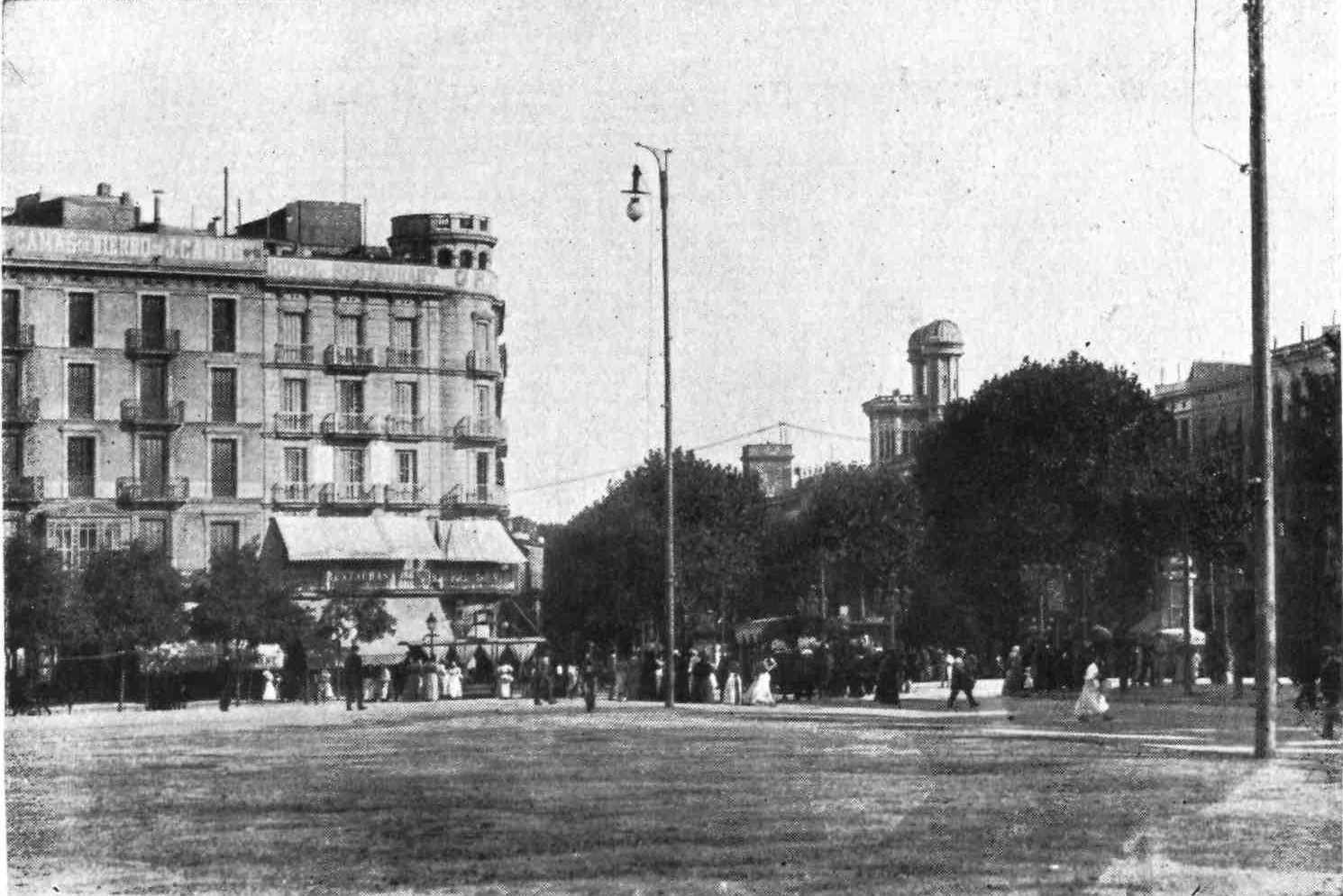
BARCELONA: PLAZA DE CATALUÑA
Plate 26
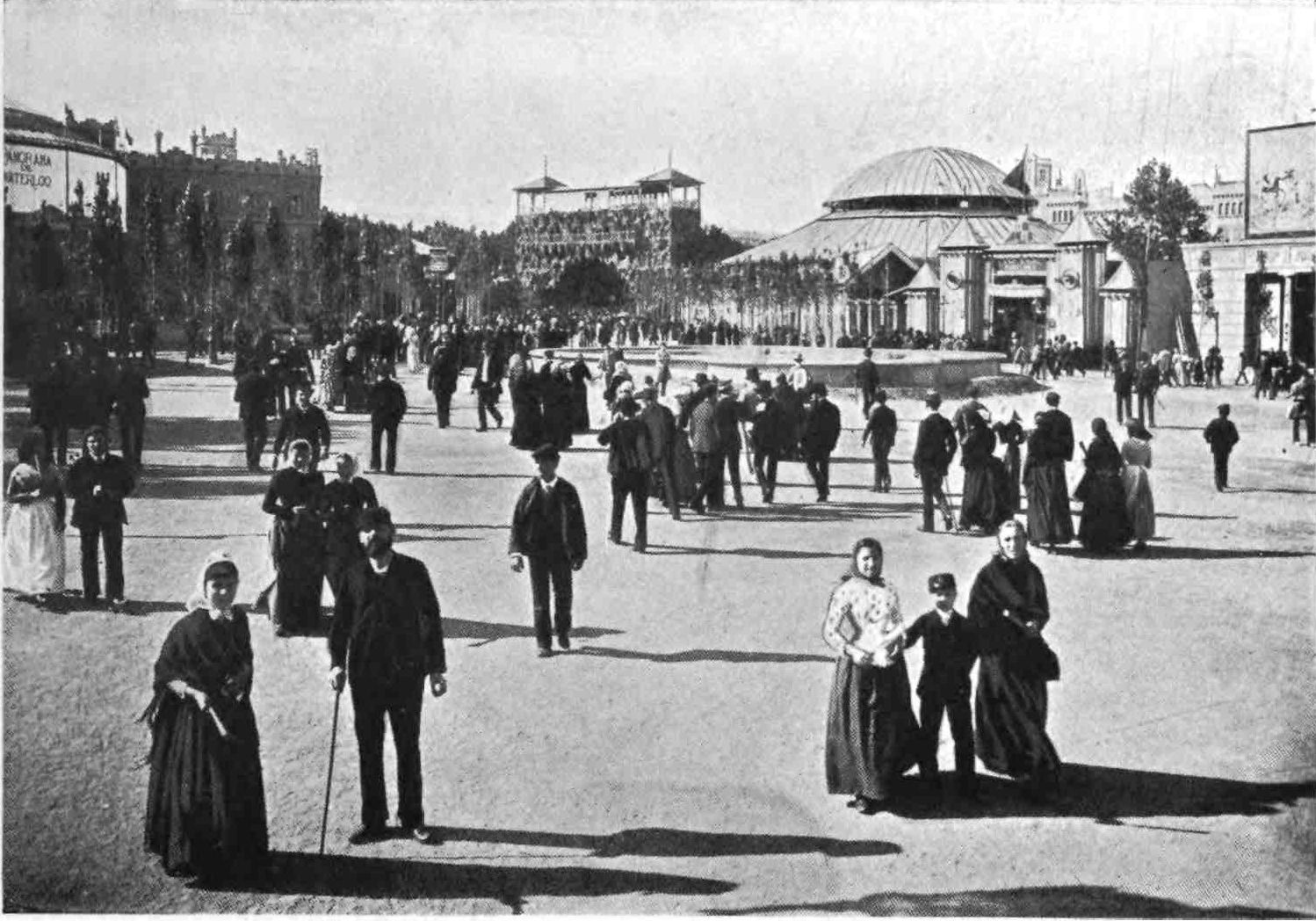
BARCELONA: PLAZA DE CATALUÑA
Plate 27
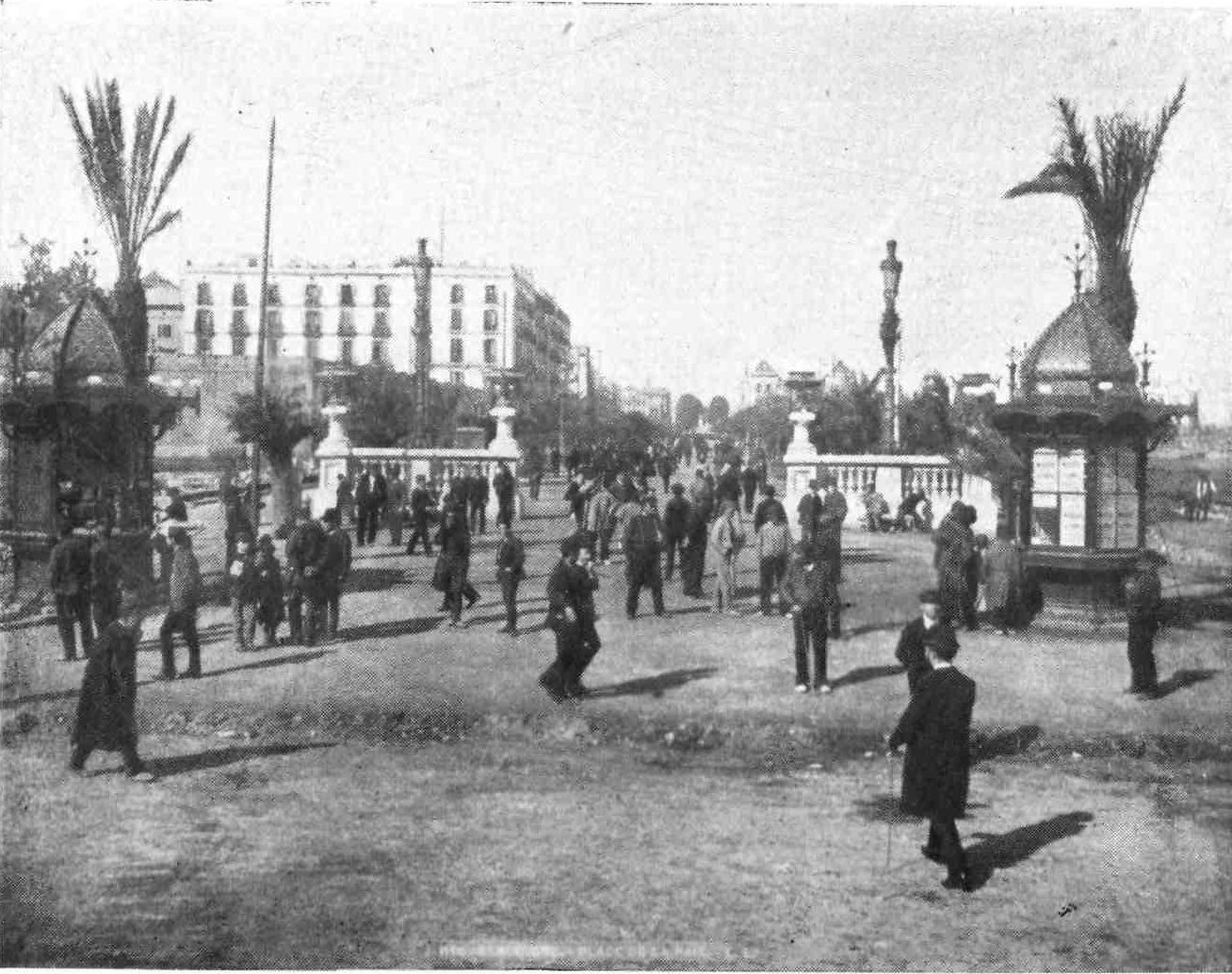
BARCELONA: PLAZA DE LA PAZ
Plate 28
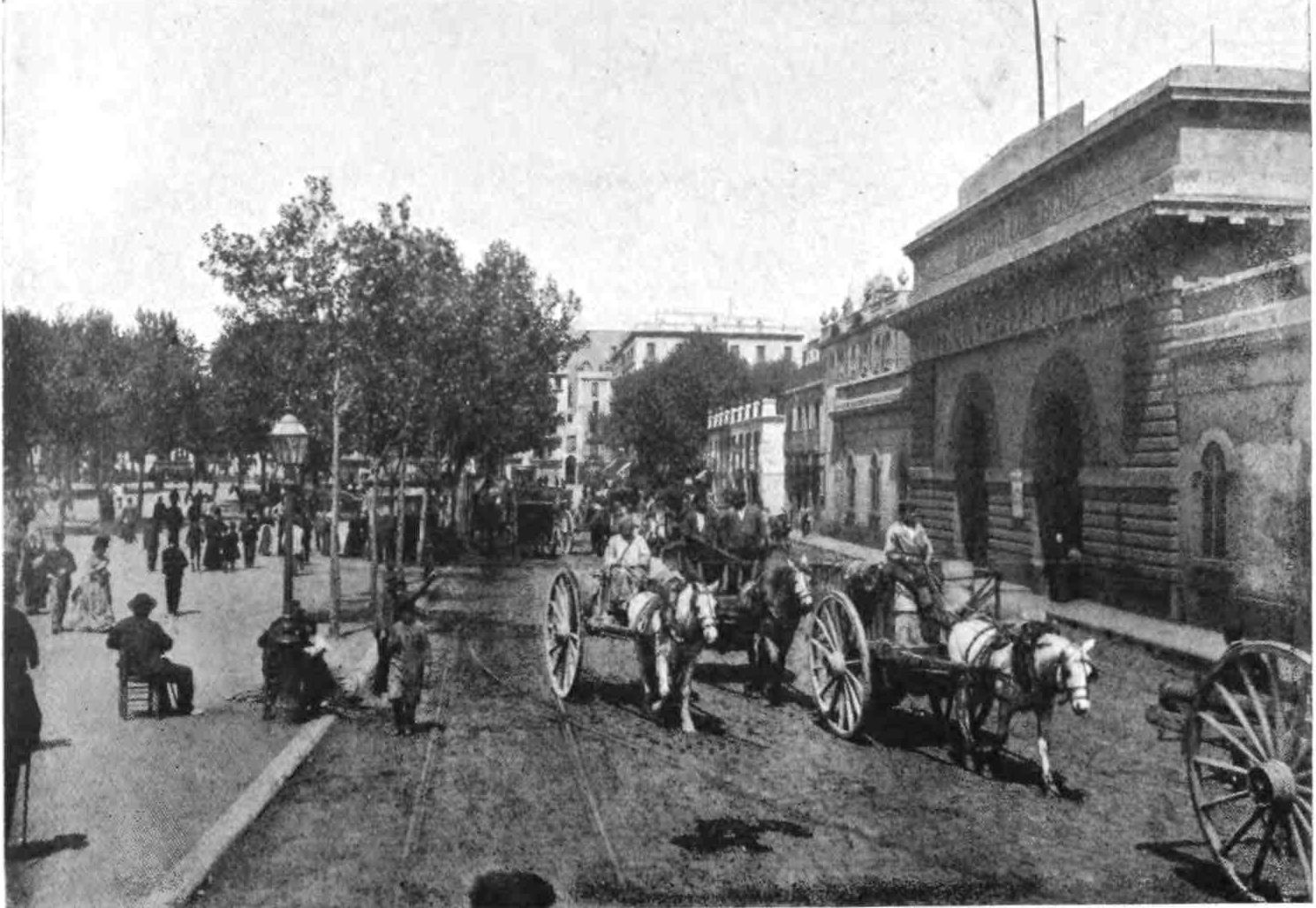
BARCELONA: PLAZA DEL PALACIO
Plate 29
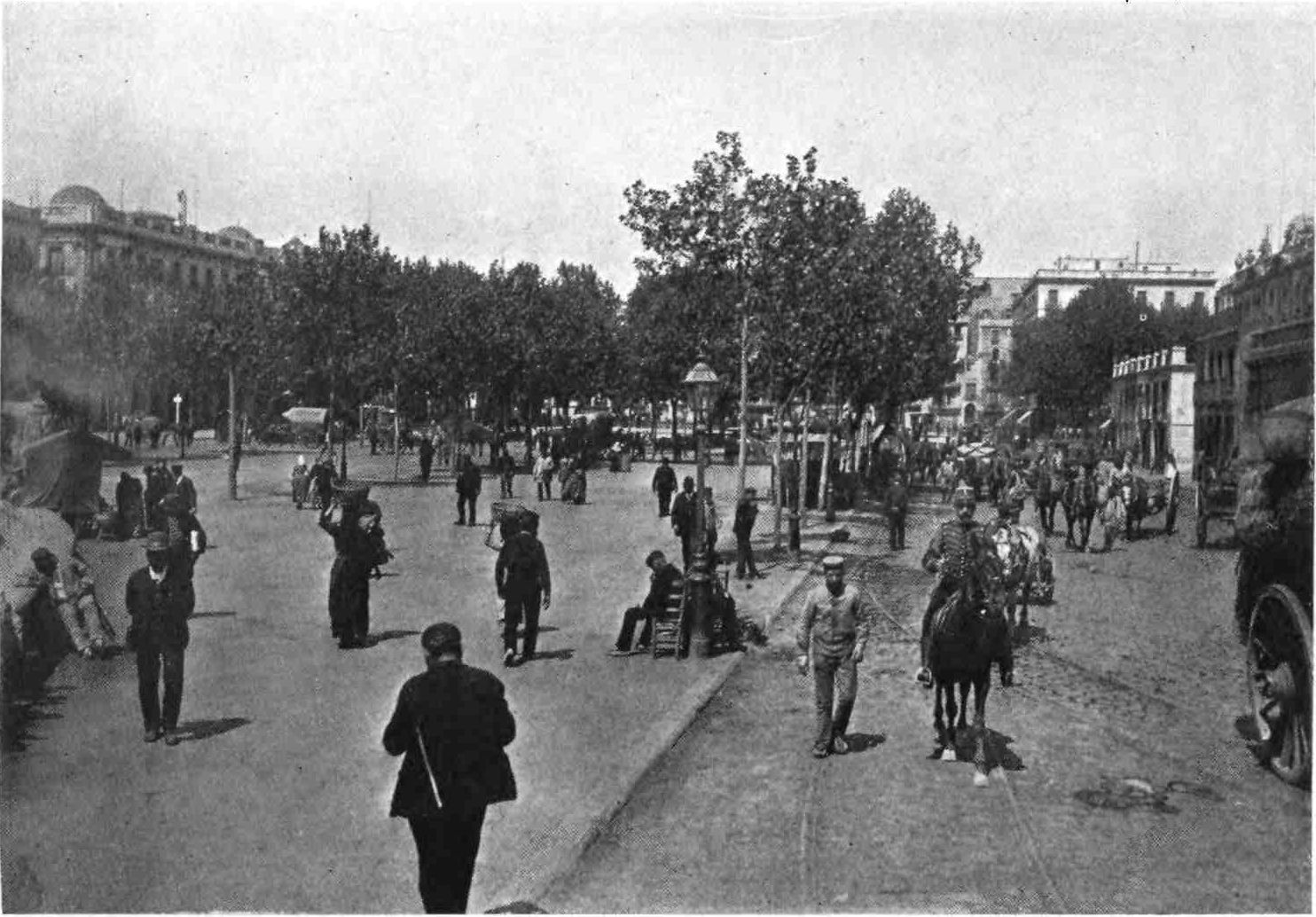
BARCELONA: PLAZA DEL PALACIO
Plate 30
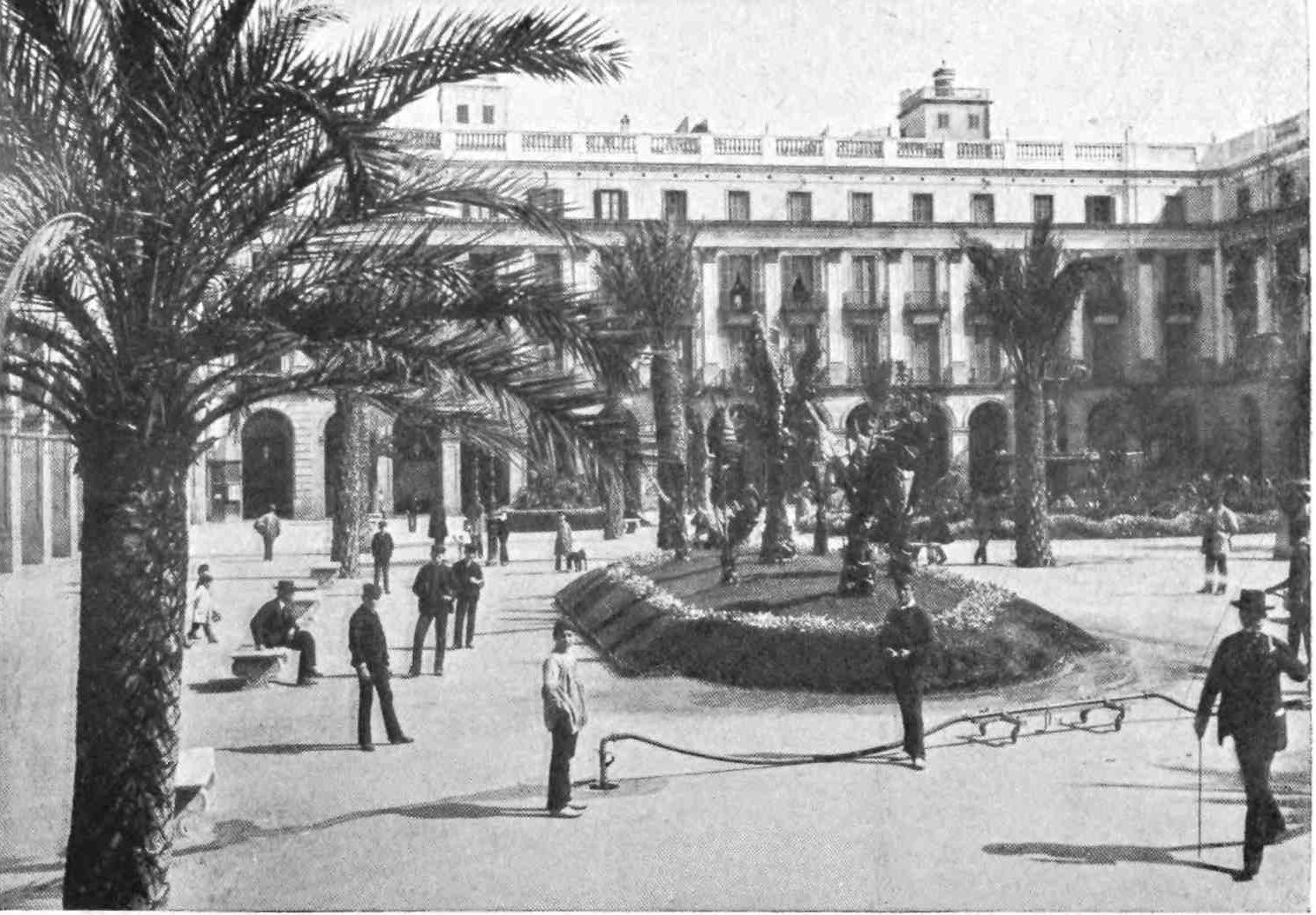
BARCELONA: PLAZA REAL
Plate 31
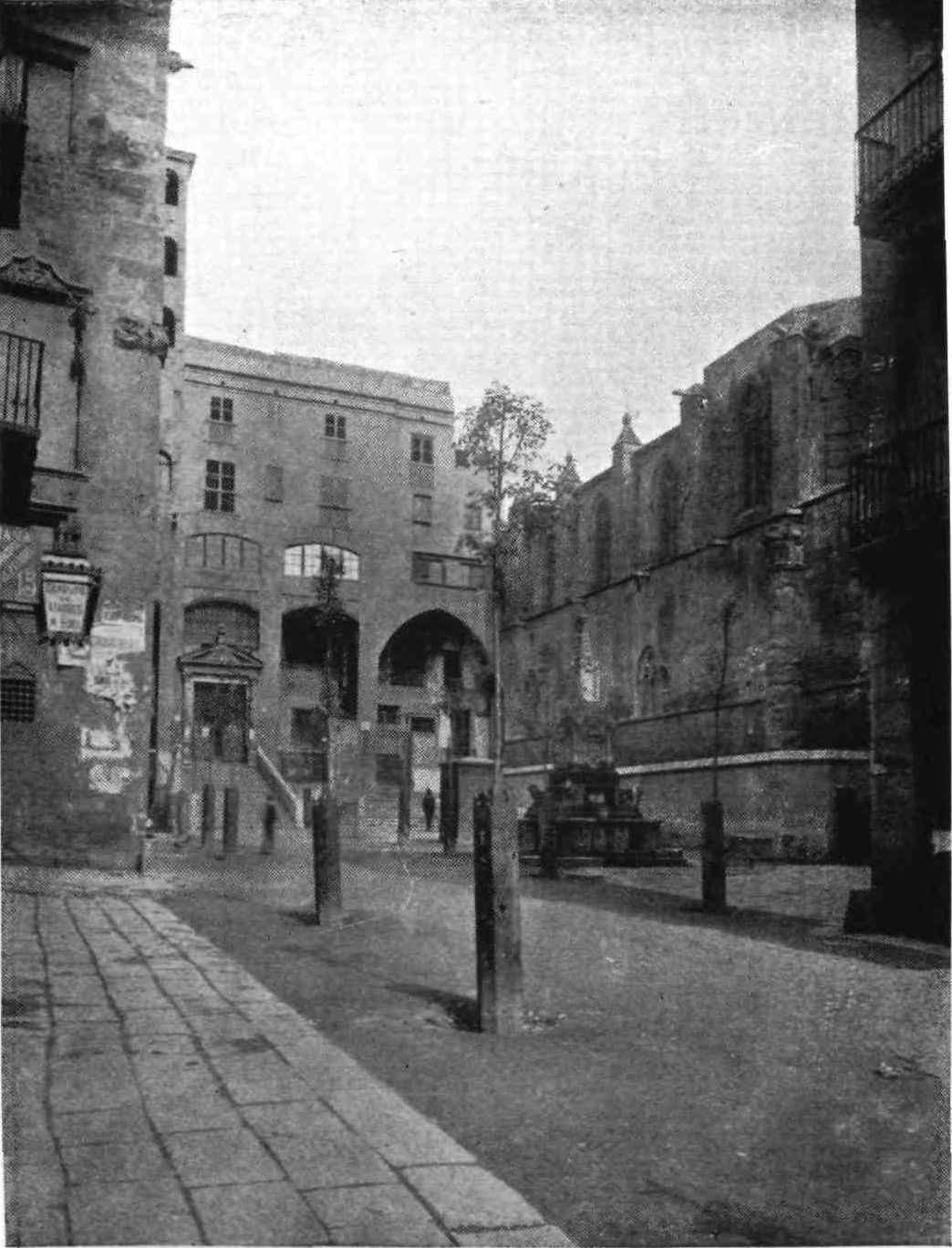
BARCELONA: PLAZA DEL REY
Plate 32
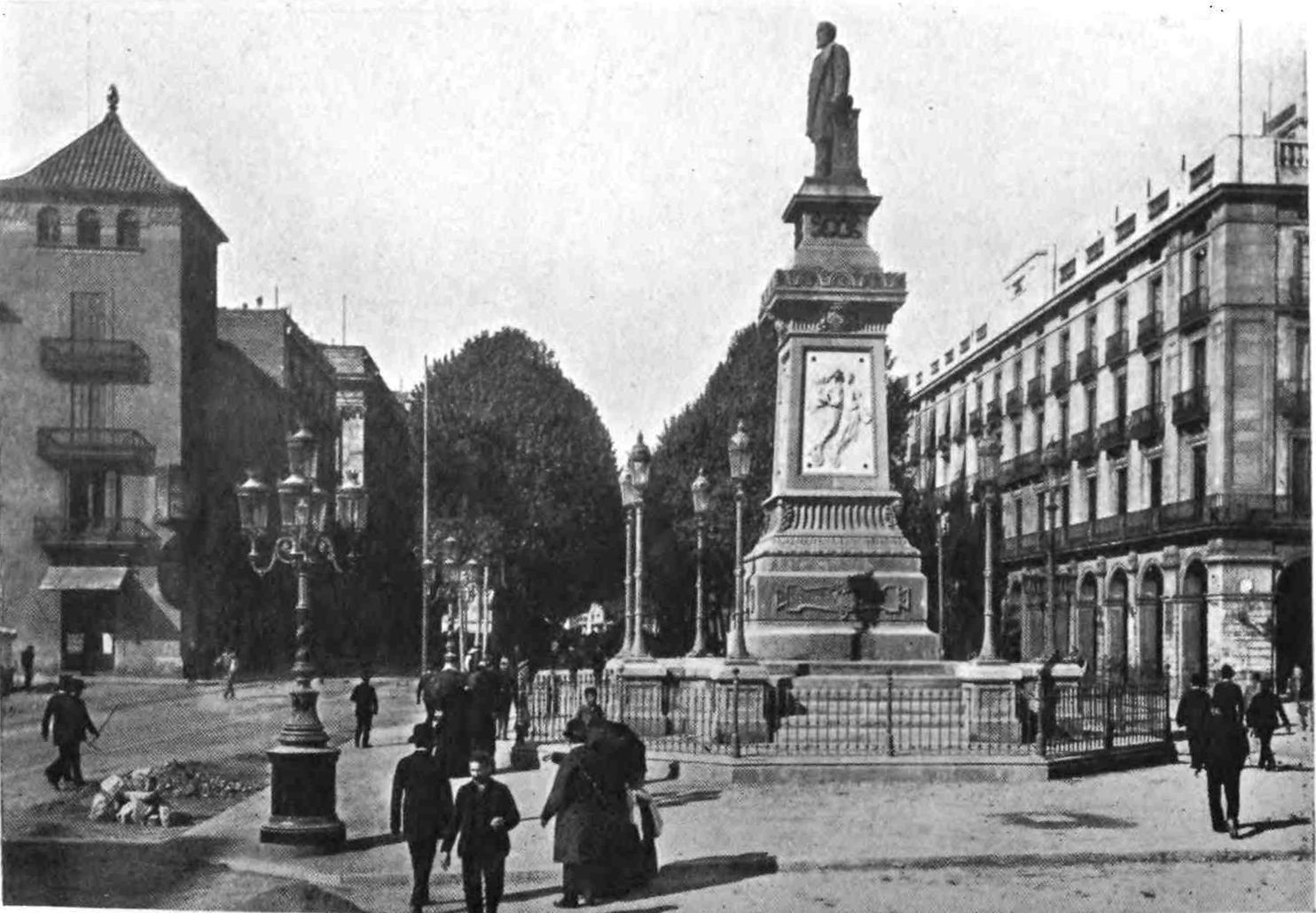
BARCELONA: PLAZA ANTONIO LOPEZ
Plate 33
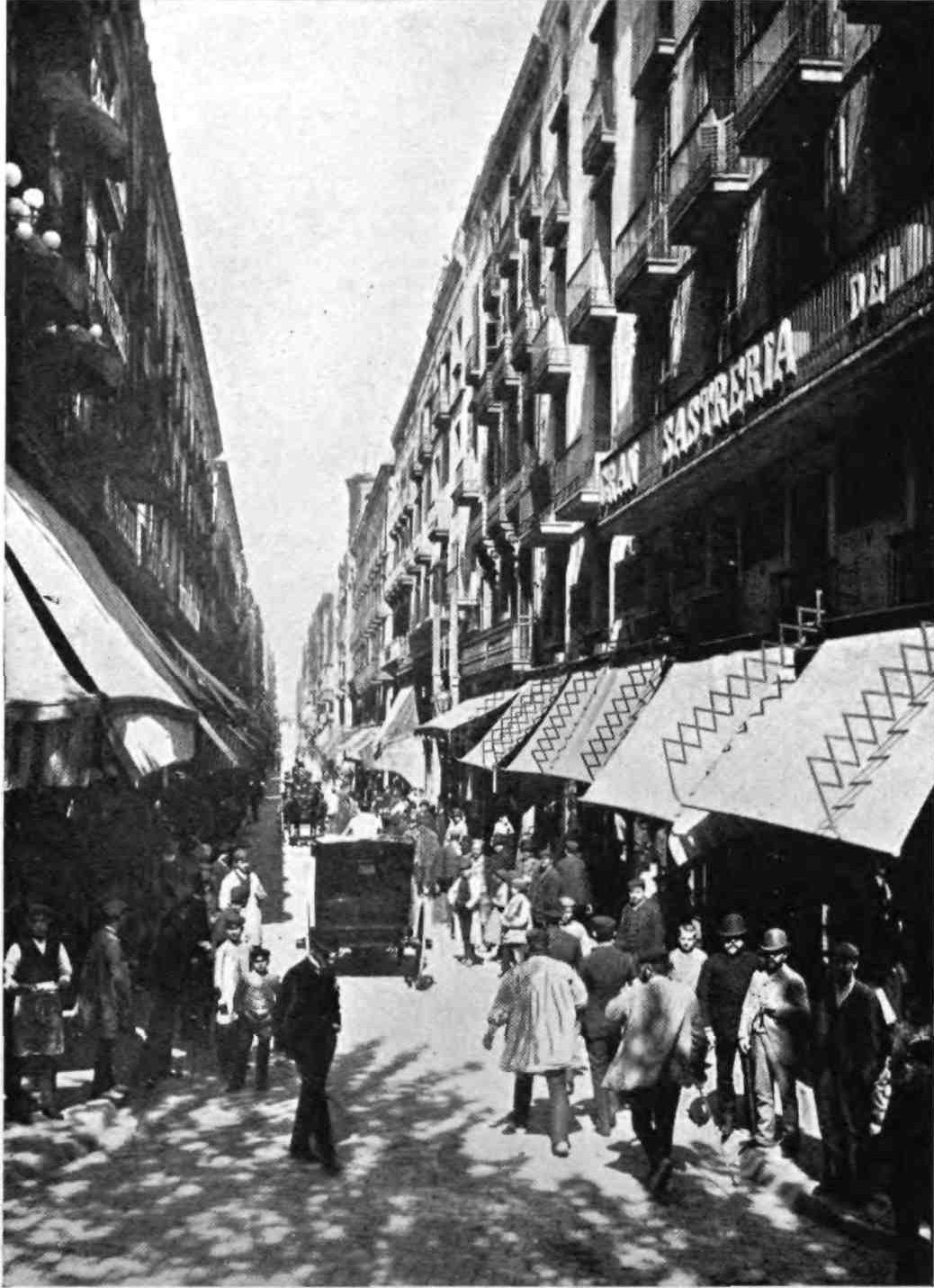
BARCELONA: CALLE DE FERDINAND VII.
Plate 34
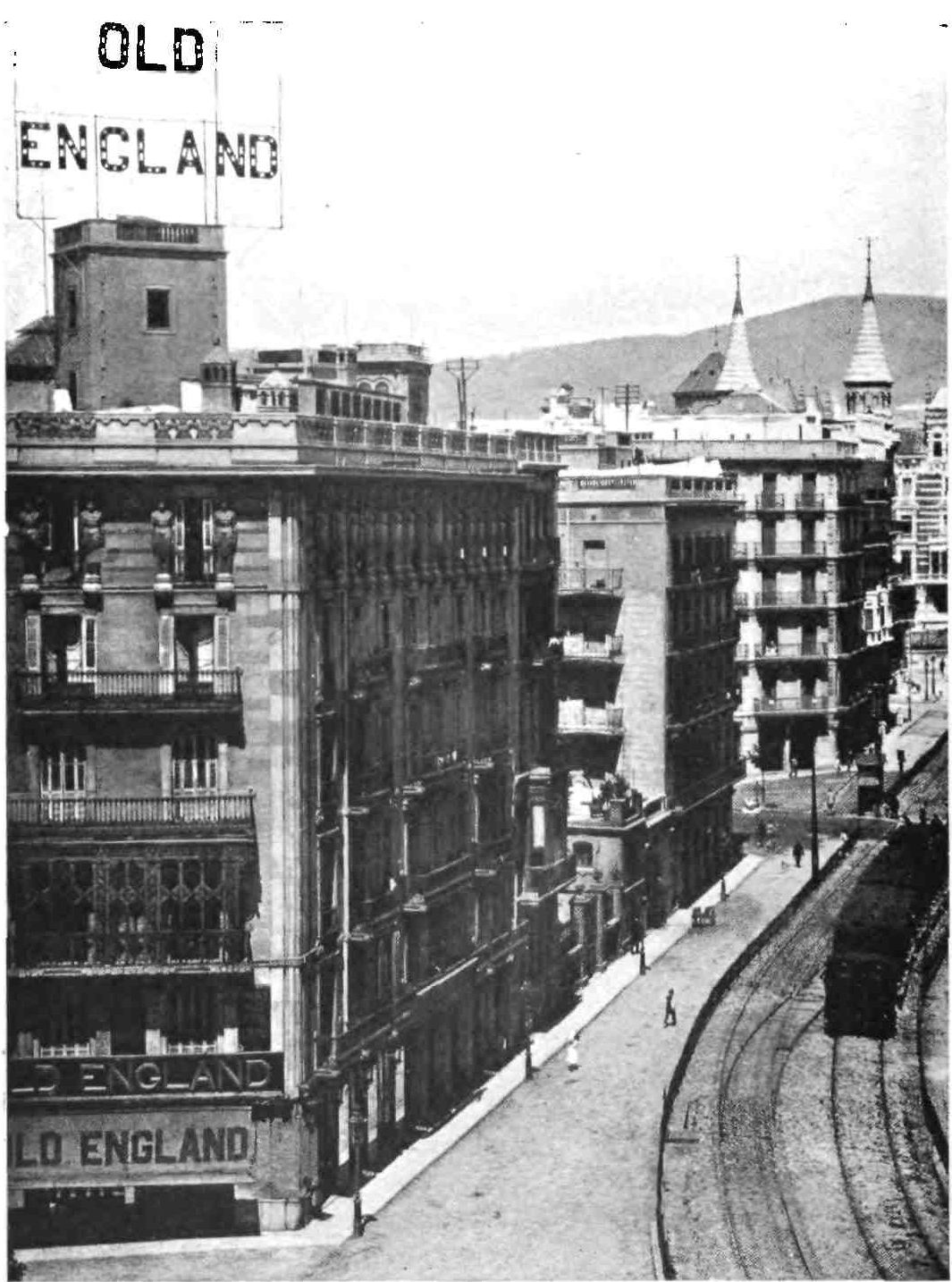
BARCELONA: CALLE DE BALMES
Plate 35
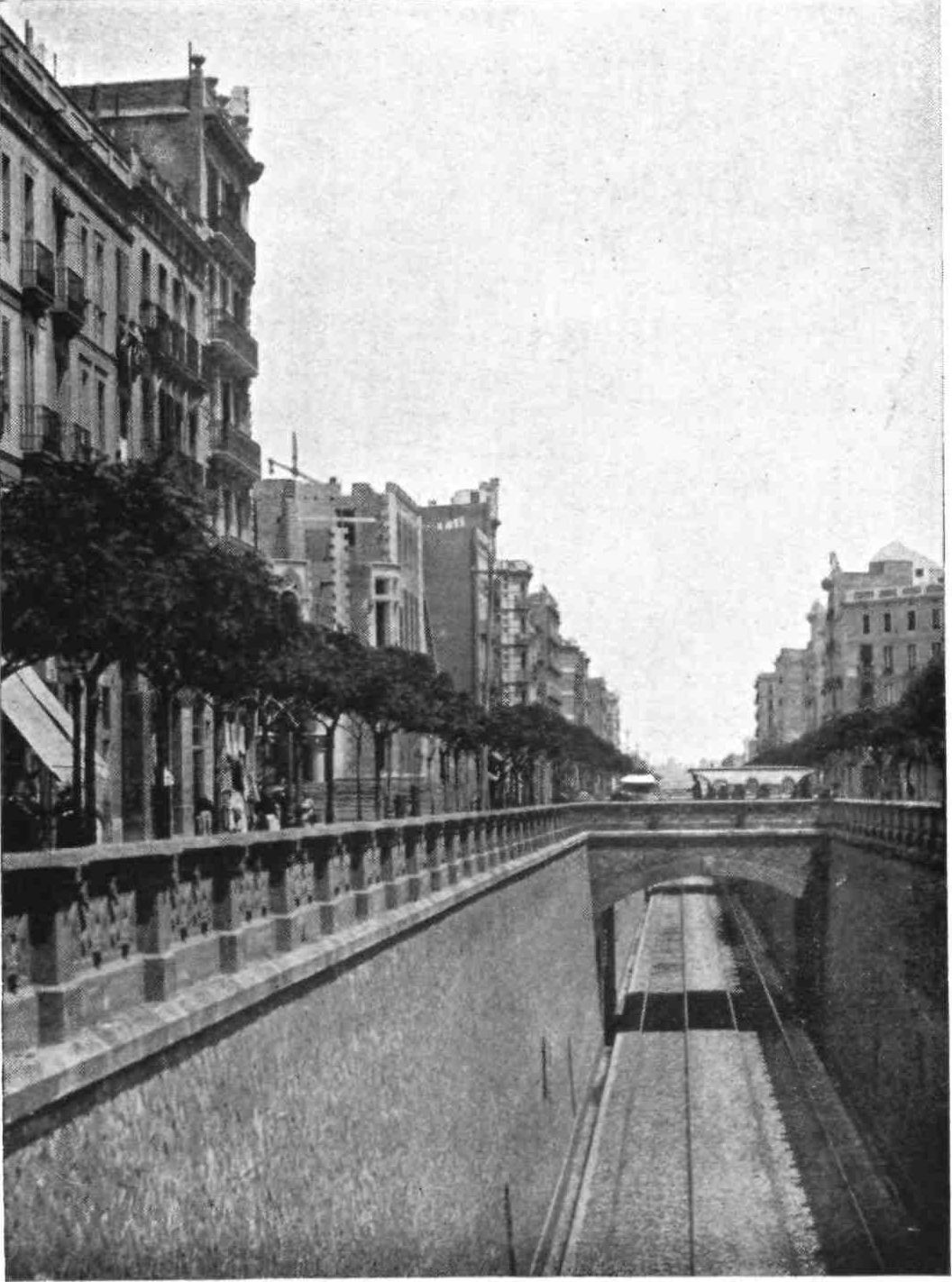
BARCELONA: CALLE DE ARAGÓN
Plate 36
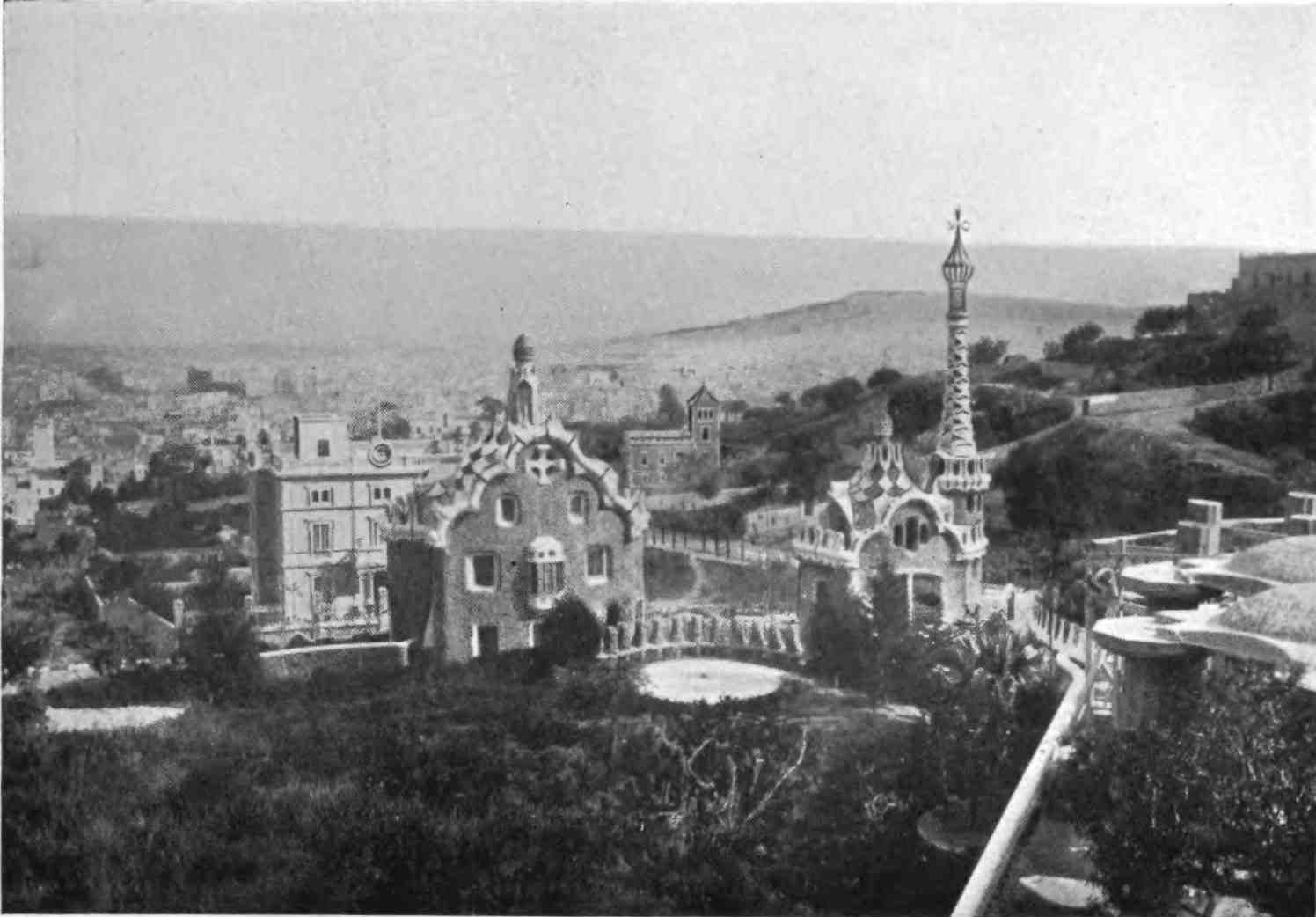
BARCELONA: GÜELL PARK
Plate 37
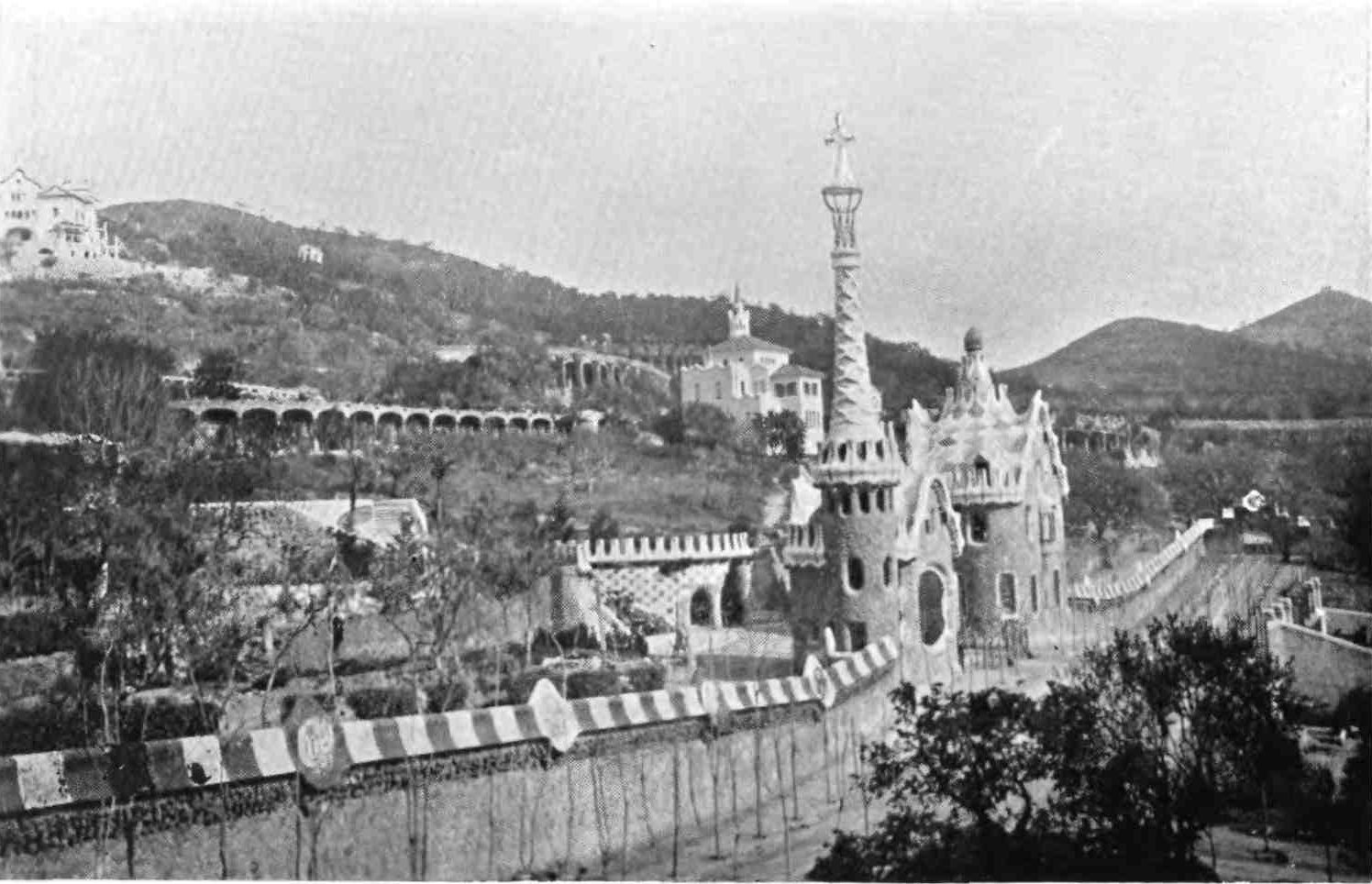
BARCELONA: ENTRANCE TO THE GÜELL PARK
Plate 38
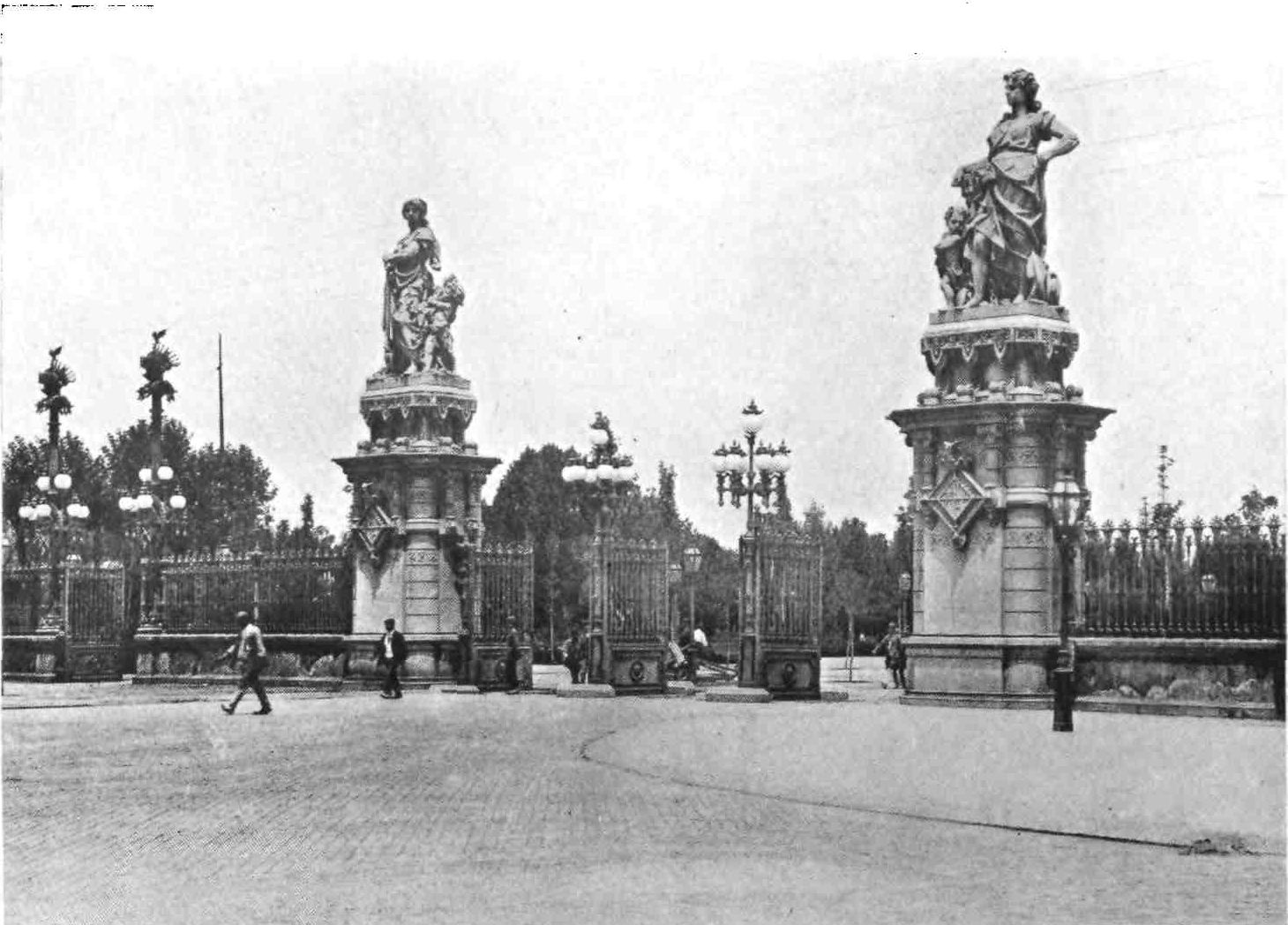
BARCELONA: ENTRANCE TO THE PARK
Plate 39
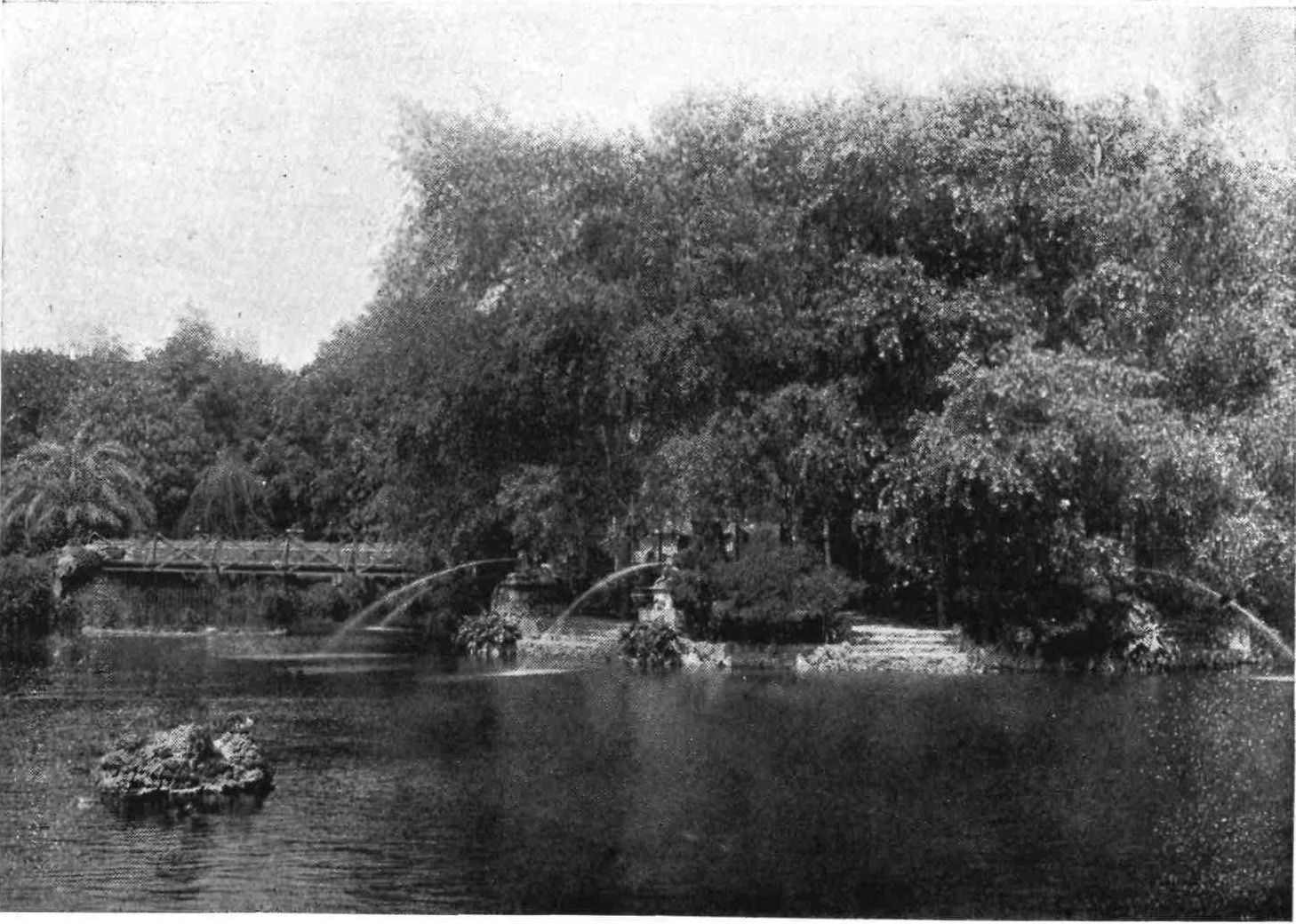
BARCELONA: LAKE IN THE PARK
Plate 40
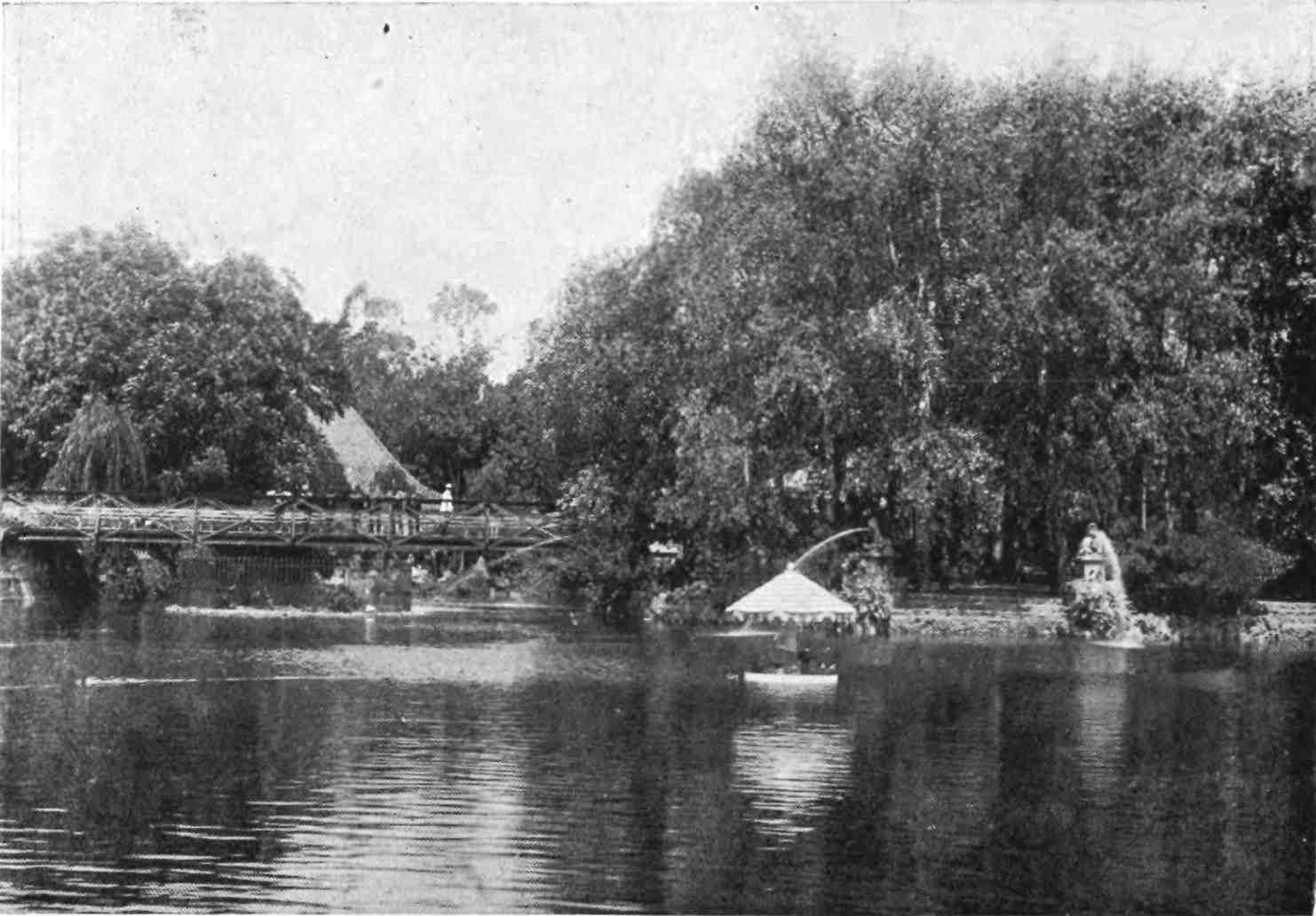
BARCELONA: THE LAKE IN THE PARK
Plate 41
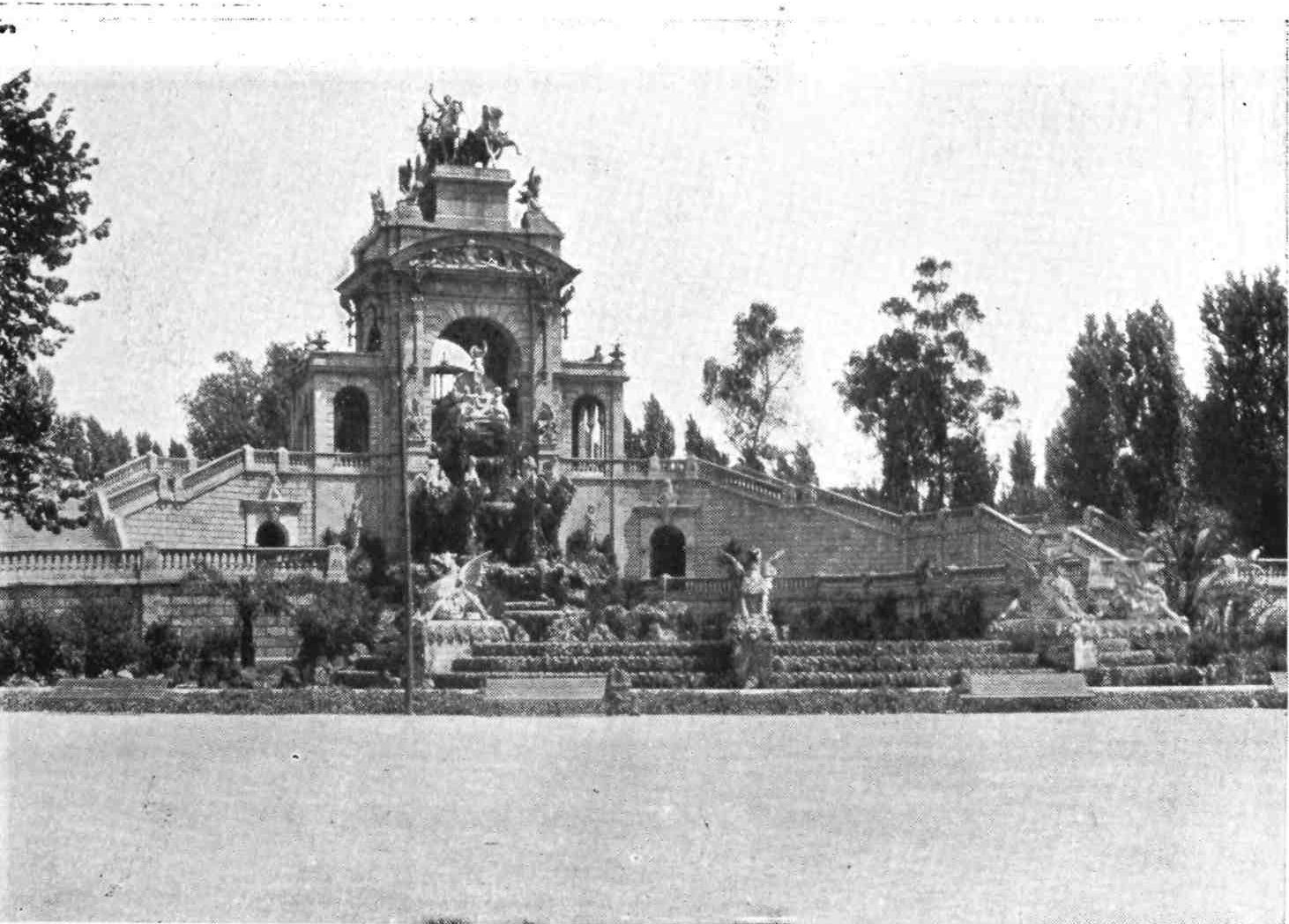
BARCELONA: THE “CASCADA” IN THE PARK
Plate 42
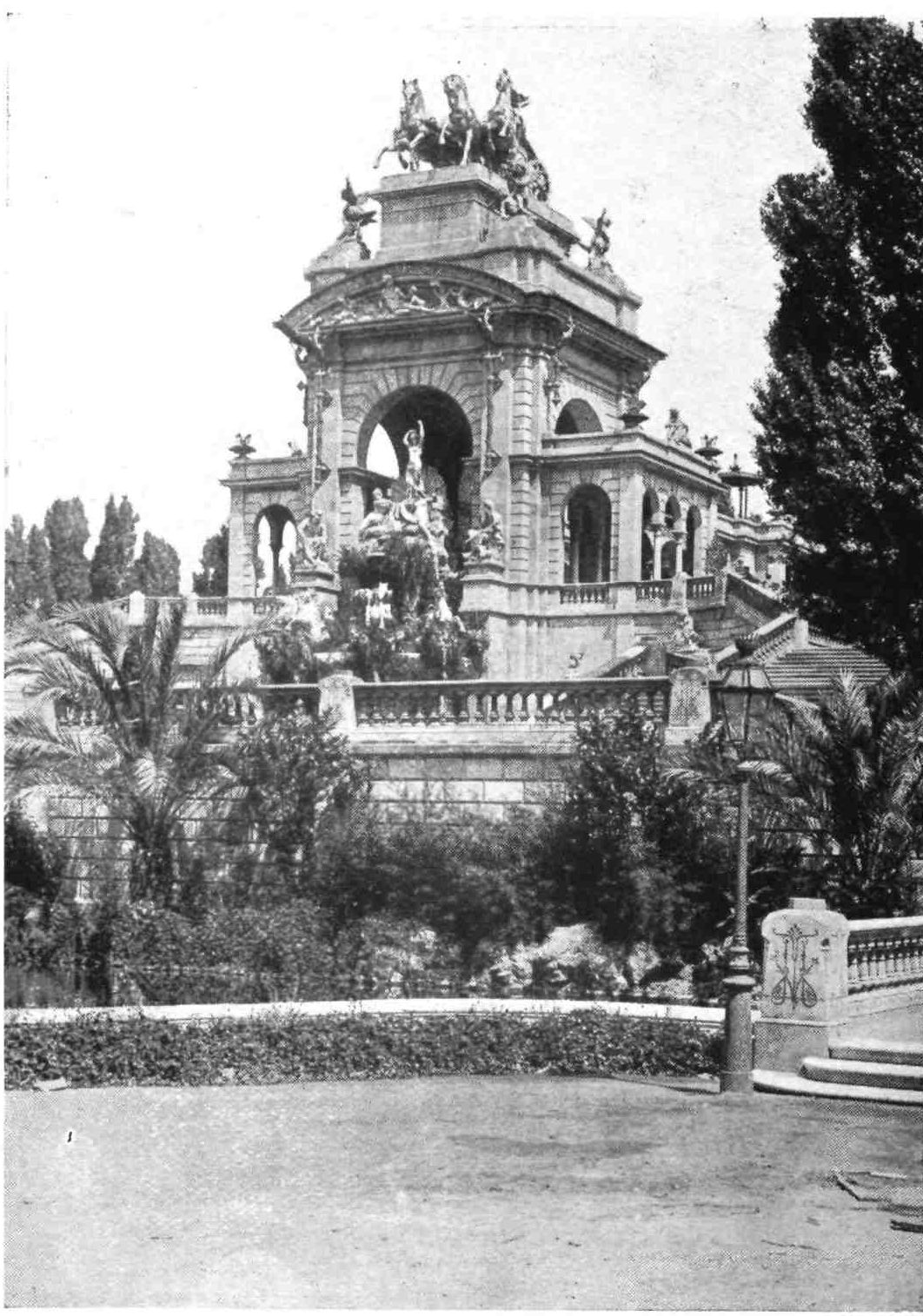
BARCELONA PARK: DETAILS OF THE “CASCADA”
Plate 43
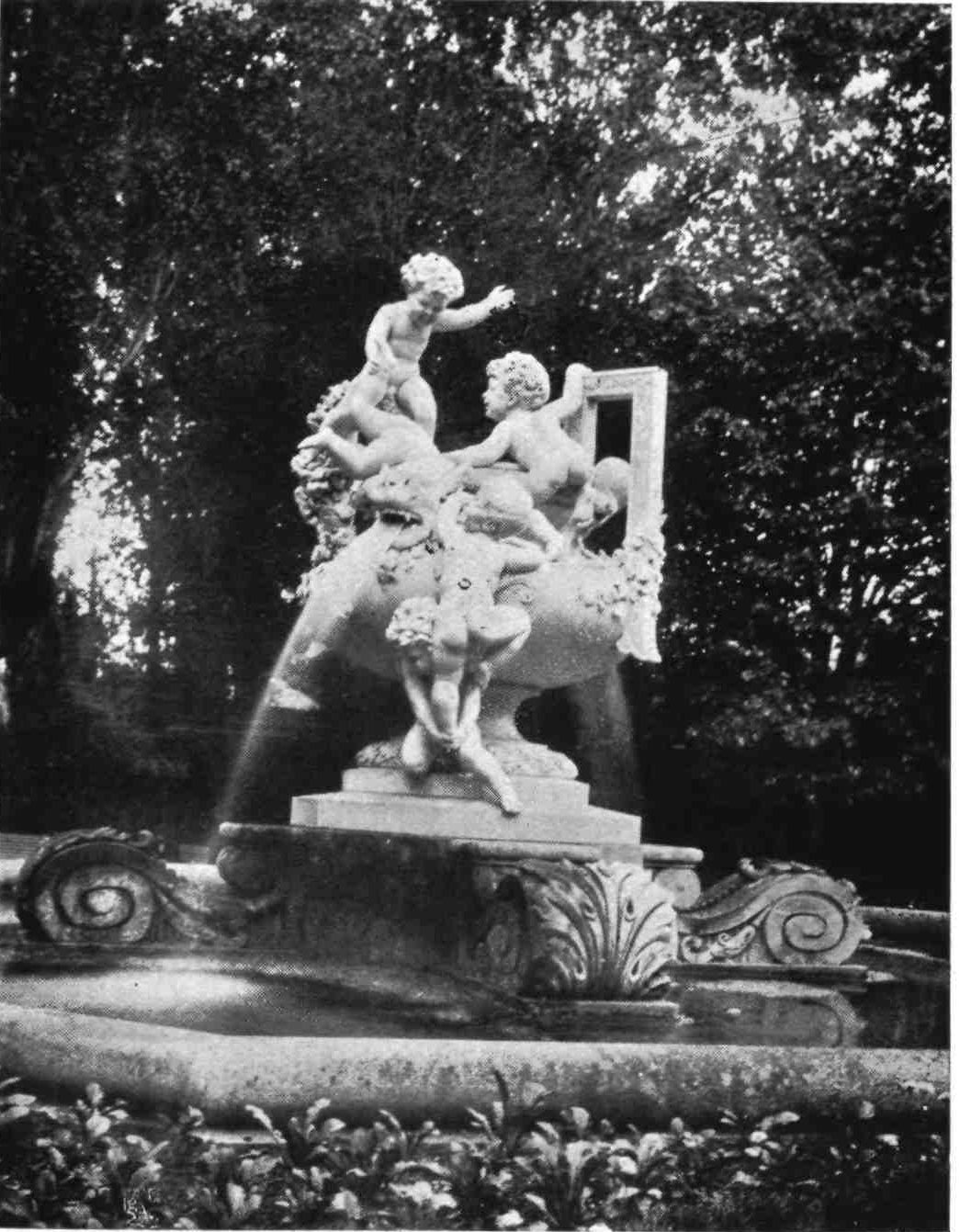
BARCELONA: FOUNTAIN IN THE PARK
Plate 44
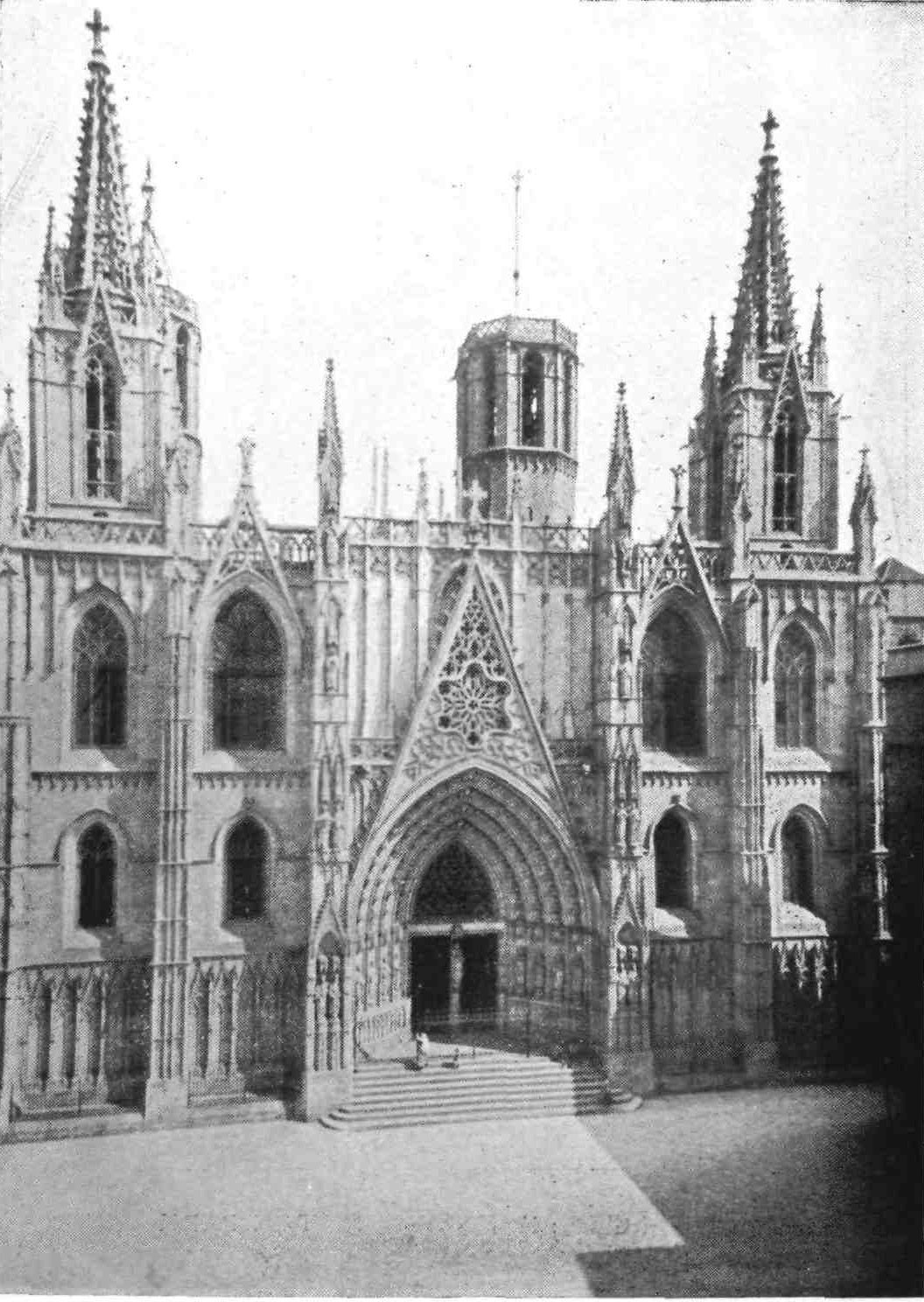
BARCELONA: THE CATHEDRAL
Plate 45
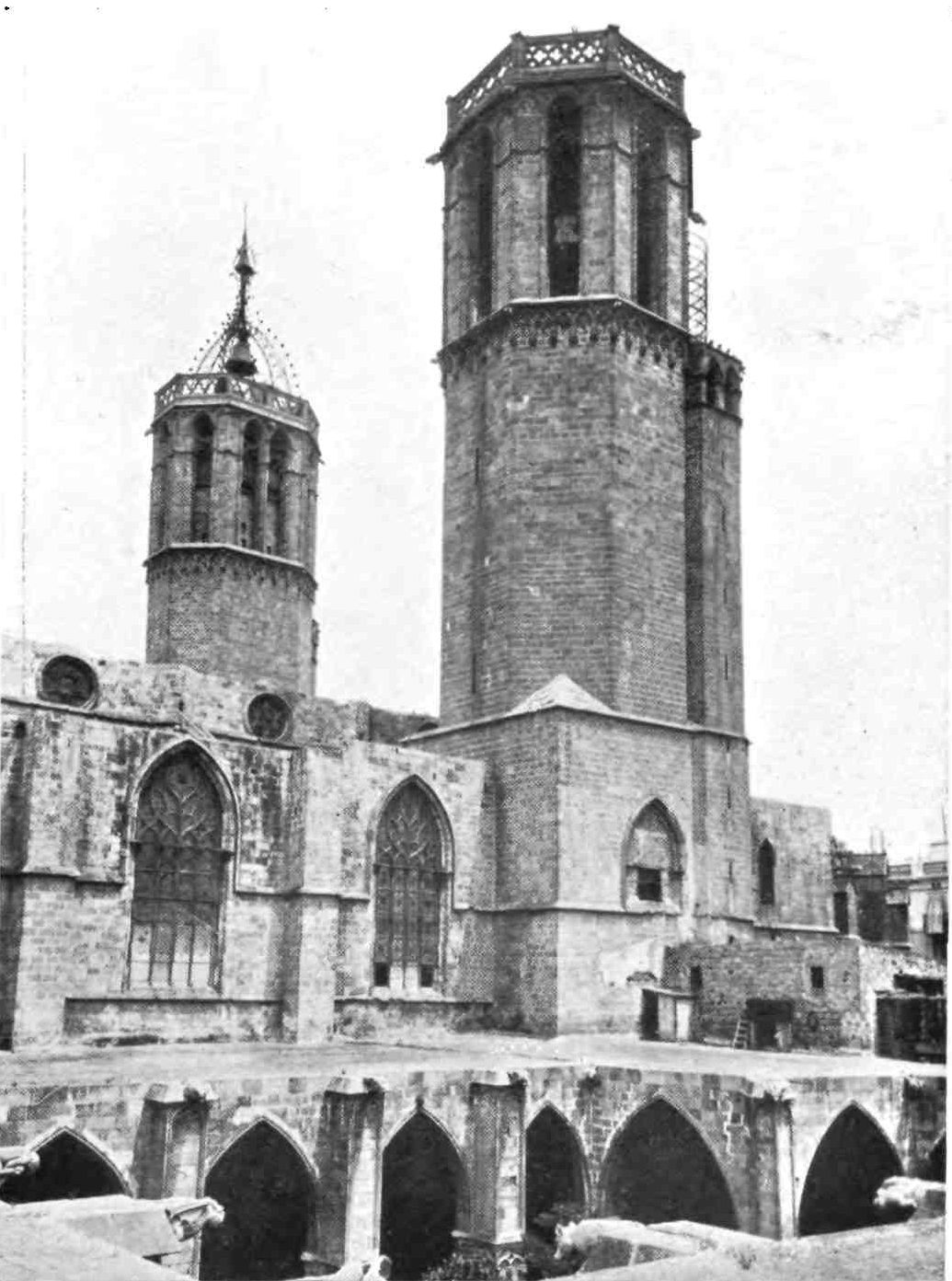
BARCELONA: THE CATHEDRAL
Plate 46
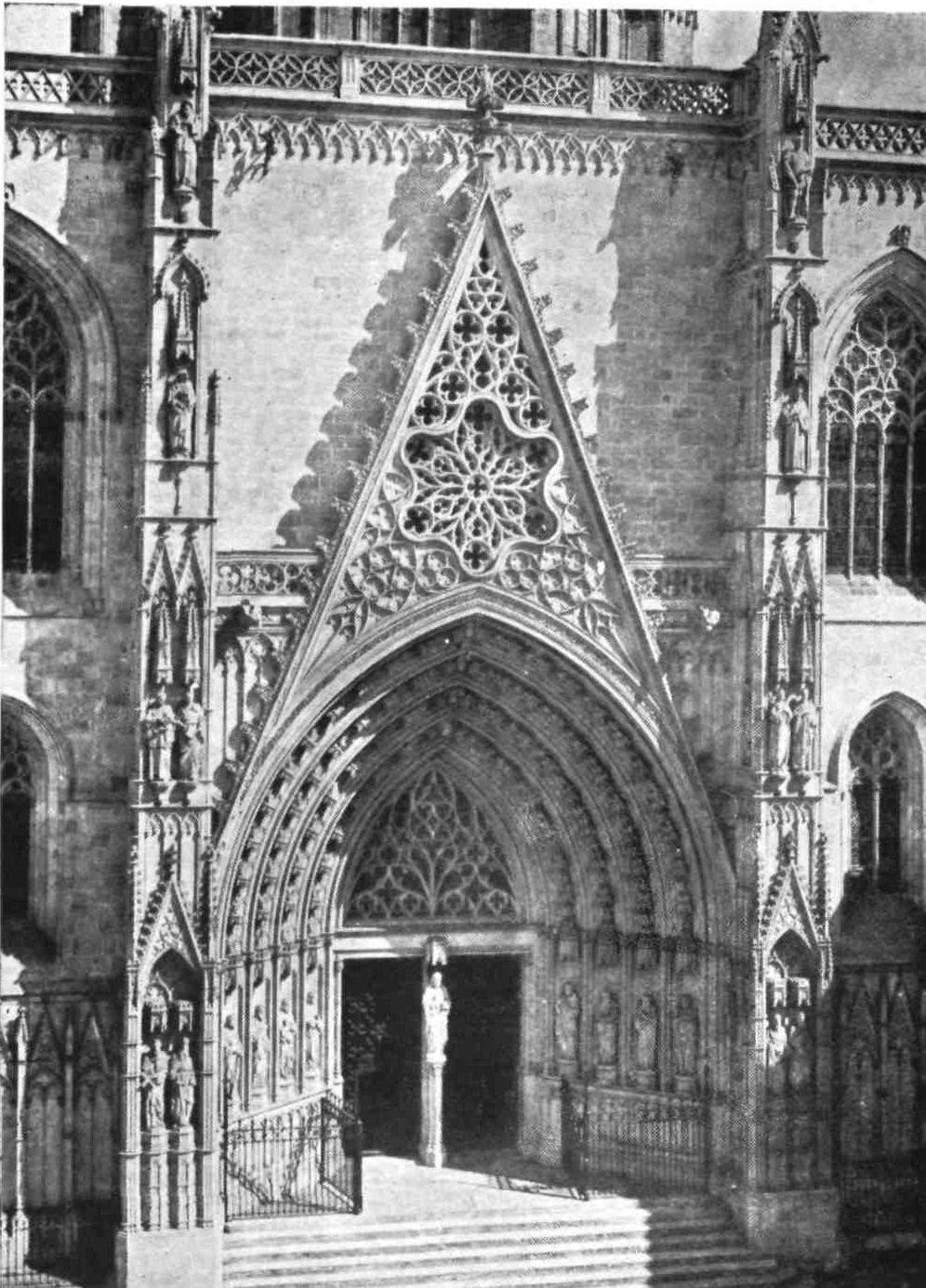
BARCELONA CATHEDRAL: PRINCIPAL ENTRANCE
Plate 47
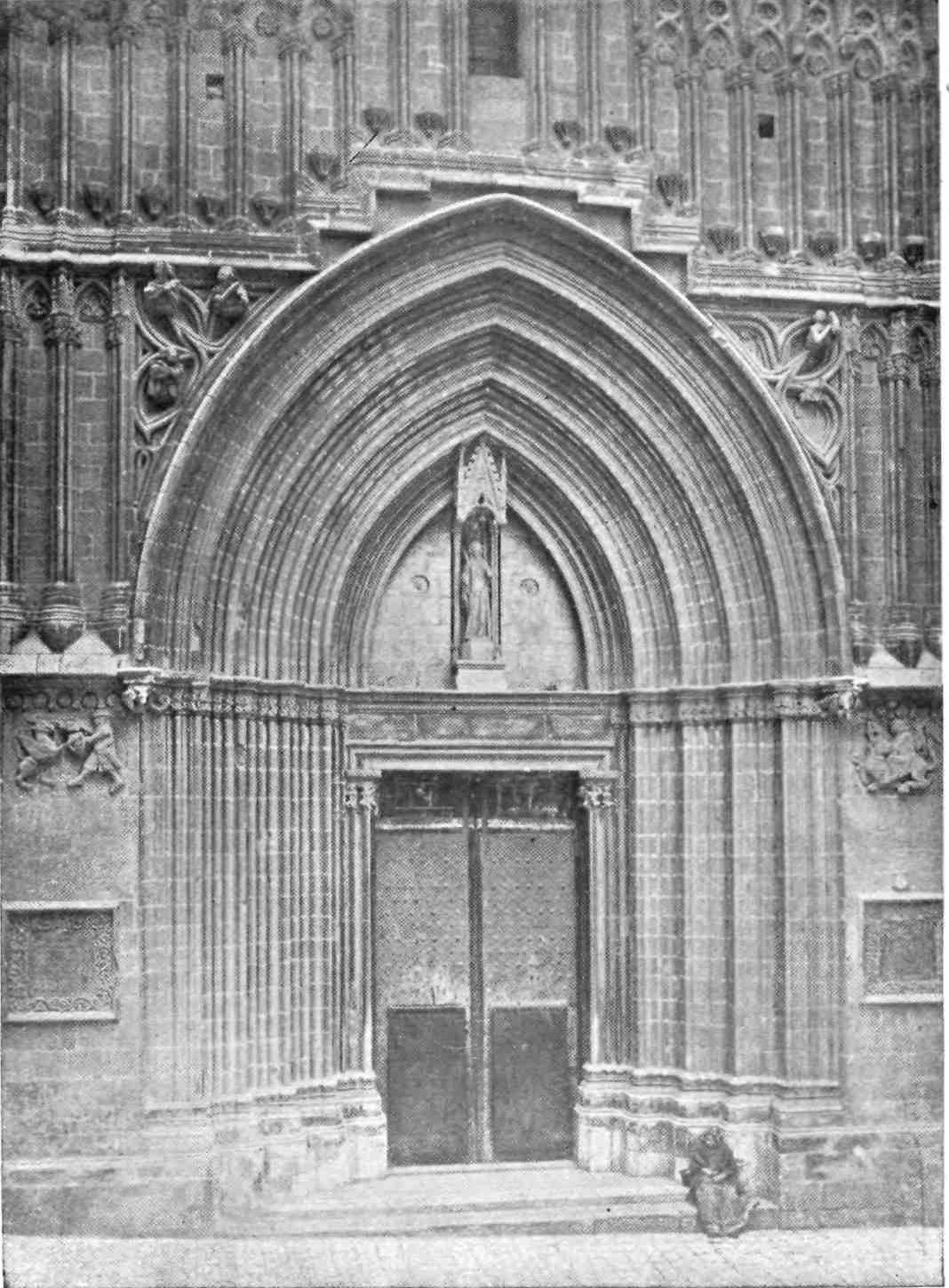
BARCELONA CATHEDRAL: RIGHT-HAND SIDE DOOR
Plate 48
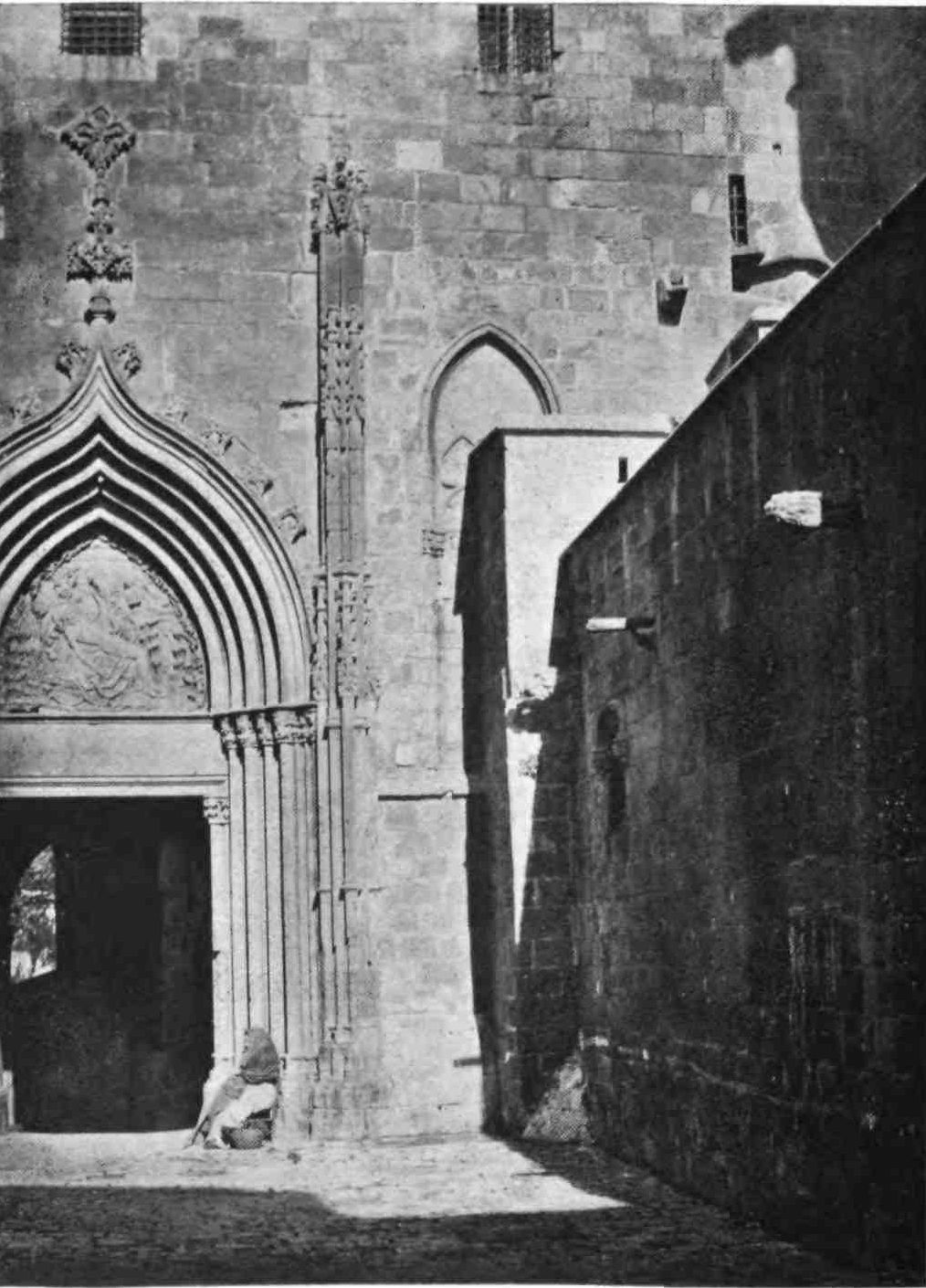
BARCELONA CATHEDRAL: DOOR OF THE PIEDAD
Plate 49
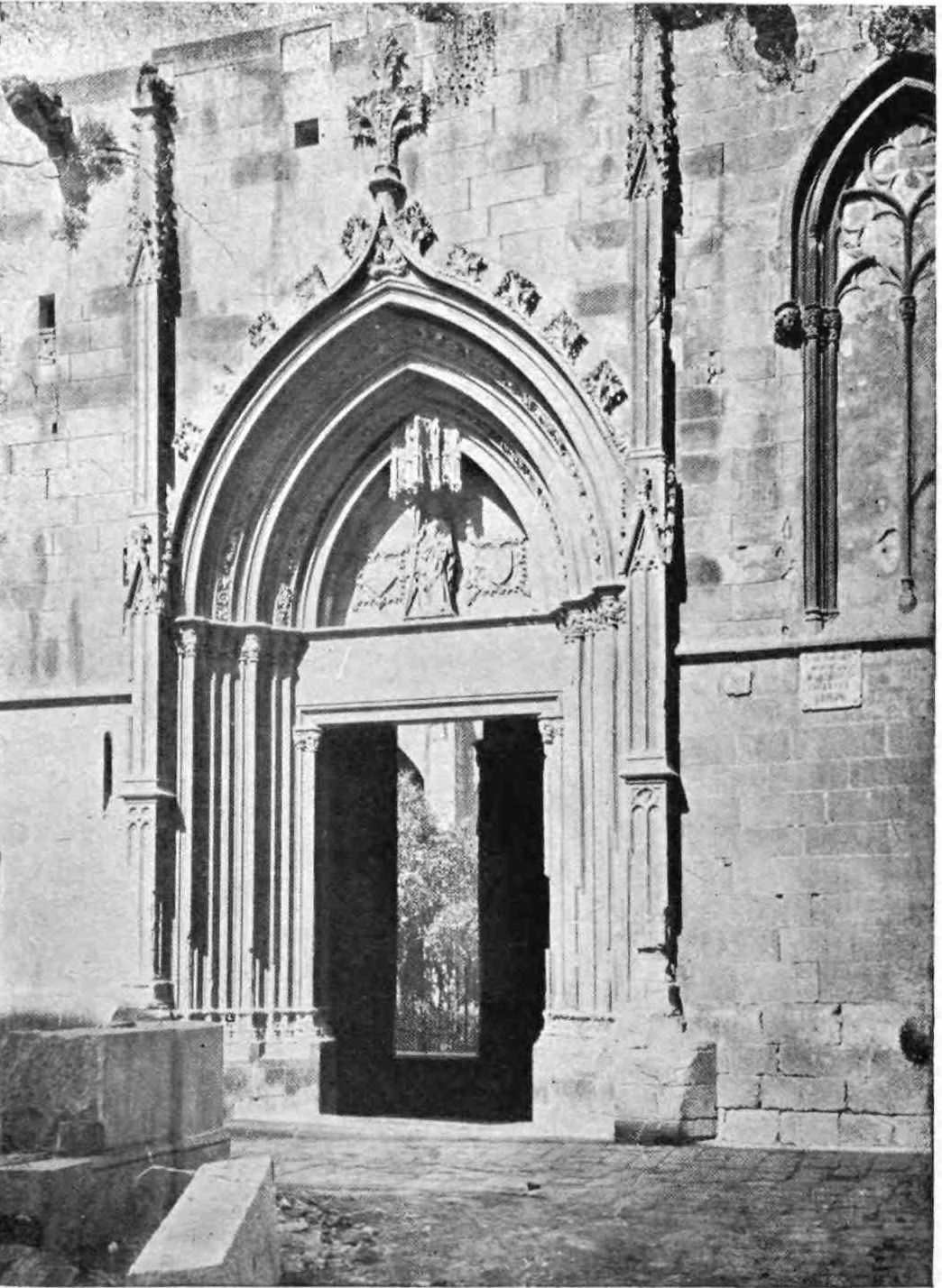
BARCELONA CATHEDRAL: DOOR OF SANTA EULALIA
Plate 50
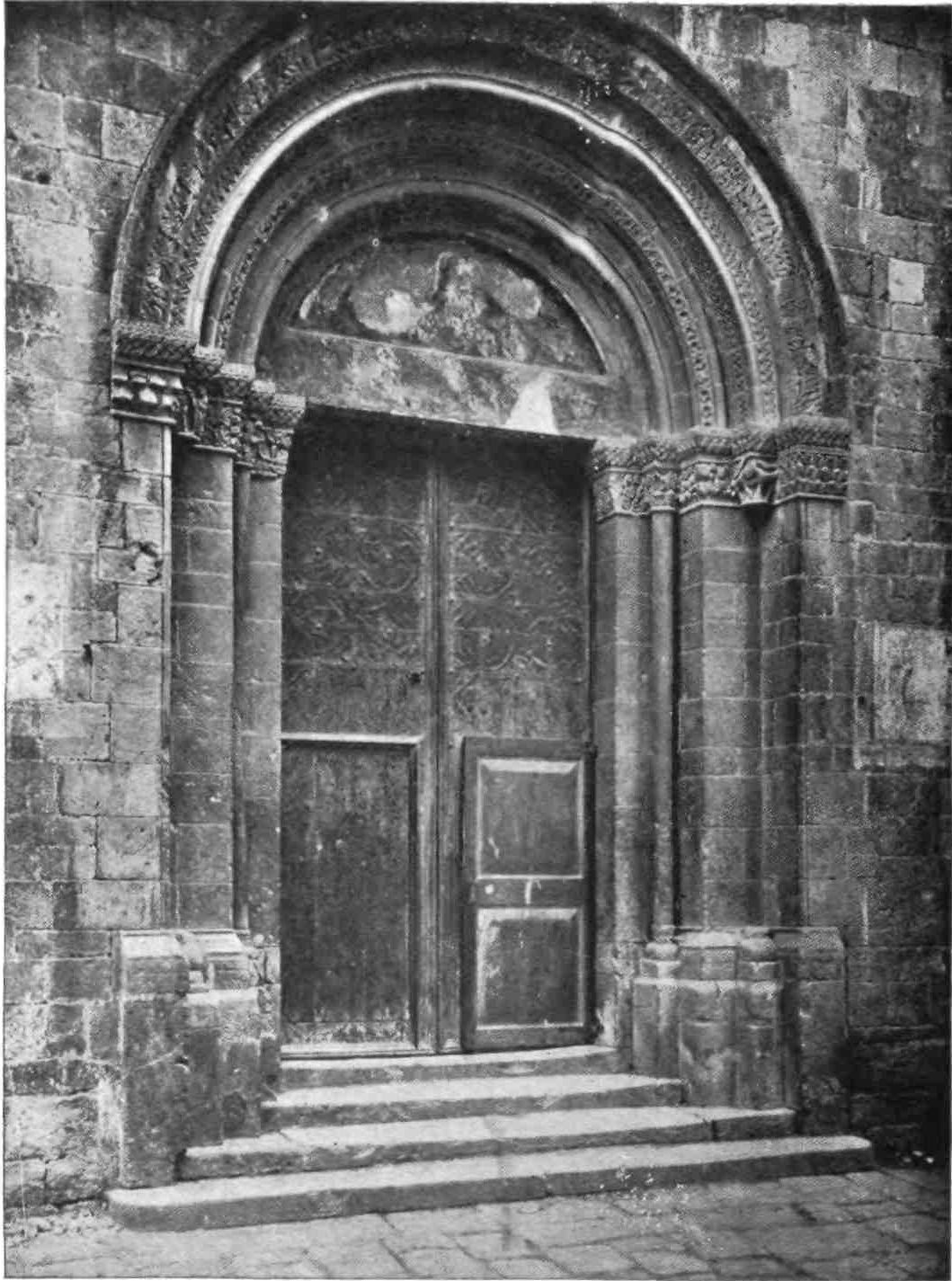
BARCELONA CATHEDRAL: EXTERIOR DOOR OF SANTA LUCIA
Plate 51
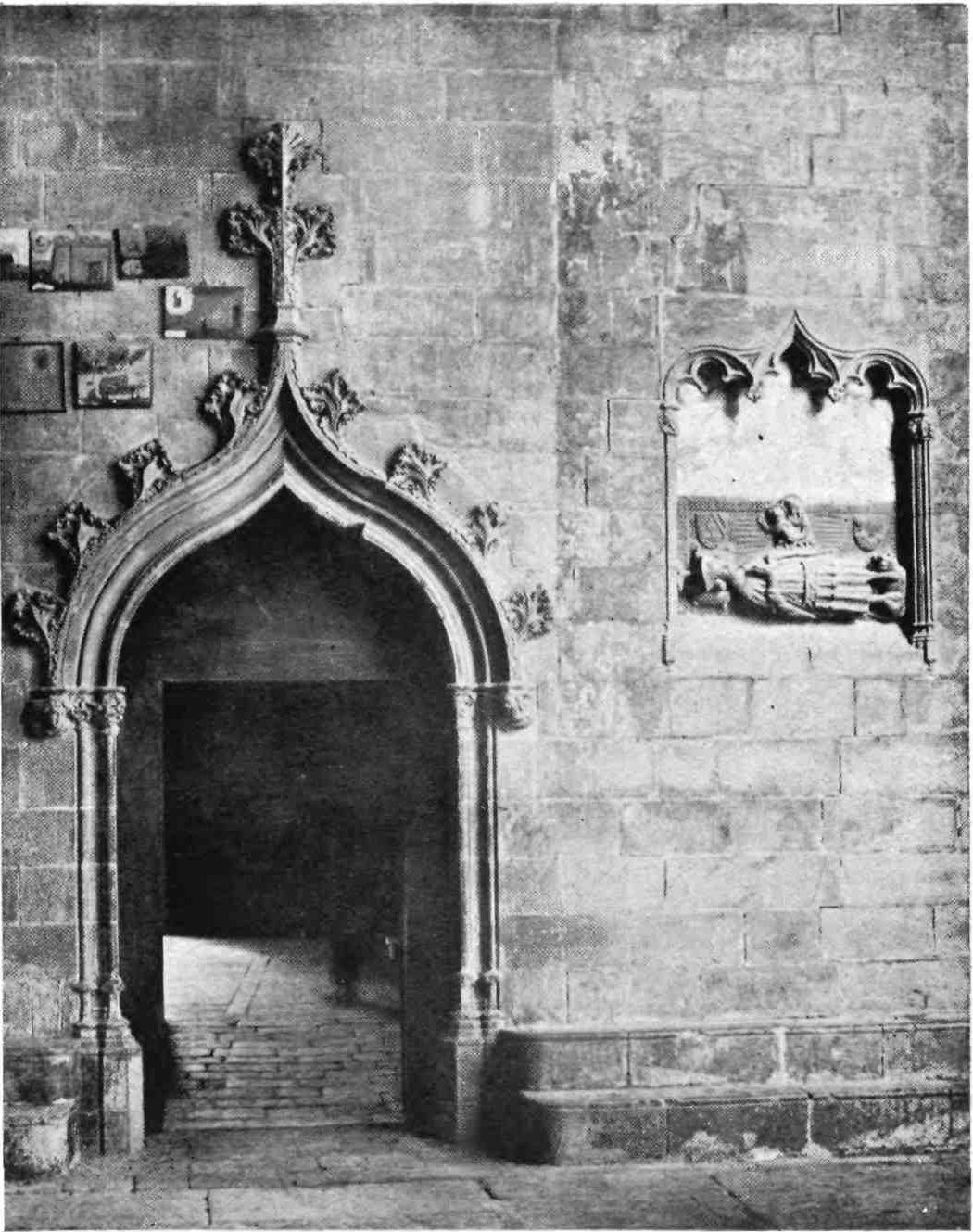
BARCELONA CATHEDRAL: INTERIOR DOOR OF SANTA LUCIA AND SEPULCHRE OF MOSSEN BORRA
Plate 52
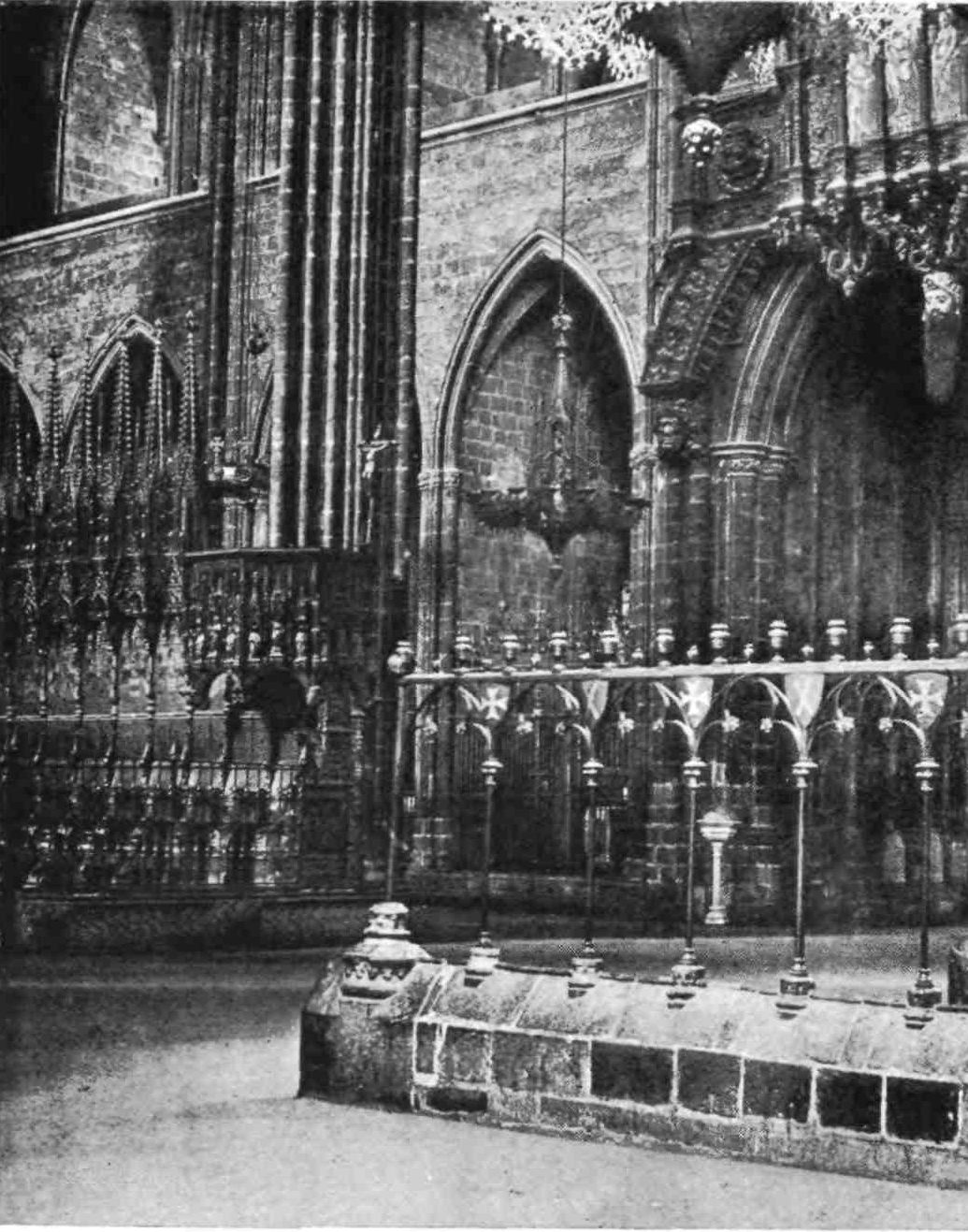
BARCELONA: INTERIOR OF THE CATHEDRAL
Plate 53
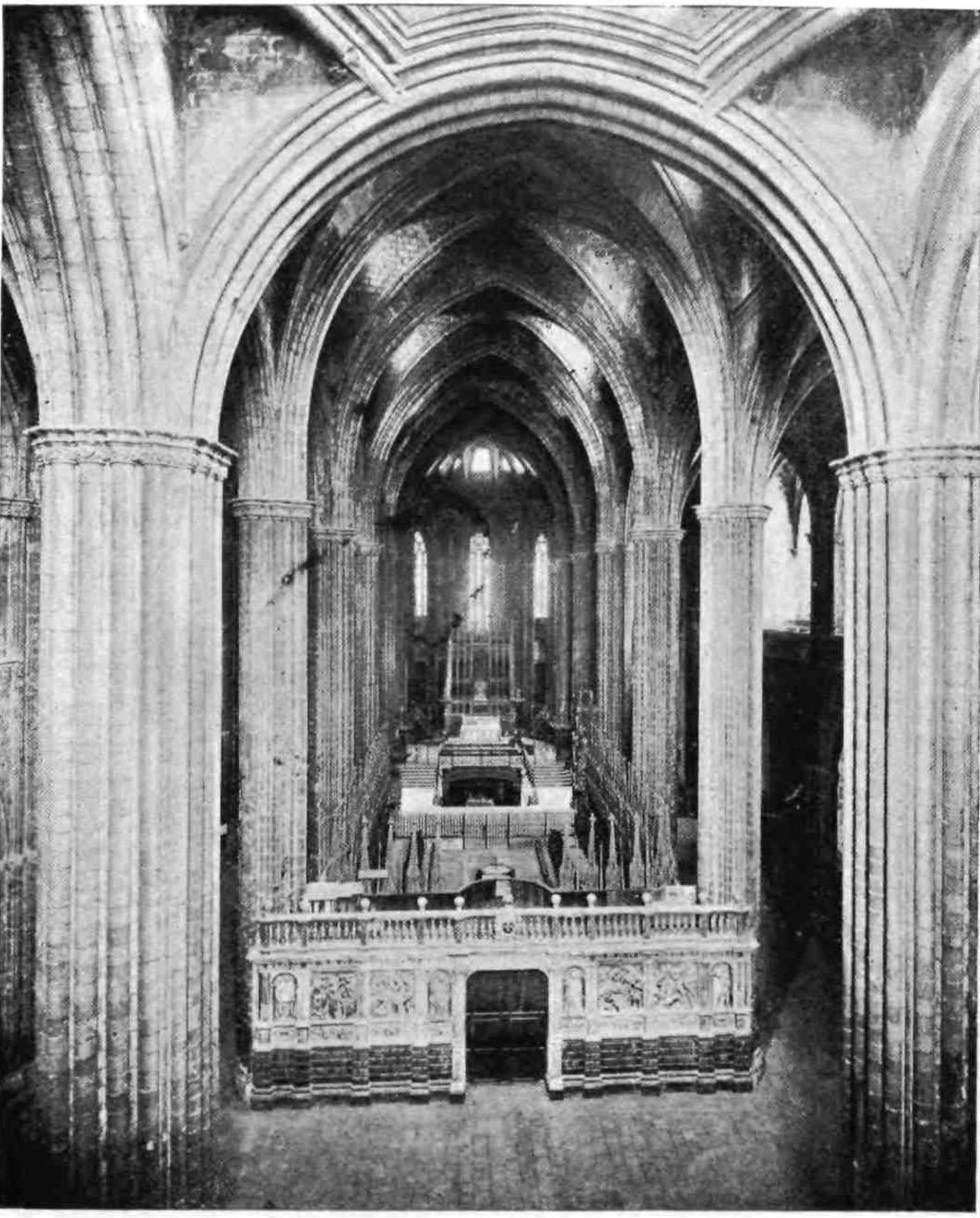
BARCELONA: INTERIOR OF THE CATHEDRAL
Plate 54
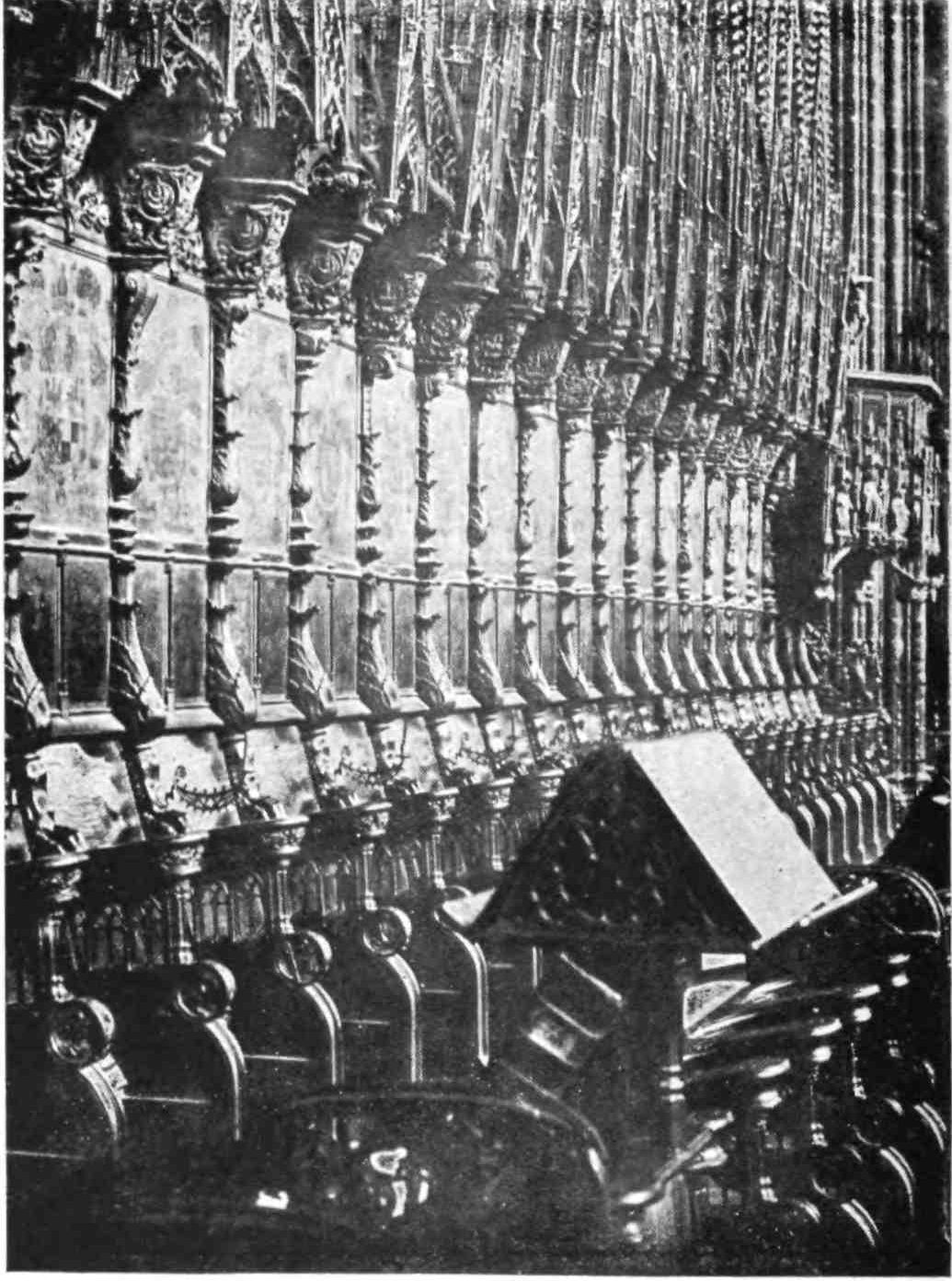
BARCELONA CATHEDRAL: DETAIL OF THE CHOIR
Plate 55
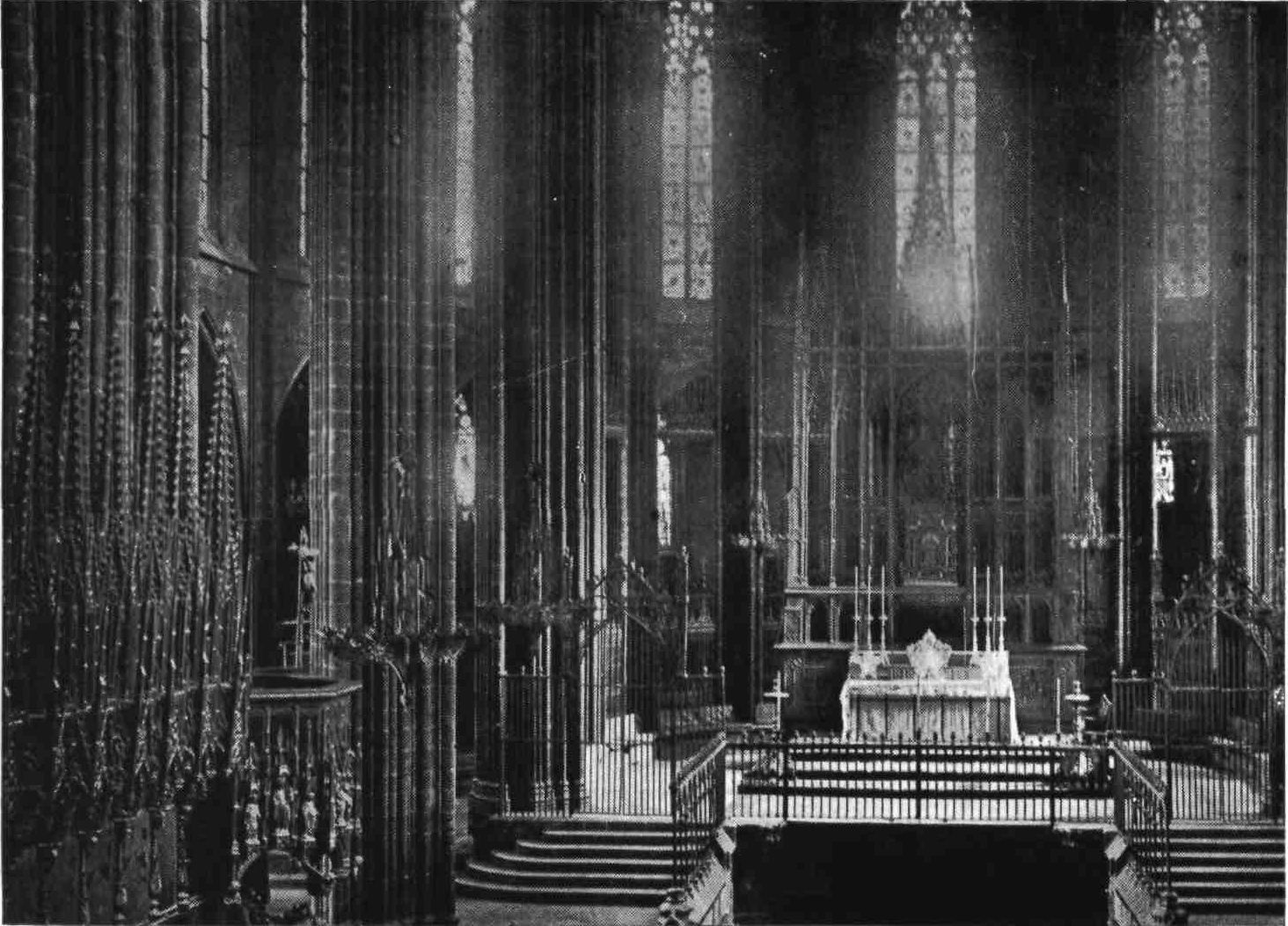
BARCELONA CATHEDRAL: THE HIGH ALTAR
Plate 56
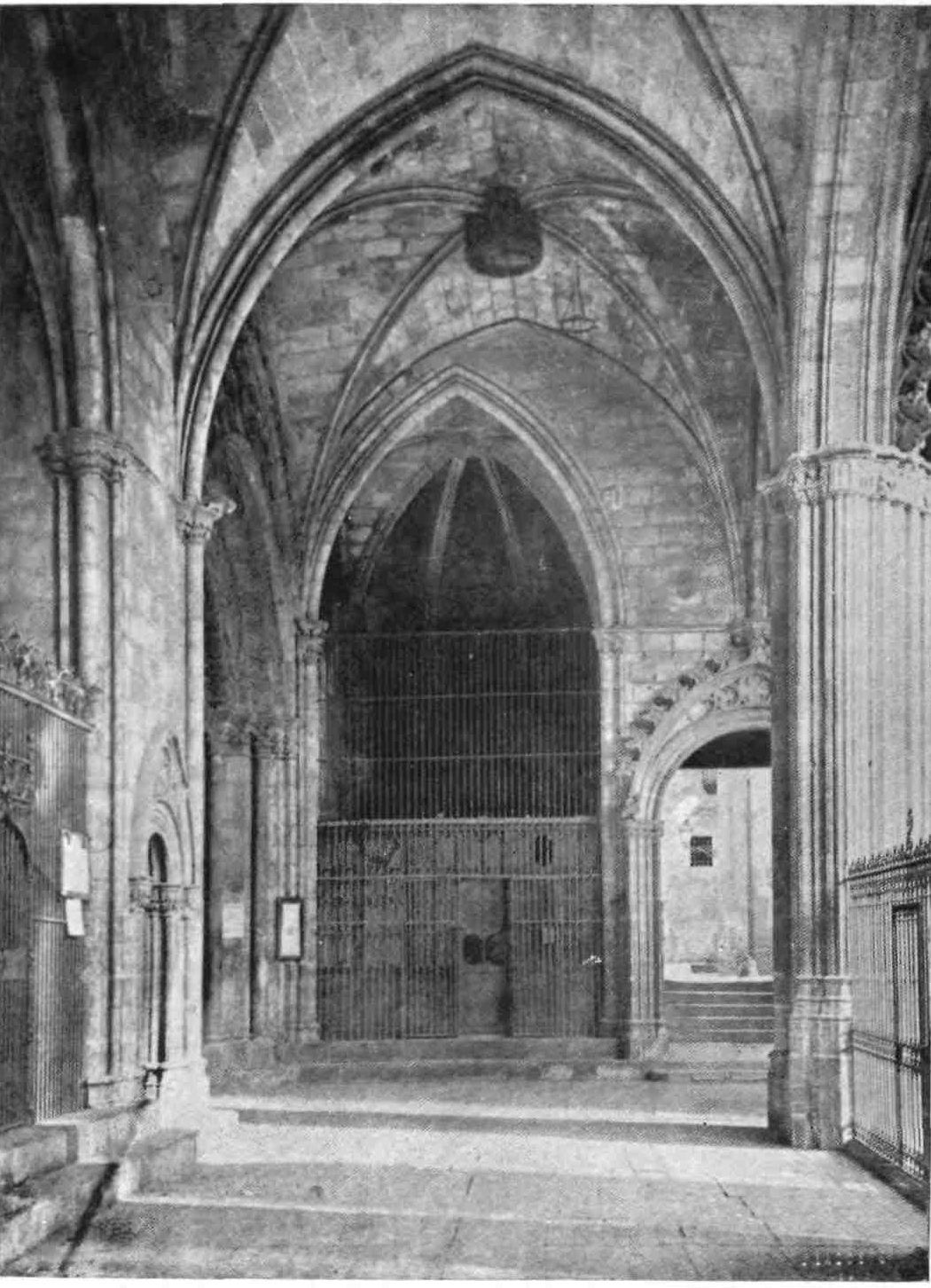
BARCELONA: THE ARCHIVE OF THE CATHEDRAL
Plate 57
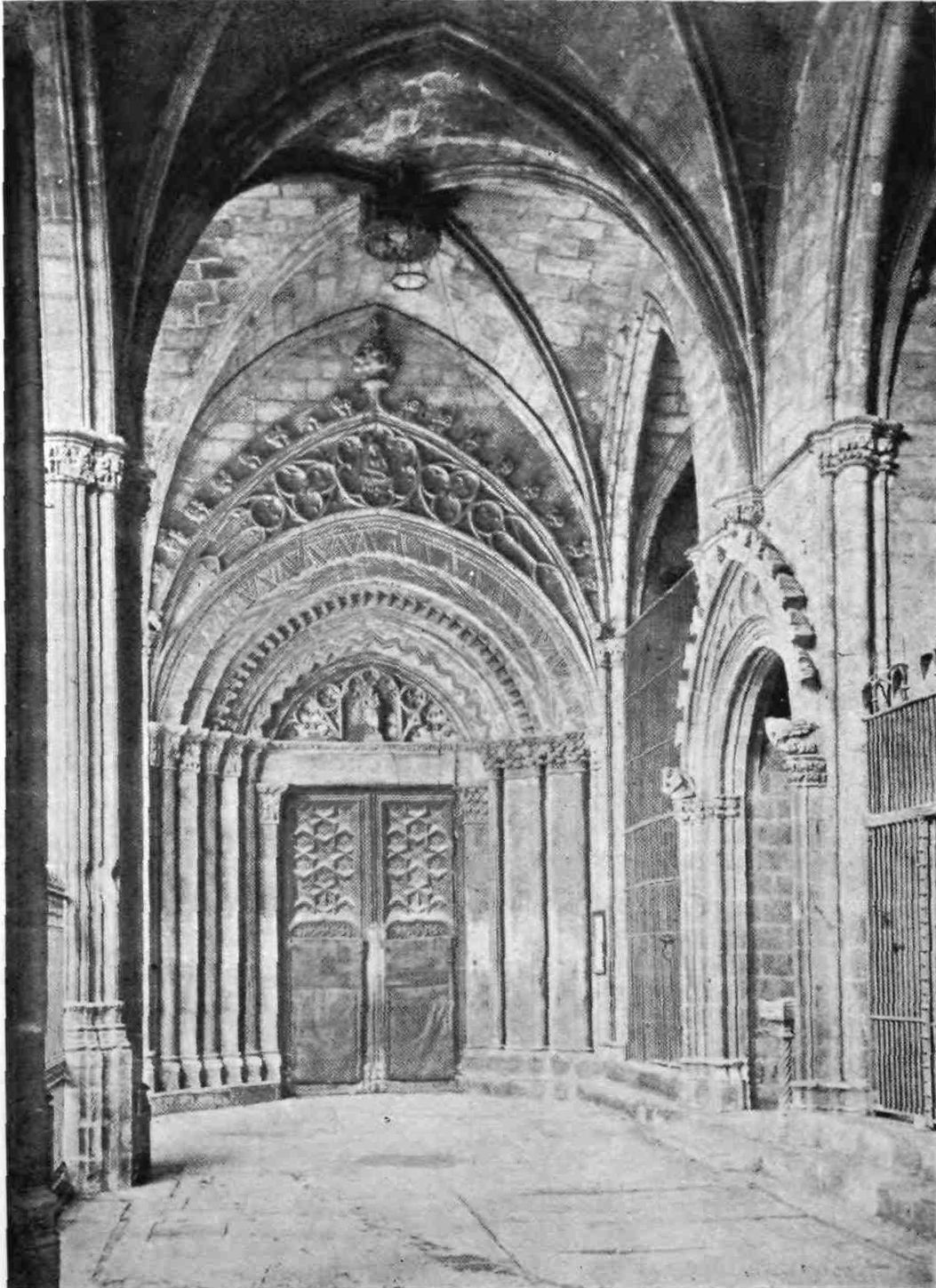
BARCELONA CATHEDRAL: CLOISTERS AND PRINCIPAL INTERIOR DOOR
Plate 58
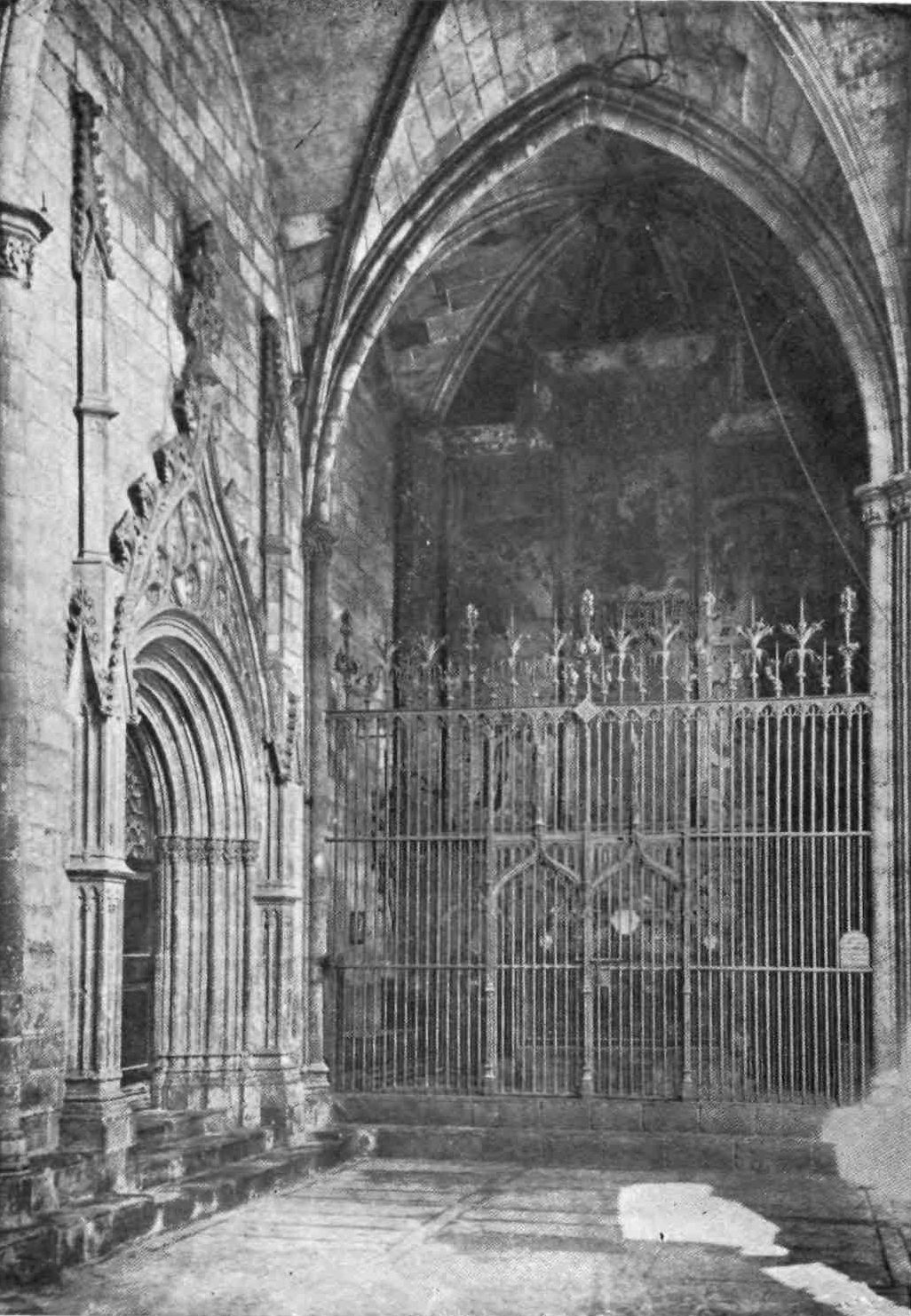
BARCELONA: CHAPEL IN THE CLOISTER OF THE CATHEDRAL
Plate 59
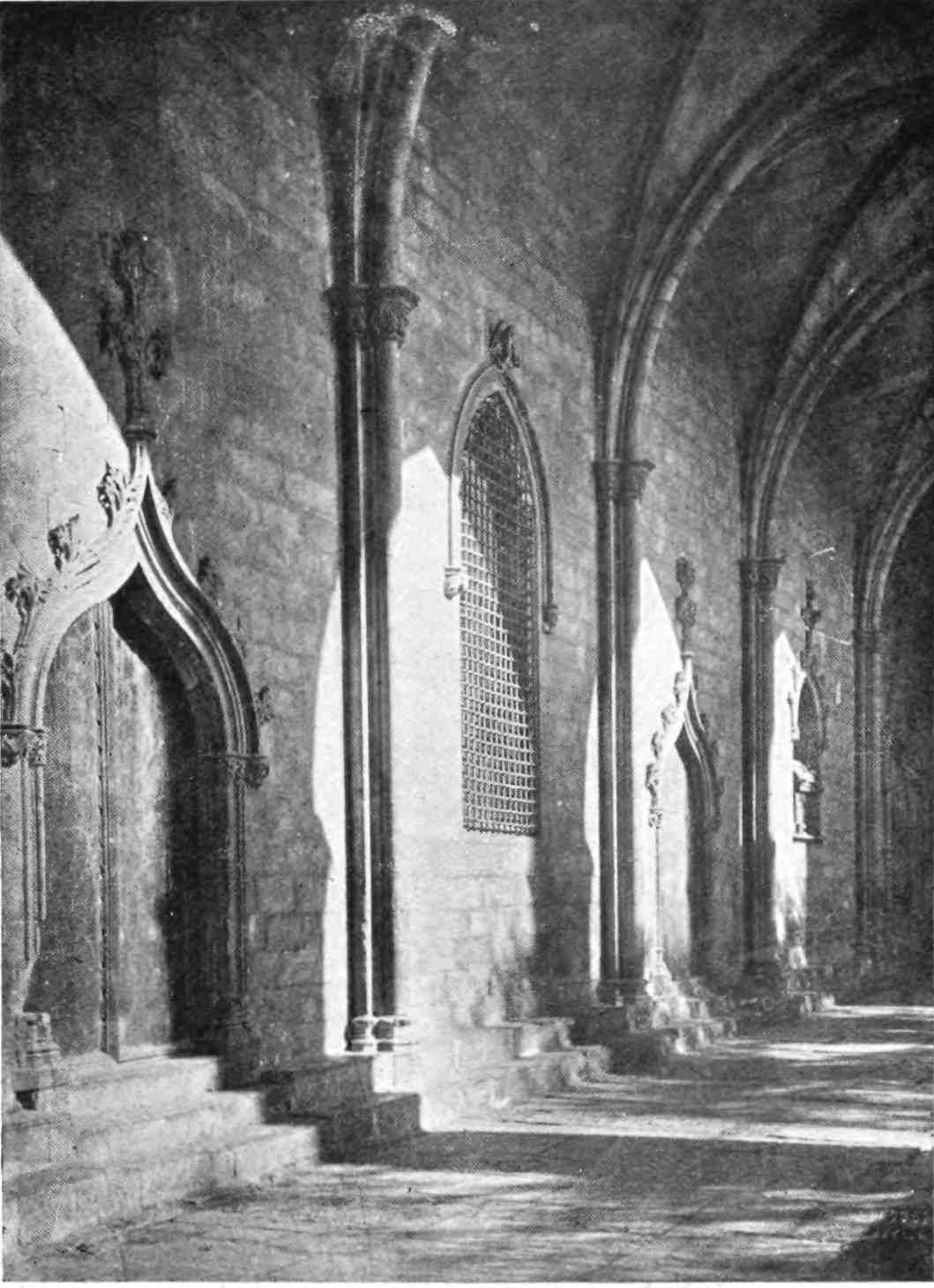
BARCELONA: CLOISTERS OF THE CATHEDRAL
Plate 60
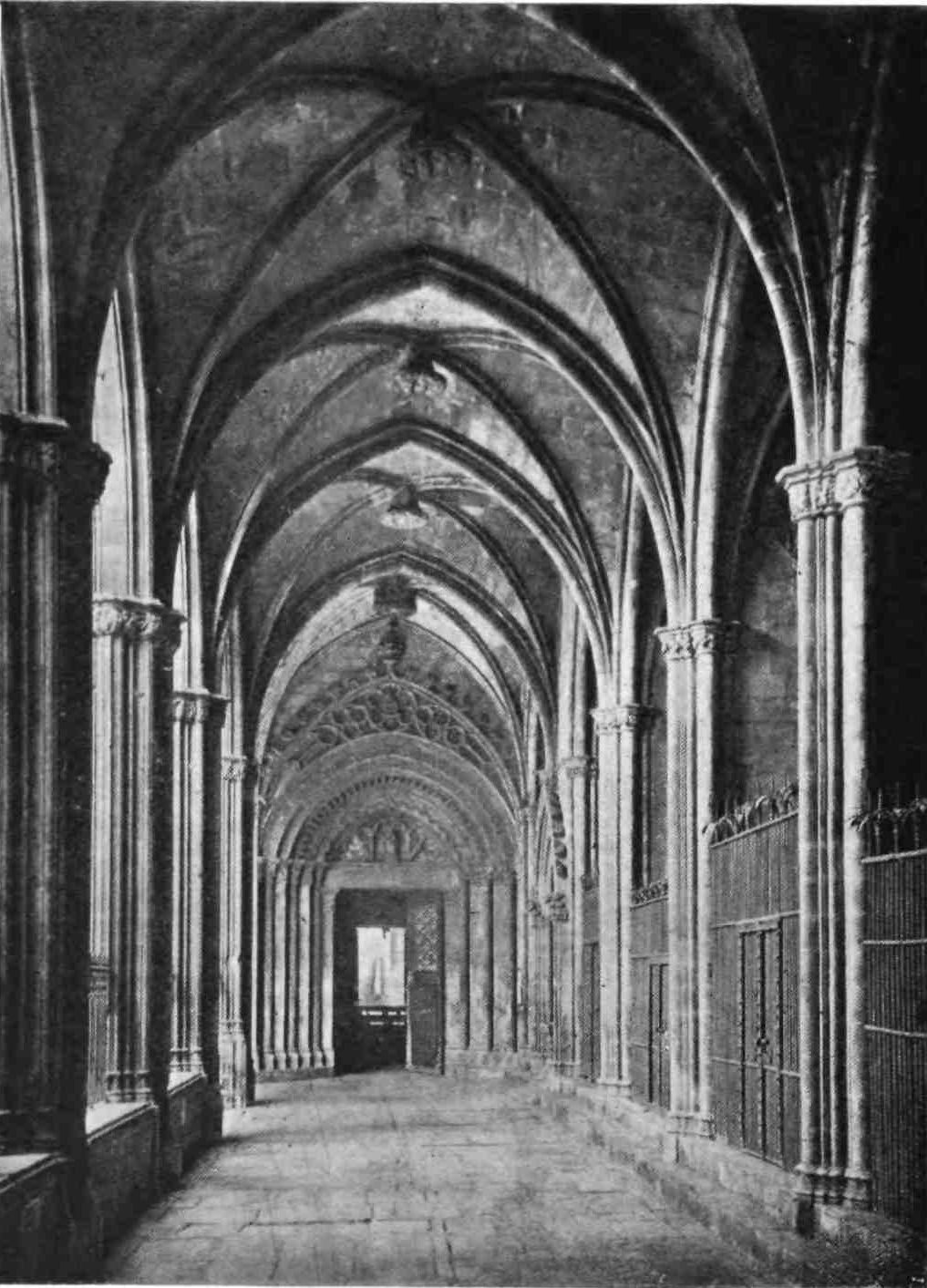
BARCELONA: CLOISTERS AND DOOR OF THE CATHEDRAL
Plate 61
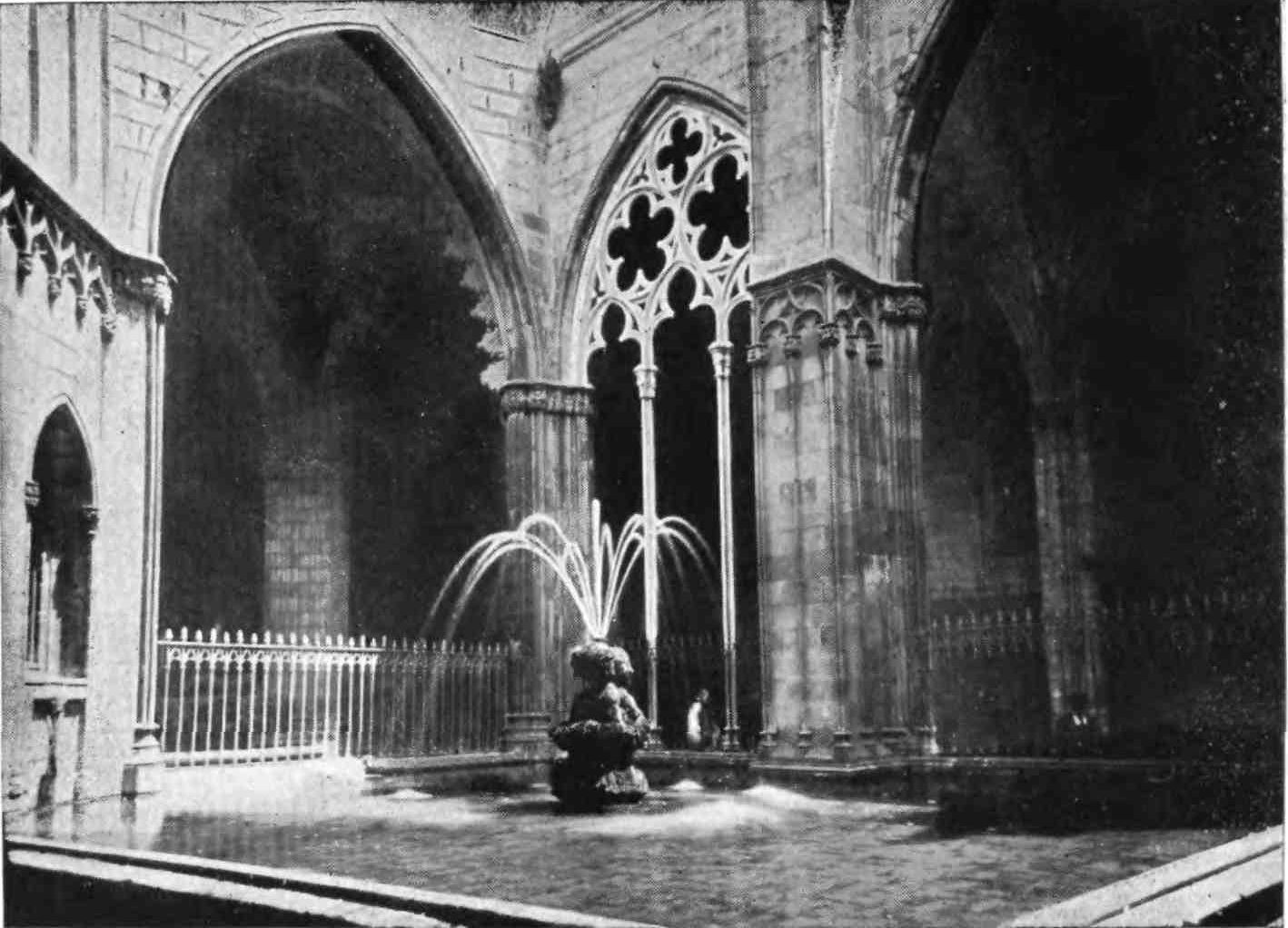
BARCELONA: CLOISTERS OF THE CATHEDRAL
Plate 62
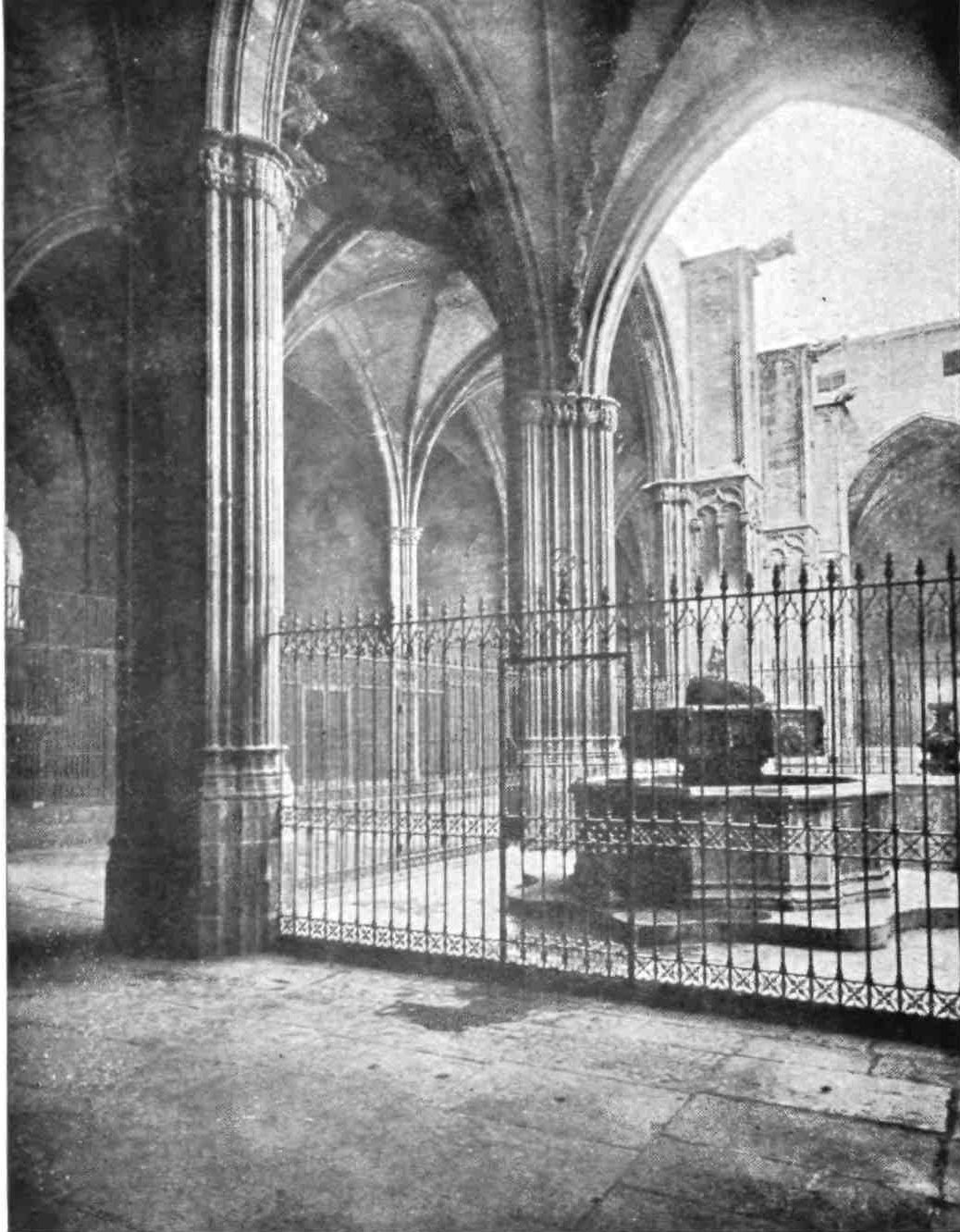
BARCELONA: CLOISTERS OF THE CATHEDRAL
Plate 63
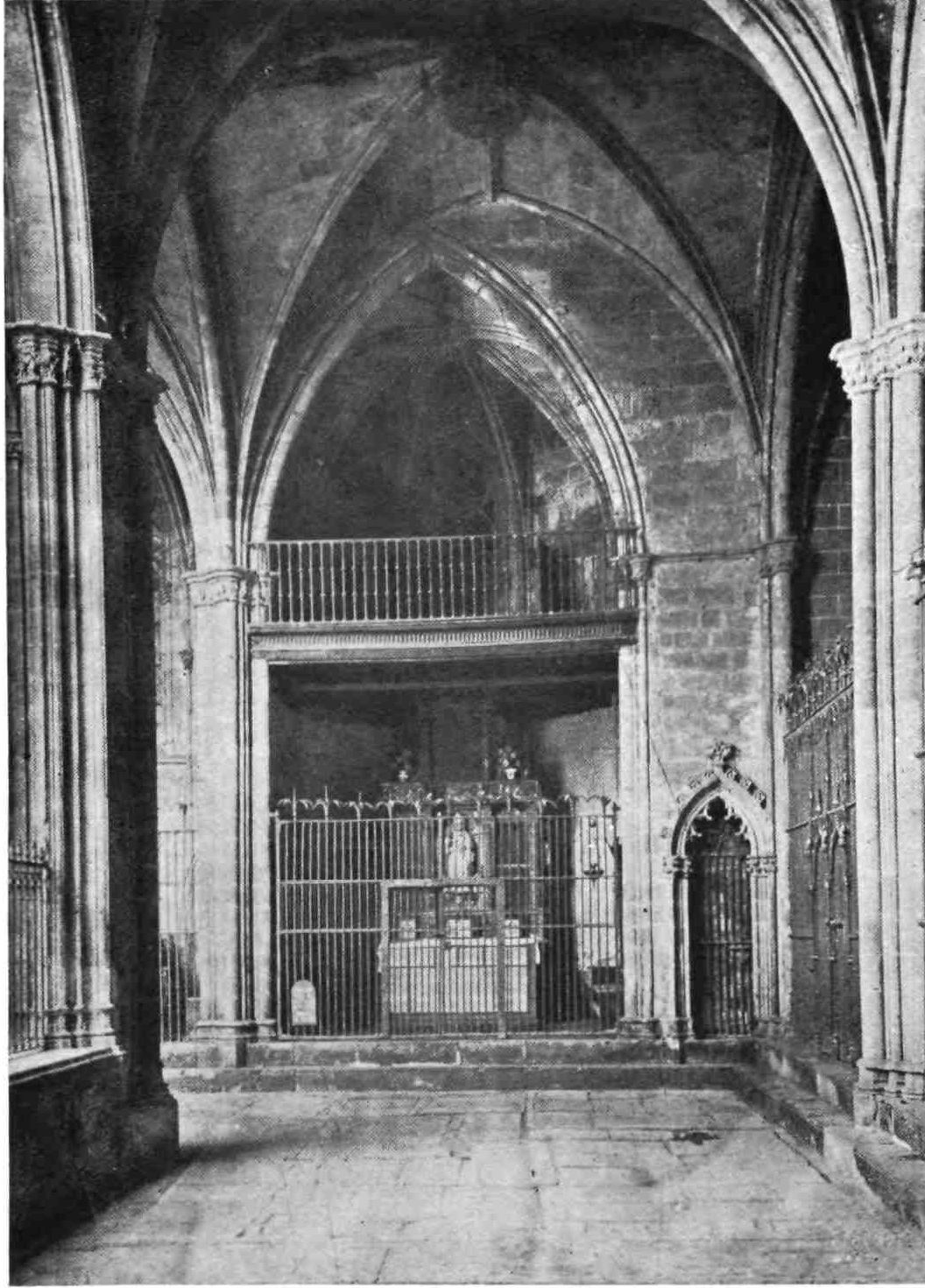
BARCELONA: CHAPEL IN THE CLOISTERS OF THE CATHEDRAL
Plate 64
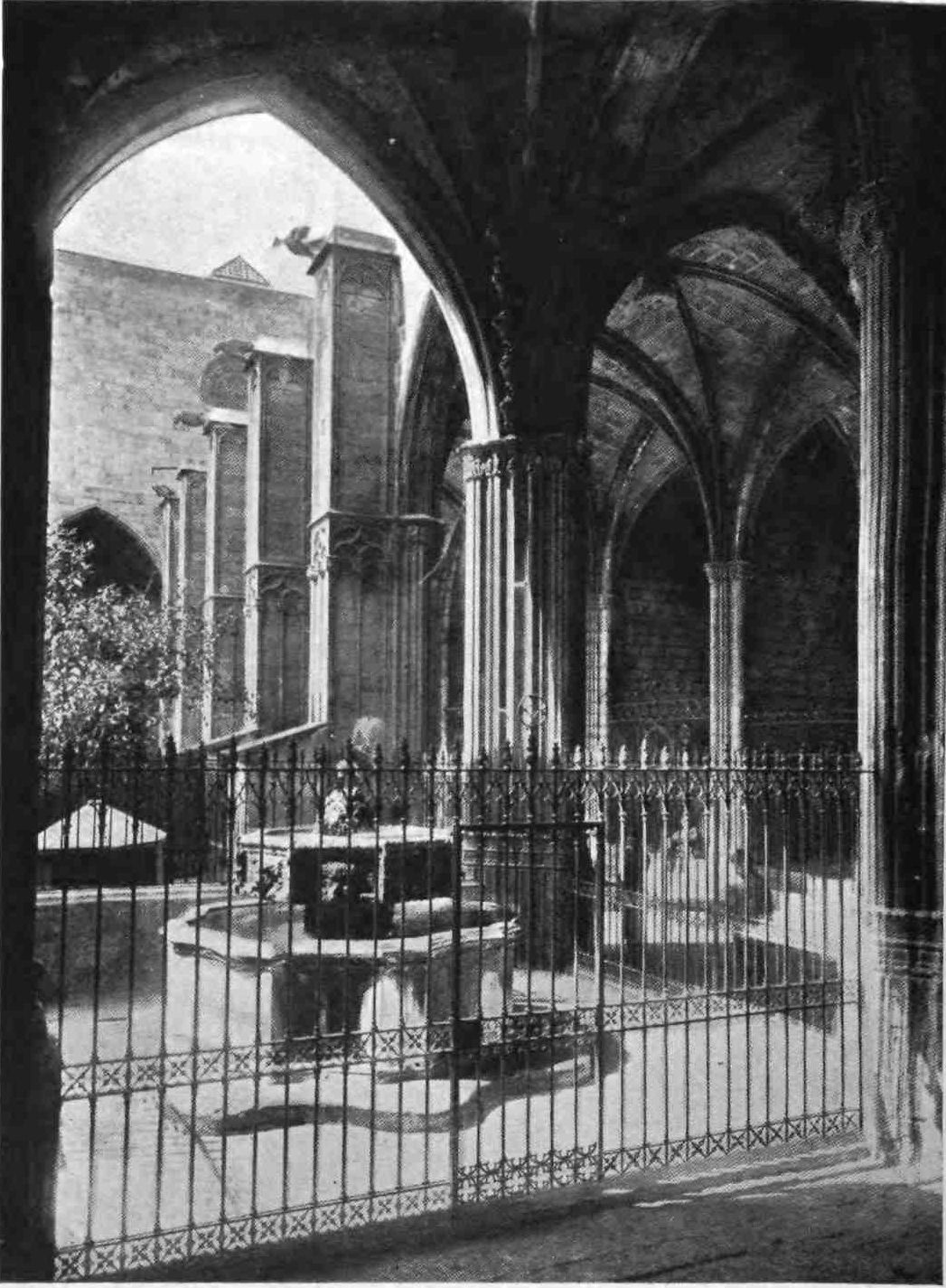
BARCELONA CATHEDRAL: FOUNTAIN IN THE CLOISTERS
Plate 65
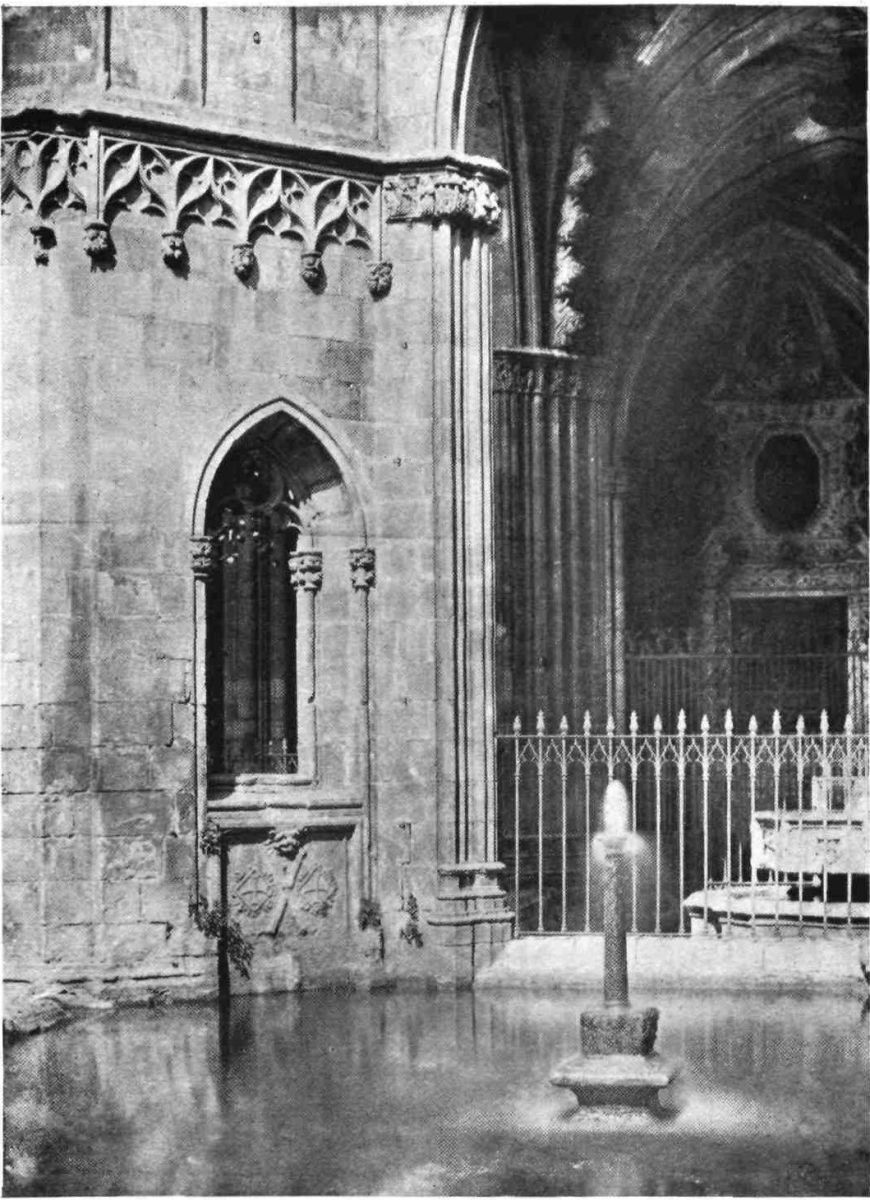
BARCELONA CATHEDRAL: FOUNTAIN IN THE CLOISTERS
Plate 66
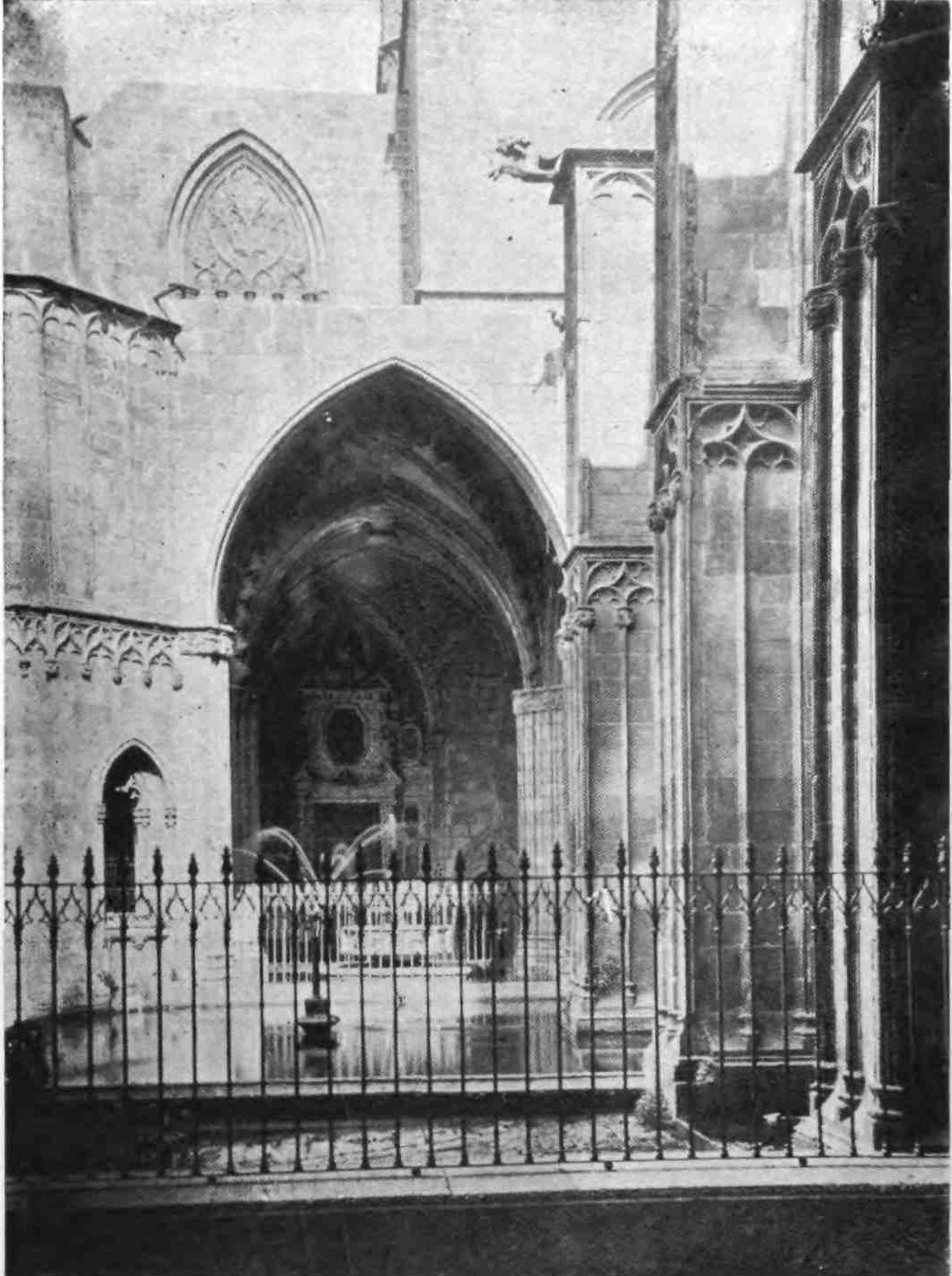
BARCELONA: FOUNTAIN IN THE CLOISTERS OF THE CATHEDRAL
Plate 67
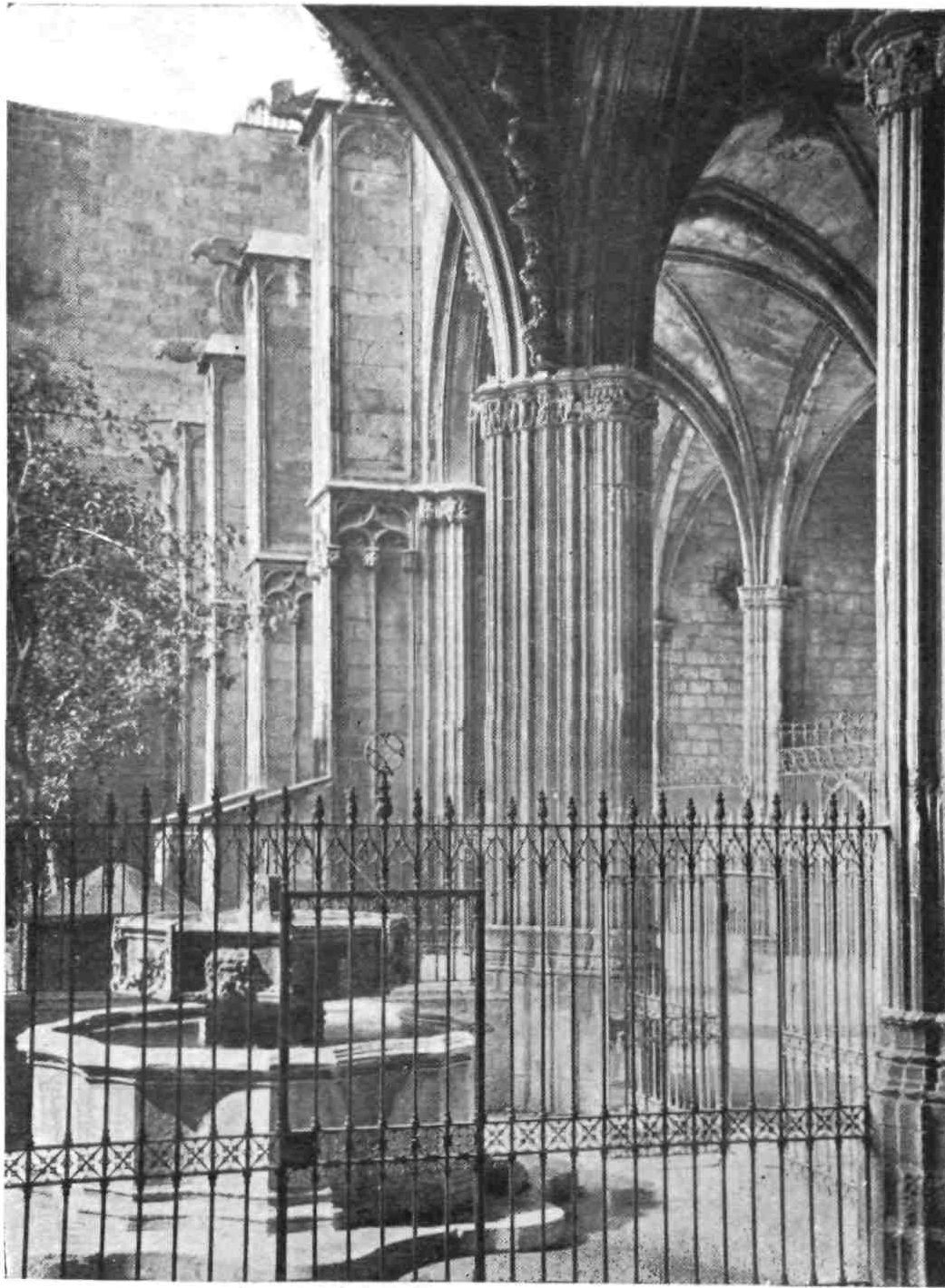
BARCELONA: FOUNTAIN IN THE CLOISTERS OF THE CATHEDRAL
Plate 68
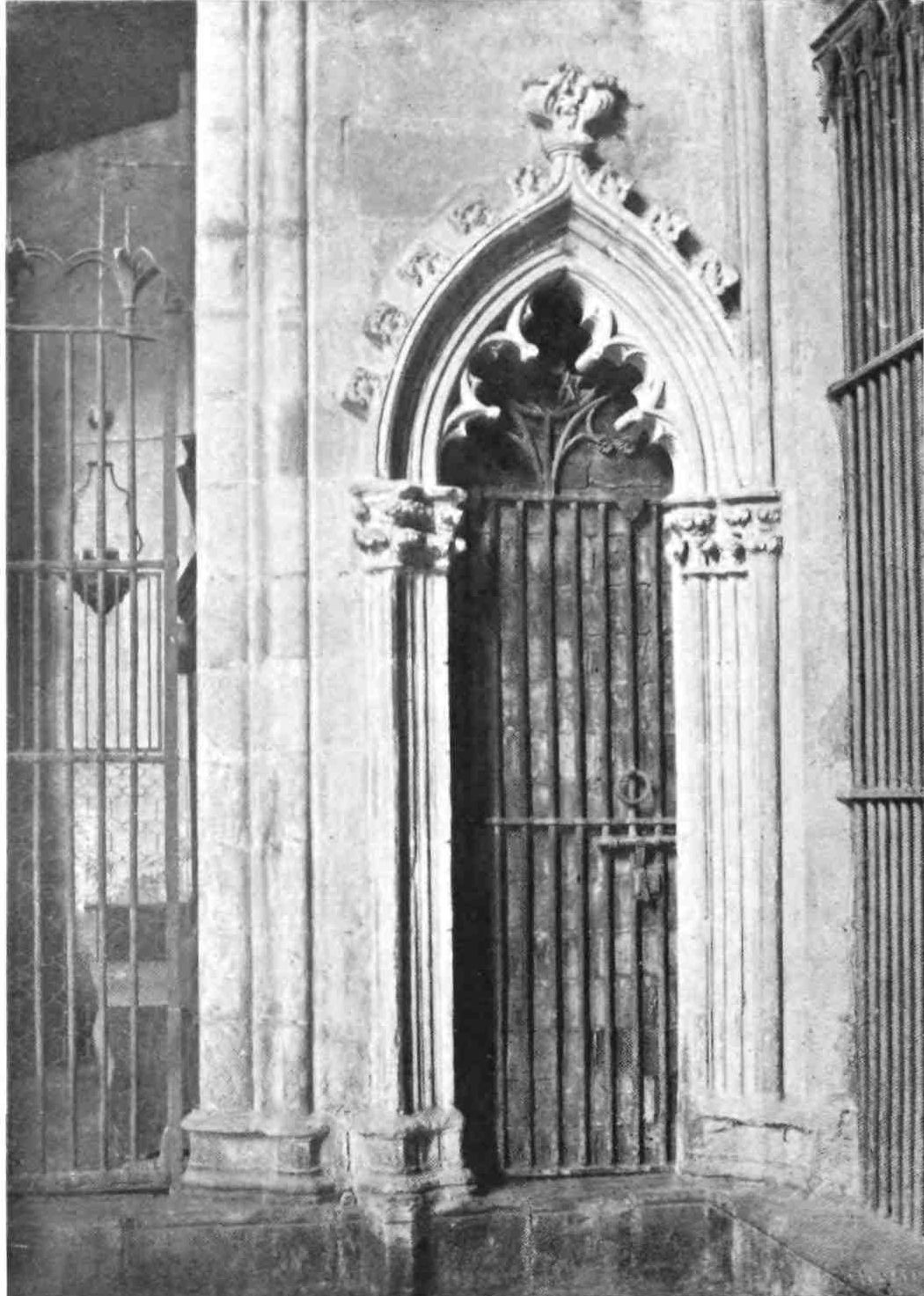
BARCELONA CATHEDRAL: DOOR IN THE CLOISTERS
Plate 69
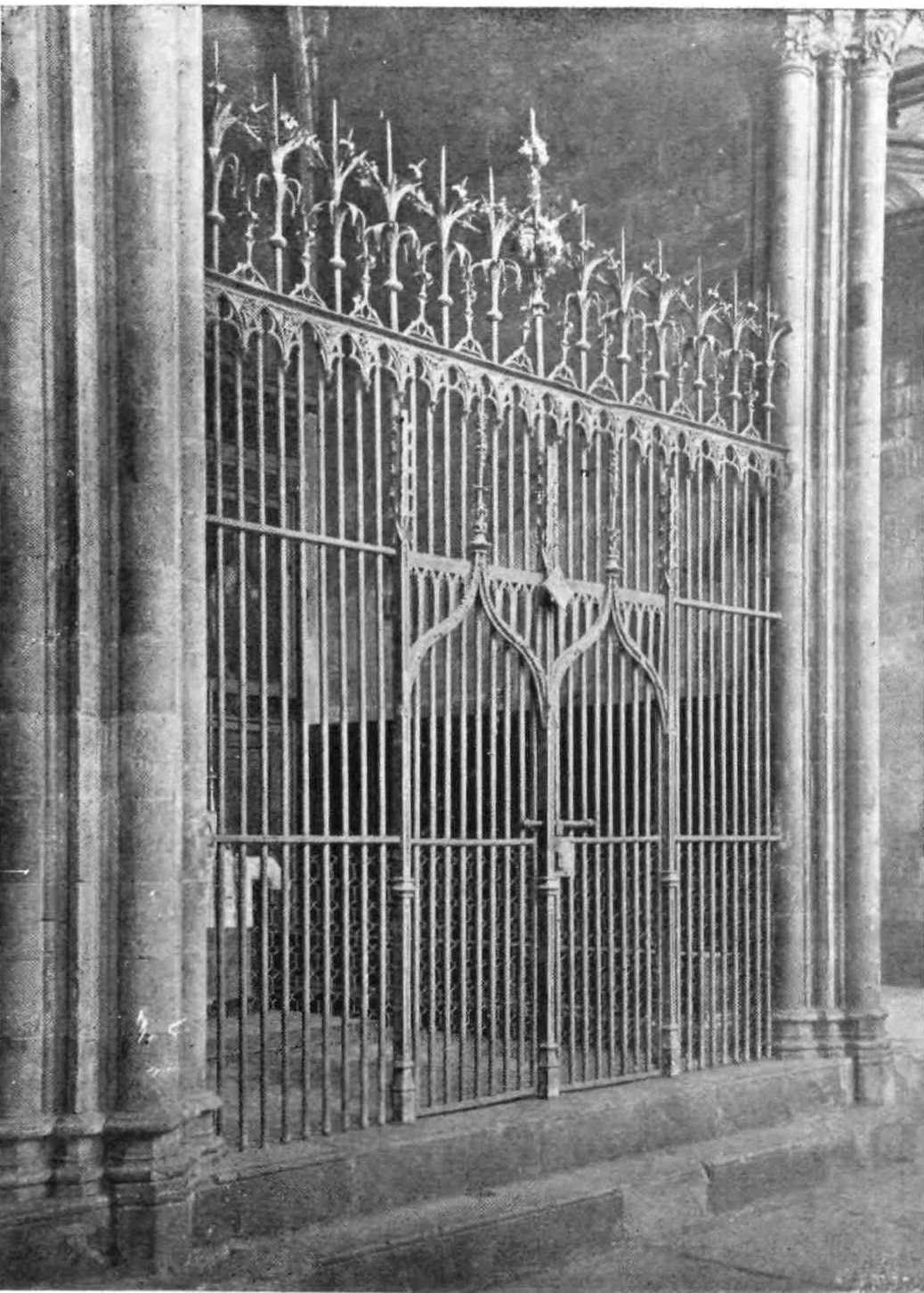
BARCELONA CATHEDRAL: IRON GRATING IN THE CLOISTERS
Plate 70
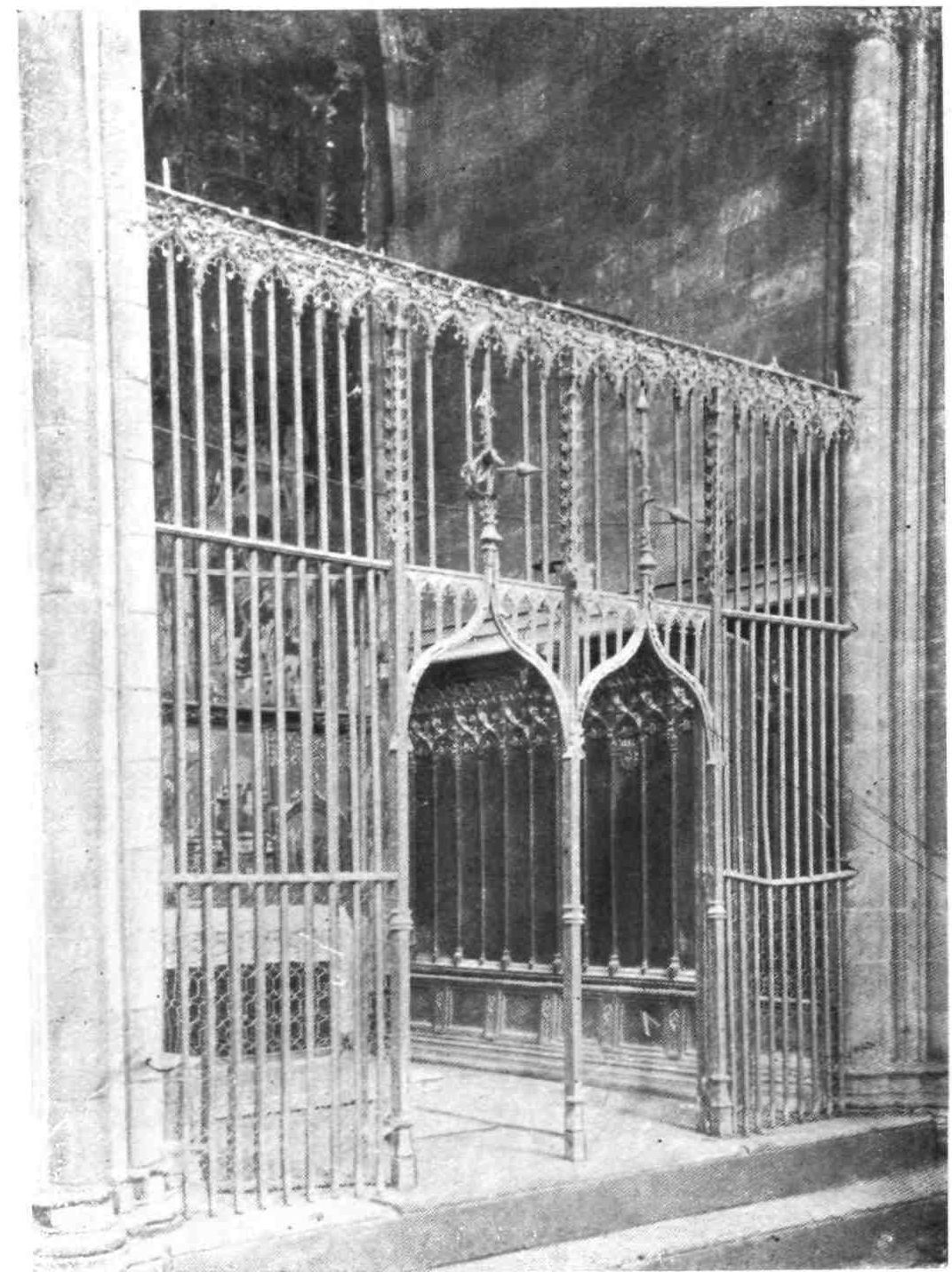
BARCELONA CATHEDRAL: GRATING IN THE CLOISTERS
Plate 71
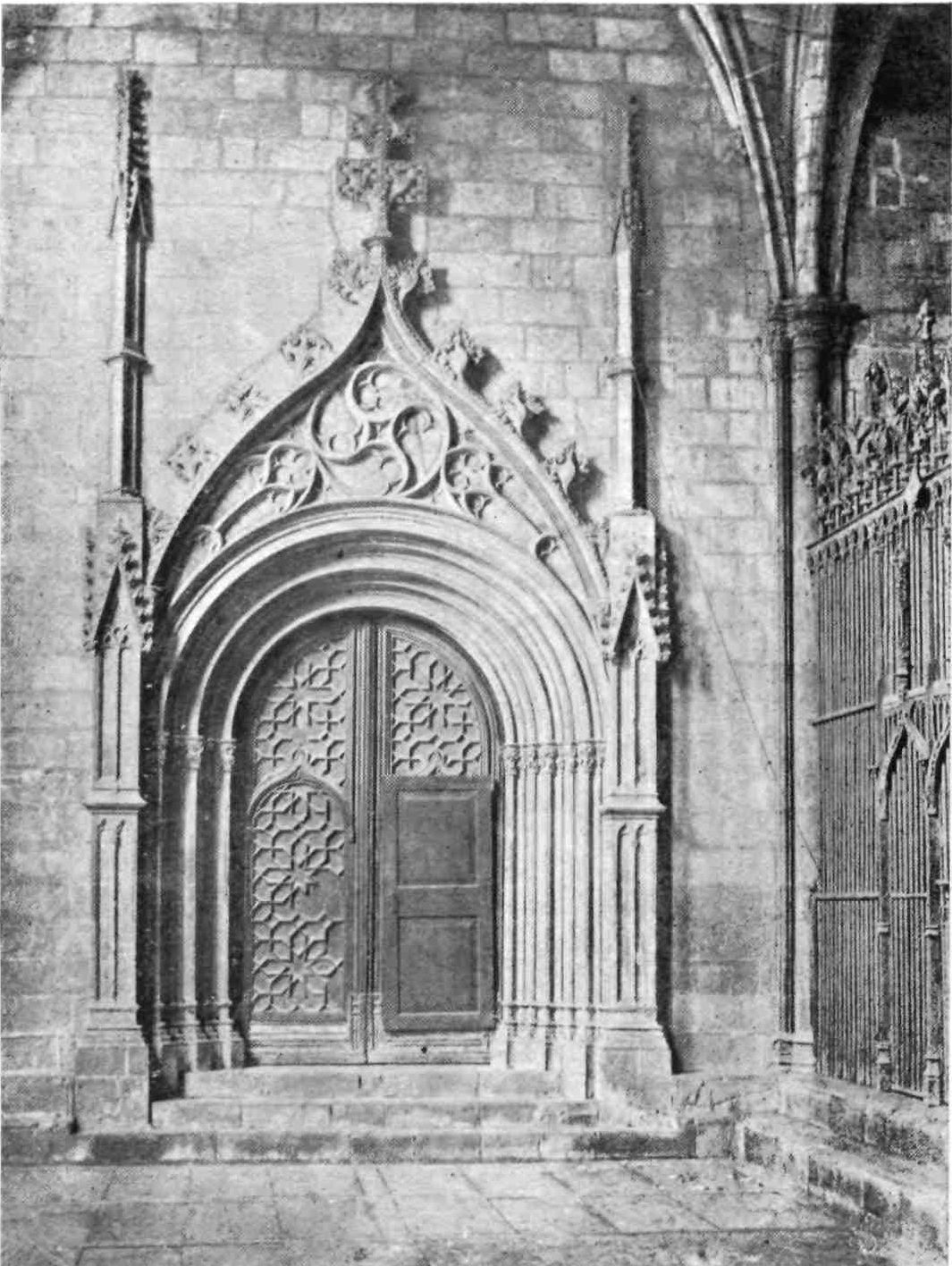
BARCELONA CATHEDRAL: DOOR IN THE CLOISTERS
Plate 72
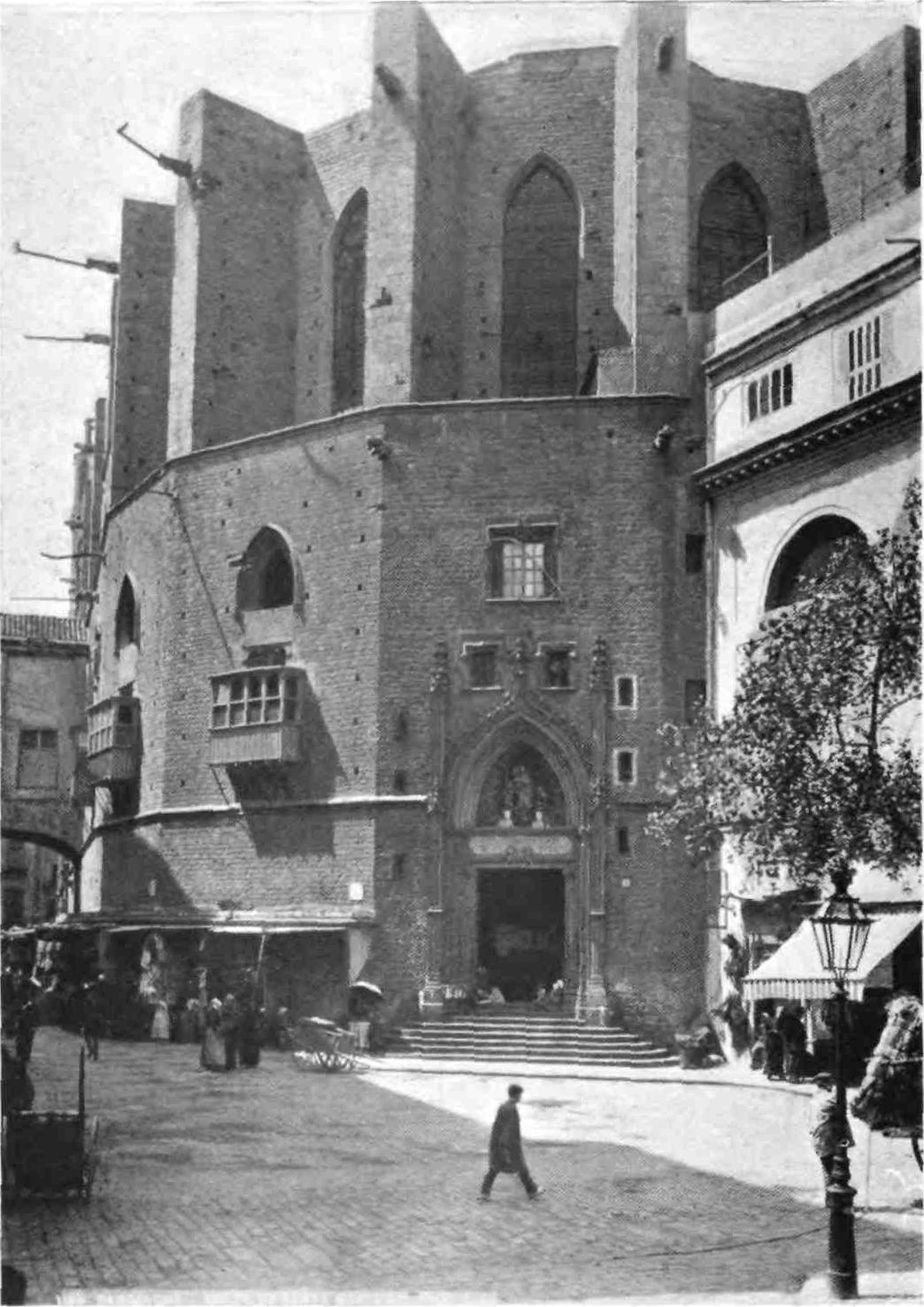
BARCELONA: SANTA MARIA DEL MAR
Plate 73
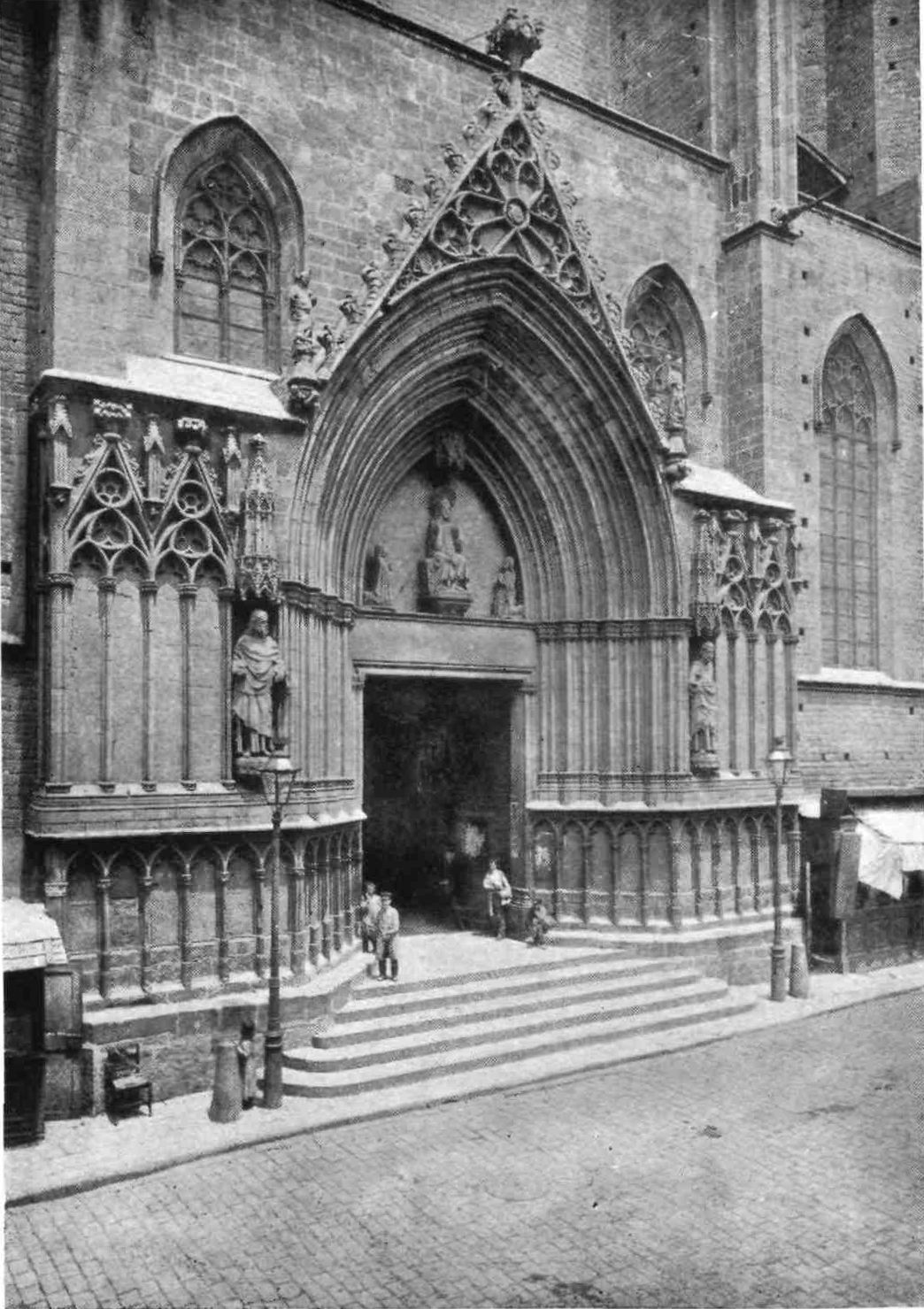
BARCELONA: CHURCH OF SANTA MARIA DEL MAR
Plate 74
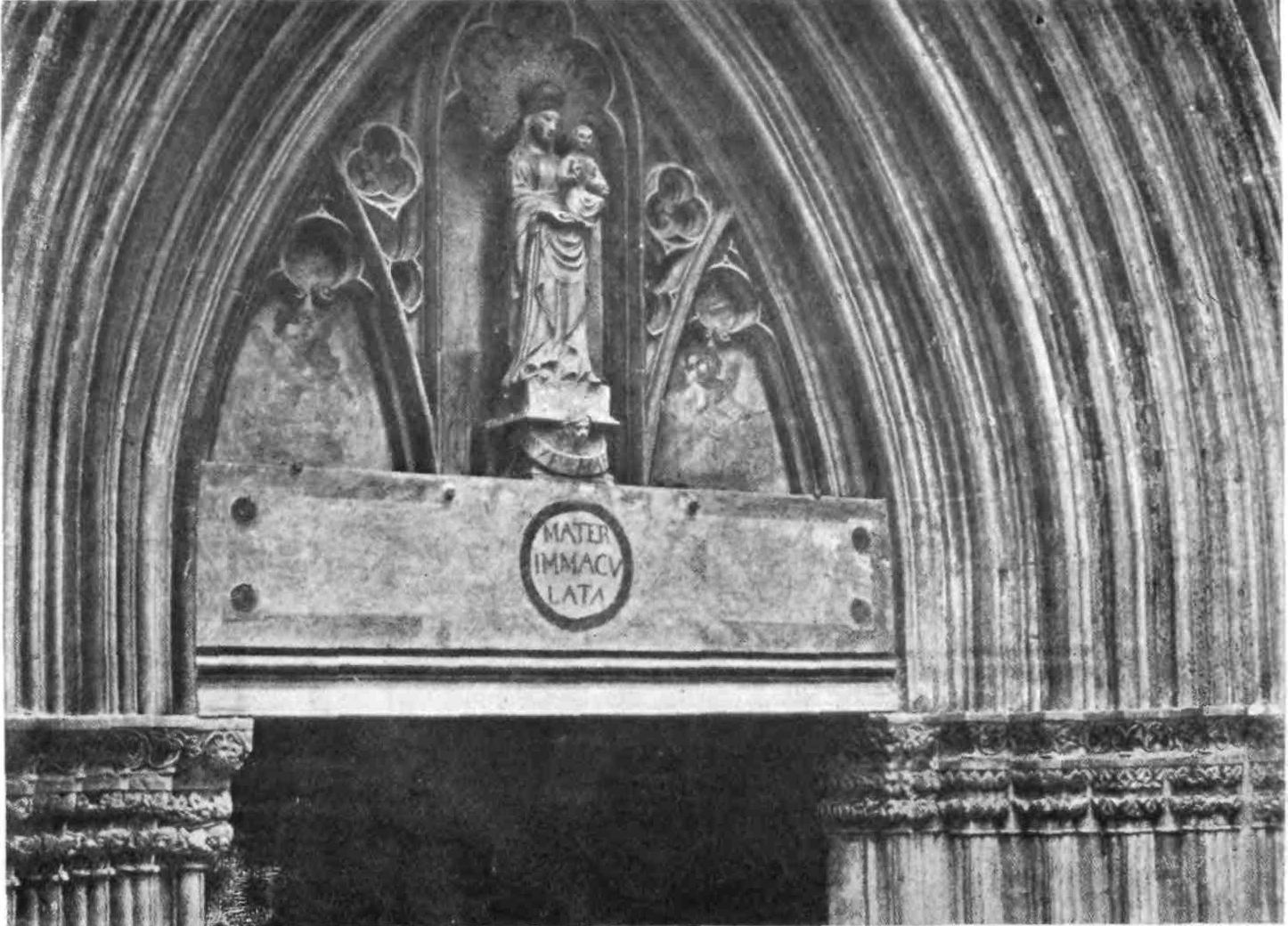
BARCELONA: CHURCH OF SANTA MARIA DEL MAR. GATE OF THE IMMACULADA
Plate 75
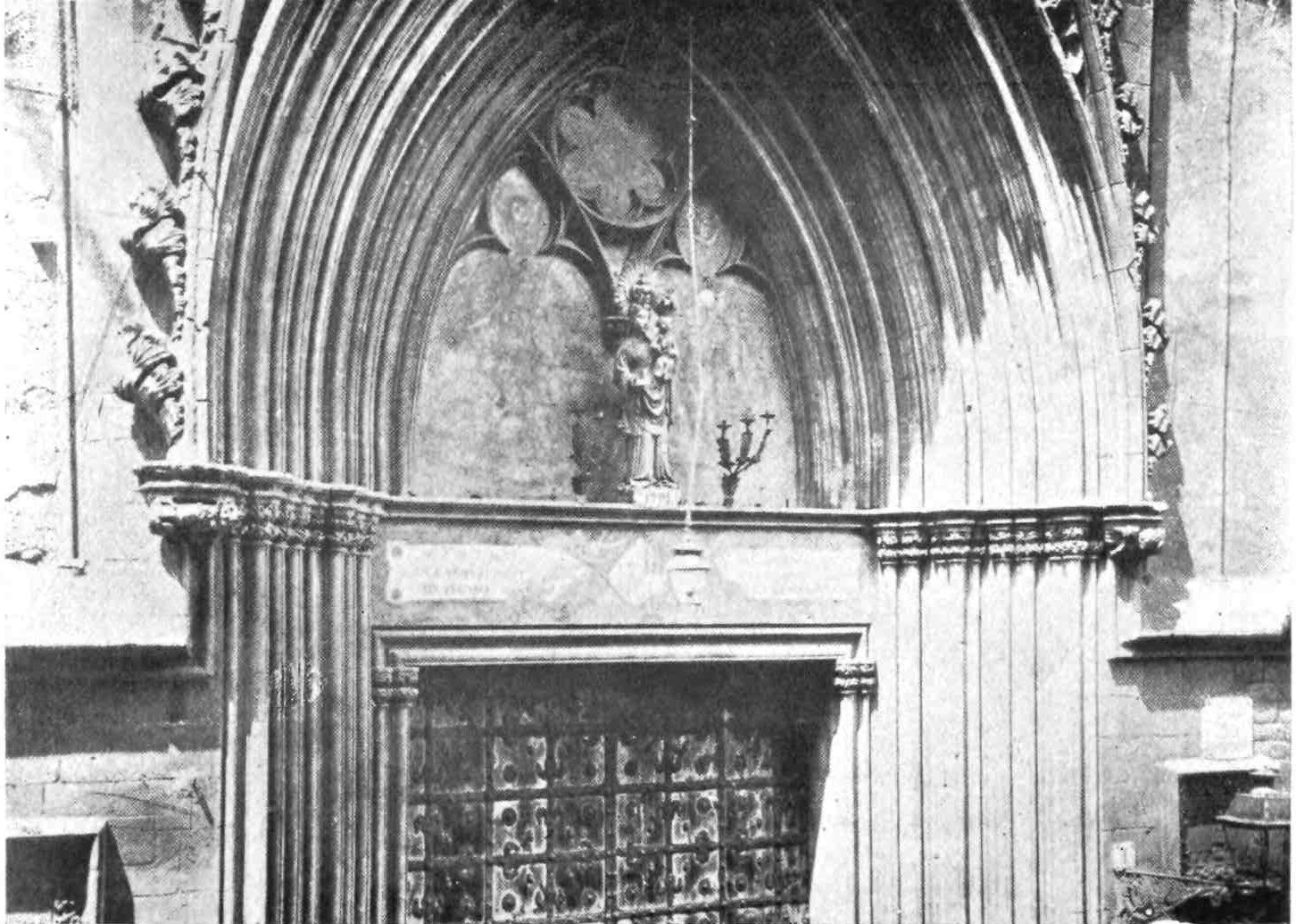
BARCELONA: CHURCH OF SANTA MARIA DEL MAR. DETAIL OF LEFT DOOR
Plate 76
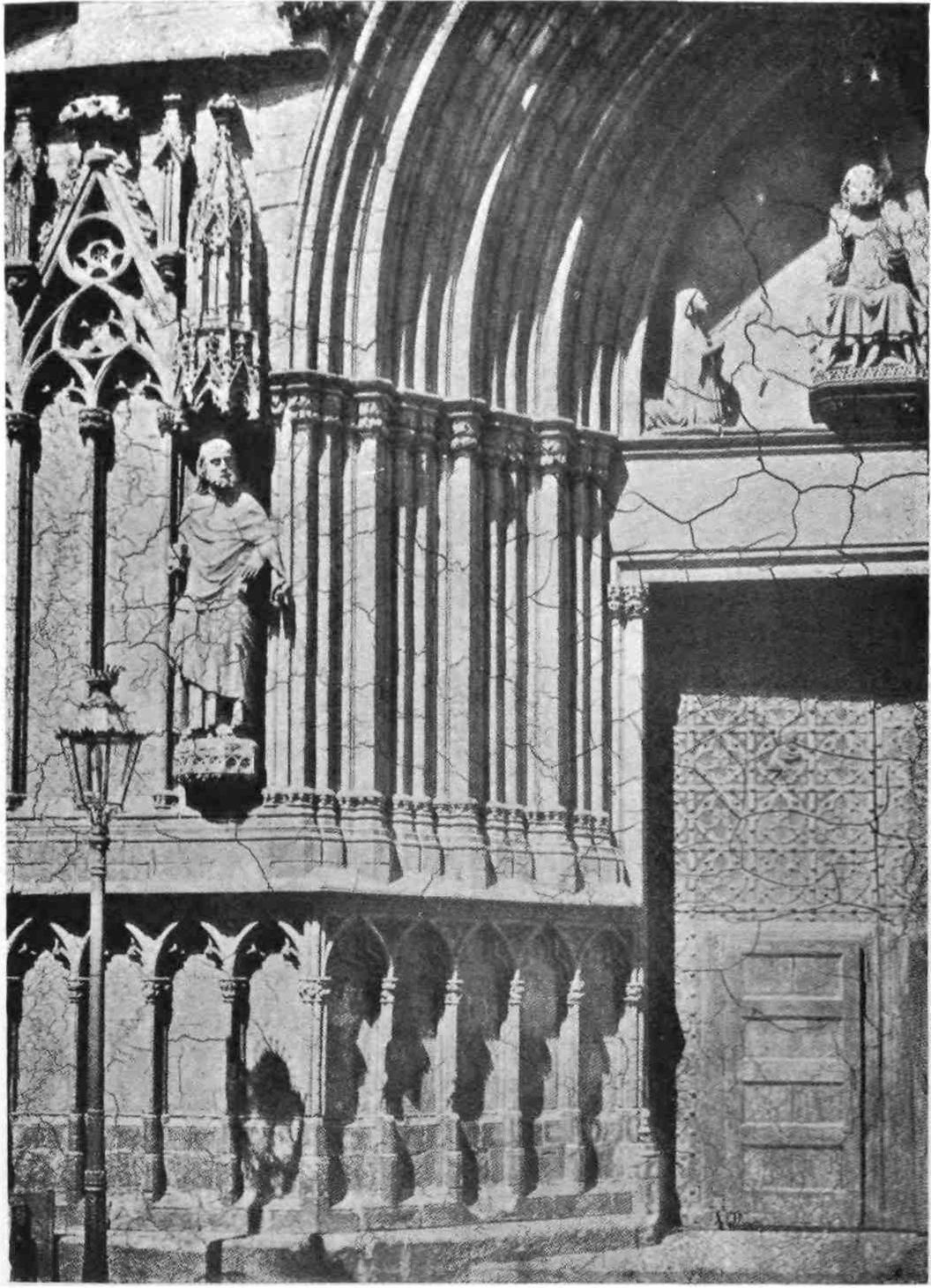
BARCELONA: DETAIL OF THE DOOR OF THE CHURCH OF SANTA MARIA DEL MAR
Plate 77
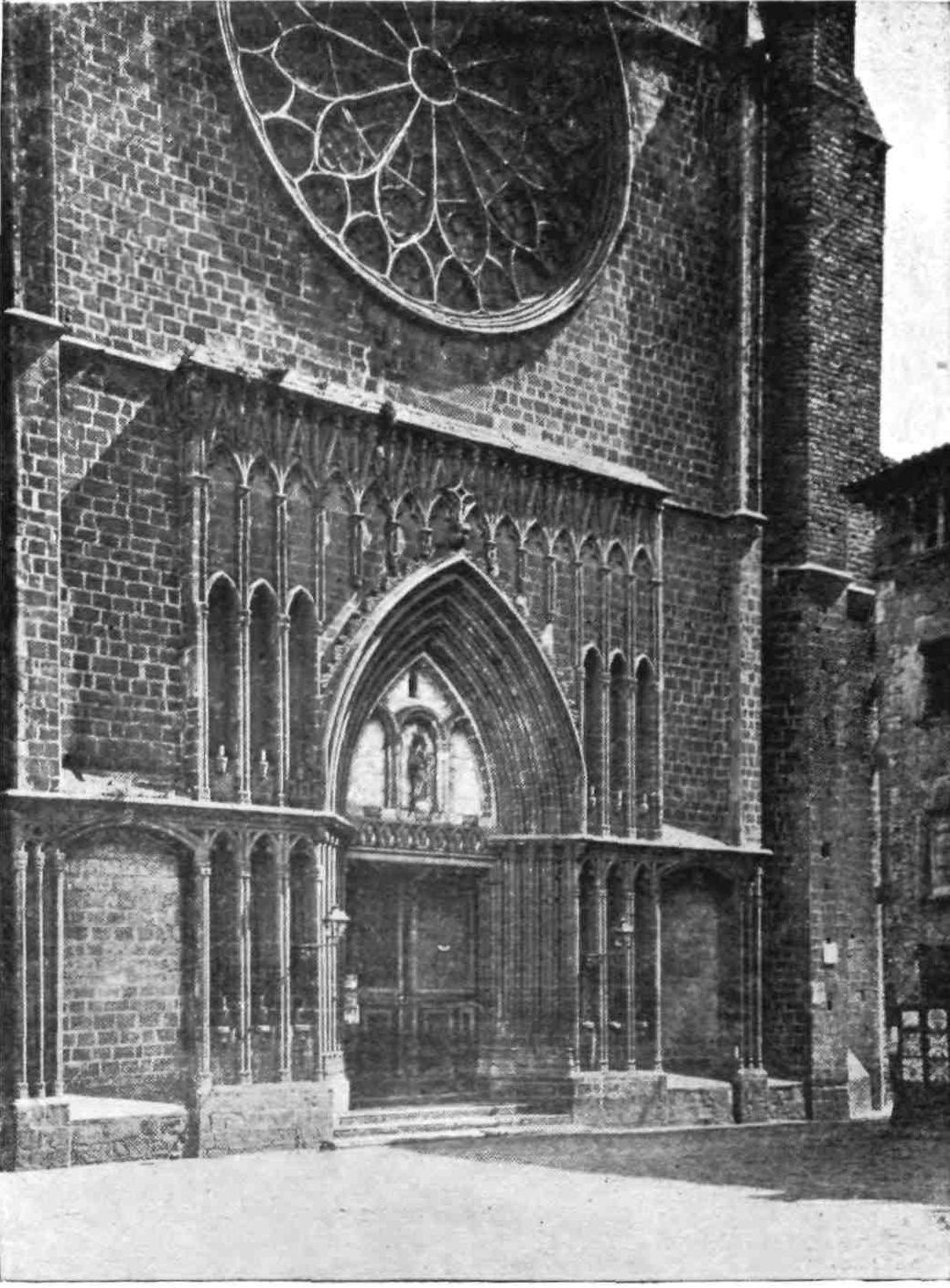
BARCELONA: CHURCH OF SANTA MARIA DEL PINO
Plate 78
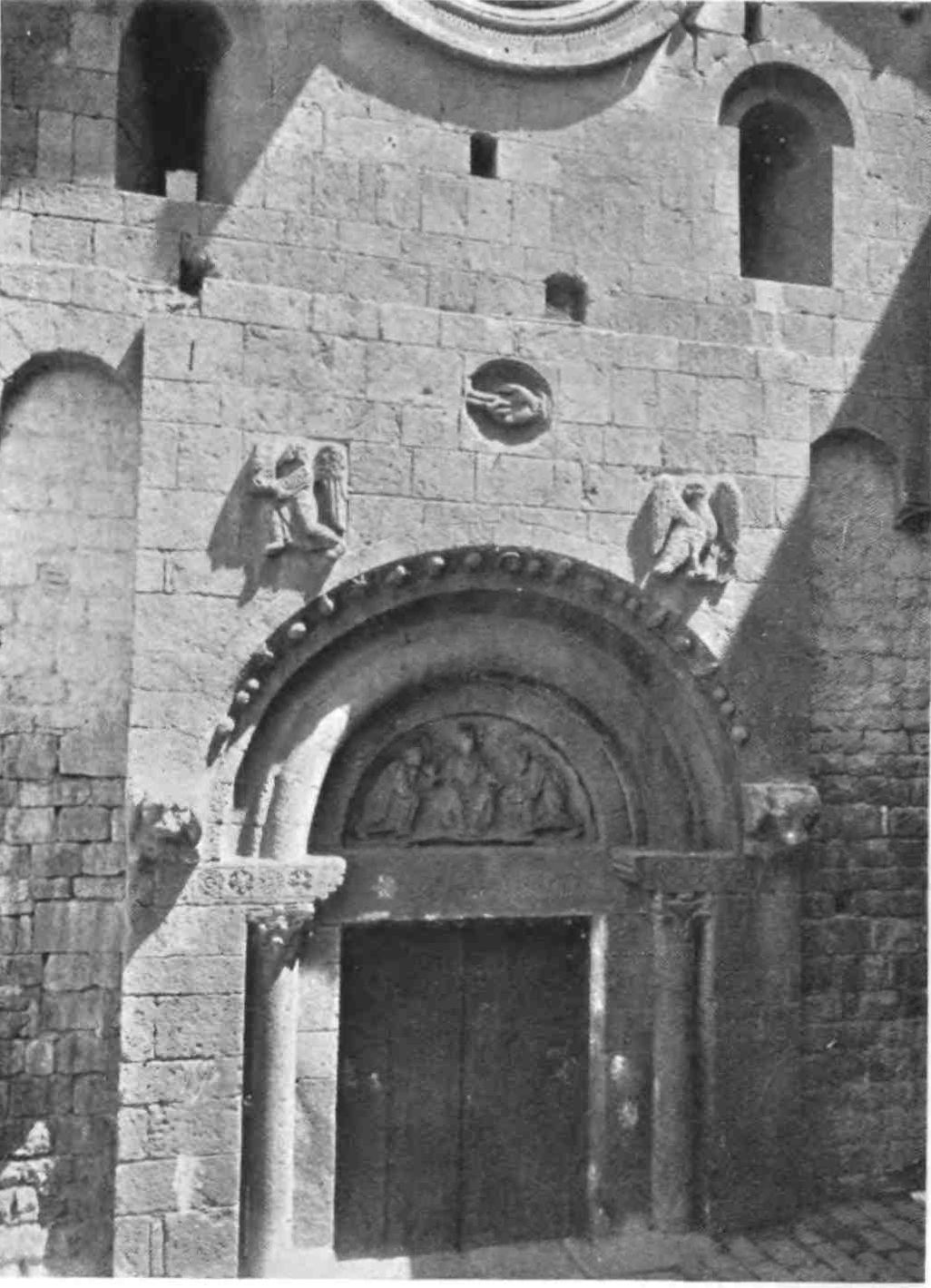
BARCELONA: BYZANTINE DOORWAY IN THE CHURCH OF SAN PABLO
Plate 79
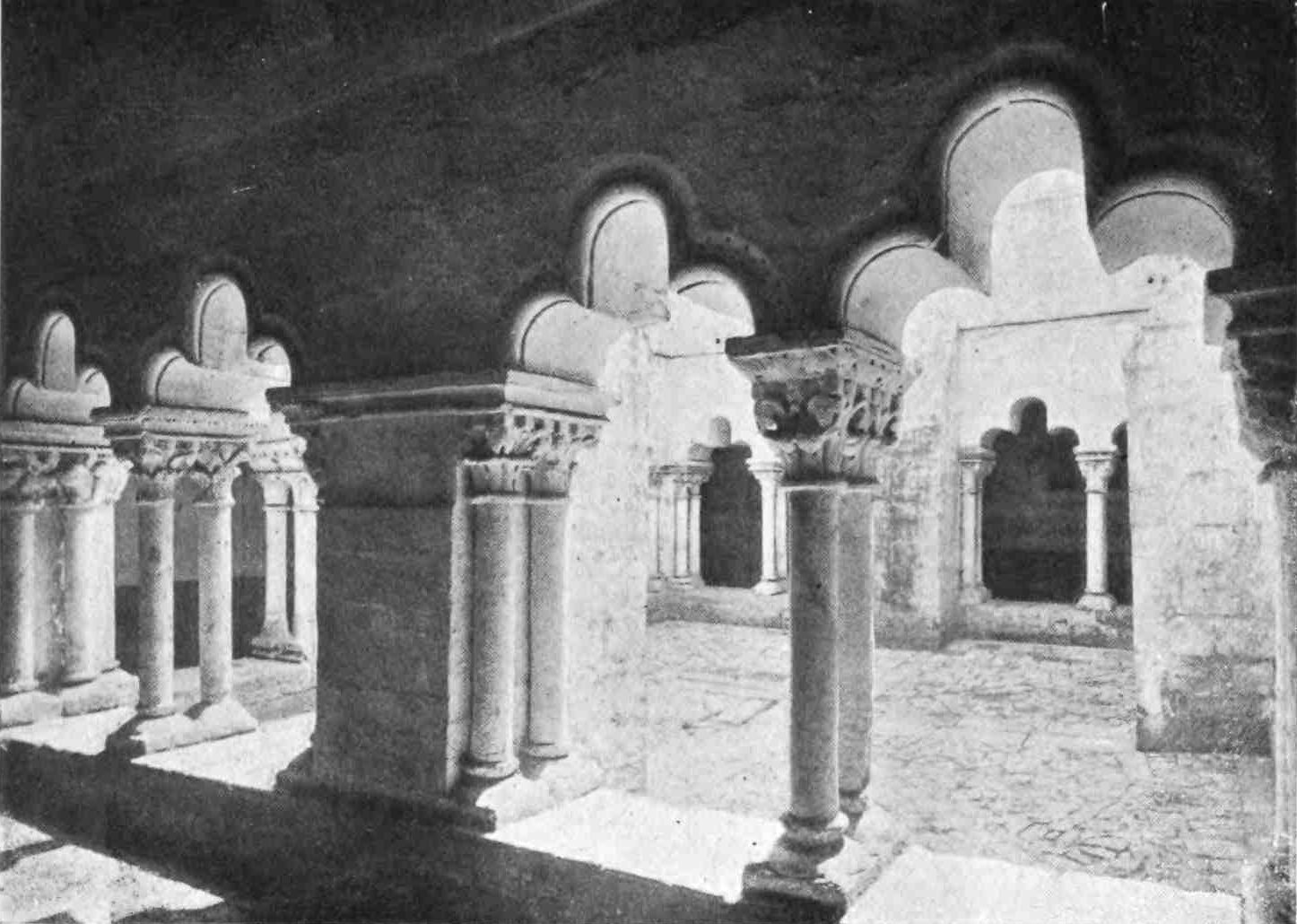
BARCELONA: CLOISTERS OF SAN PABLO
Plate 80
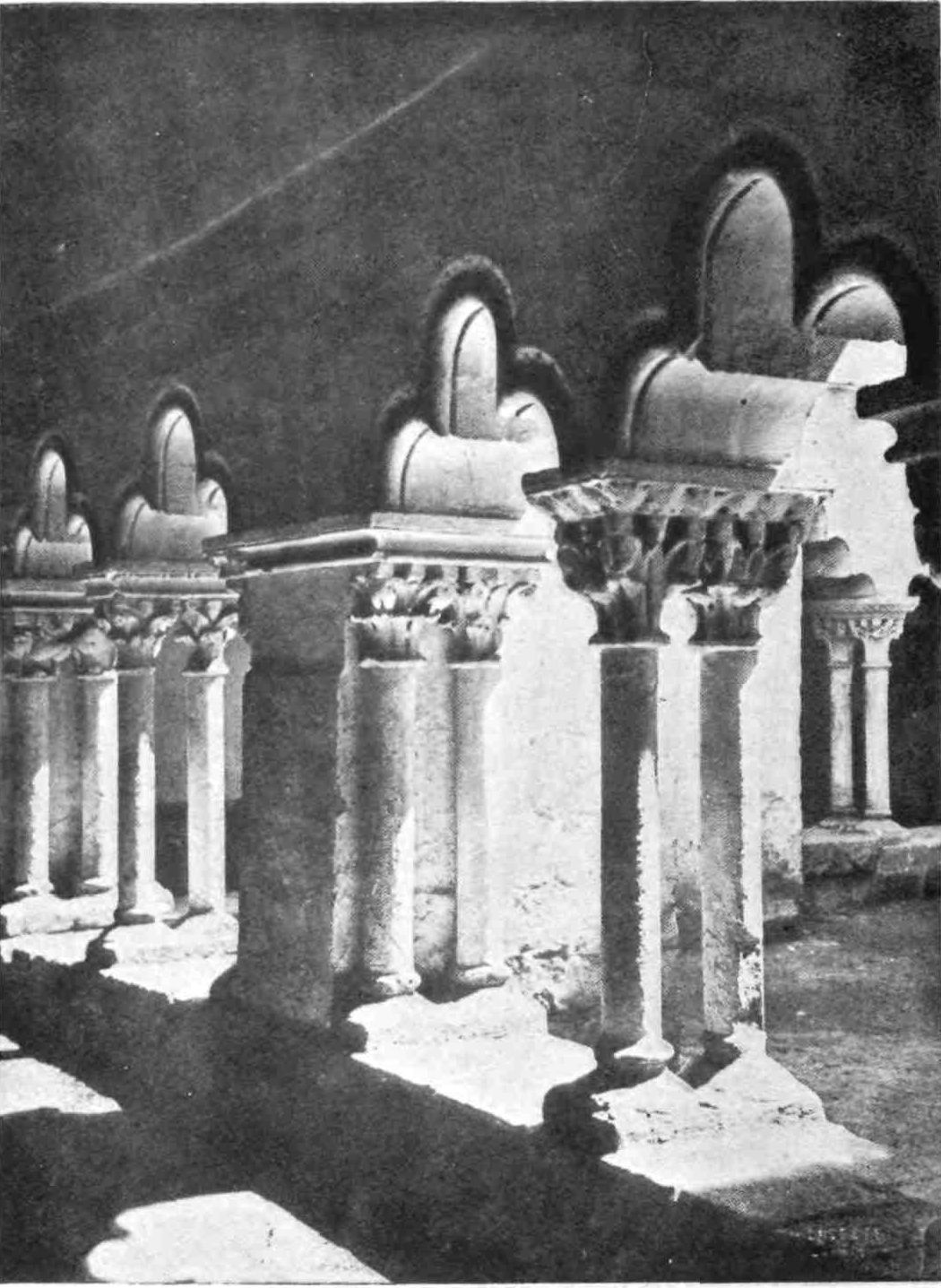
BARCELONA: CLOISTERS OF SAN PABLO
Plate 81
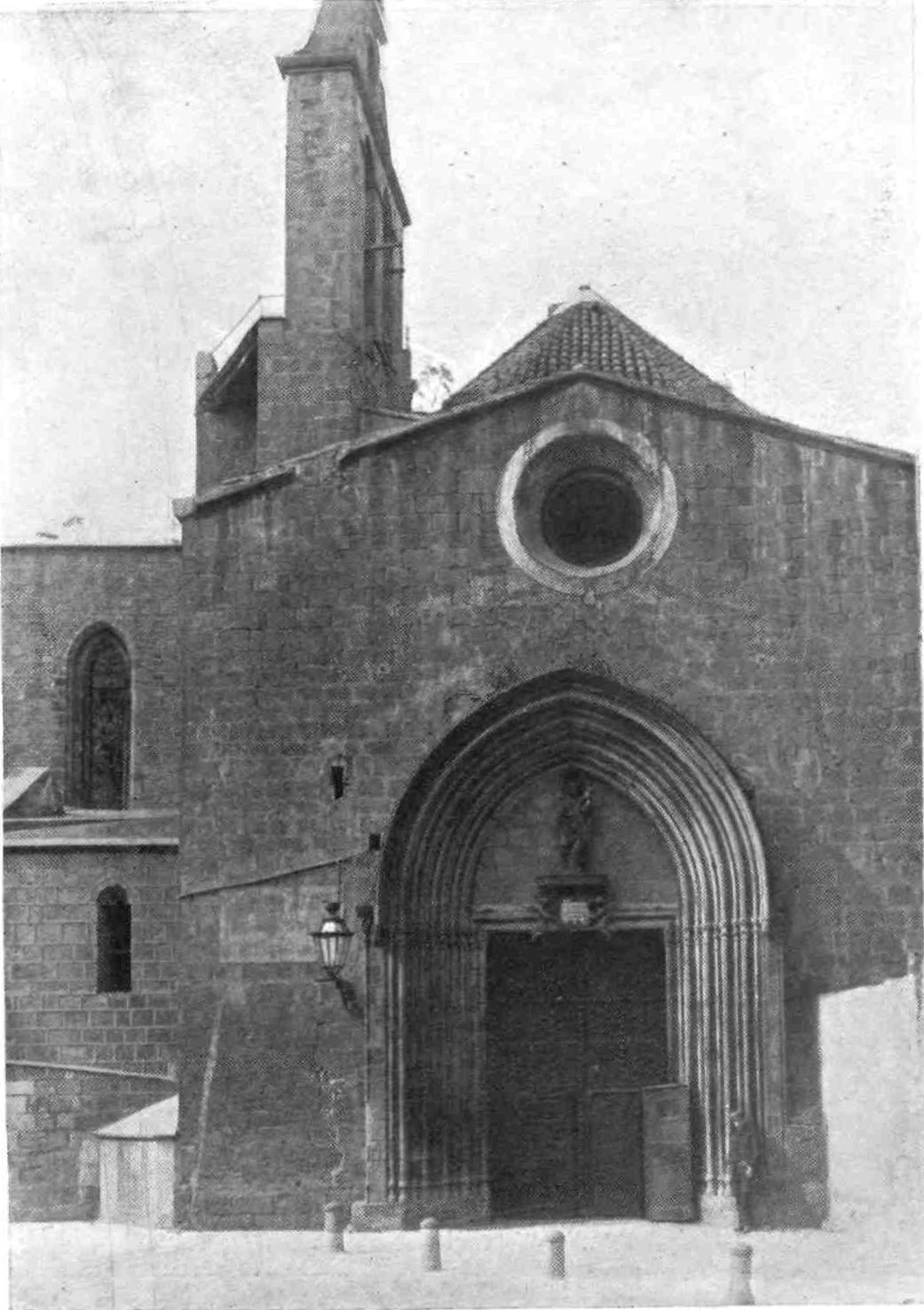
BARCELONA: FAÇADE OF THE CHURCH OF SANTA ANA
Plate 82
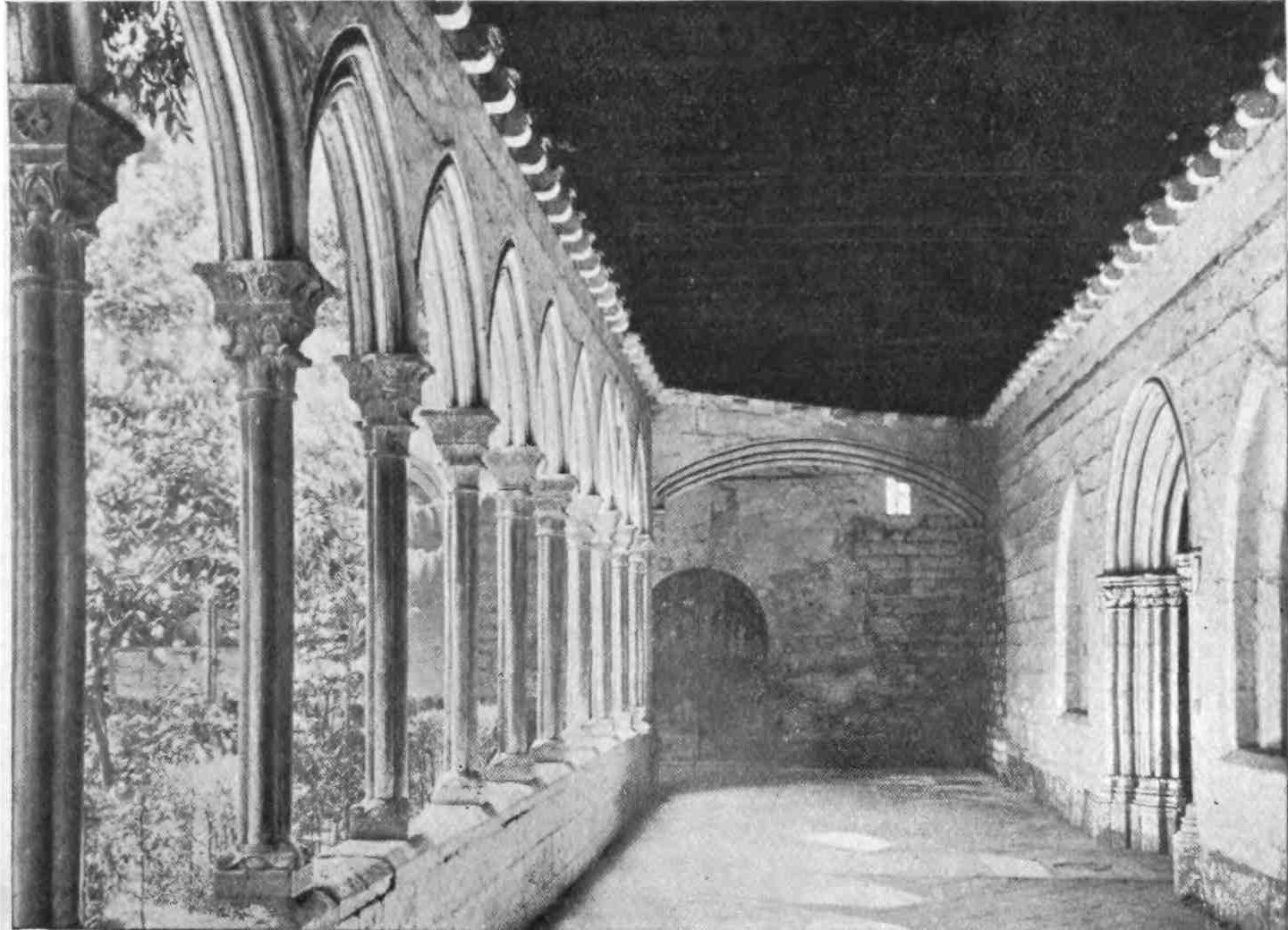
BARCELONA: CLOISTERS OF THE CHURCH OF SANTA ANA
Plate 83
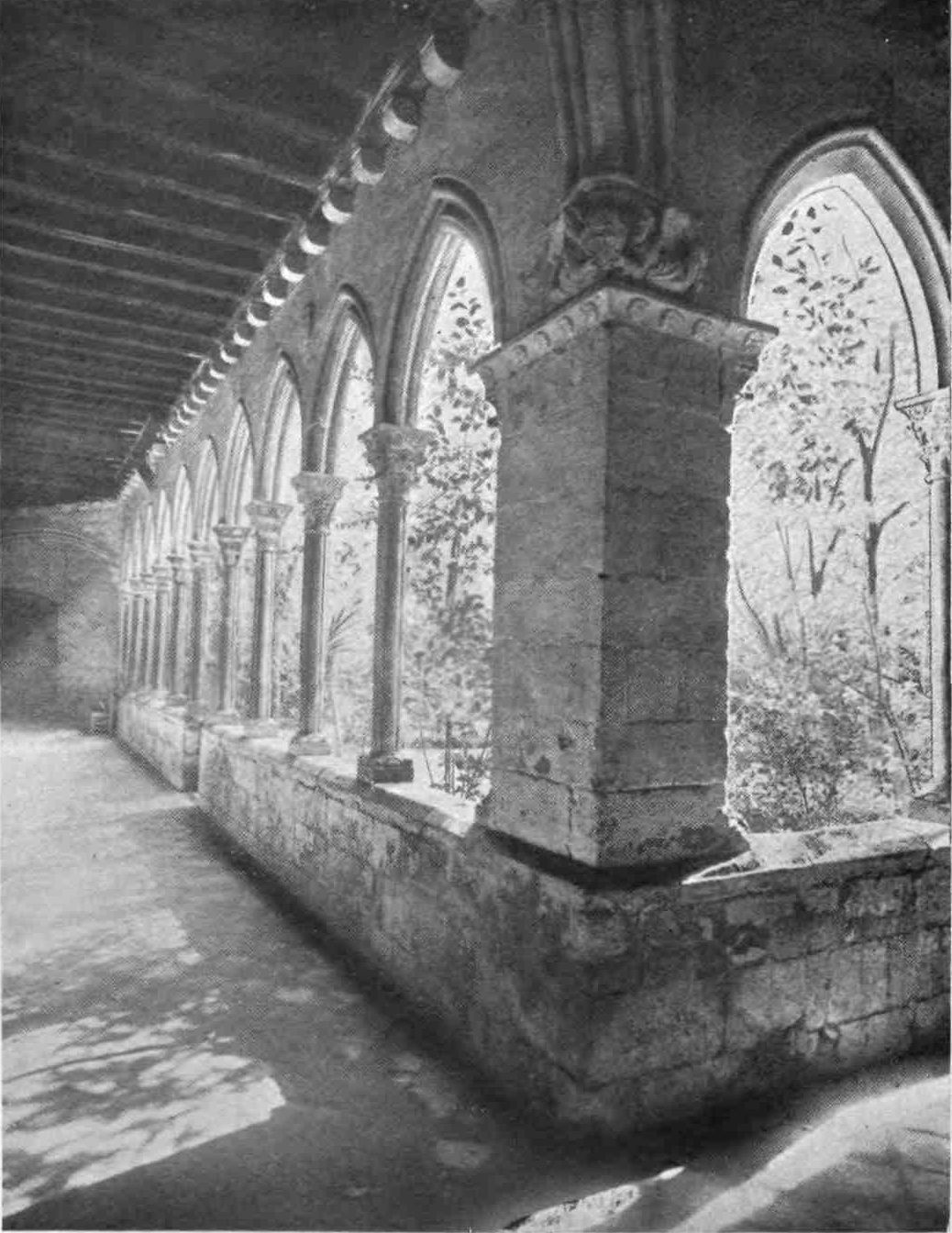
BARCELONA: CLOISTERS OF THE CHURCH OF SANTA ANA
Plate 84
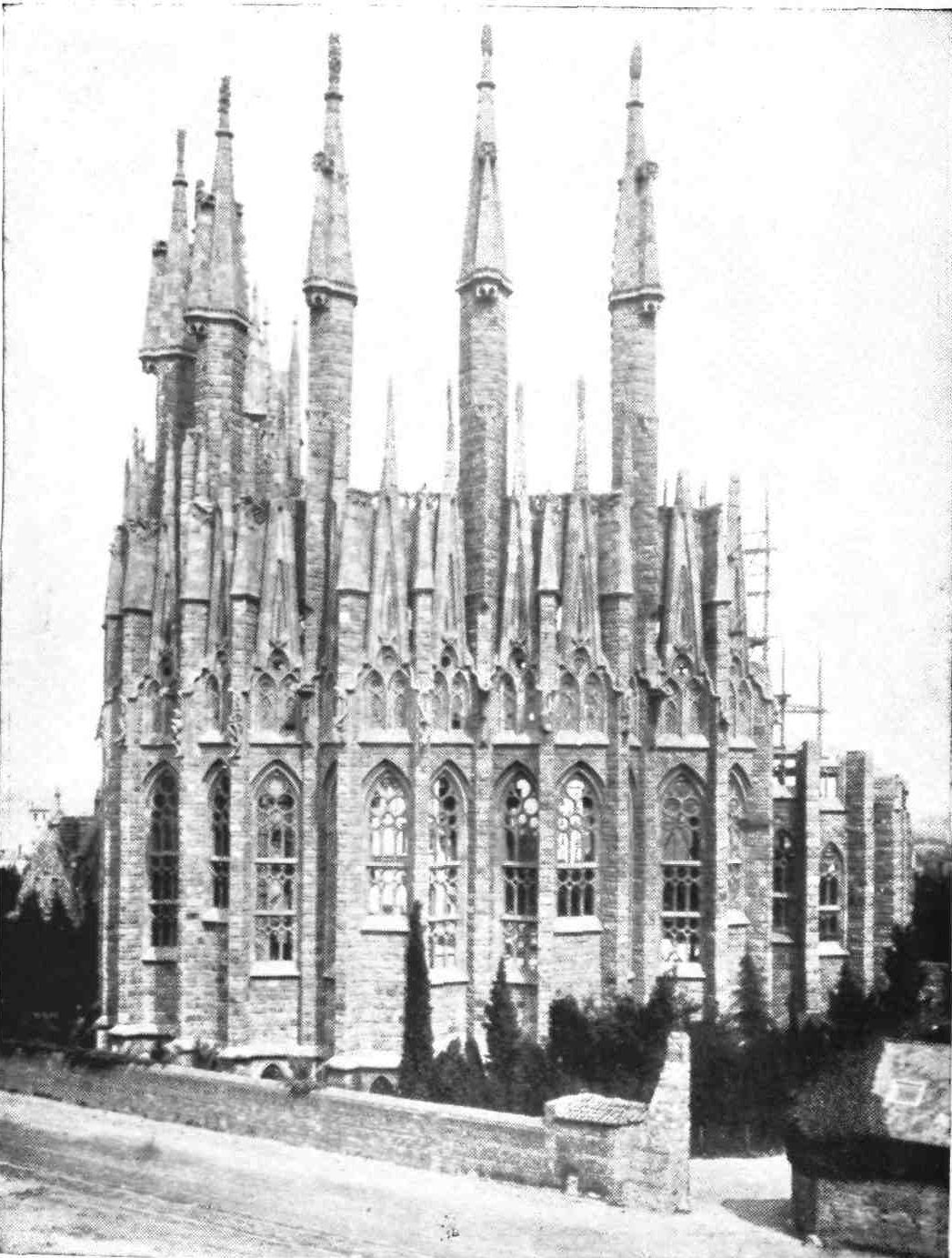
BARCELONA: CHURCH OF THE SAGRADA FAMILIA
Plate 85
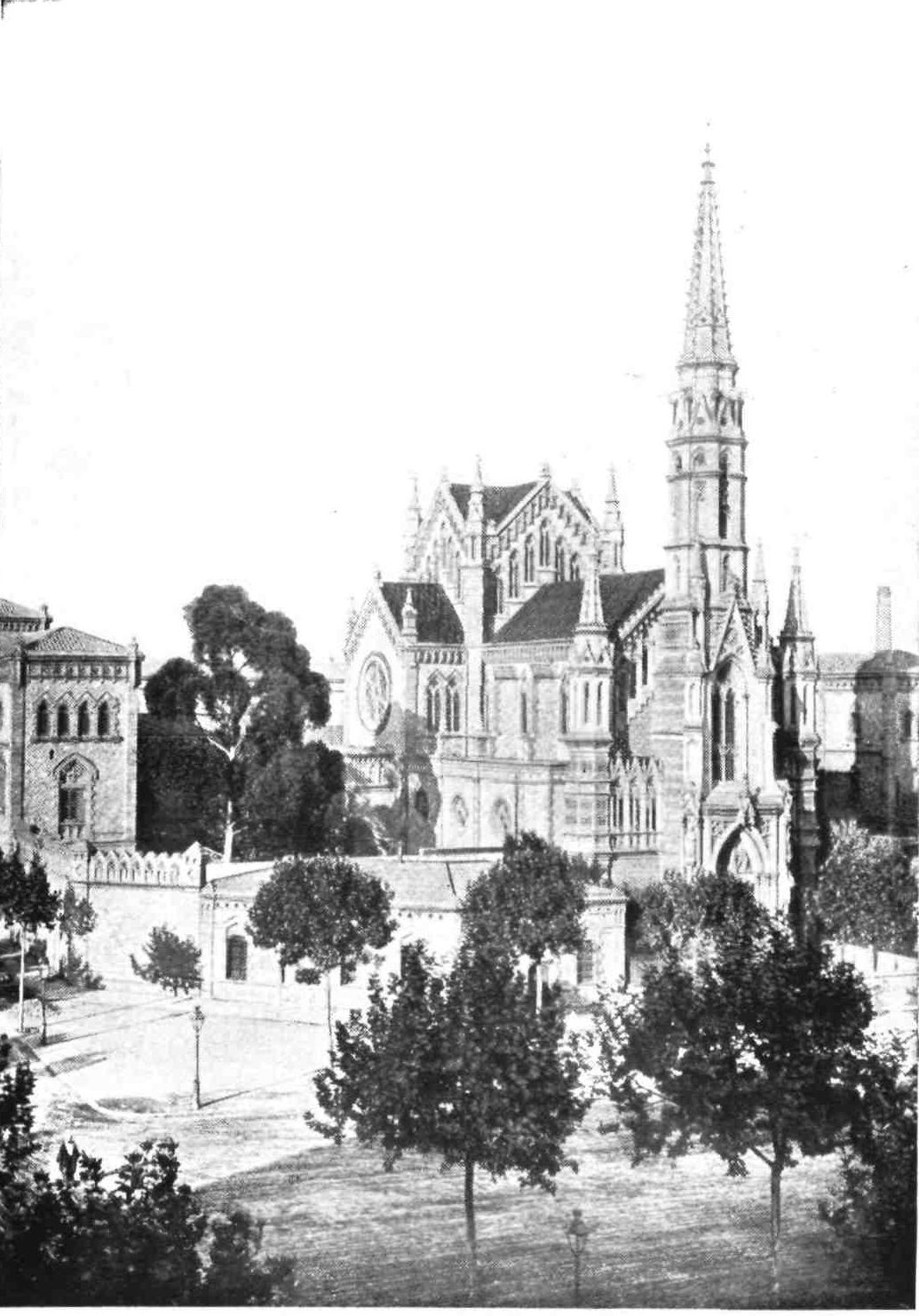
BARCELONA: CHURCH OF LAS SALESAS
Plate 86
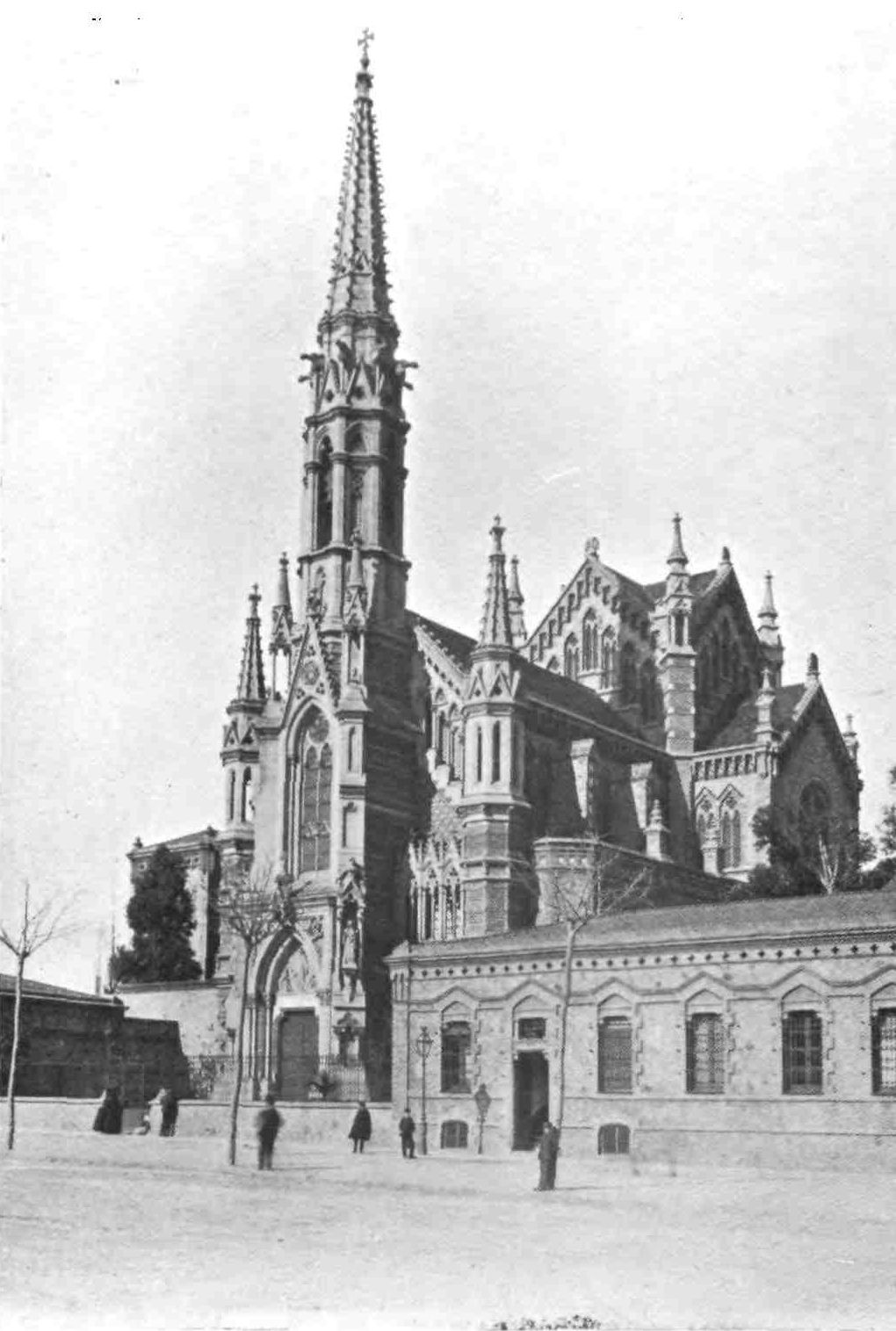
BARCELONA: CHURCH OF LAS SALESAS
Plate 87
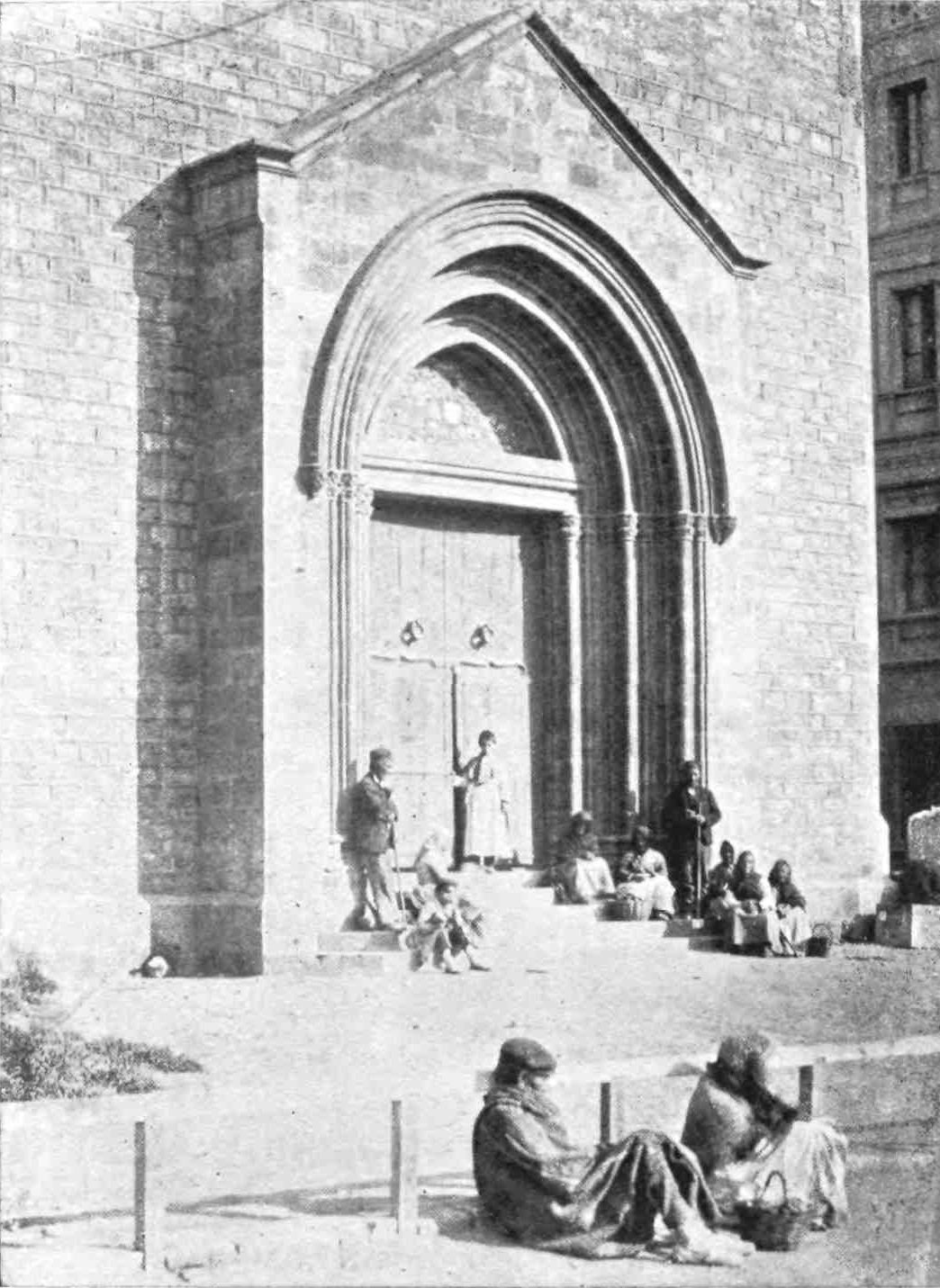
BARCELONA: CHURCH OF THE CONCEPTION
Plate 88
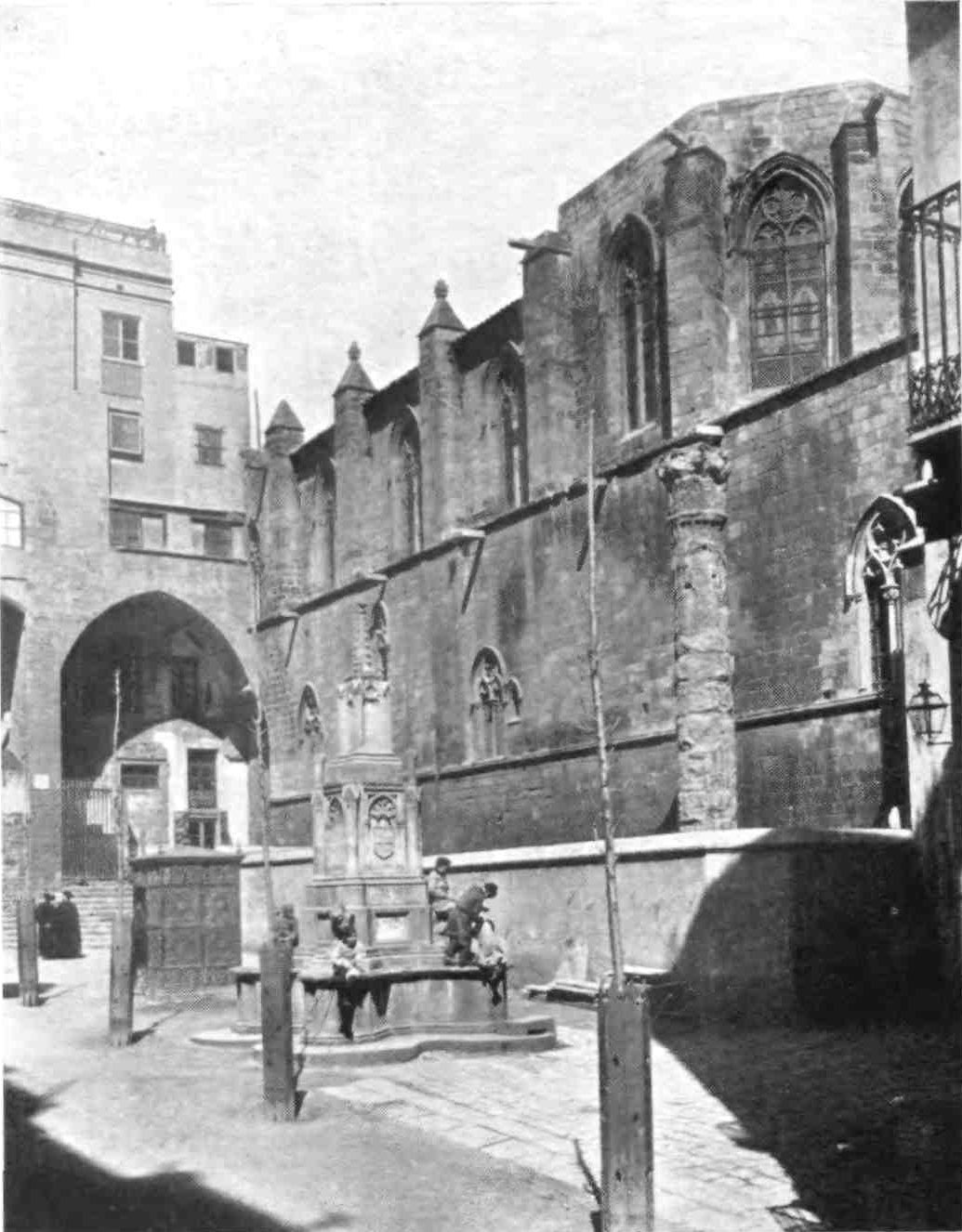
BARCELONA: CHURCH OF SANTA AGUEDA
Plate 89
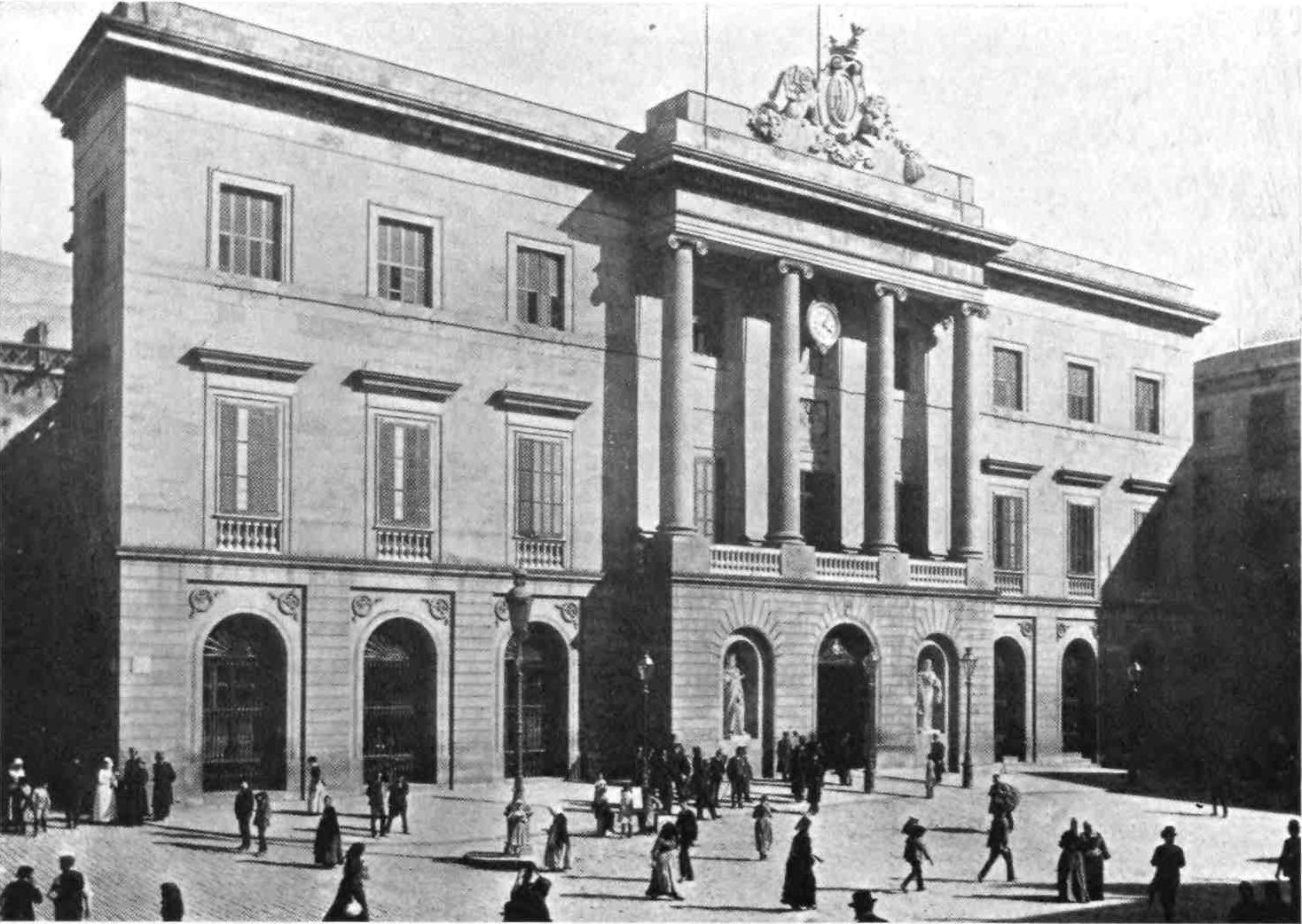
BARCELONA: THE TOWN HALL
Plate 90
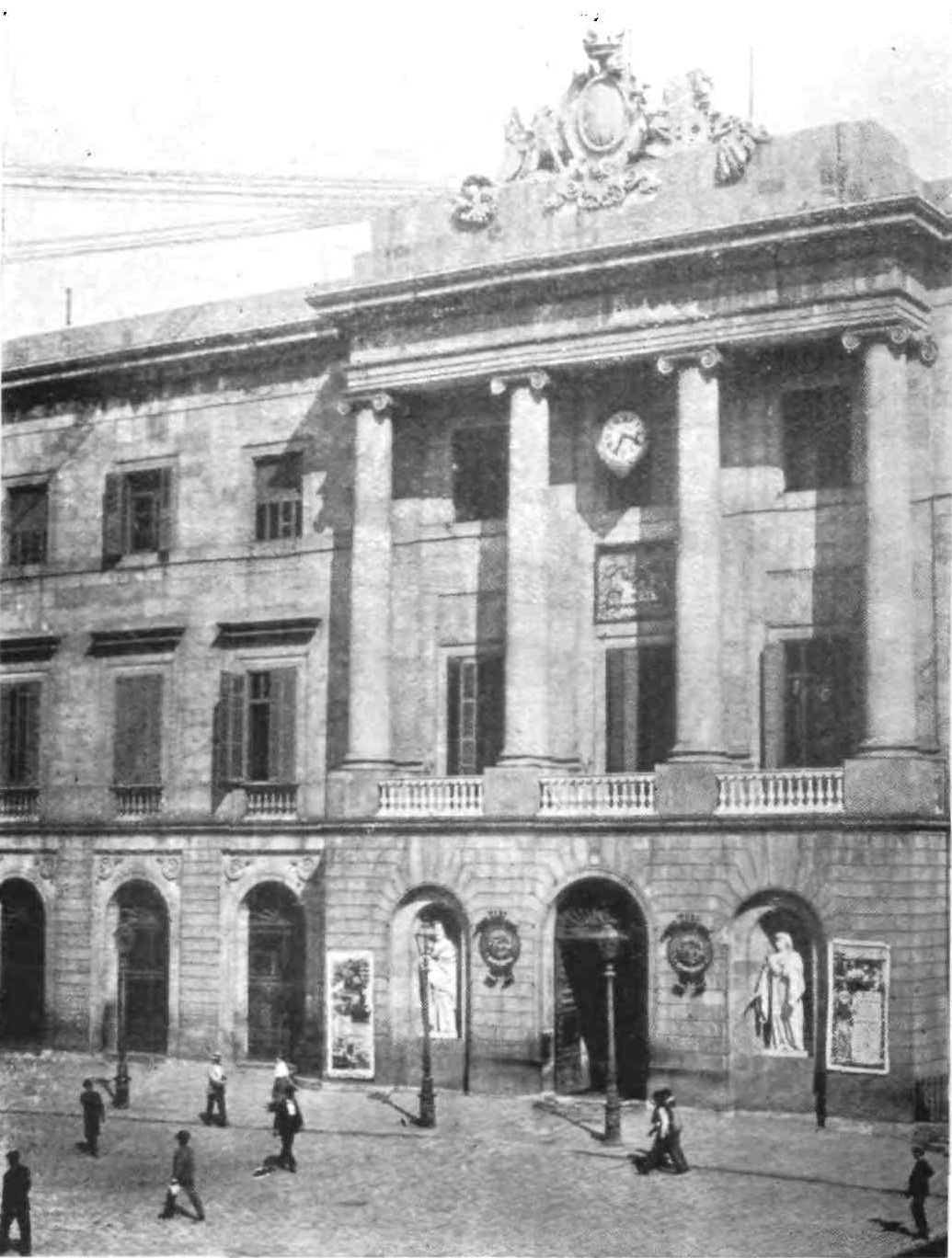
BARCELONA: THE TOWN HALL
Plate 91
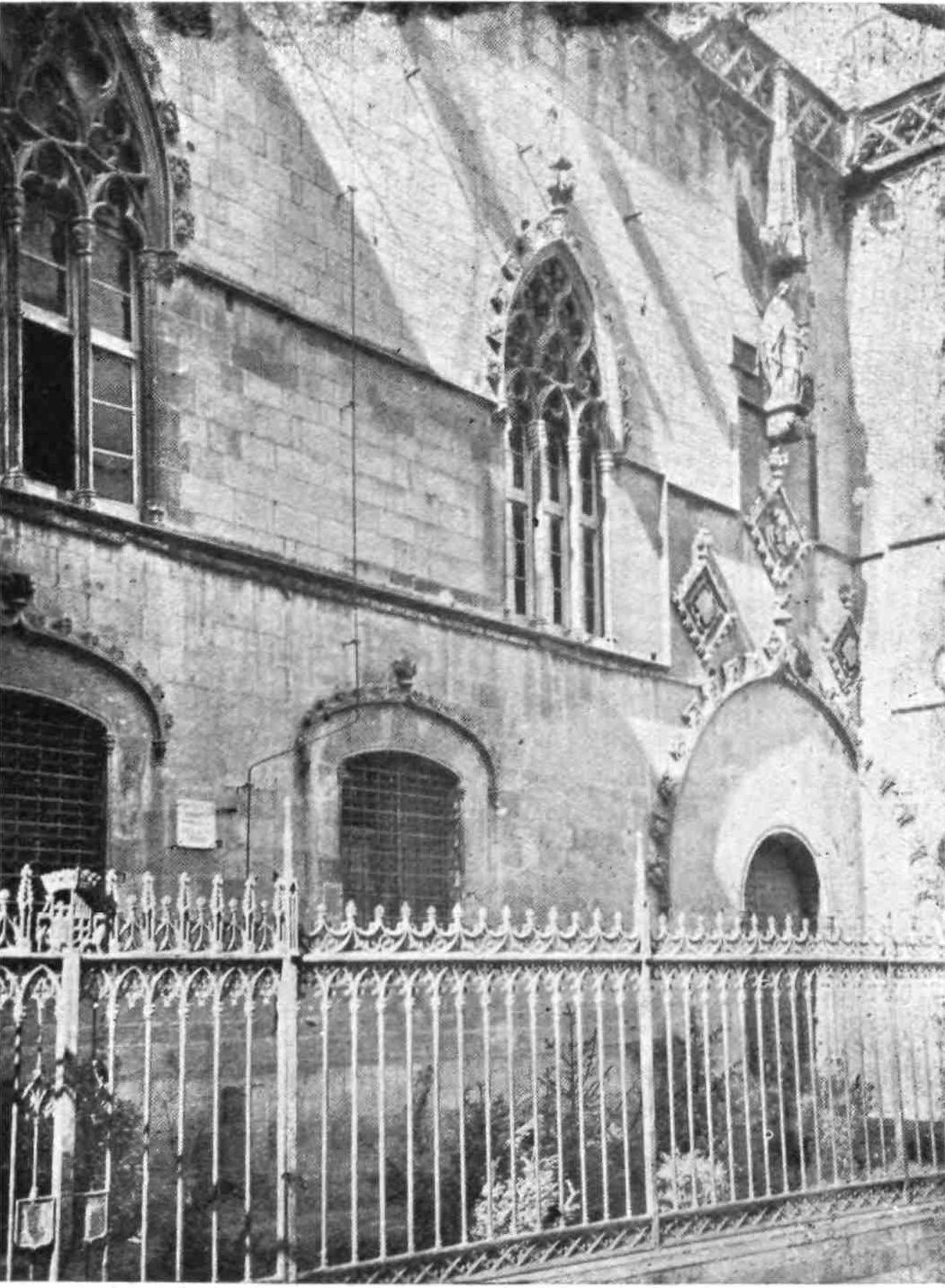
BARCELONA: OLD FAÇADE OF THE TOWN HALL
Plate 92
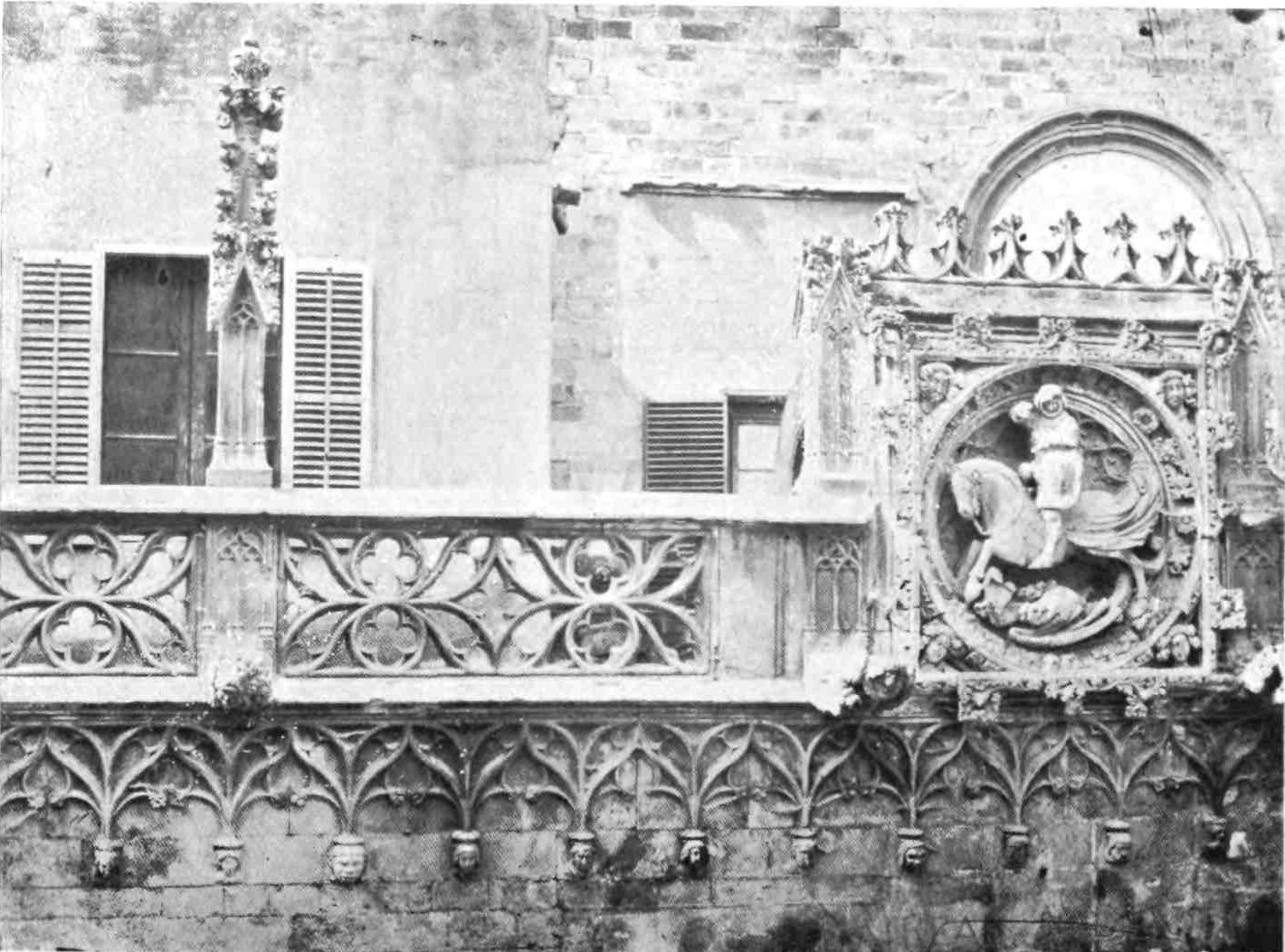
BARCELONA: EXTERIOR DETAIL OF THE TOWN HALL
Plate 93
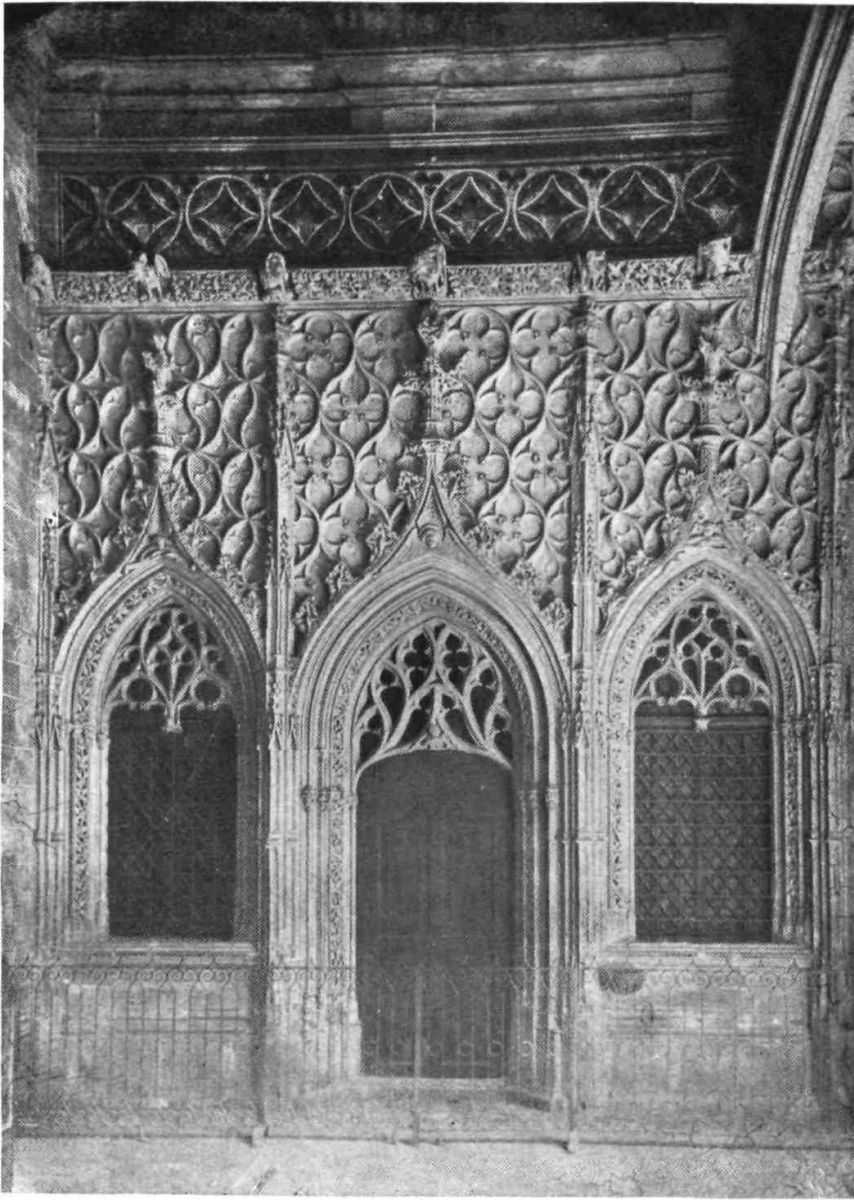
BARCELONA: CHAPEL OF SAN JORGE IN THE TOWN HALL
Plate 94
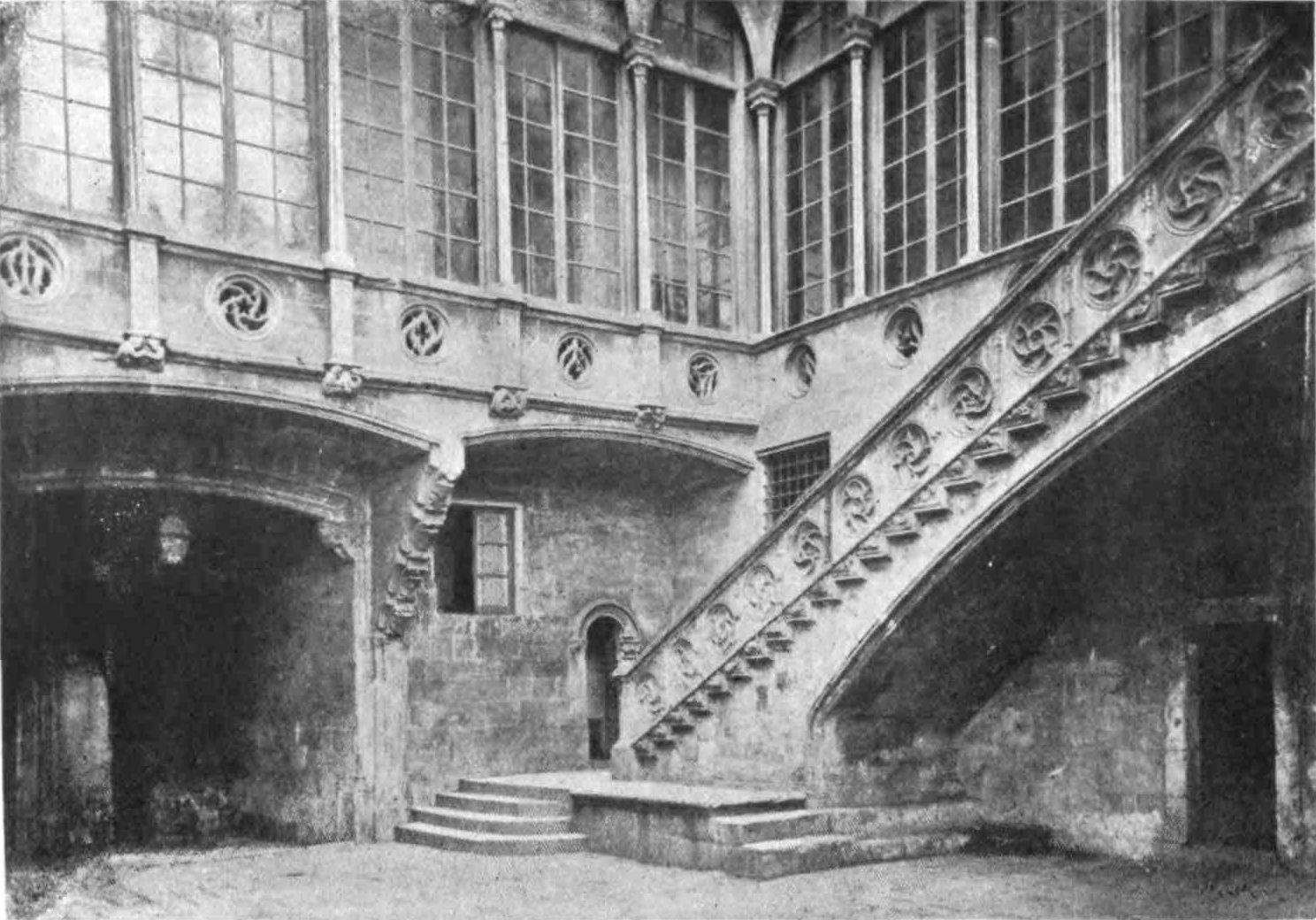
BARCELONA: COURTYARD OF THE TOWN HALL
Plate 95
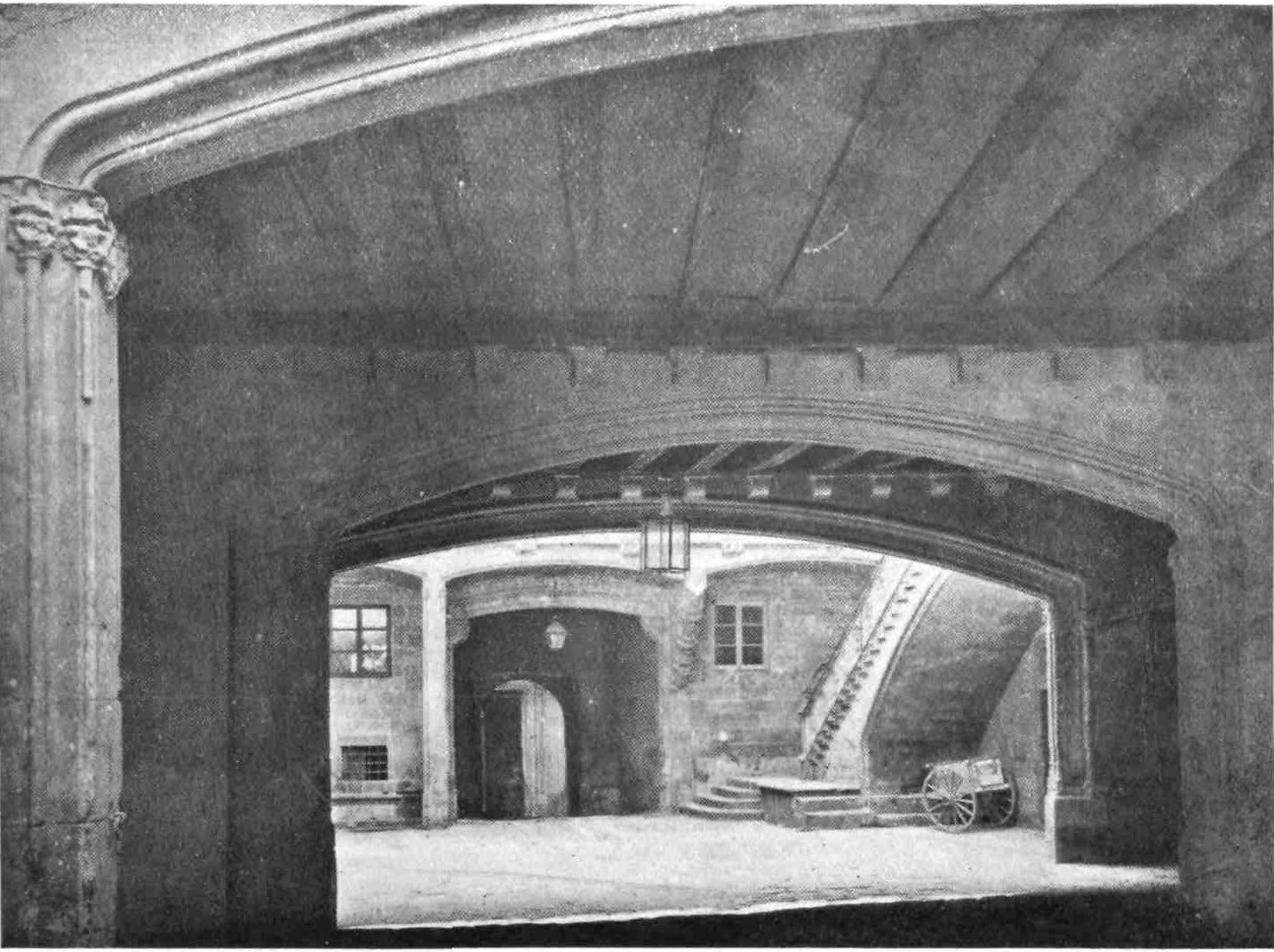
BARCELONA: ENTRANCE TO THE COURTYARD OF THE AUDIENCIA
Plate 96
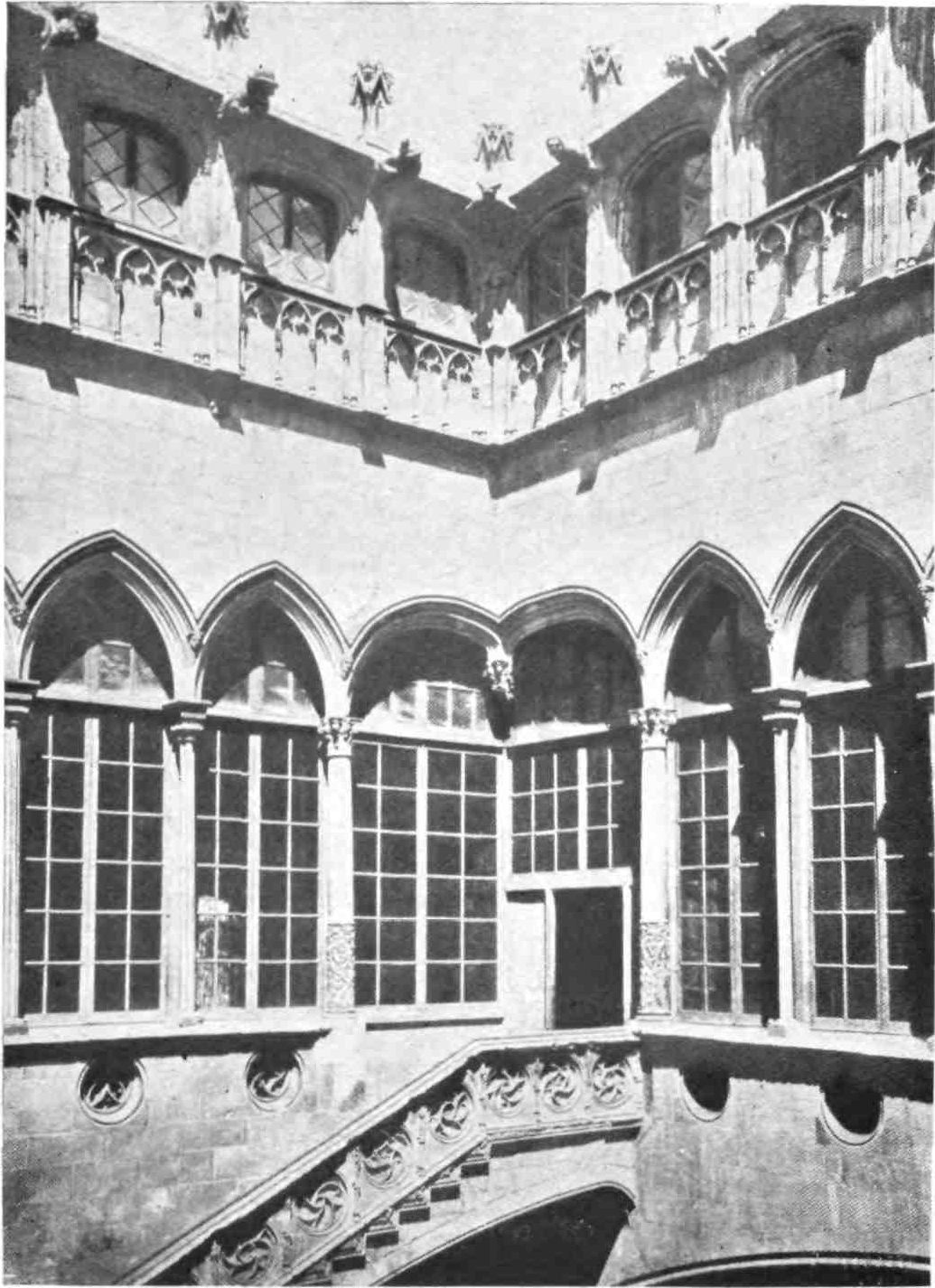
BARCELONA: UPPER PART OF THE COURTYARD OF THE TOWN HALL
Plate 97
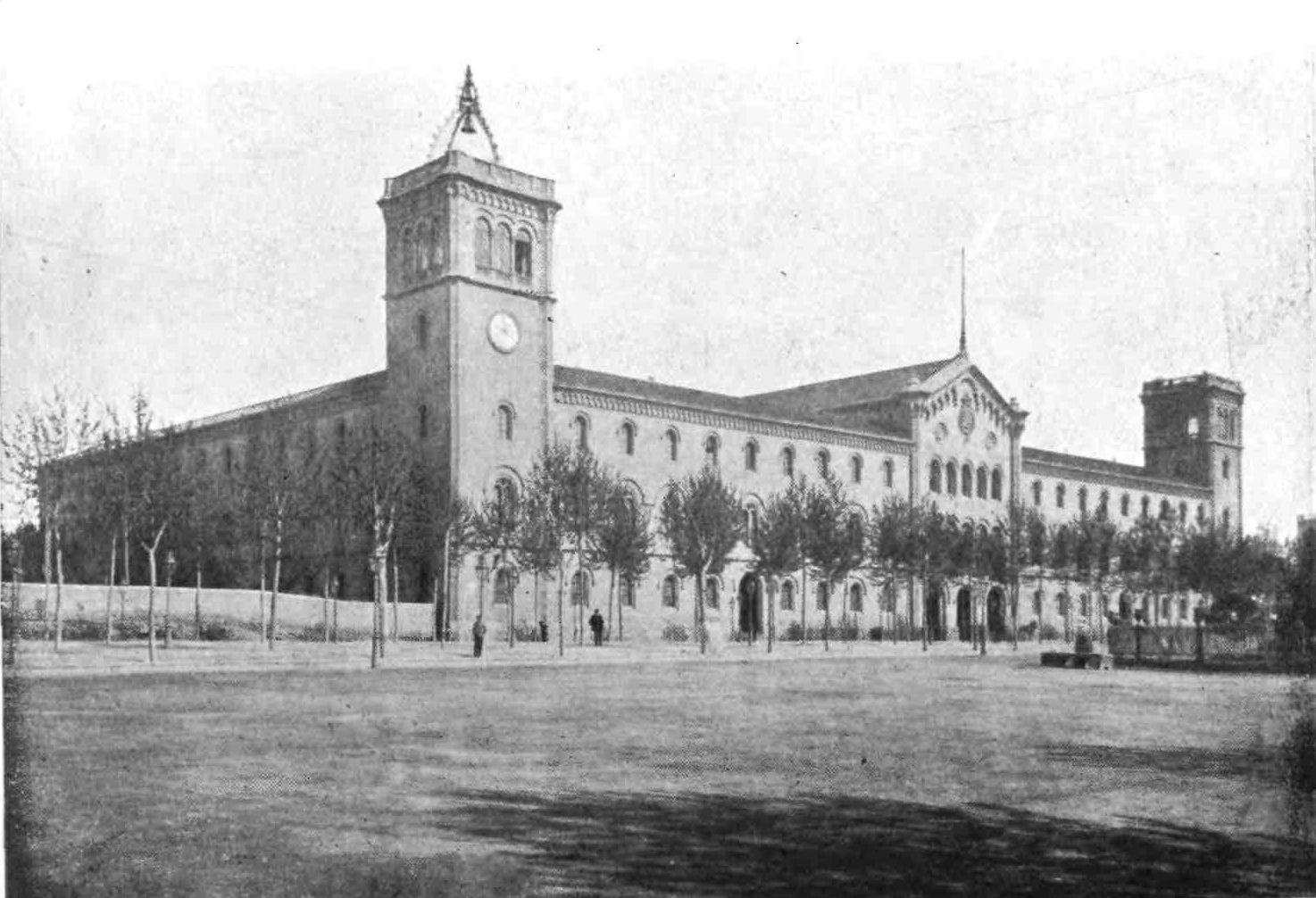
BARCELONA: THE UNIVERSITY
Plate 98
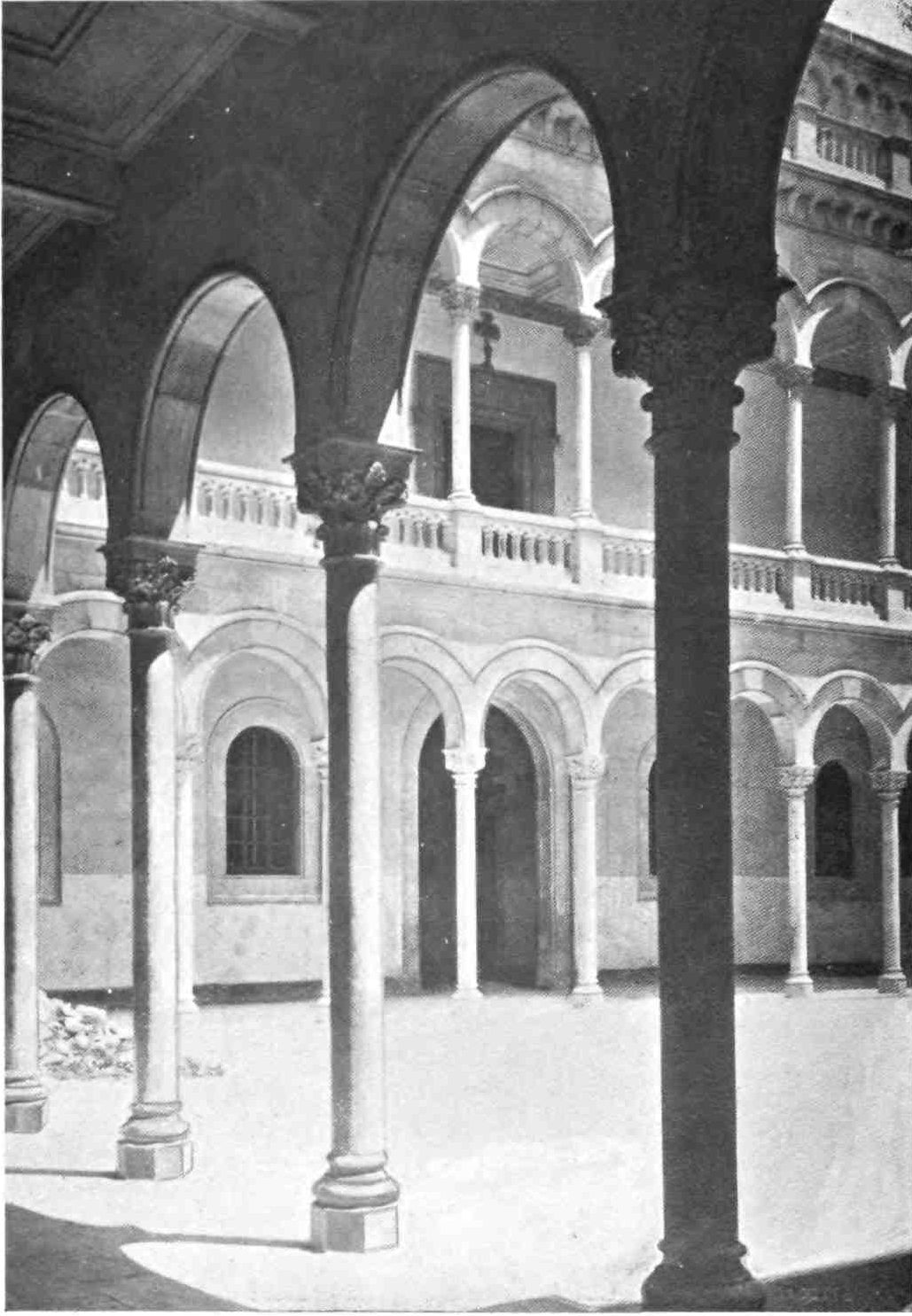
BARCELONA: CLOISTERS OF THE UNIVERSITY
Plate 99
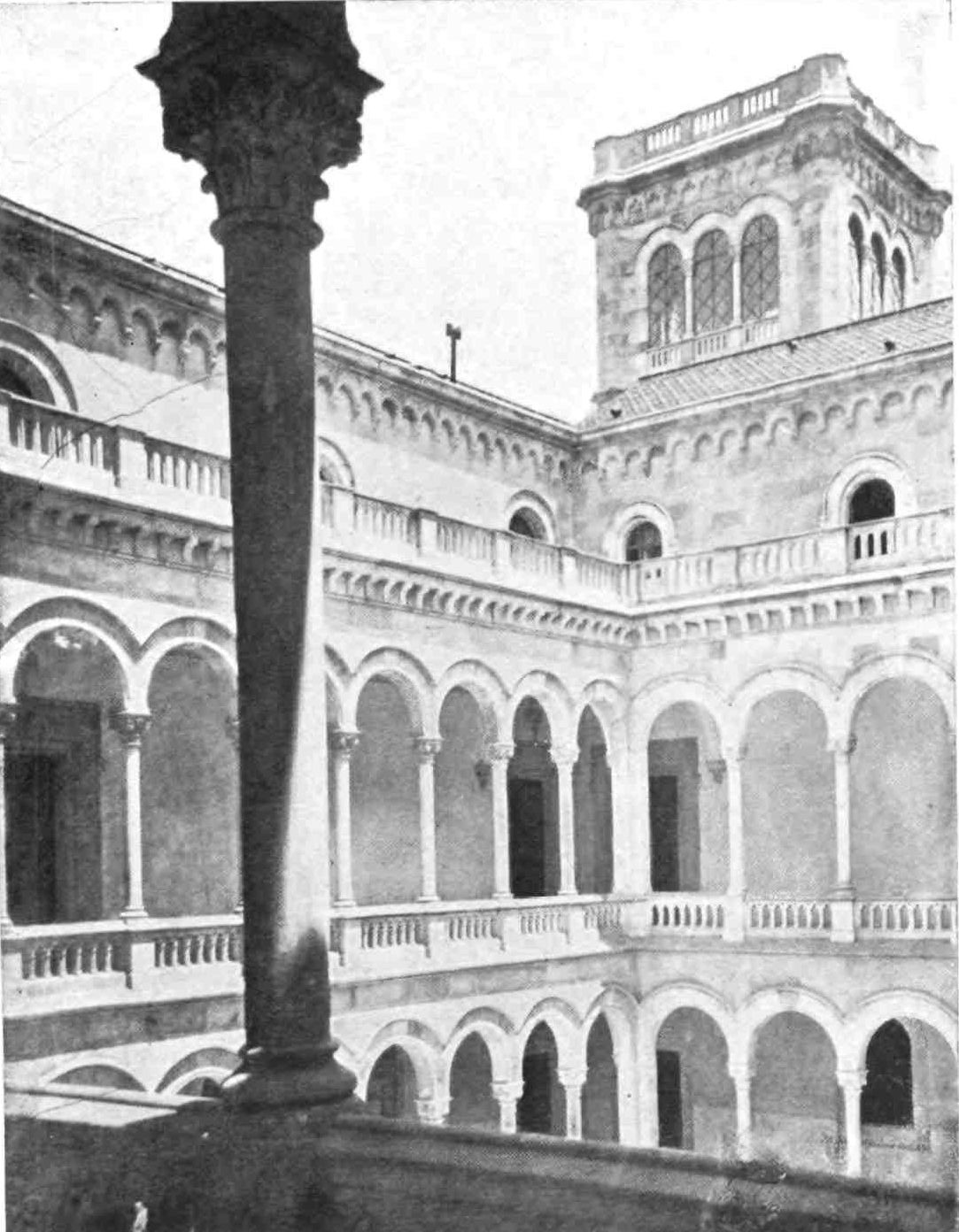
BARCELONA: CLOISTERS OF THE UNIVERSITY, UPPER PART
Plate 100
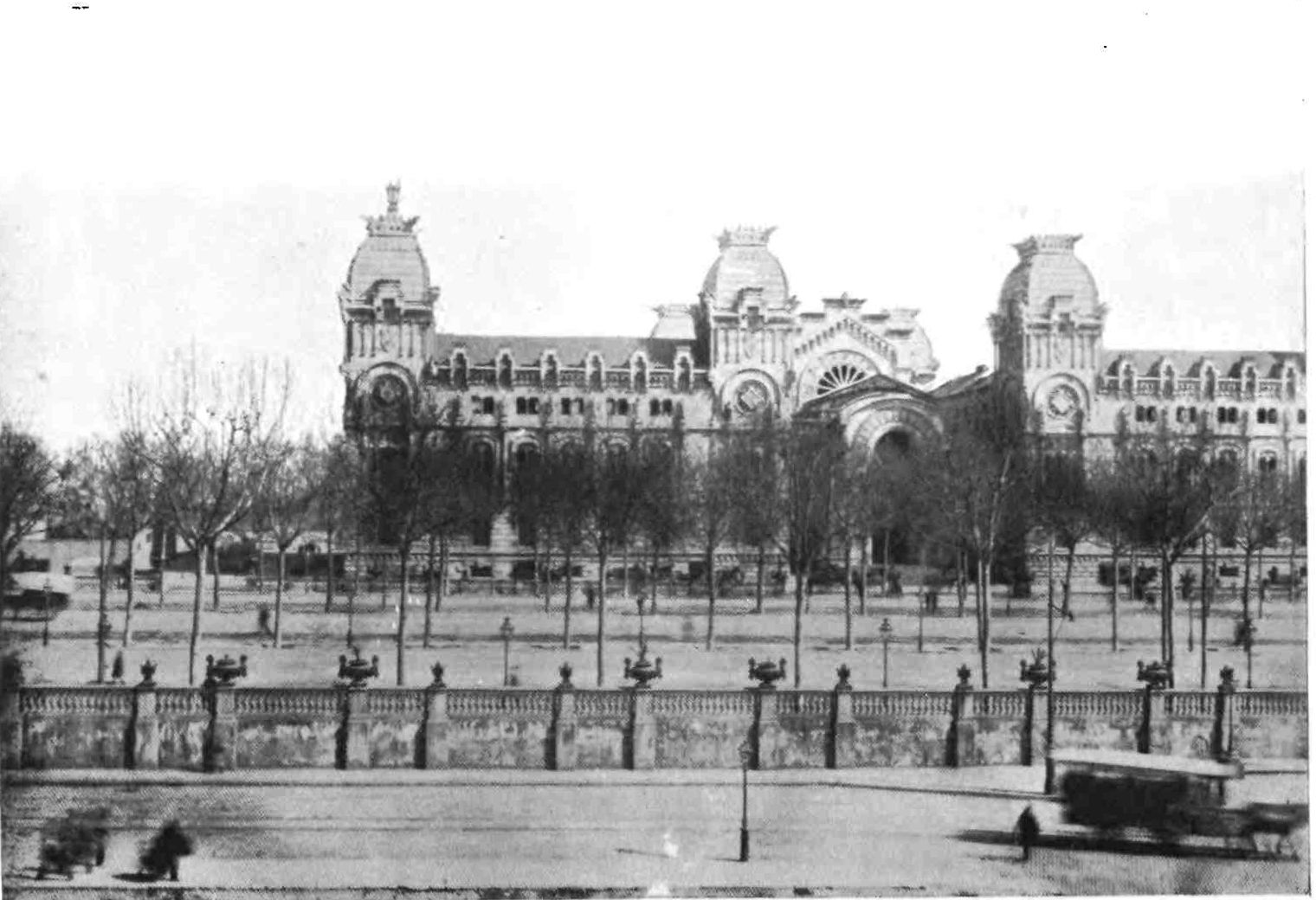
BARCELONA: PALACIO DE JUSTICIA
Plate 101
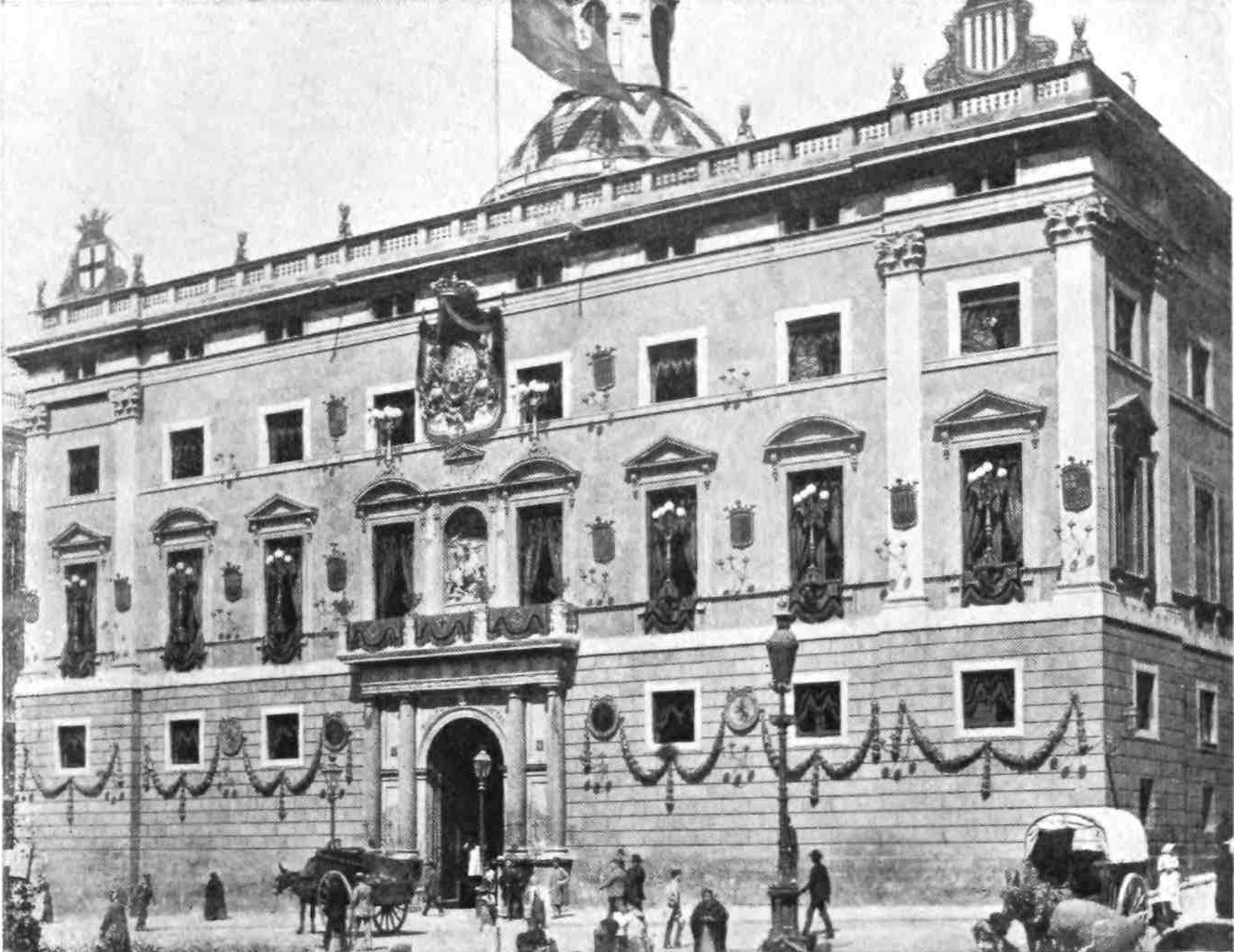
BARCELONA: DIPUTACION PROVINCIAL
Plate 102
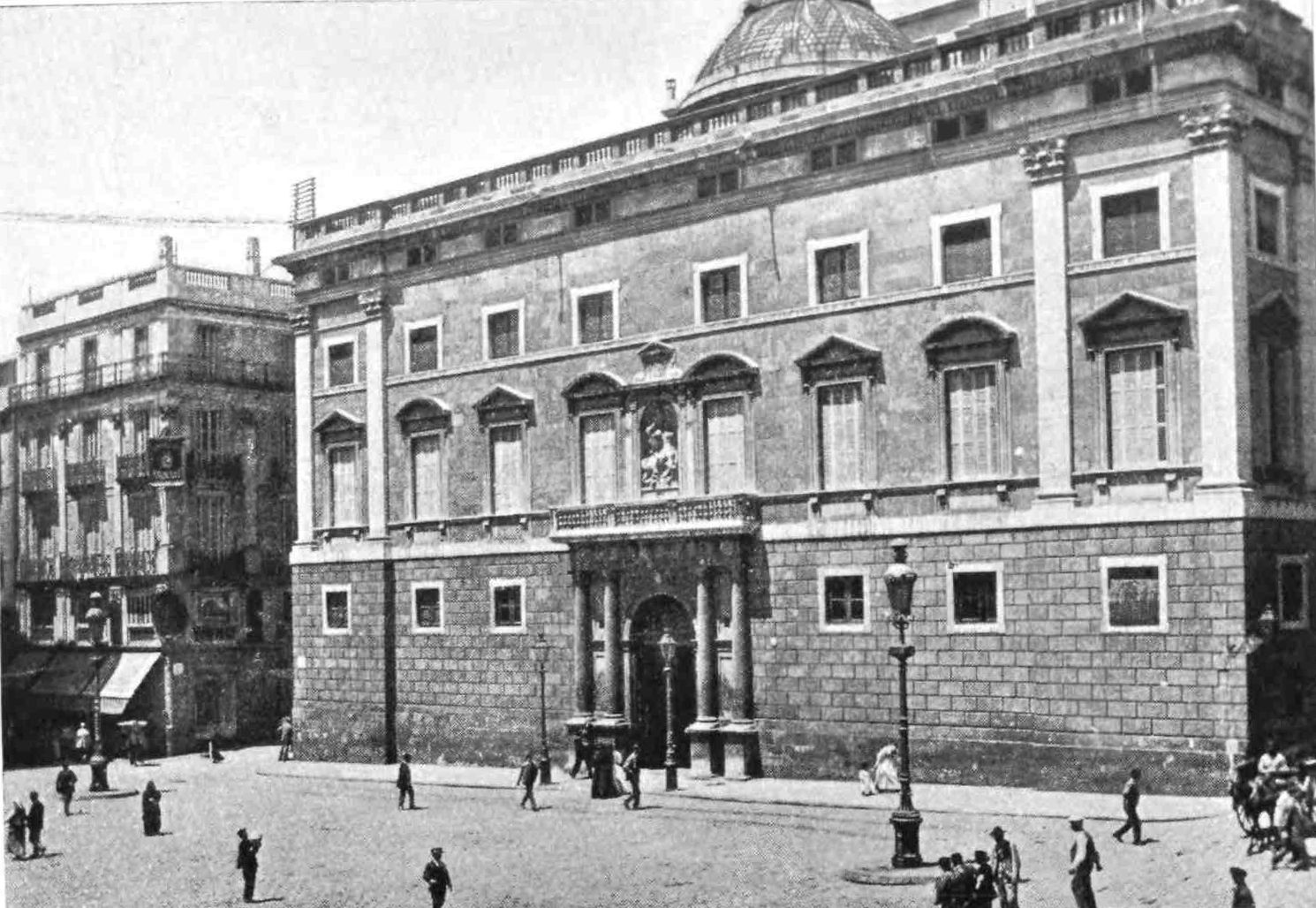
BARCELONA: DIPUTACION PROVINCIAL
Plate 103
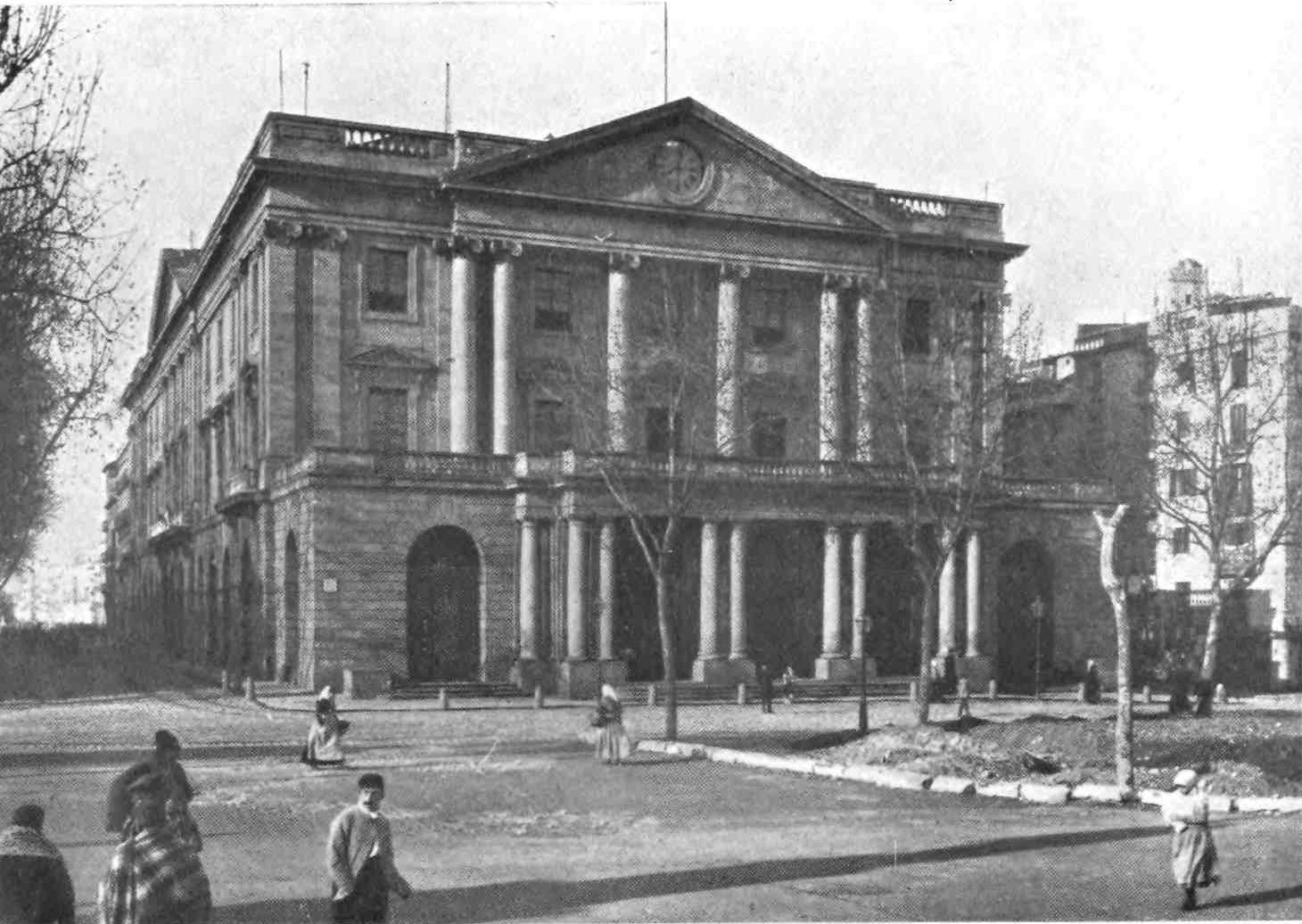
BARCELONA: THE EXCHANGE
Plate 104
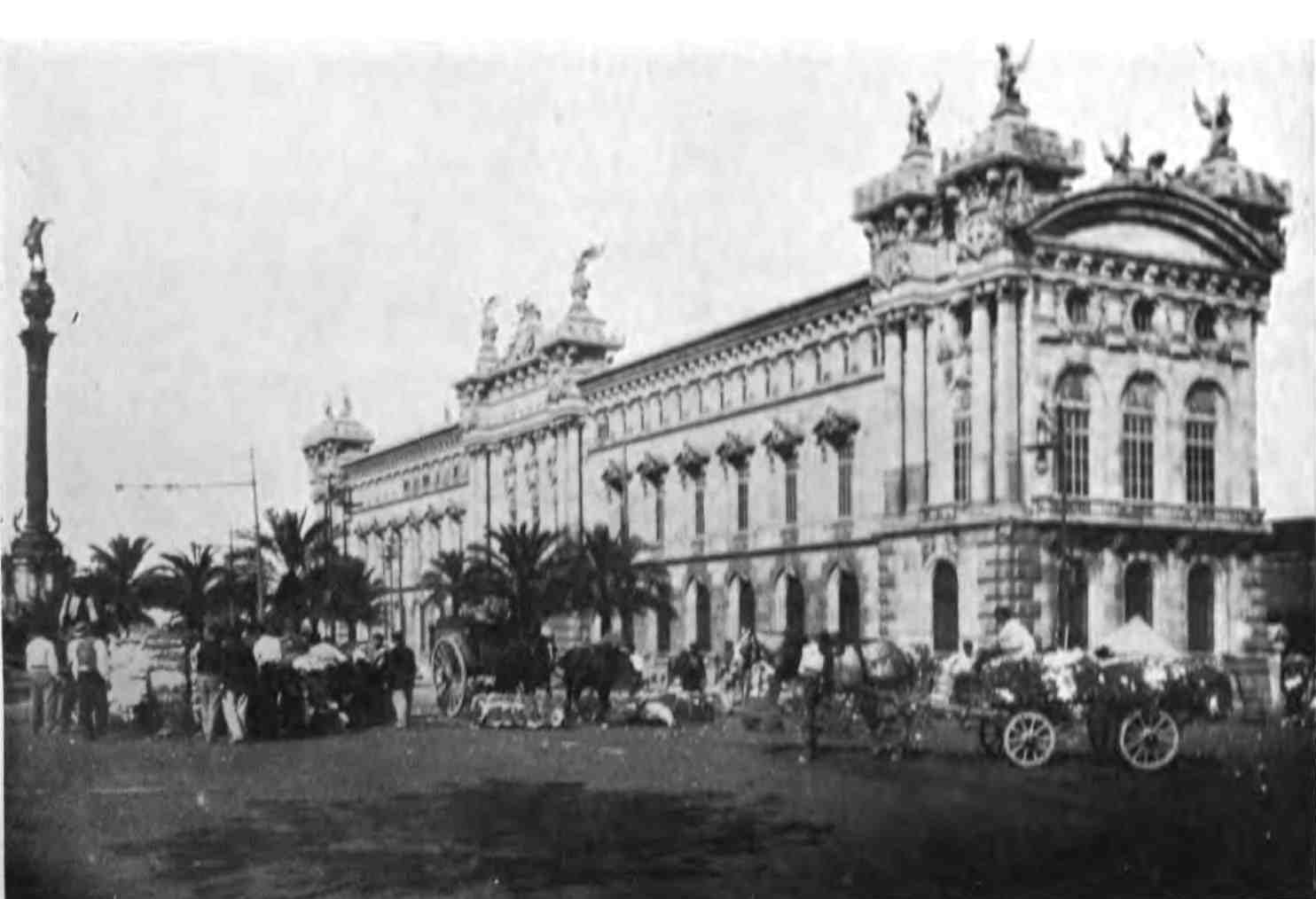
BARCELONA: THE CUSTOM HOUSE
Plate 105
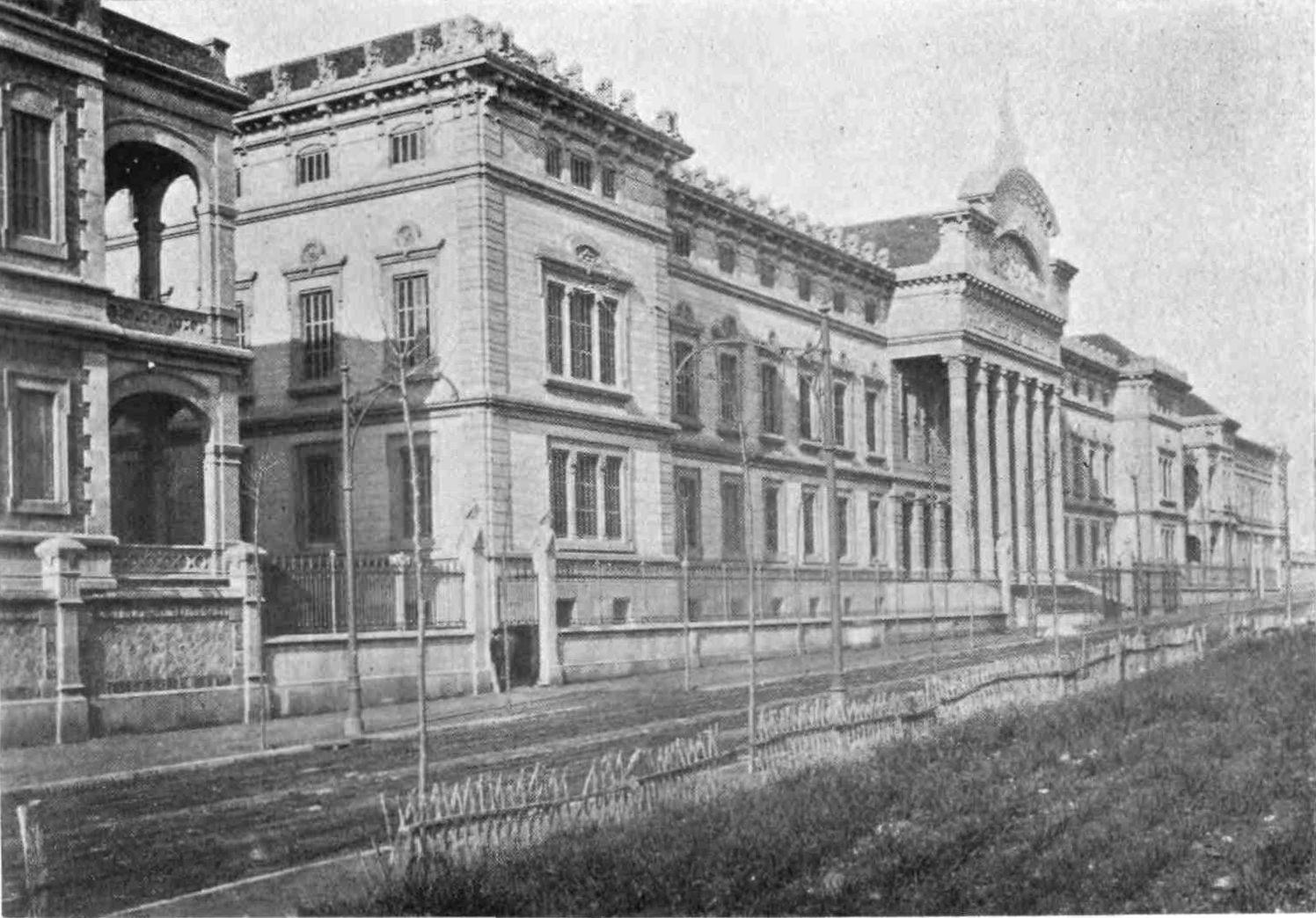
BARCELONA: CLINICAL HOSPITAL
Plate 106
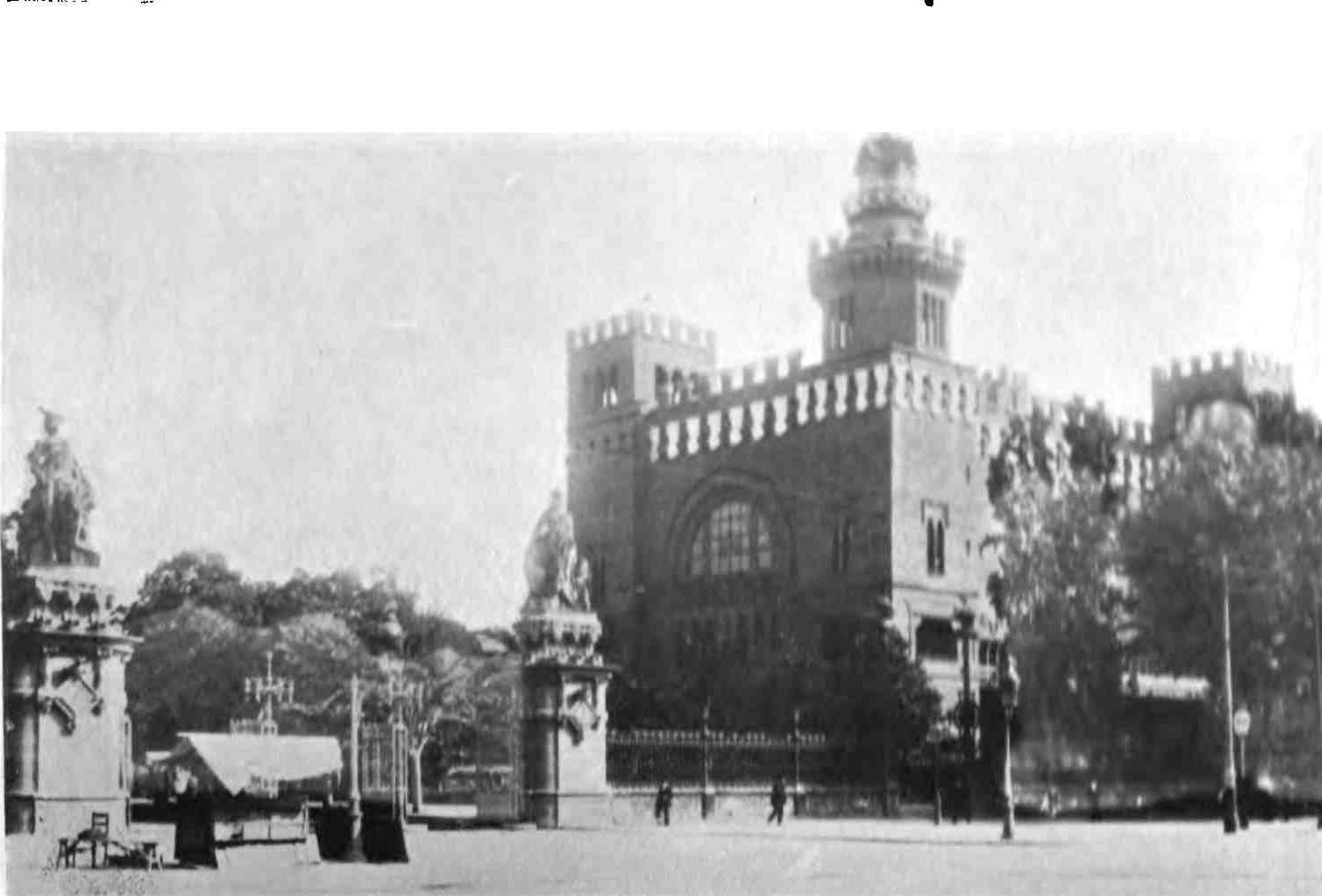
BARCELONA: MUNICIPAL SCHOOL OF MUSIC
Plate 107
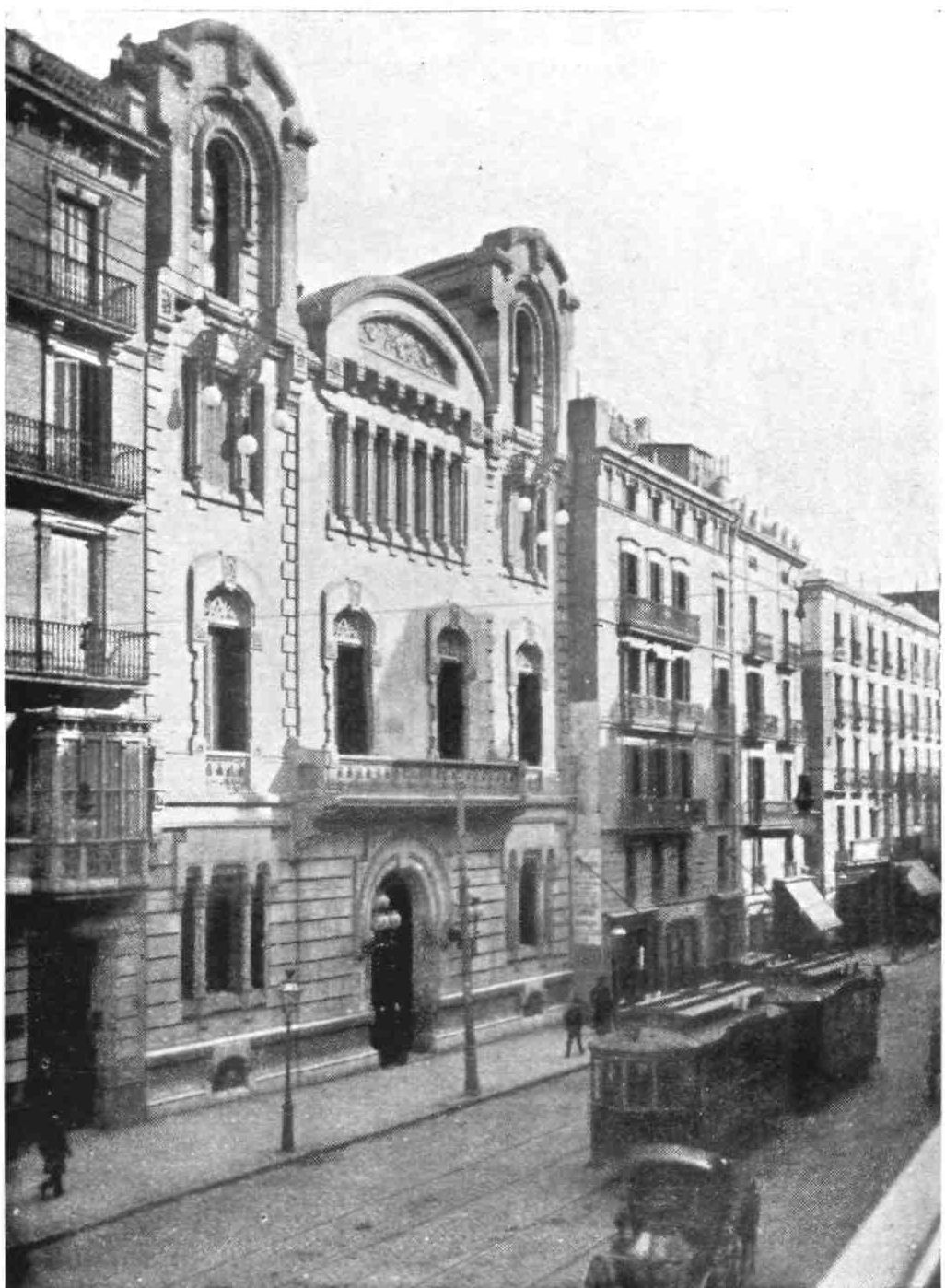
BARCELONA: CATALANA DEL GAS
Plate 108
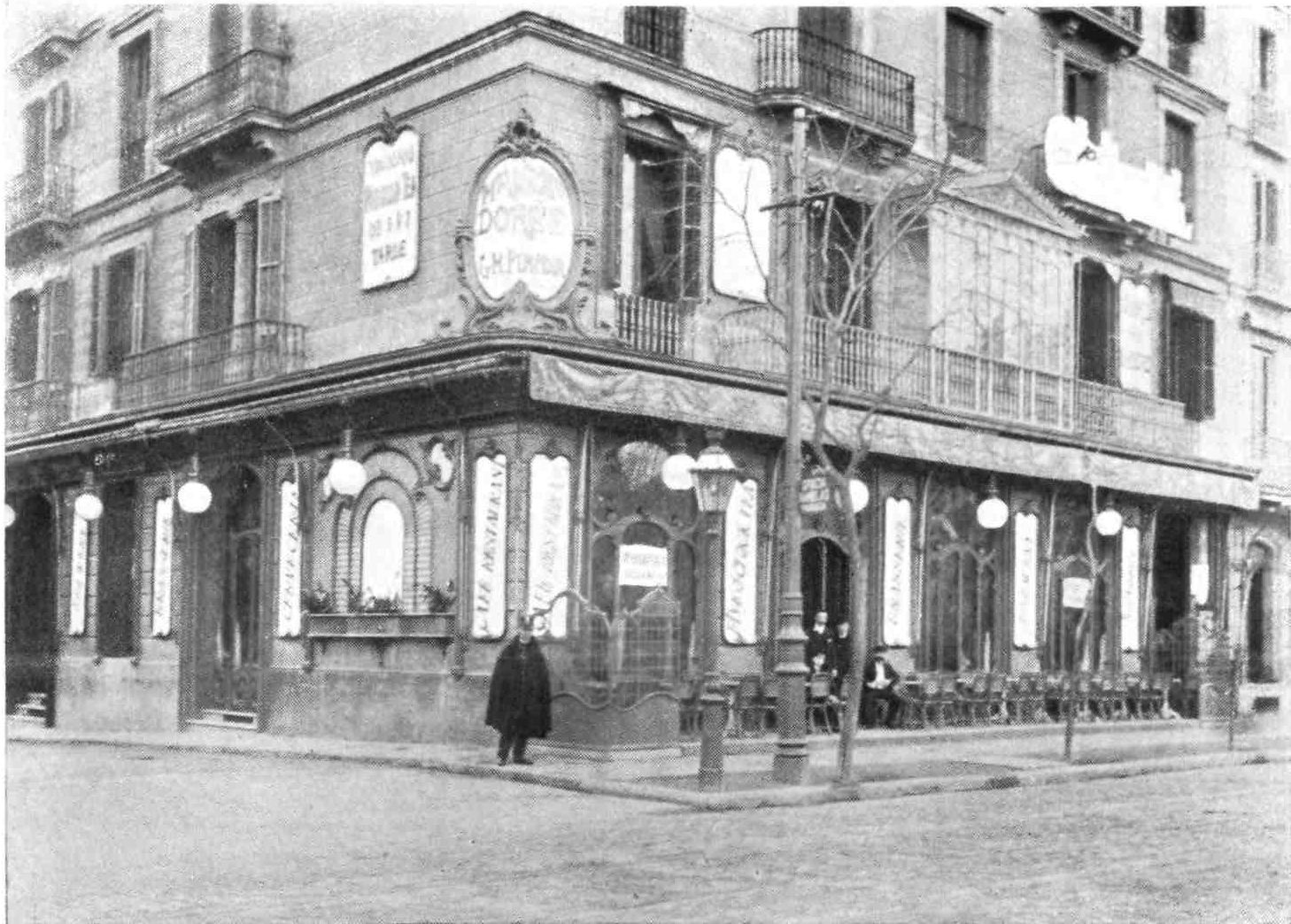
BARCELONA: LA MAISON DORÉE
Plate 109
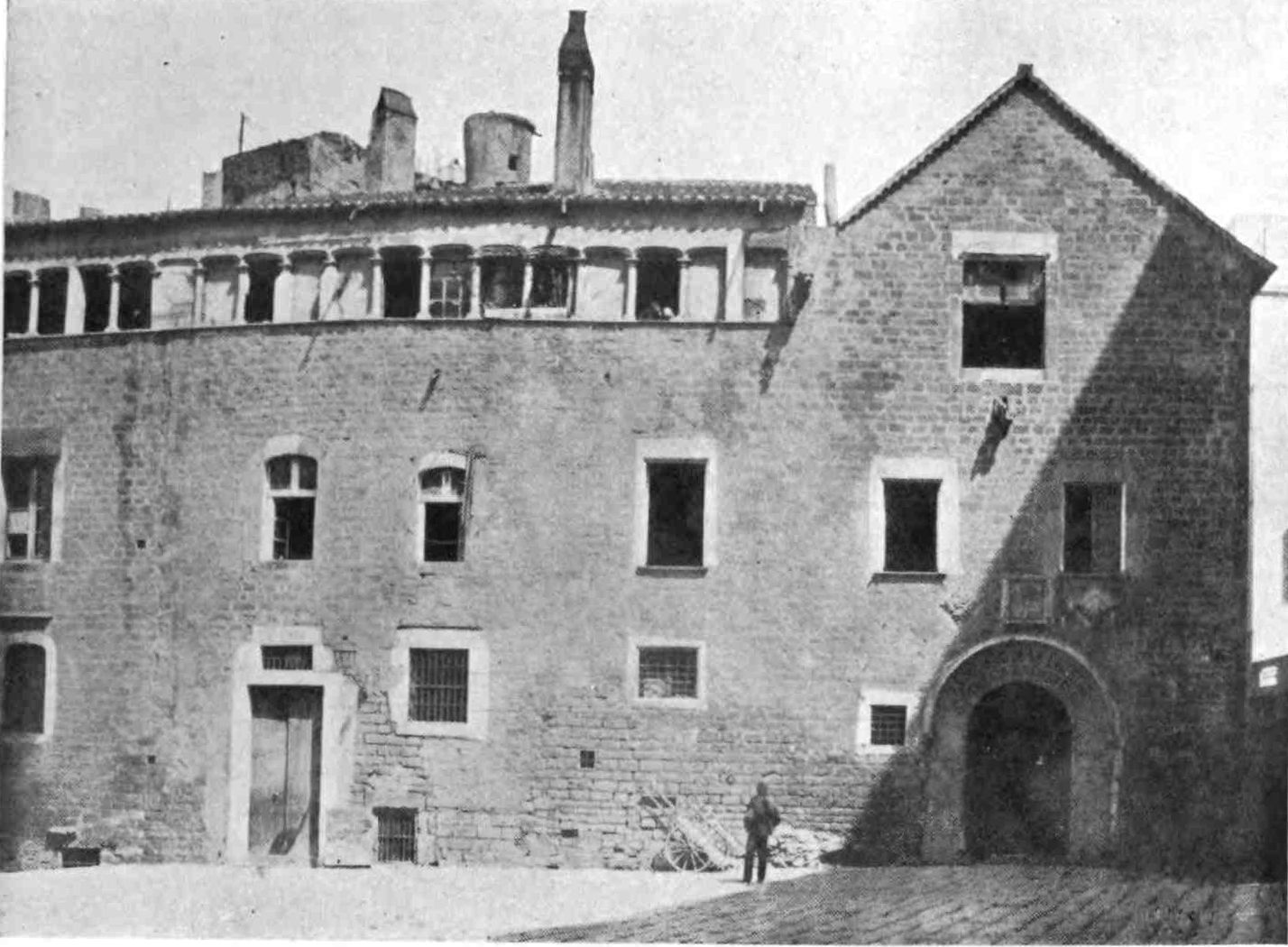
BARCELONA: CASA DE LA CANONGIA
Plate 110
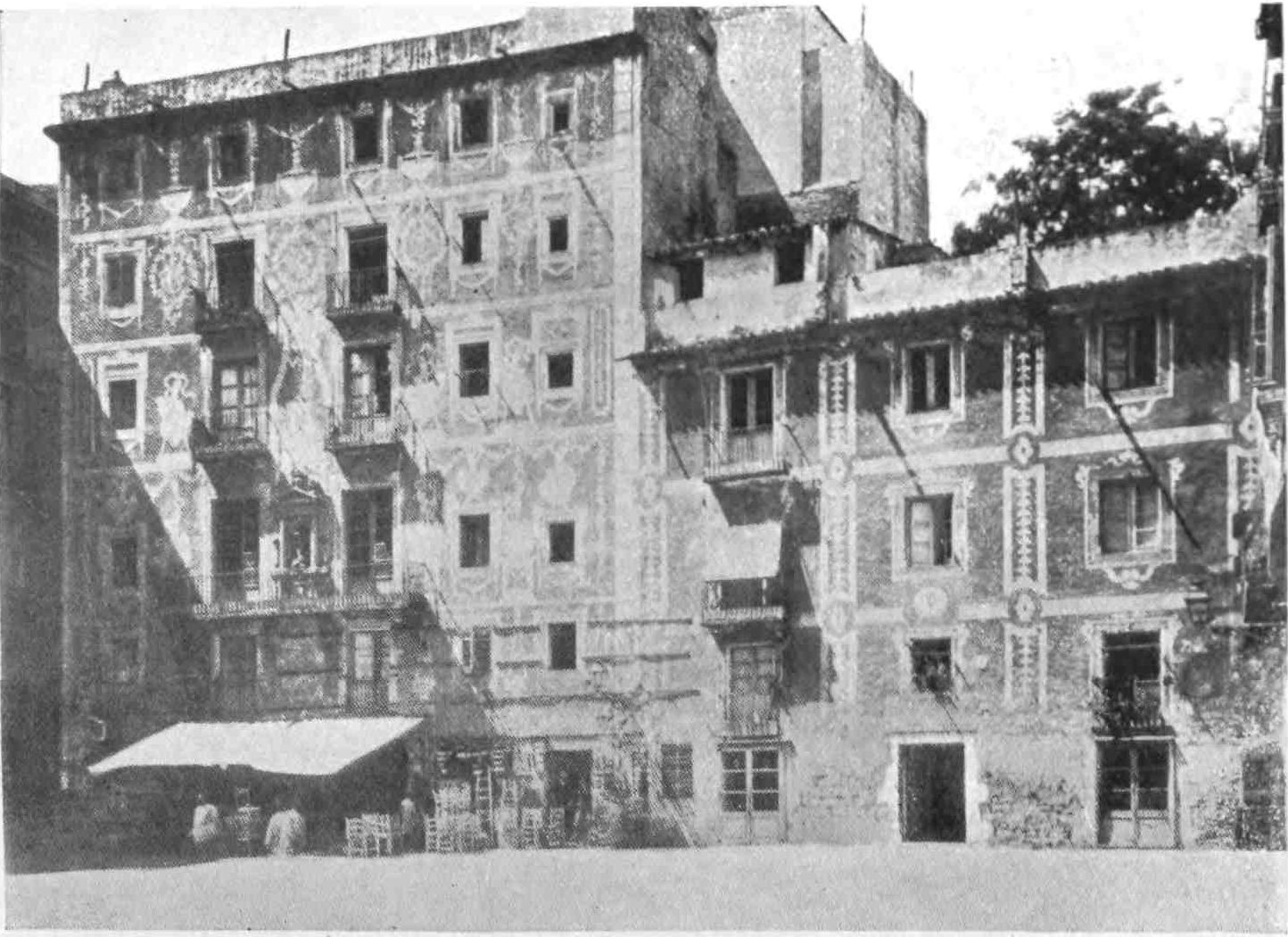
BARCELONA: PRIVATE HOUSE OF THE EIGHTEENTH CENTURY
Plate 111
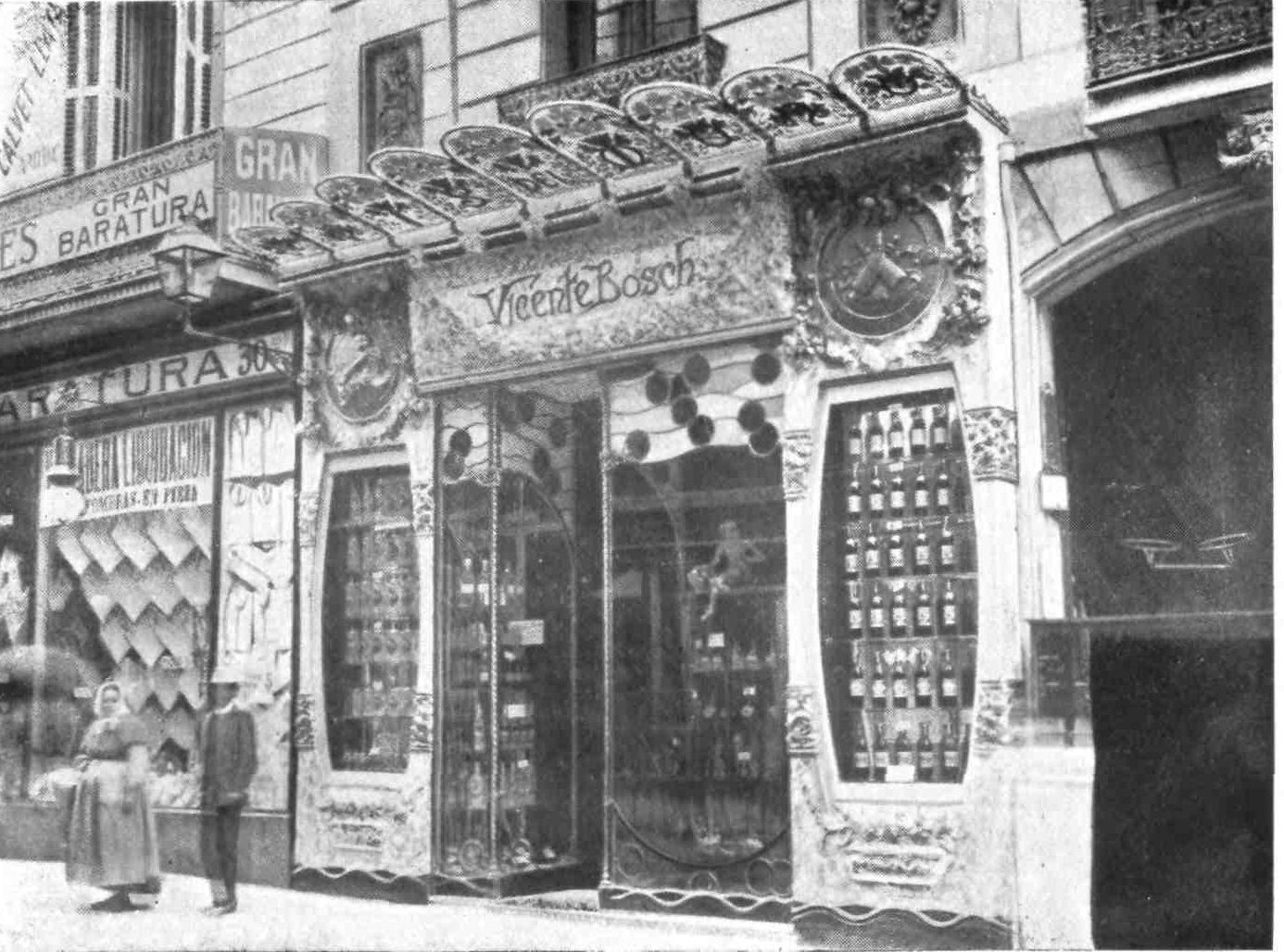
BARCELONA: A SHOP IN THE CALLE FERNANDO
Plate 112
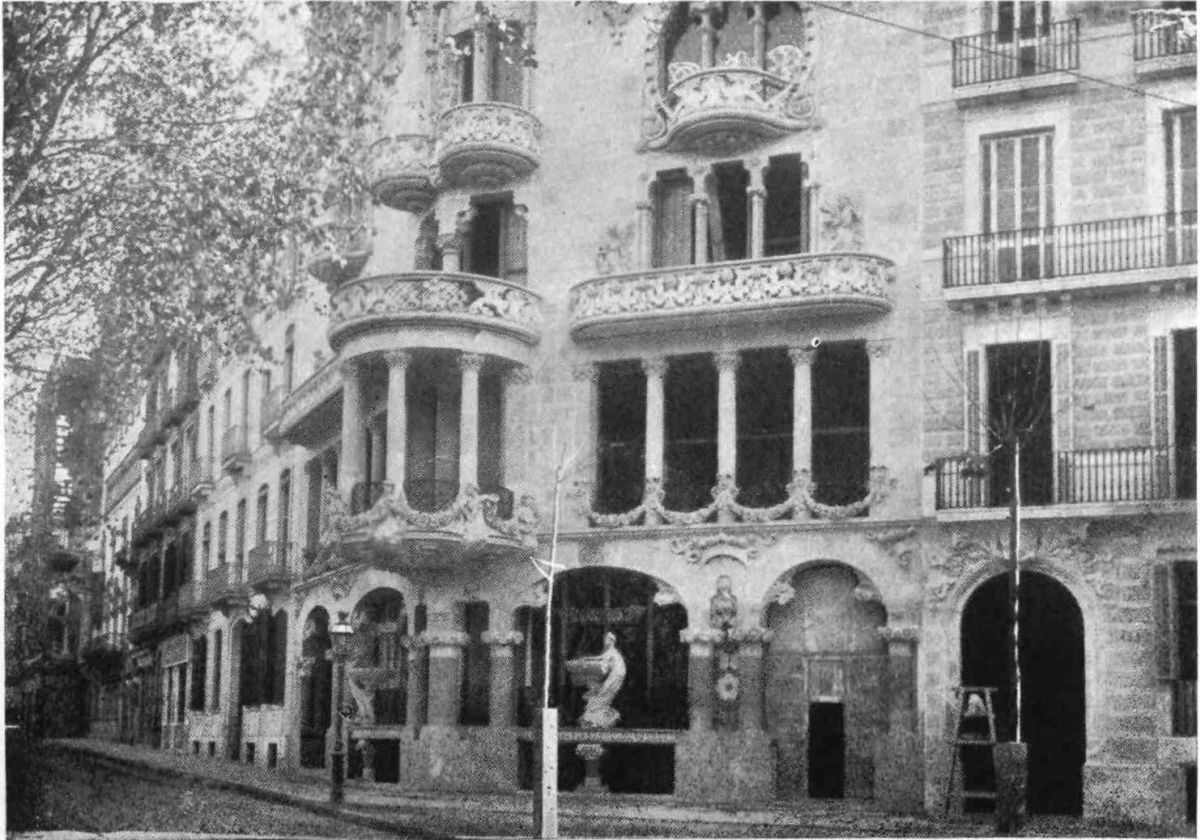
BARCELONA: NEW BUILDING IN THE PASEO DE GRACIA
Plate 113
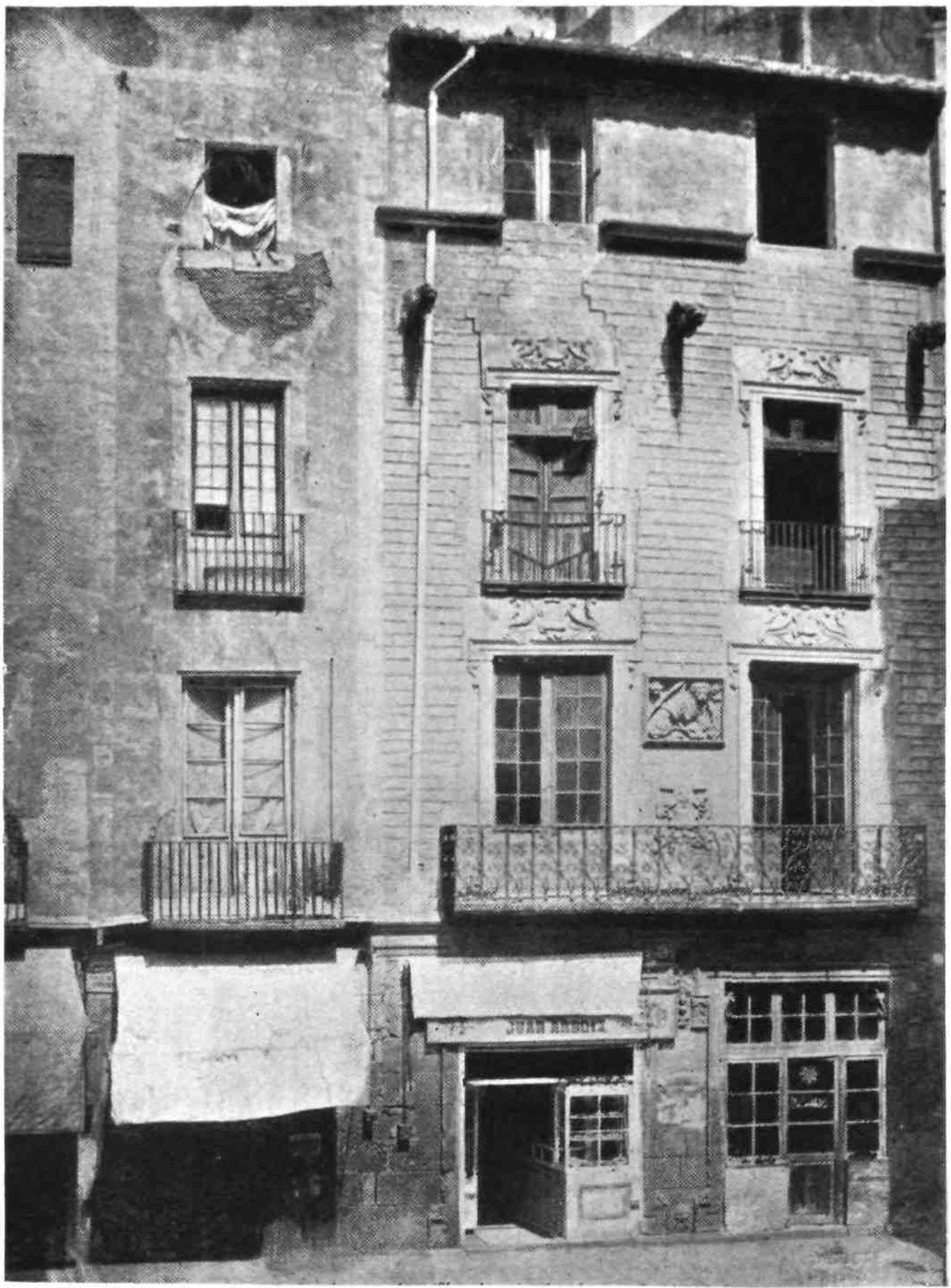
BARCELONA: HOUSE OF THE SHOEMAKERS
Plate 114
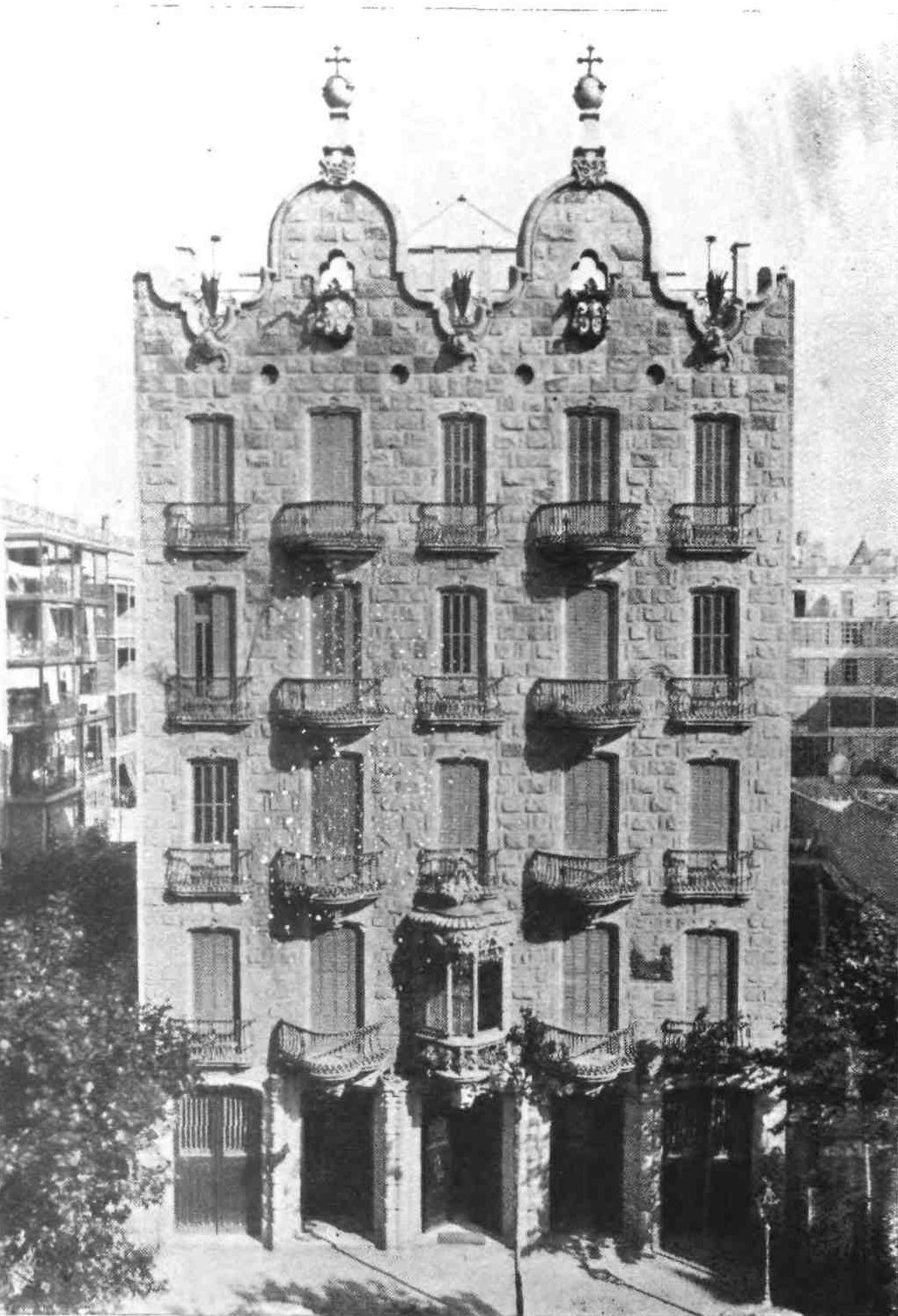
BARCELONA: HOUSE IN THE CALLE DE CASPE
Plate 115
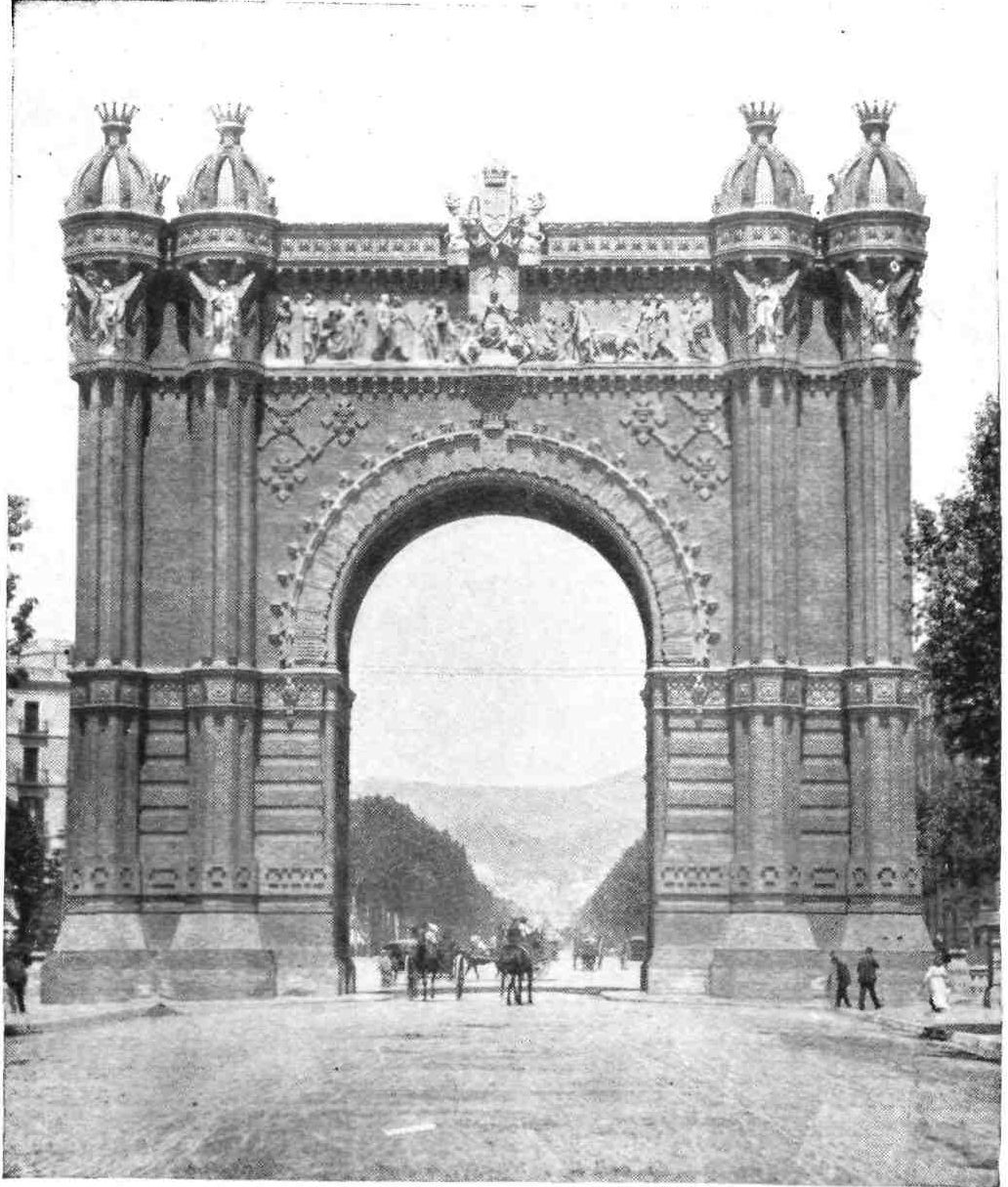
BARCELONA: ARCO DE TRIUNFO
Plate 116
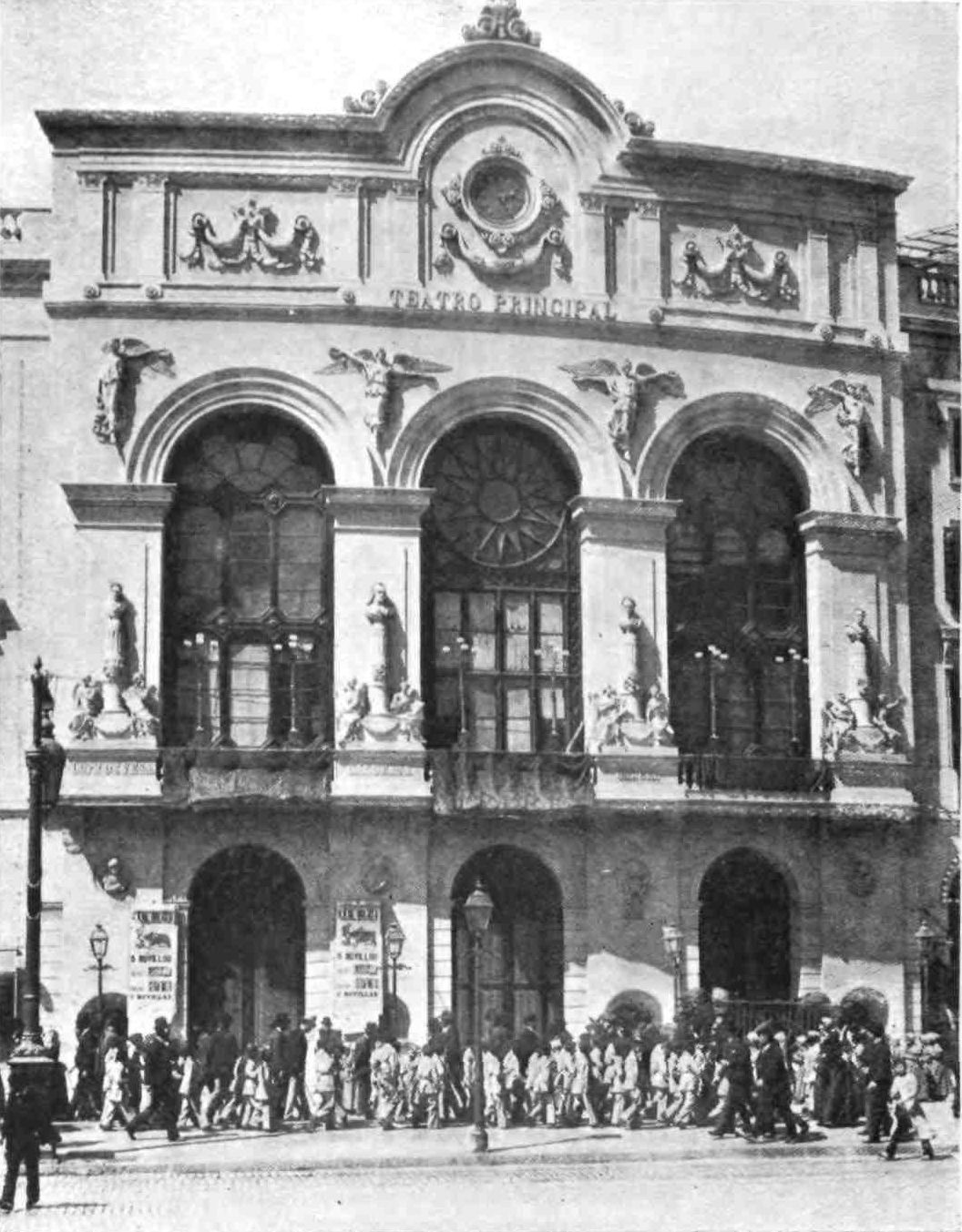
BARCELONA: TEATRO PRINCIPAL
Plate 117
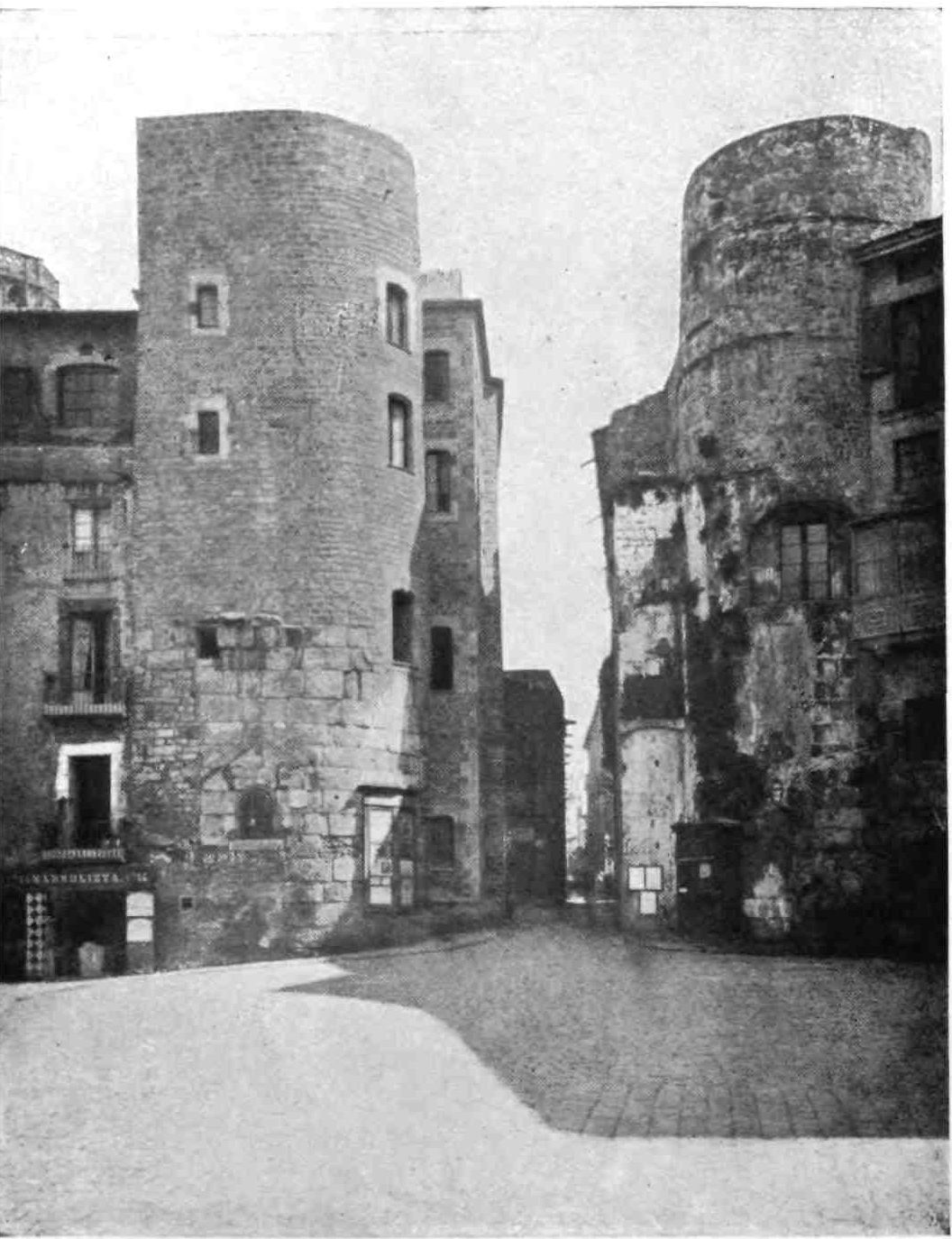
BARCELONA: OLD TOWERS IN THE PLAZA NUEVA
Plate 118
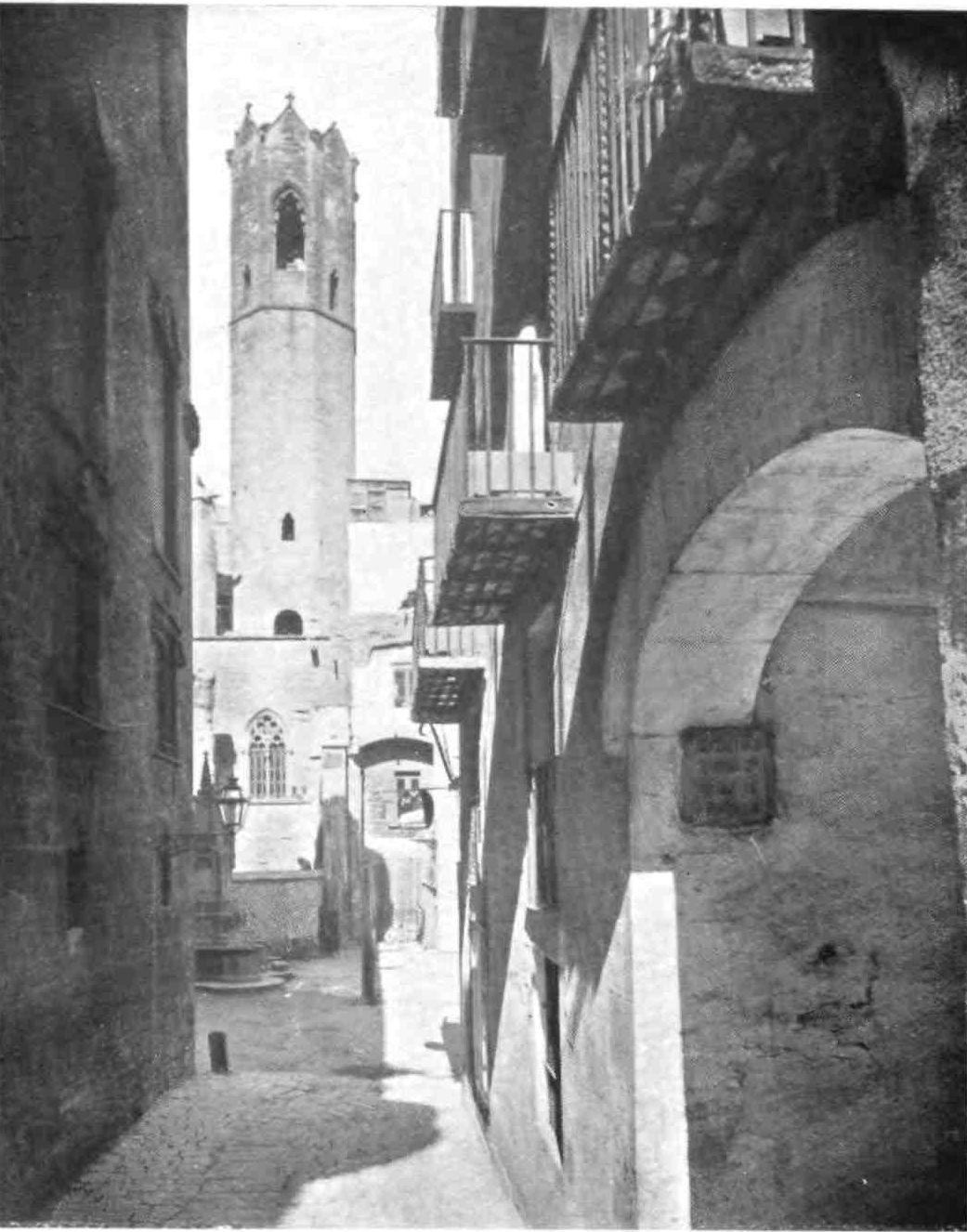
BARCELONA: TOWER OF SANTA AGUEDA
Plate 119
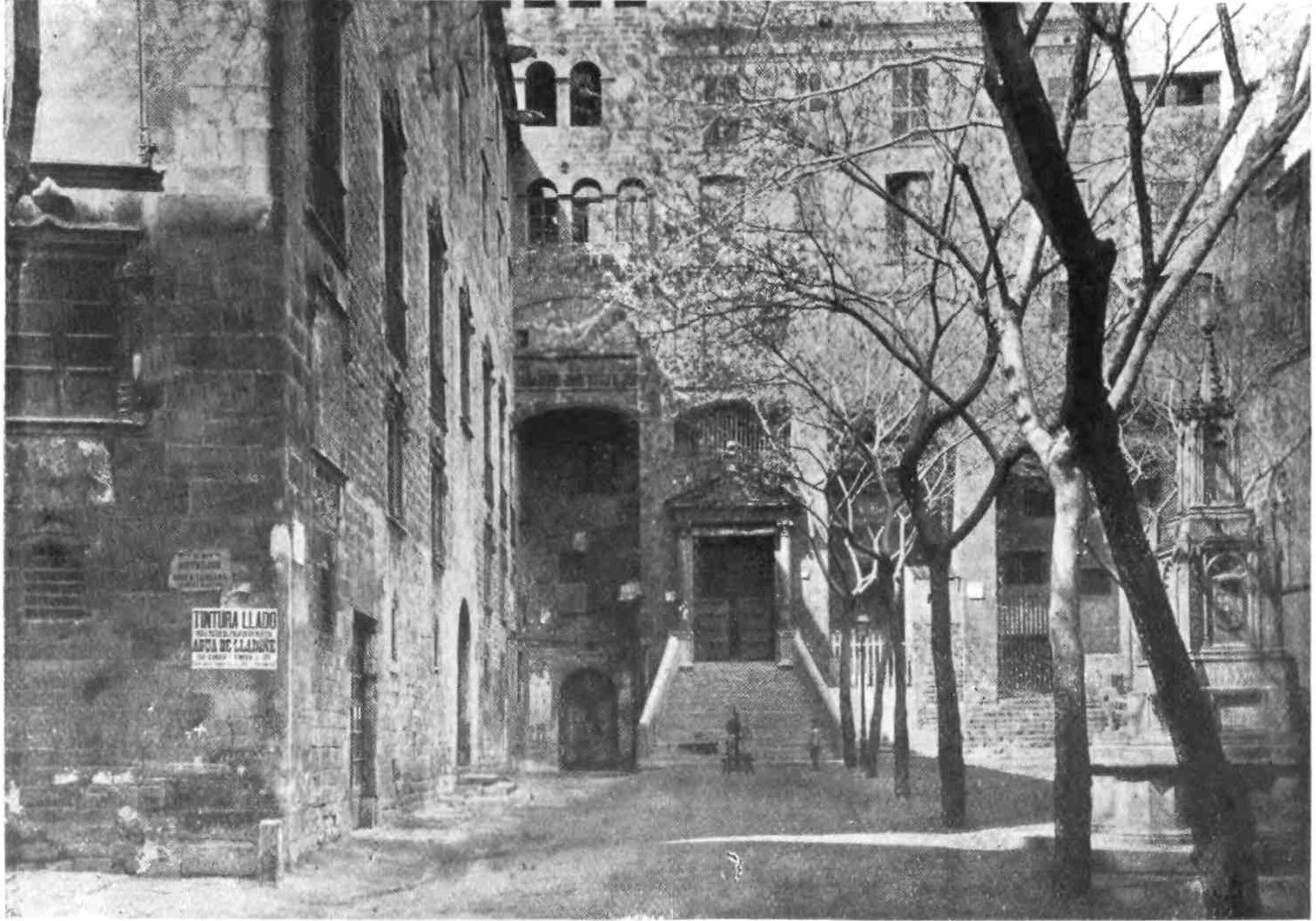
BARCELONA: CONVENT OF SANTA CLARA. OLD PALACE OF THE KINGS OF ARAGON
Plate 120
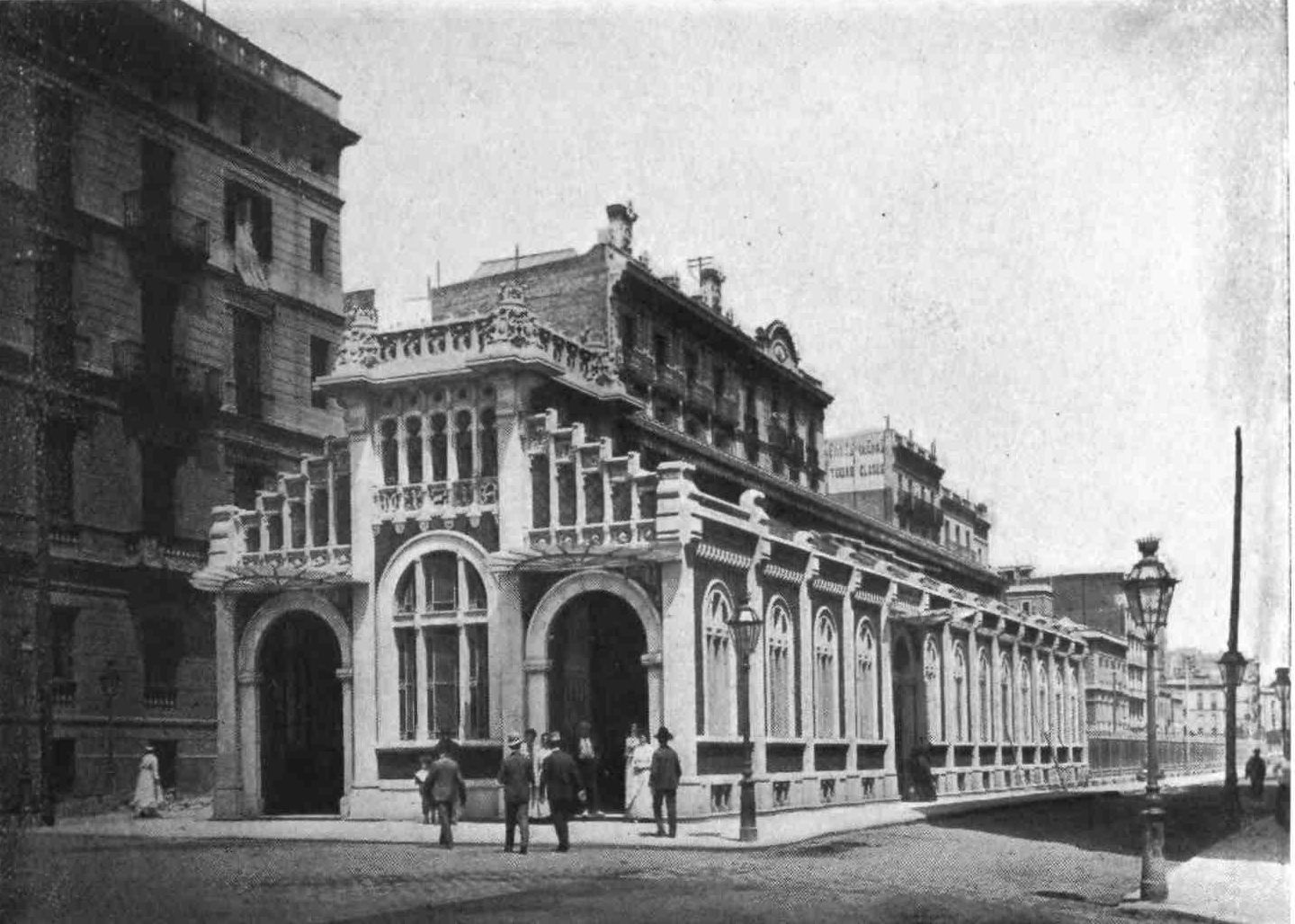
BARCELONA: APEADERO DE LA CALLE DE ARAGON
Plate 121
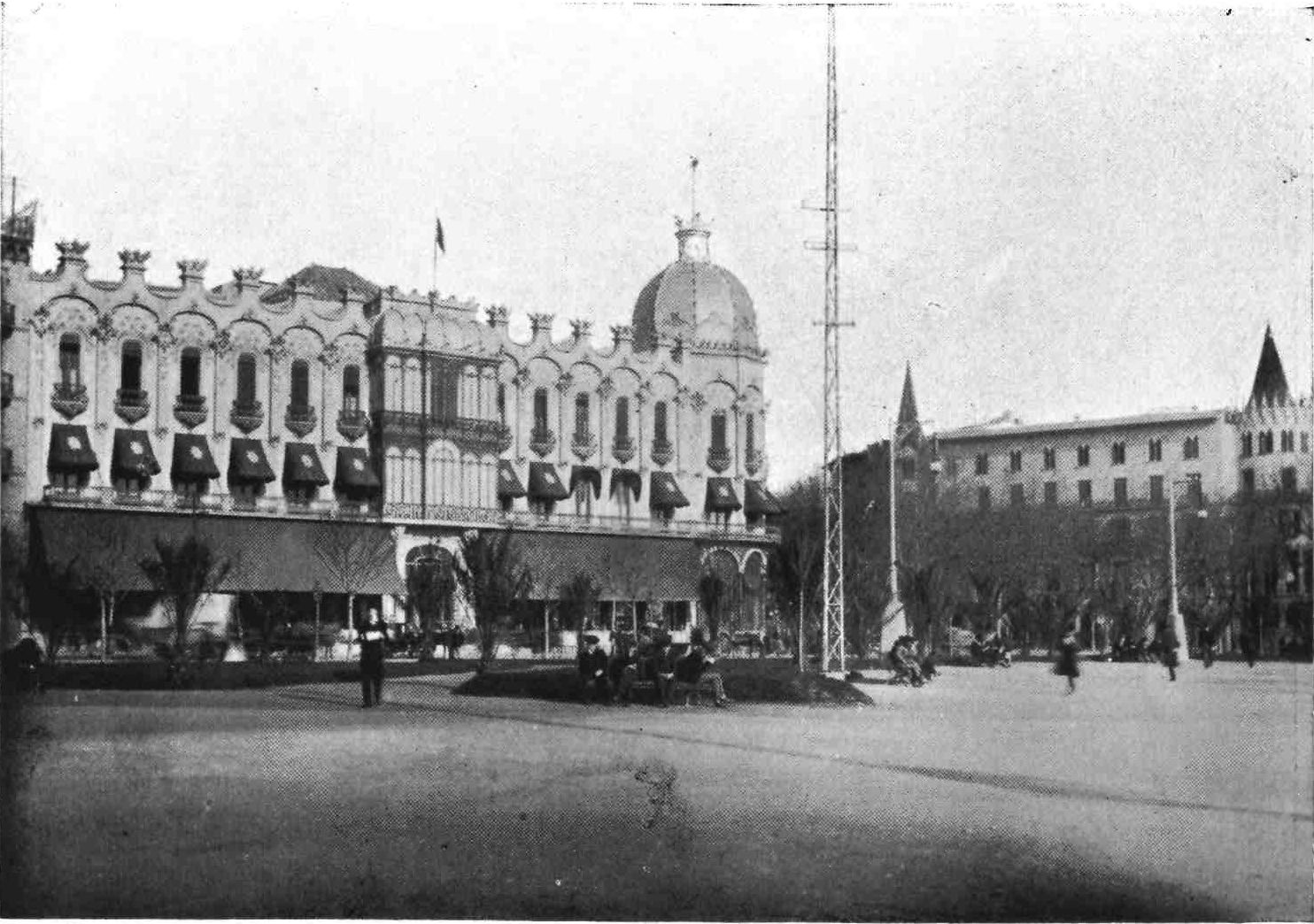
BARCELONA: HOTEL COLÓN
Plate 122
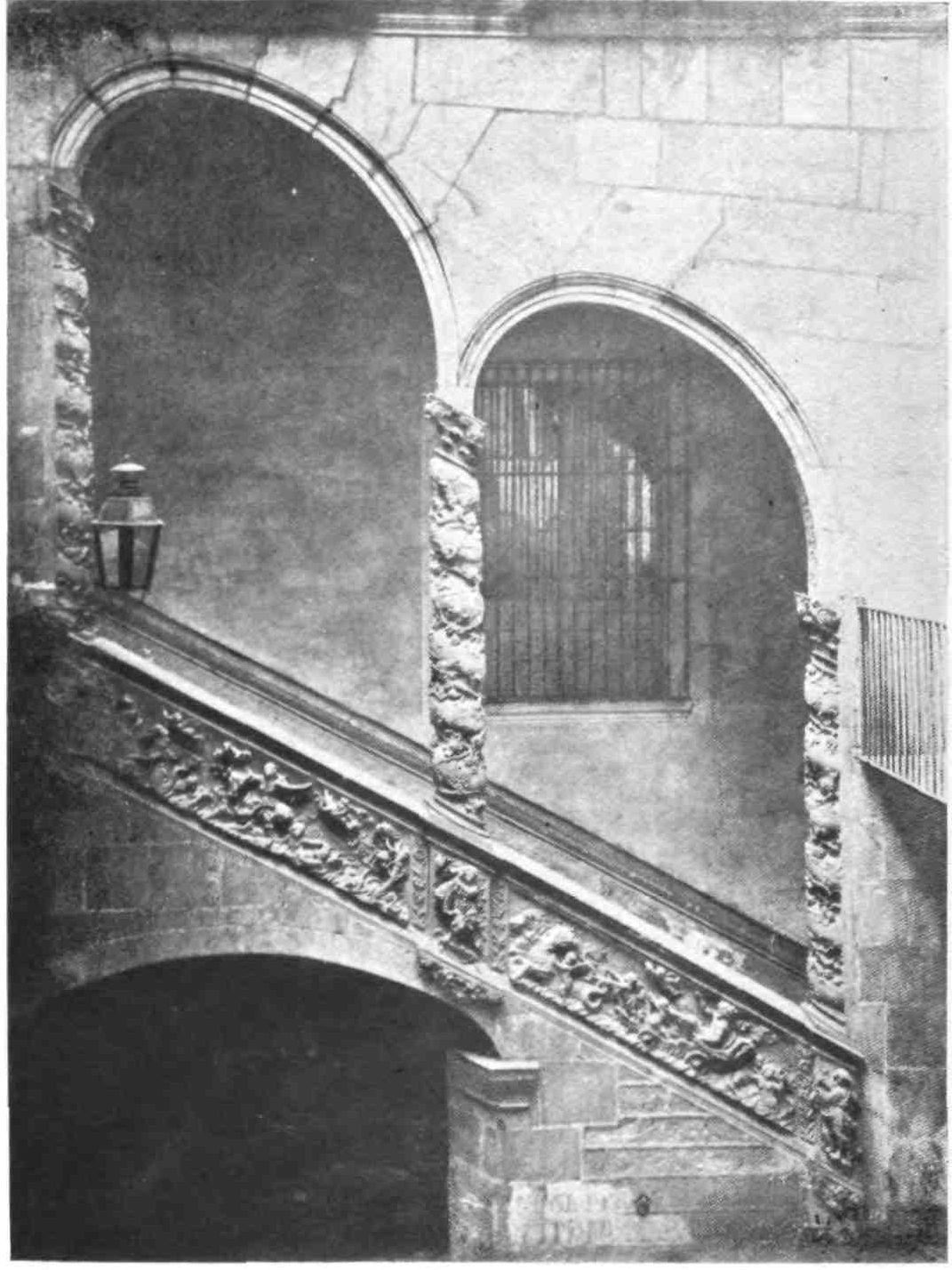
BARCELONA: STAIRCASE IN A PRIVATE HOUSE IN THE CALLE DE MONCADA
Plate 123
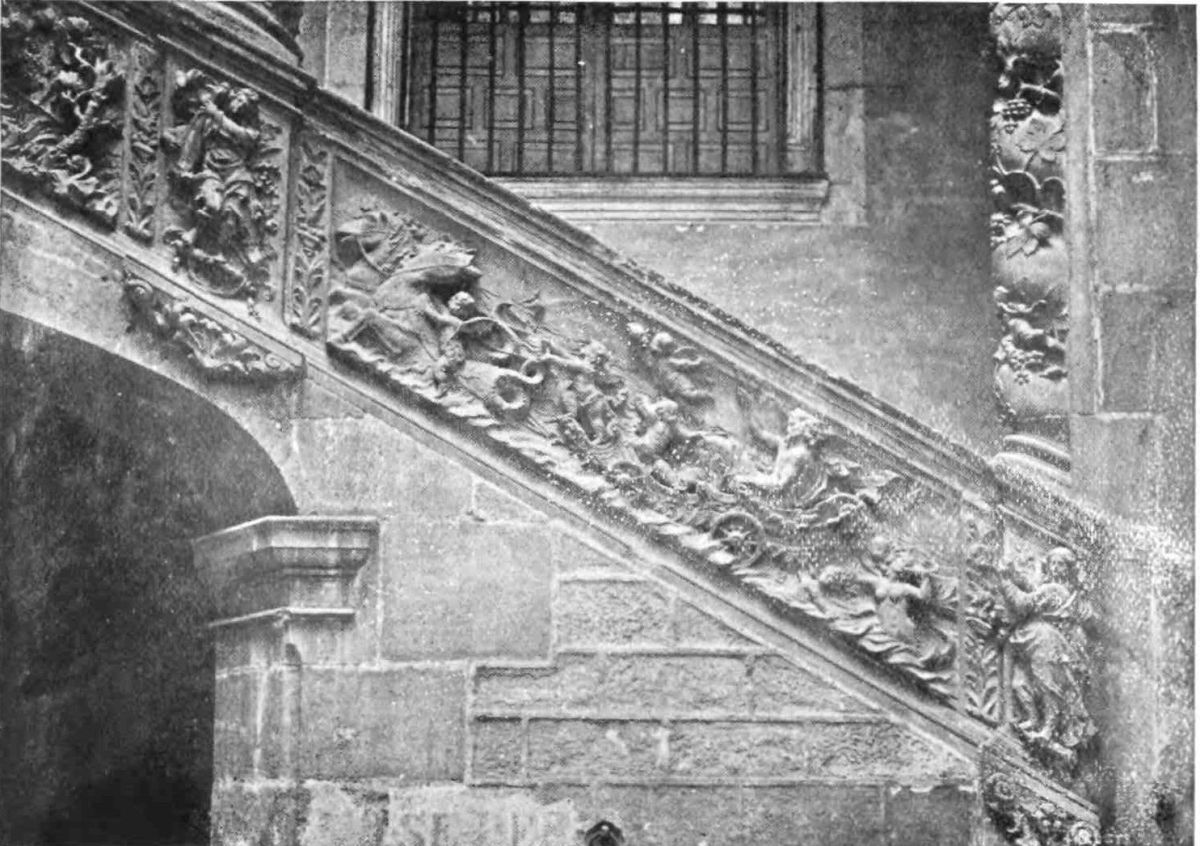
BARCELONA: STAIRCASE IN A PRIVATE HOUSE IN THE CALLE DE MONCADA
Plate 124
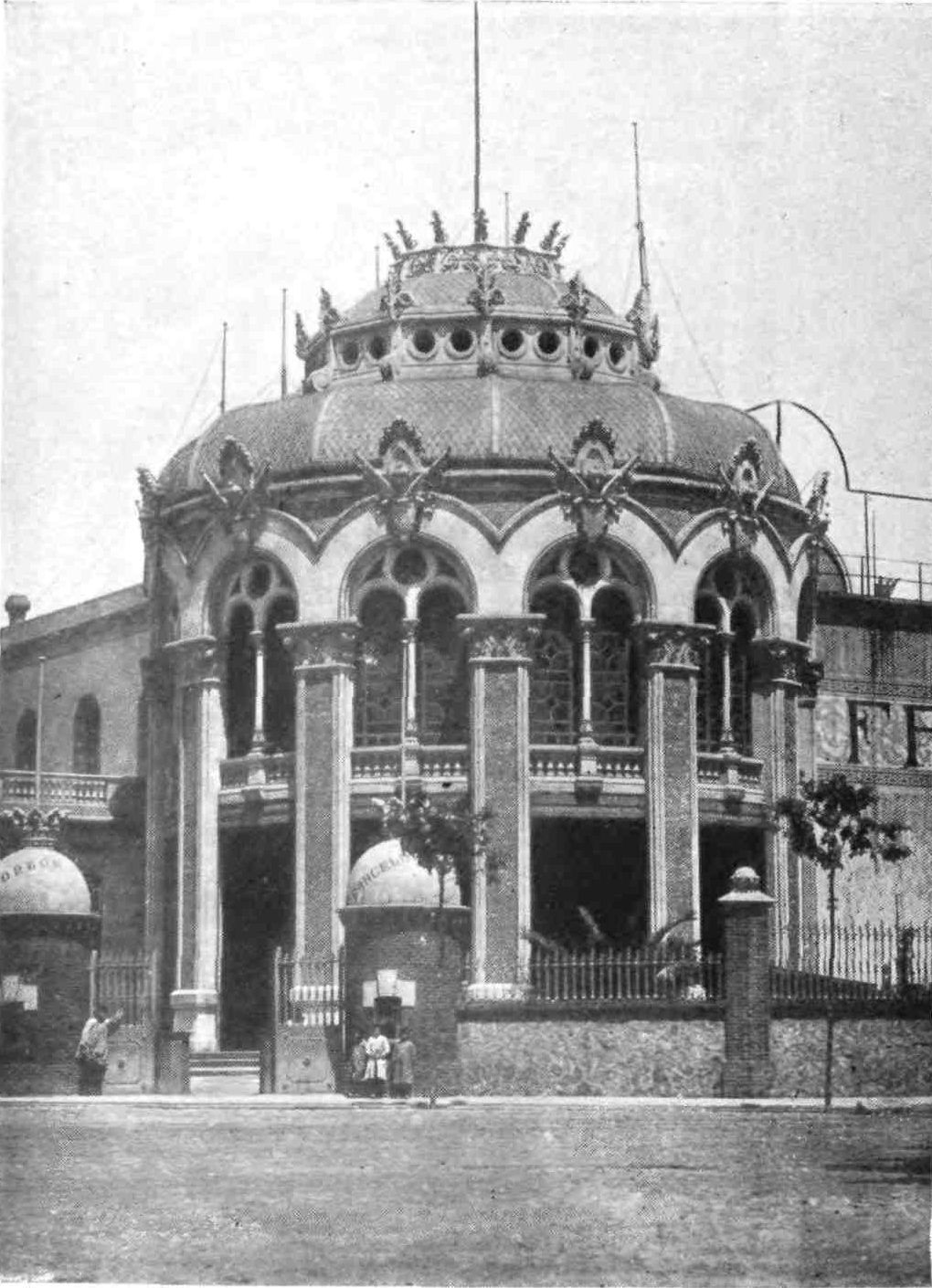
BARCELONA: FRONTÓN
Plate 125
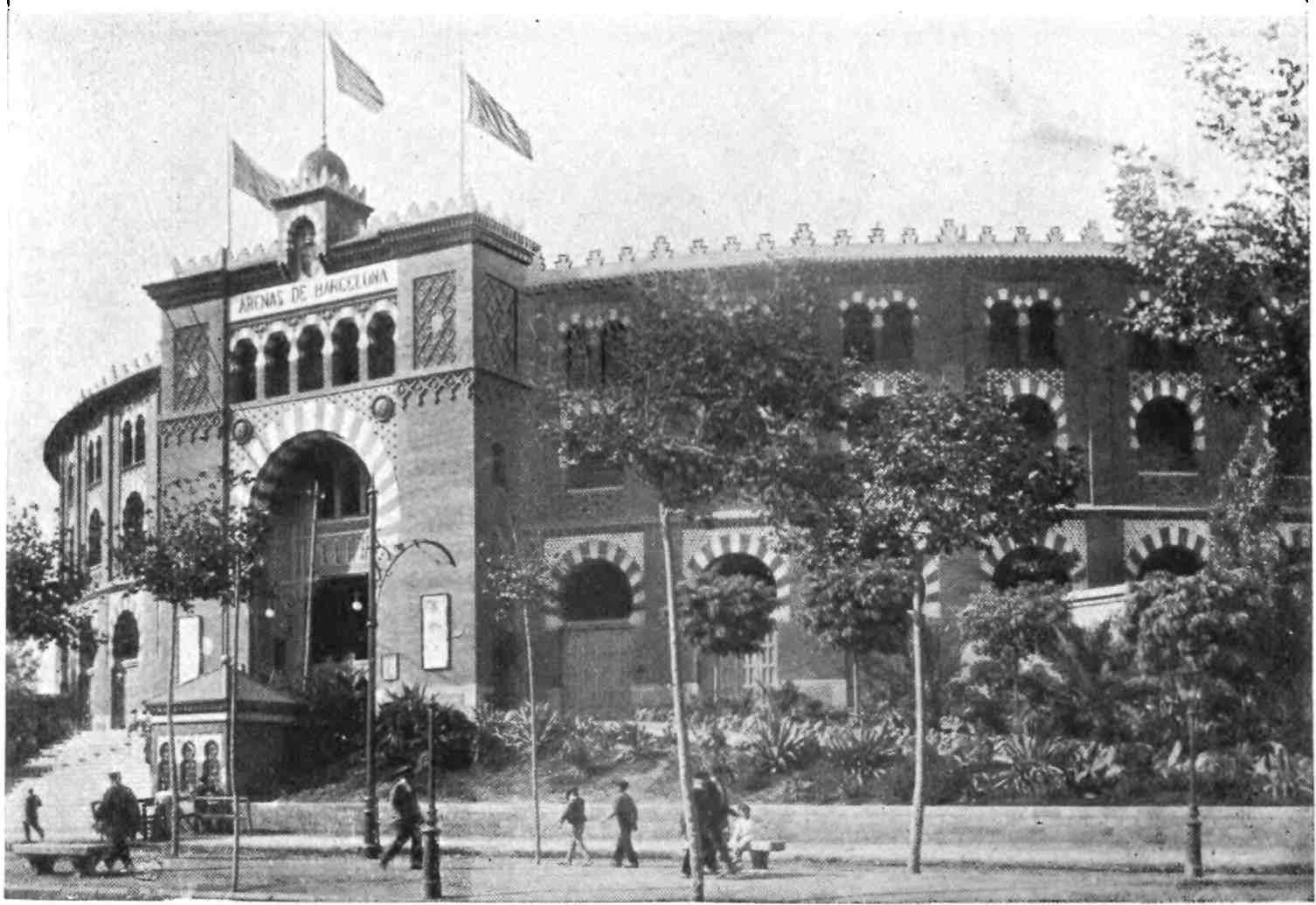
BARCELONA: THE BULL-RING
Plate 126
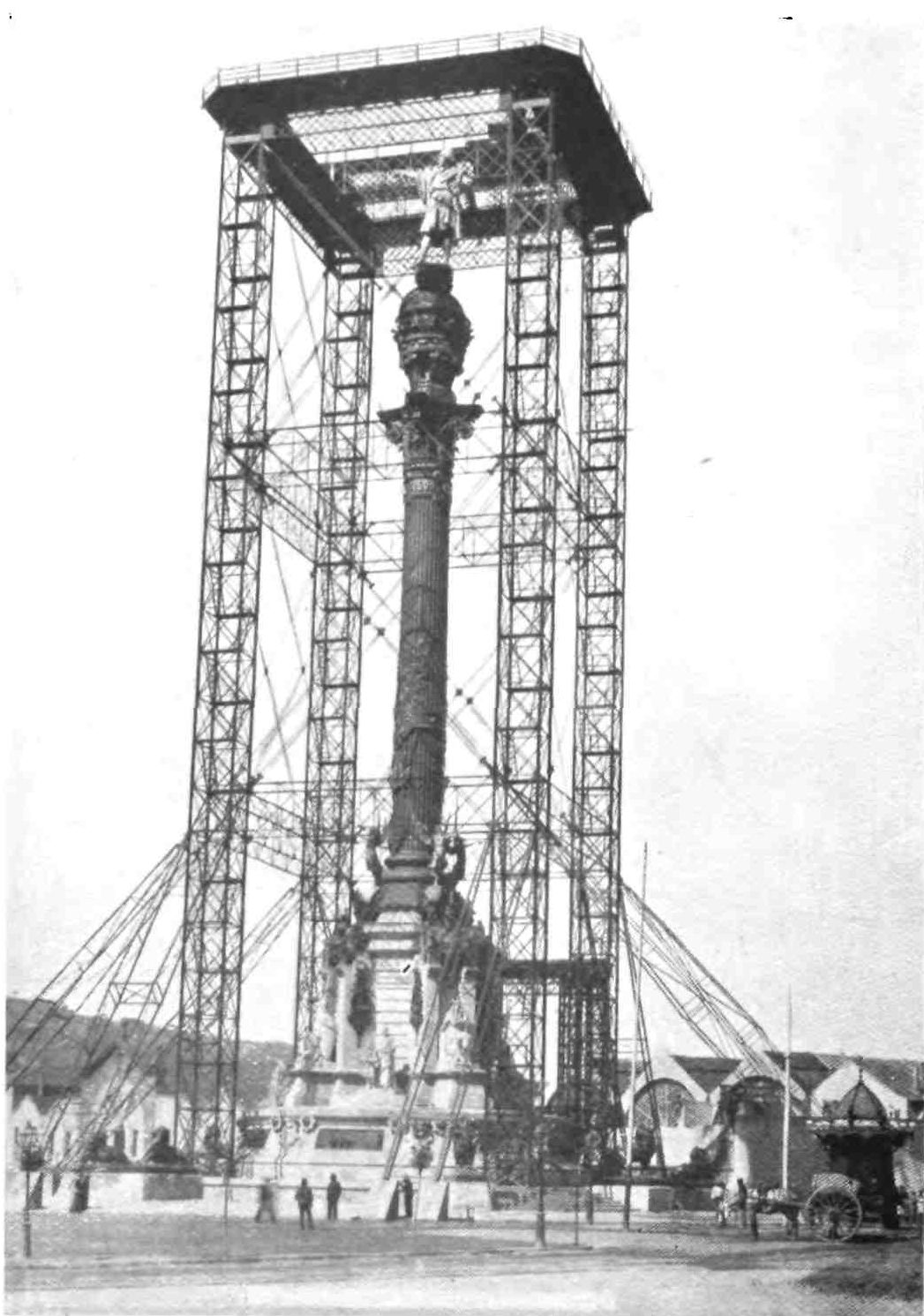
BARCELONA: MONUMENT TO COLUMBUS
Plate 127
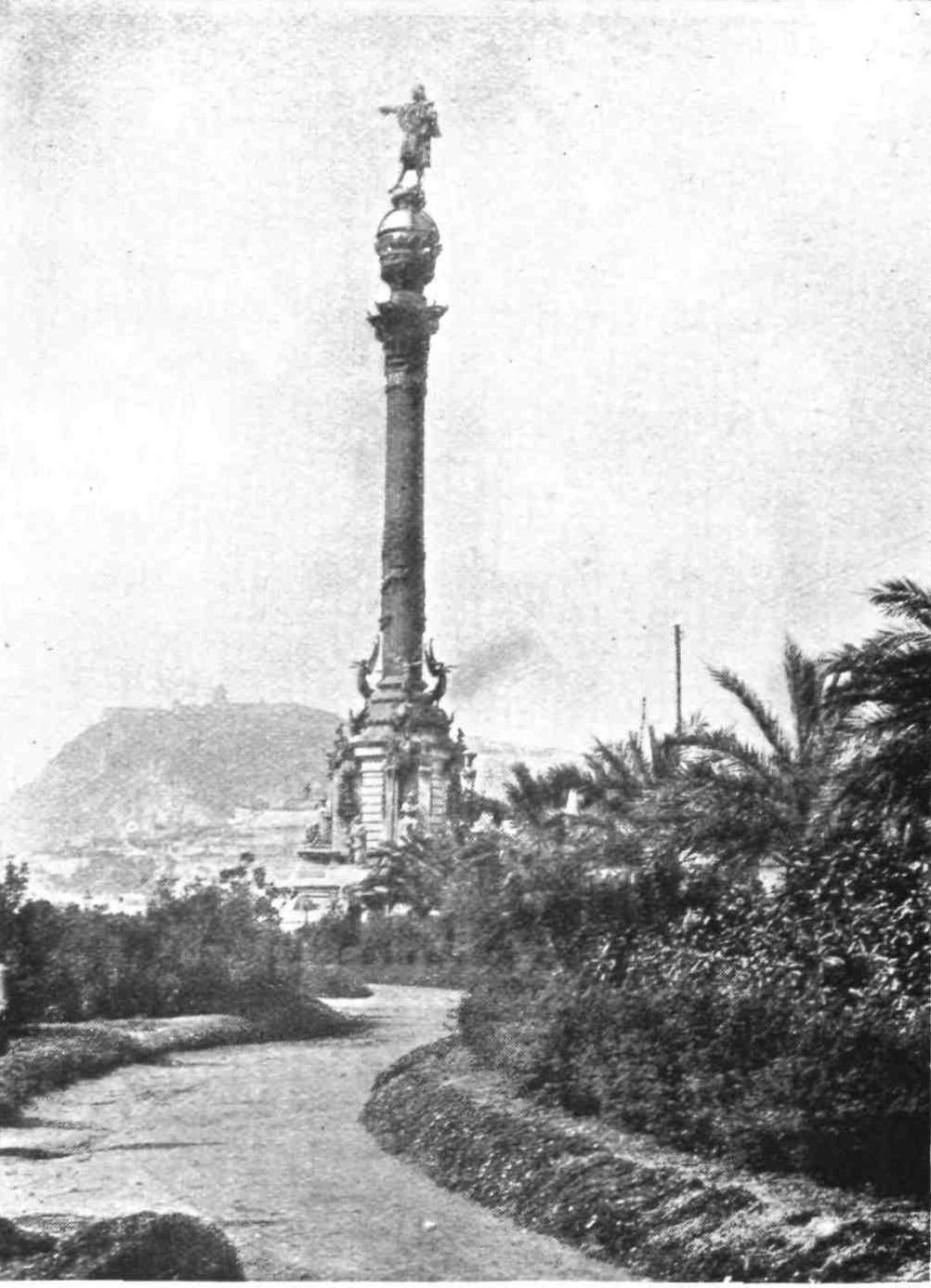
BARCELONA: MONUMENT TO COLUMBUS
Plate 128
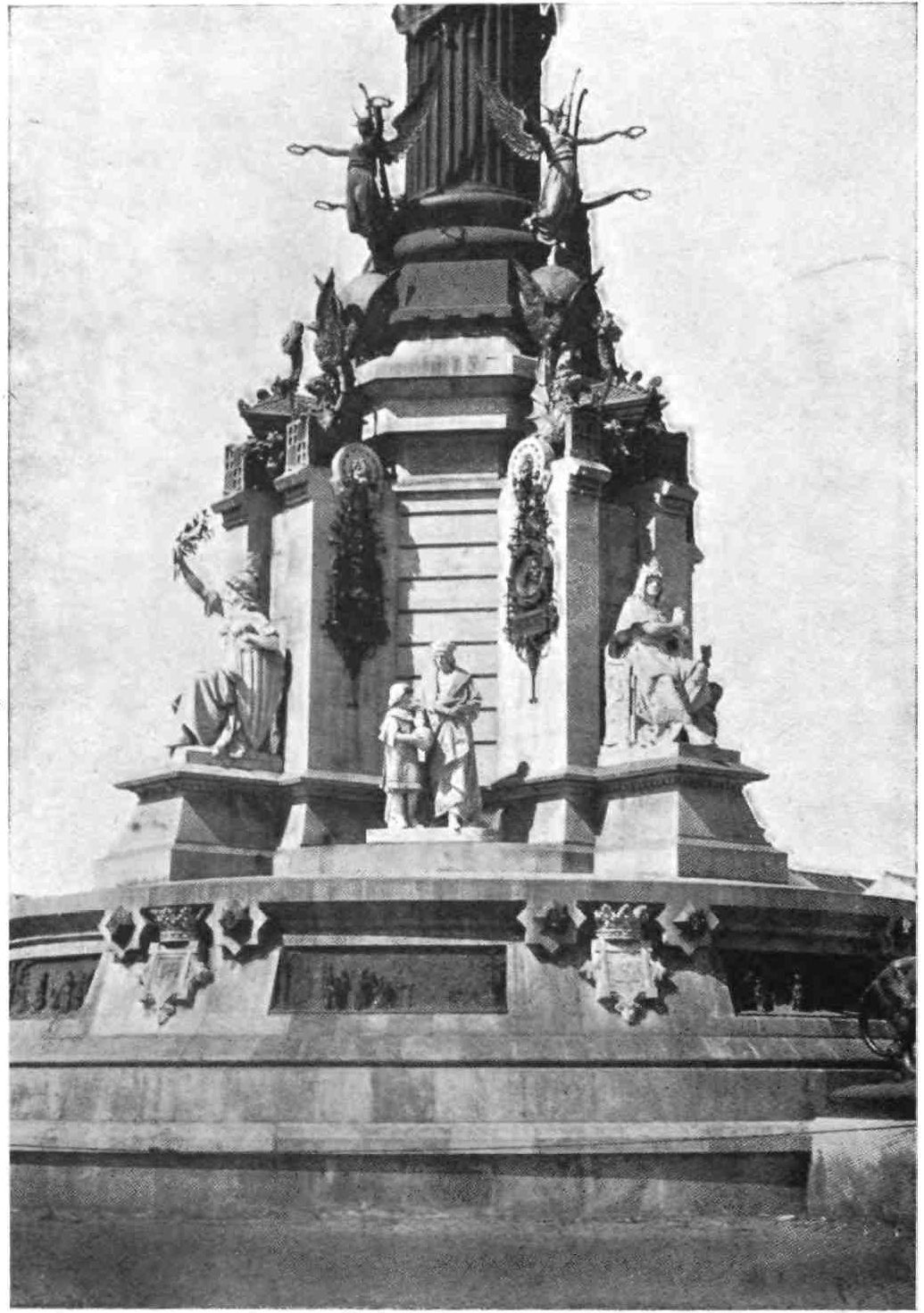
BARCELONA: DETAIL OF THE MONUMENT TO COLUMBUS
Plate 129
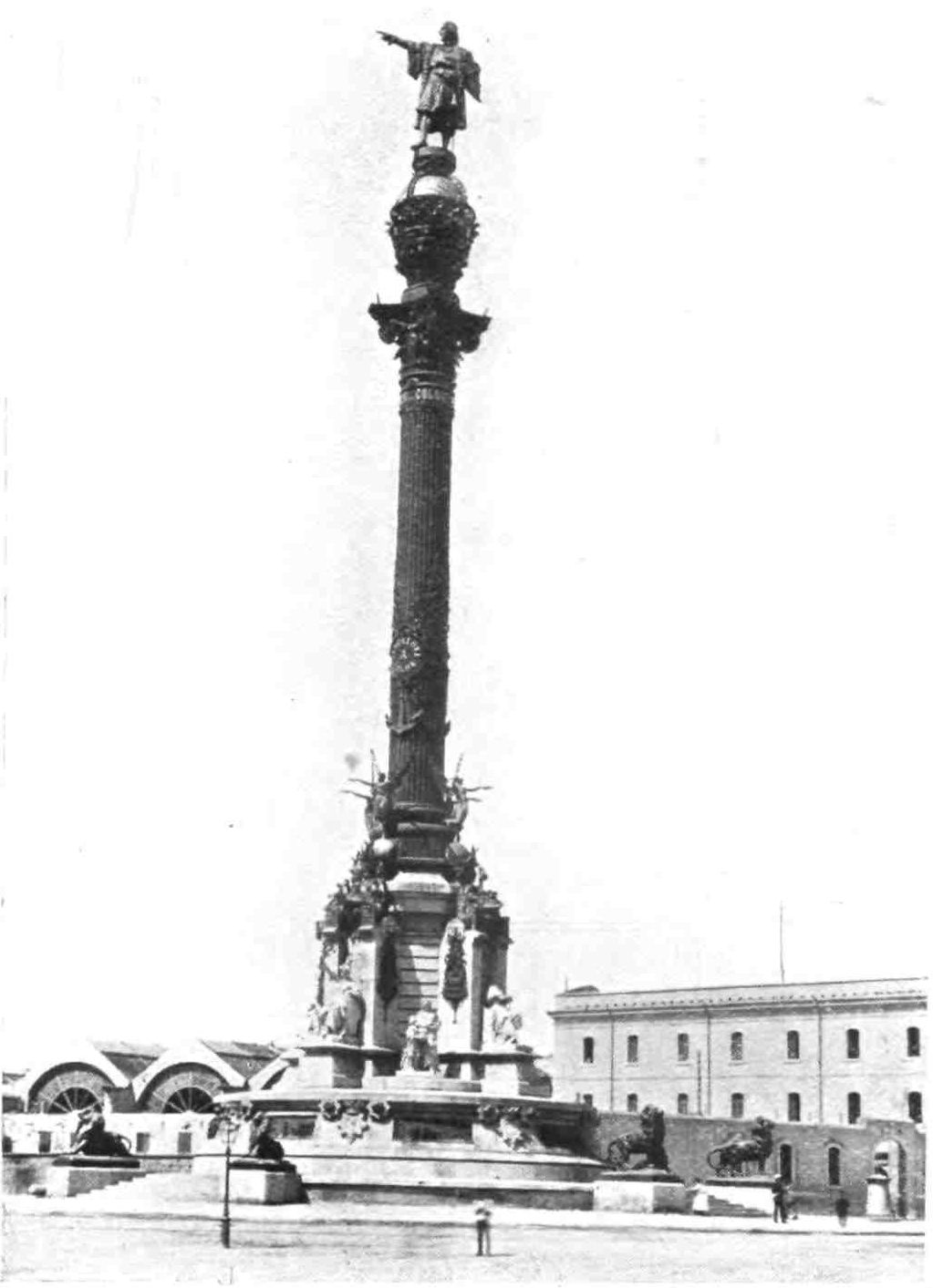
BARCELONA: MONUMENT TO COLUMBUS
Plate 130
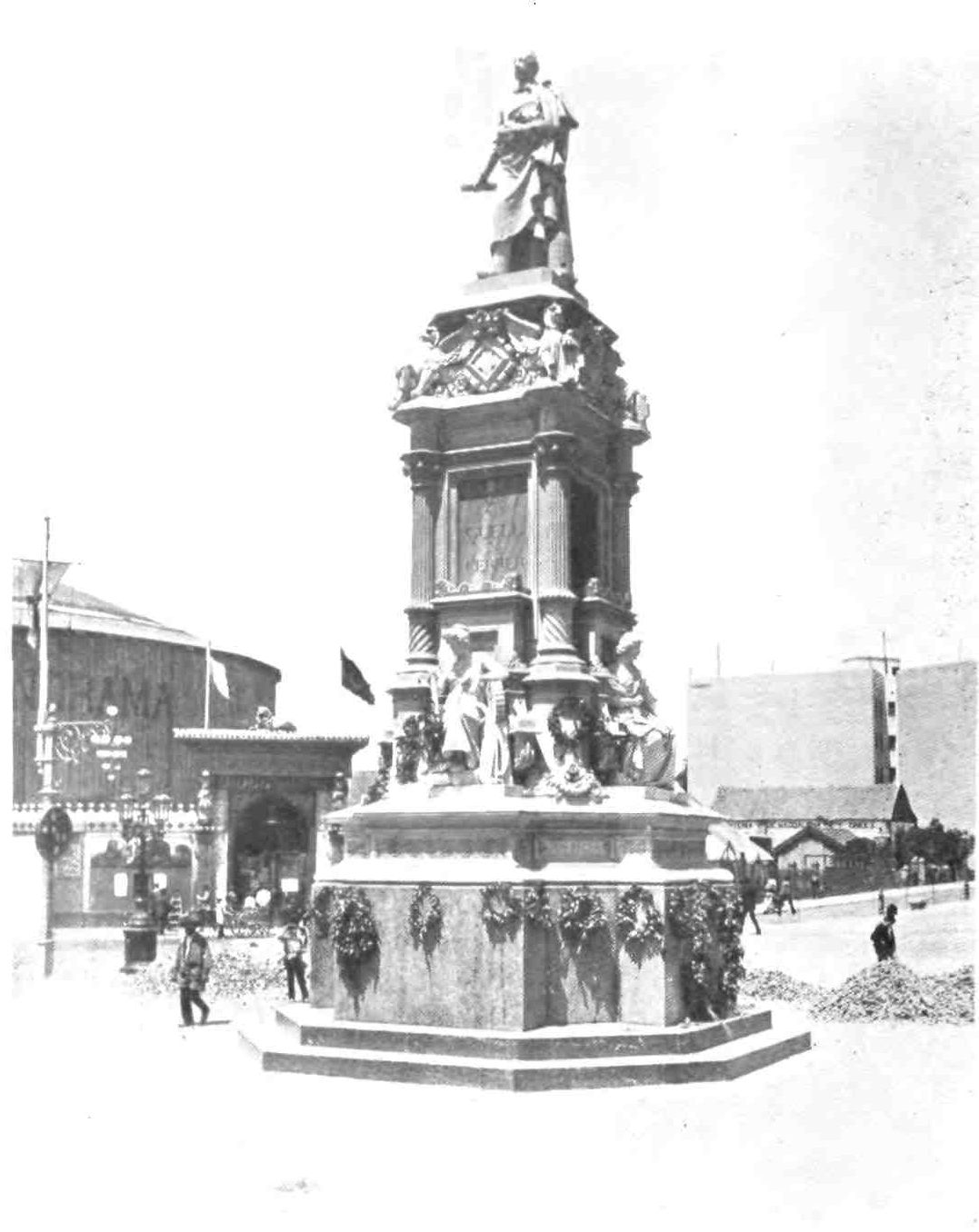
BARCELONA: MONUMENT TO GÜELL
Plate 131
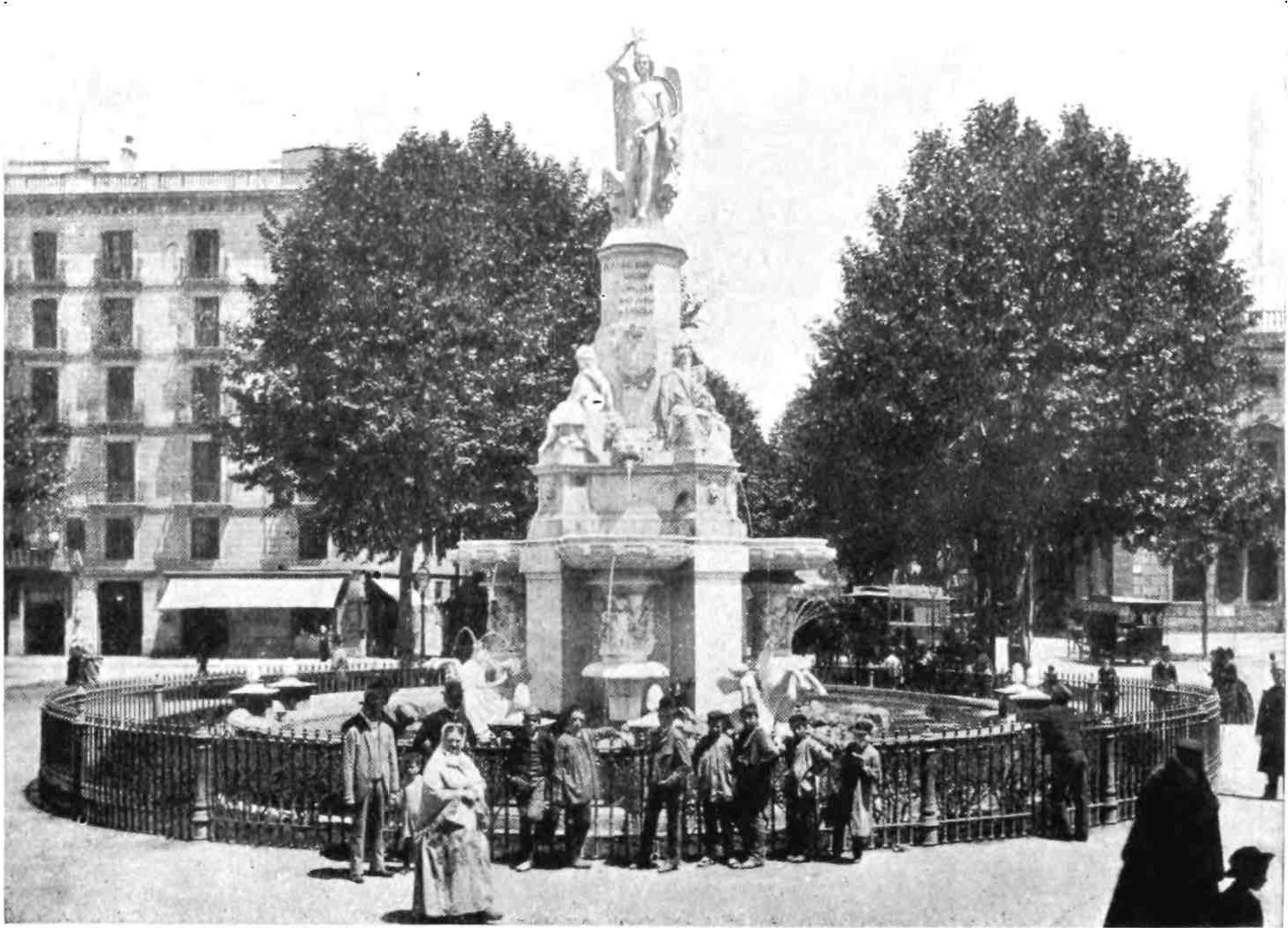
BARCELONA: FOUNTAIN IN THE PLAZA DE PALACIO
Plate 132
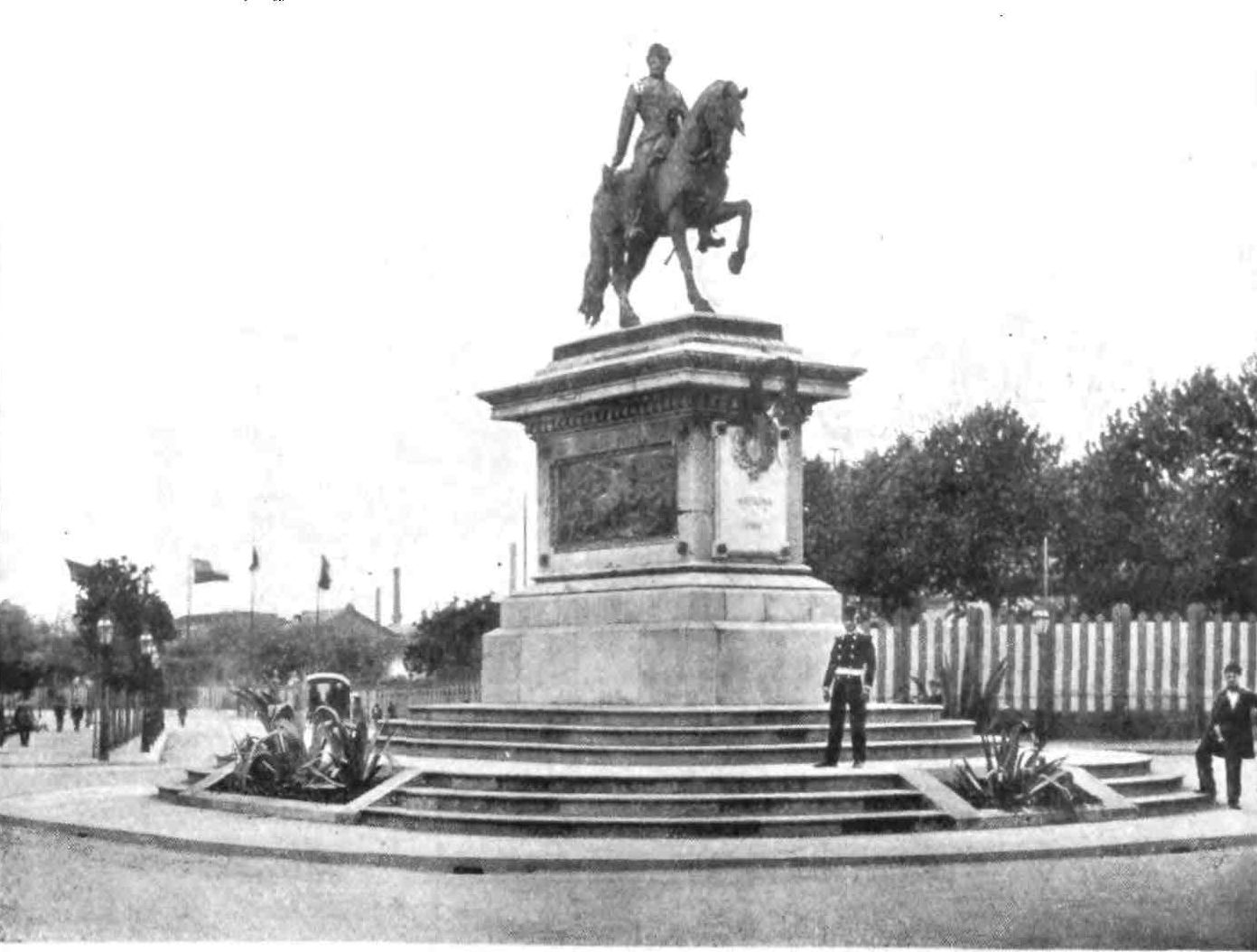
BARCELONA: STATUE OF GENERAL PRIM
Plate 133
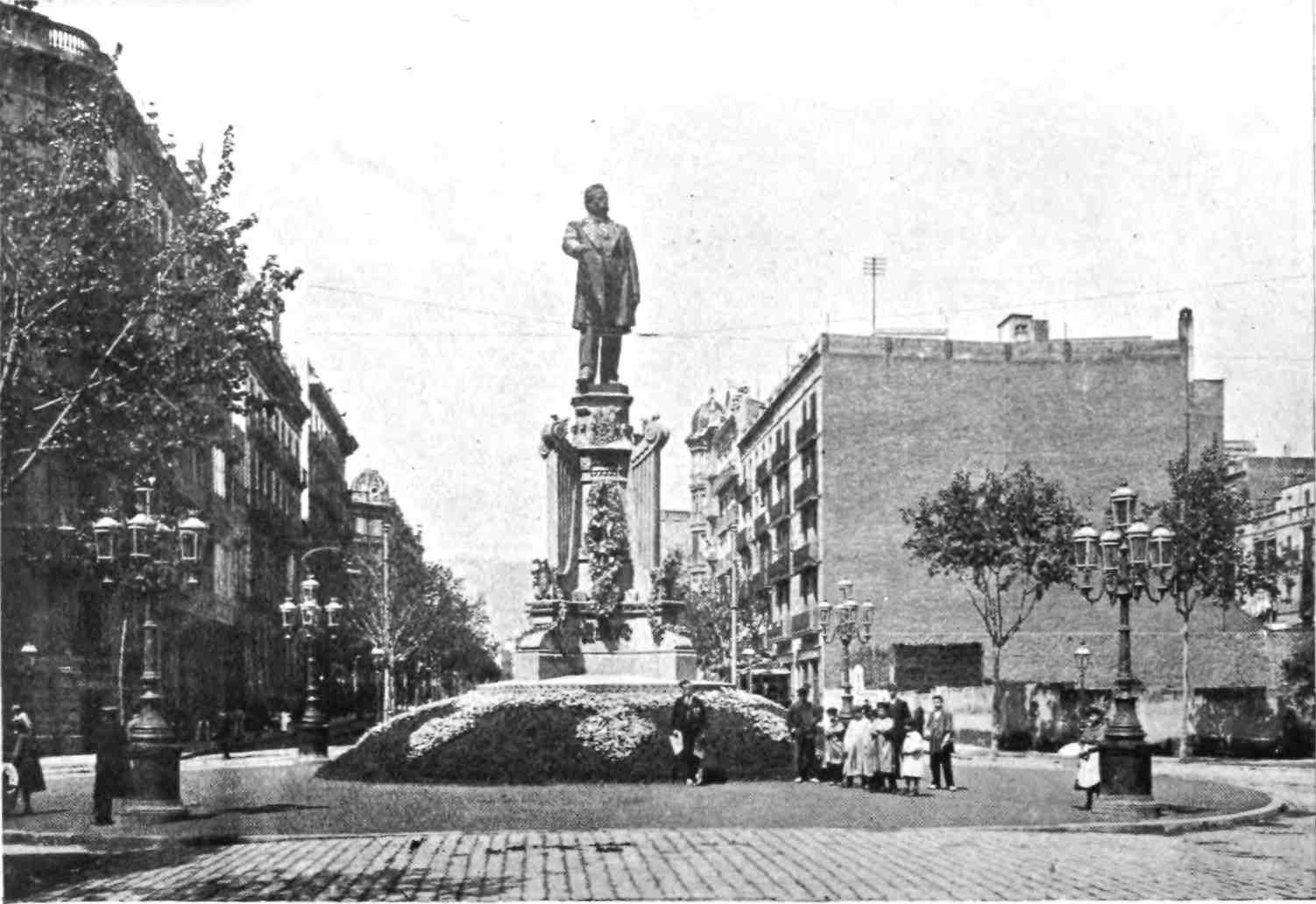
BARCELONA: RAMBLA DE CATALUÑA, MONUMENT TO CLAVÉ
Plate 134
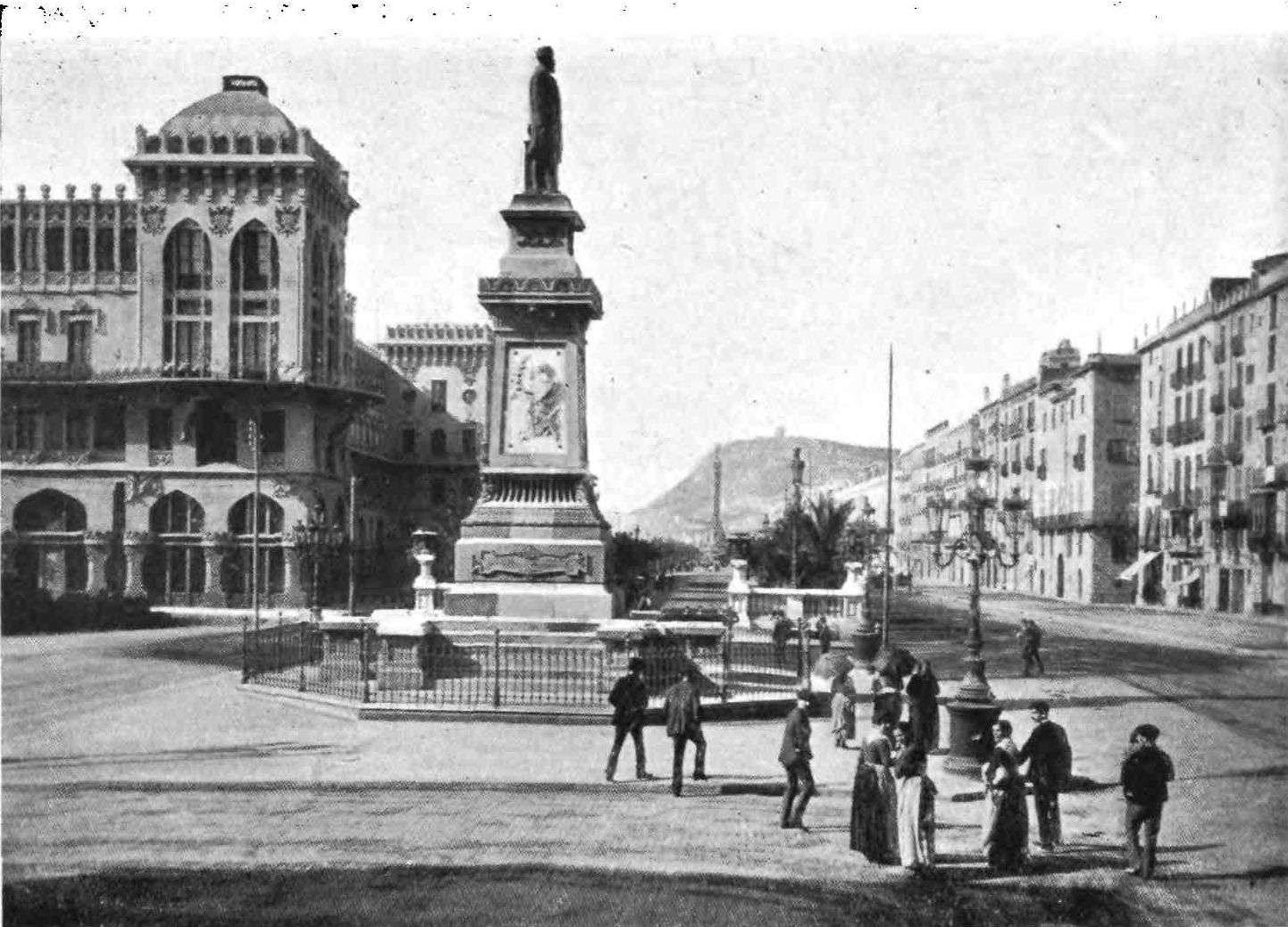
BARCELONA: STATUE OF LOPEZ, AND PASEO DE COLÓN
Plate 135
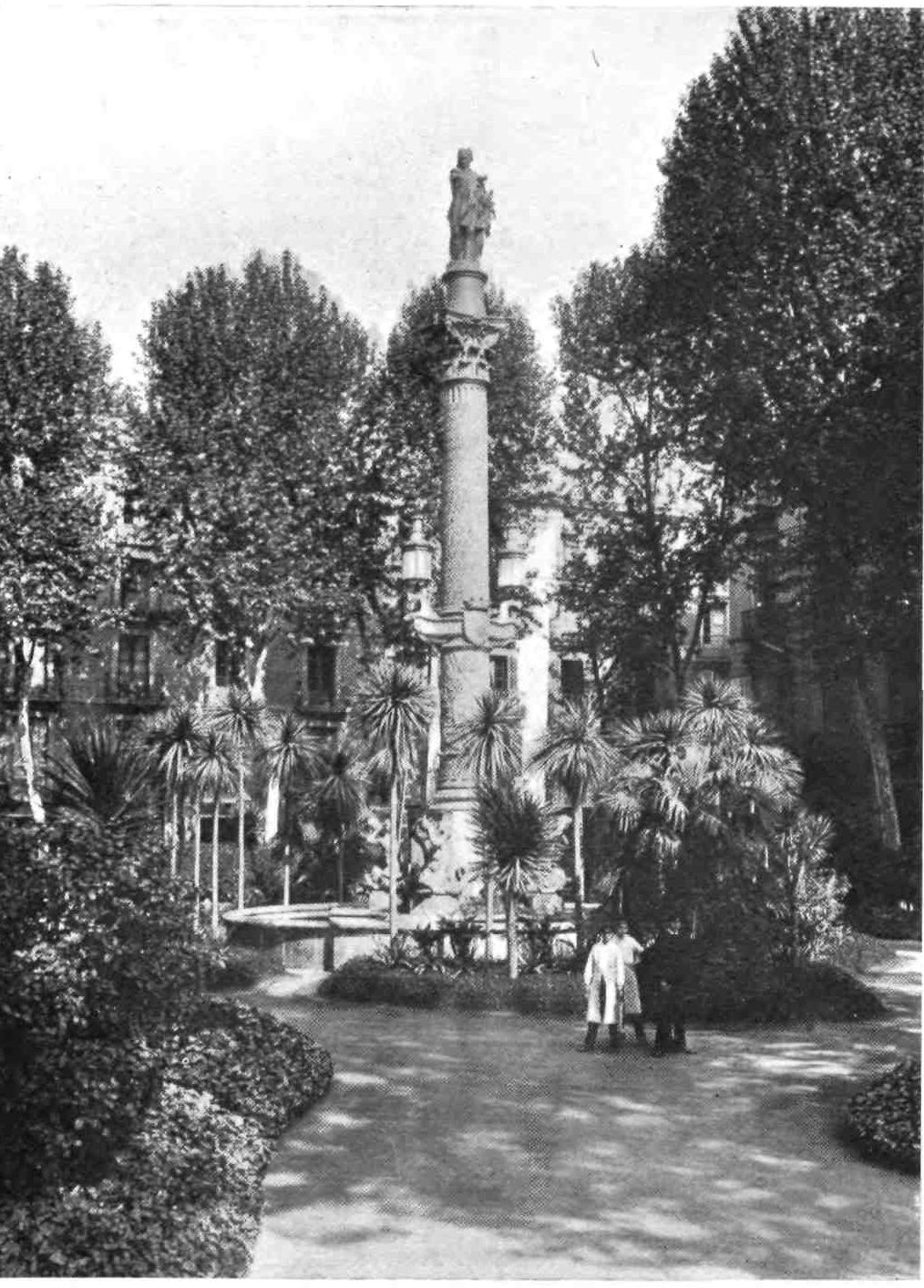
BARCELONA: PLAZA DEL DUQUE DE MEDINACELLI
Plate 136
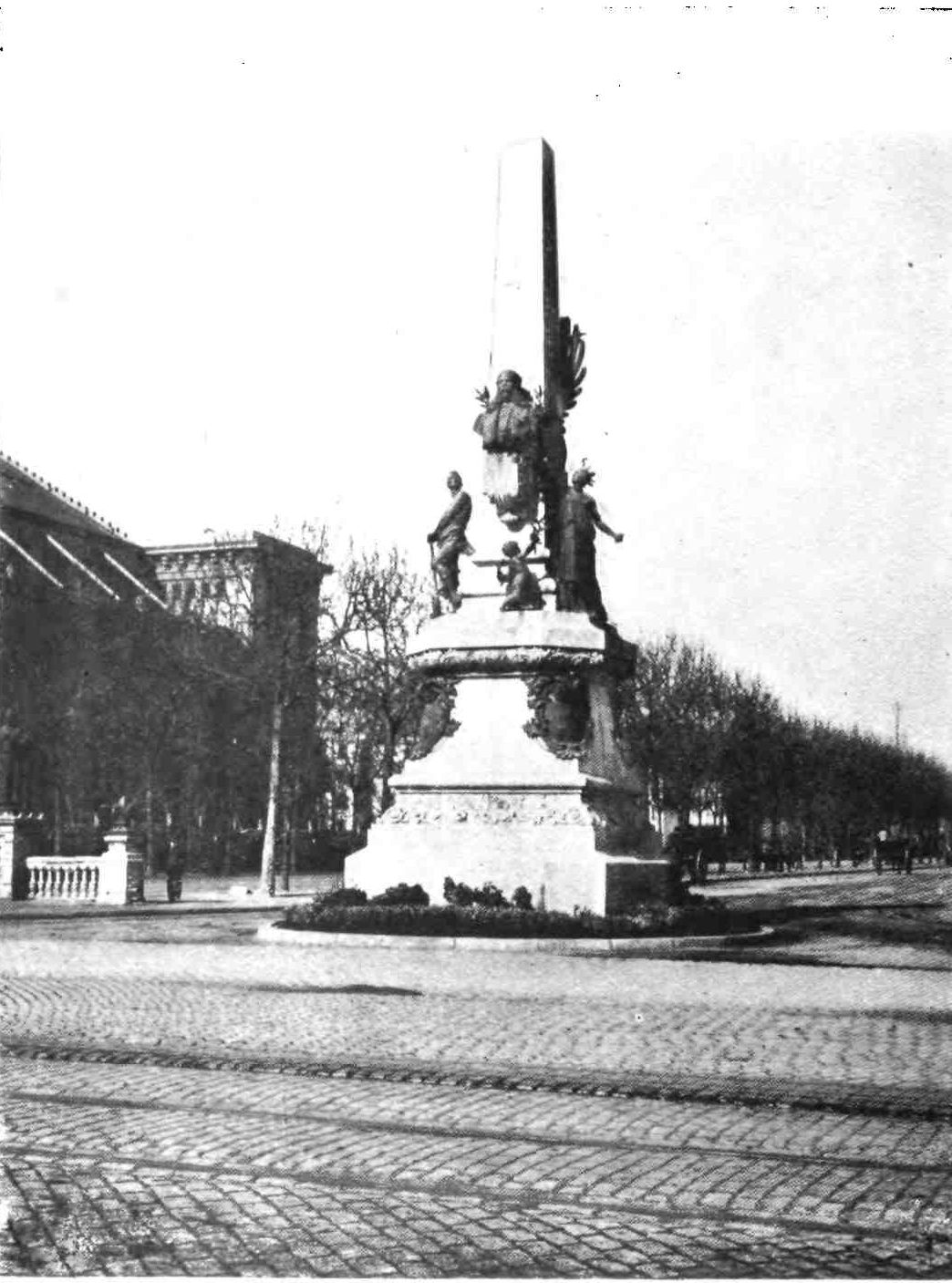
BARCELONA: MONUMENT TO RUIS AND TOULET
Plate 137
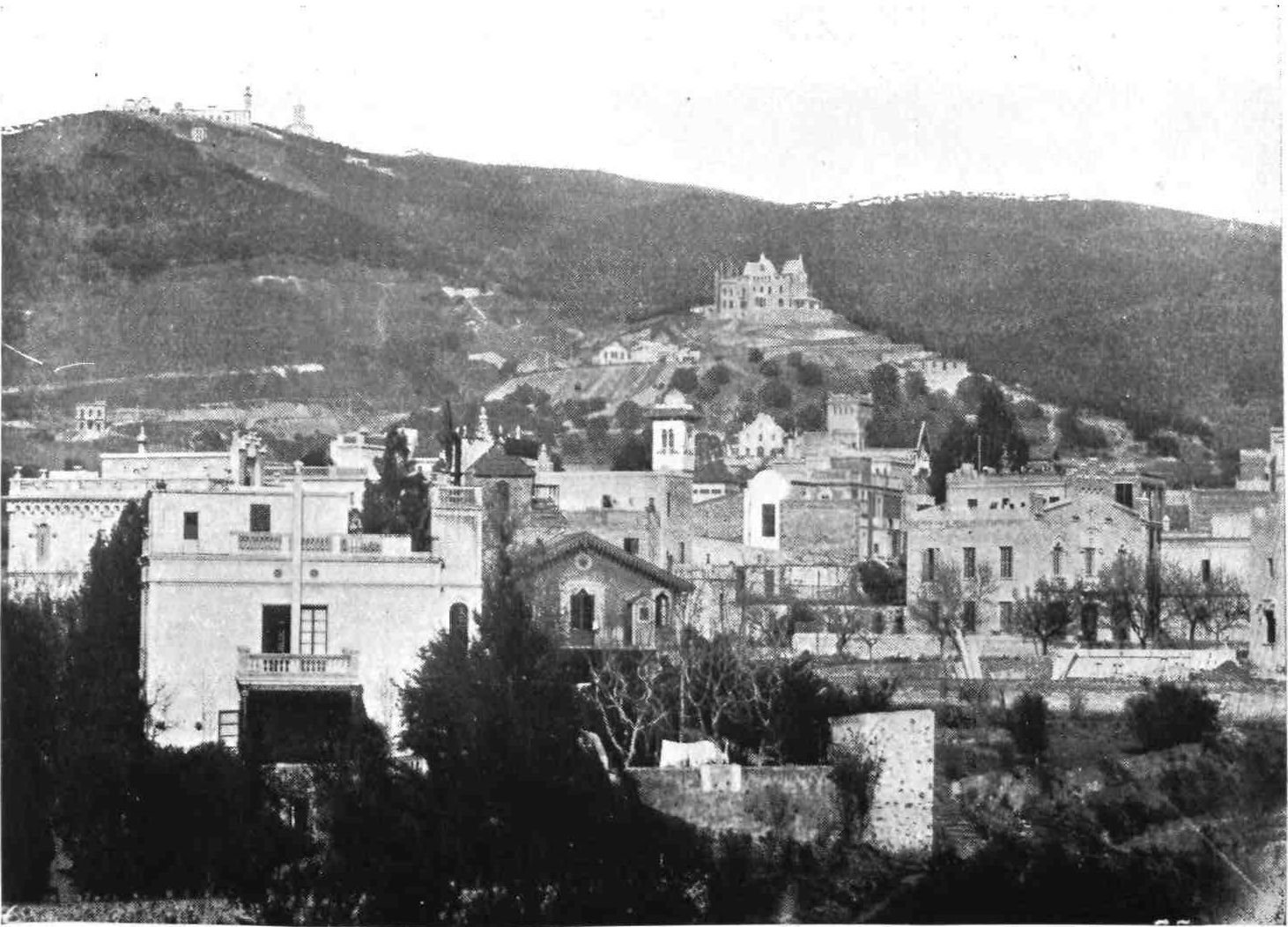
BARCELONA: VIEW OF TIBIDABO
Plate 138
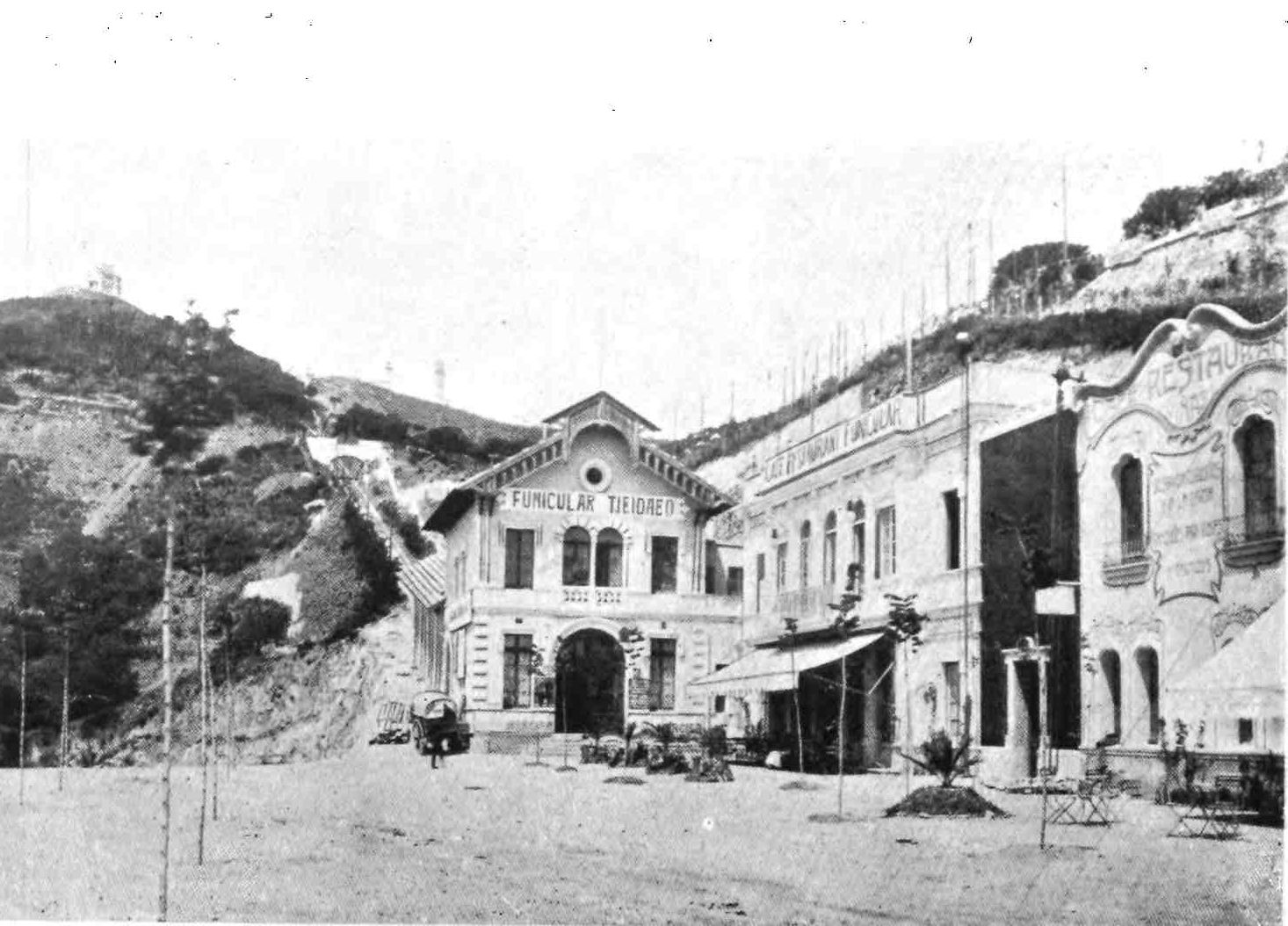
BARCELONA: FUNICULAR RAILWAY STATION, TIBIDABO
Plate 139
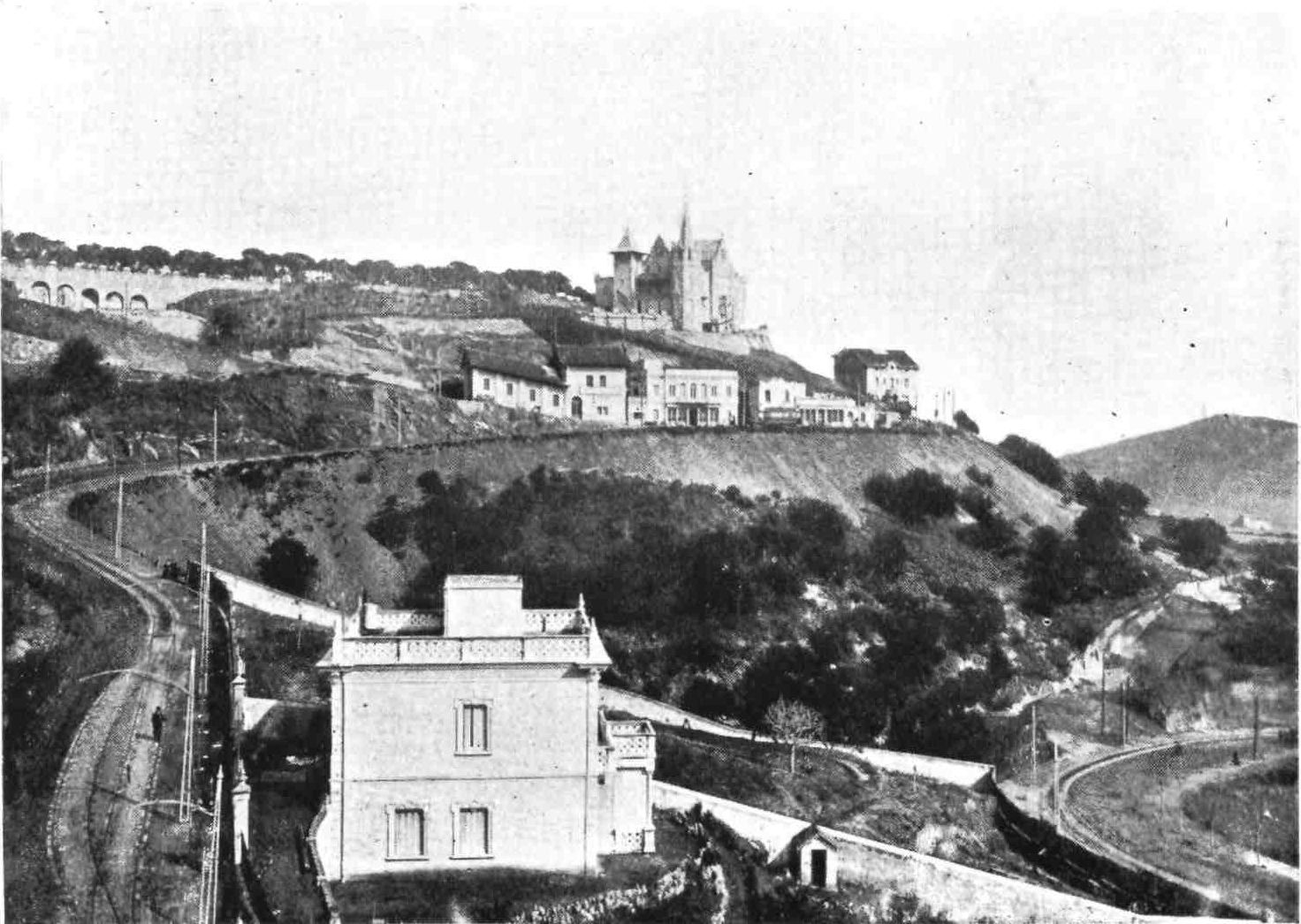
BARCELONA: TIBIDABO STATION AND CASA ARNUS
Plate 140
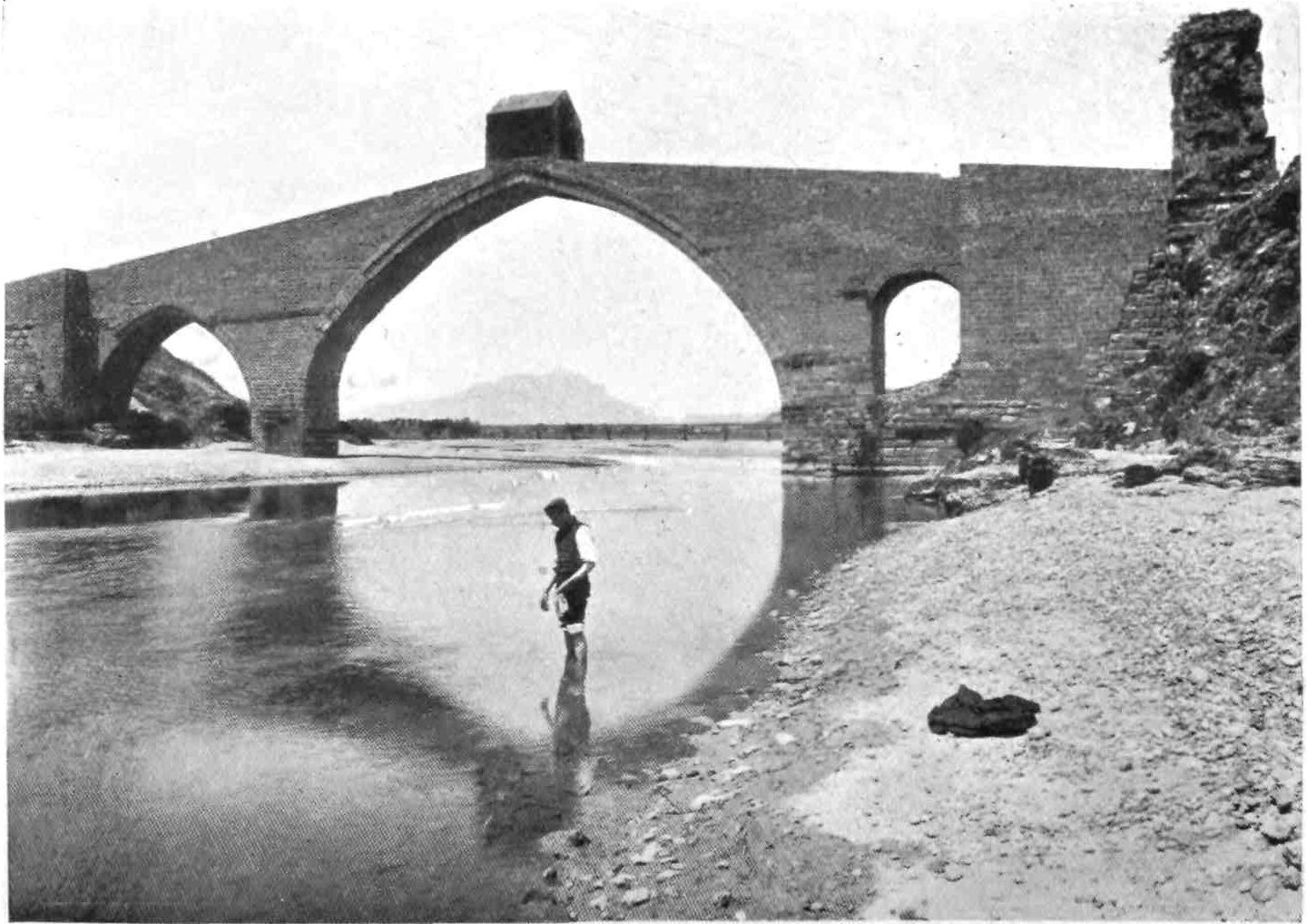
BARCELONA: THE DEVIL’S BRIDGE AT MARTORELL
Plate 141
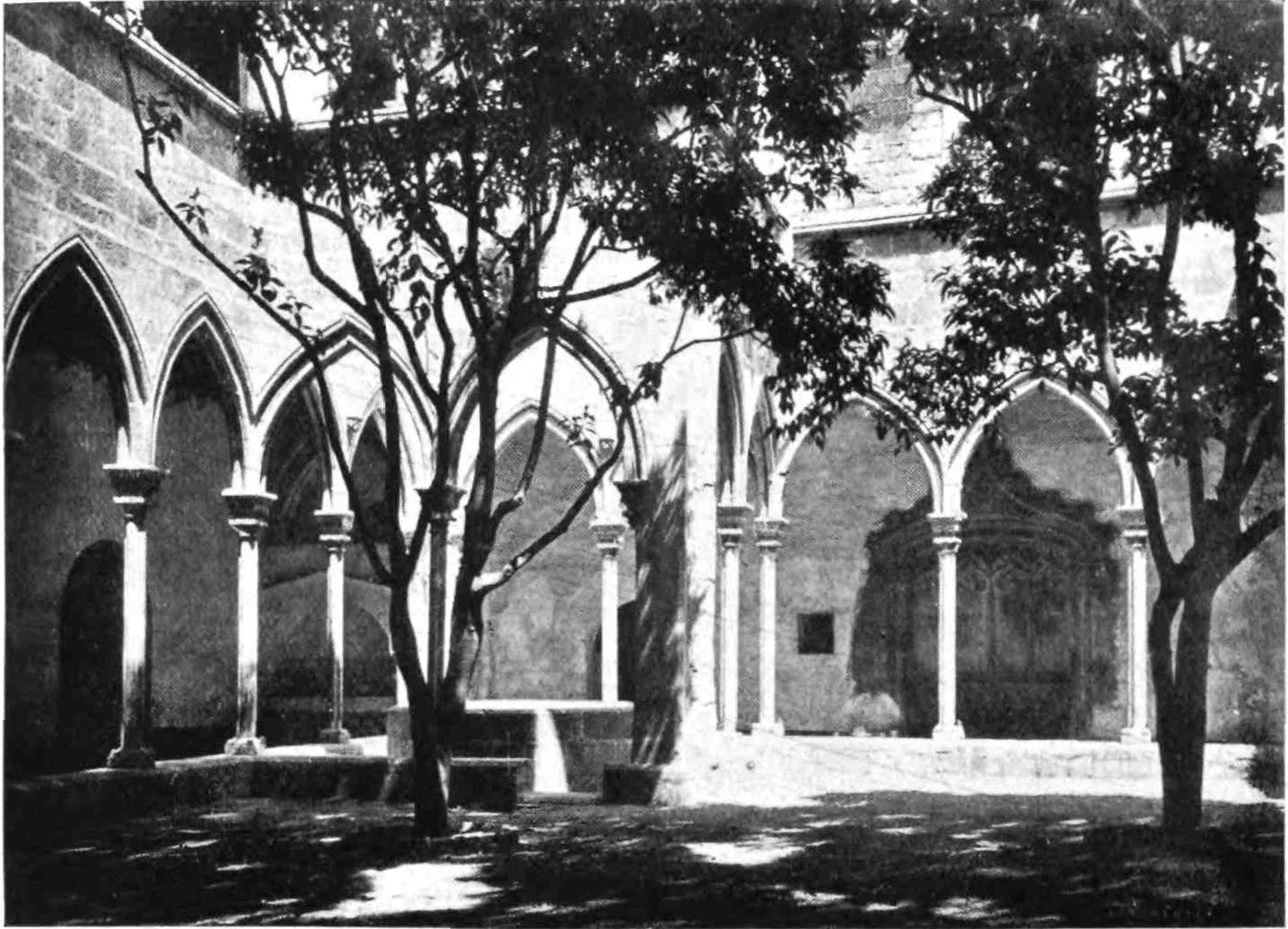
BARCELONA: INTERIOR COURT OF THE CONVENT OF MONTESION
Plate 142
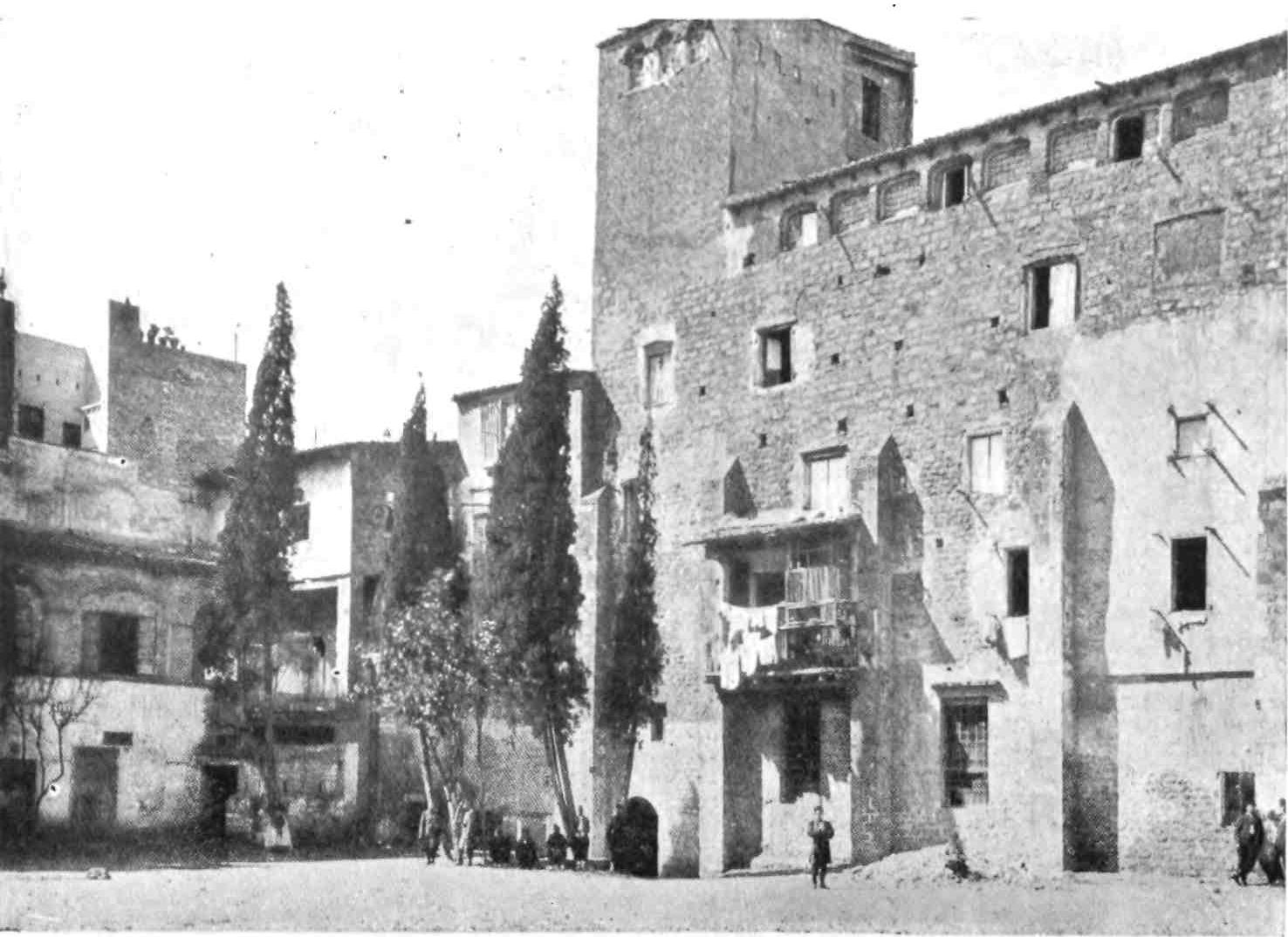
BARCELONA: EXTERIOR OF THE CONVENT OF MONTESION
Plate 143
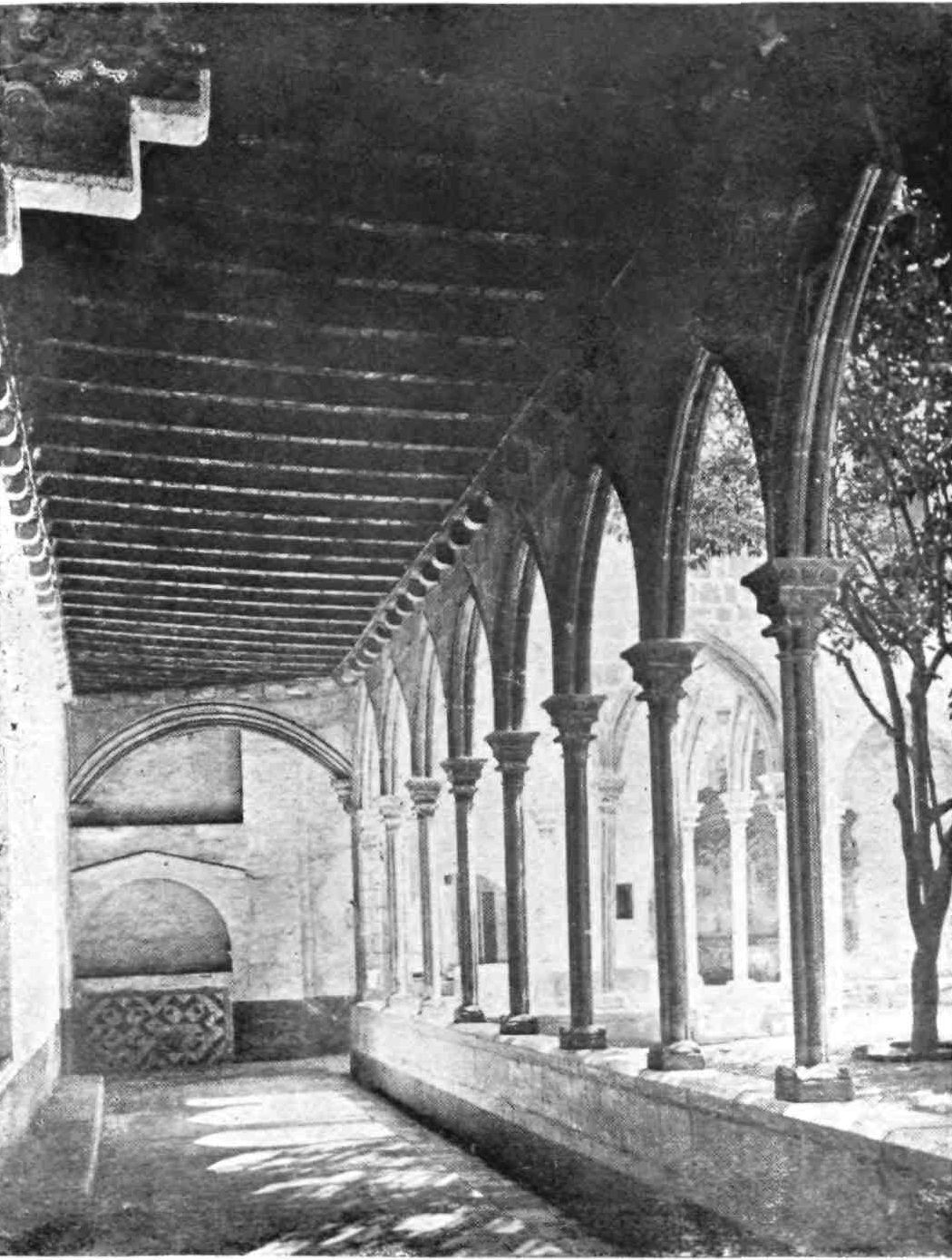
BARCELONA: CONVENT OF MONTESION CLOISTERS
Plate 144
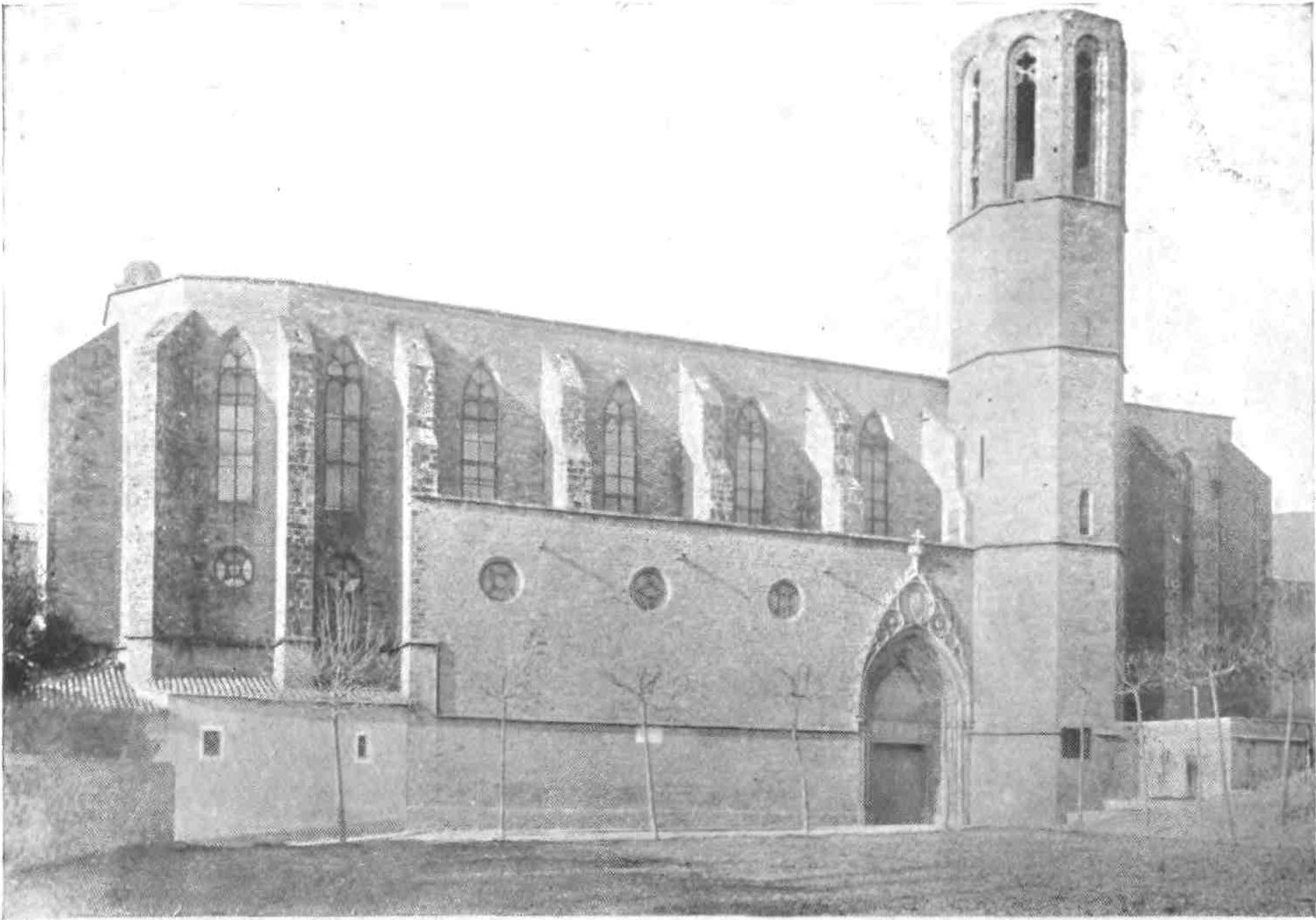
MONASTERY OF PEDRALVES, NEAR BARCELONA
Plate 145
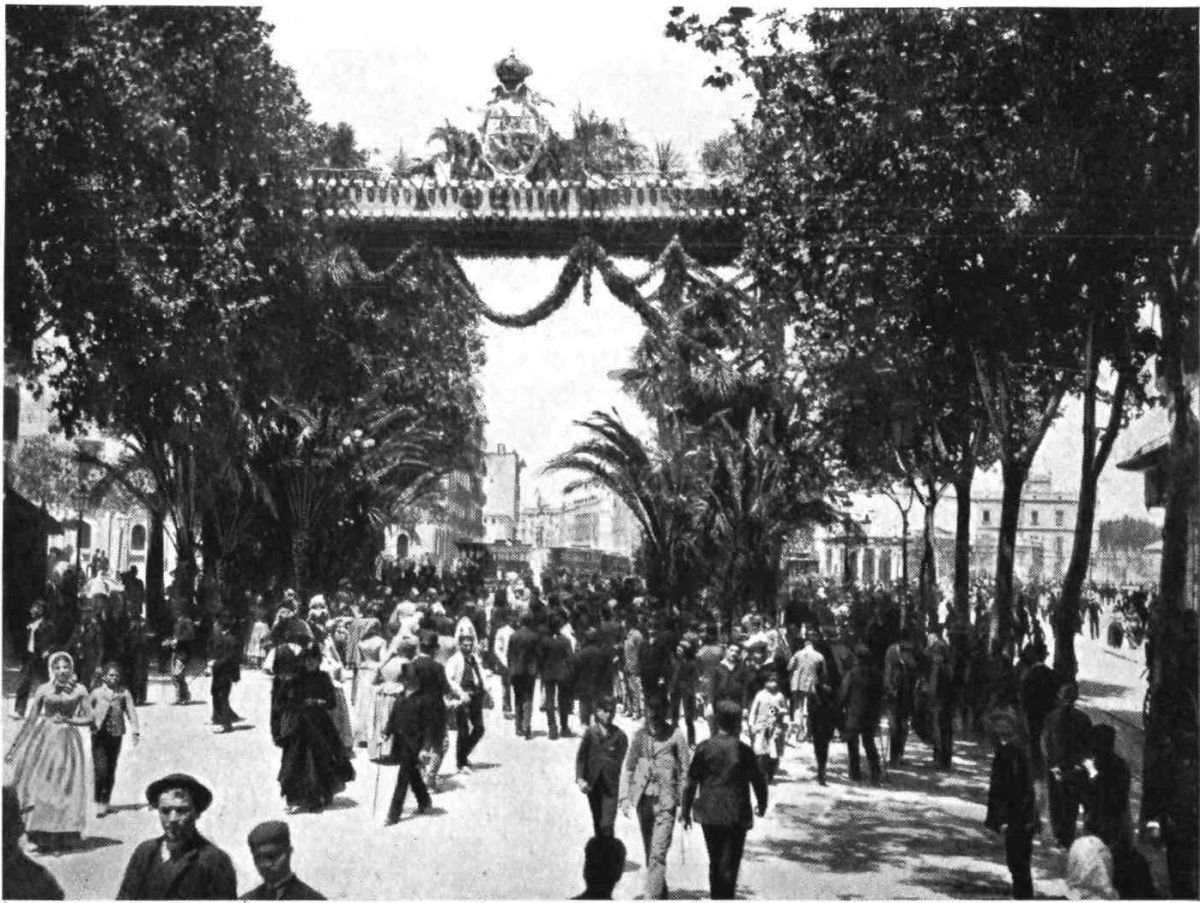
BARCELONA: RAMBLA DE CANALETAS DURING THE FÊTES OF 1888
Plate 146
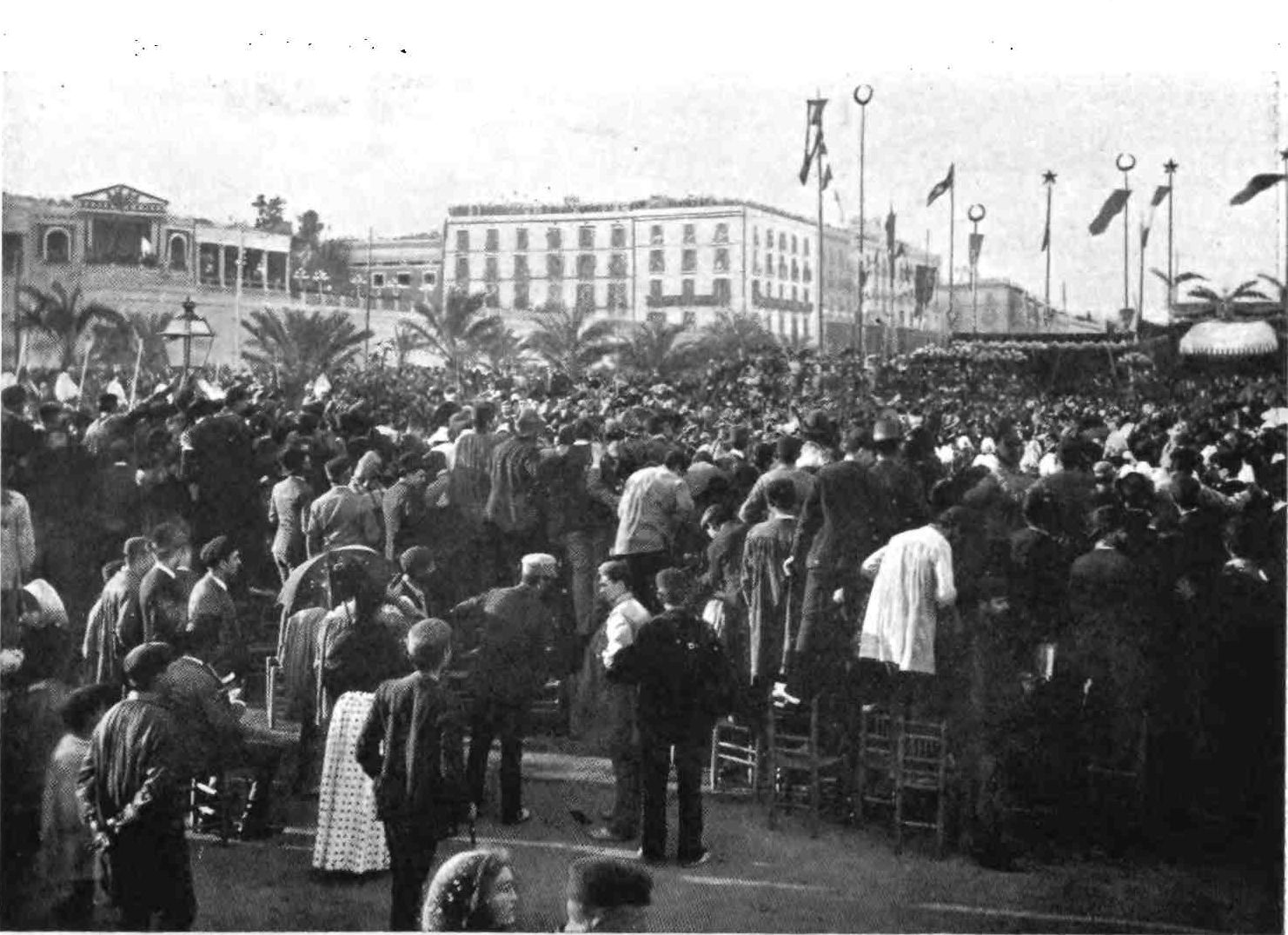
BARCELONA: THE FÊTES OF 1888. INAUGURATION OF THE MONUMENT TO COLUMBUS
Plate 147
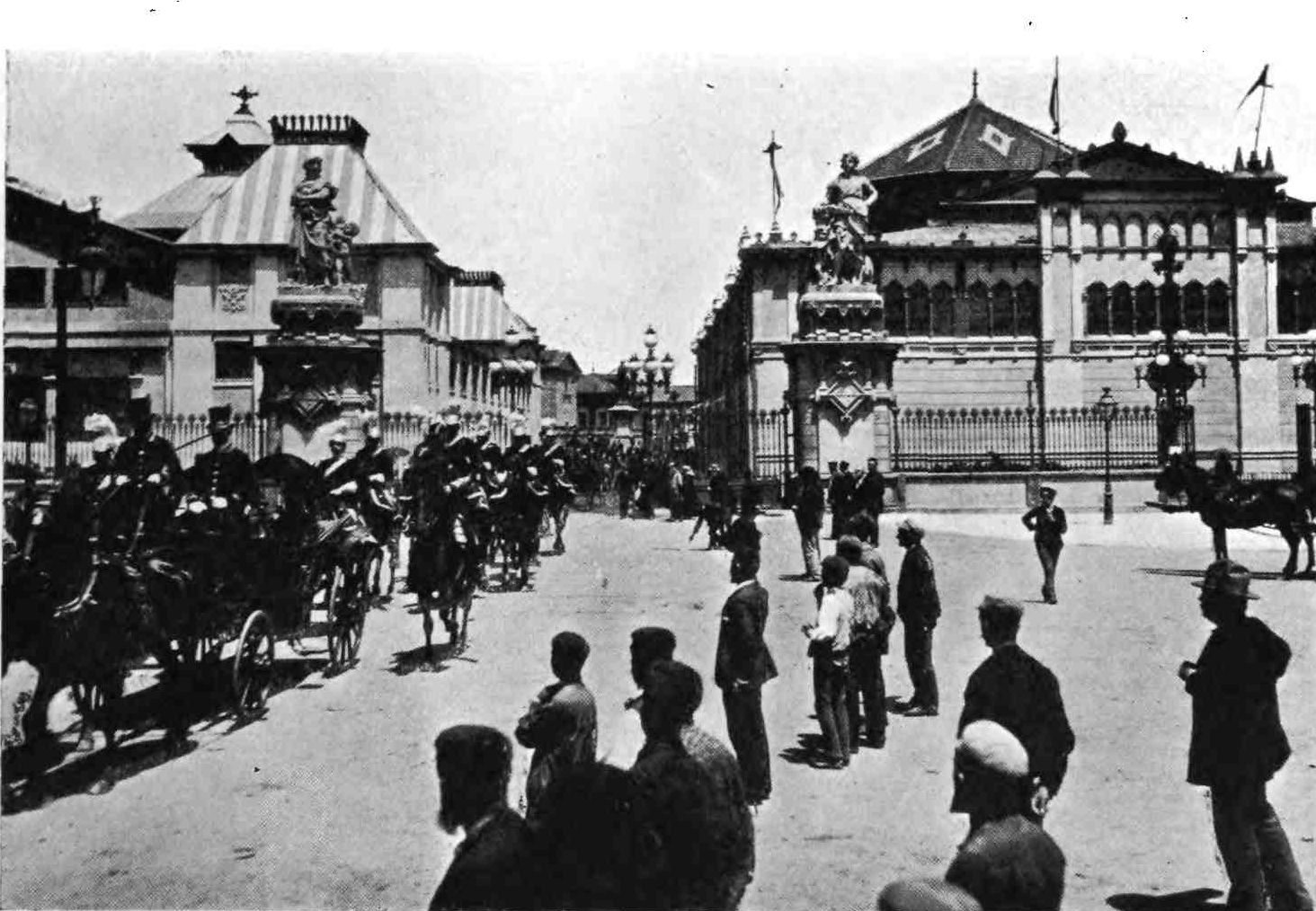
BARCELONA: EXHIBITION OF 1888. H.M. THE QUEEN LEAVING THE EXHIBITION
Plate 148
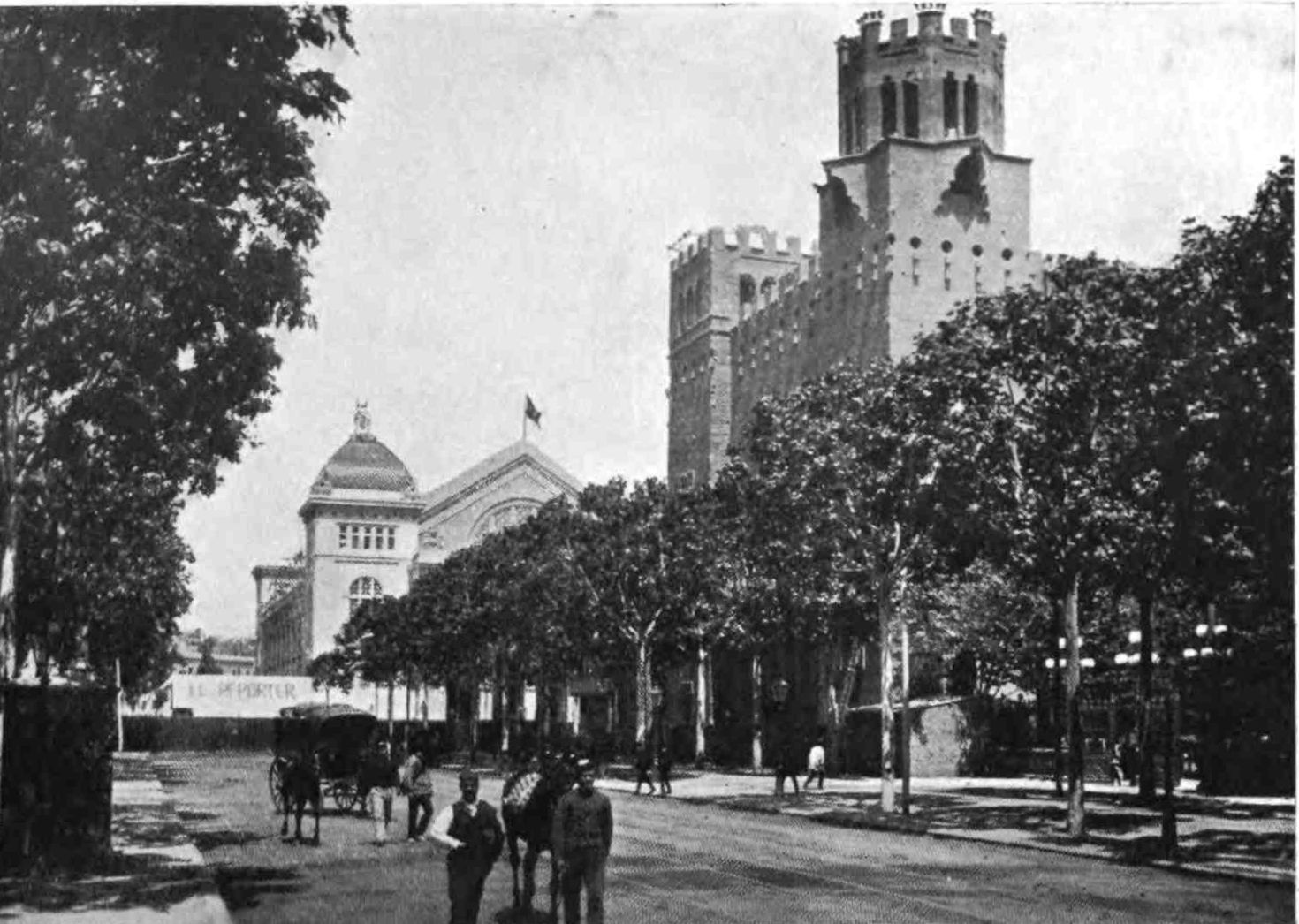
BARCELONA: EXHIBITION OF 1888. PALACE OF BEAUX-ARTS
Plate 149
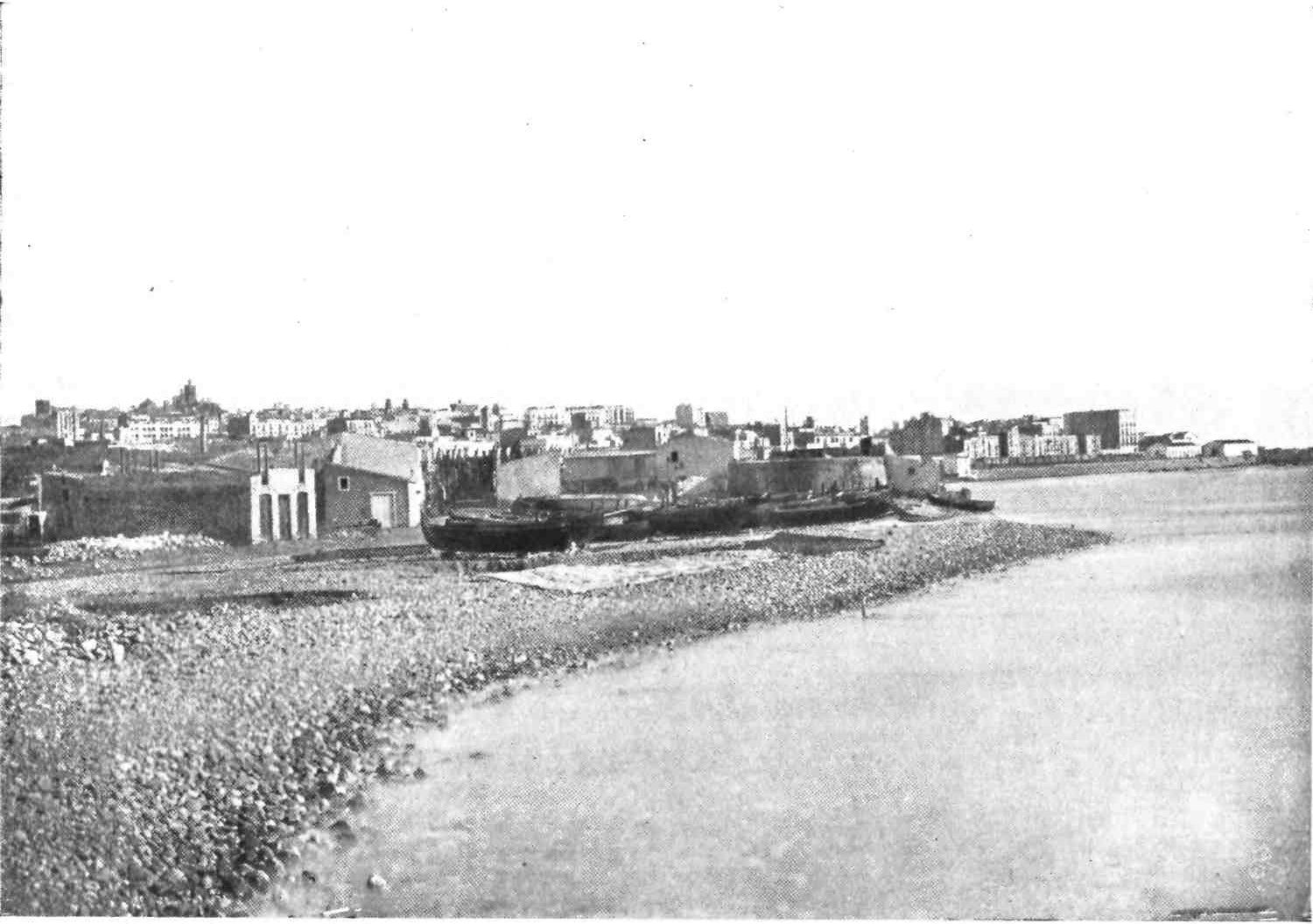
GENERAL VIEW OF TARRAGONA
Plate 150
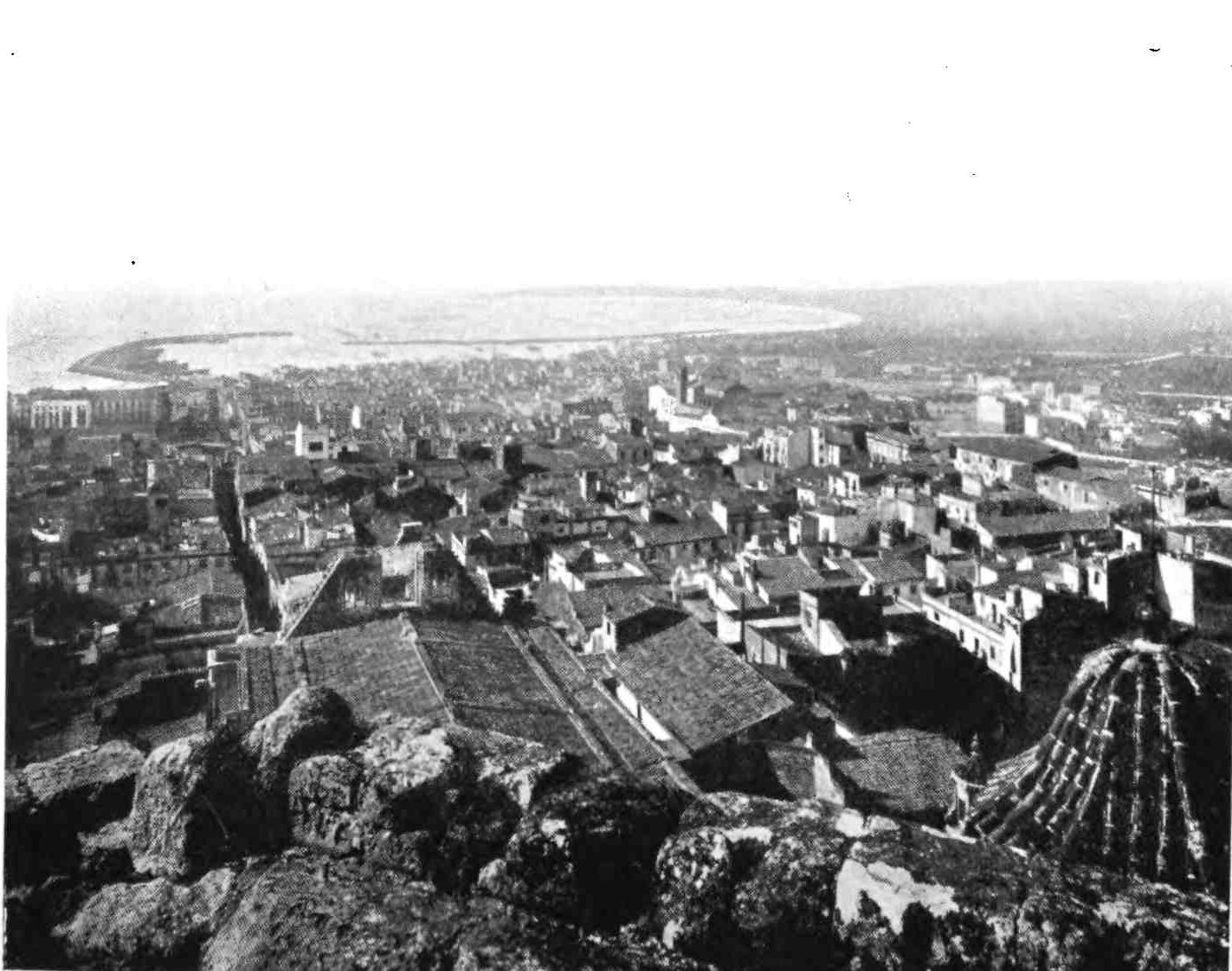
TARRAGONA: GENERAL VIEW FROM THE CATHEDRAL, LOOKING SOUTH
Plate 151
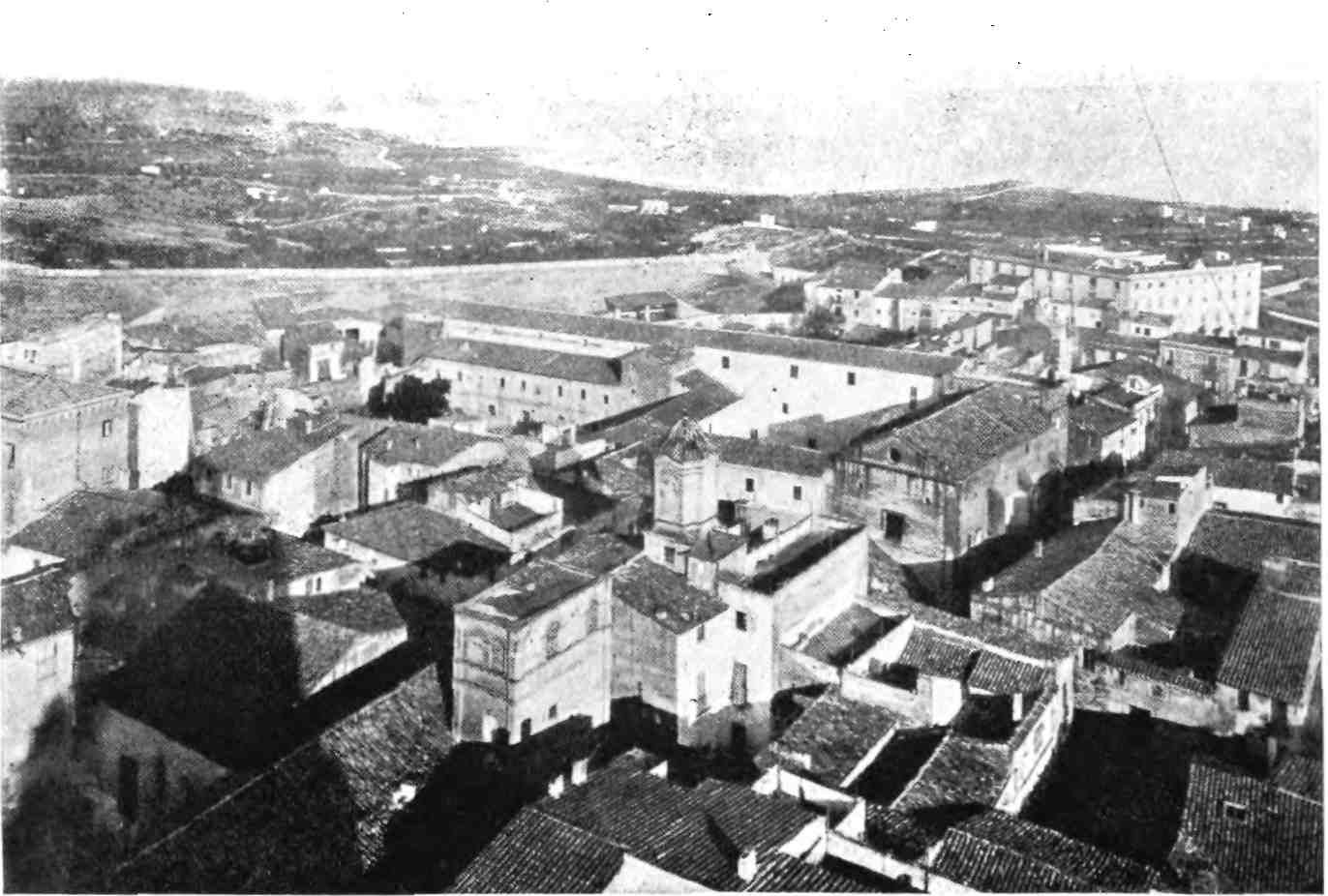
TARRAGONA: GENERAL VIEW FROM THE CATHEDRAL, LOOKING EAST
Plate 152
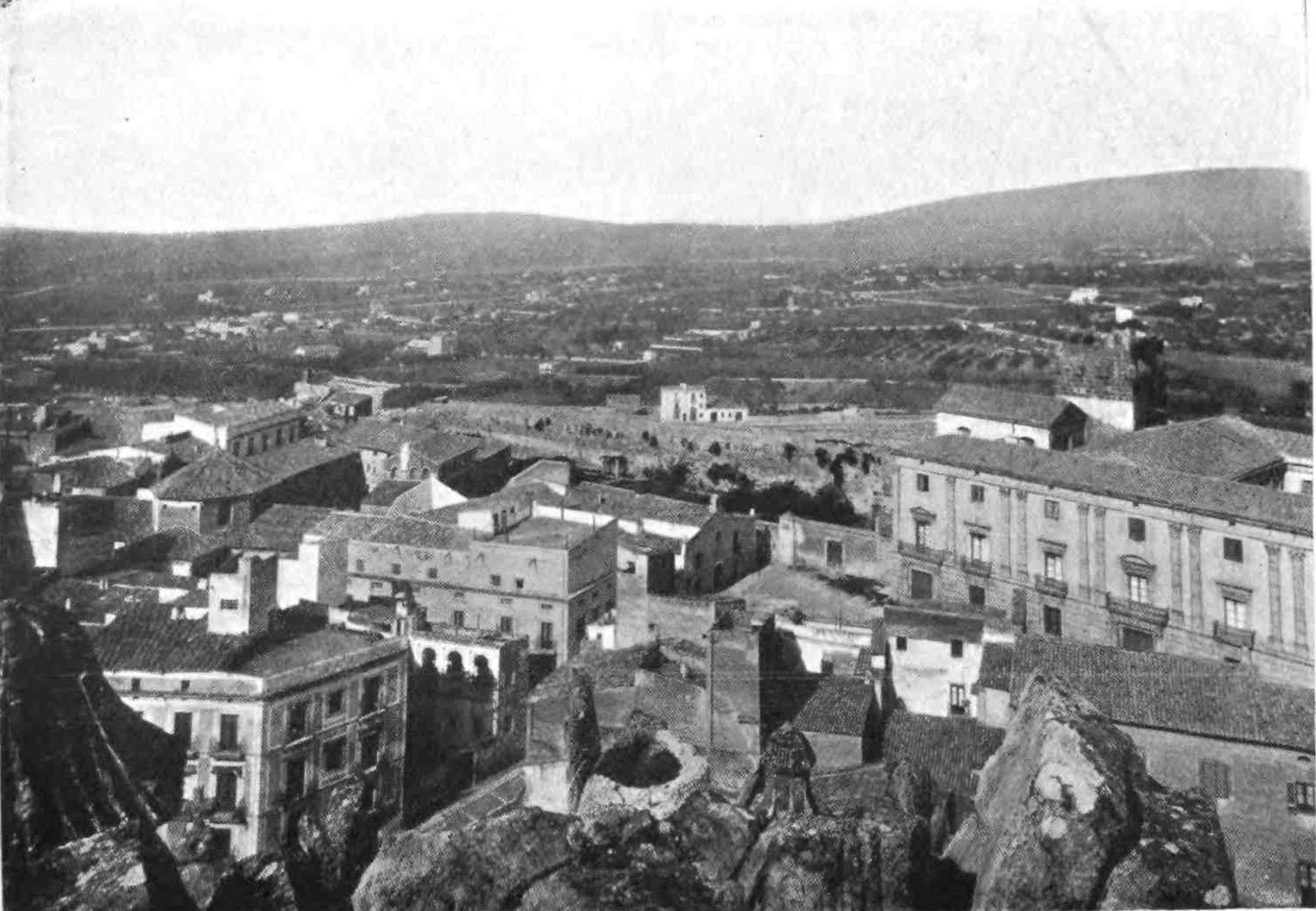
TARRAGONA: GENERAL VIEW
Plate 153
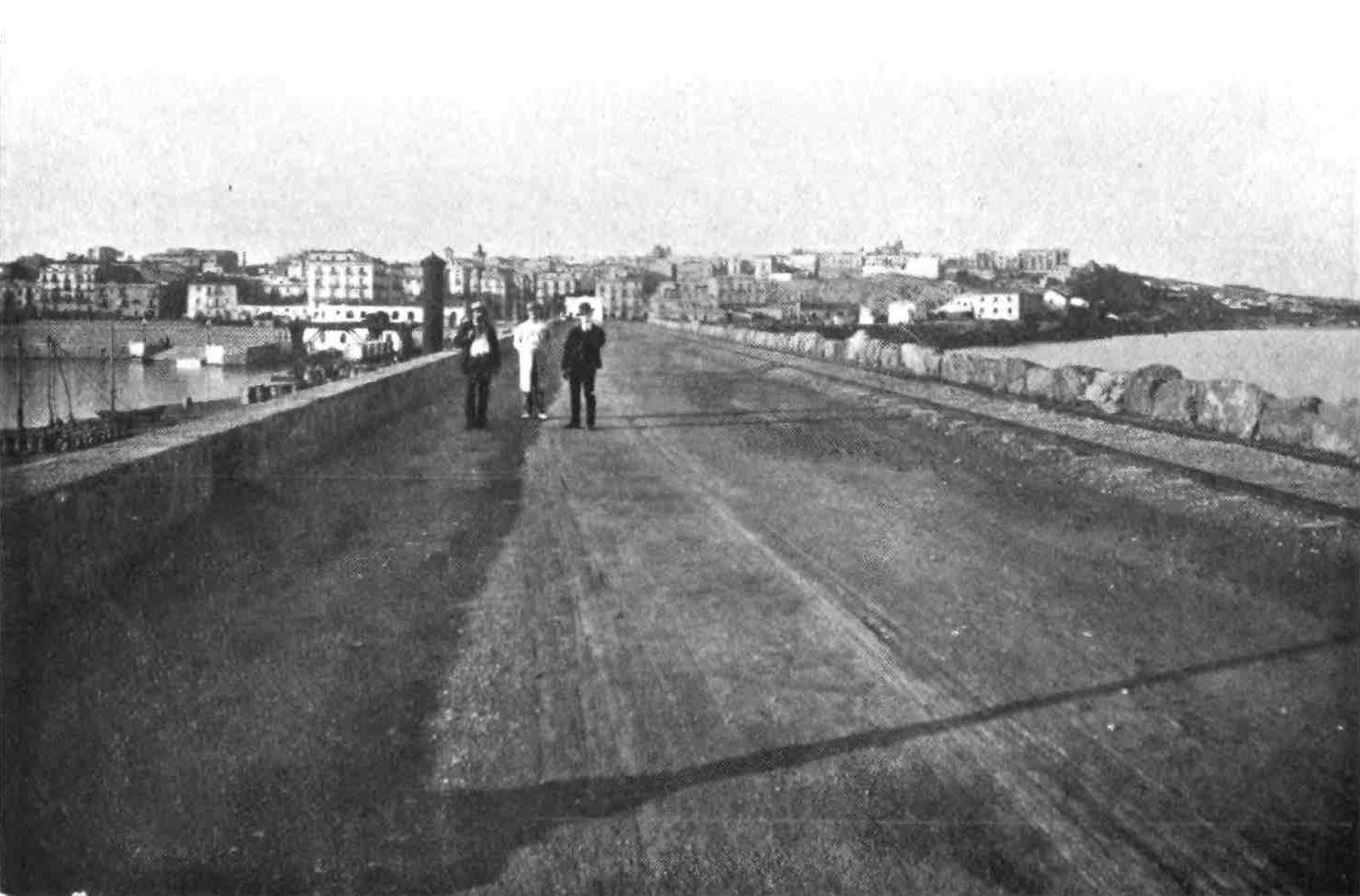
TARRAGONA: GENERAL VIEW FROM THE PIER
Plate 154
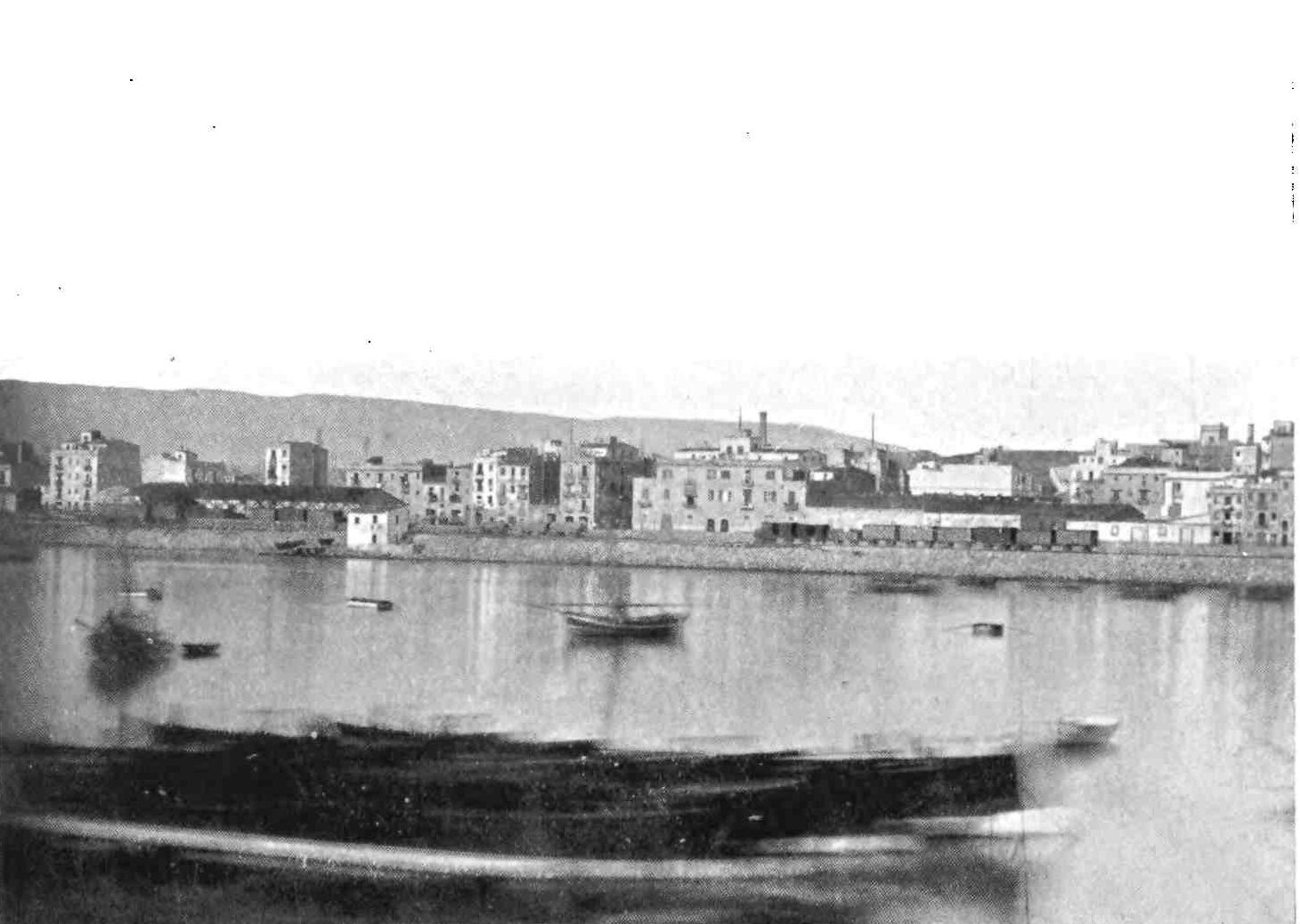
TARRAGONA: PANORAMIC VIEW
Plate 155
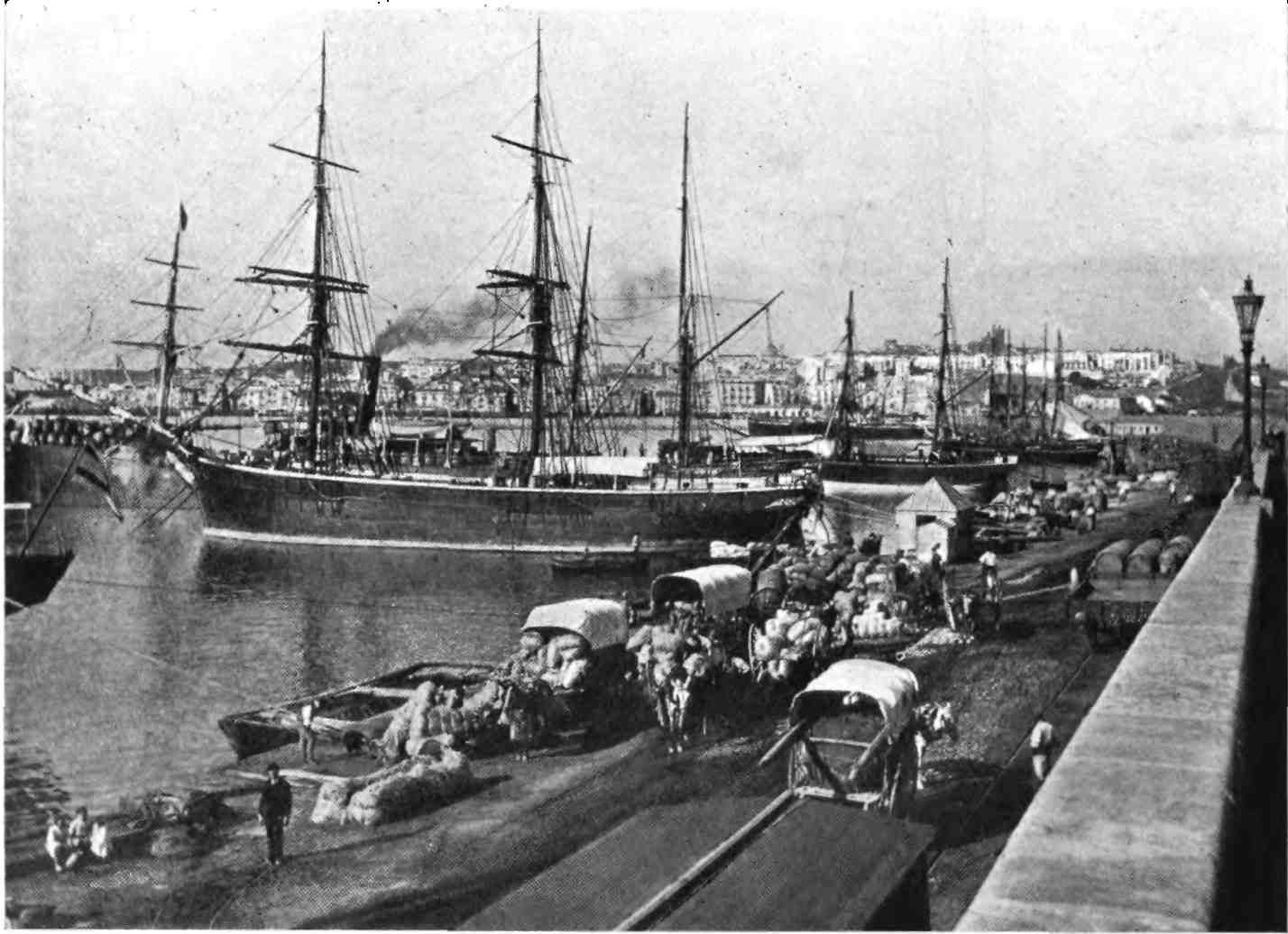
TARRAGONA: VIEW OF THE PORT
Plate 156
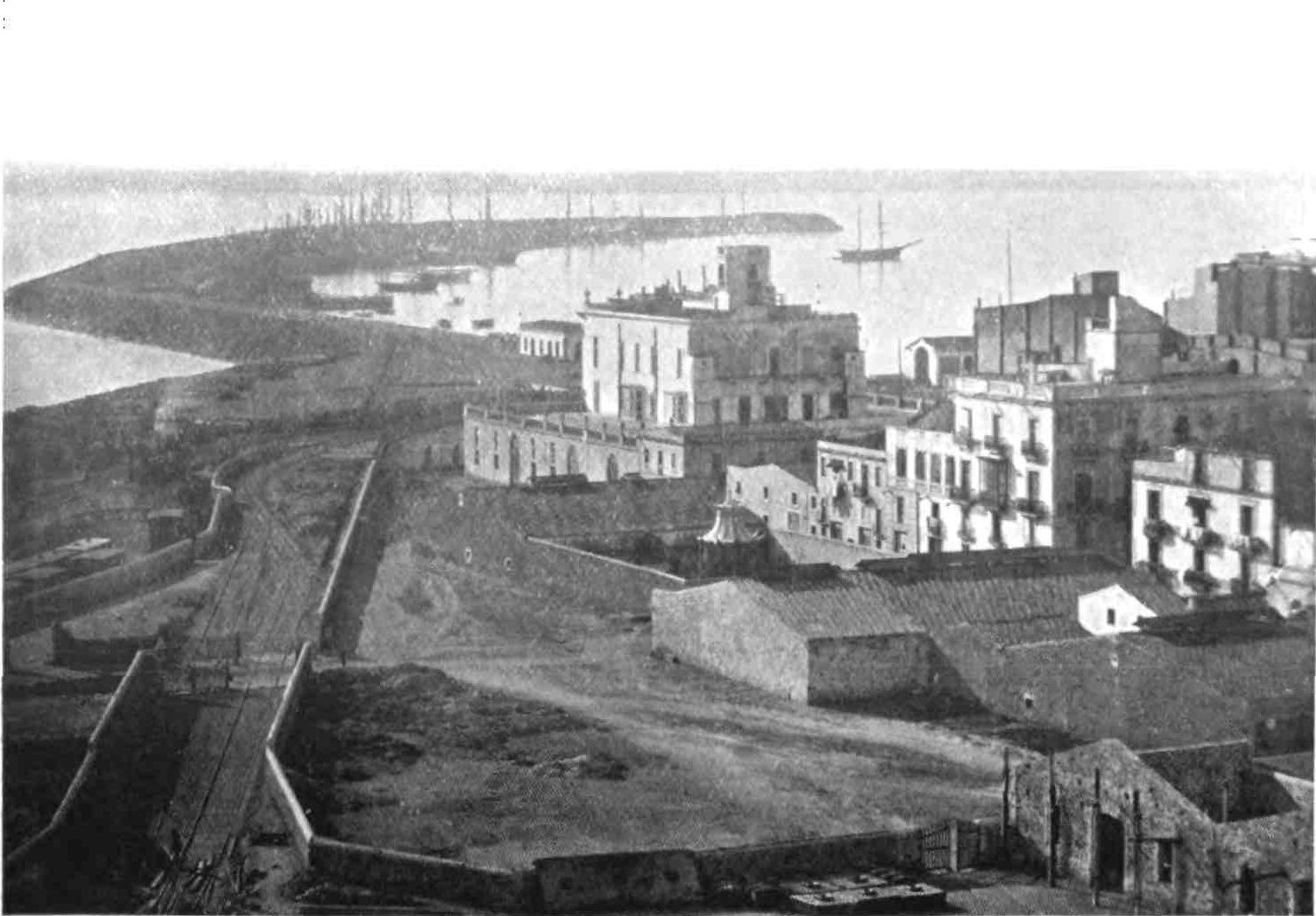
TARRAGONA: VIEW OF THE HARBOUR FROM THE TOWN
Plate 157
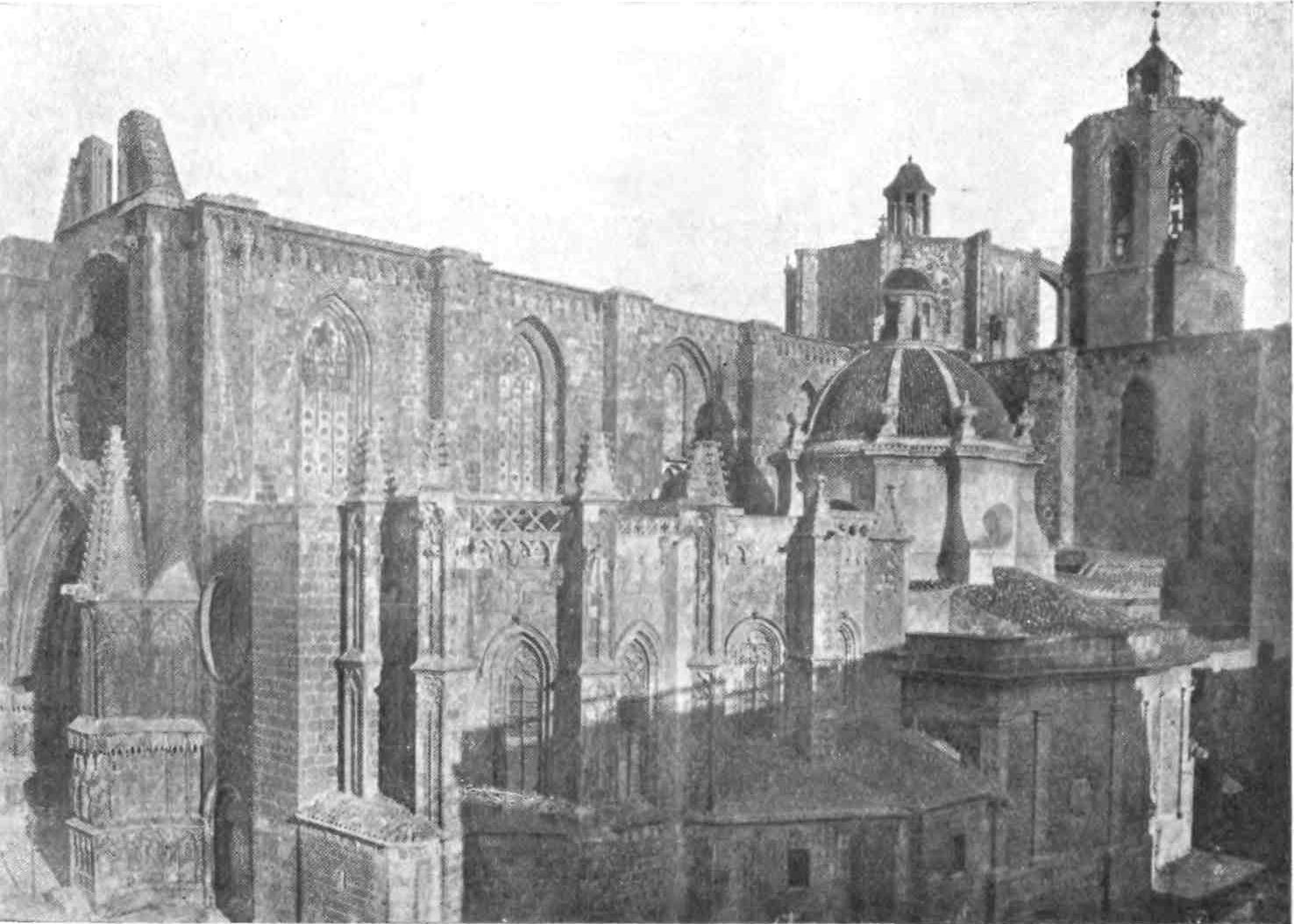
TARRAGONA: GENERAL VIEW OF THE CATHEDRAL
Plate 158
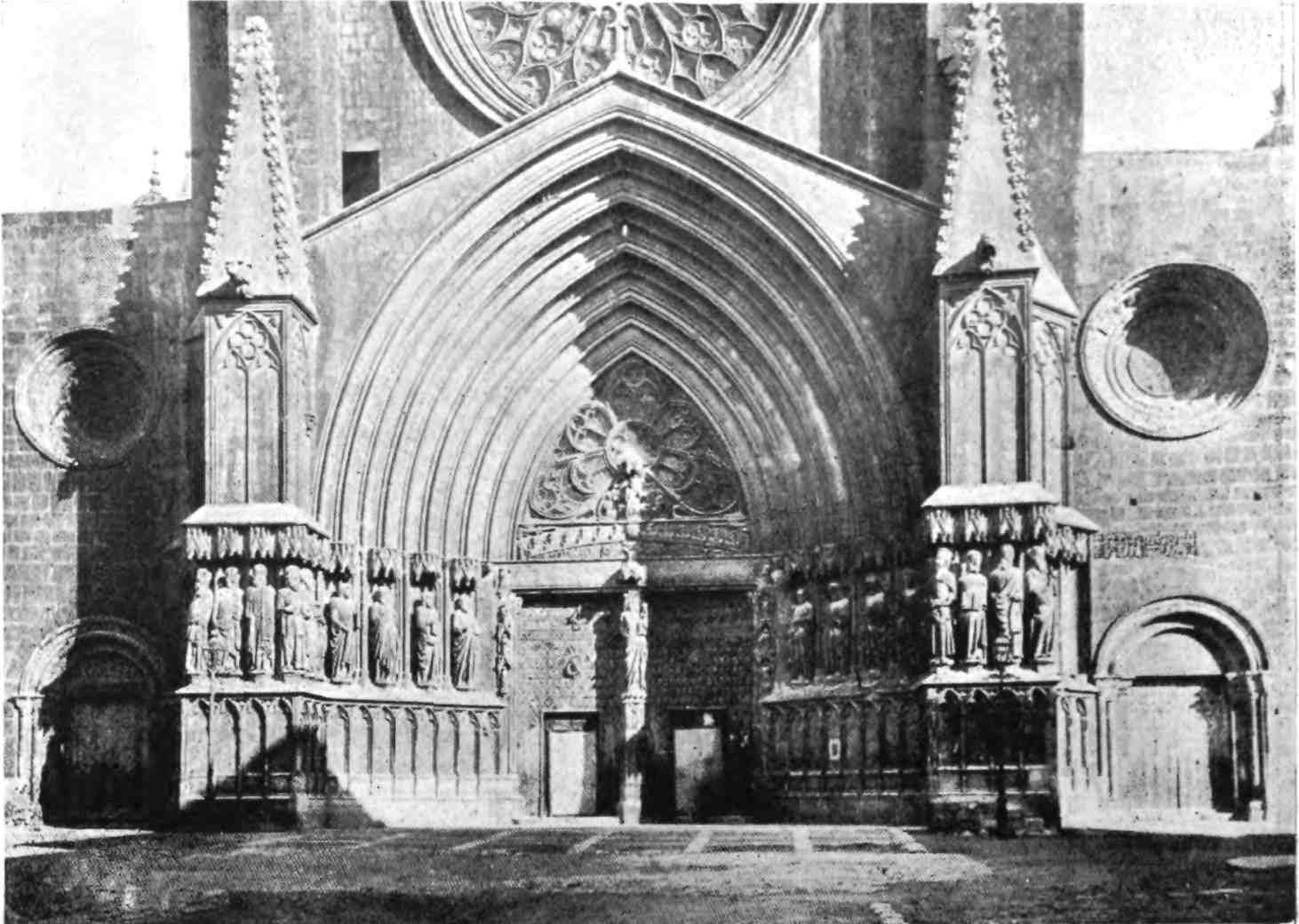
TARRAGONA: FAÇADE OF THE CATHEDRAL
Plate 159
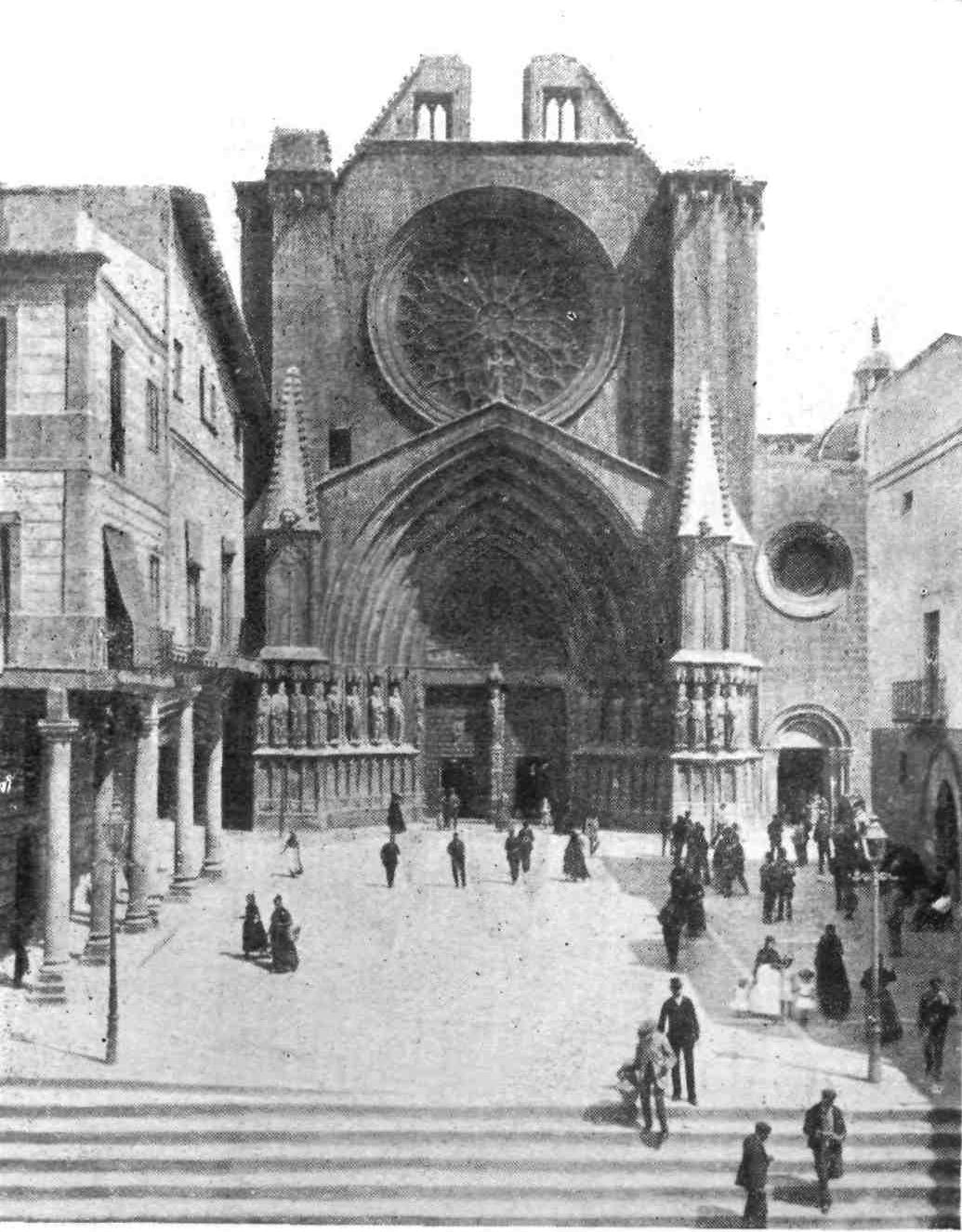
TARRAGONA: FAÇADE OF THE CATHEDRAL
Plate 160
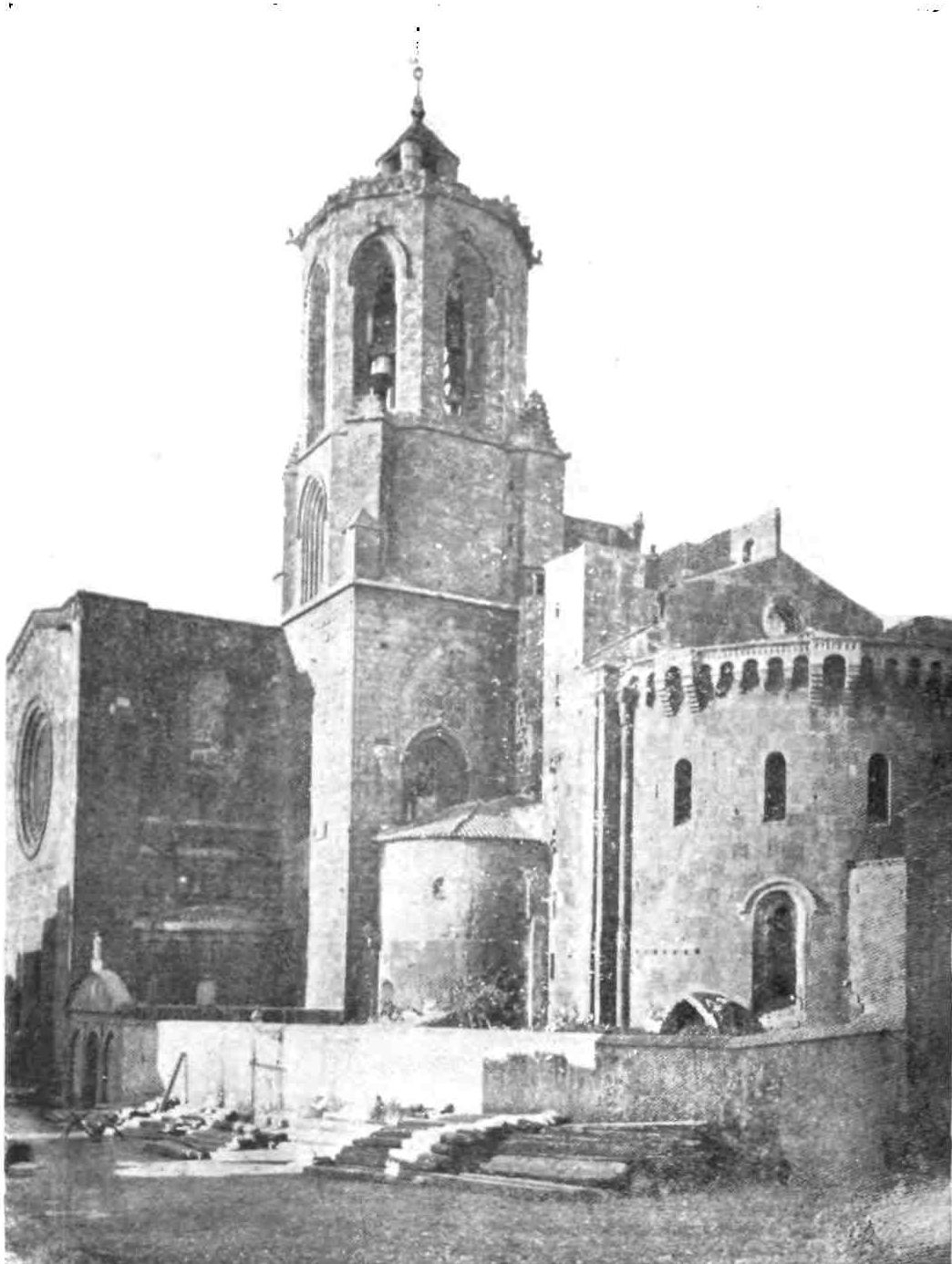
TARRAGONA: TOWER AND SIDE OF THE CATHEDRAL
Plate 161
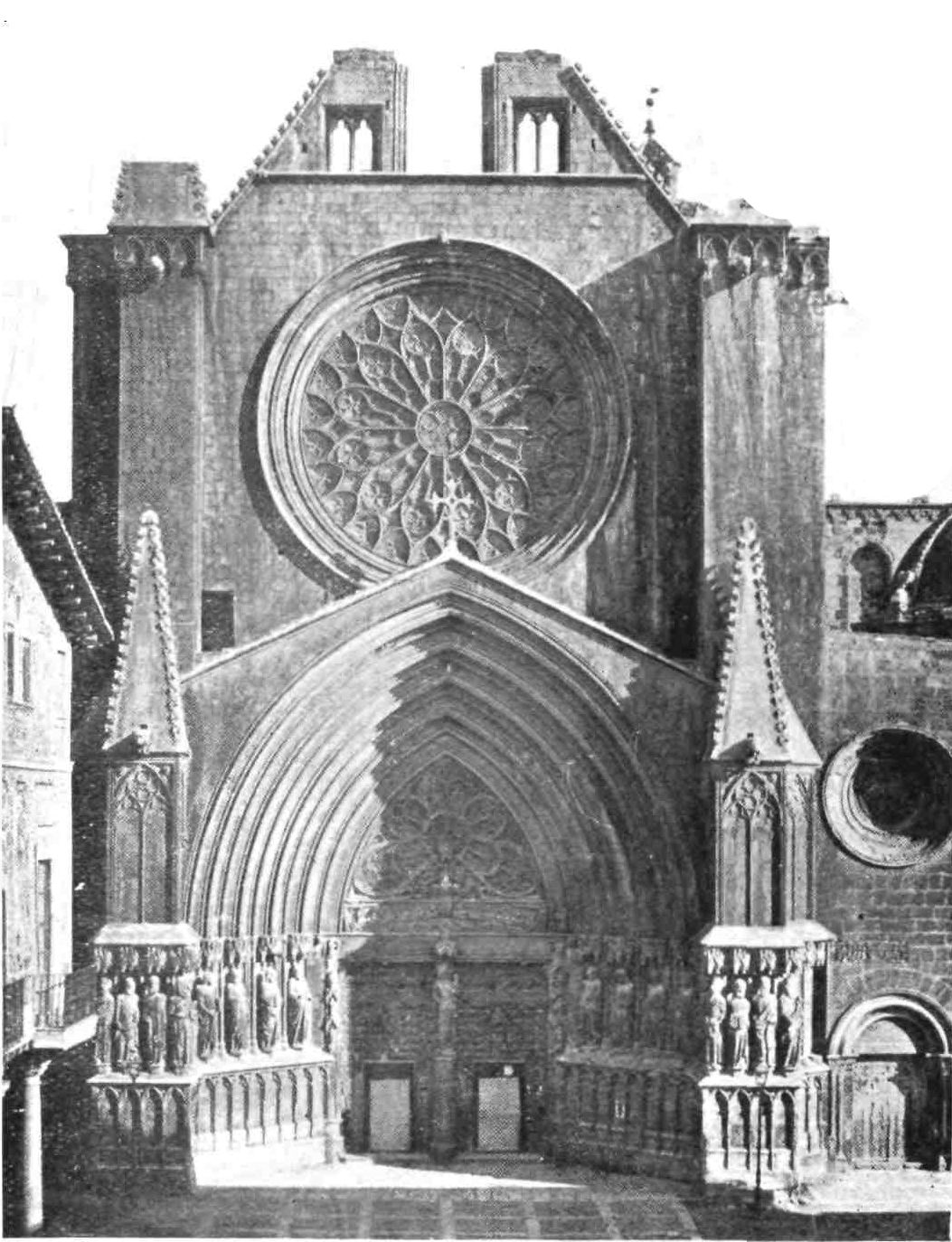
TARRAGONA: FAÇADE OF THE CATHEDRAL
Plate 162
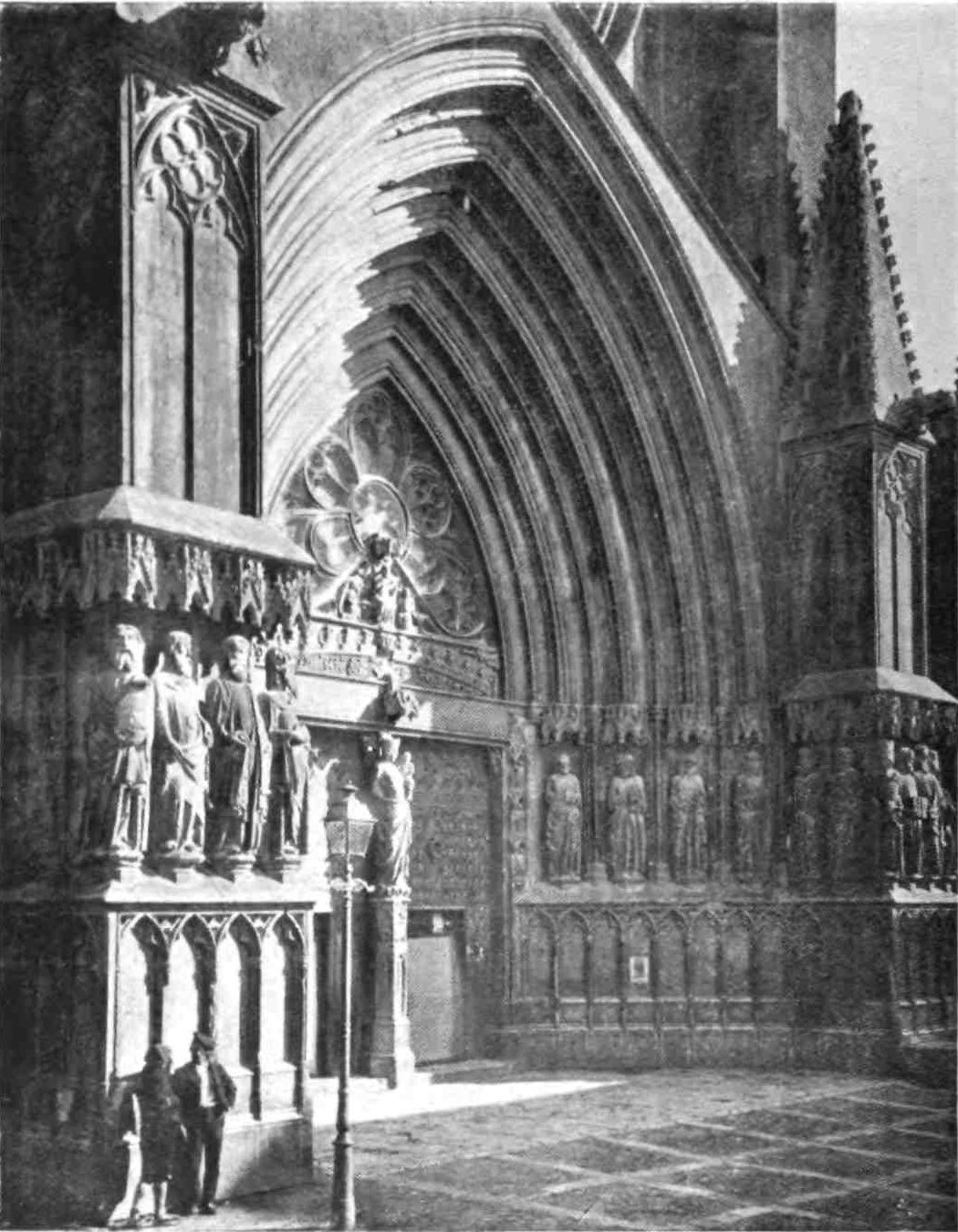
TARRAGONA CATHEDRAL: CENTRE OF THE PORTAL
Plate 163
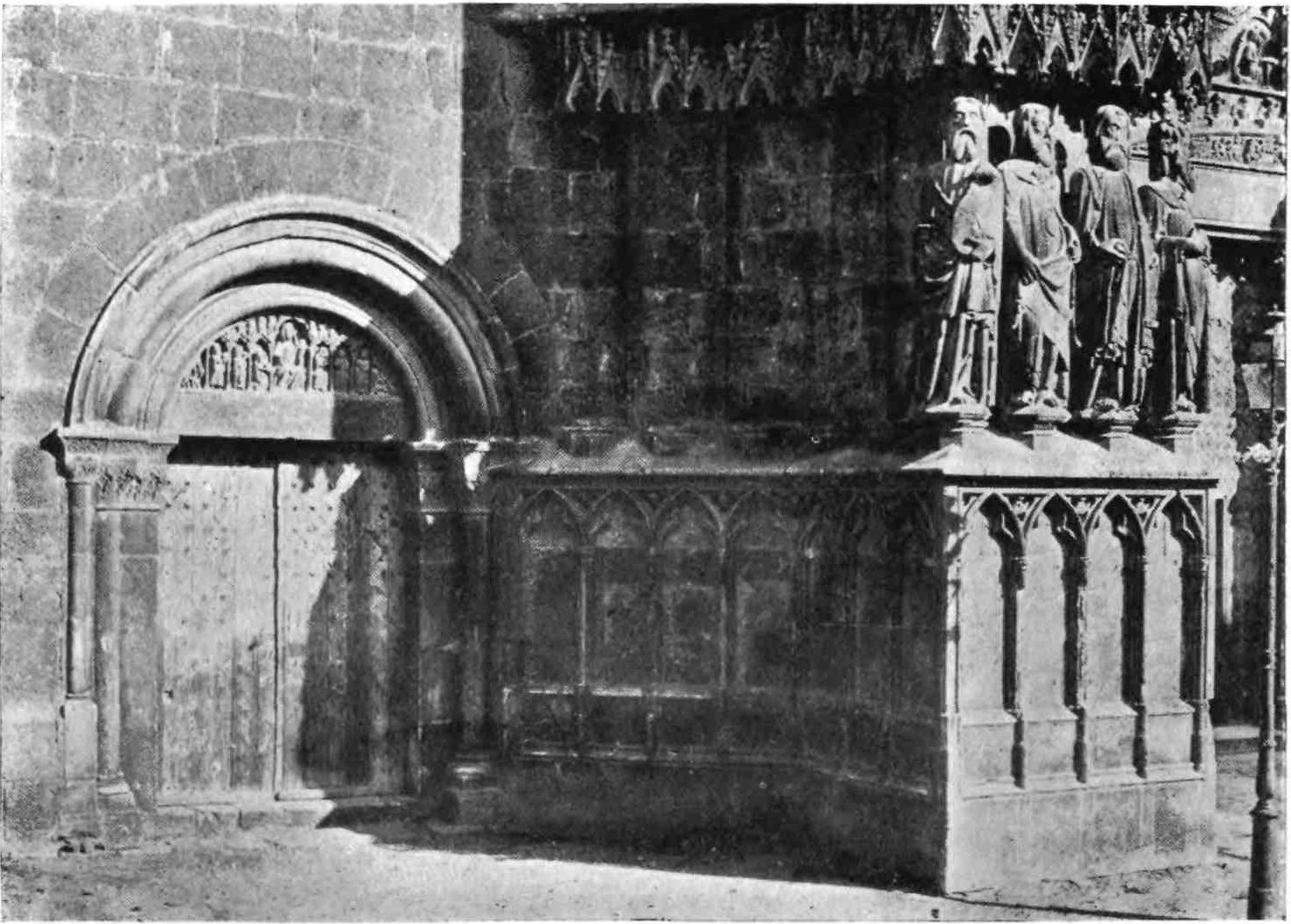
TARRAGONA: LEFT-HAND SIDE DOOR OF THE CATHEDRAL
Plate 164
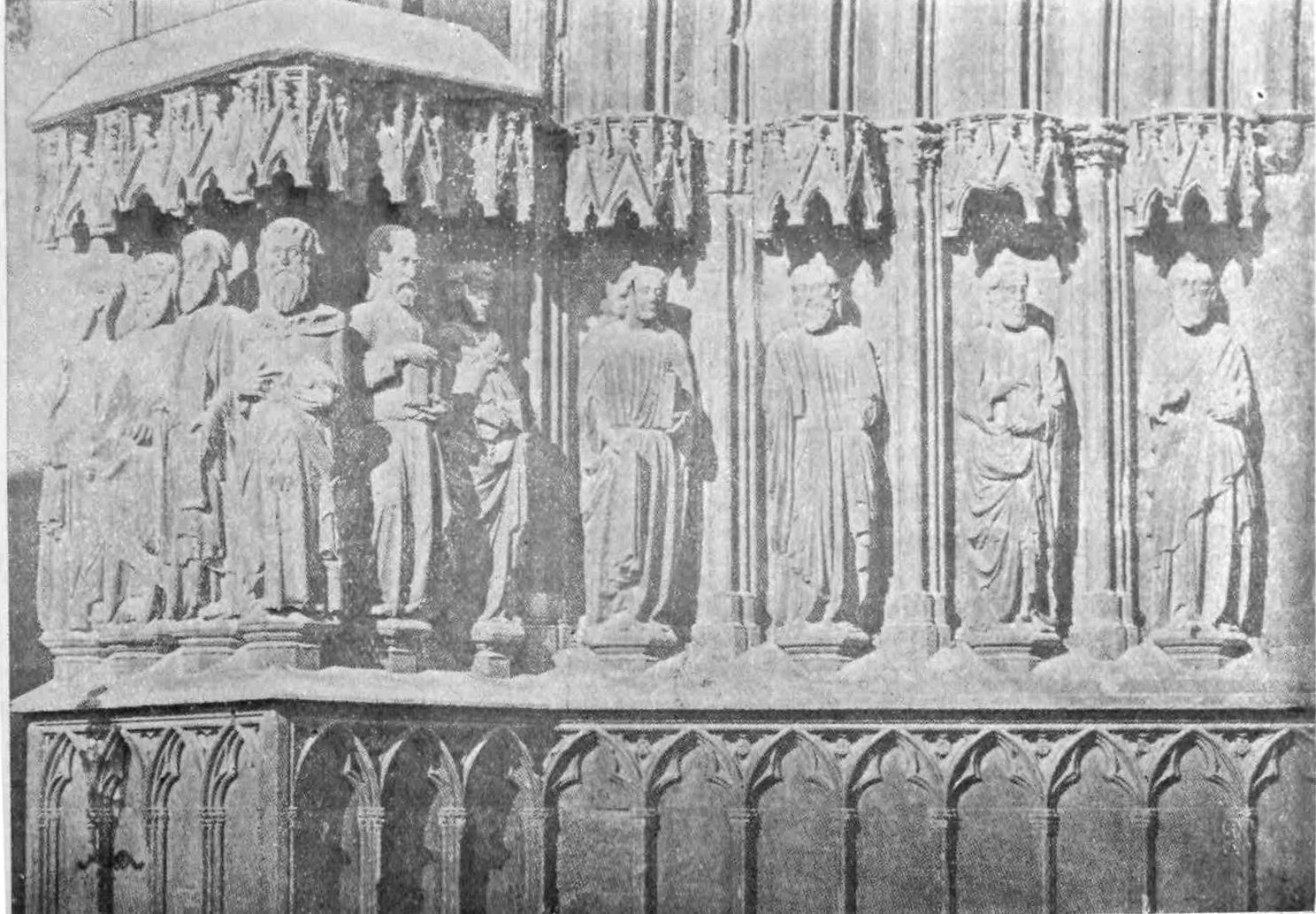
TARRAGONA CATHEDRAL: STATUES OF THE PORTICO
Plate 165
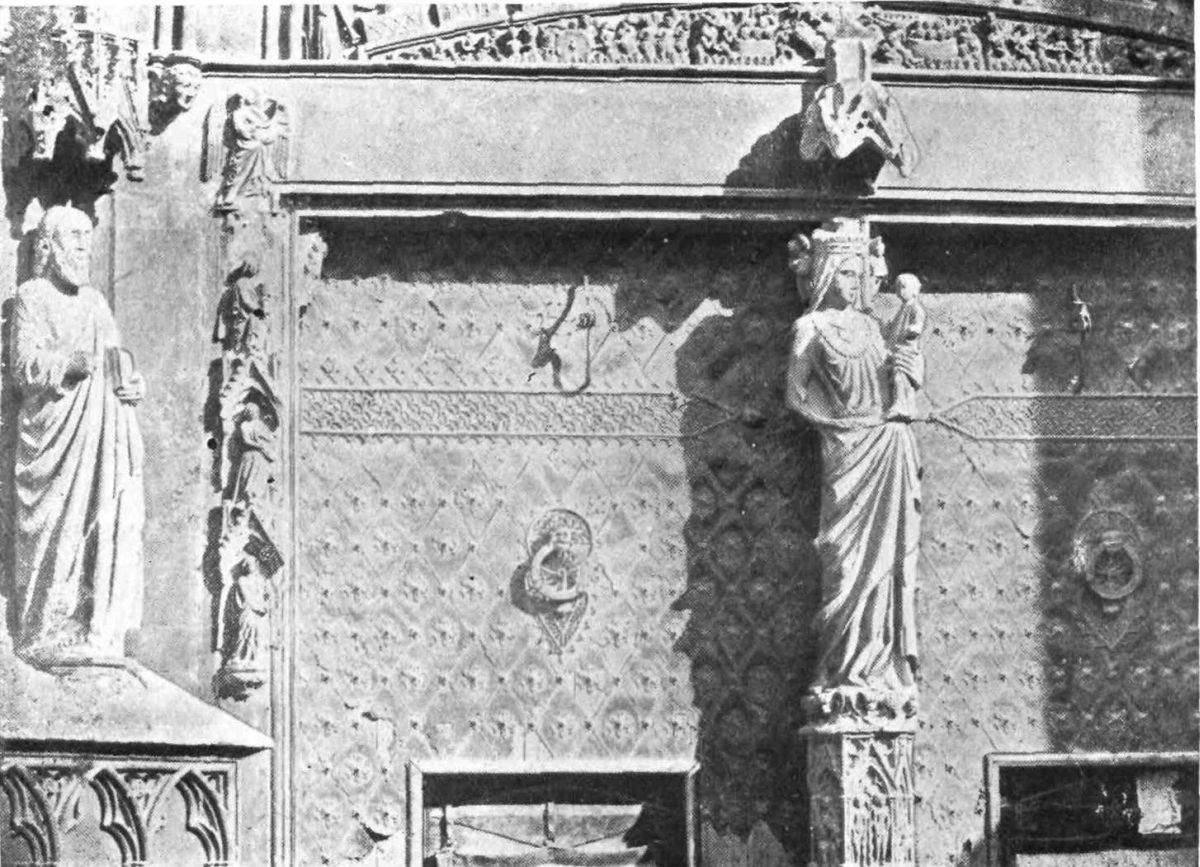
TARRAGONA CATHEDRAL: DETAIL OF THE PORTICO
Plate 166
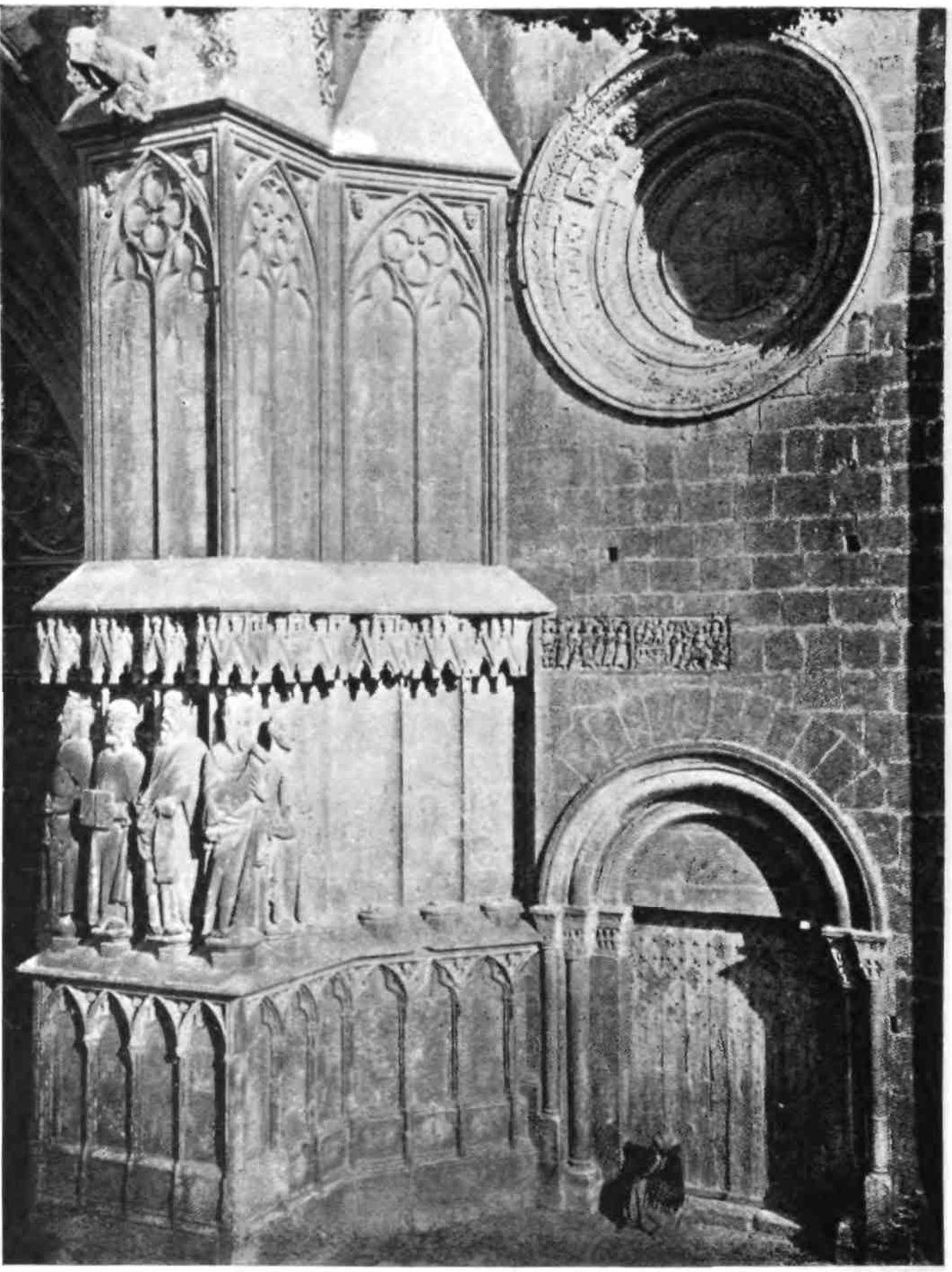
TARRAGONA: BYZANTINE DOOR OF THE CATHEDRAL
Plate 167
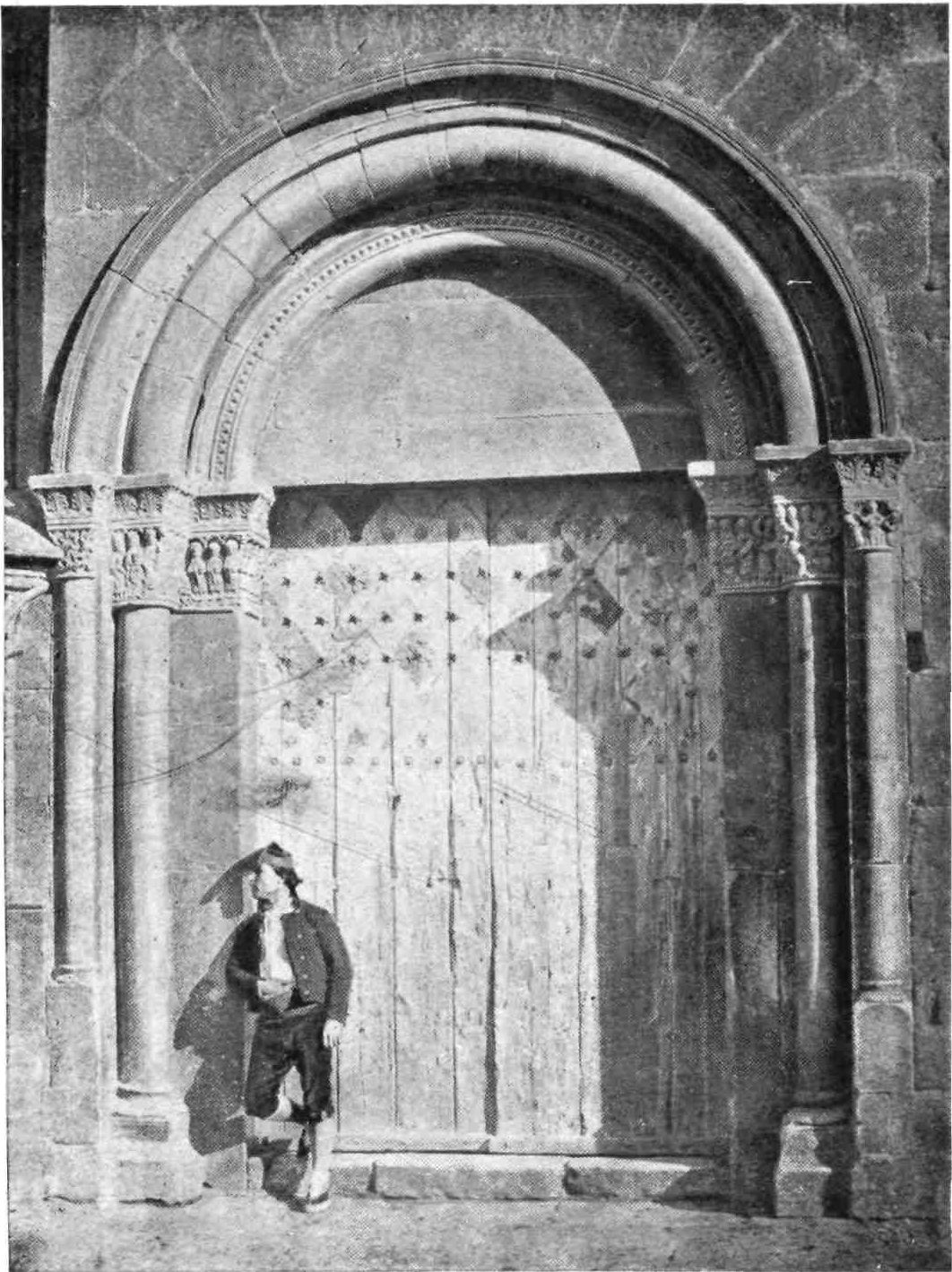
TARRAGONA: RIGHT-HAND SIDE DOOR OF THE CATHEDRAL
Plate 168
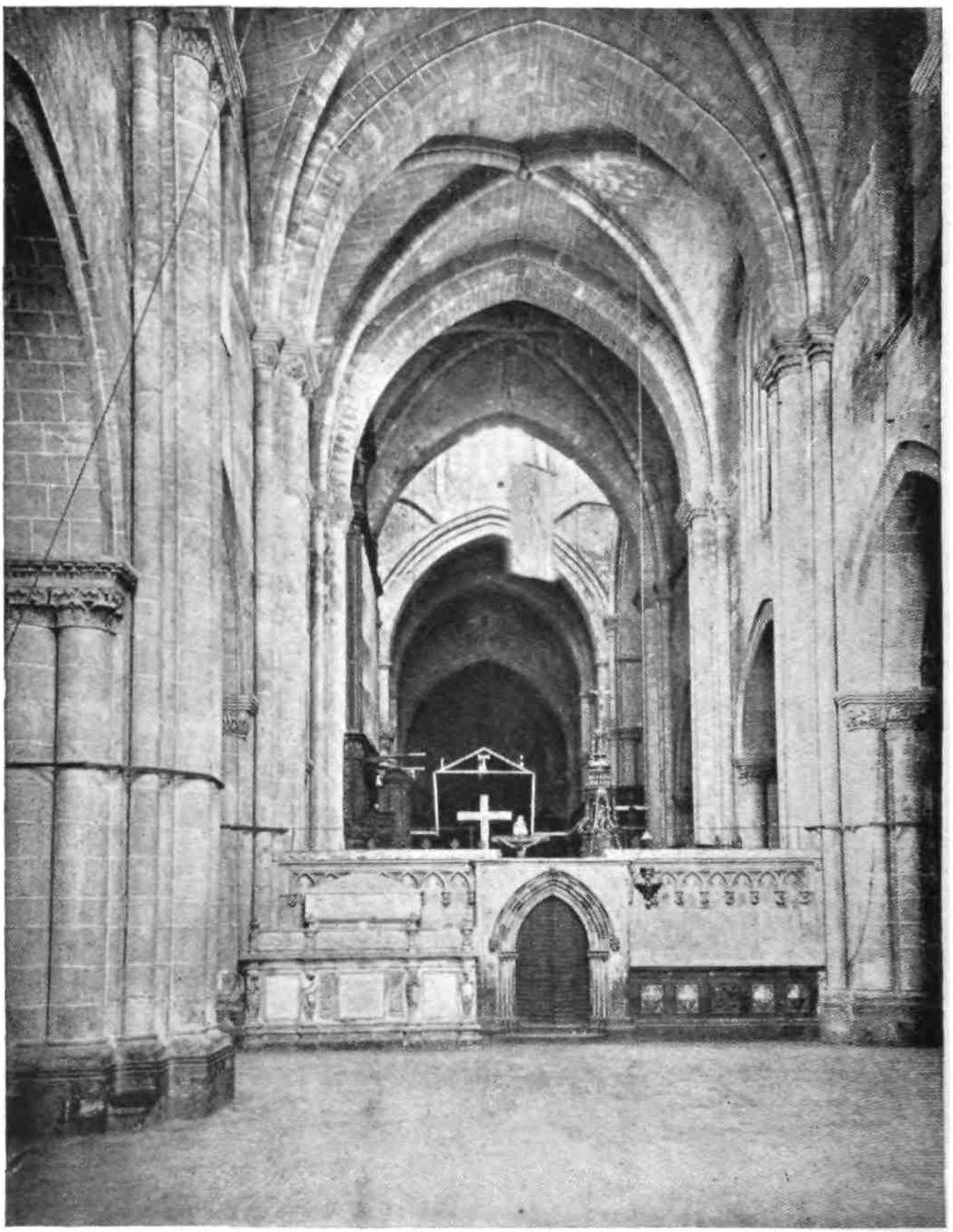
TARRAGONA CATHEDRAL: THE PRINCIPAL NAVE
Plate 169
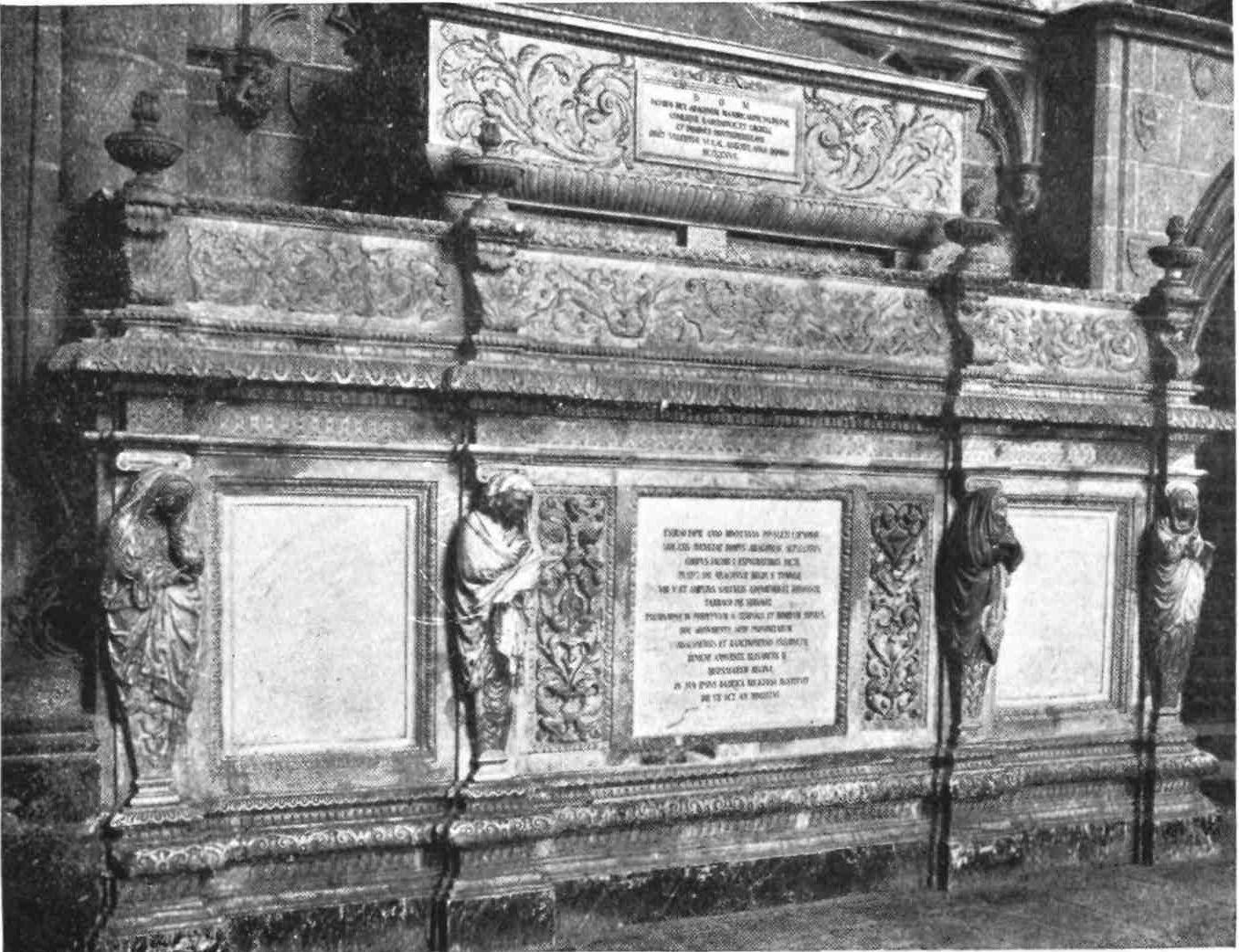
TARRAGONA CATHEDRAL: TOMB OF JAIME DE ARAGON
Plate 170
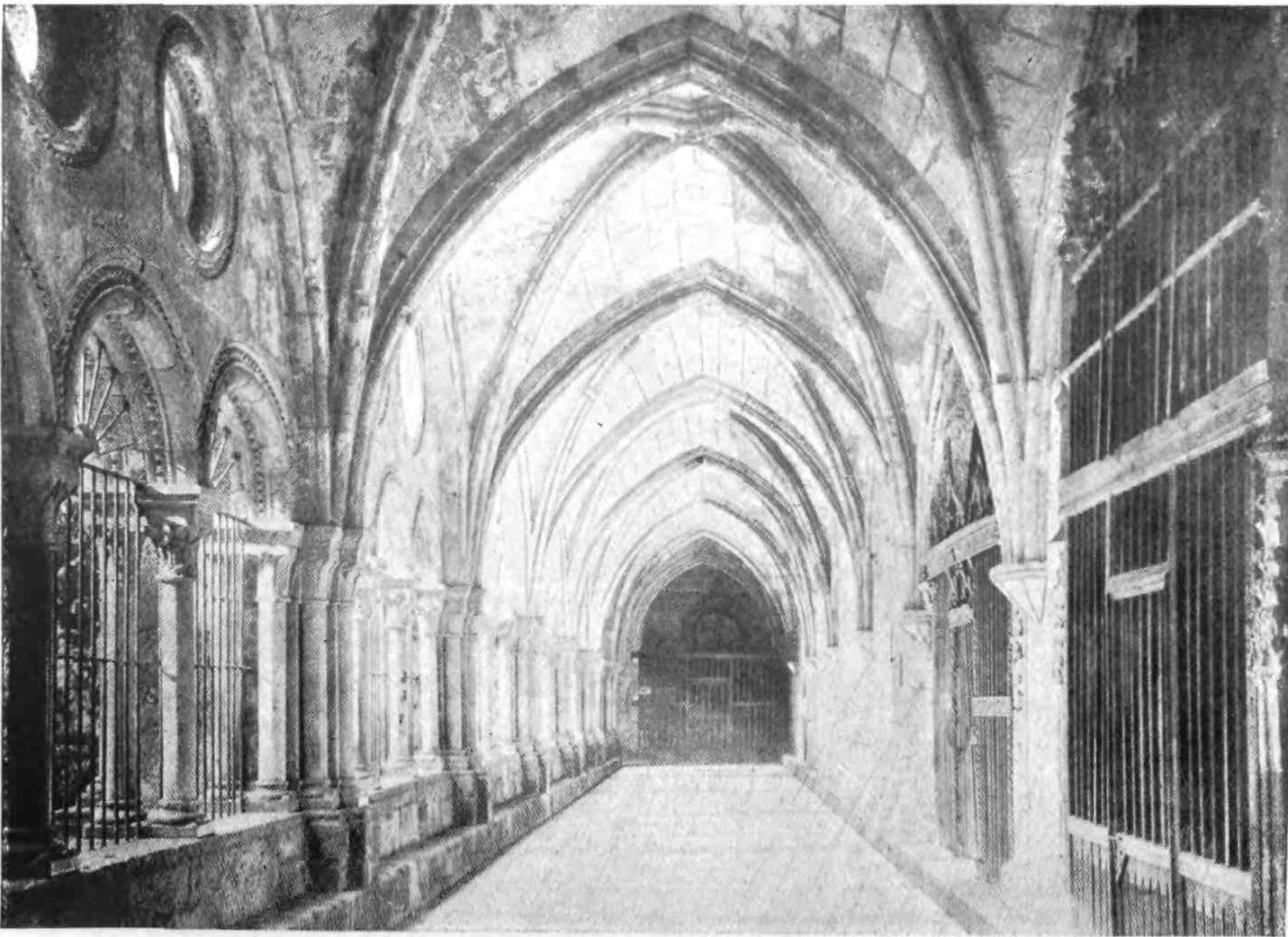
TARRAGONA: CLOISTERS OF THE CATHEDRAL
Plate 171
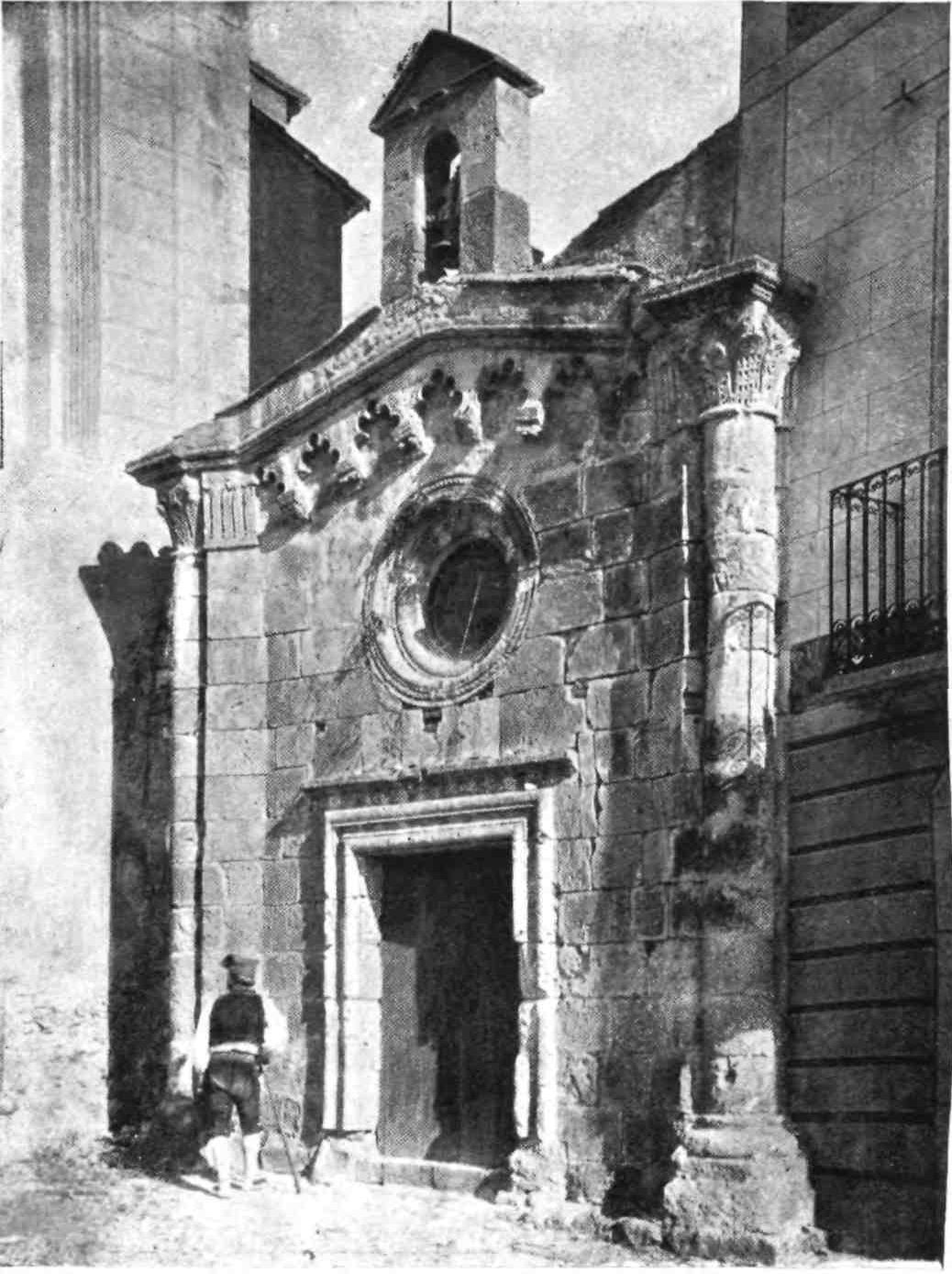
TARRAGONA: DOOR OF THE CHAPEL OF SAN PABLO
Plate 172
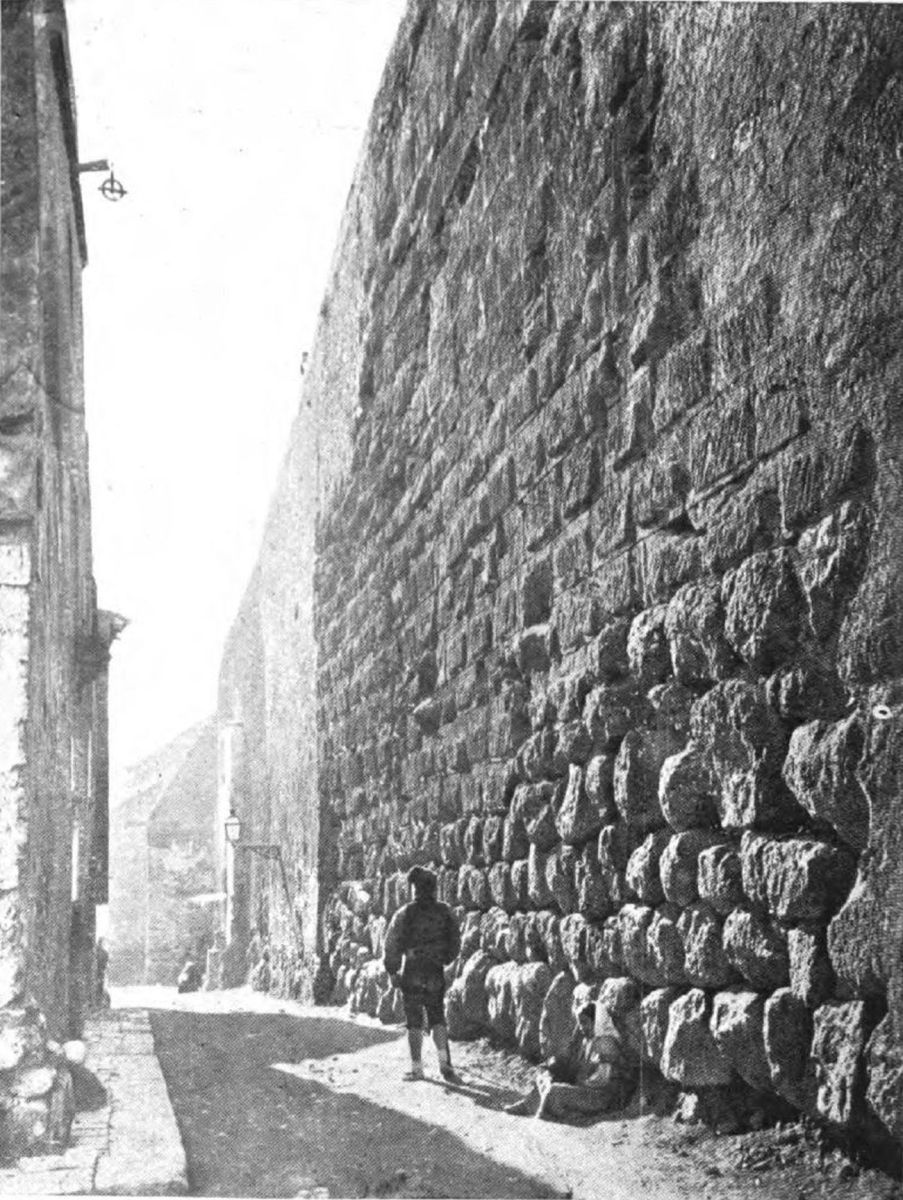
TARRAGONA: LA MURALLA CICLOPEA
Plate 173
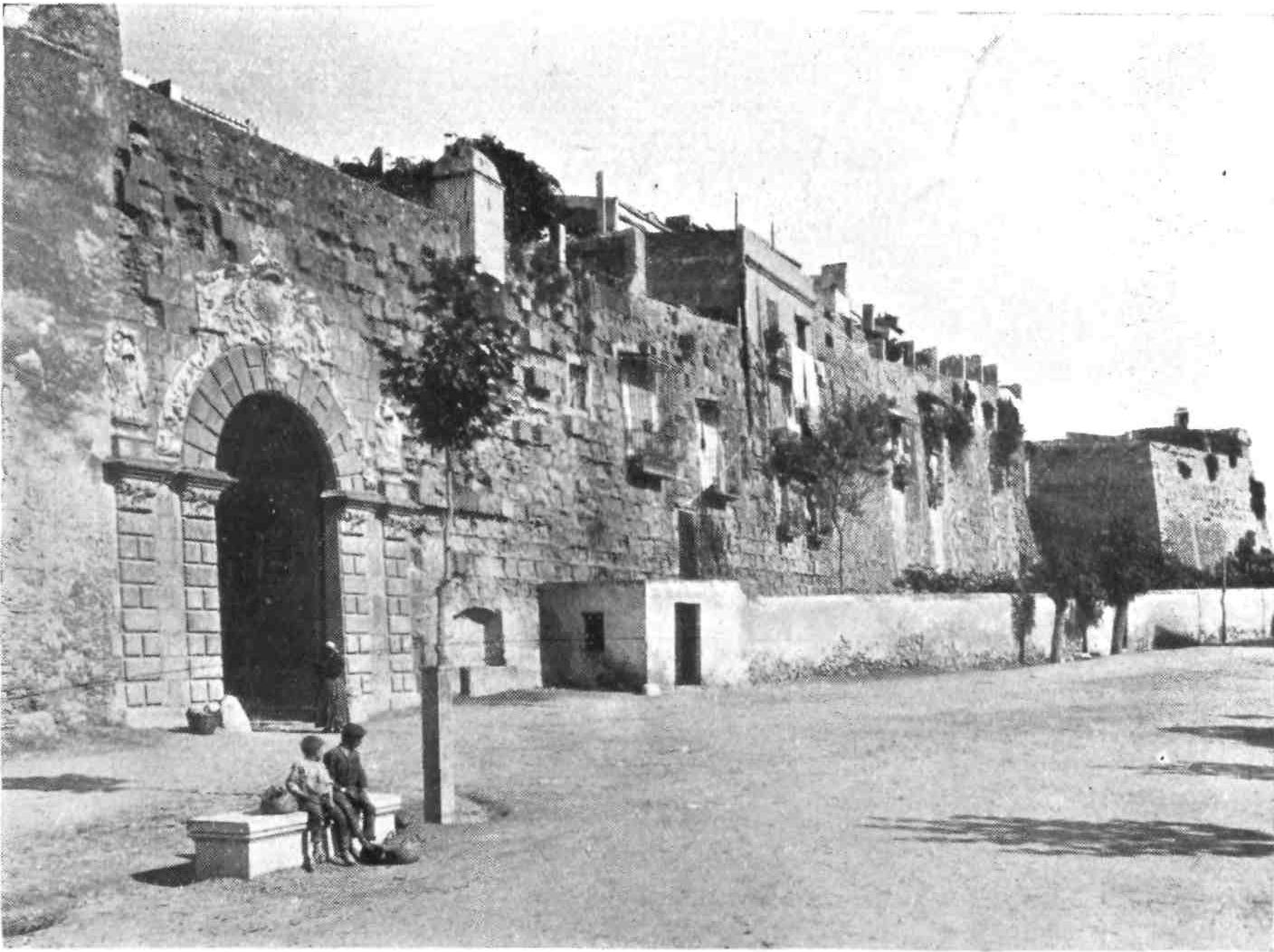
TARRAGONA: PUERTA DE SAN ANTONIO AND ROMAN WALLS
Plate 174
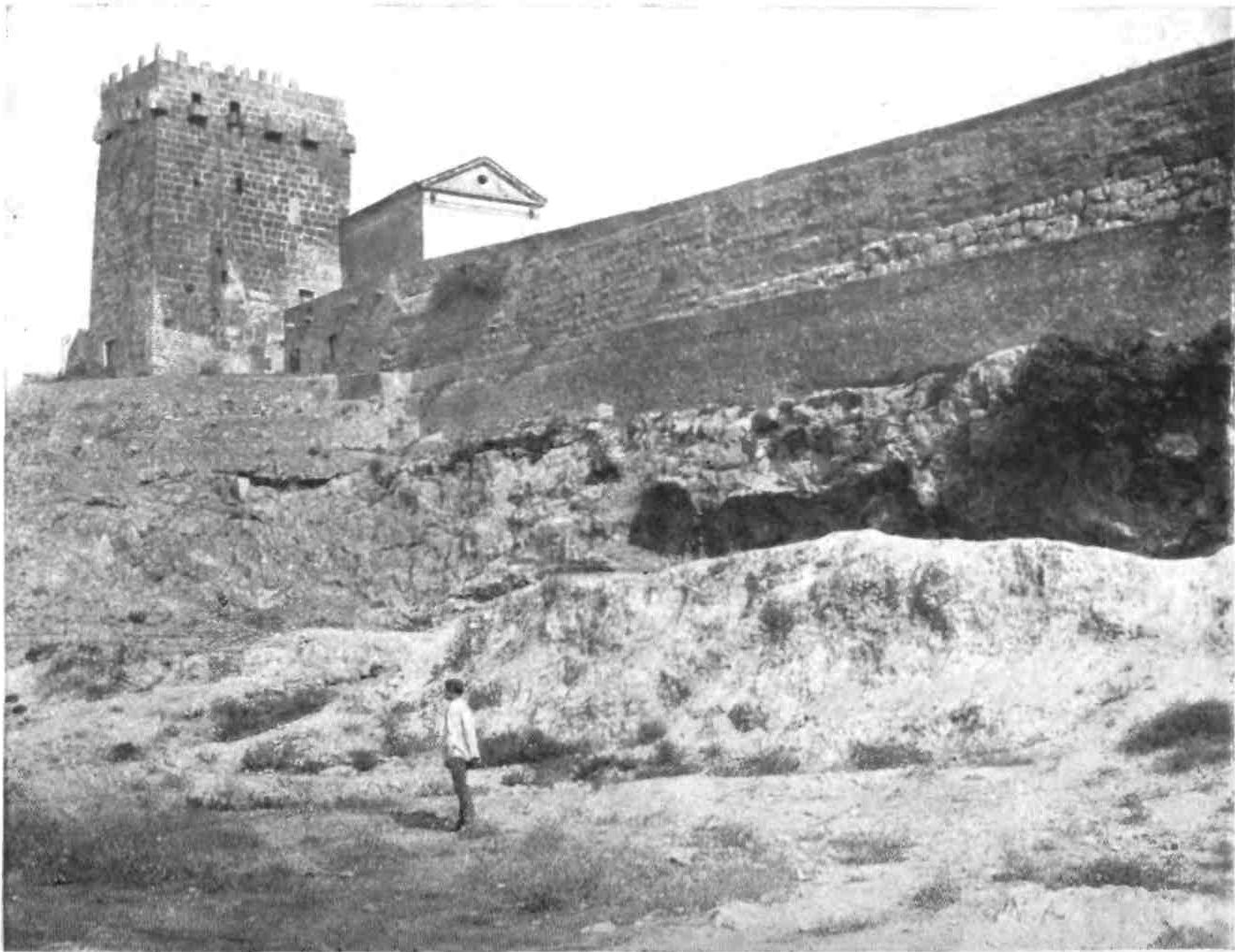
TARRAGONA: ROMAN WALLS AND TOWER
Plate 175
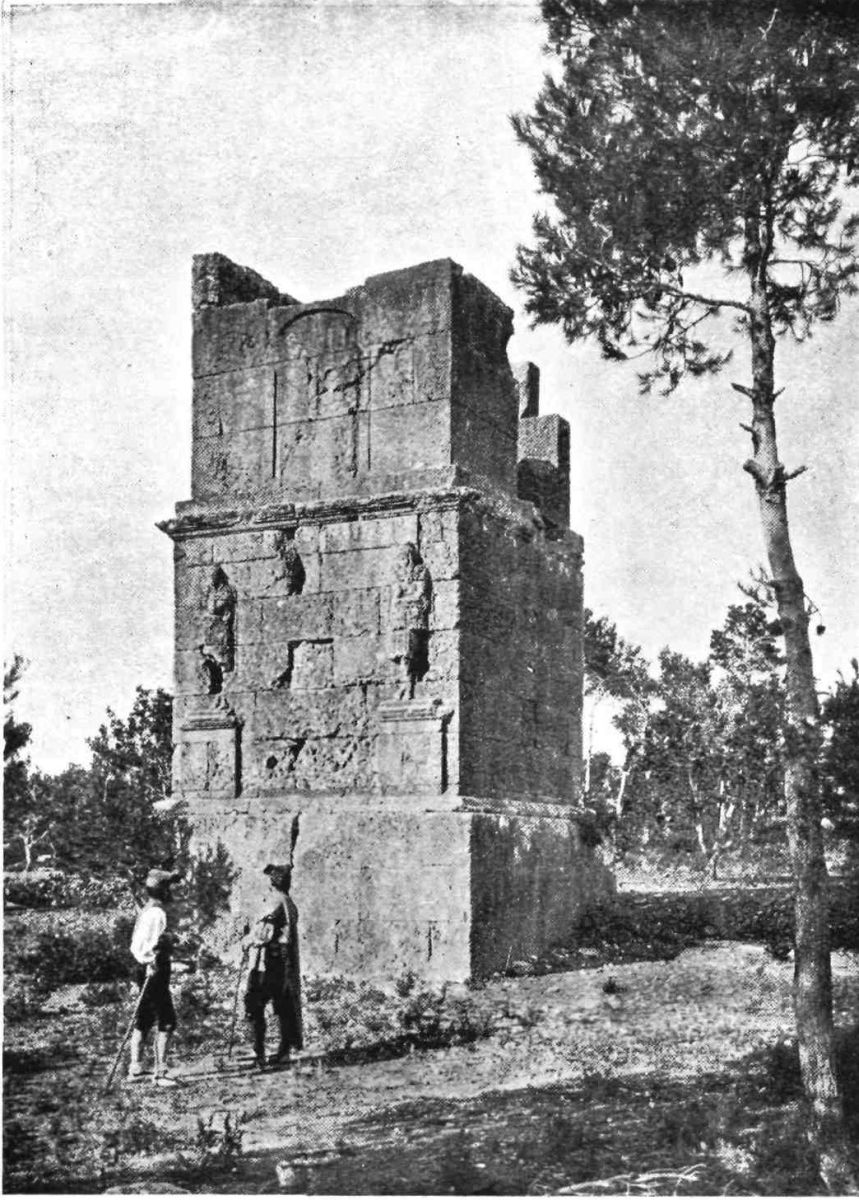
TARRAGONA: TOWER OF THE SCIPIONES
Plate 176
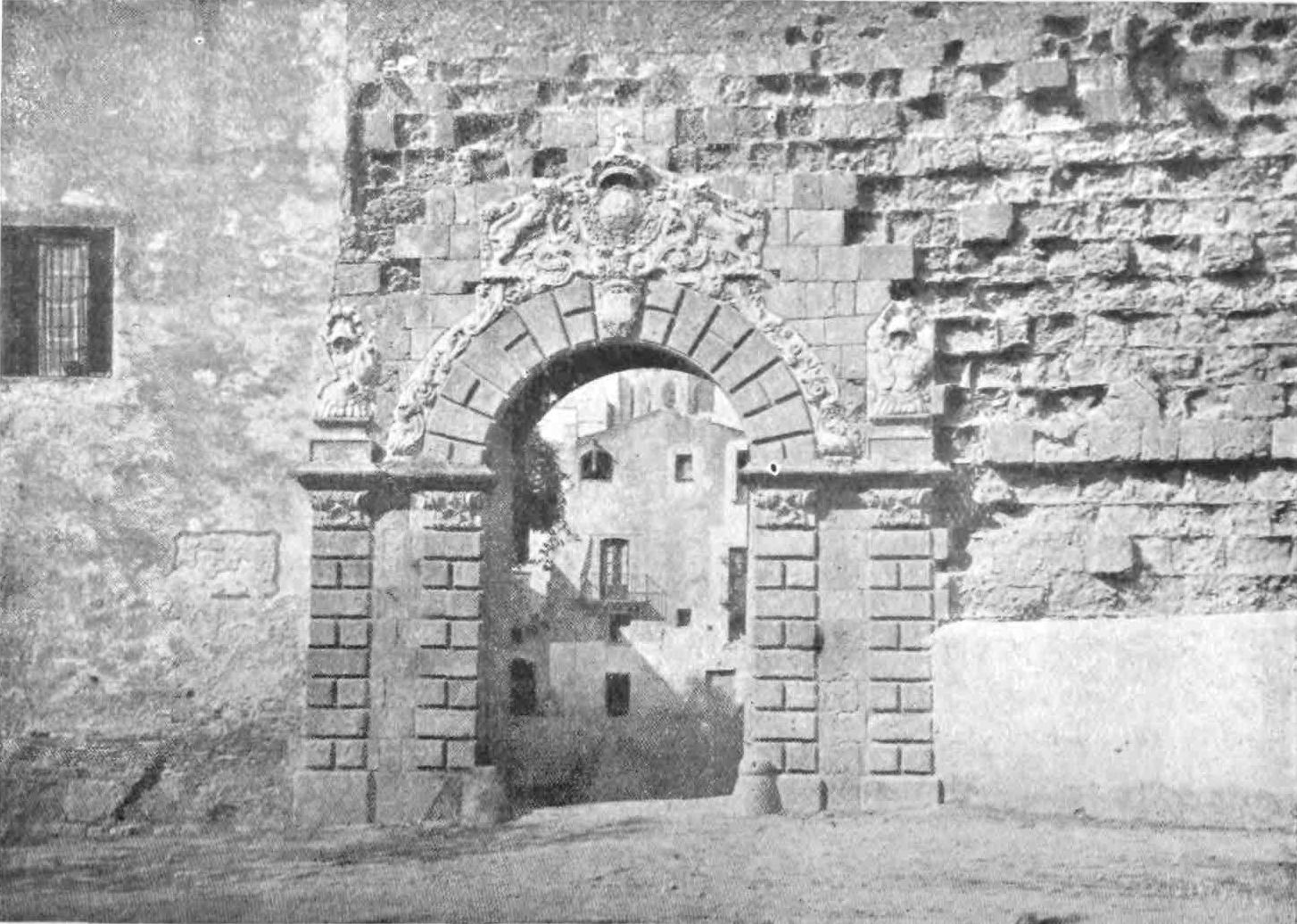
TARRAGONA: GATE OF SAN ANTONIO AND THE ROMAN WALL
Plate 177
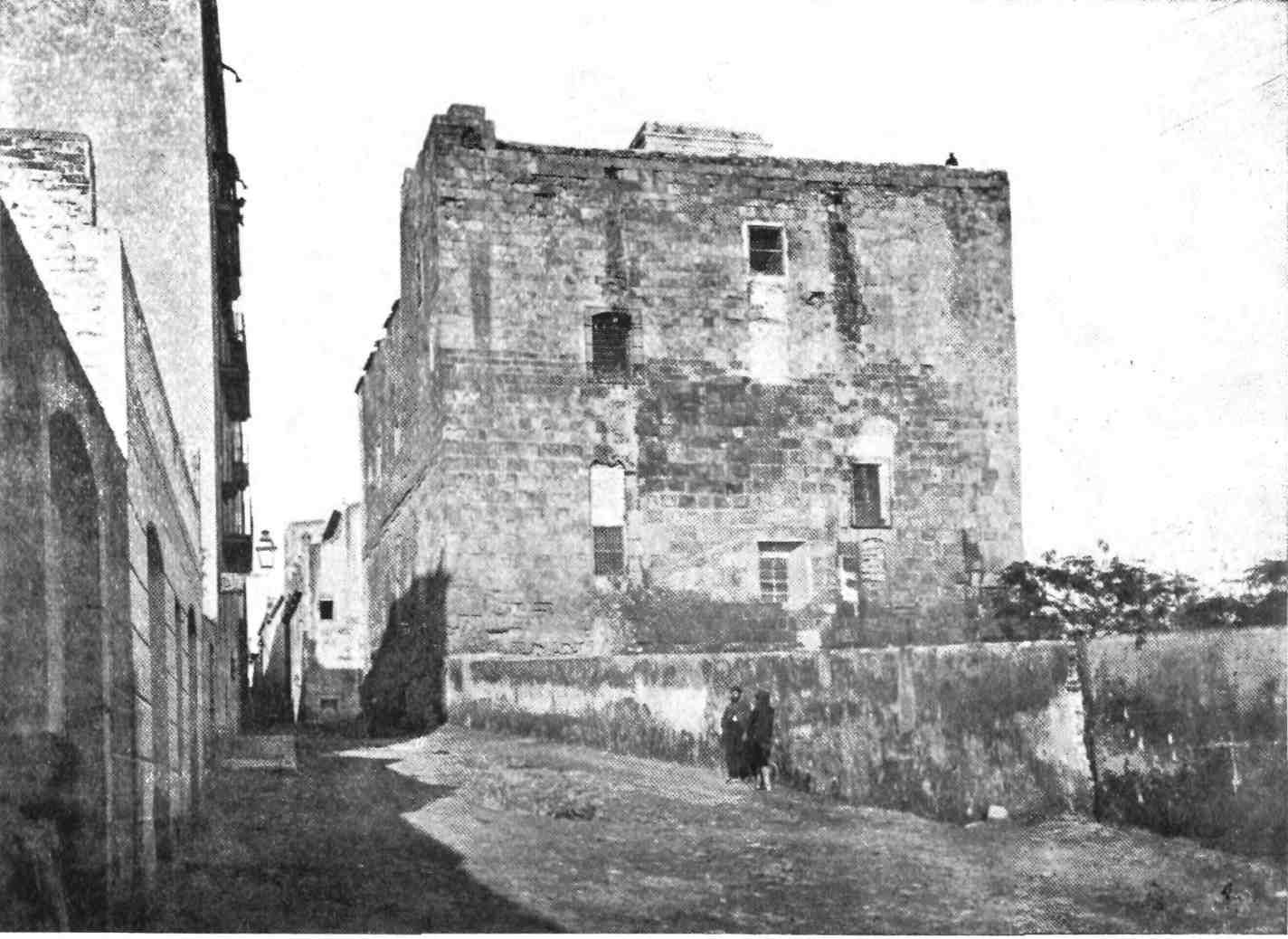
TARRAGONA: PALACE OF PILATOS, NOW THE PRISON
Plate 178
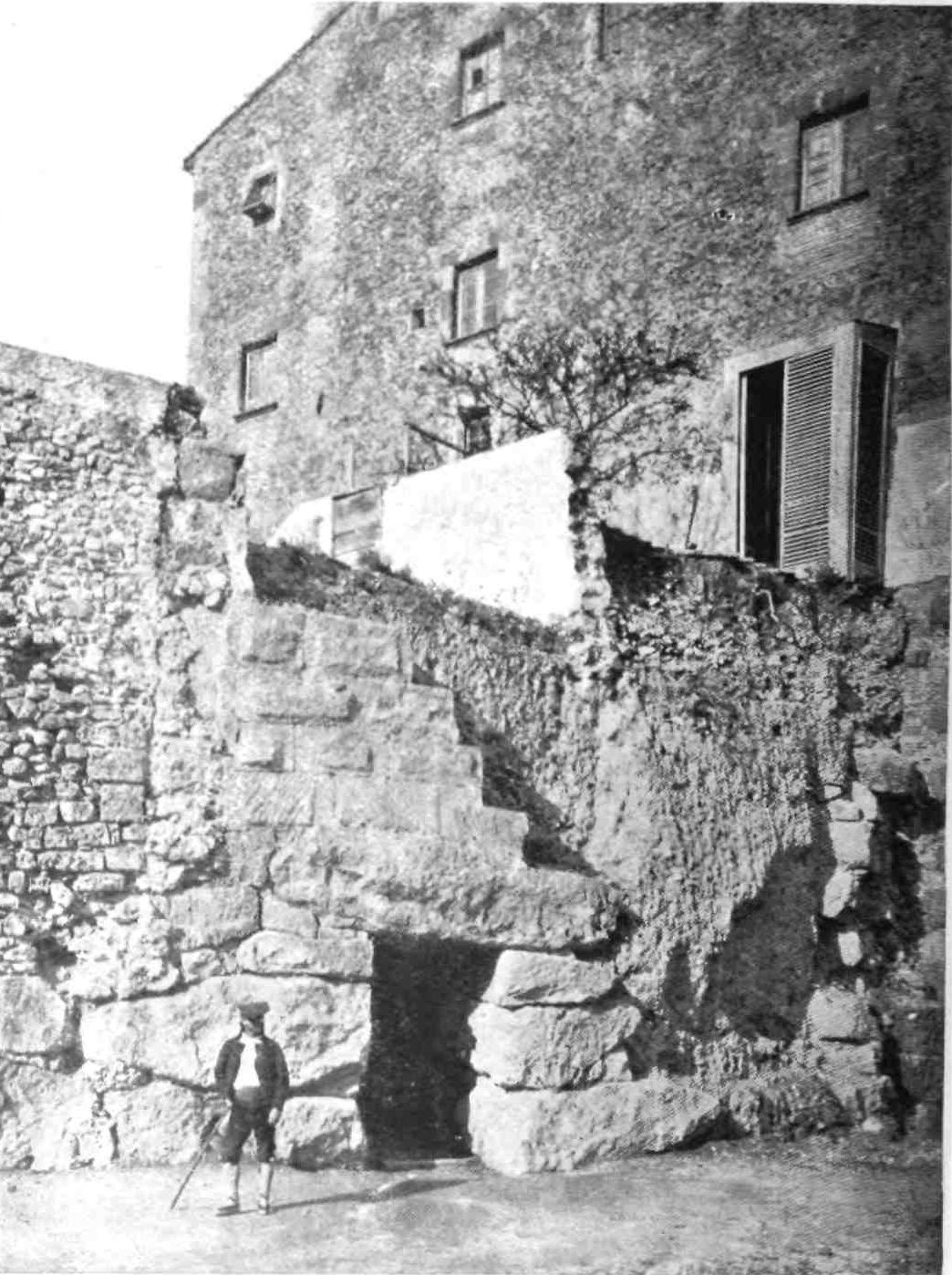
TARRAGONA: LA PORTELLA, A CYCLOPEAN DOORWAY
Plate 179
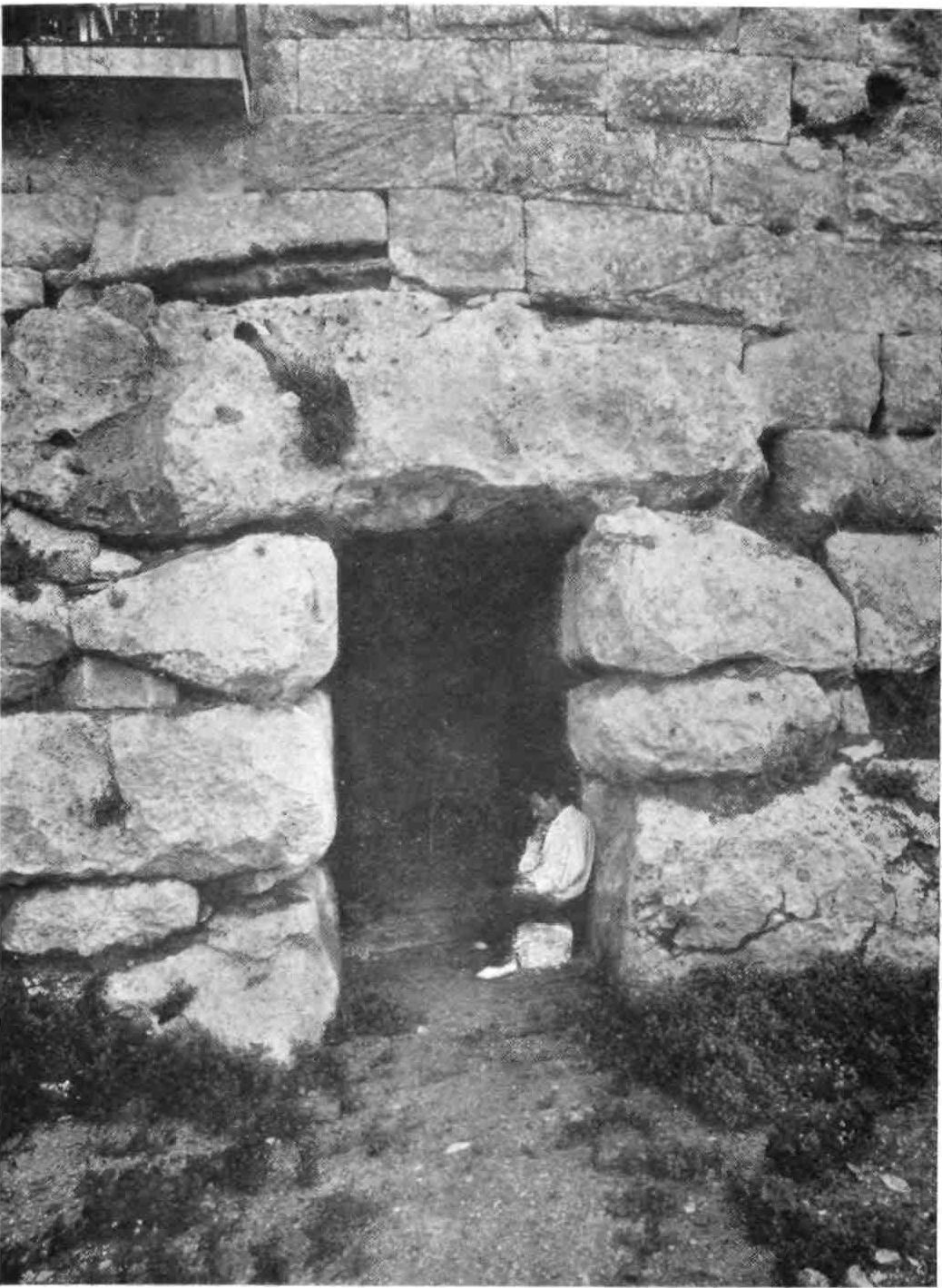
TARRAGONA: A CYCLOPEAN DOORWAY
Plate 180
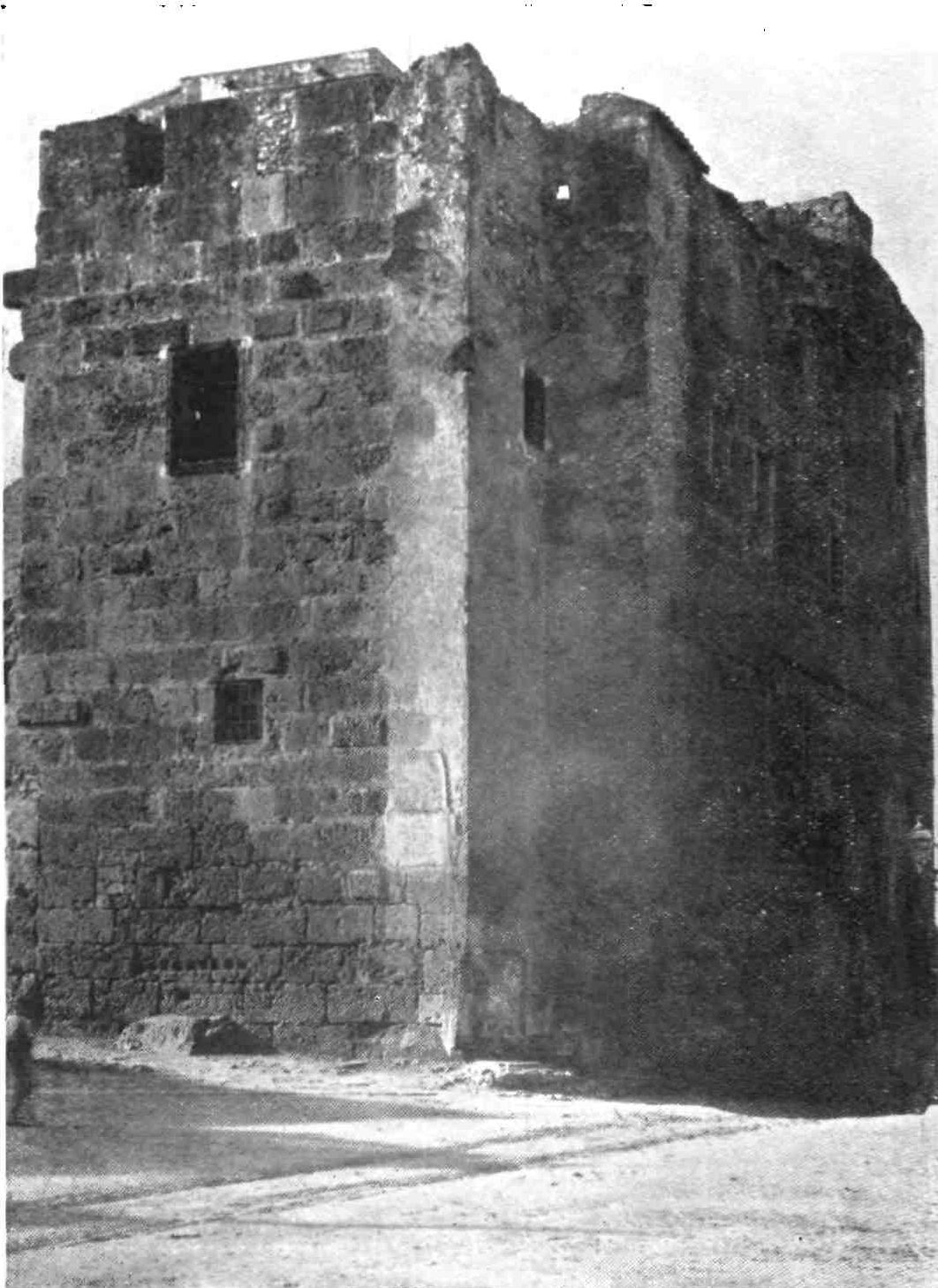
TARRAGONA: A ROMAN HOUSE
Plate 181
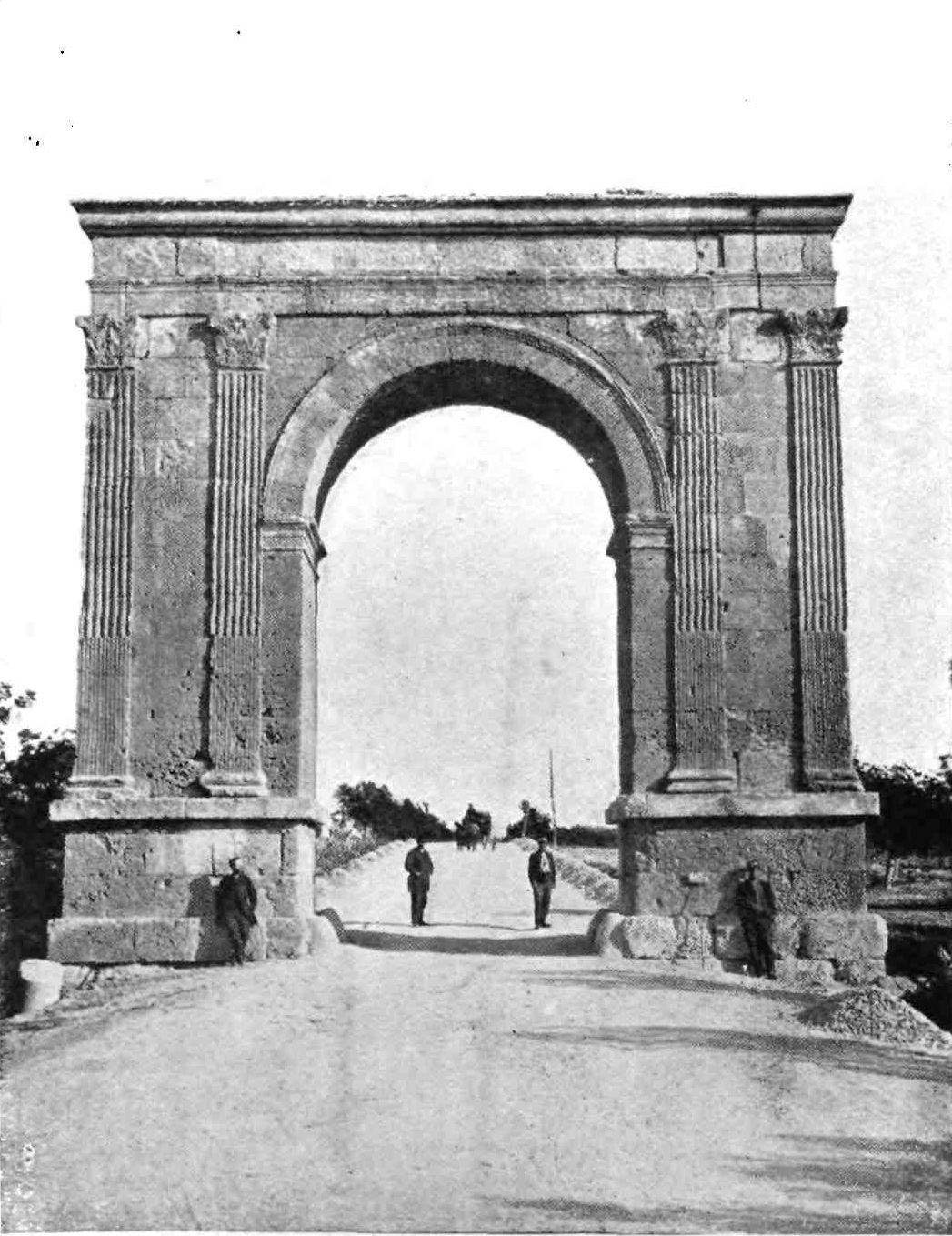
TARRAGONA: ARCO DE BARÁ
Plate 182
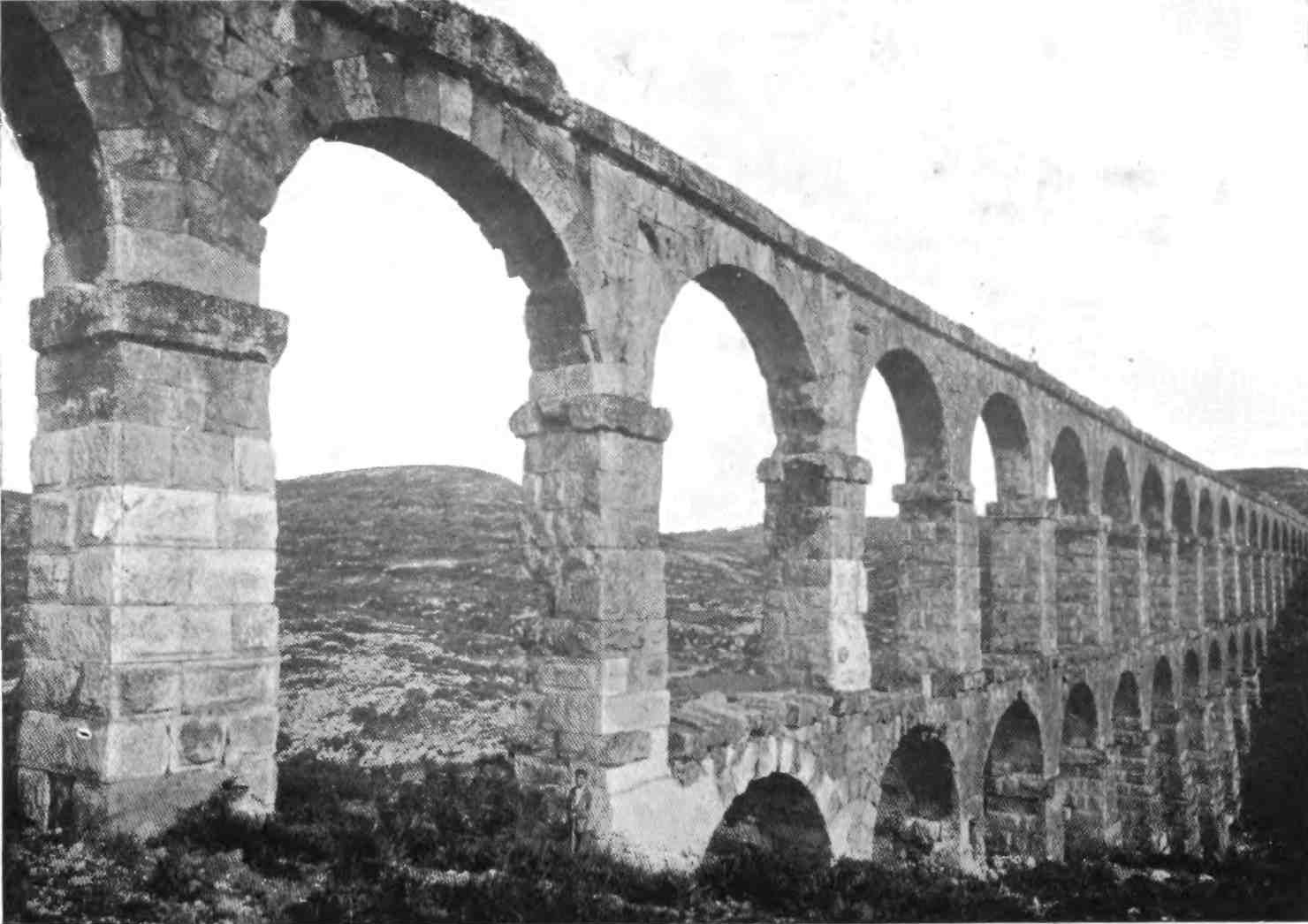
TARRAGONA: THE ROMAN AQUEDUCT
Plate 183
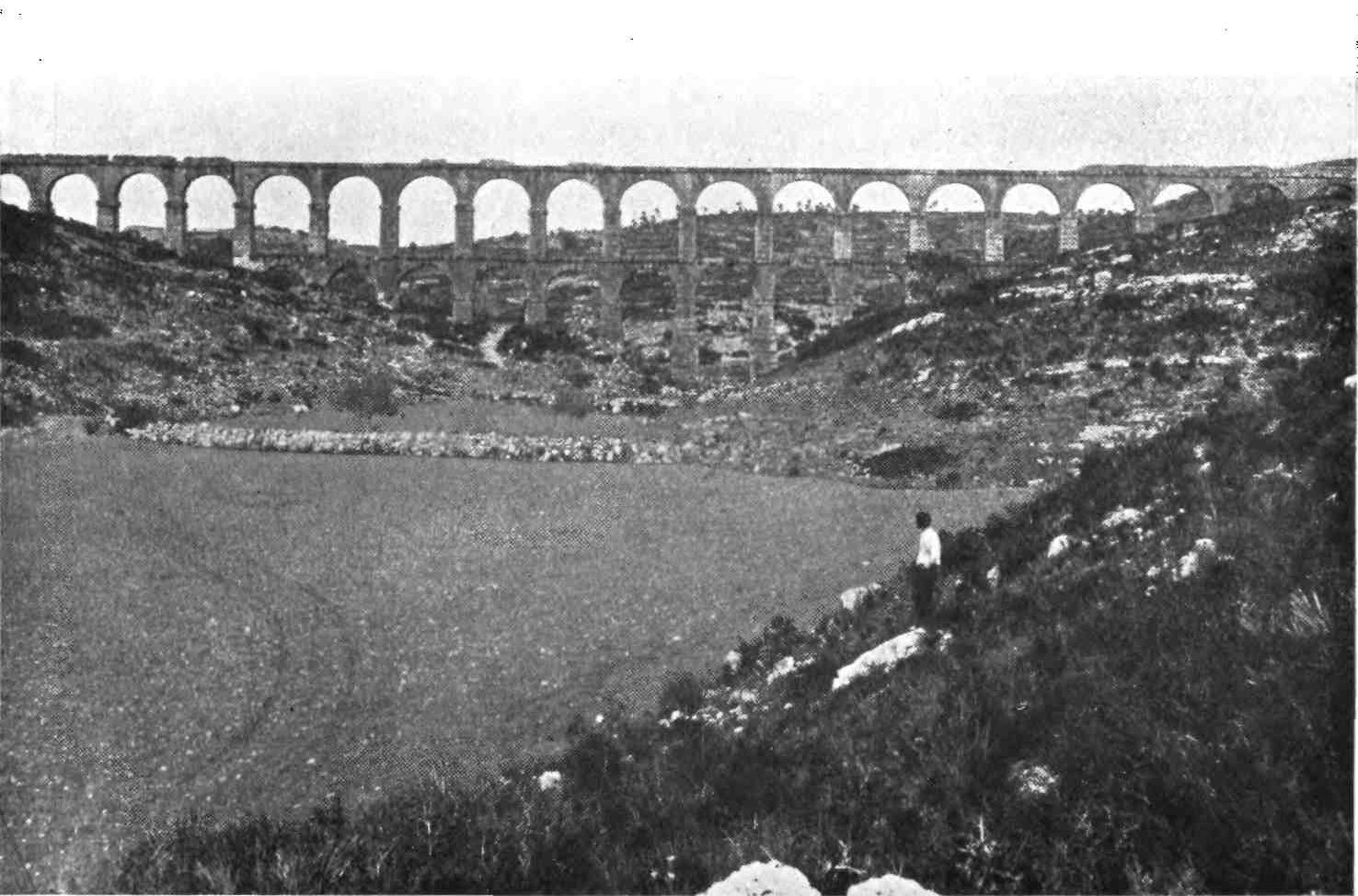
TARRAGONA: THE ROMAN AQUEDUCT
Plate 184
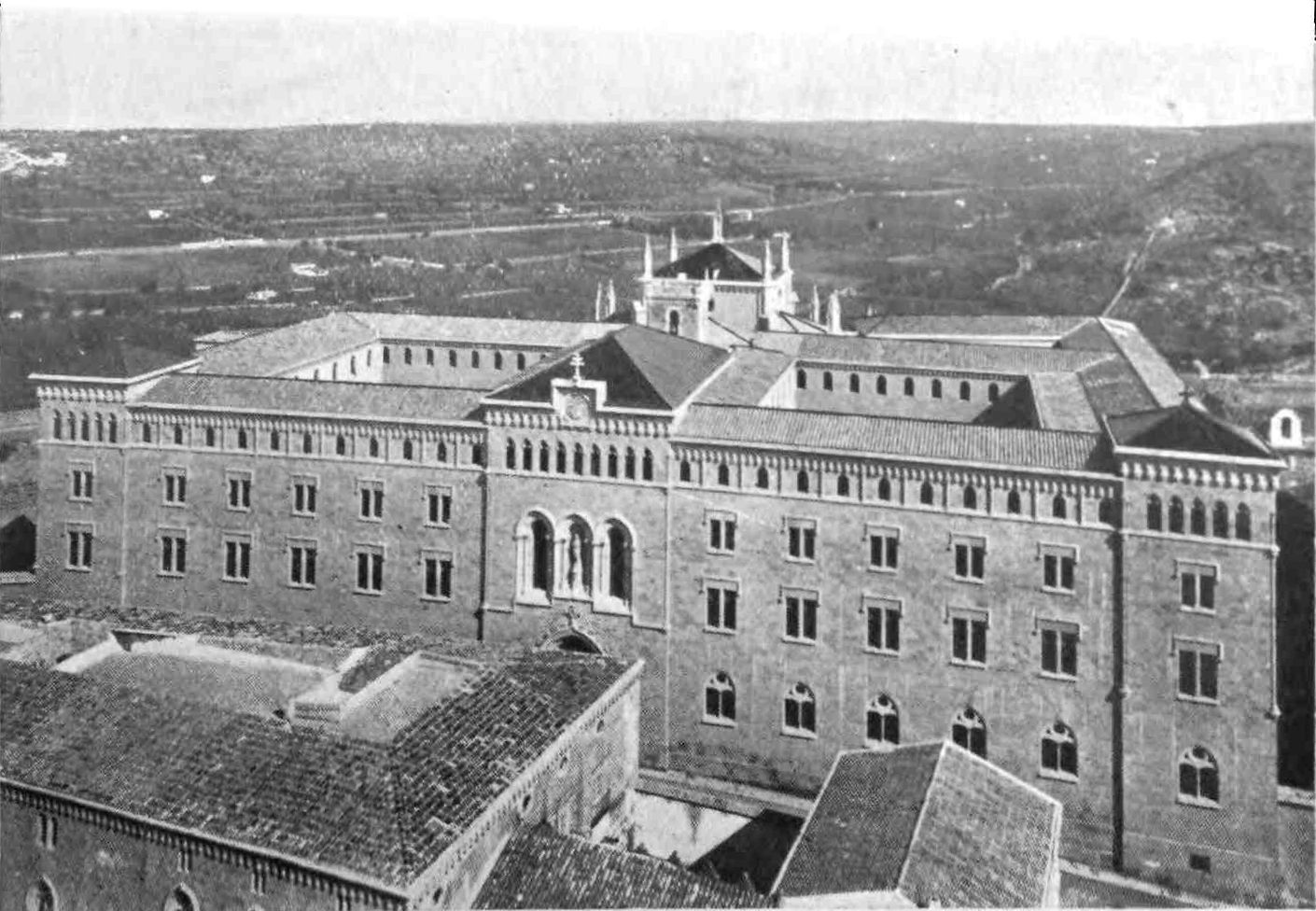
TARRAGONA: THE SEMINARY
Plate 185
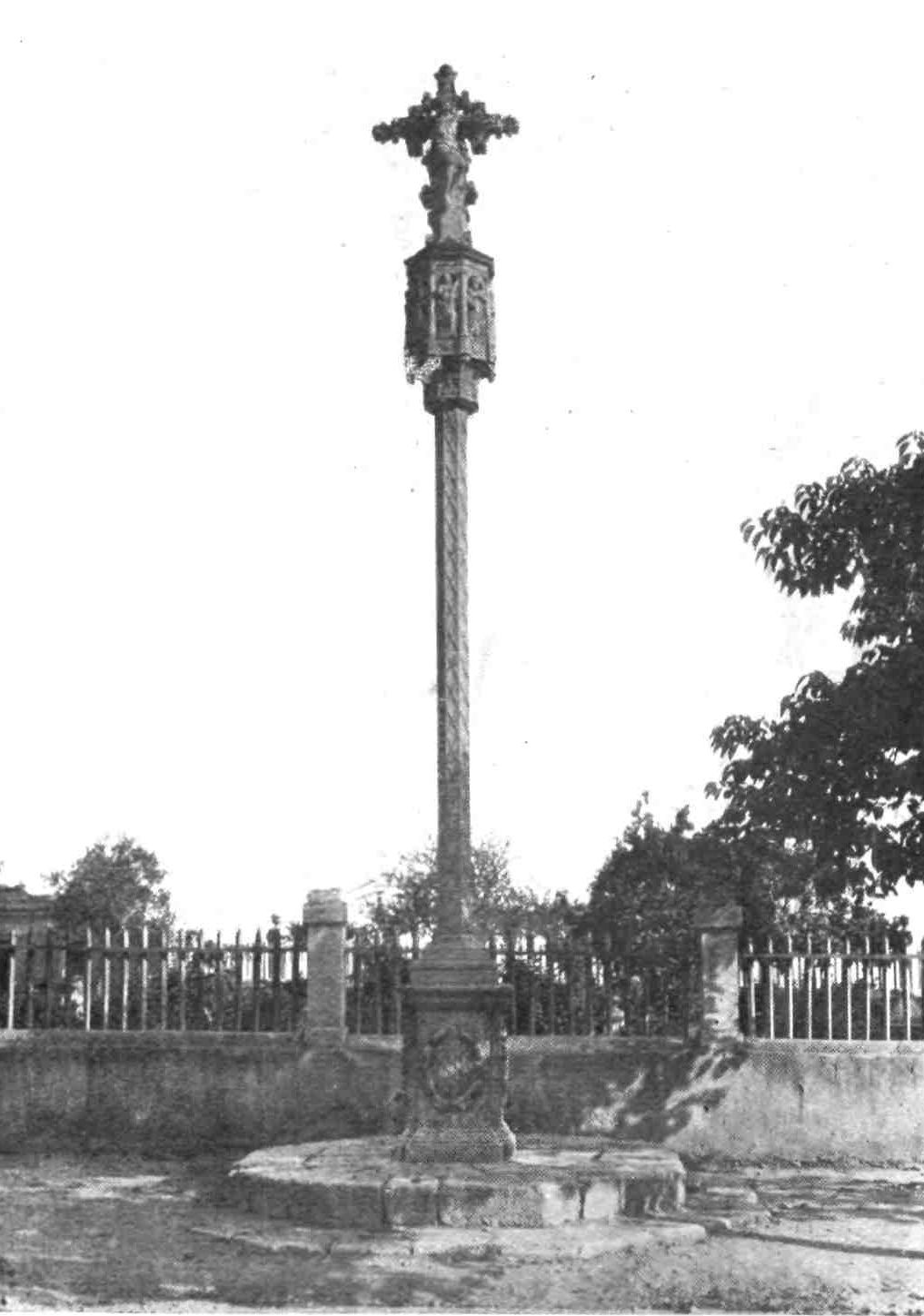
TARRAGONA: CROSS OF SAN ANTONIO
(SIXTEENTH CENTURY)
Plate 186
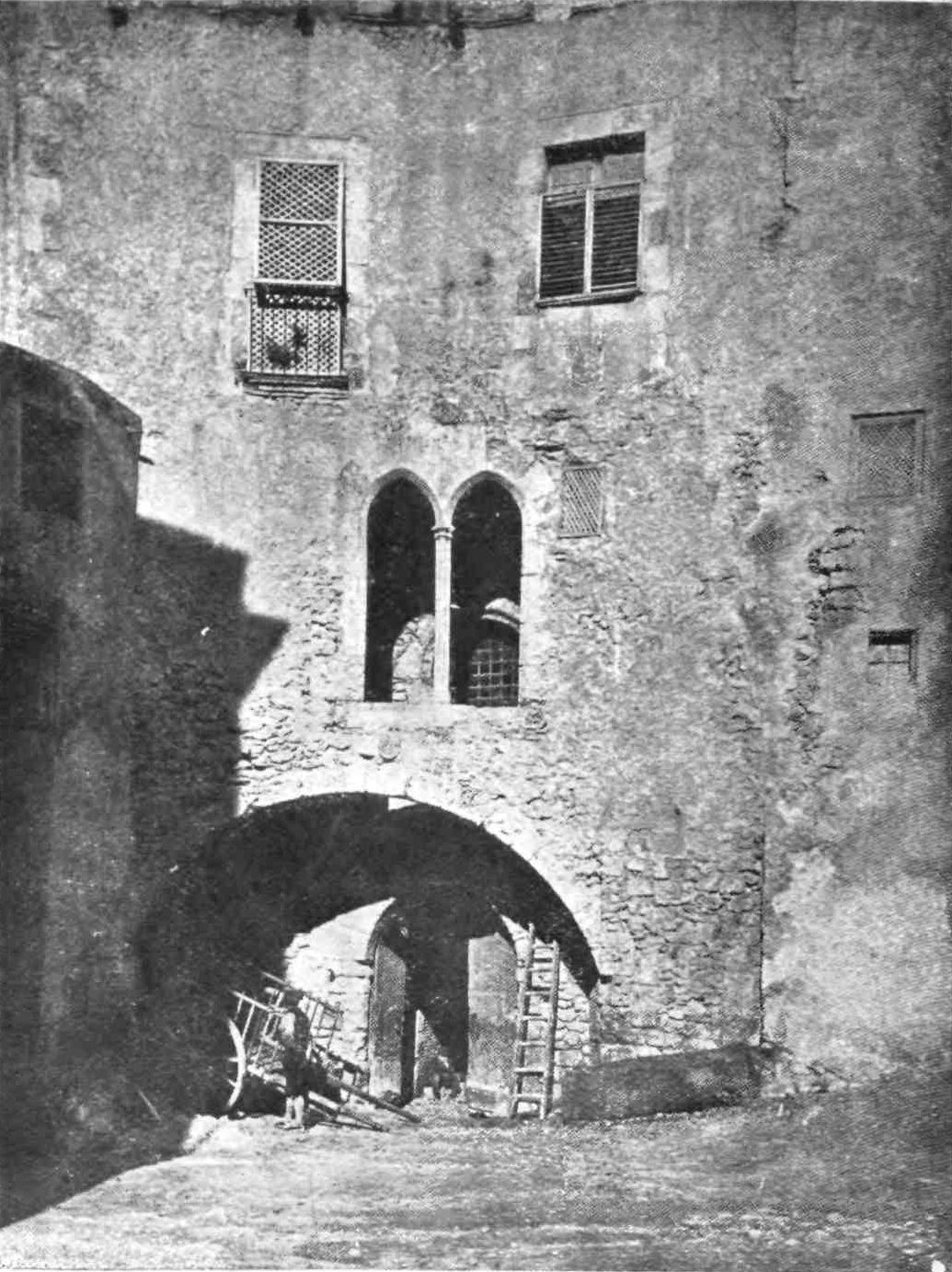
TARRAGONA: ANCIENT ROMAN CONVENT
Plate 187
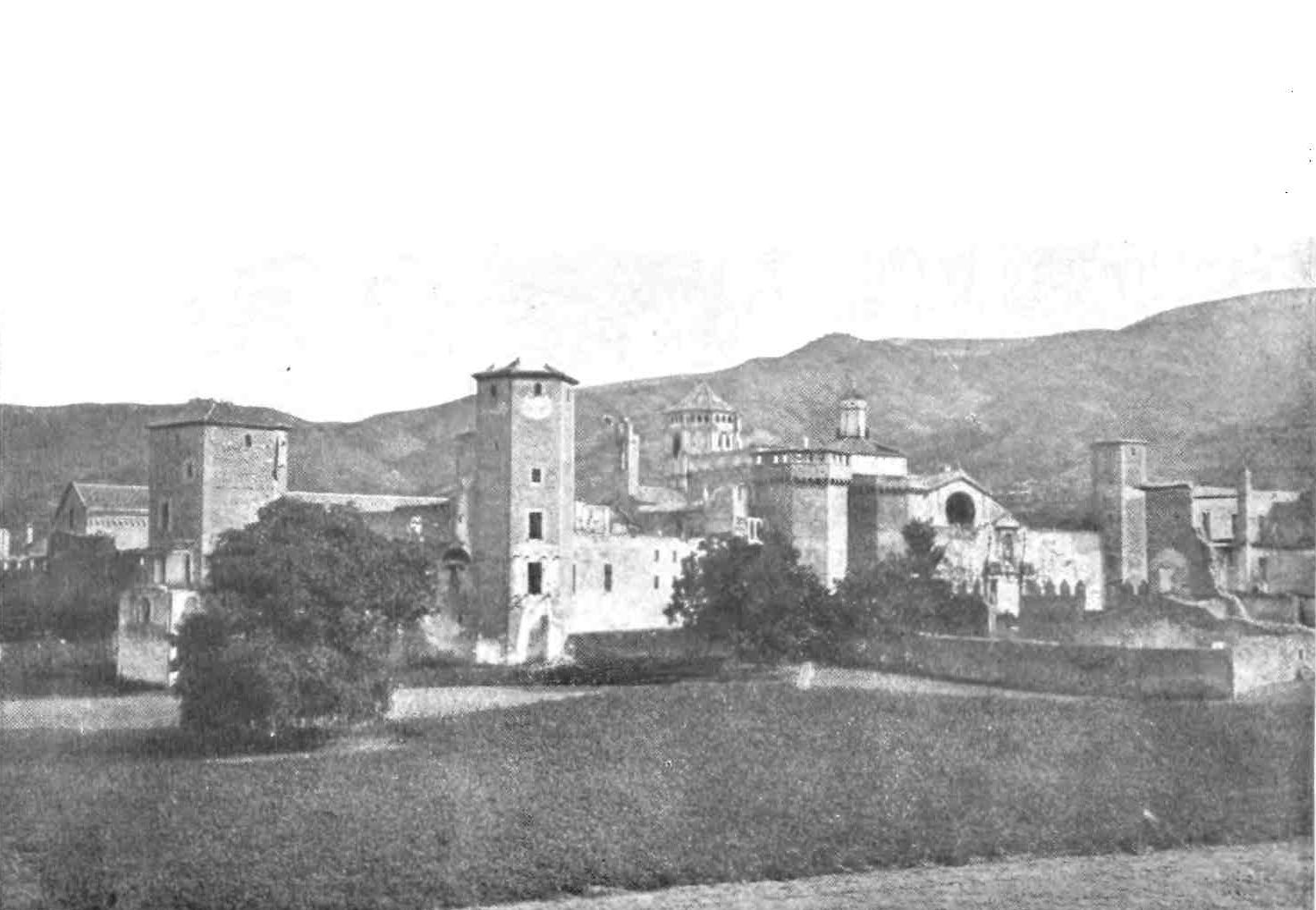
POBLET (TARRAGONA): GENERAL VIEW OF THE MONASTERY
Plate 188
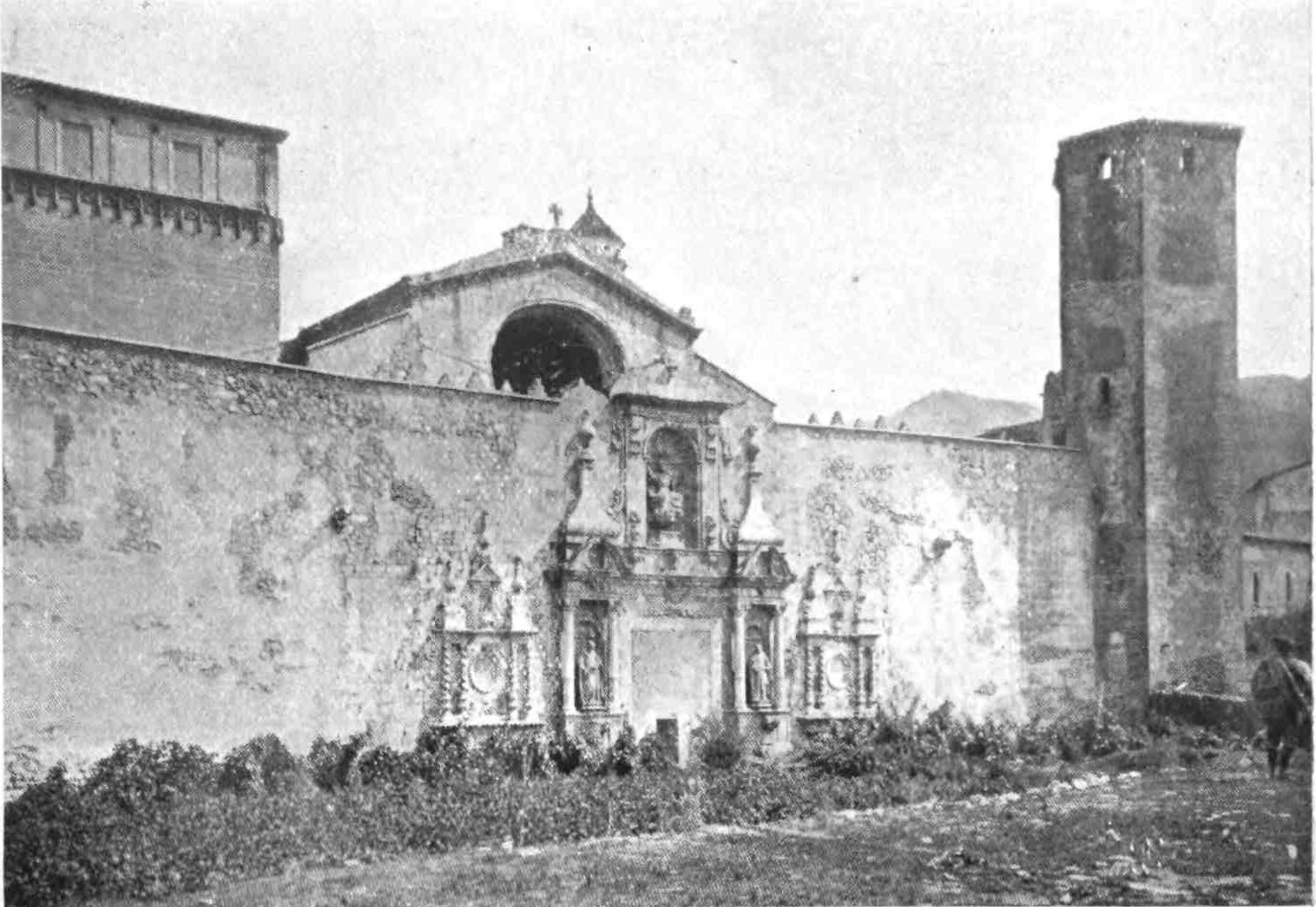
POBLET (TARRAGONA): CHURCH OF THE MONASTERY
Plate 189
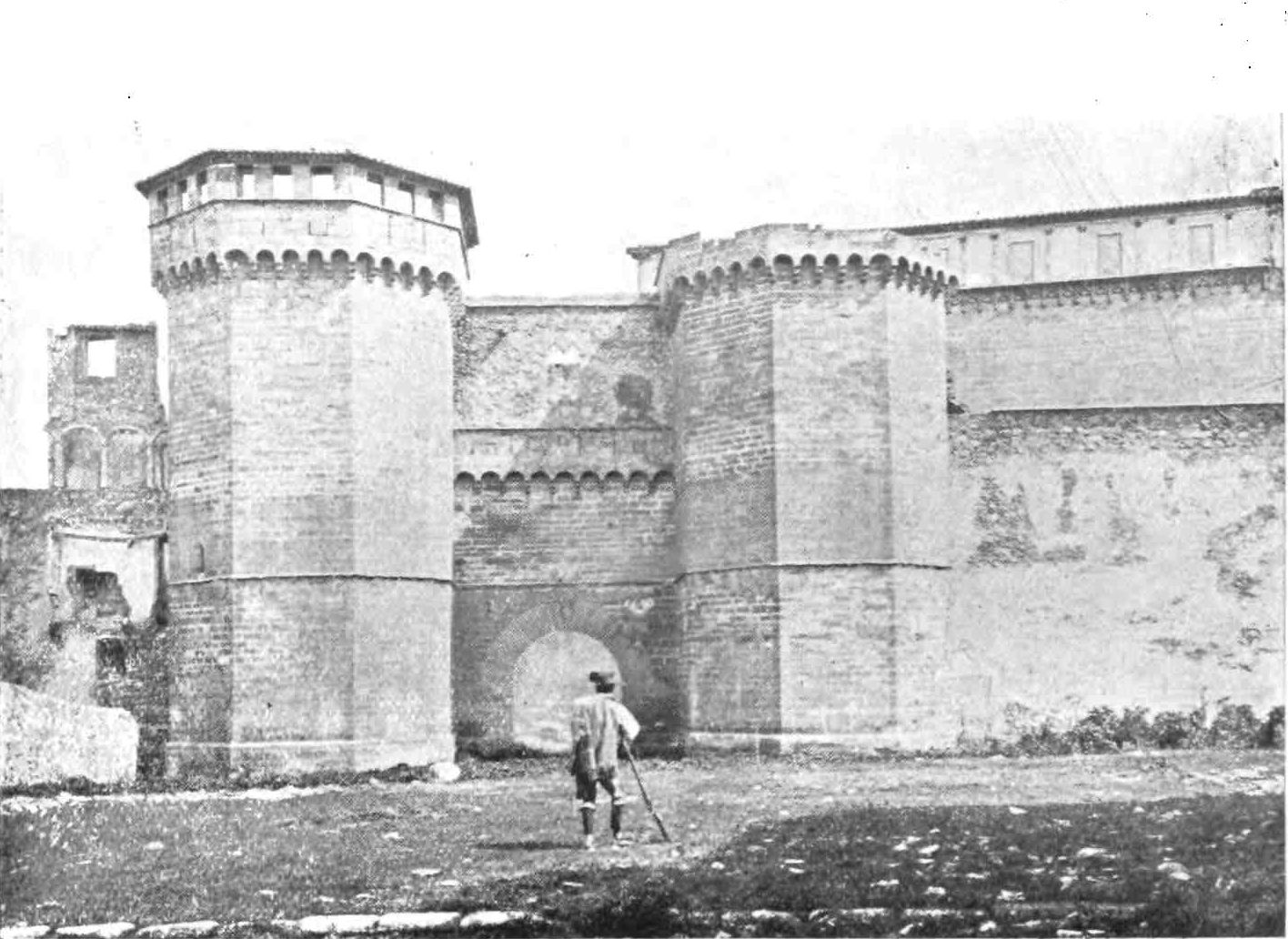
POBLET (TARRAGONA): DOOR OF THE MONASTERY
Plate 190
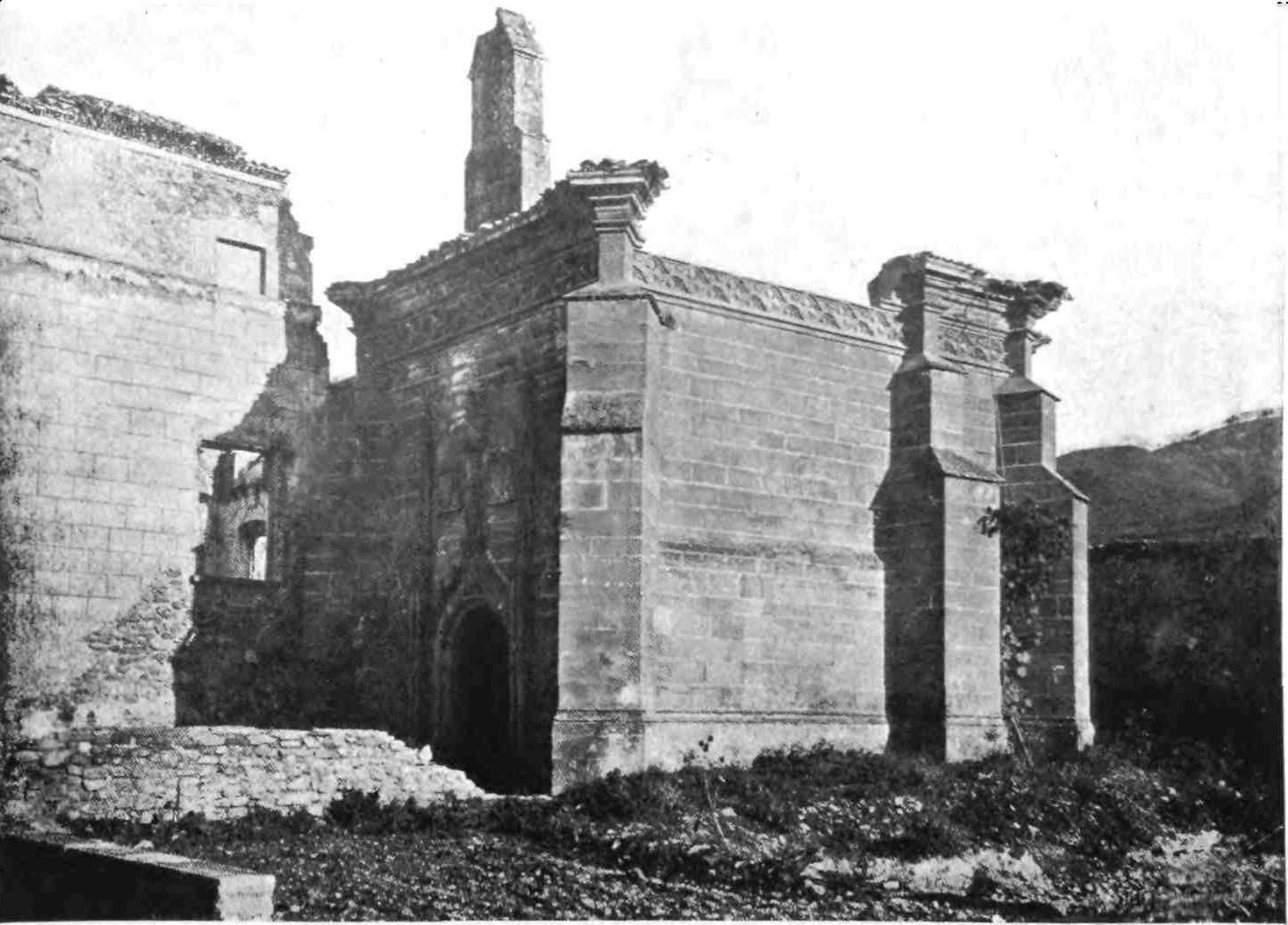
POBLET (TARRAGONA): CHAPEL OF SAN JORGE
Plate 191
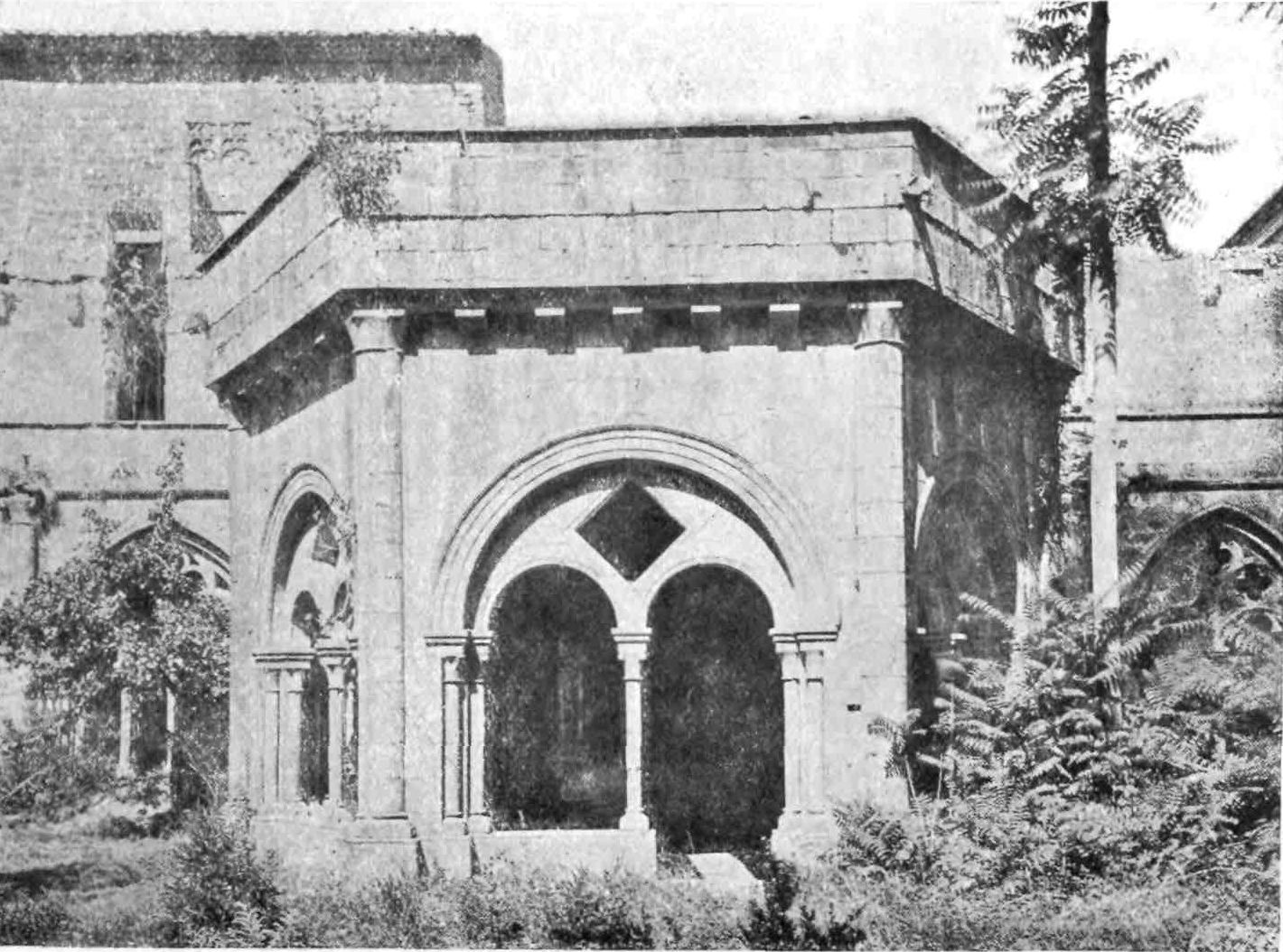
POBLET (TARRAGONA): TEMPLE IN THE CLOISTERS
Plate 192
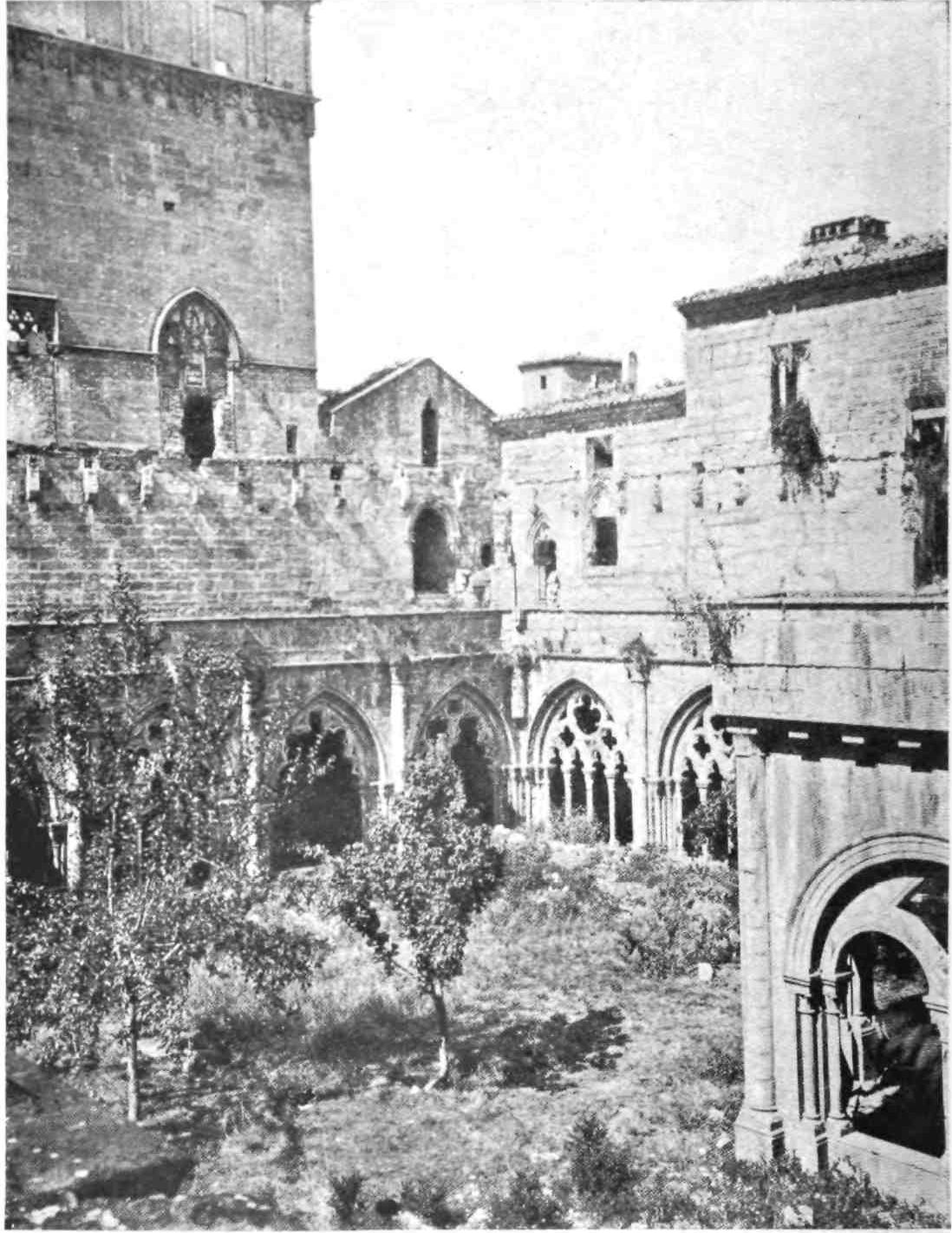
POBLET (TARRAGONA): CLOISTERS AND PALACE OF KING MARTIN
Plate 193
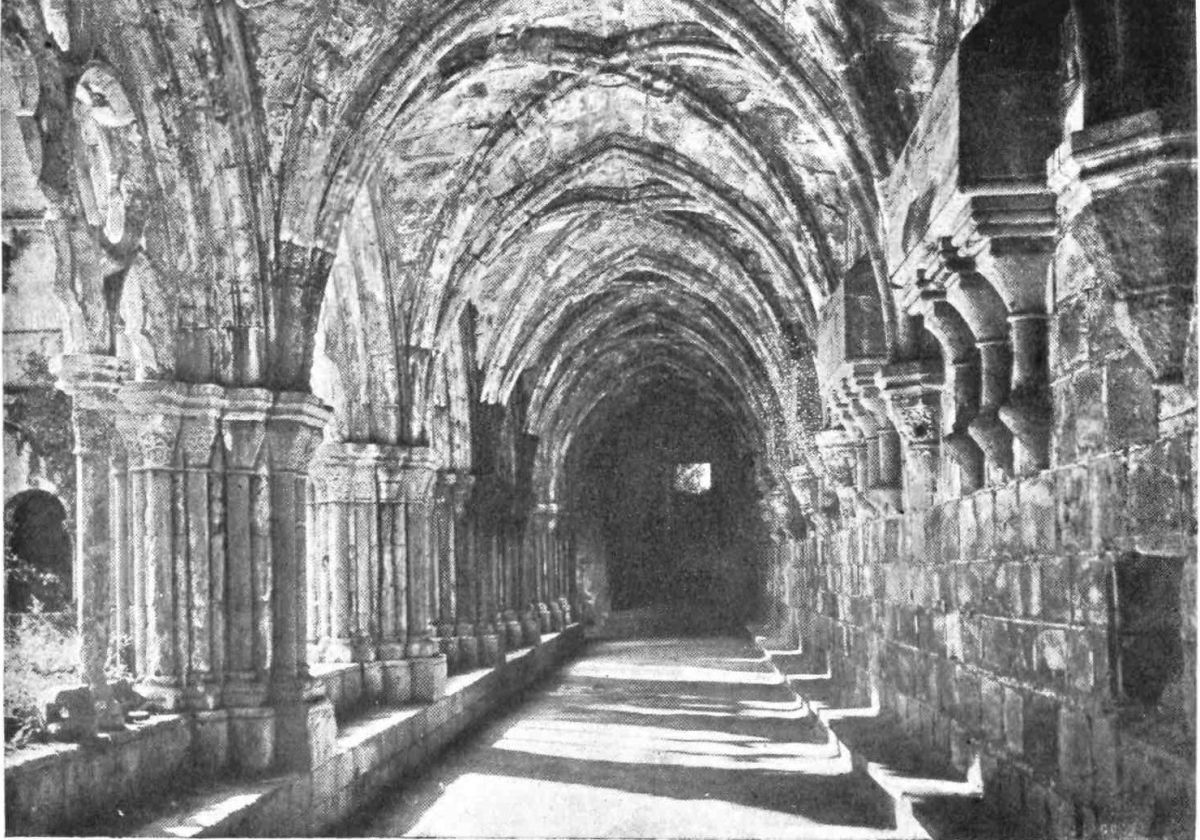
POBLET (TARRAGONA): INTERIOR VIEW OF THE CLOISTERS
Plate 194
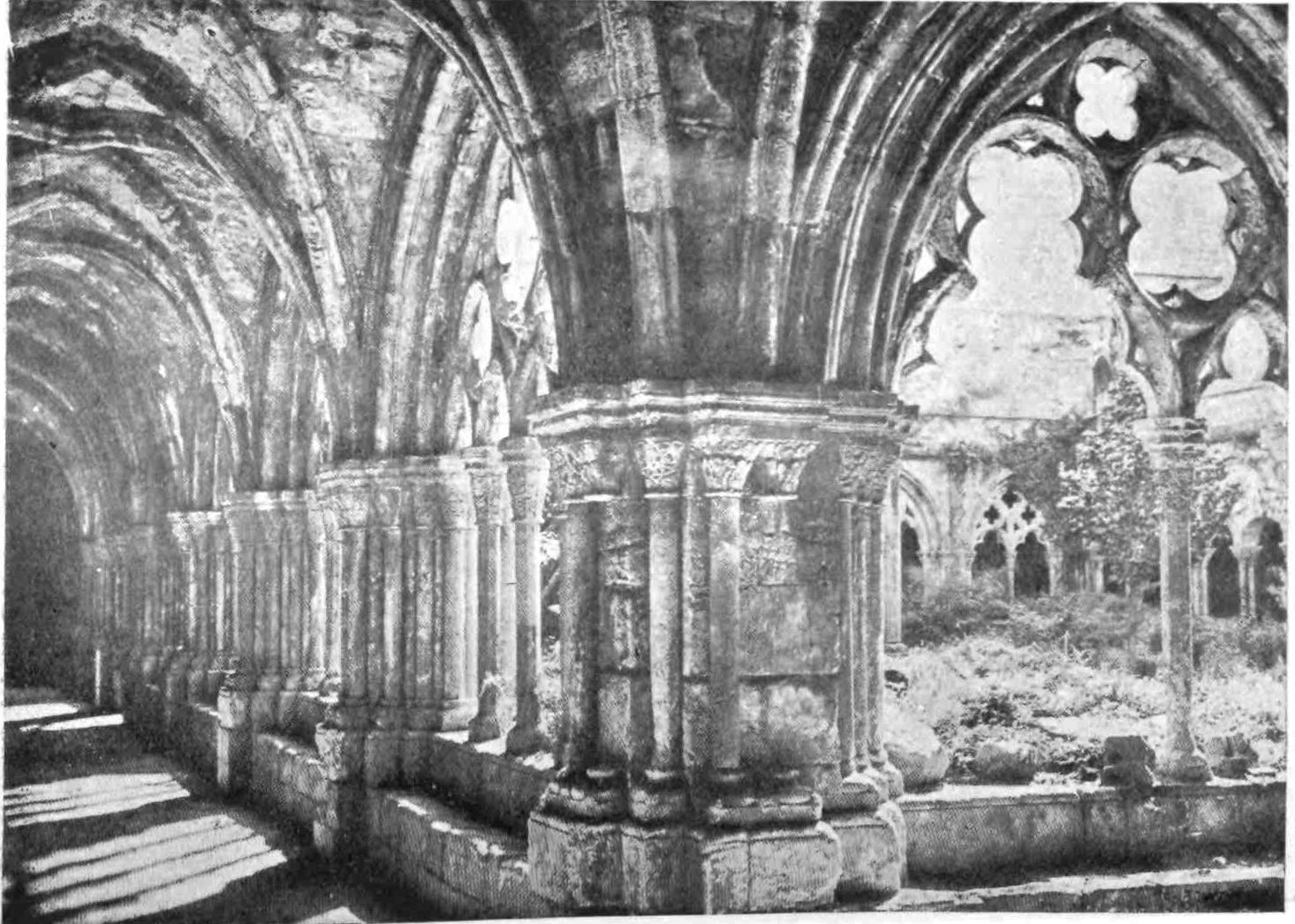
POBLET (TARRAGONA): INTERIOR VIEW OF THE CLOISTERS
Plate 195
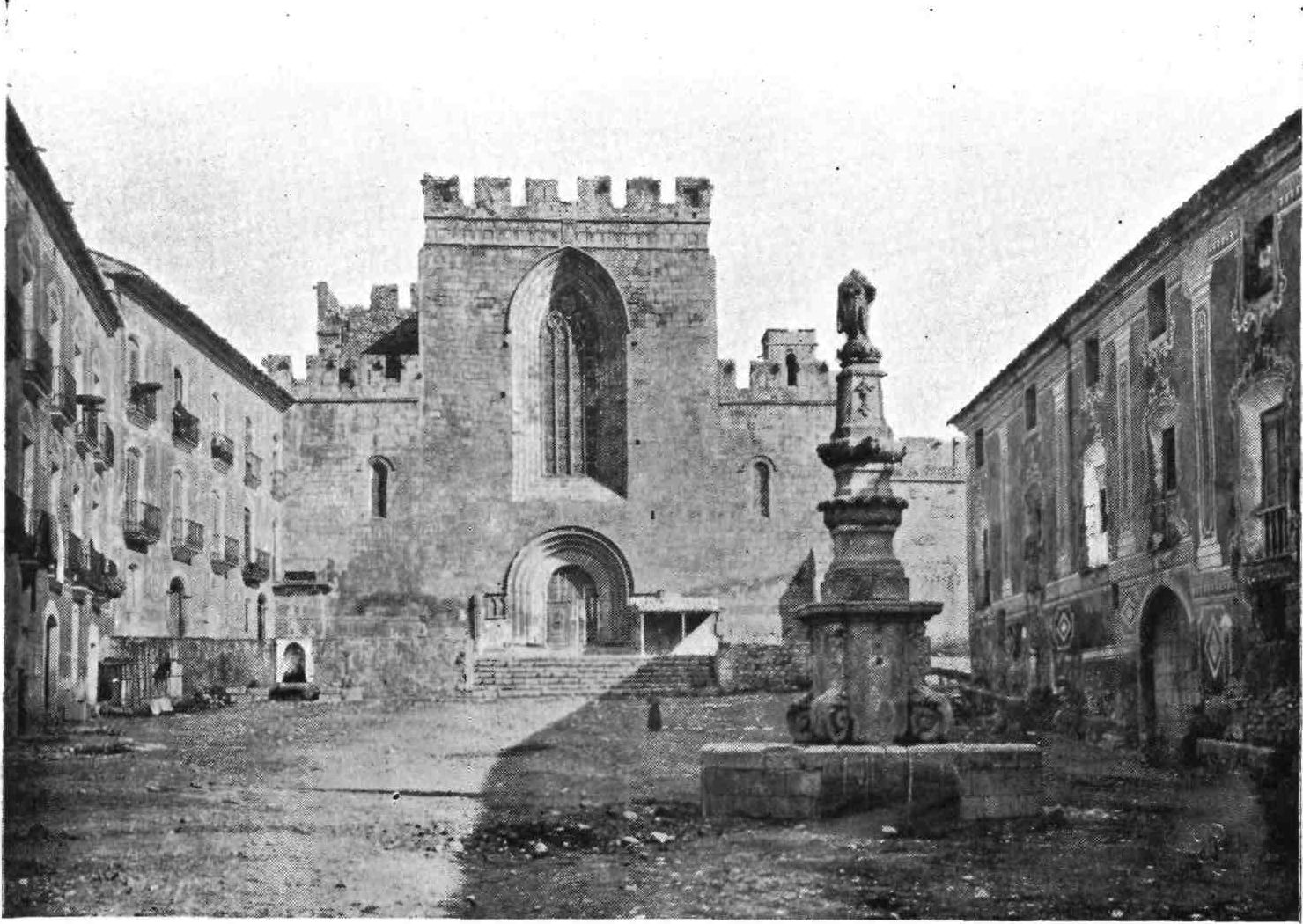
SANTA CREUS (TARRAGONA): GENERAL VIEW OF THE CHURCH OF THE MONASTERY
Plate 196
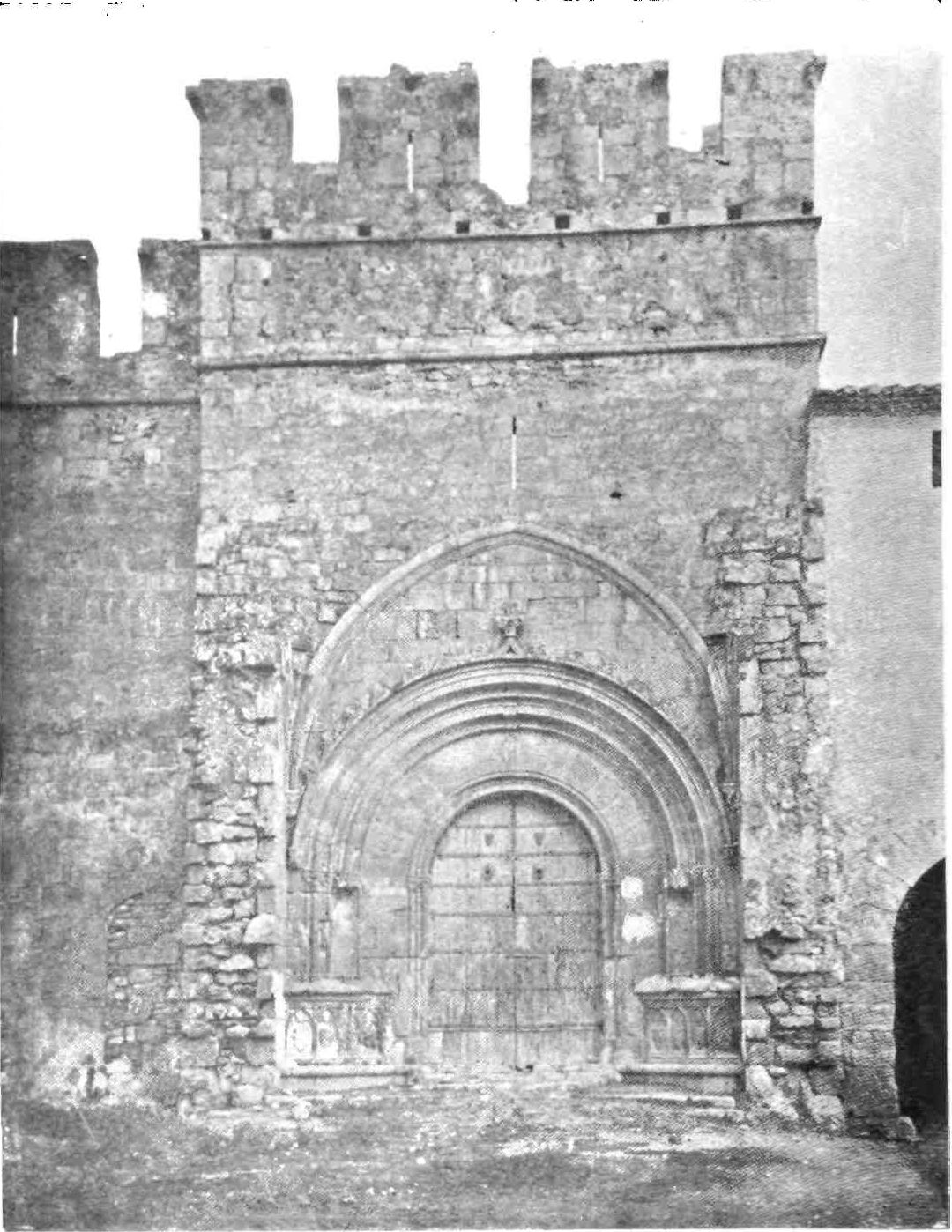
SANTA CREUS (TARRAGONA): DOOR OF THE CLOISTERS
Plate 197
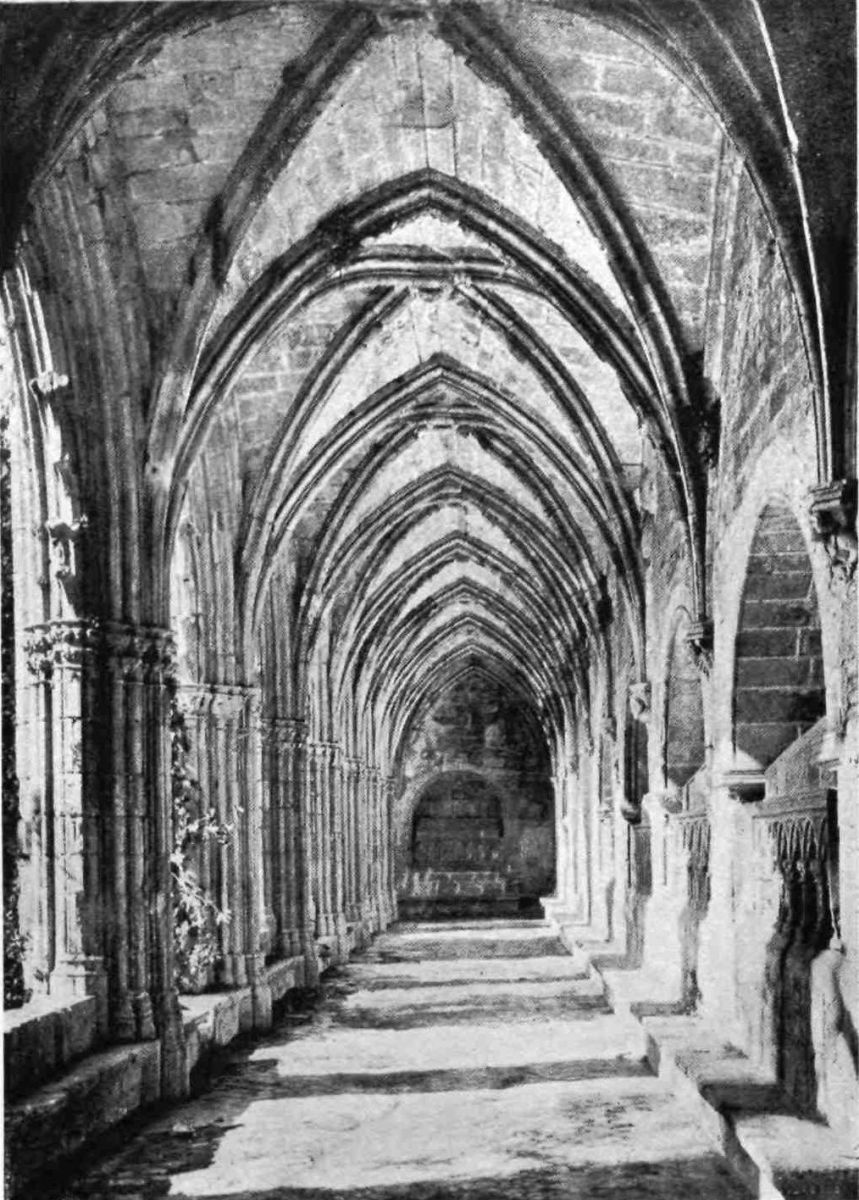
SANTA CREUS (TARRAGONA): INTERIOR OF THE CLOISTERS
Plate 198
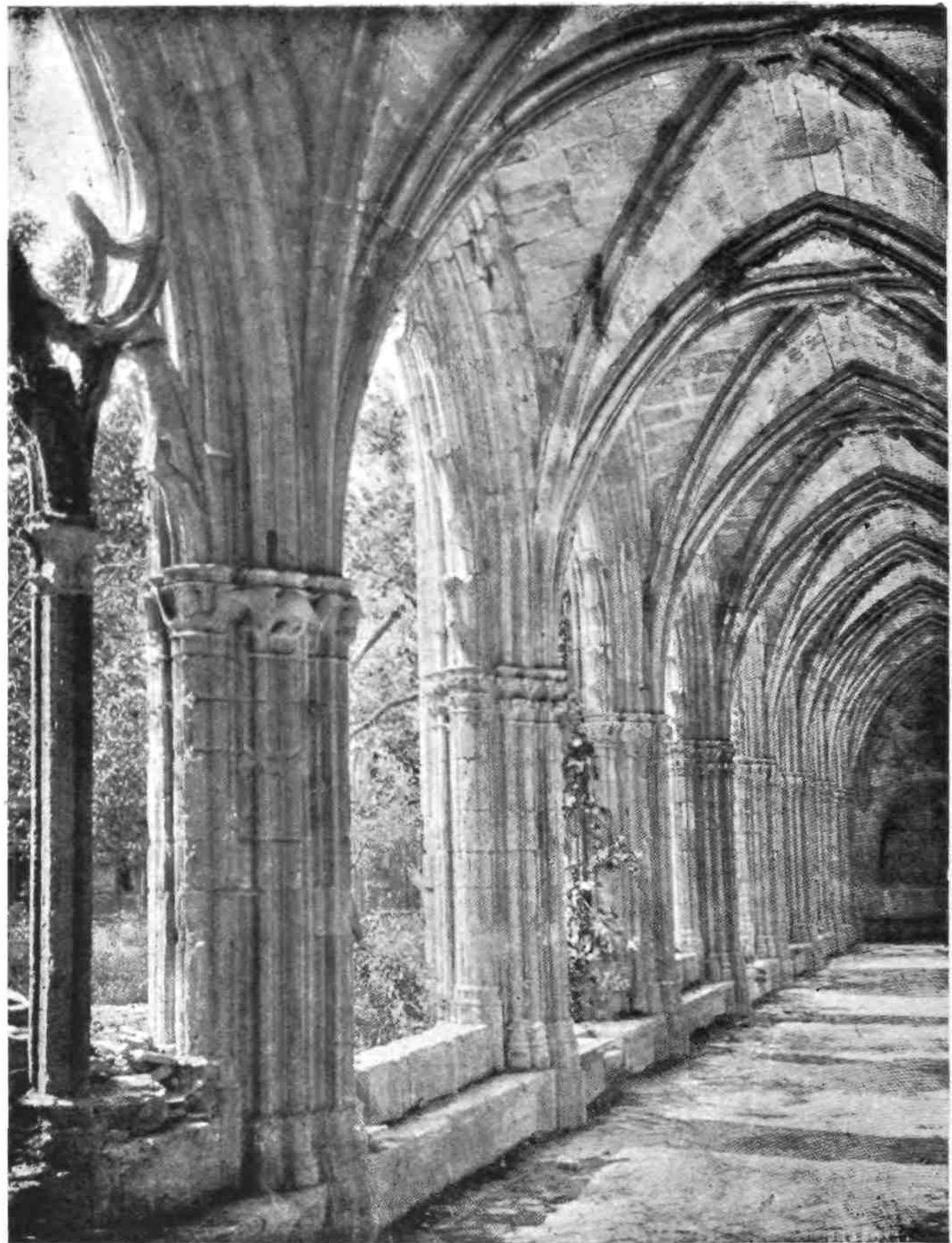
SANTA CREUS (TARRAGONA): INTERIOR SIDE VIEW OF THE CLOISTERS
Plate 199
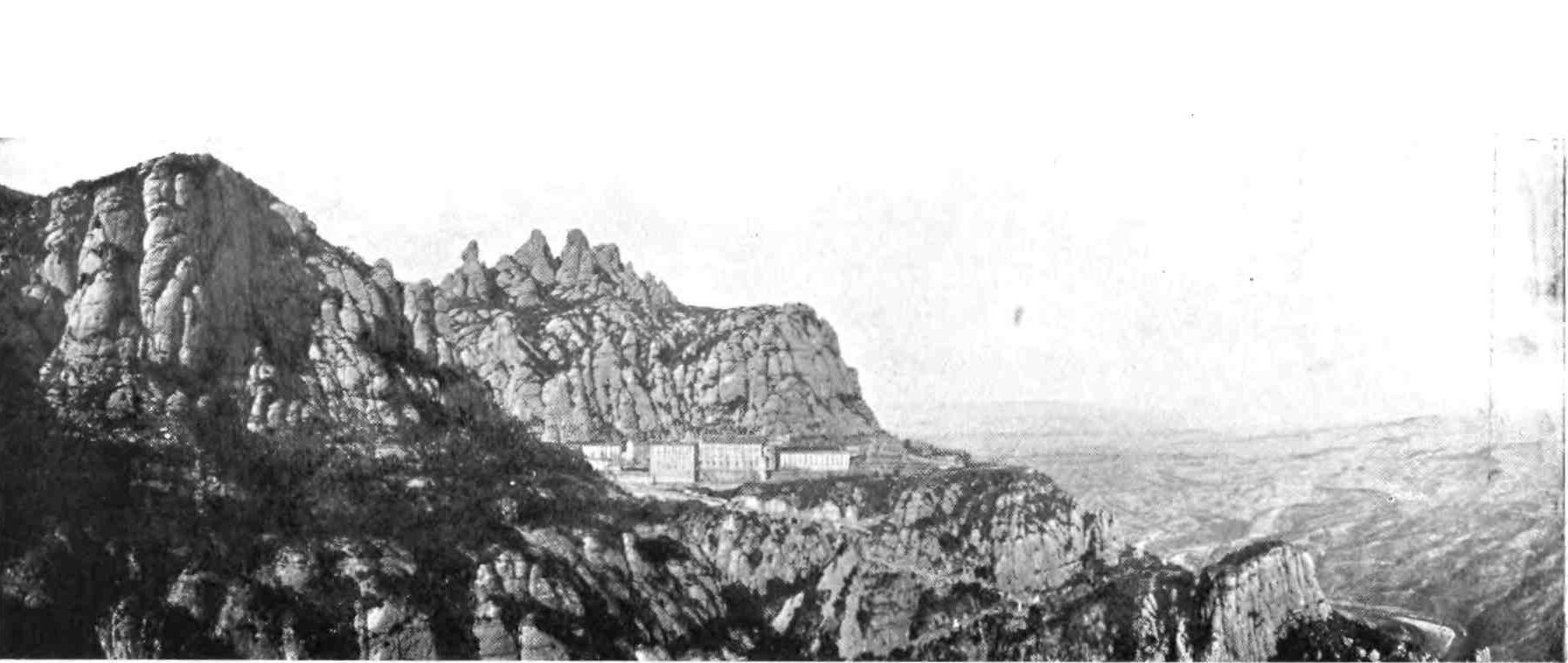
MONTSERRAT: VIEW OF THE MONASTERY
Plate 200
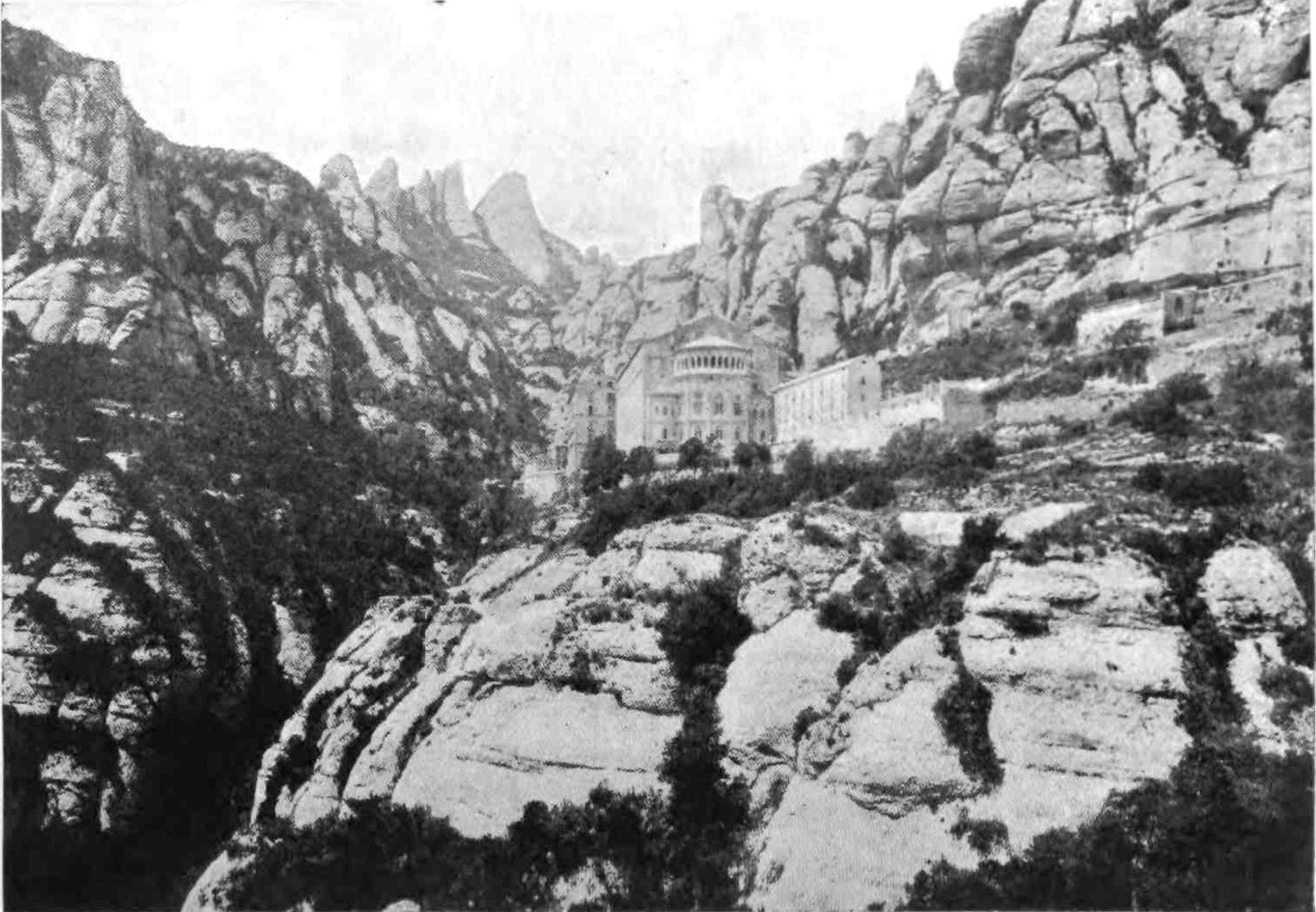
MONASTERY OF MONTSERRAT
Plate 201
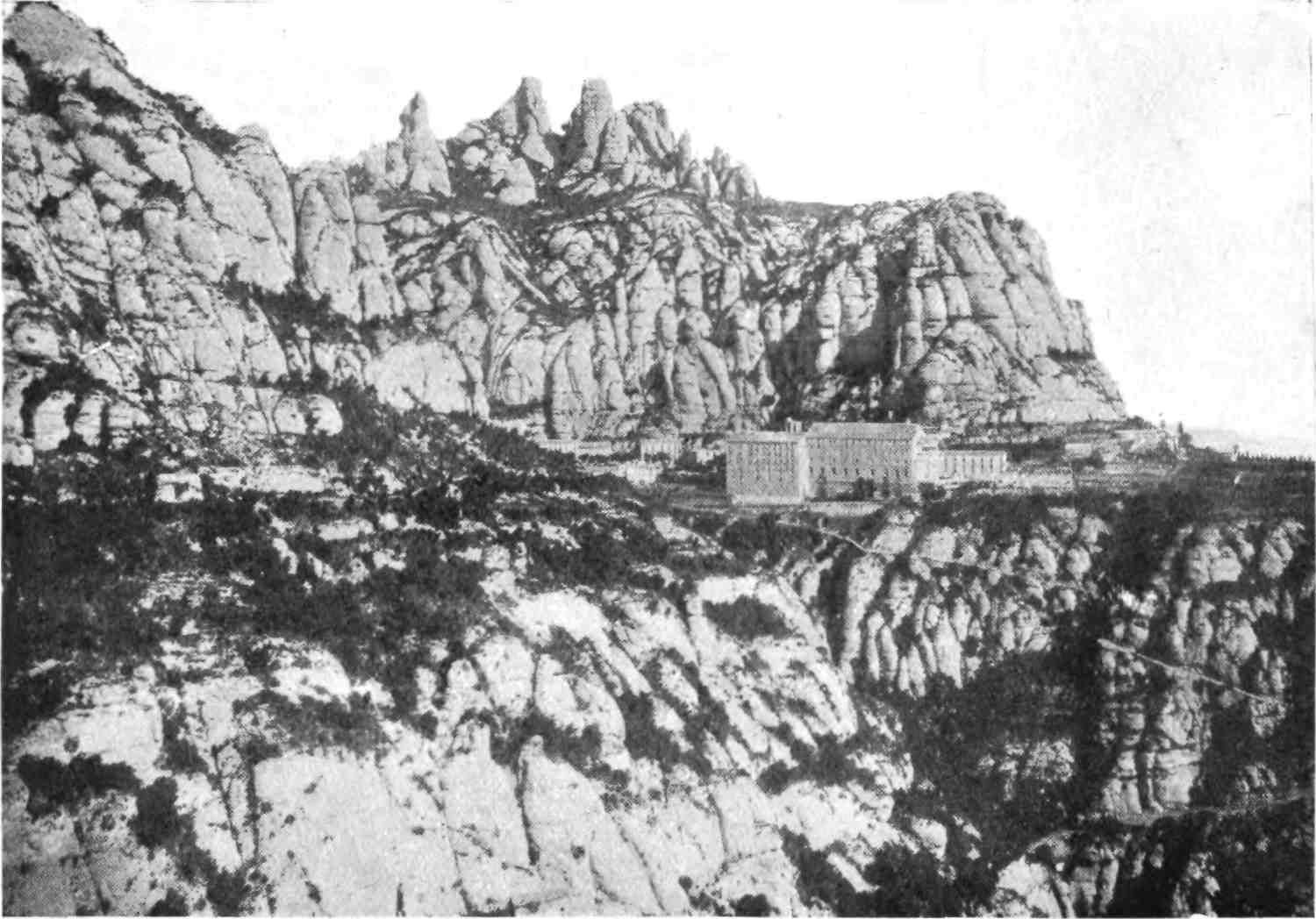
VIEW OF THE MONASTERY OF MONTSERRAT, TAKEN FROM ST. MICHAEL
Plate 202
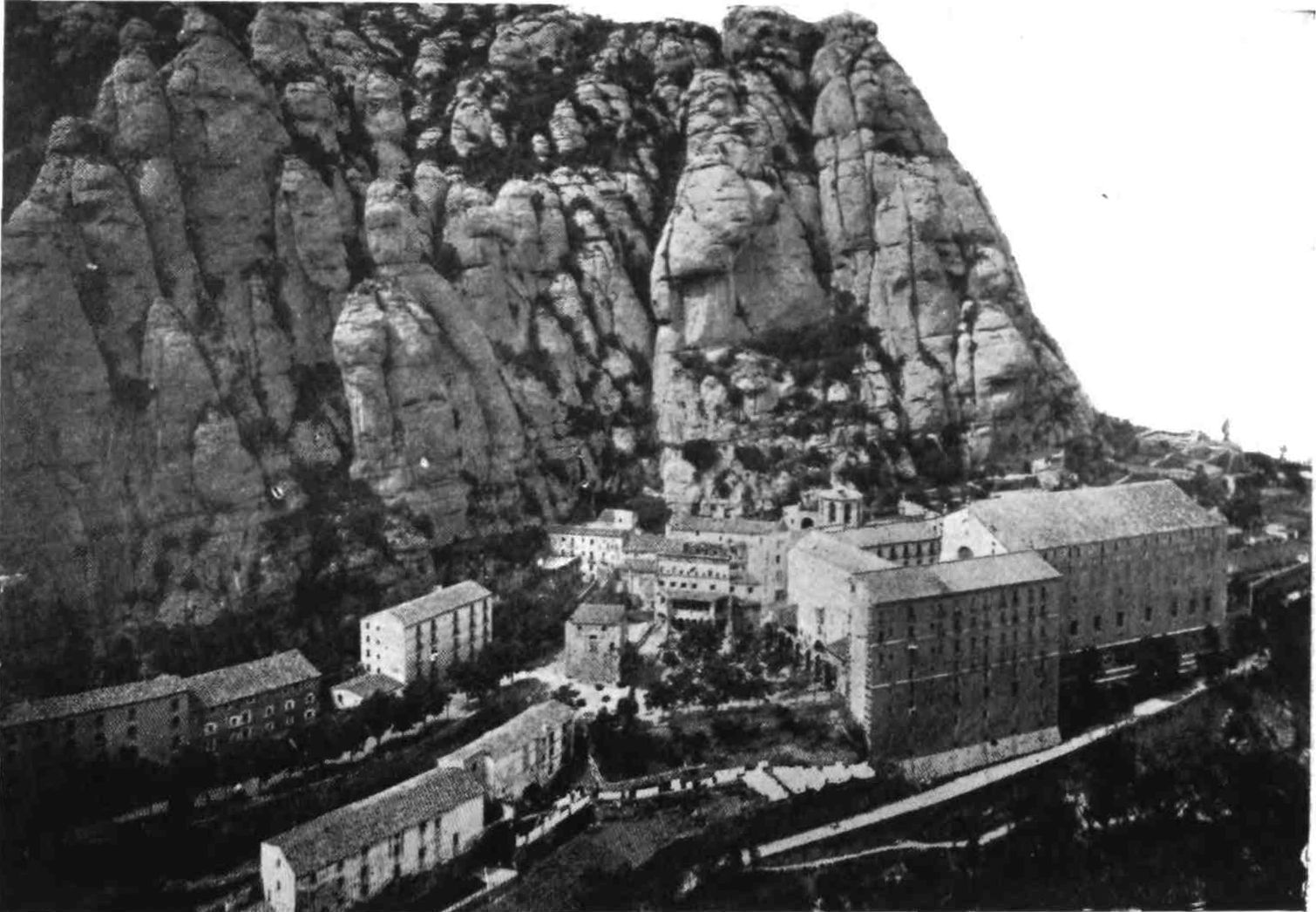
MONTSERRAT: GENERAL VIEW OF MONASTERY FROM THE SOUTH
Plate 203
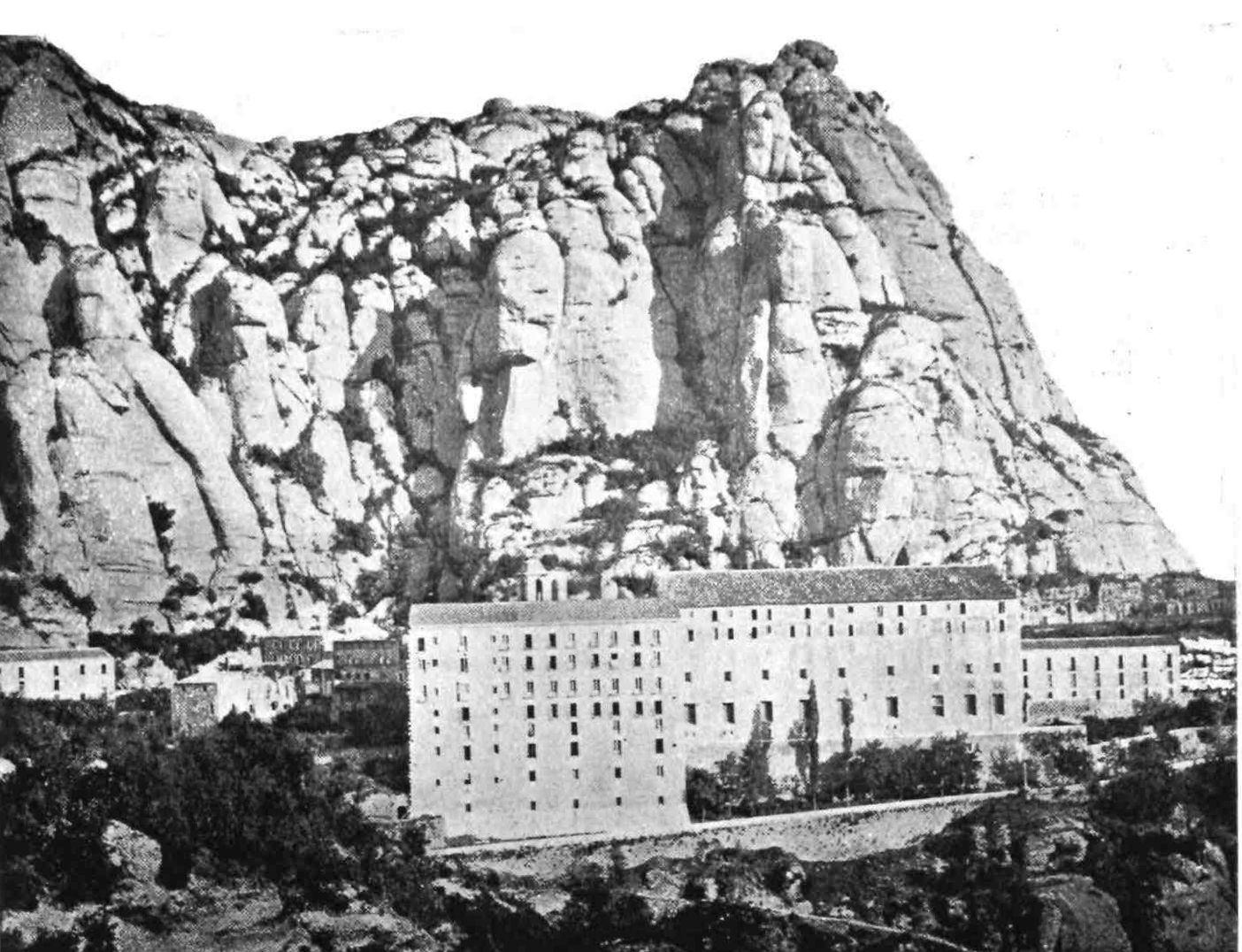
MONTSERRAT: VIEW OF THE MONASTERY FROM THE SOUTH
Plate 204
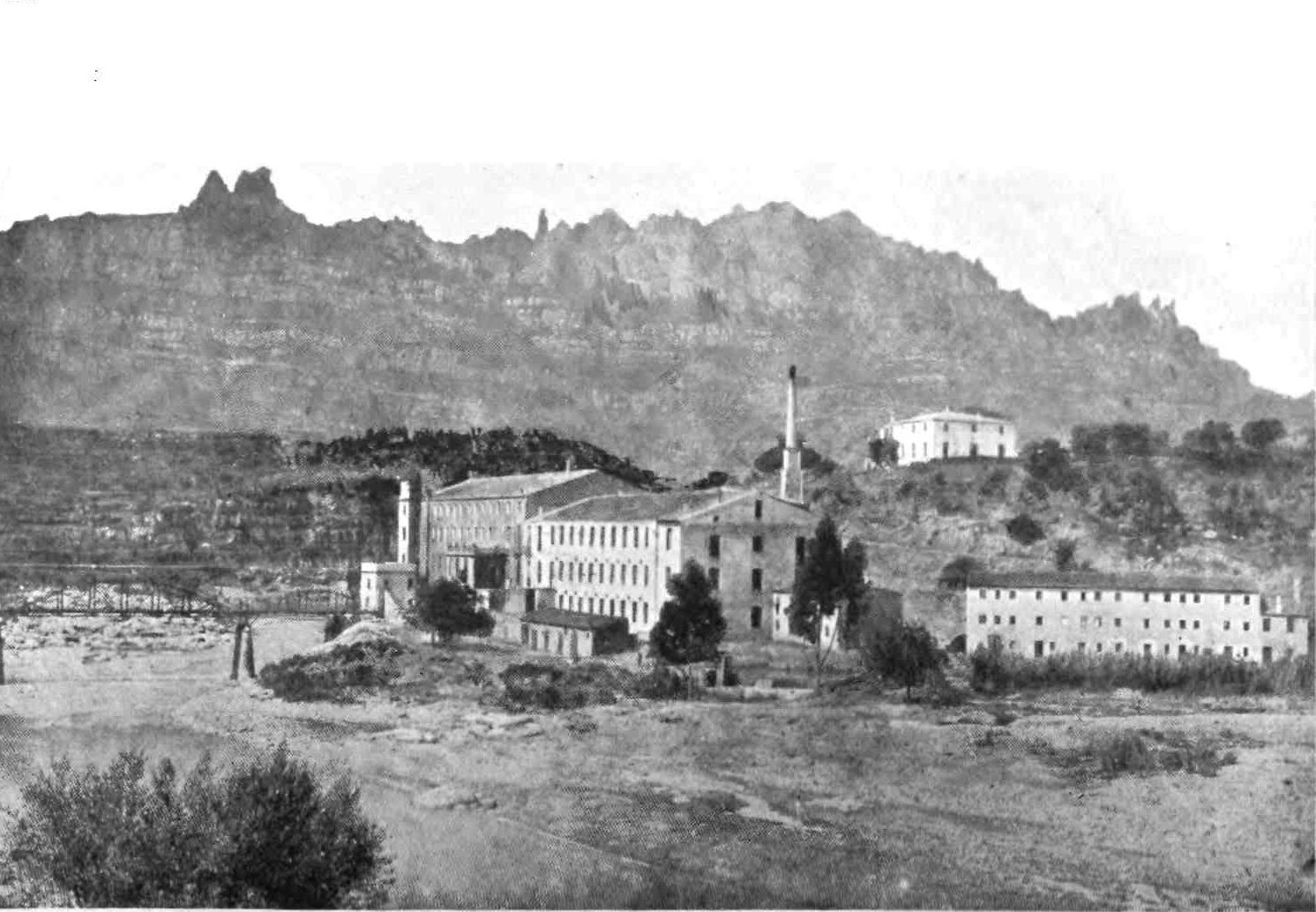
MONTSERRAT: GENERAL VIEW
Plate 205
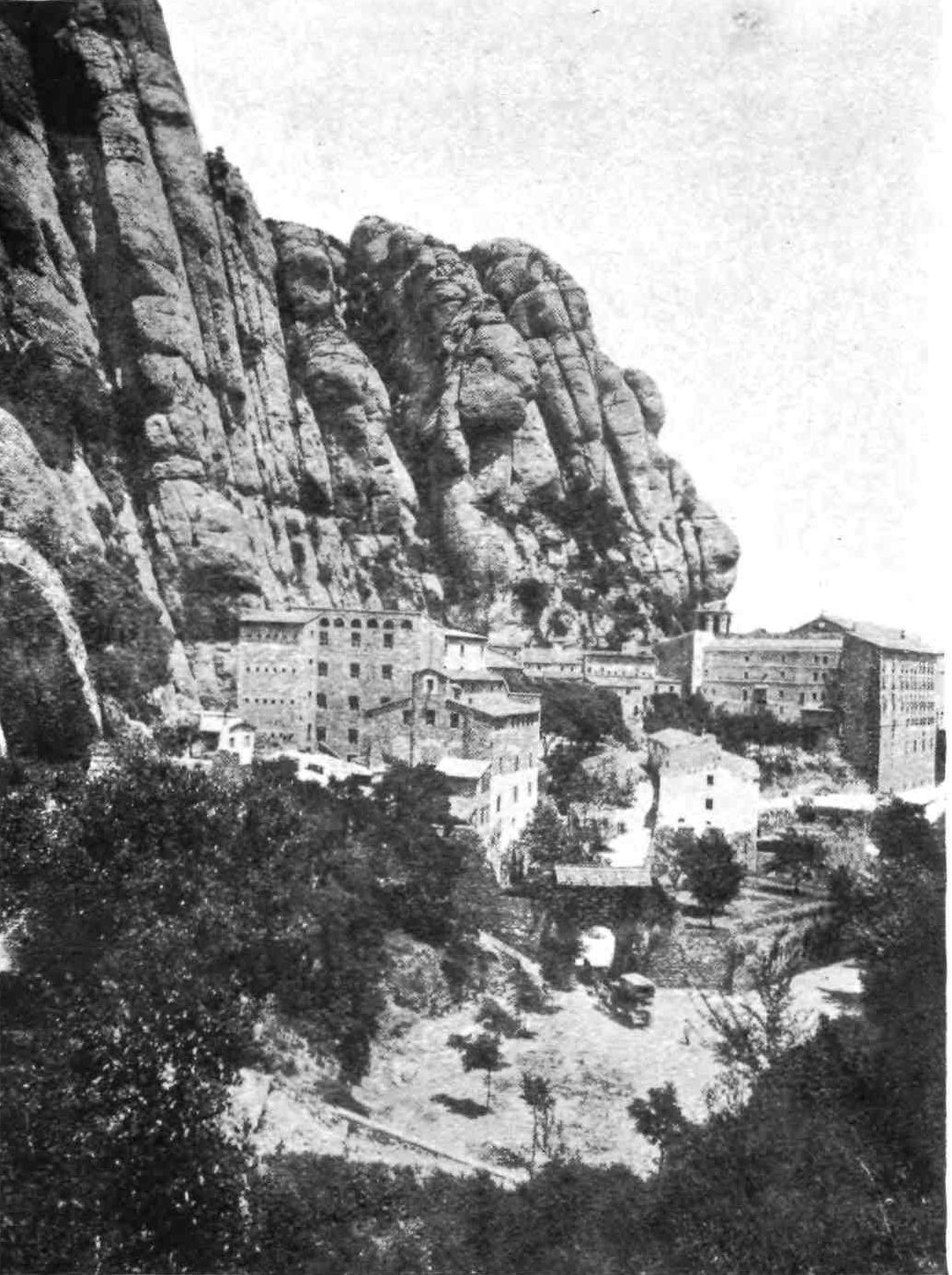
MONTSERRAT: VIEW OF THE MONASTERY FROM THE WEST
Plate 206
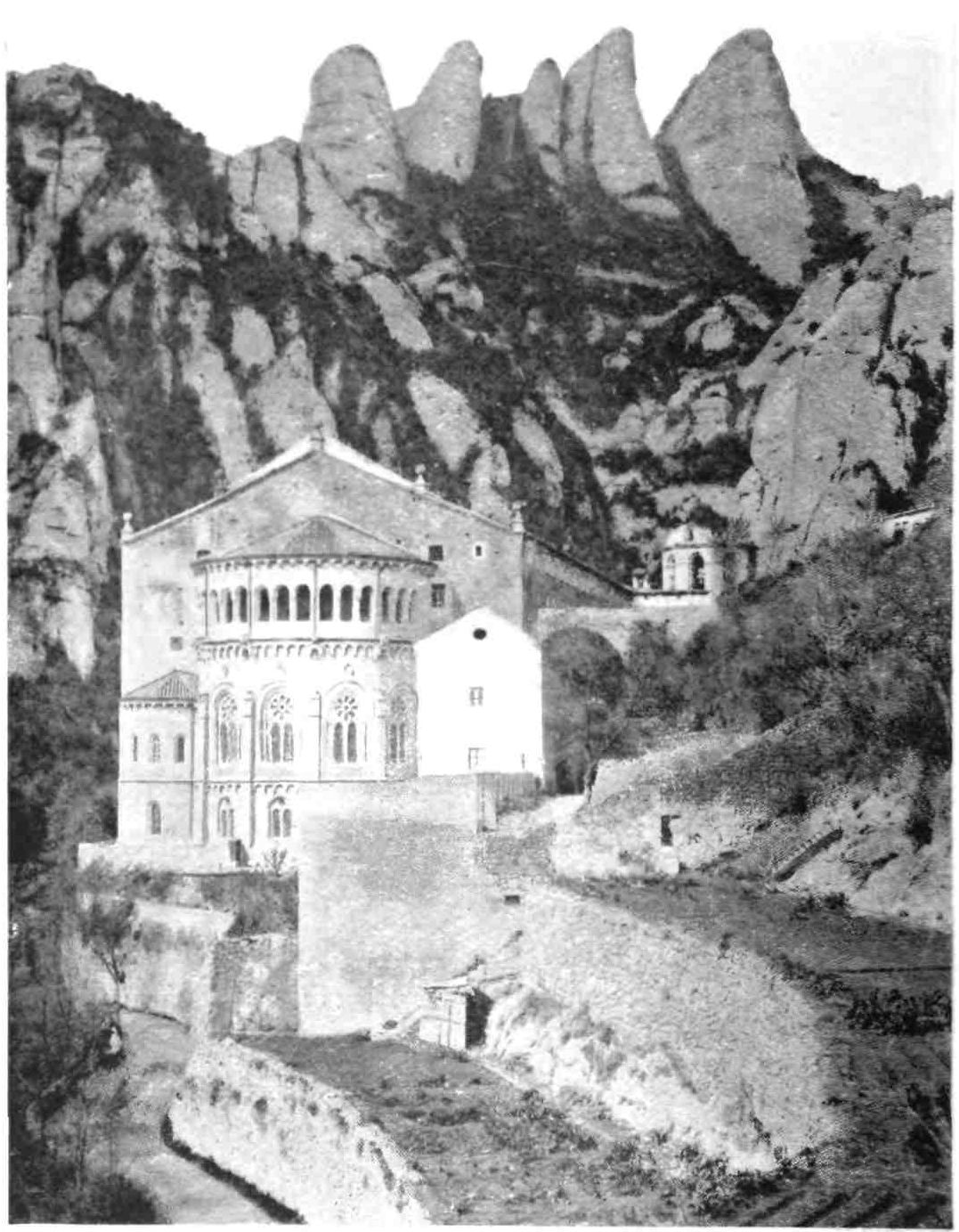
MONTSERRAT: THE MONASTERY
Plate 207
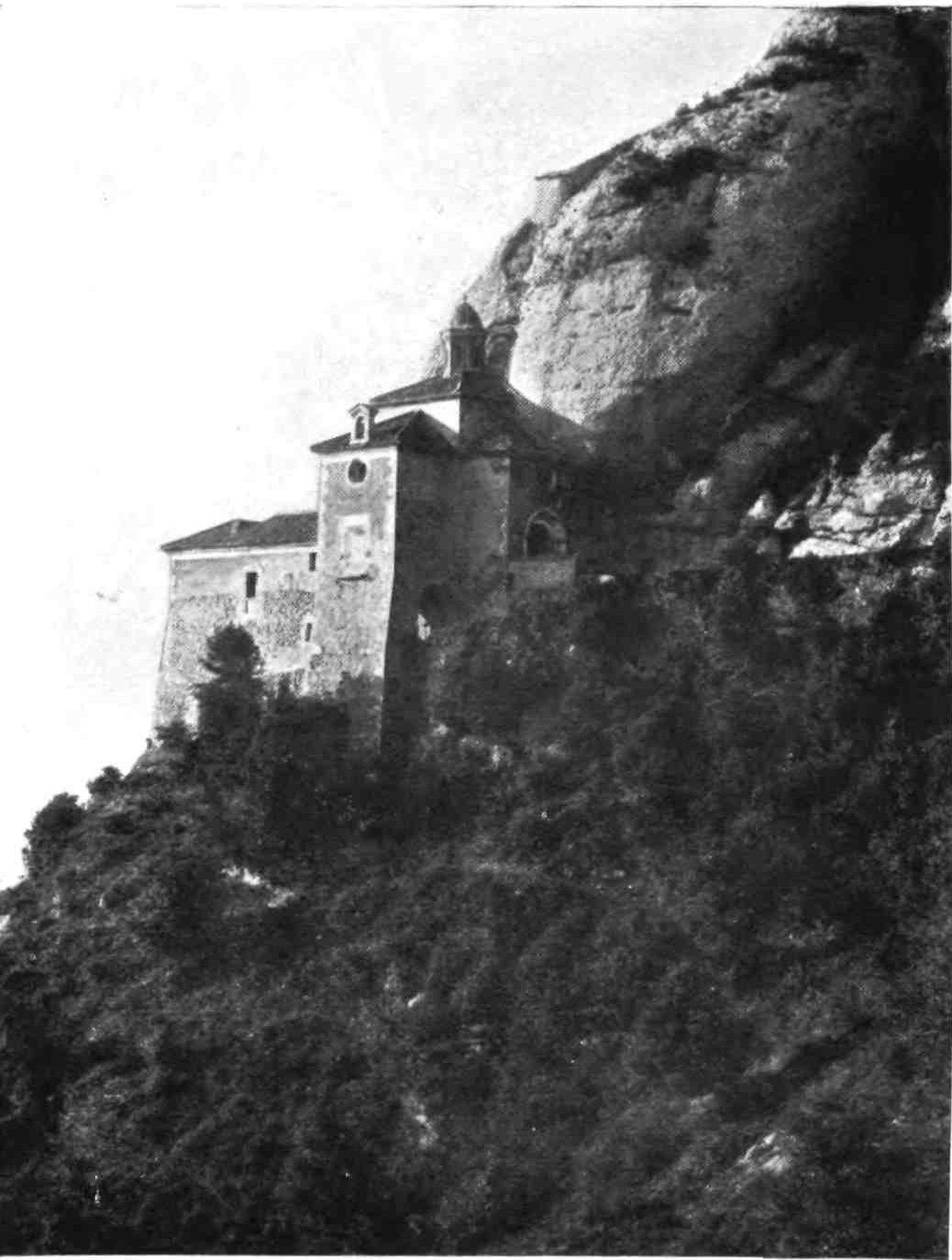
MONTSERRAT: GROTTO OF THE VIRGIN
Plate 208
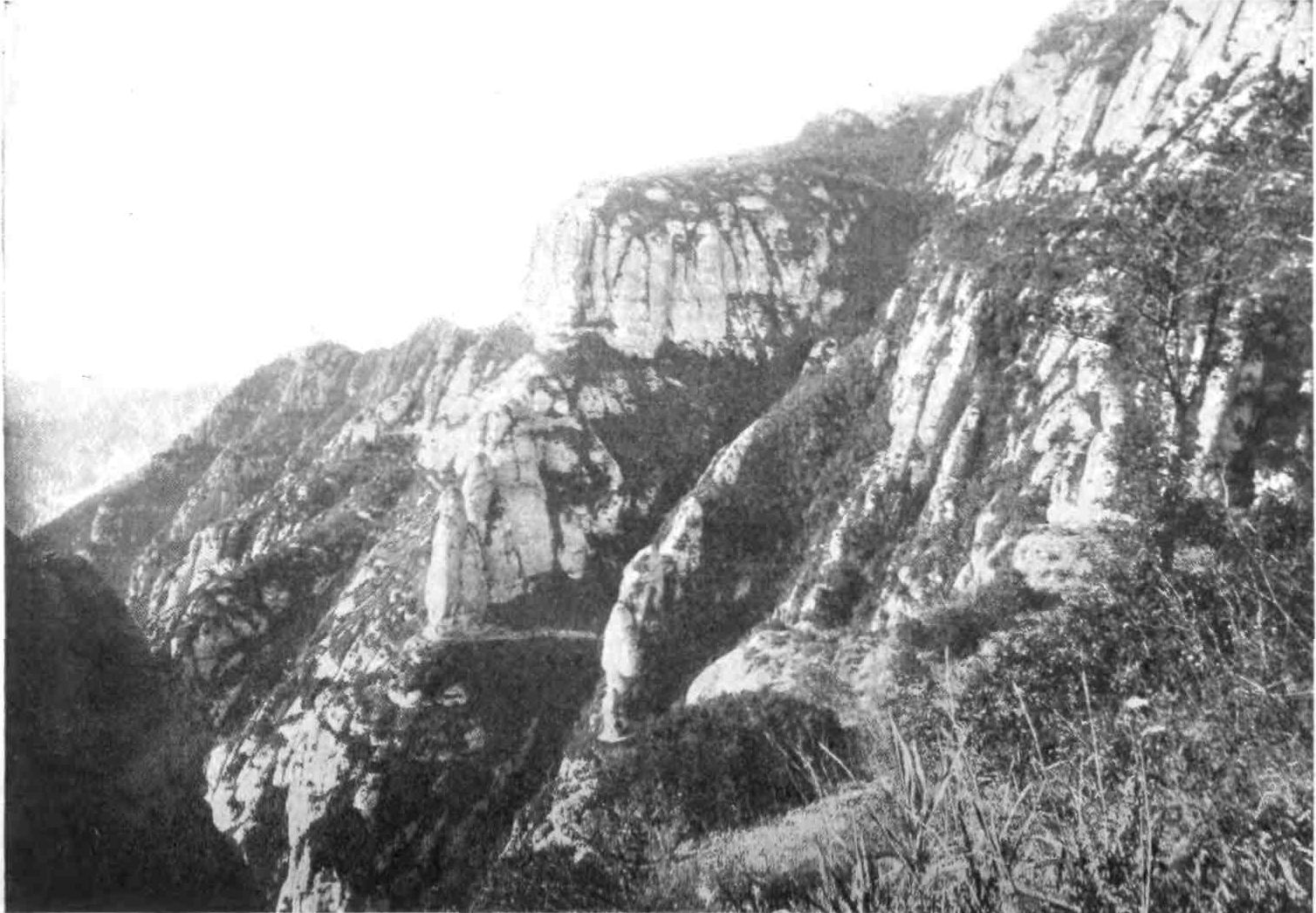
MONTSERRAT: THE VIRGIN’S CAVE
Plate 209
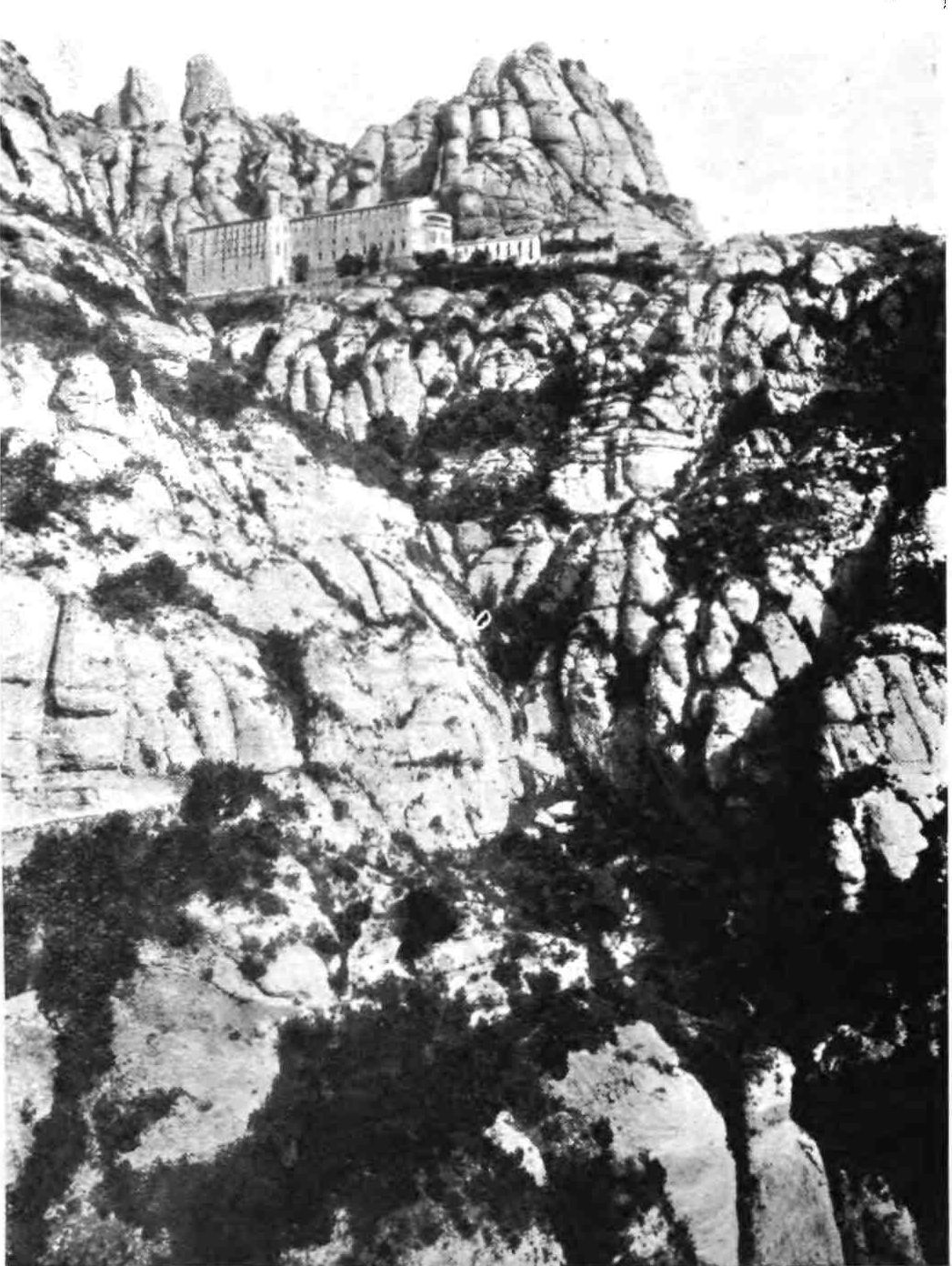
MONTSERRAT: VIEW FROM THE GROTTO OF THE VIRGIN
Plate 210
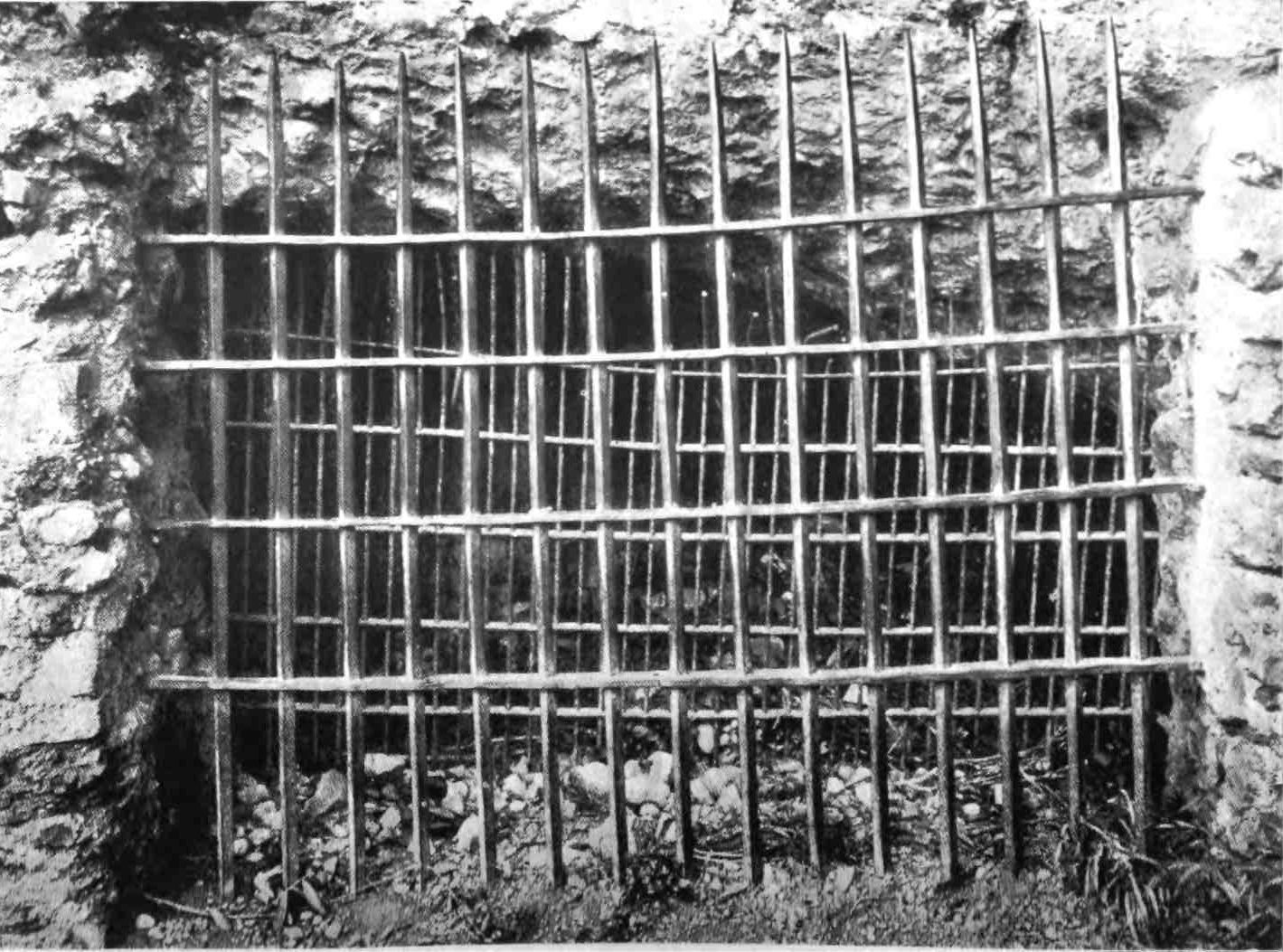
MONTSERRAT: THE CAVE OF JUAN GUARIN THE HERMIT
Plate 211
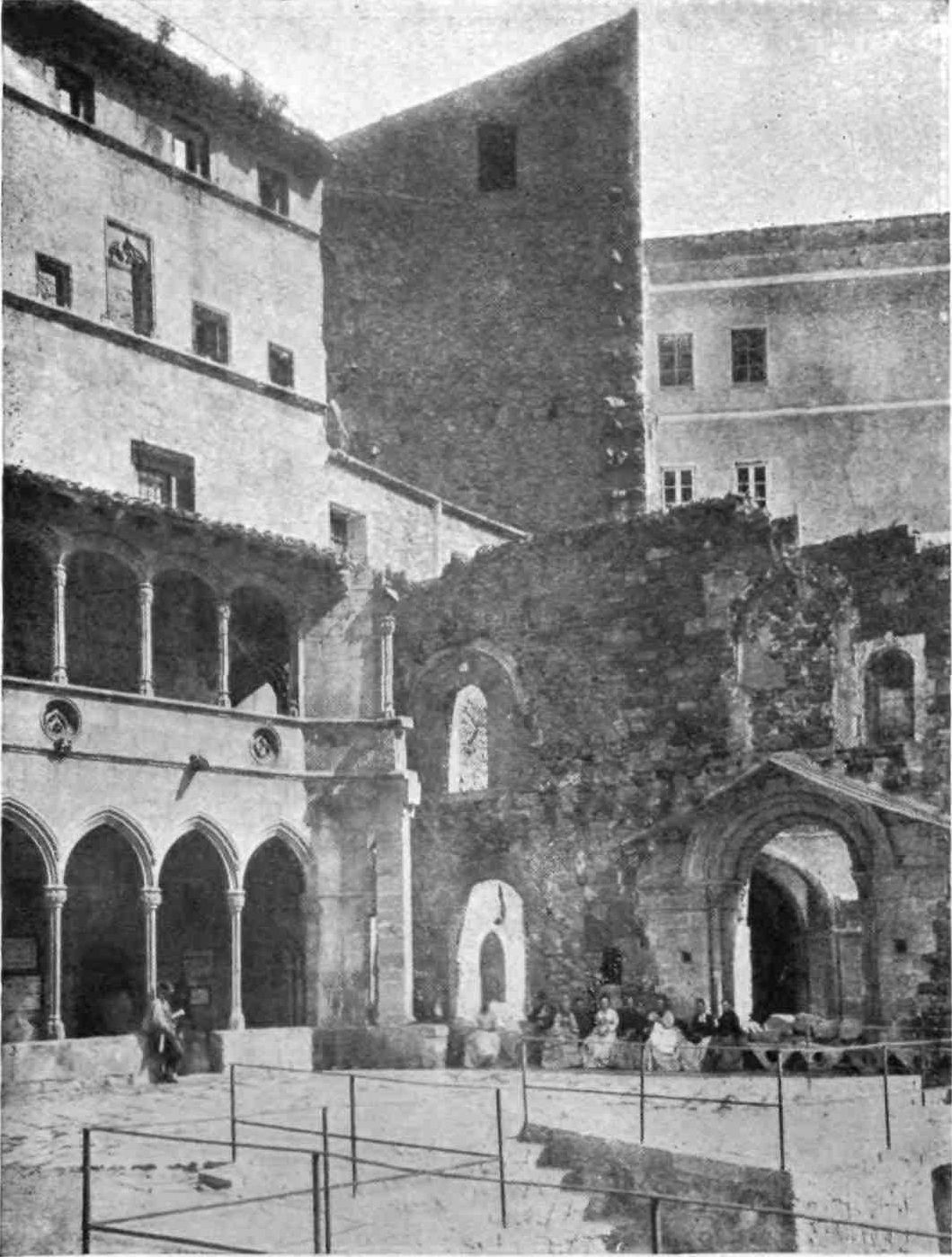
MONTSERRAT: REMAINS OF THE ANCIENT MONASTERY
Plate 212
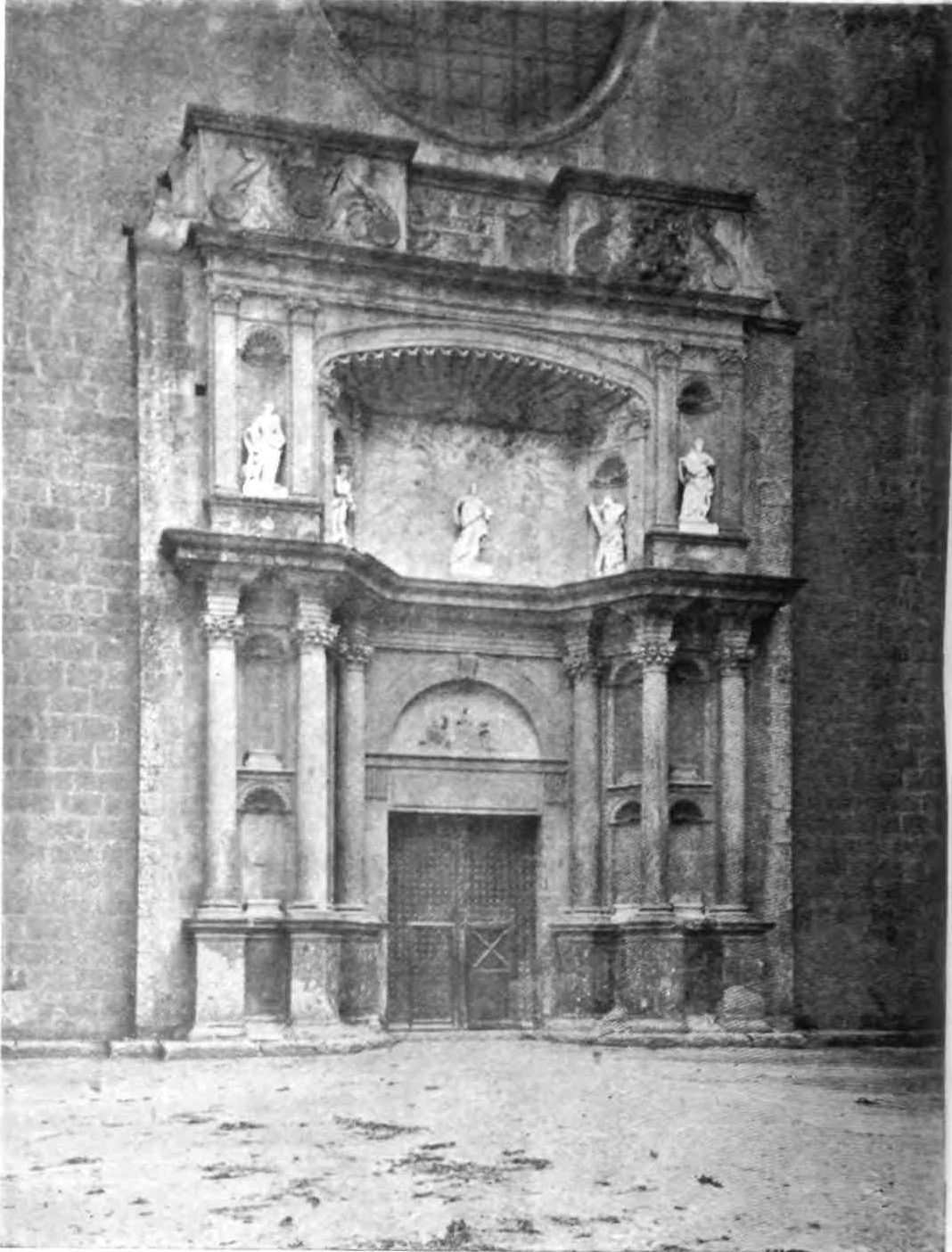
MONTSERRAT: DOOR OF THE CHURCH
Plate 213
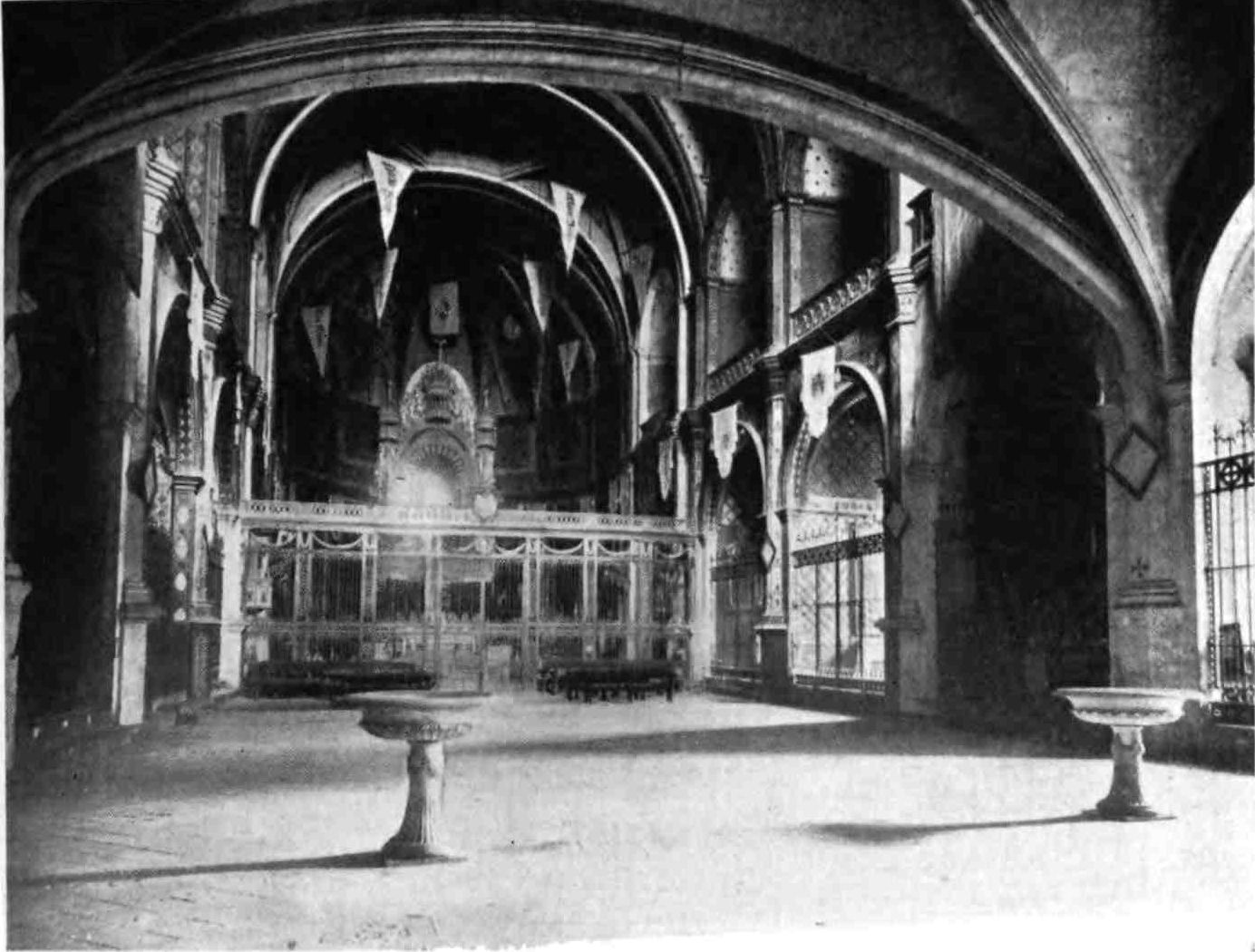
MONTSERRAT: INTERIOR OF THE CHURCH
Plate 214
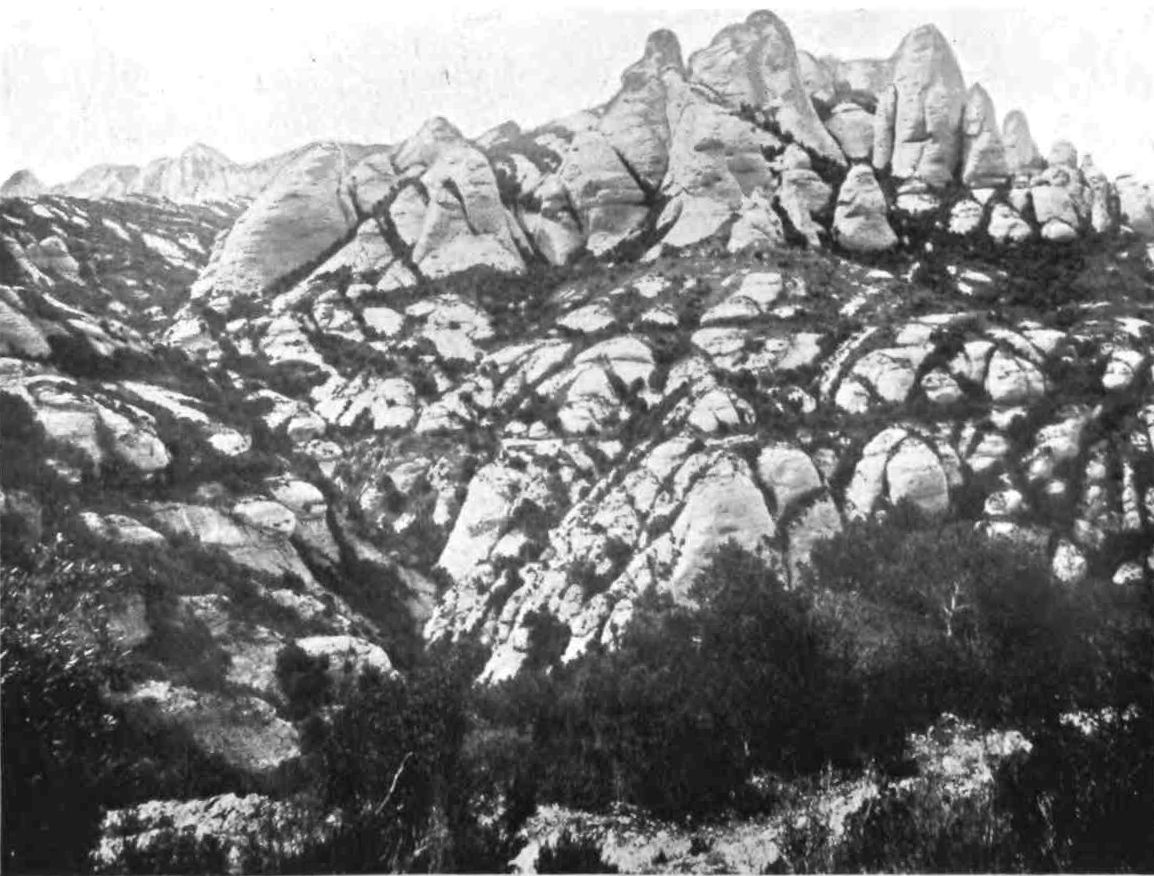
MONTSERRAT: VIEW OF THE PEAKS
Plate 215
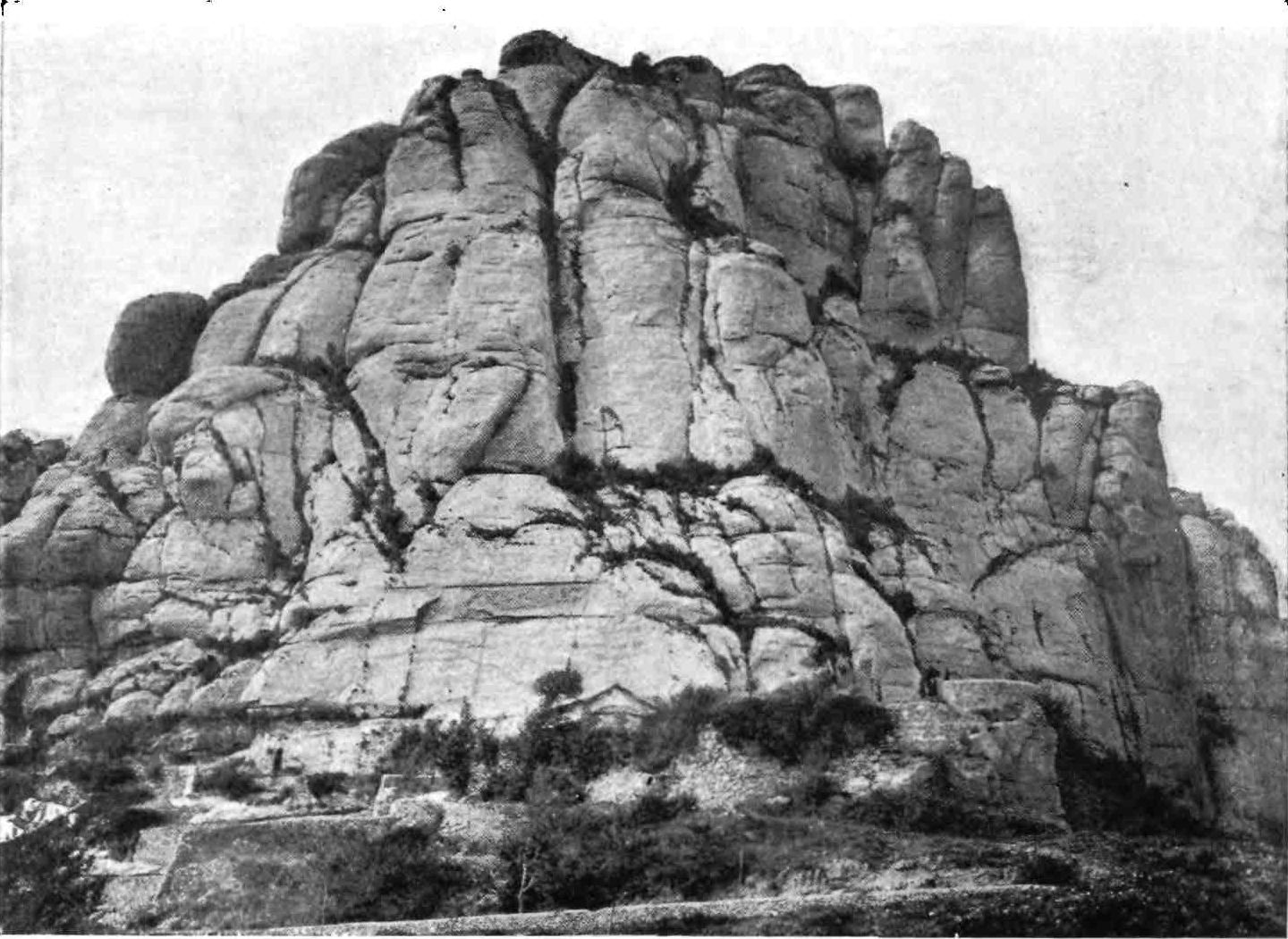
MONTSERRAT: THE DEVIL’S ROCK
Plate 216
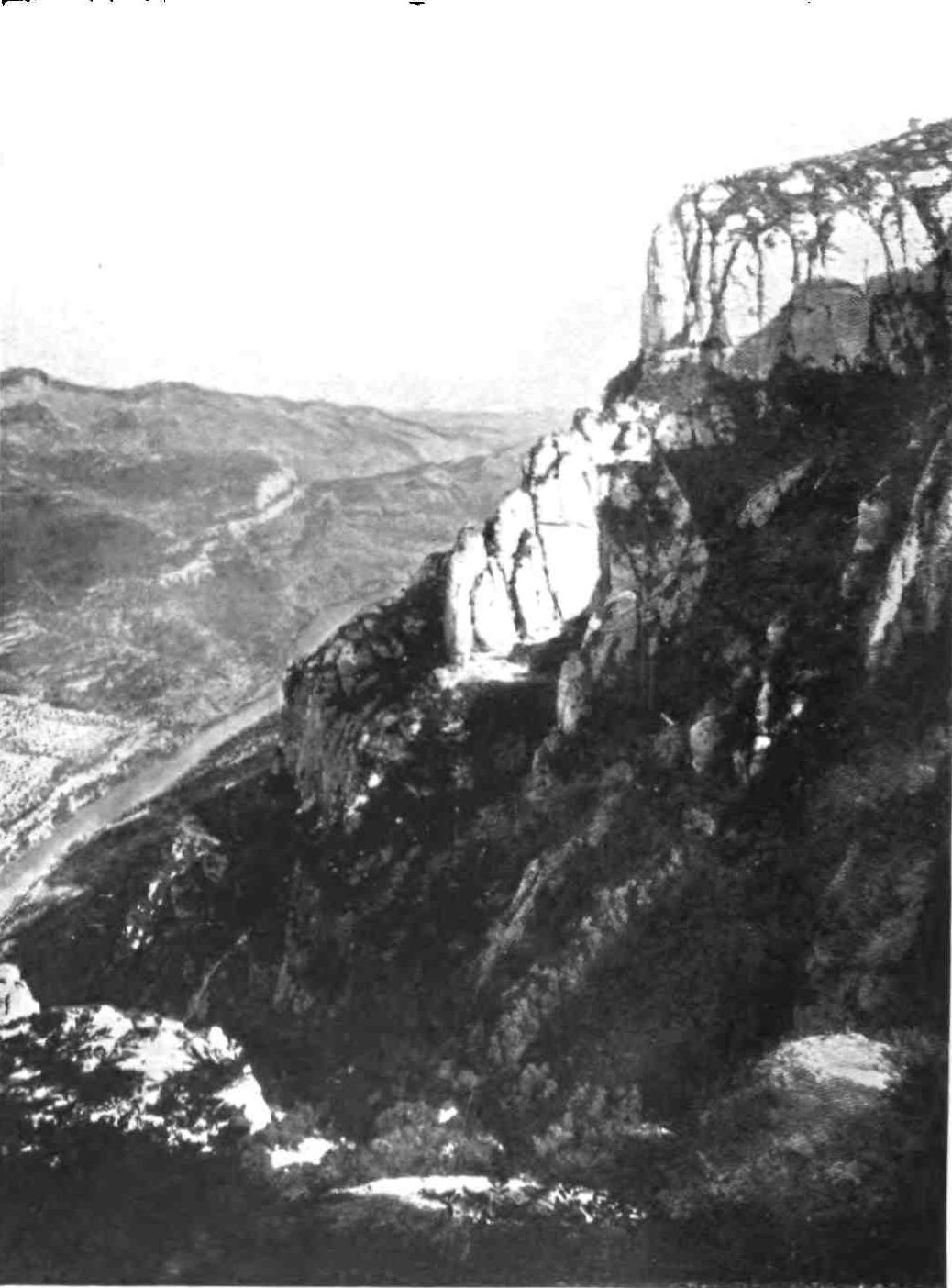
MONTSERRAT: MIRANDA PEAK
Plate 217
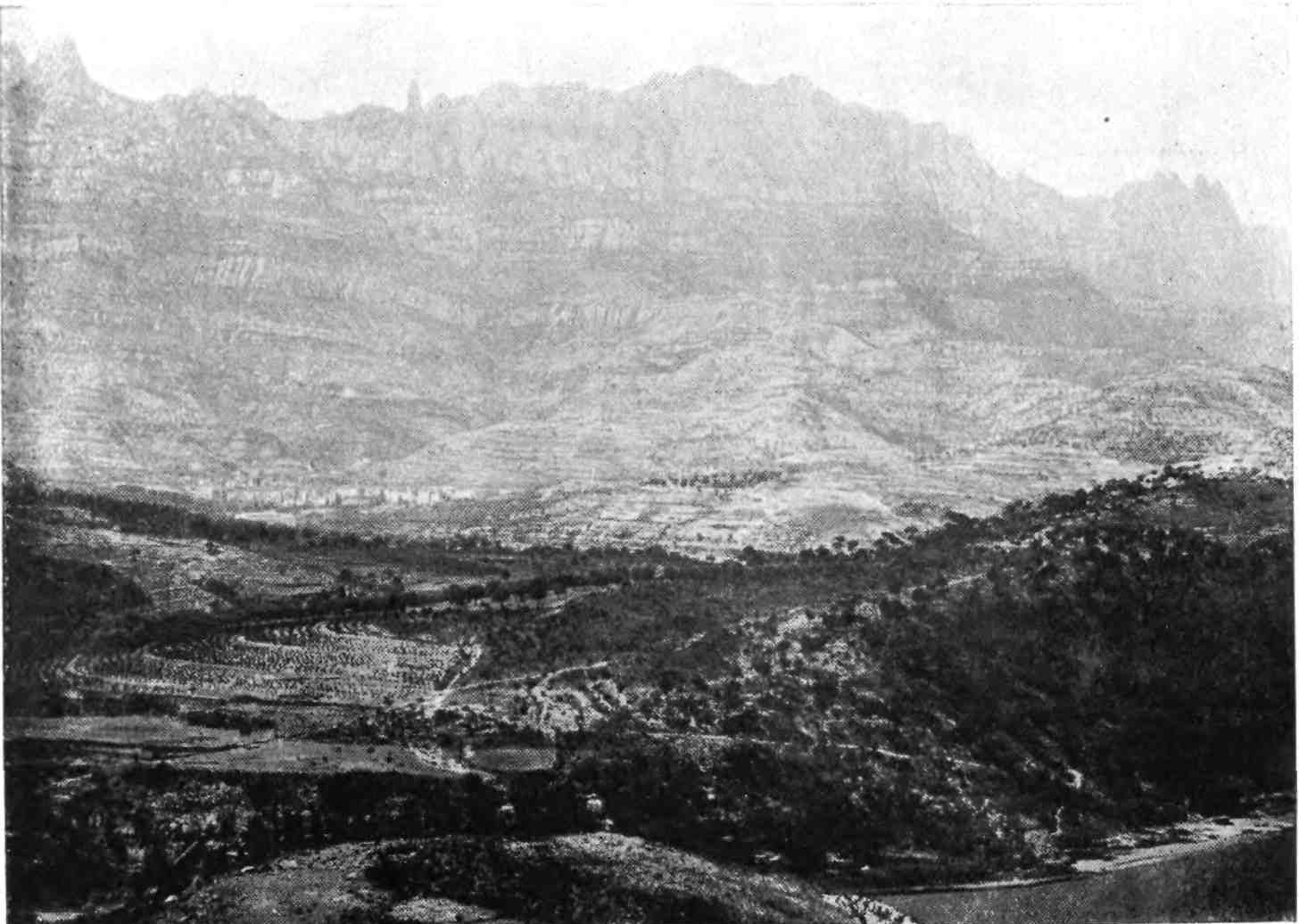
VIEW OF MONTSERRAT, TAKEN FROM MONISTOL STATION
Plate 218
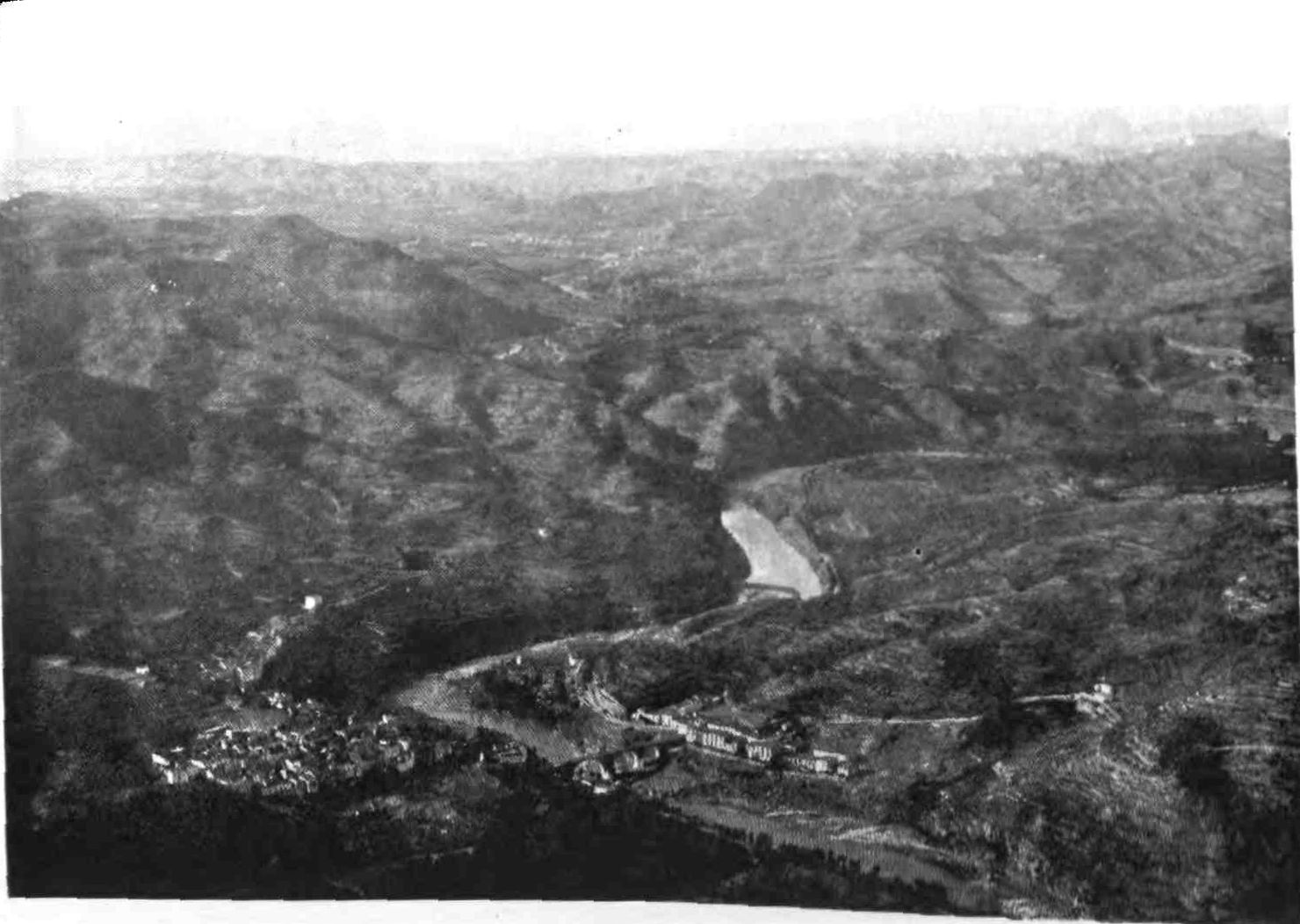
VIEW OF MONISTOL, TAKEN FROM MONTSERRAT
Plate 219
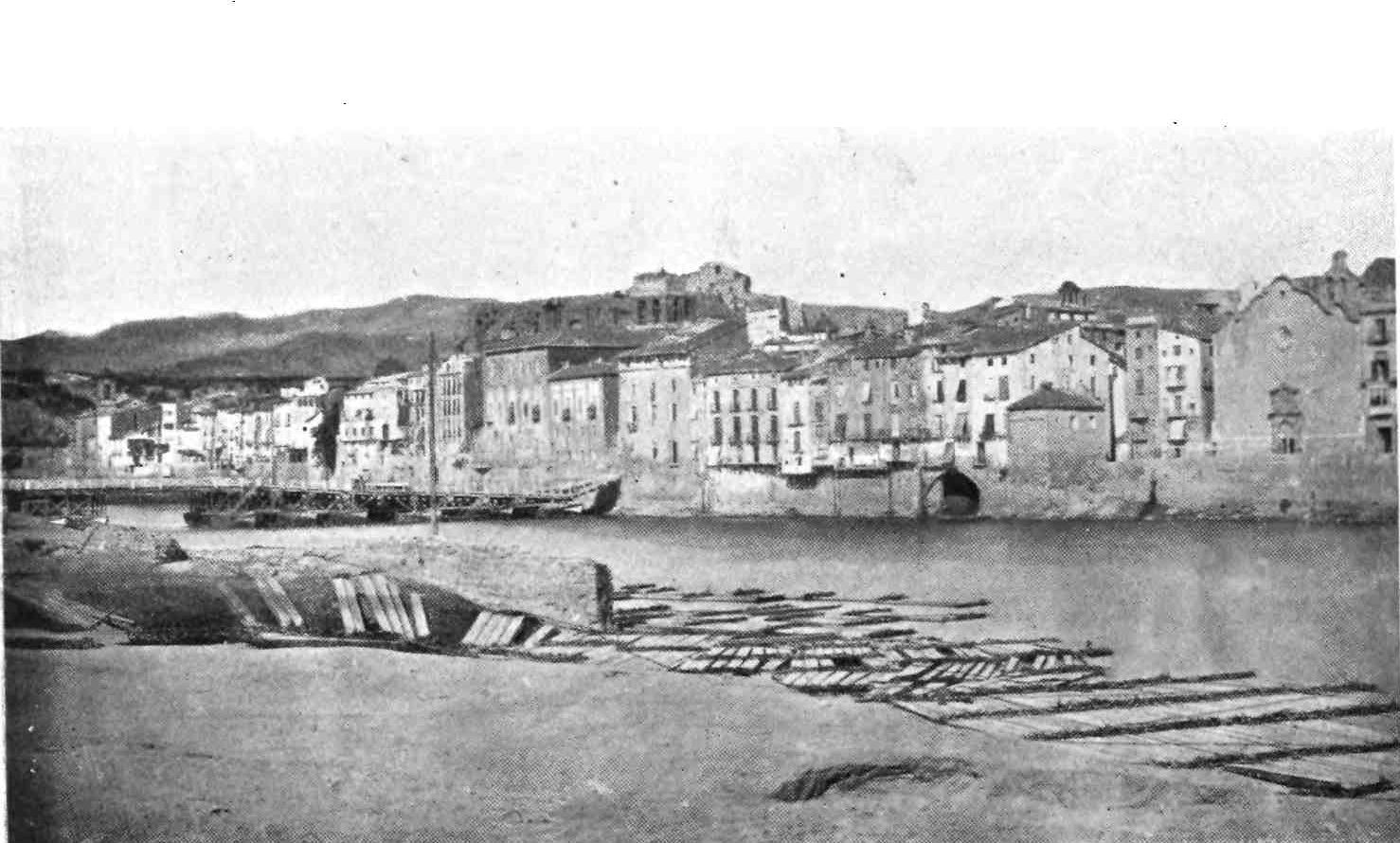
TORTOSA: GENERAL VIEW
Plate 220
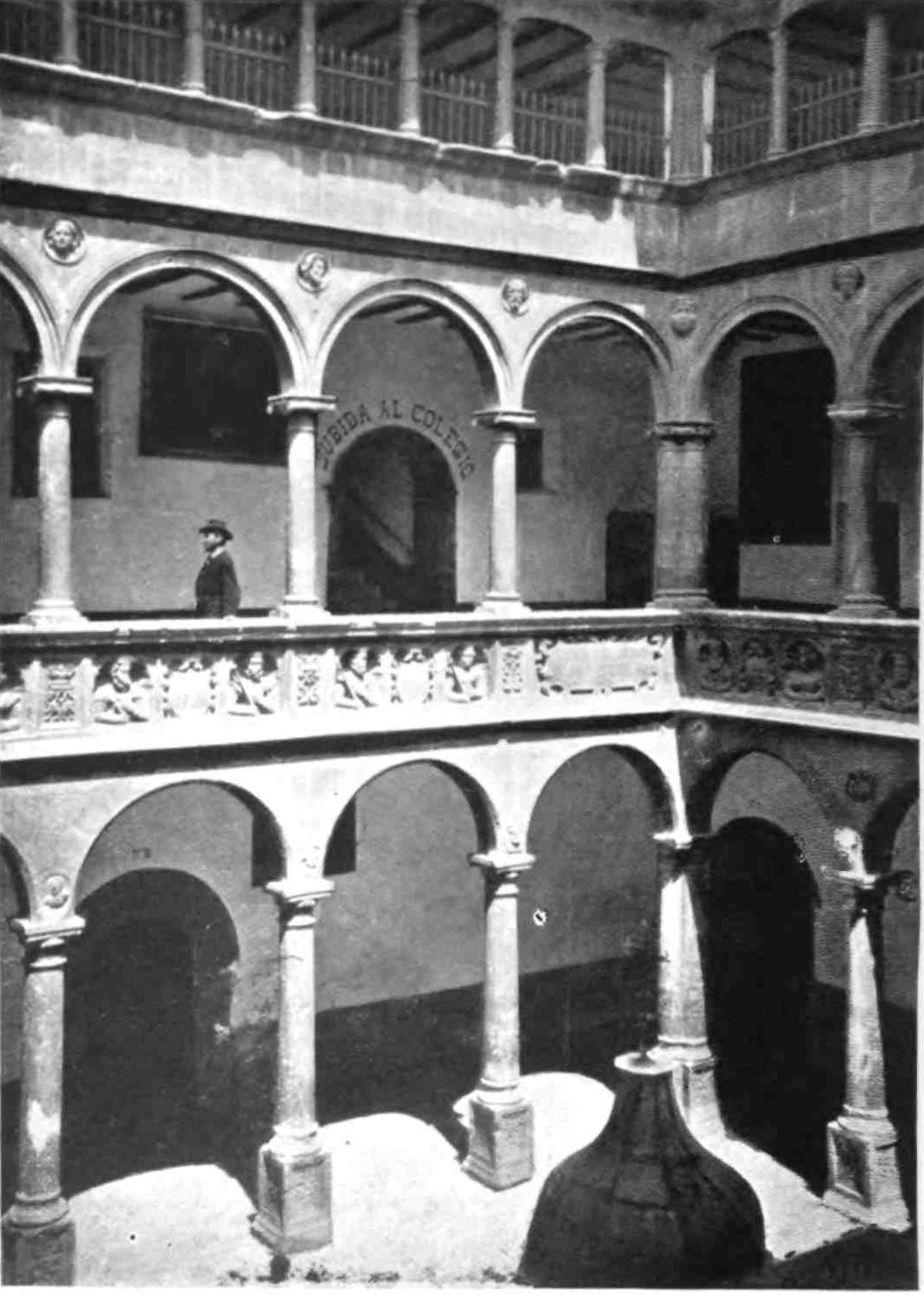
TORTOSA: COURTYARD IN THE INSTITUTE
Plate 221
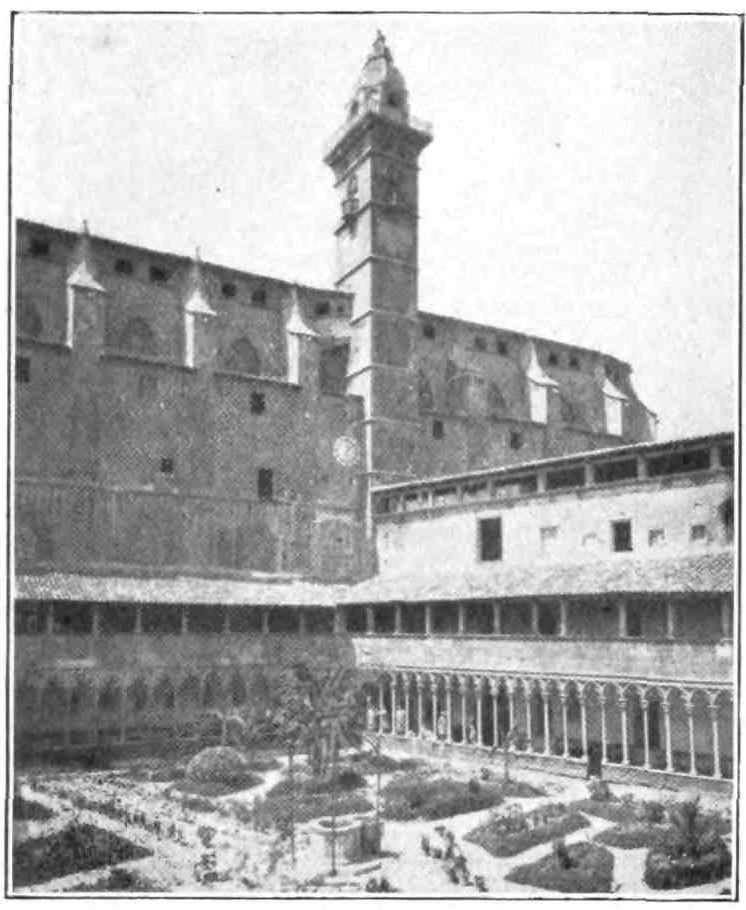
THE COURT, SAN FRANCISCO, PALMA, MALLORCA
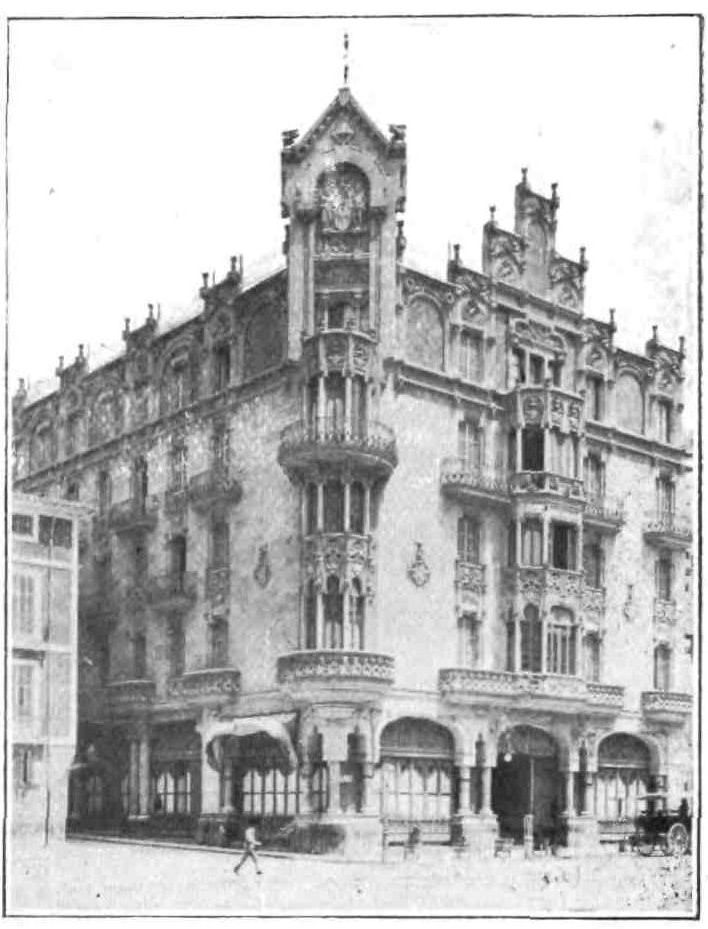
GRAN HOTEL, PALMA, MALLORCA
Plate 222
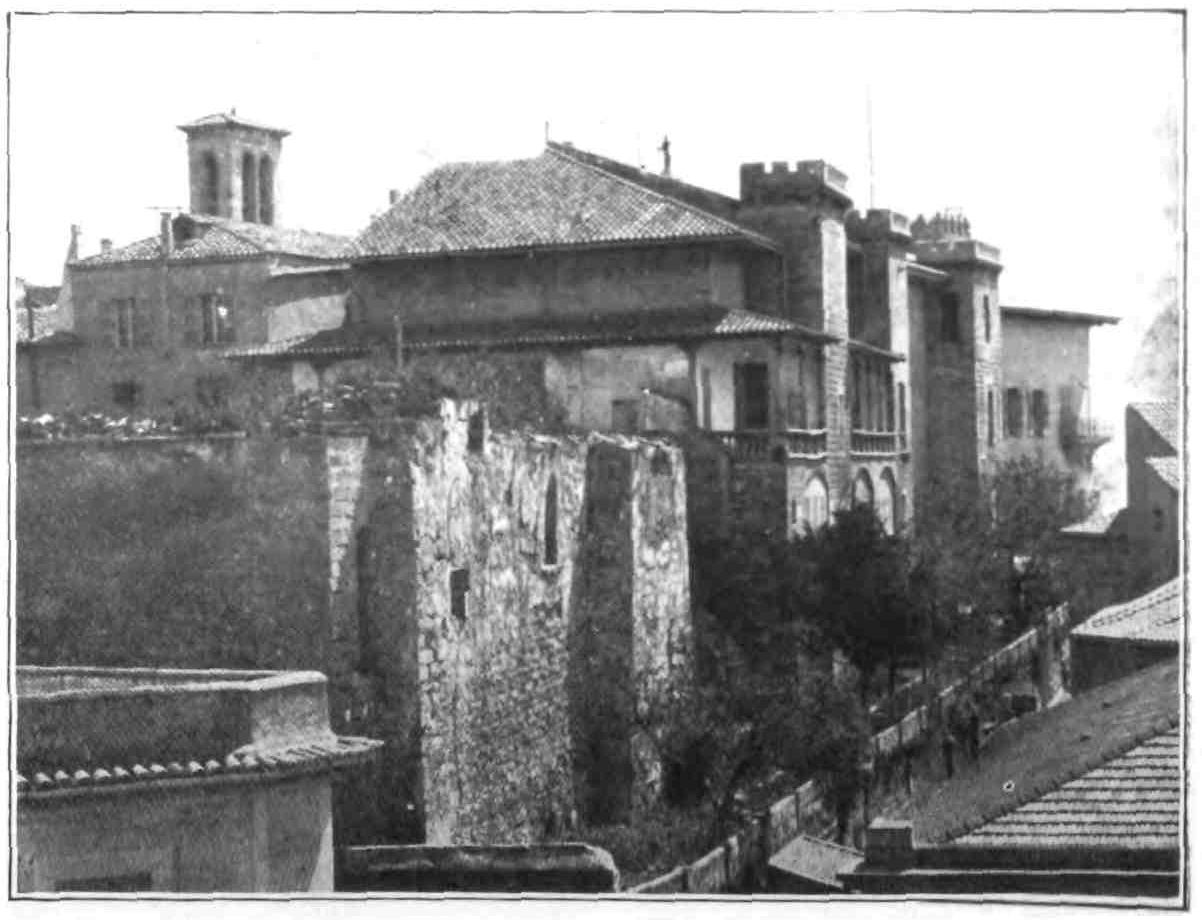
PALACE OF THE ALMUDAINA, PALMA, MALLORCA
Plate 223
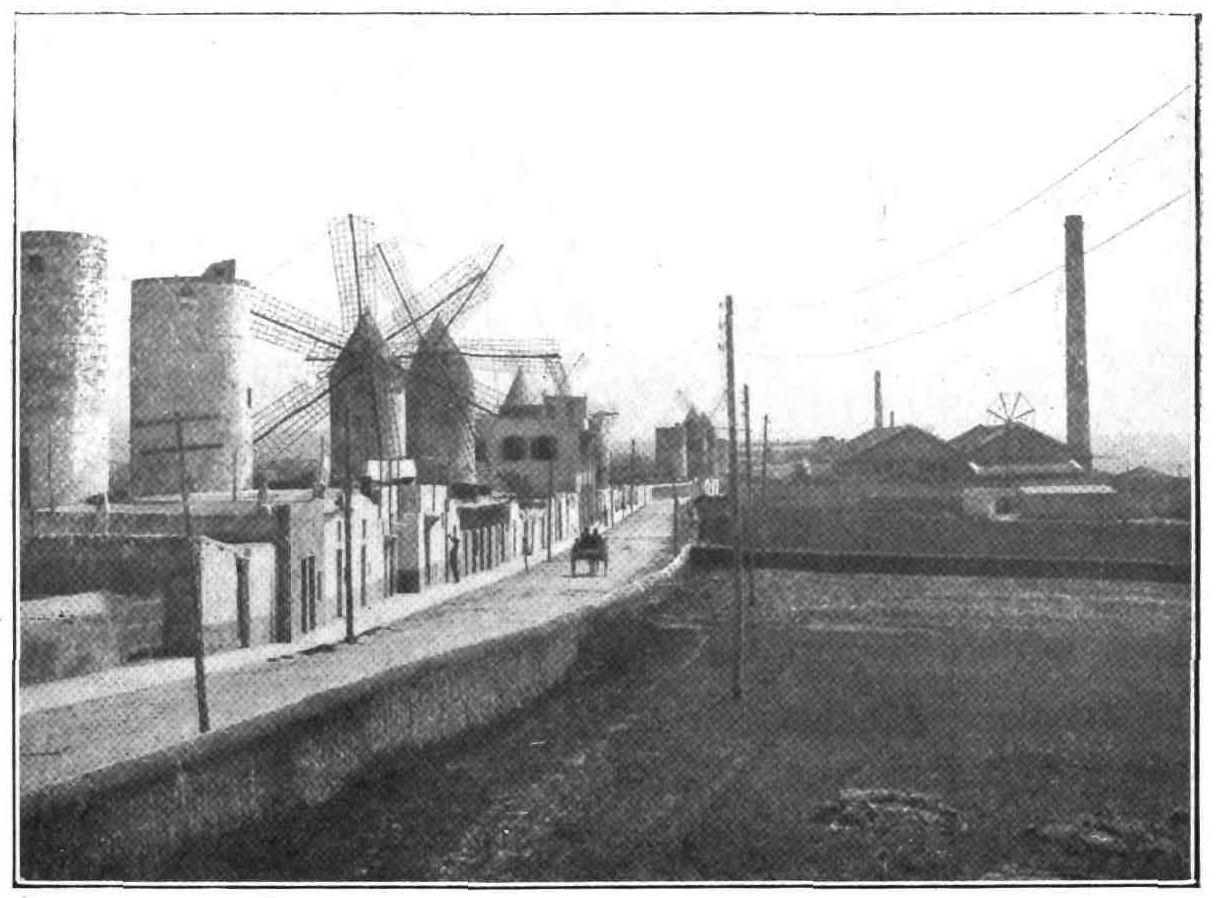
WINDMILL AND ELECTRICAL WORKS, PALMA, MALLORCA
Plate 224
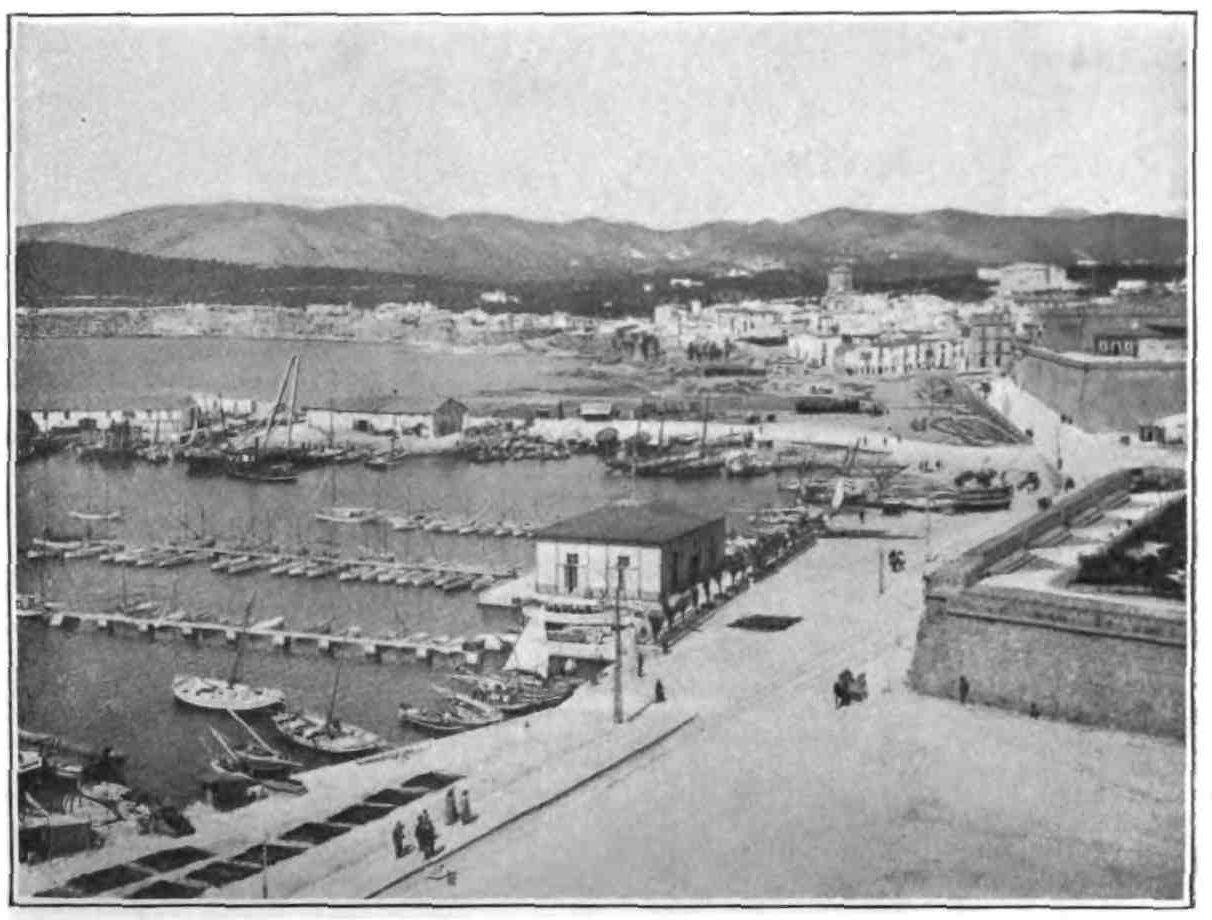
VIEW OF THE “REAL CLUB DE REGATAS,” PALMA, MALLORCA
Plate 225
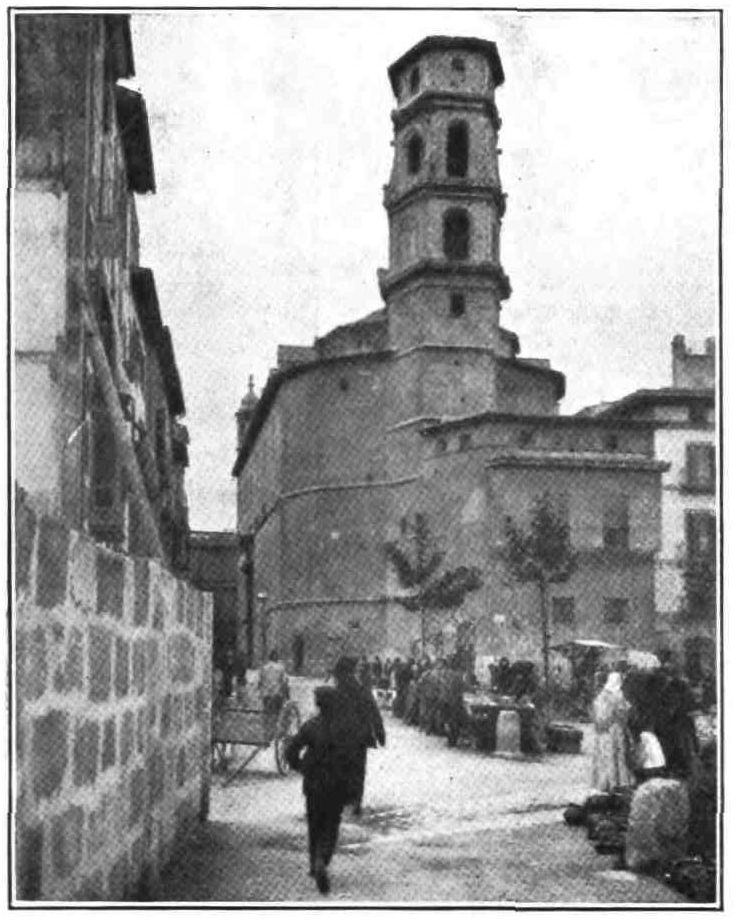
MARKET AND CHURCH OF SAN NICOLAS, PALMA, MALLORCA
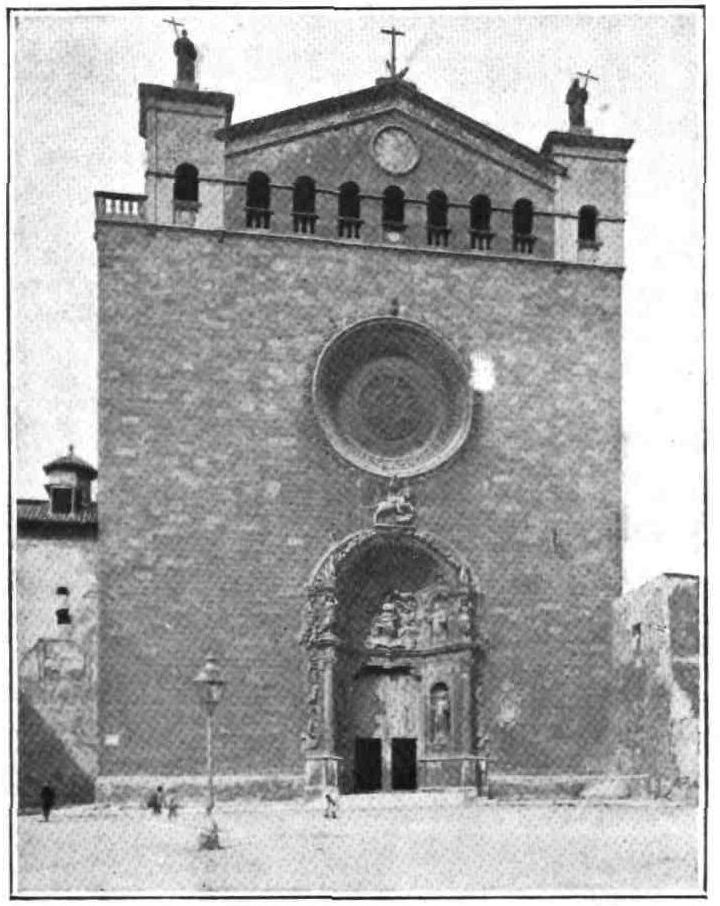
SAN FRANCISCO, PALMA, MALLORCA
Plate 226
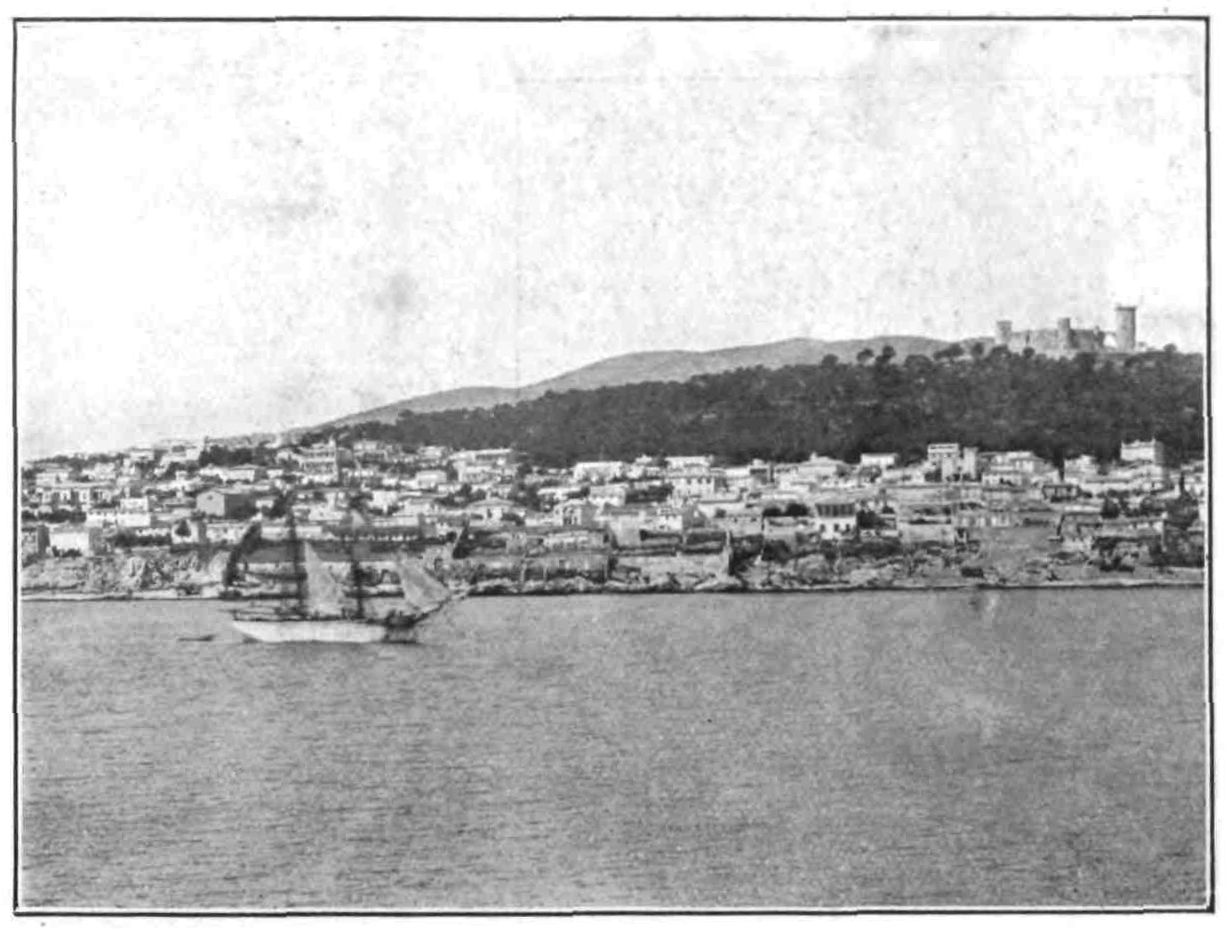
VIEW FROM THE HARBOUR, PALMA, MALLORCA
Plate 227
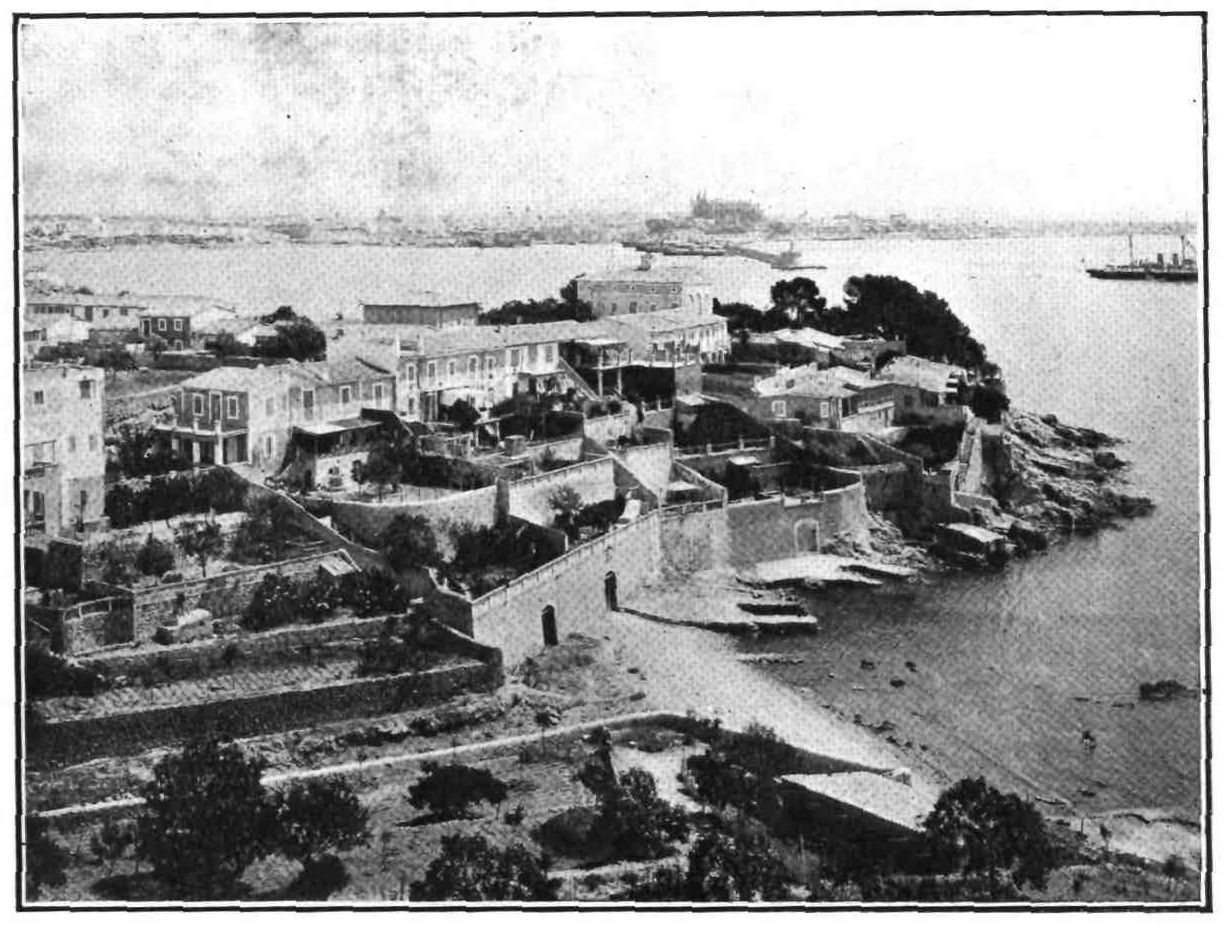
VIEW OF THE BAY, PALMA, MALLORCA
Plate 228
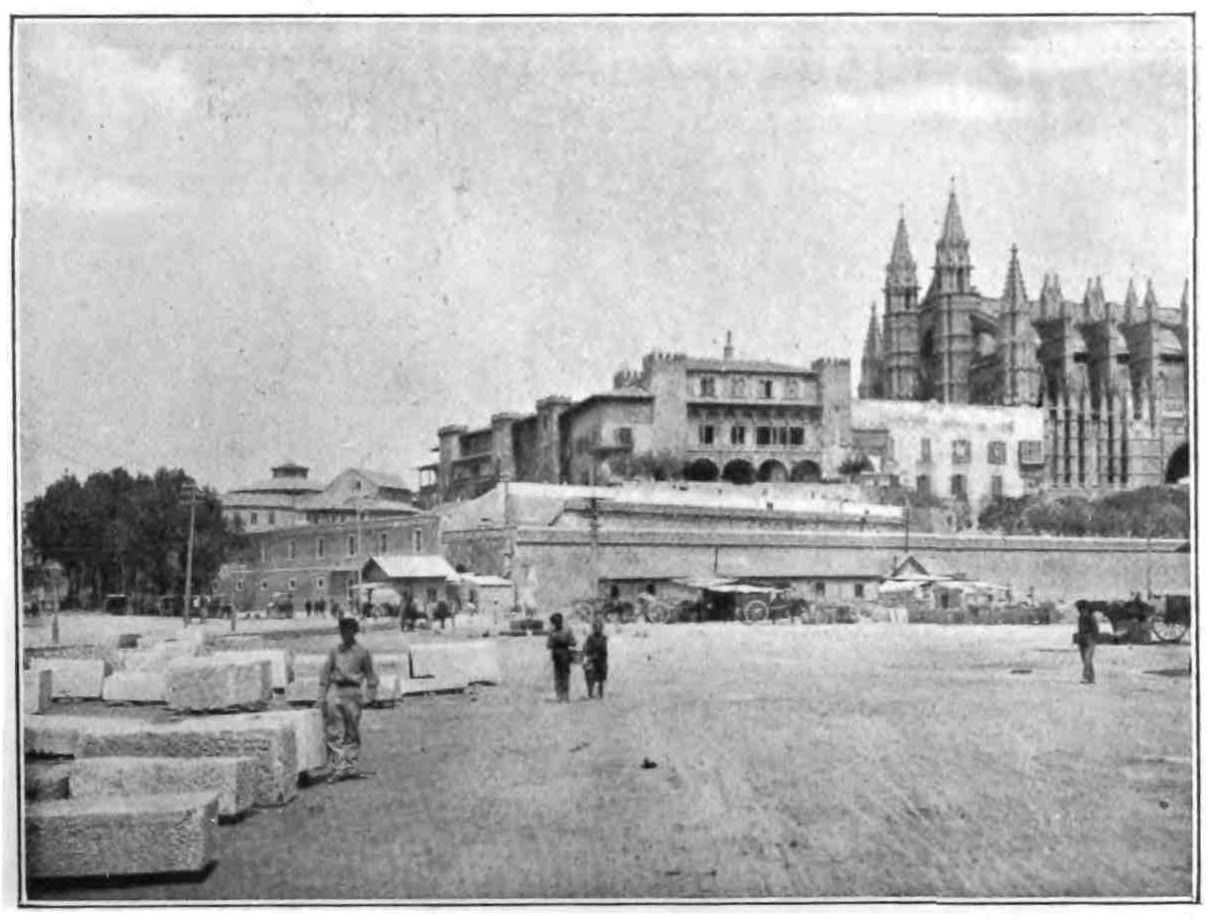
THE ALMUDAINA AND CATHEDRAL, PALMA, MALLORCA
Plate 229
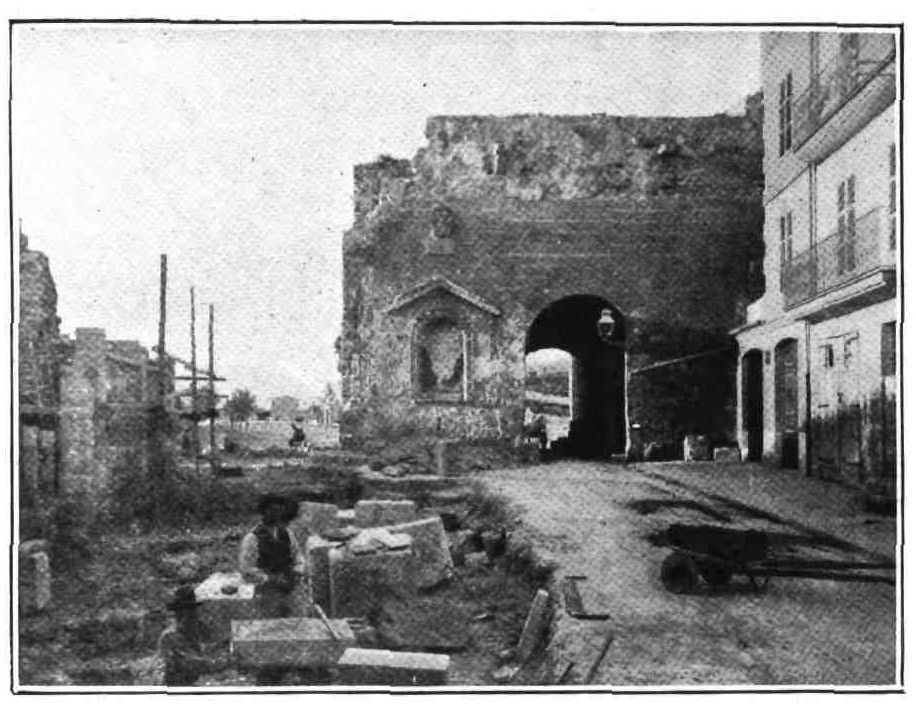
PUERTA DE SANTA MARGARITA, PALMA, MALLORCA
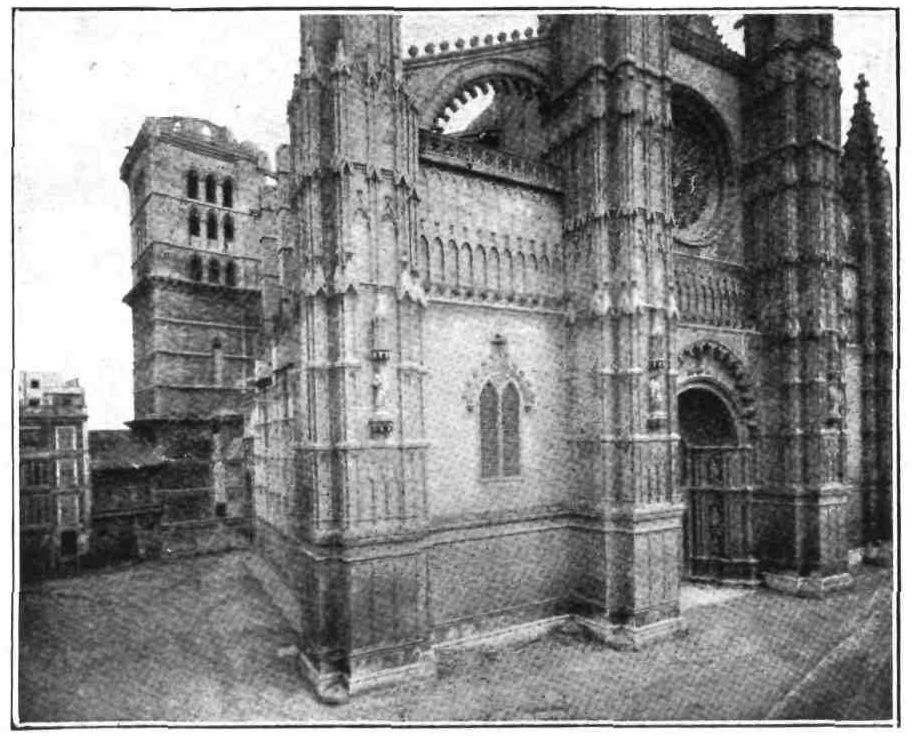
THE CATHEDRAL, PALMA, MALLORCA
Plate 230
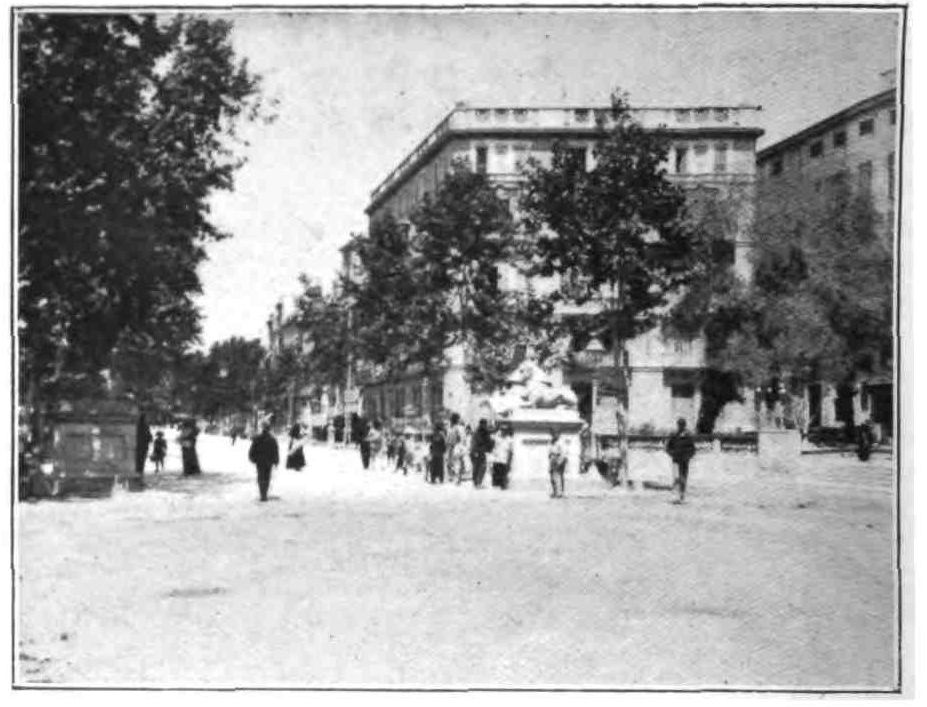
PASEO DEL BORNE, PALMA, MALLORCA
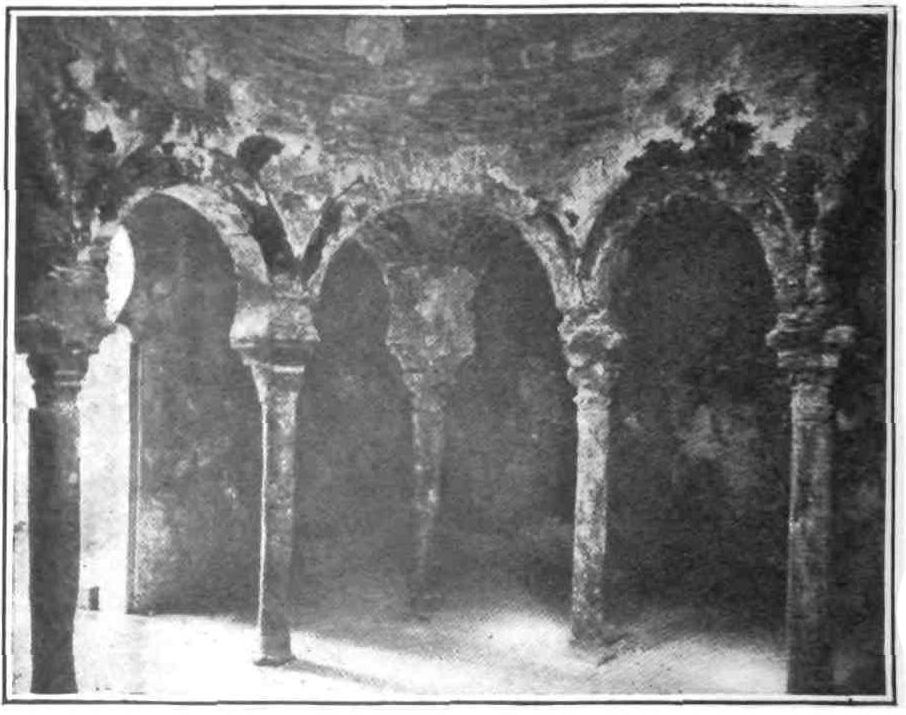
ARABIAN BATHS, PALMA, MALLORCA
Plate 231
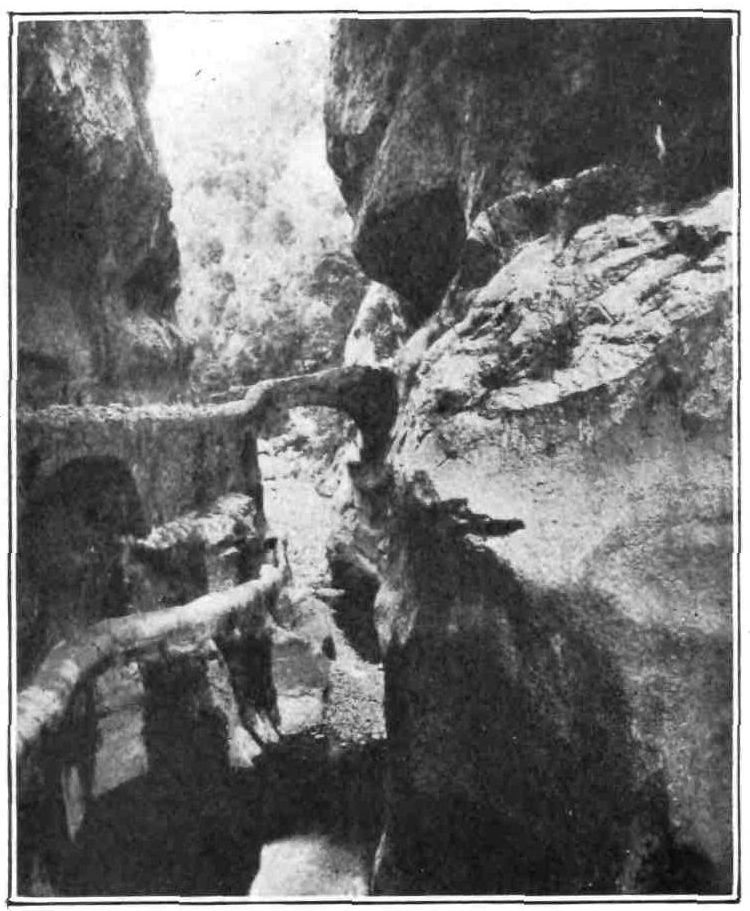
VIEW OF THE GORCH BLAU, MALLORCA
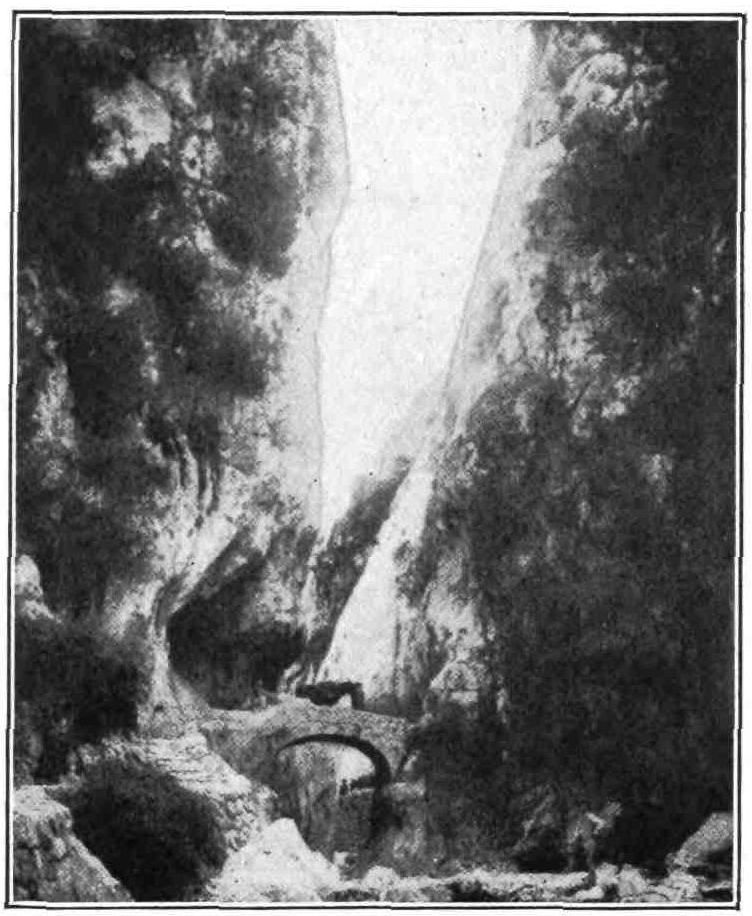
THE GORCH BLAU, MALLORCA
Plate 232
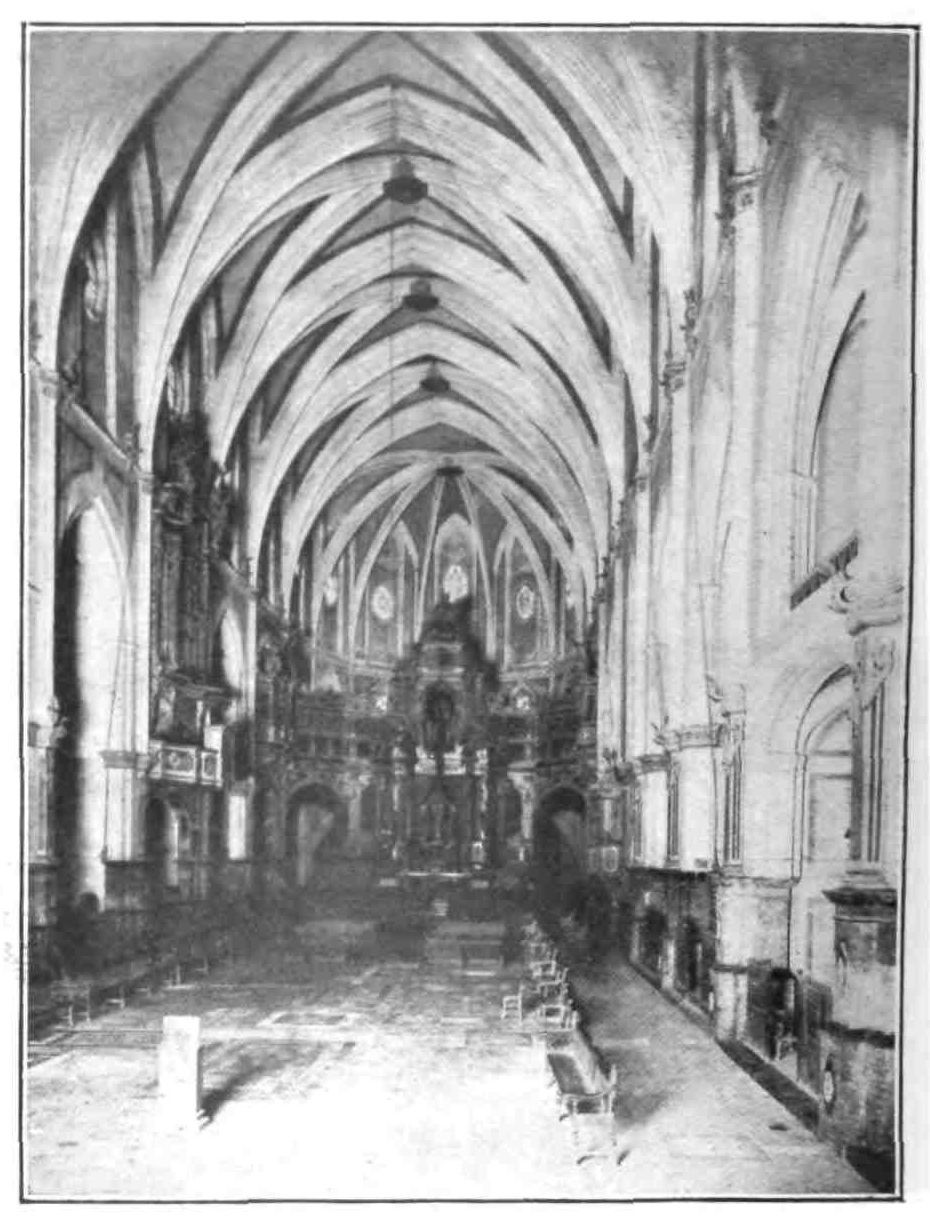
INTERIOR OF SAN FRANCISCO, PALMA, MALLORCA
Plate 233
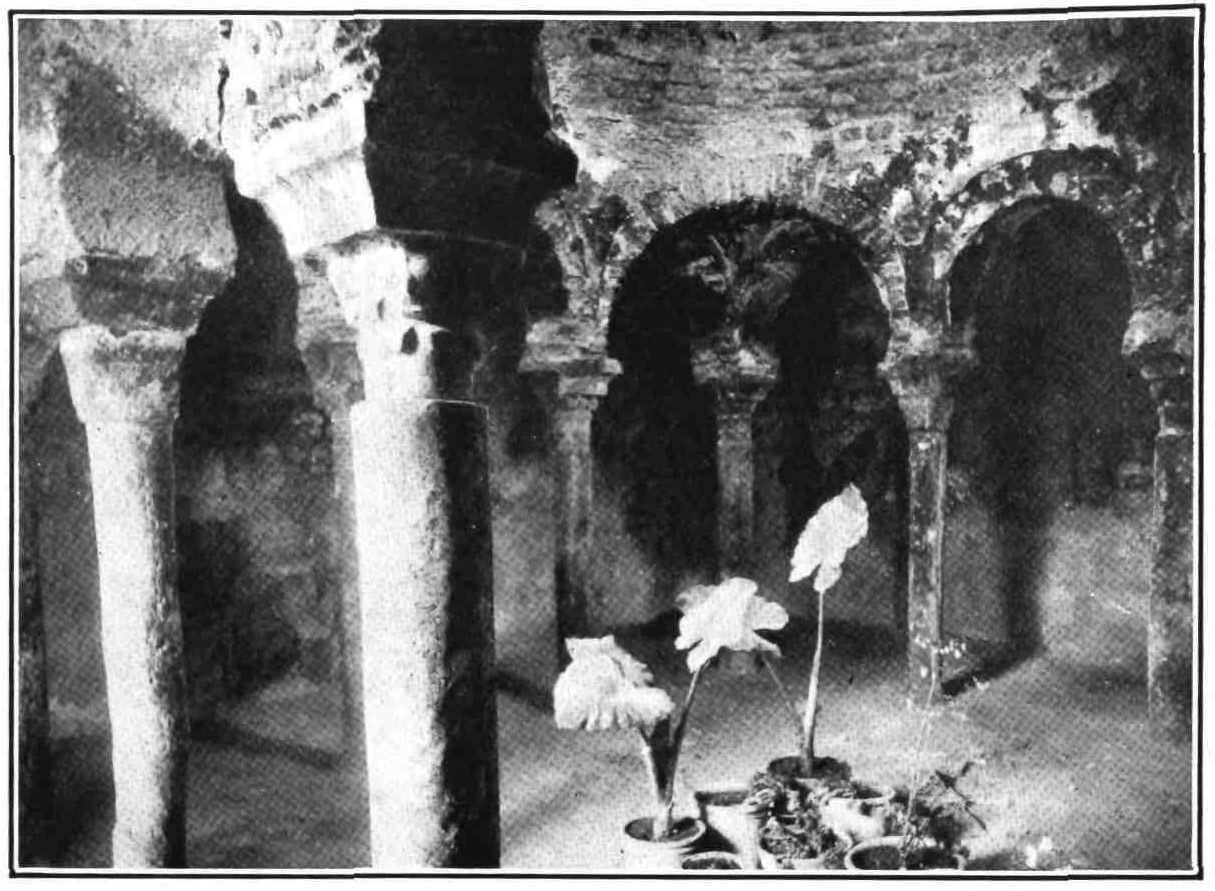
ARAB BATHS, PALMA, MALLORCA
Plate 234
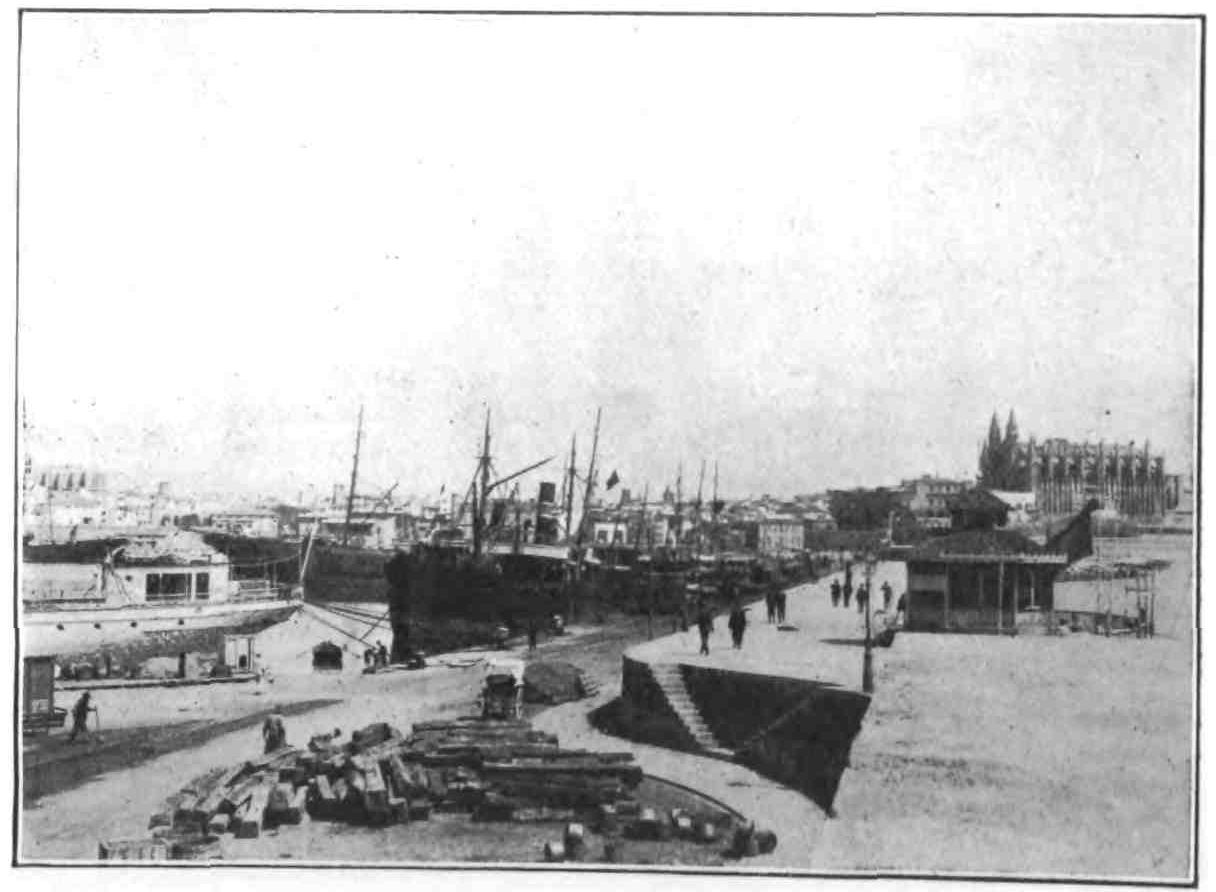
THE QUAY, PALMA, MALLORCA
Plate 235
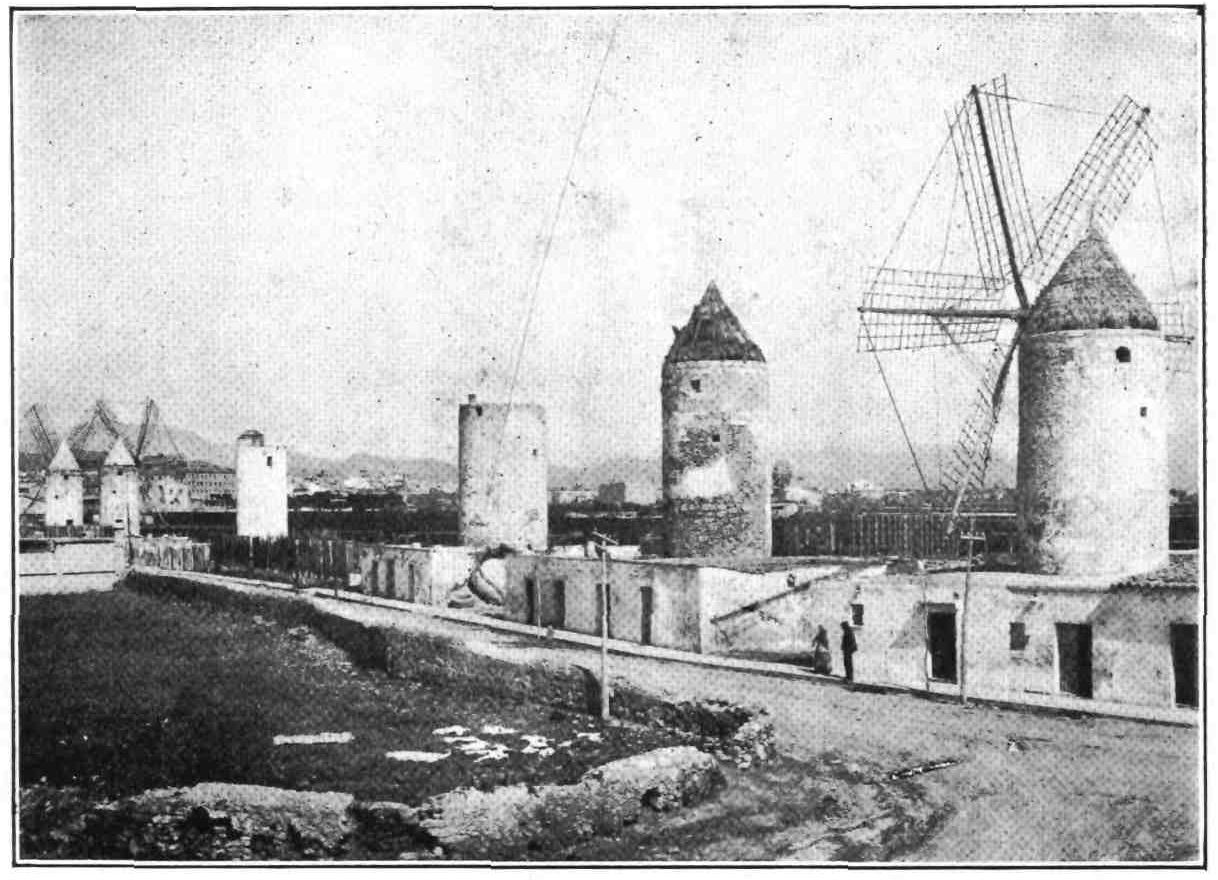
MILLS, PALMA, MALLORCA
Plate 236
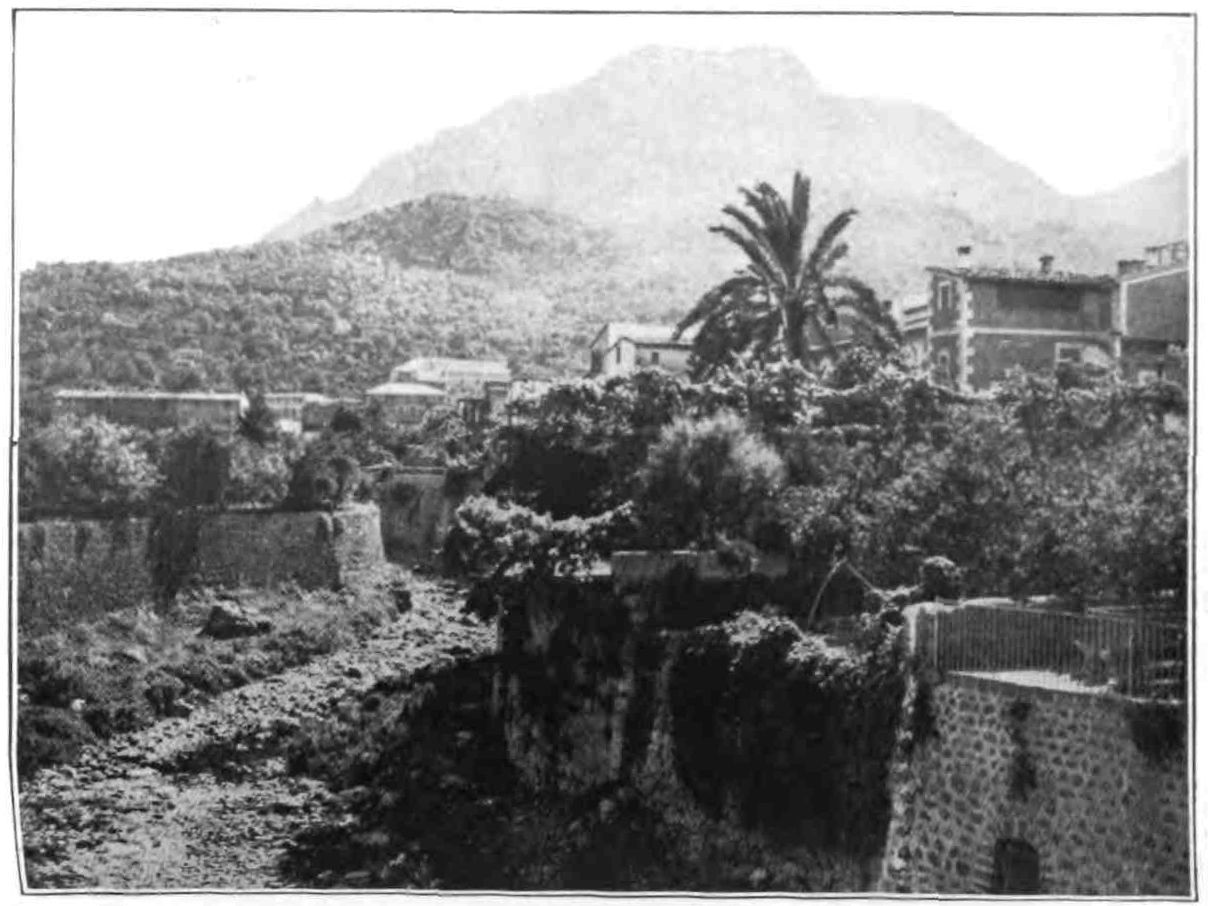
THE RIVER, SOLLER, MALLORCA
Plate 237
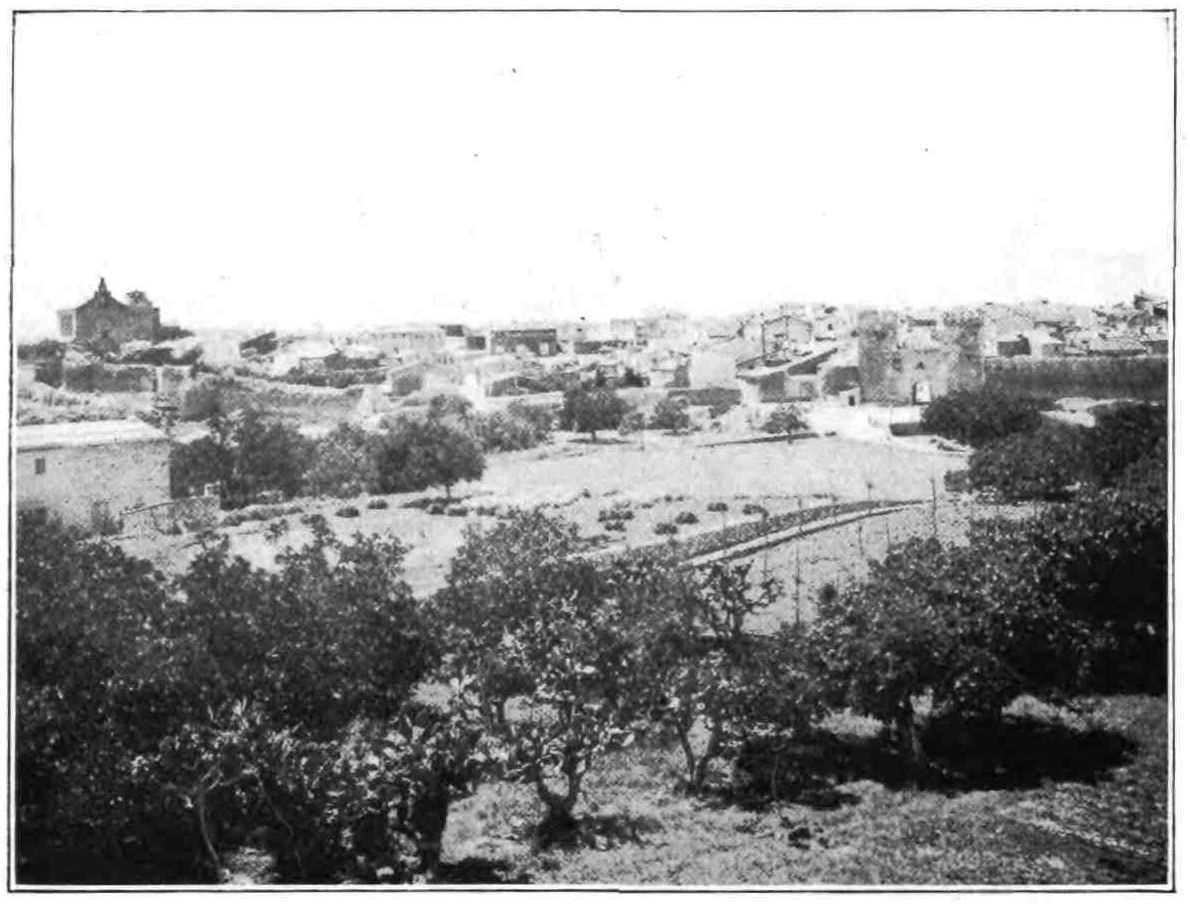
GENERAL VIEW OF ALCUDIA, MALLORCA
Plate 238
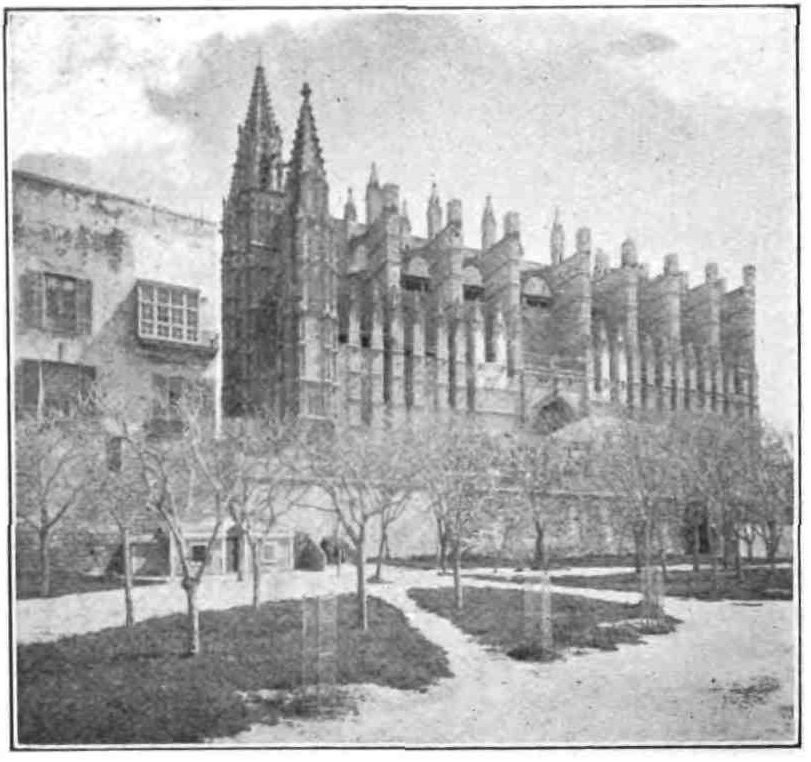
THE CATHEDRAL, PALMA, MALLORCA
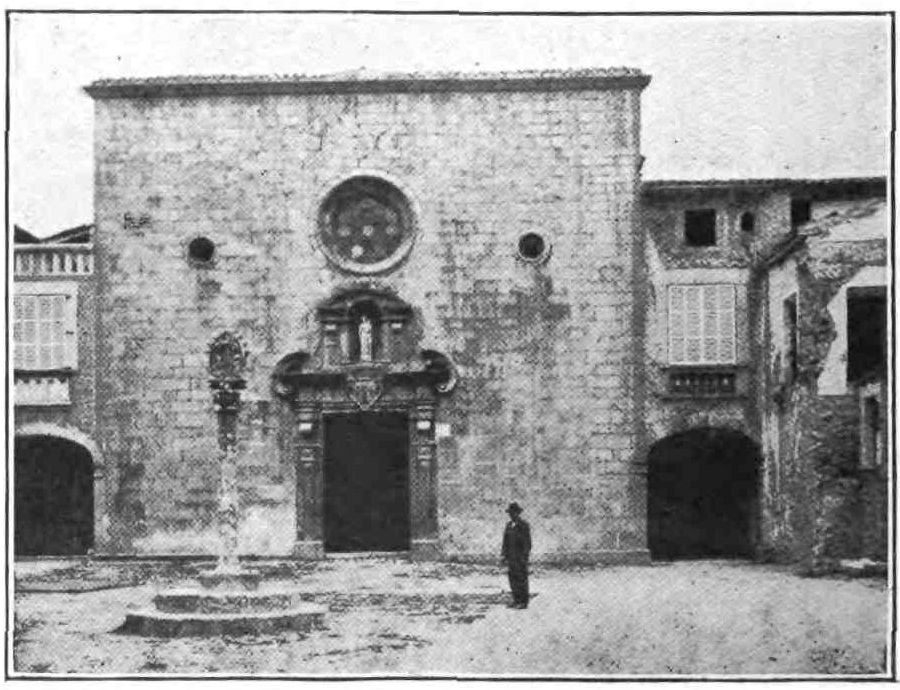
THE CHURCH OF THE MONASTERY, LLUCH, MALLORCA
Plate 239
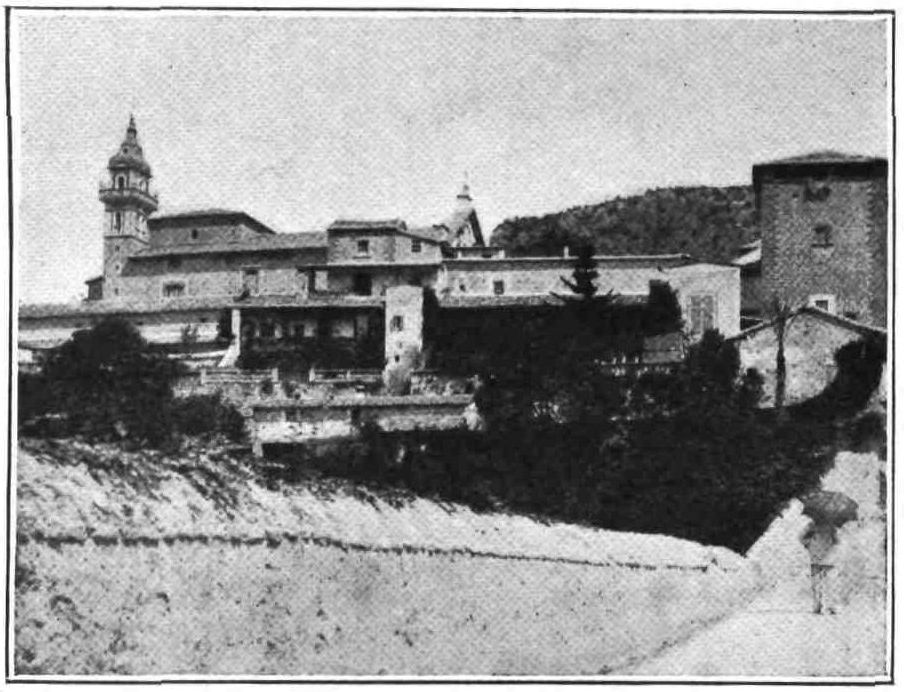
LA CARTUJA, VALLDEMOSA, MALLORCA
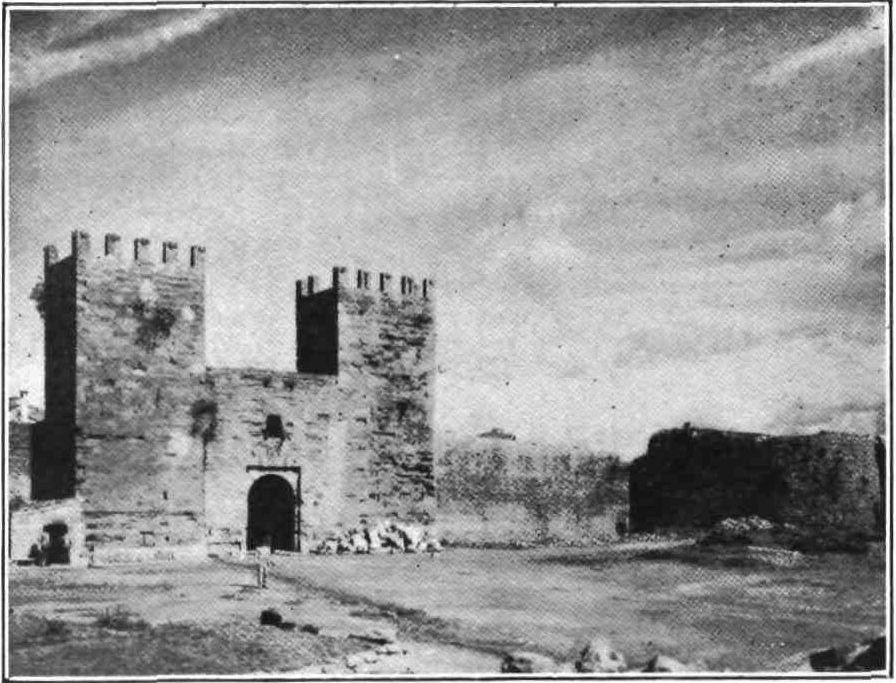
PUERTA DEL MUELLE, ALCUDIA, MALLORCA
Plate 240
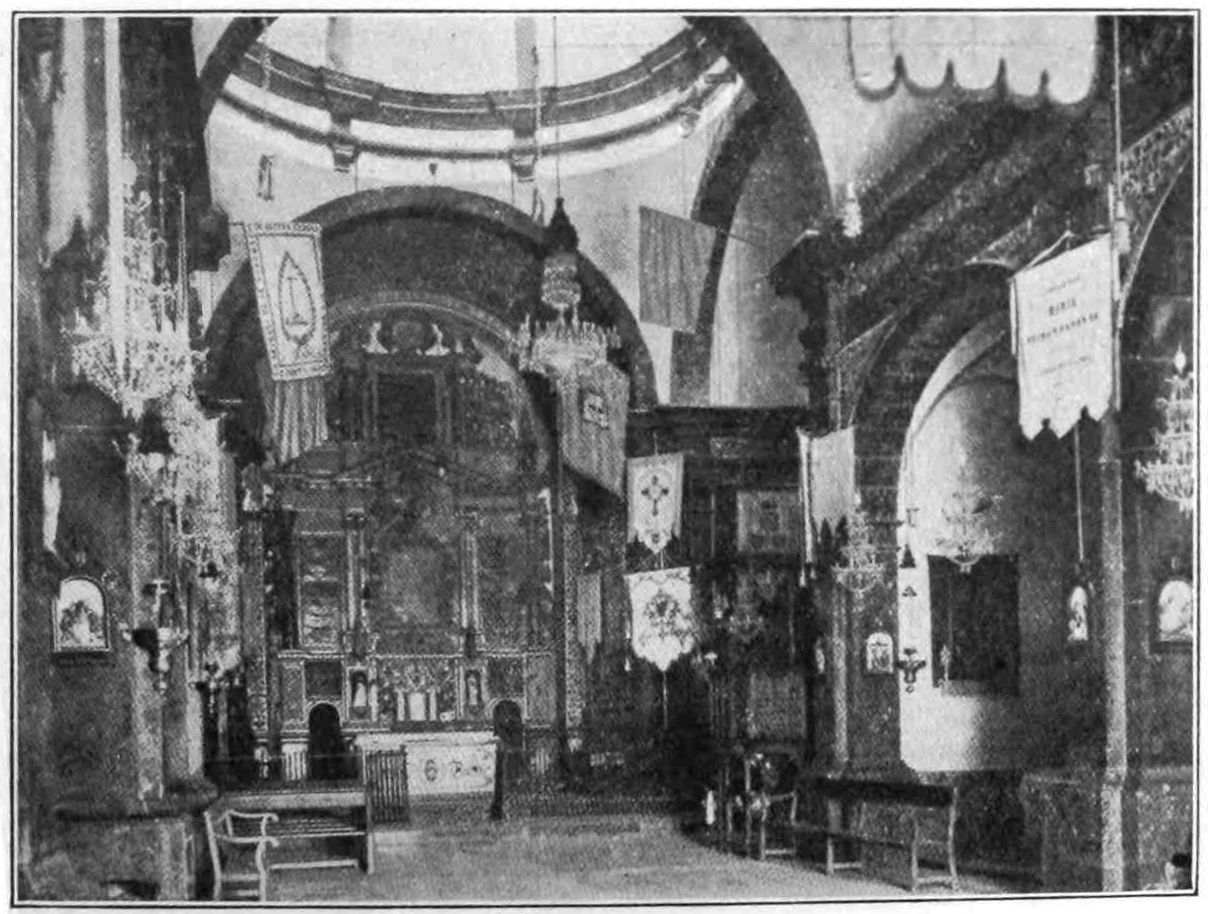
INTERIOR OF THE CHURCH, LLUCH, MALLORCA
Plate 241
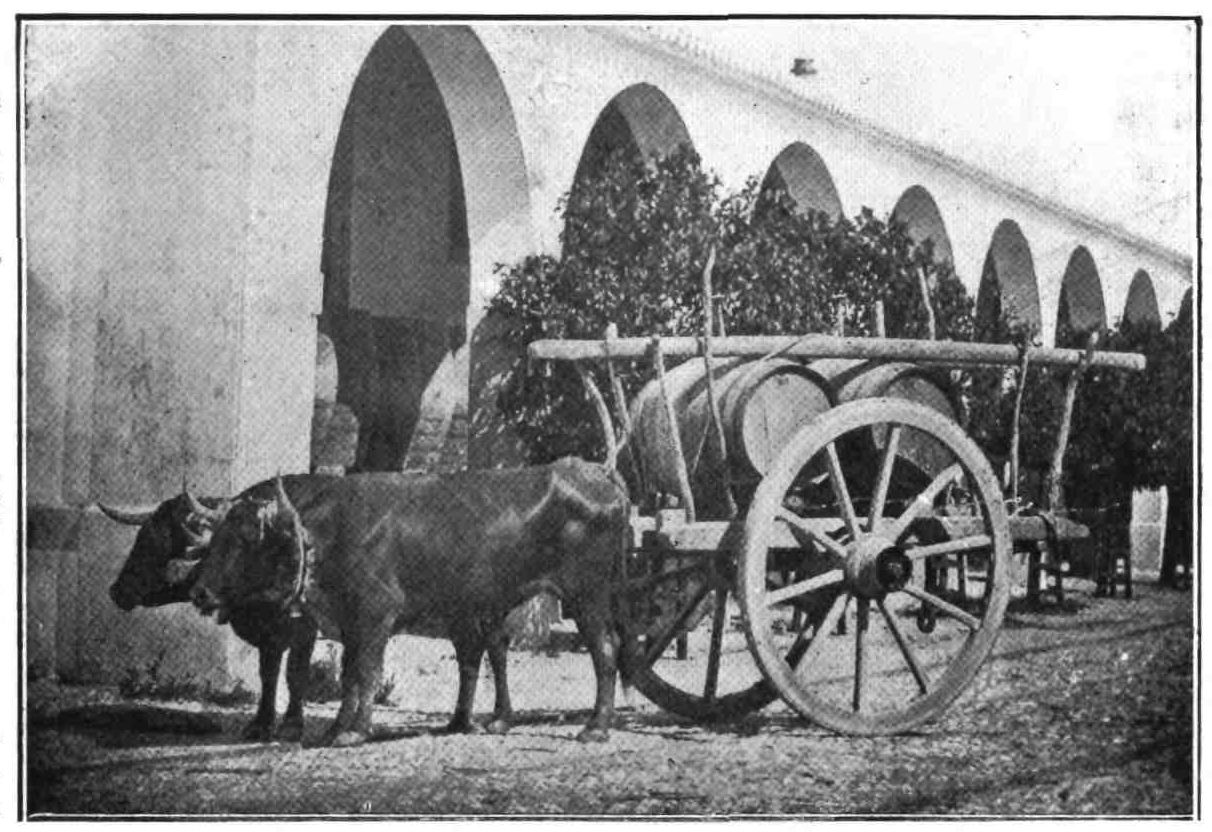
TRANSPORT OF MUSTS, BALEARIC ISLANDS
Plate 242
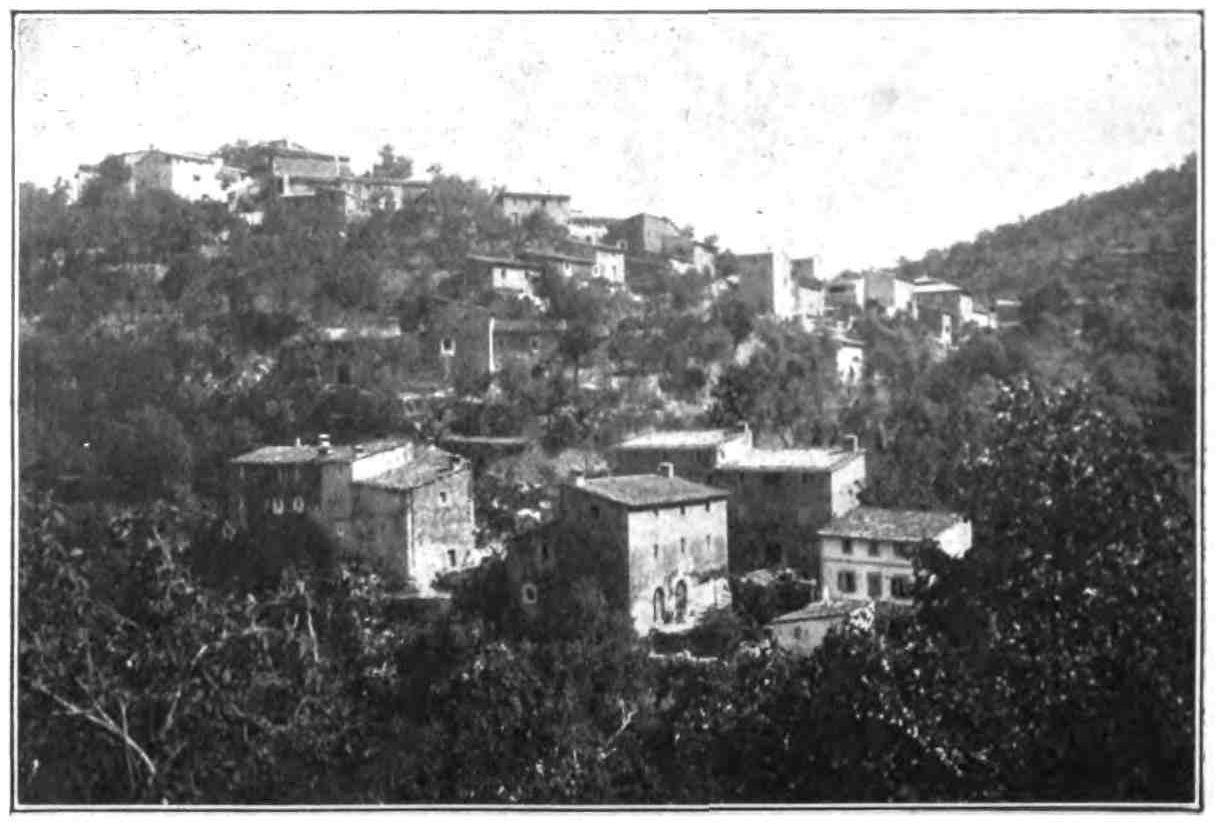
GENERAL VIEW OF DEYA, MALLORCA
Plate 243
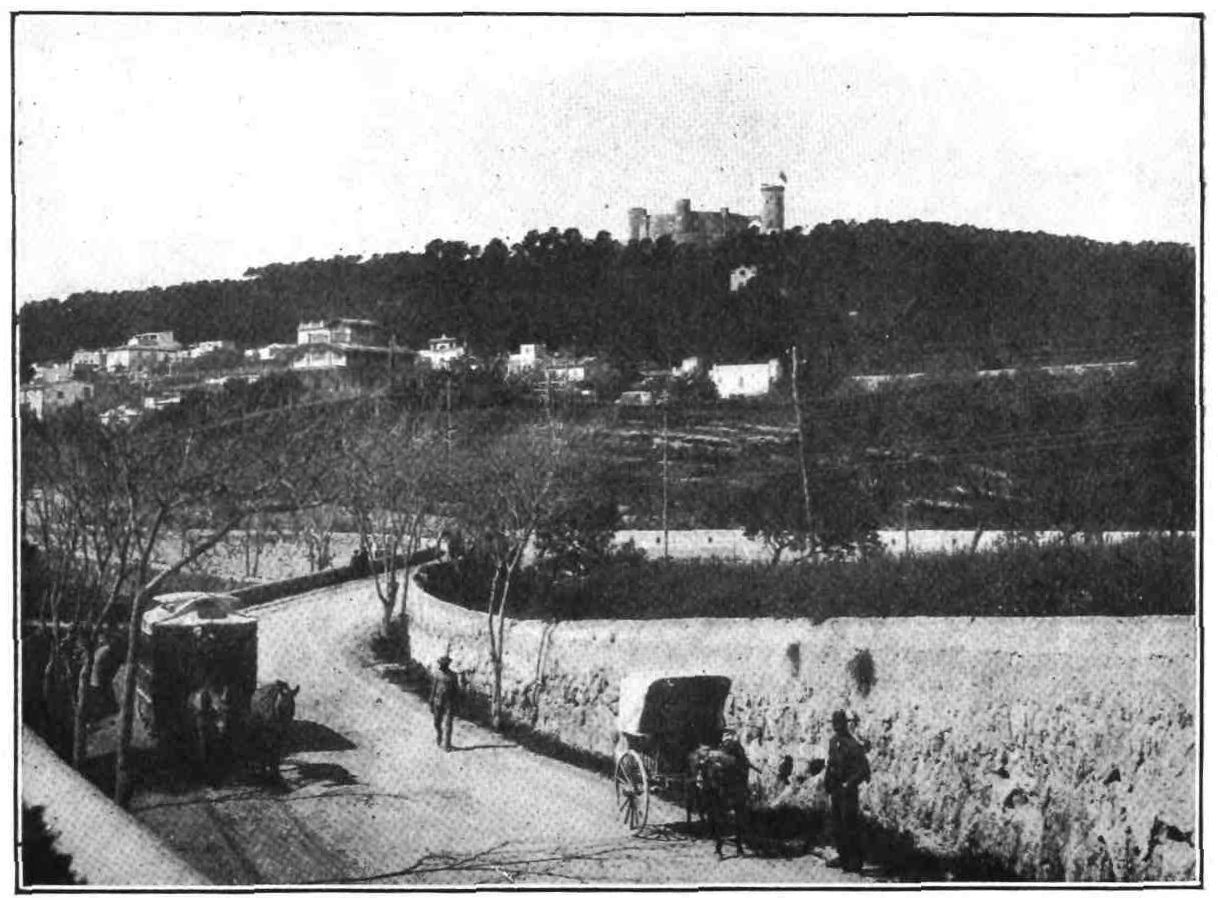
CASTLE OF BELLVER, MALLORCA
Plate 244
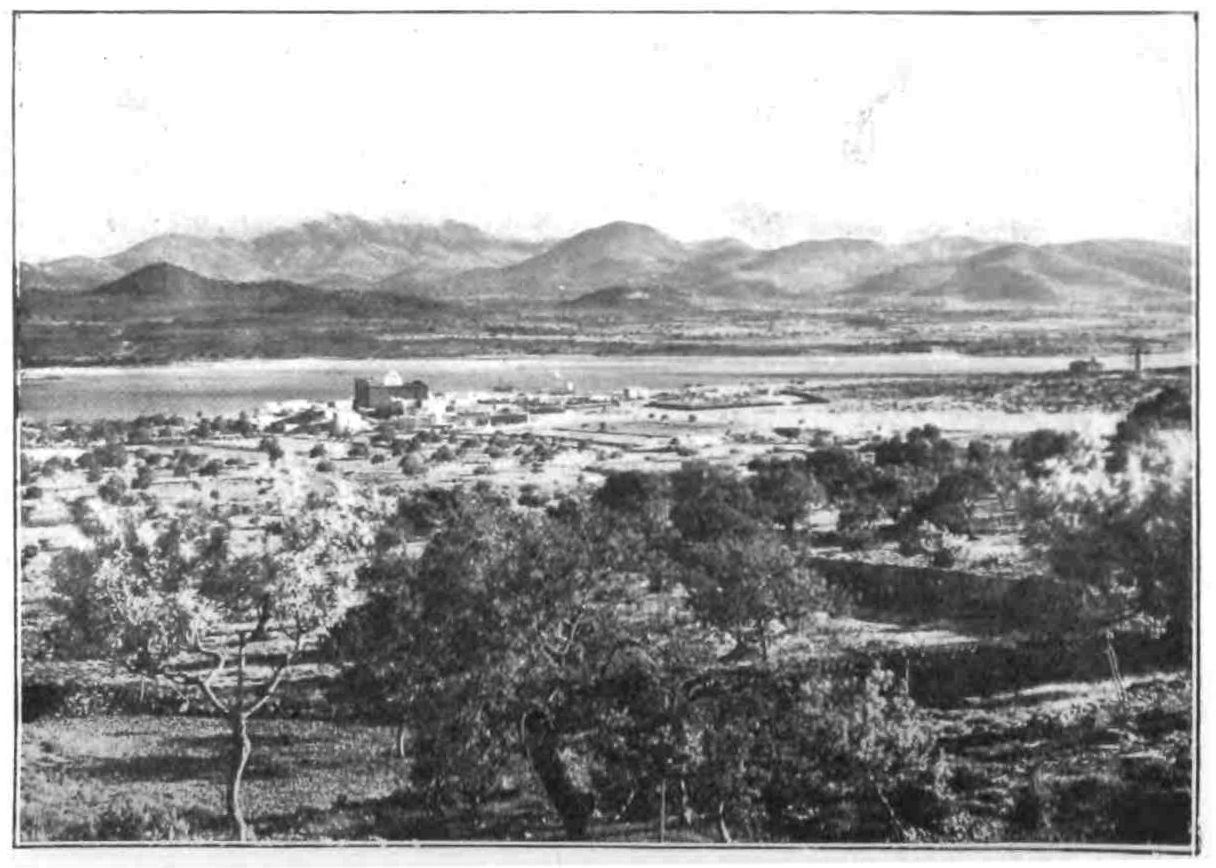
GENERAL VIEW OF SAN ANTONIO (PITYUSAE ISLES)
Plate 245
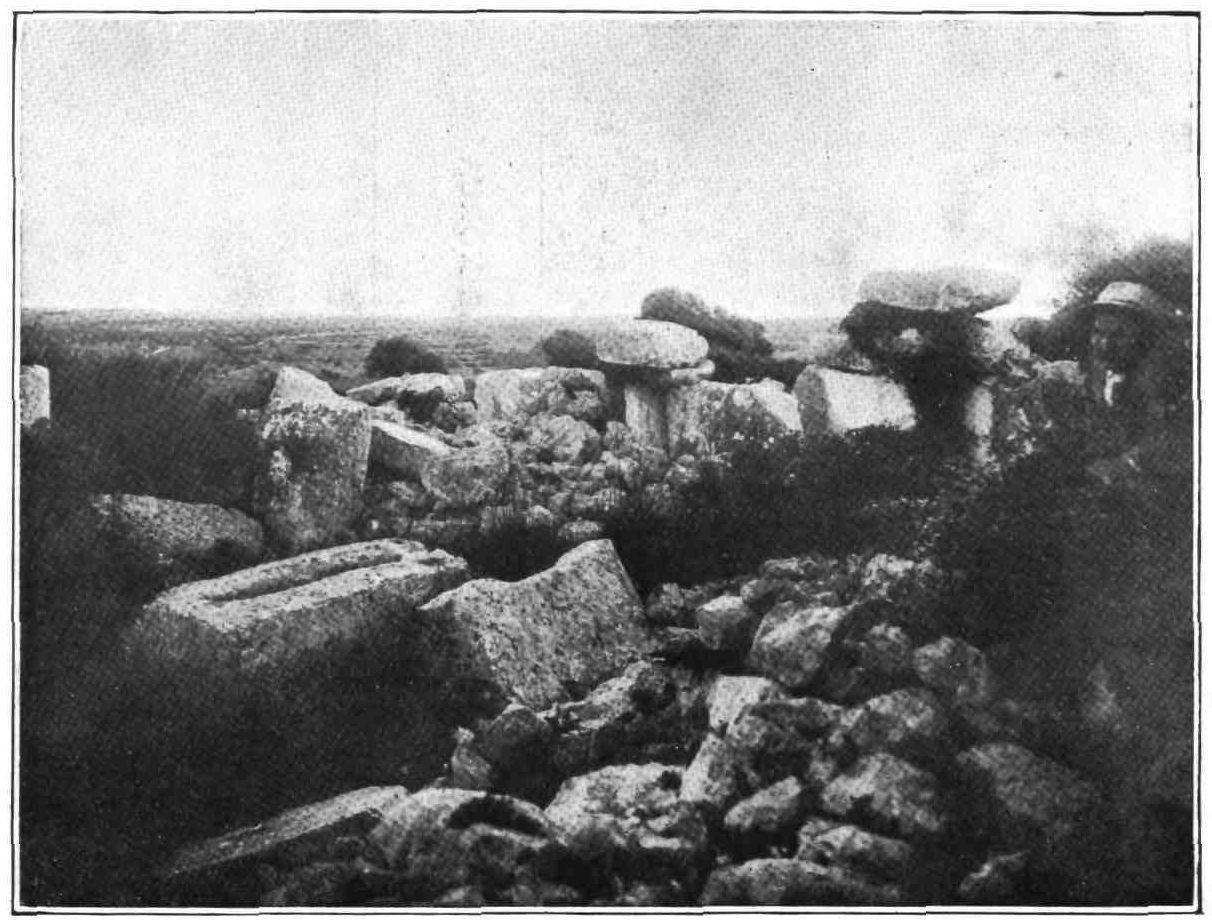
RUINS OF THE TORRE D’EA GALINES, ALAZOR, MENORCA
Plate 246
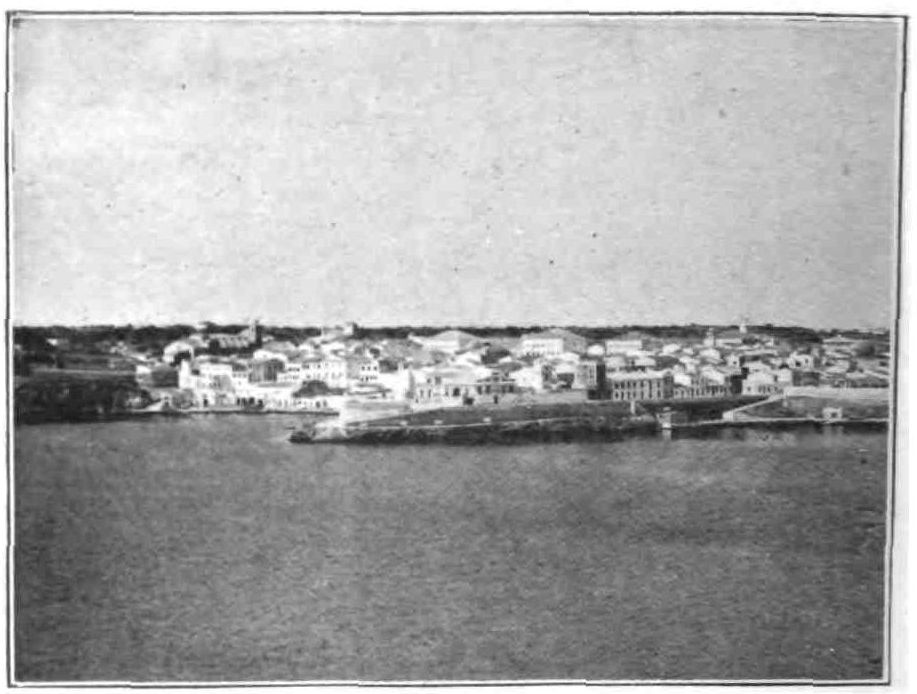
VILLA CARLOS, MAHON, MENORCA
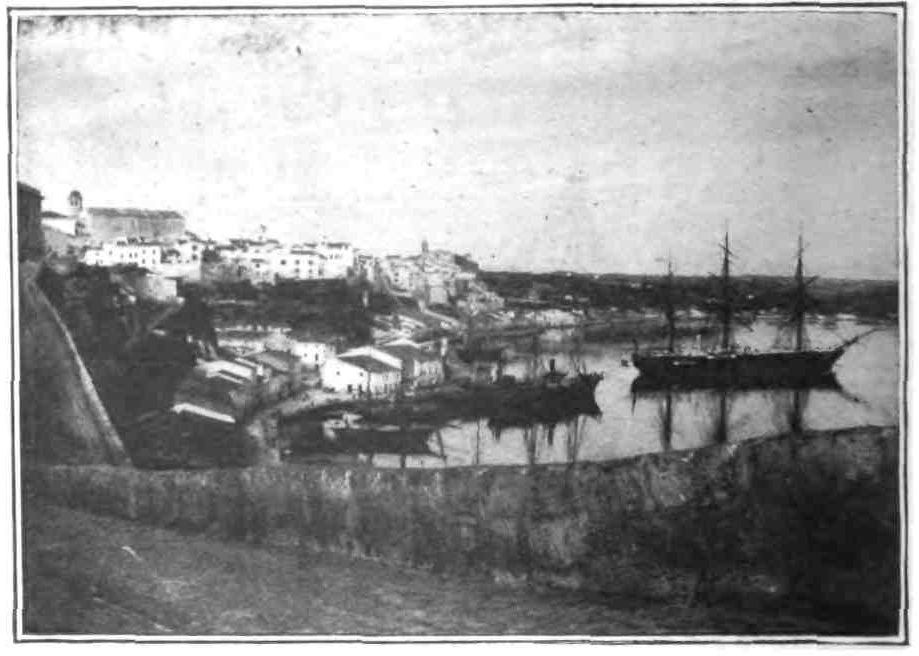
VIEW OF THE PORT, MAHON, MENORCA
Plate 247
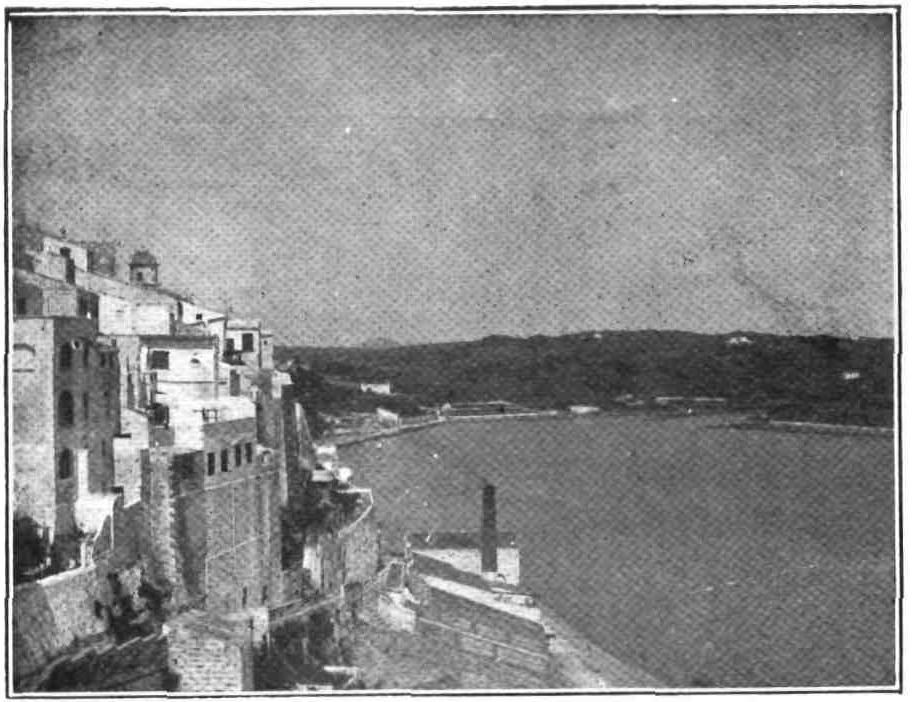
THE HARBOUR, MAHON, MENORCA
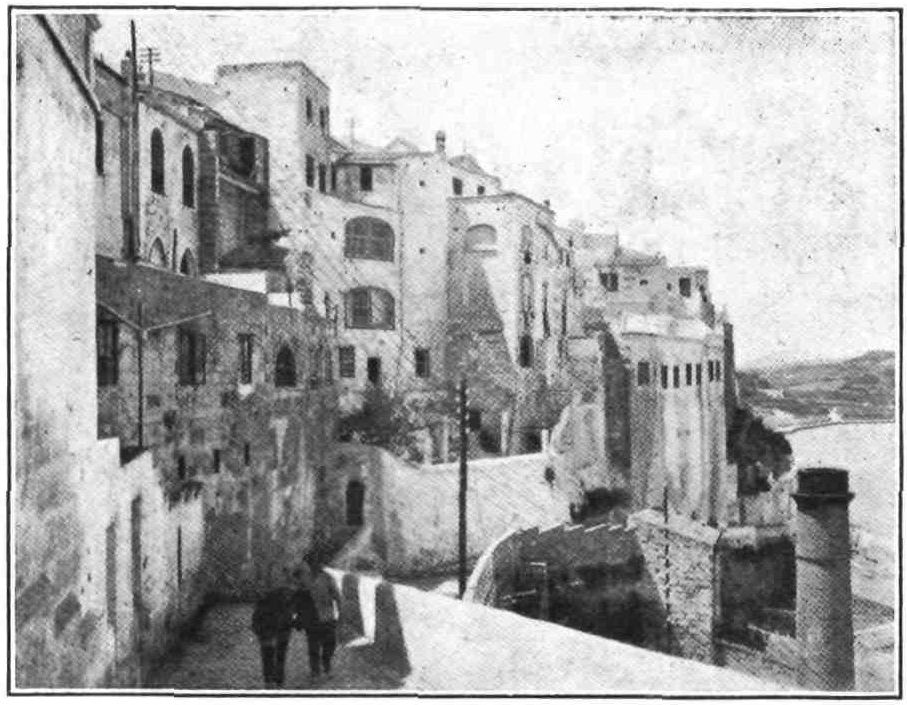
A VIEW IN THE TOWN, MAHON, MENORCA
Plate 248
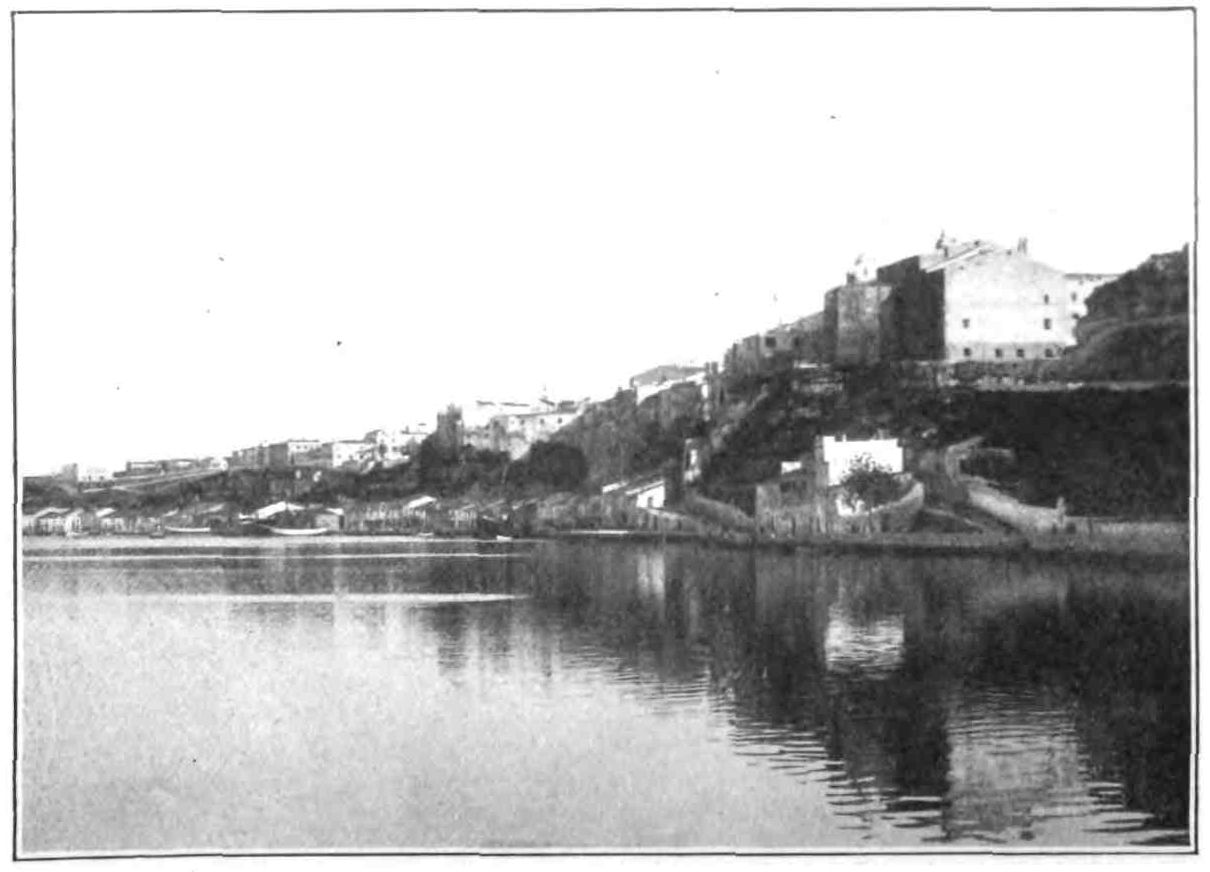
THE QUAY, MAHON, MENORCA
Plate 249
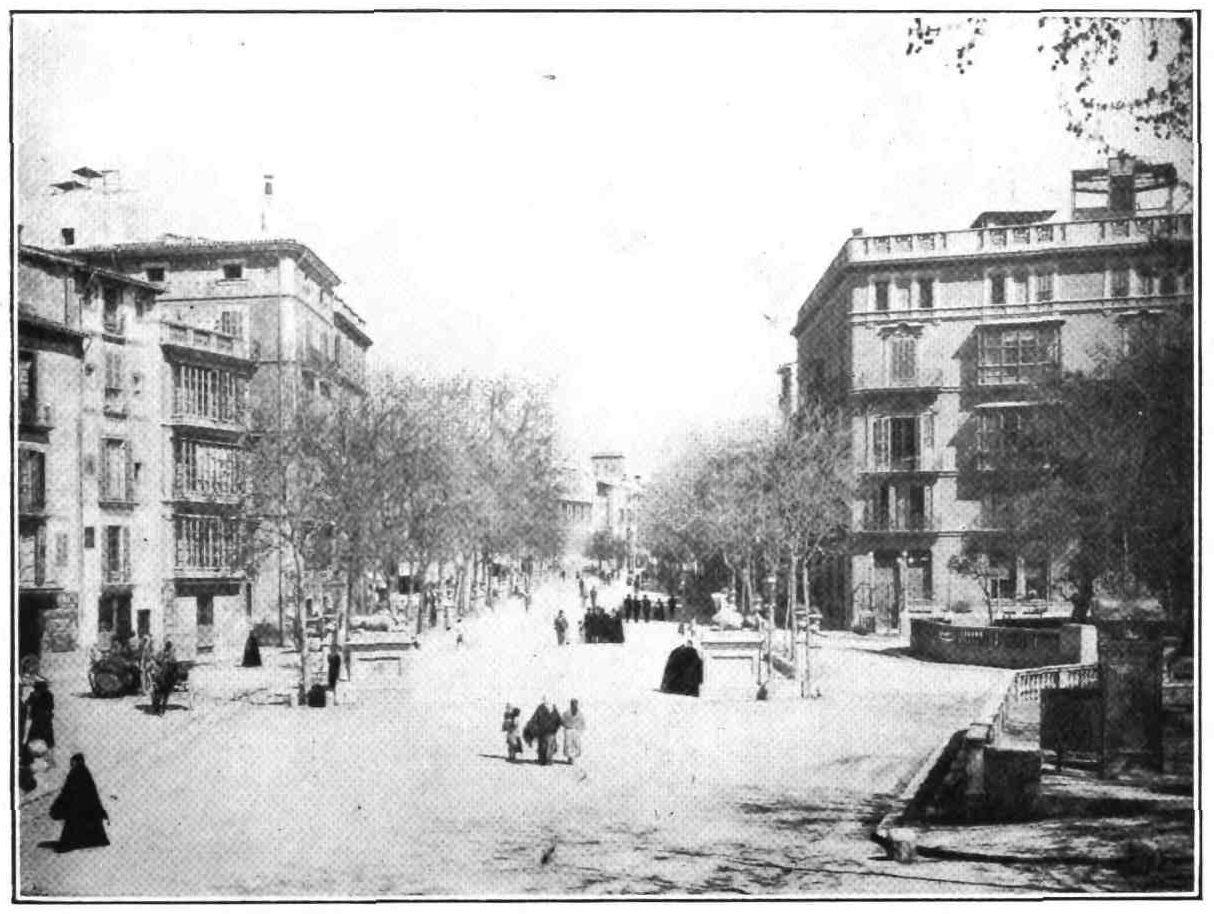
PASEO DEL home, CIUDADELA, MENORCA
Plate 250
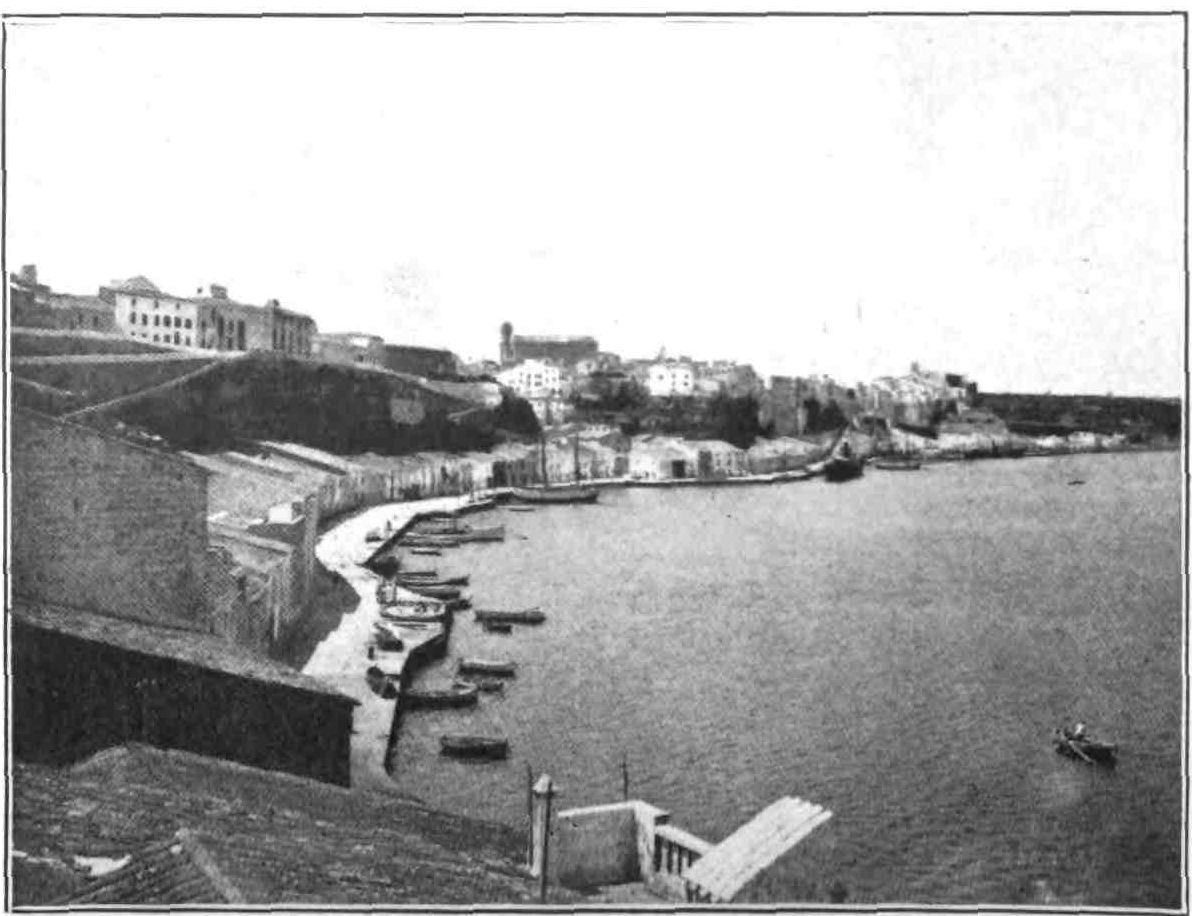
VIEW OF THE PORT, MAHON, MENORCA
Plate 251
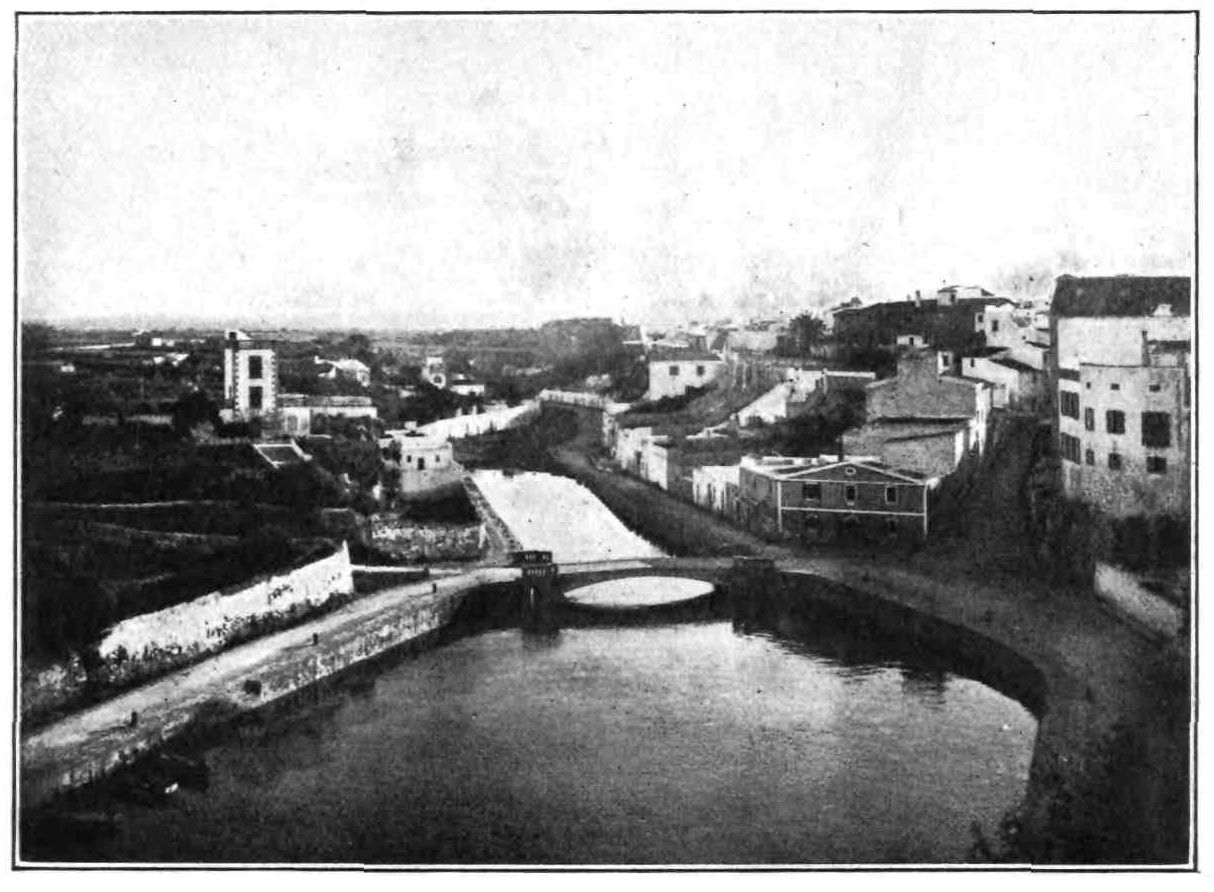
THE PORT AND TOWN, CIUDADELA, MENORCA
Plate 252
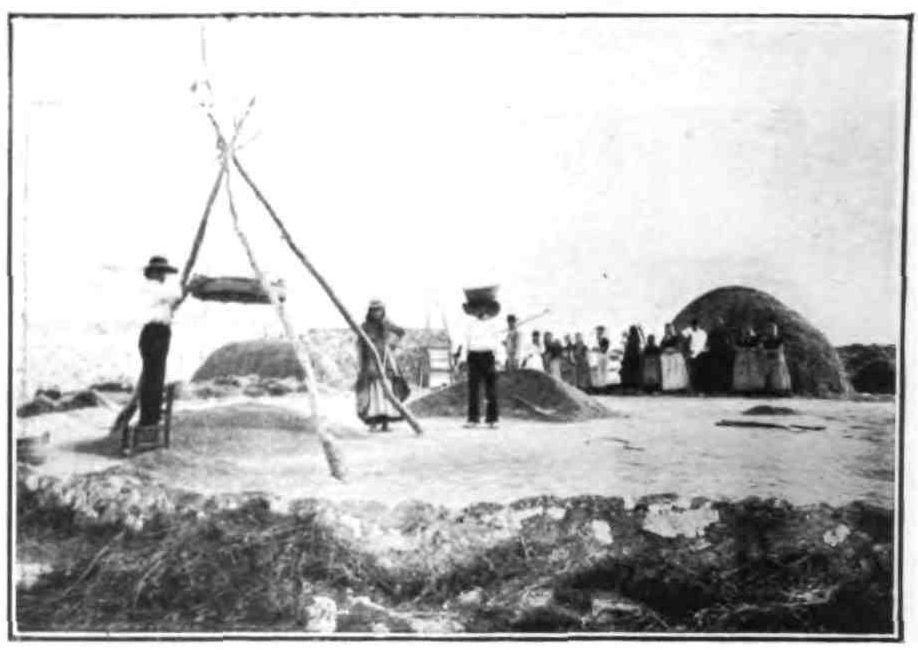
THRESHING, SAN ANTONIO (PITYUSAE ISLES)
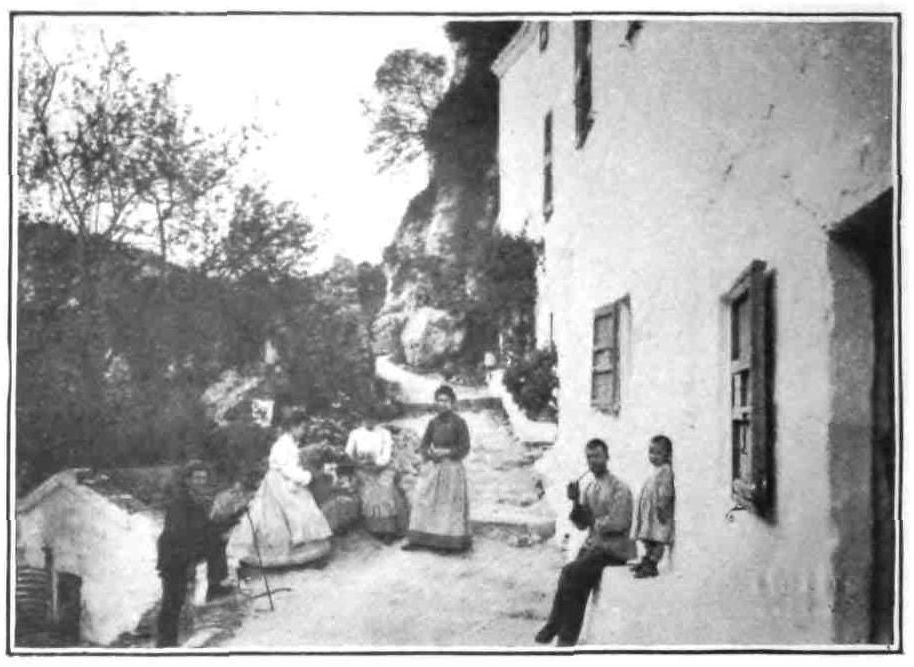
A STREET IN ALGENDAR, FERRERIAS, MENORCA
Plate 253
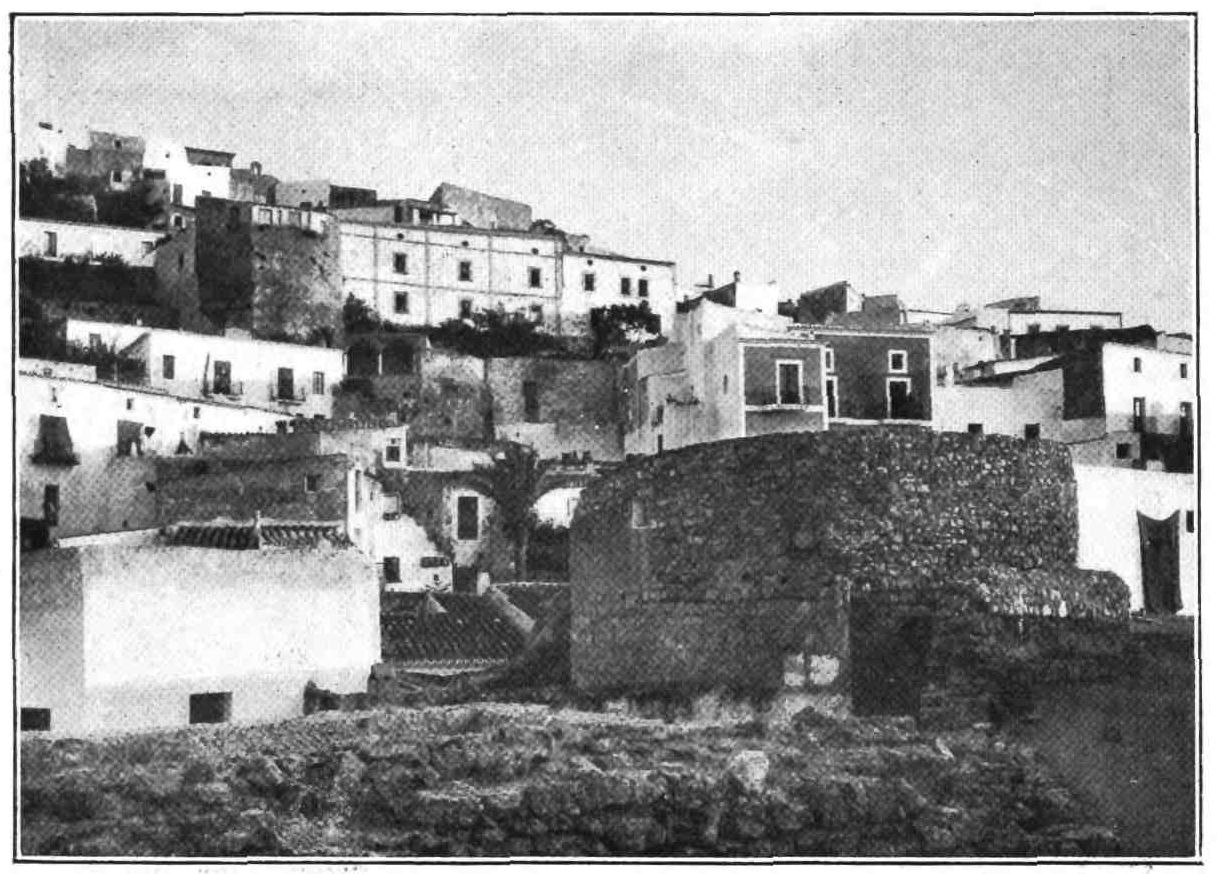
A VIEW SHOWING THE ARABIAN TOWERS, IBIZA (PITYUSAE ISLES)
Plate 254
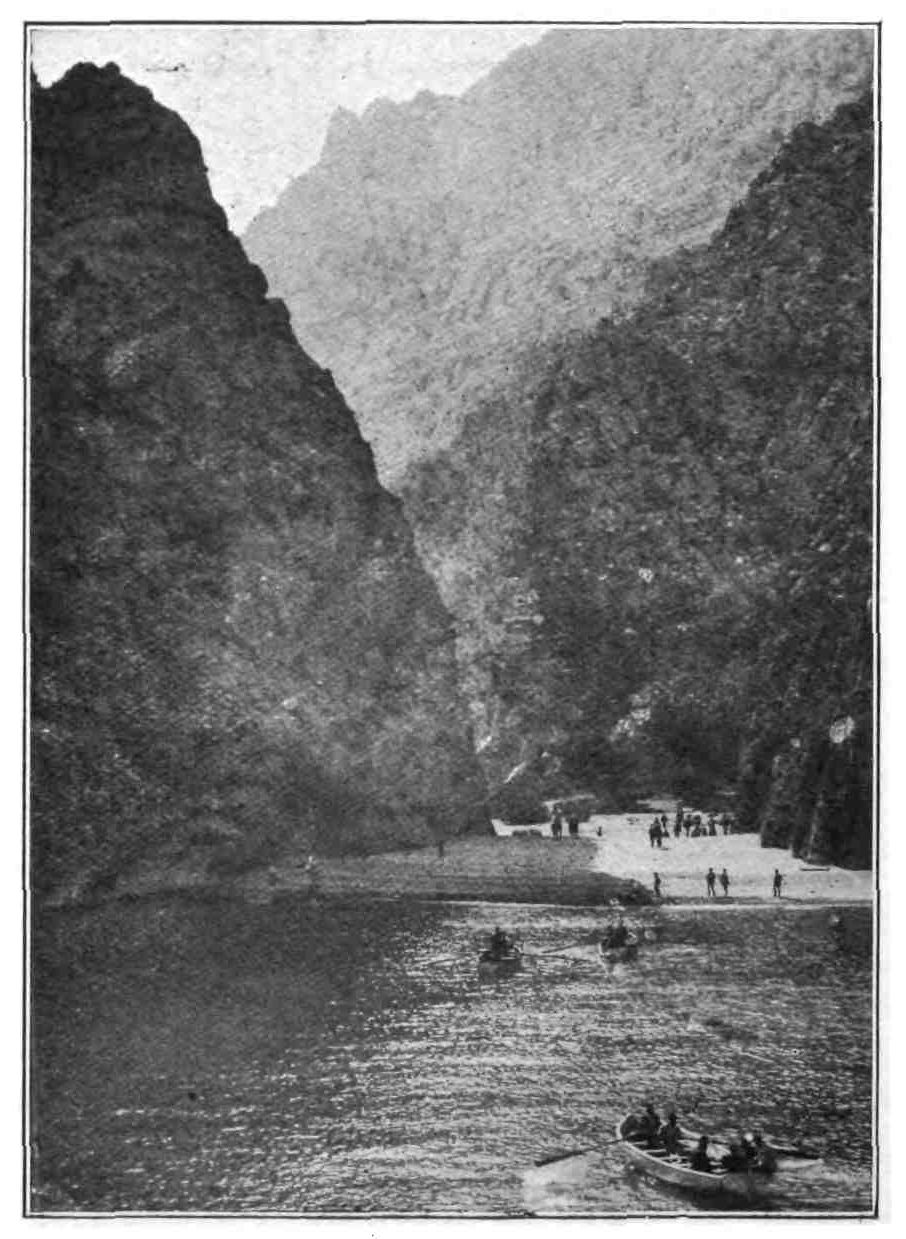
RIVER PAREYS
Plate 255
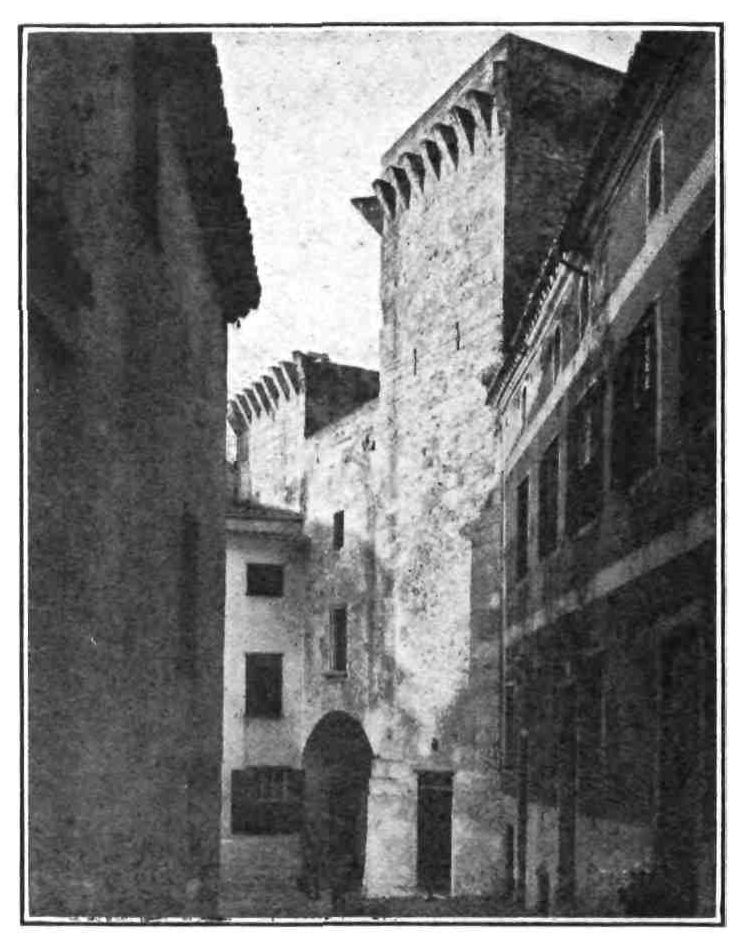
PORTAL OF D’ALT OR D’EN SERVERA, MAHON, MENORCA
Plate 256
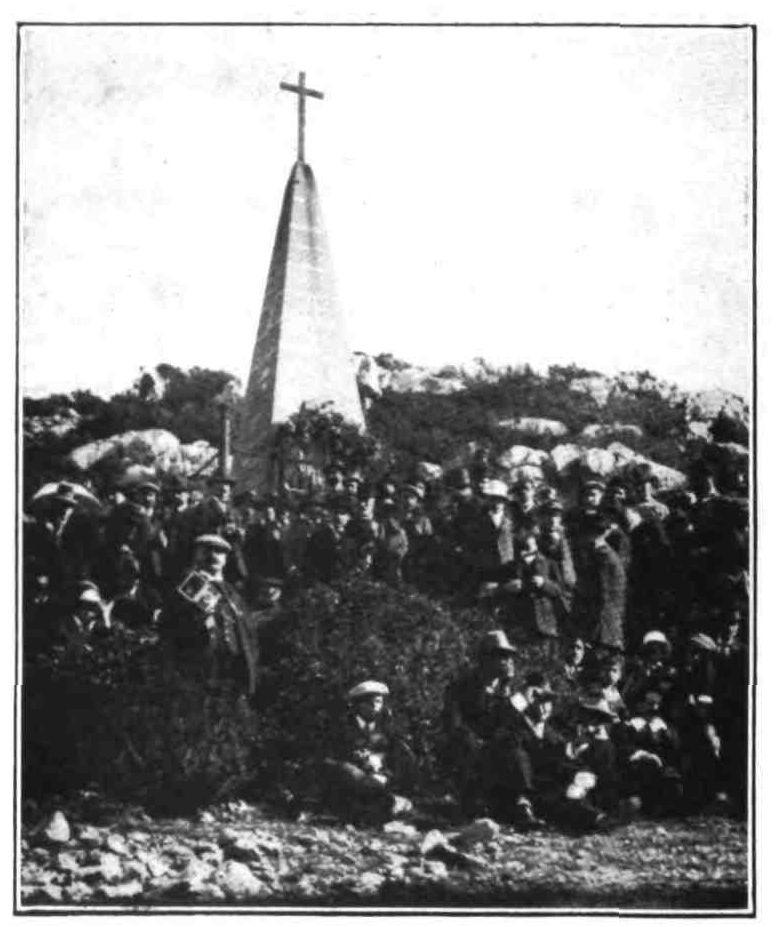
MONUMENT TO THE FRENCH PRISONERS WHO DIED IN 1808, ISLAND OF CABRERA, MENORCA