Living in the Ground: Modified Basketmaker Pithouse (AD 650)
Reading edition
By the late 500s, the Anasazi had settled on various parts of the Mesa Verde. The people lived in pithouses clustered in villages. These also included groups of small above-ground storage rooms built of jacal (mud-plastered posts).
• STOP #1
Pithouses were structures with their floors and lower walls below ground surface. Large posts set into holes in the floor supported a flat roof and sloping sidewalls of poles, juniper bark, sage, and plaster. The sidewalls rested on the low bench around the inside of the pit, where impressions of the poles can still be seen.
Pithouse floor plans of this period resembled a figure-eight. The large room was the living and sleeping area. It was equipped with a firepit or hearth, usually located near the center.
One or both of the holes located behind the hearth was probably a sipapu, an important spiritual symbol still found in this position in modern Pueblo ceremonial rooms. Pueblo tales relate that the ancestors originated in the spirit world beneath the earth. Aided by spirits and culture heroes, the ancestors climbed through an opening linking the world below with this one and settled on the lands the gods had prepared for them. The sipapu symbolized this event and the place of emergence. Its presence in the pithouse suggests that the family conducted some religious ceremonies at home.
4
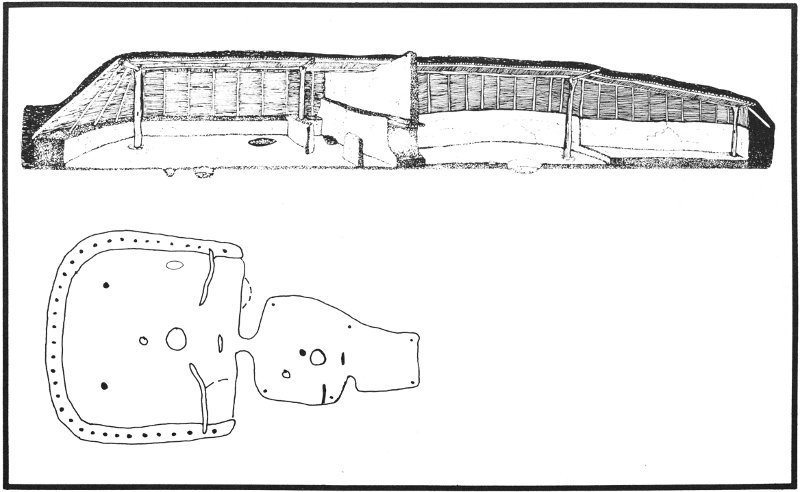
Early Anasazi peoples lived in semi-subterranean homes called “pithouses.”
The reconstruction (top) is based on the position of support post holes and other features on the floor plan (bottom).
5
Near the far wall of the house, archeologists found a large pit containing stones piled on a bed of sand. This was probably a heating pit. In the evening, stones would be heated in the hearth, then placed on the sand. They would radiate heat for several hours, warming the air near the floor where the people slept.
This small room is called an antechamber. It probably was used as a storage area and also as a passageway to and from the outside. At some point, this room was converted into another living area and equipped with a firepit, sipapu and antechamber of its own. The pithouse became a “duplex” housing two families, an unusual arrangement.
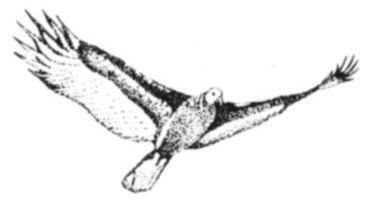
Turkey Vulture
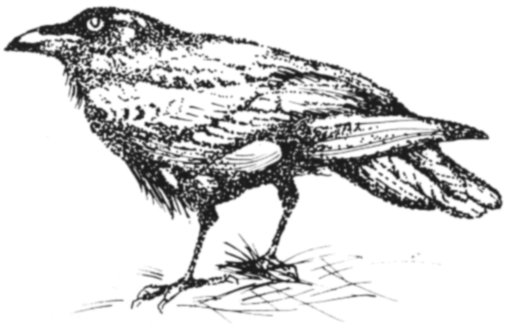
Common Raven
• STOP #2
This dense pinyon-juniper forest indicates deep, well-watered soil. Some of the best farm land on the Mesa Verde was to be found here around Badger House Community. Today the Mesa Verde looks much as it did when the Anasazi arrived. The birds and mammals you may see during your walk—mule deer, ravens, turkey vultures, jays—would have been familiar to the prehistoric people. The conspicuous hills you will see in several places along the trail are anthills. Modern Pueblo potters sometimes collect the small pebbles from these nests to grind up and use as temper, the material added to pottery clay to prevent the vessels from cracking as they dry.
6
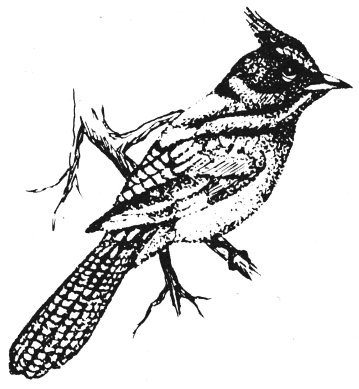
Steller’s Jay
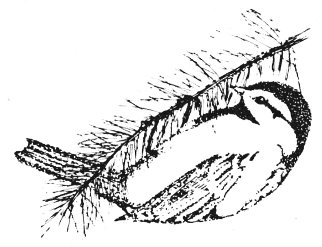
Mountain Chickadee