Illustrations II
Reading edition
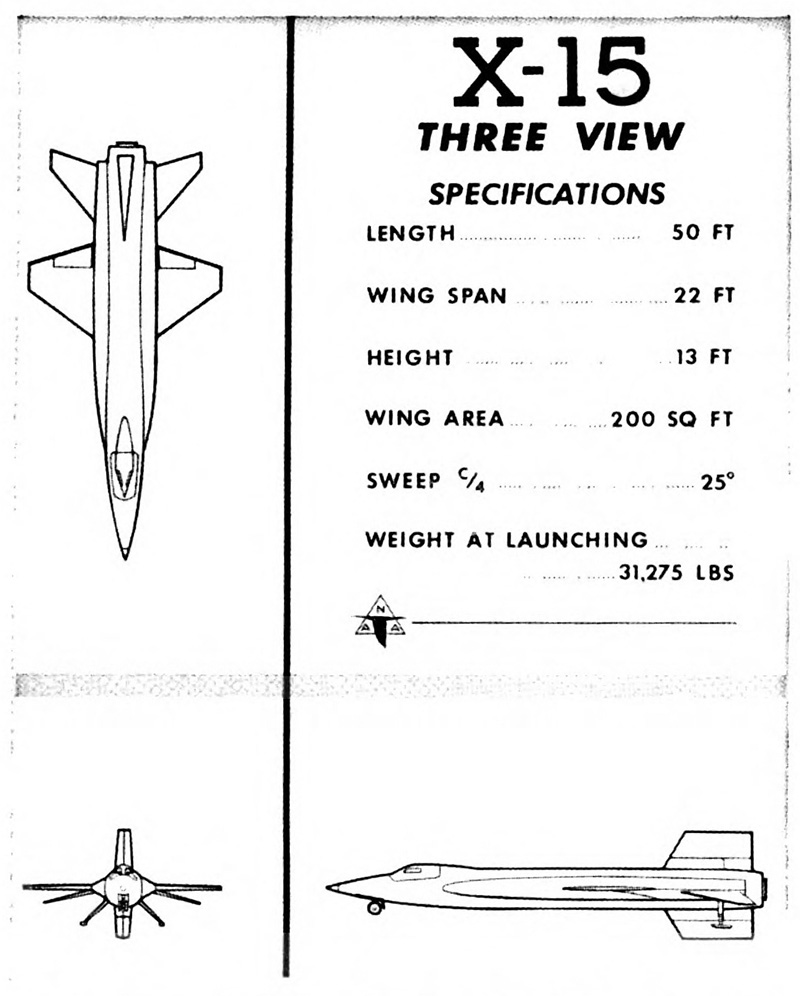
X-15 profile. NAA photo.
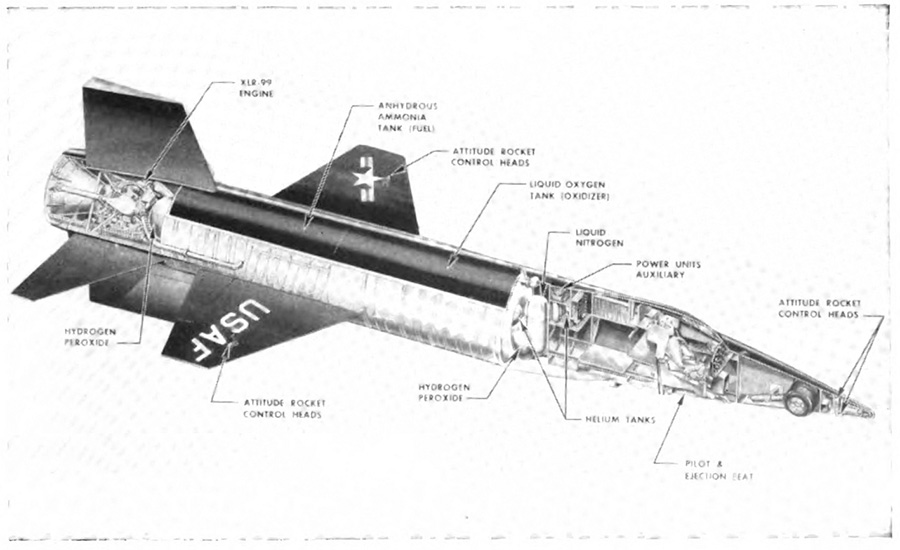
The X-15 inboard profile. NAA photo.
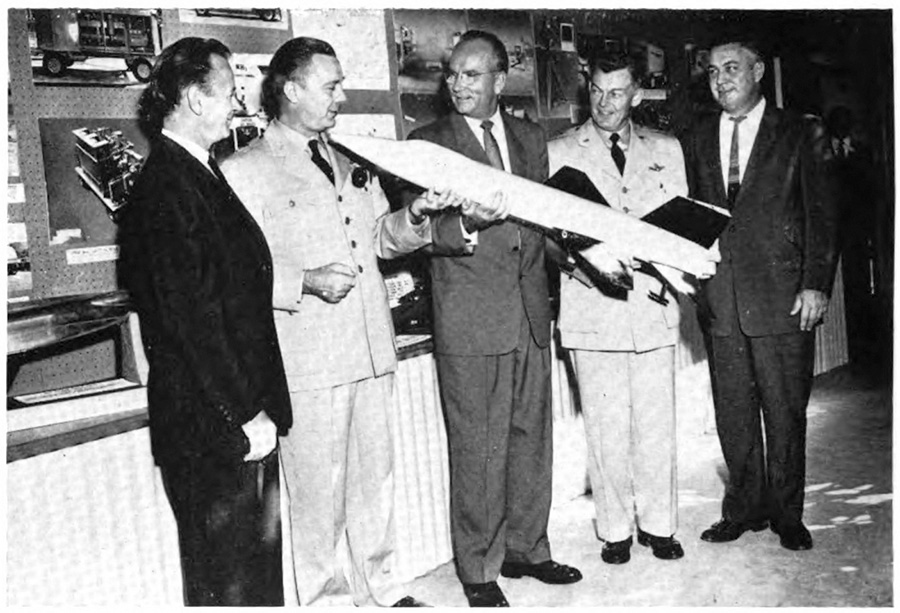
Owners, builders, and customers. From left: Harrison Storms, Maj. Gen. Haugen, Ray Rice, Brig. Gen. Cooper, Walt Williams. NAA photo.
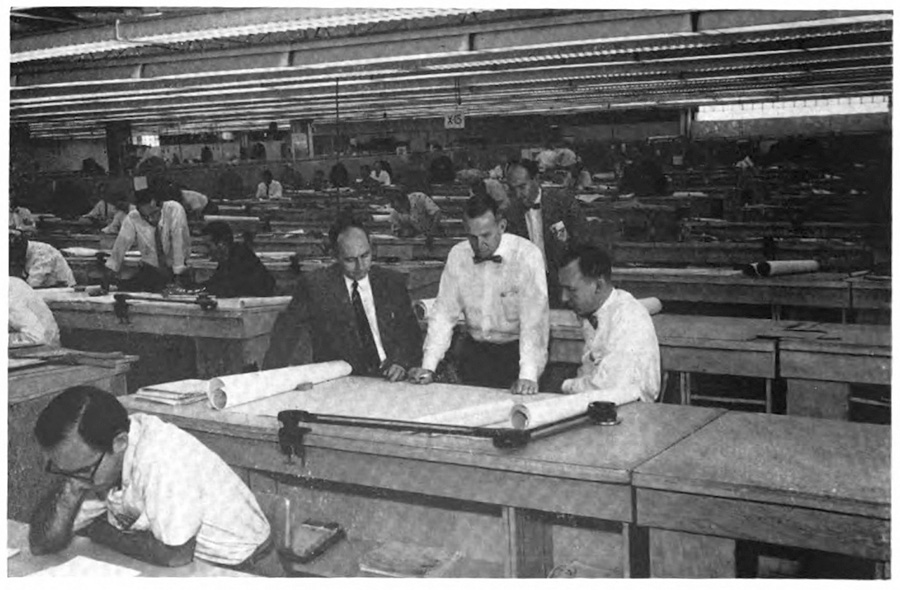
Blood, sweat, and tears: Feltz, Robinson, and Benner. NAA photo.
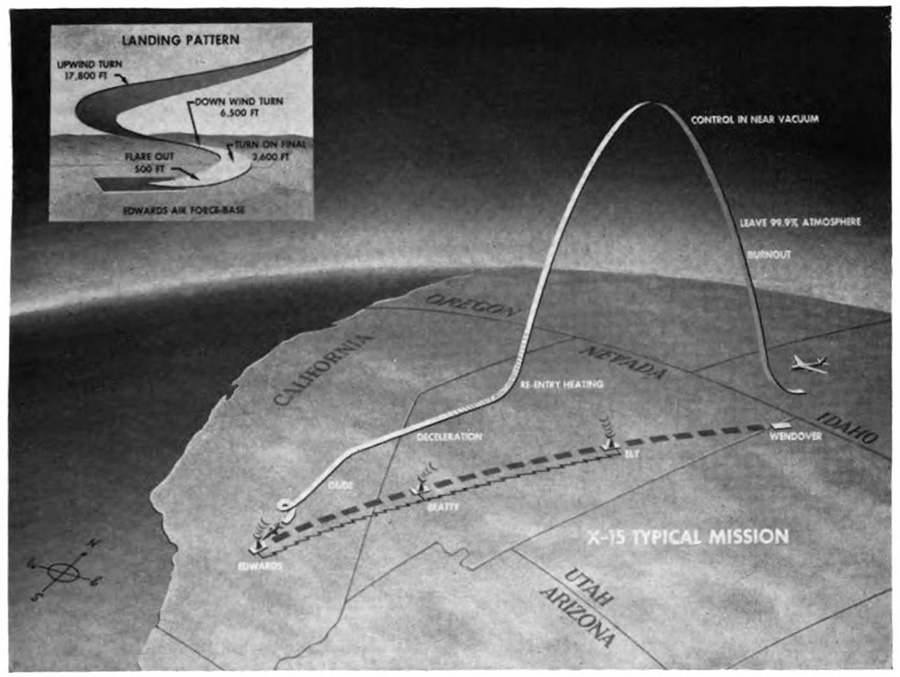
The X-15 flight mission. NAA photo.
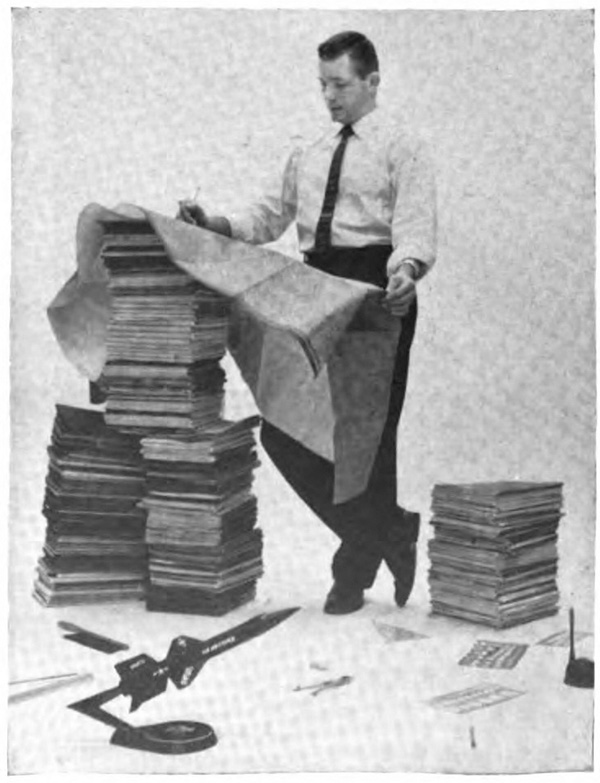
The paper weighed more than the airplane. NAA photo.
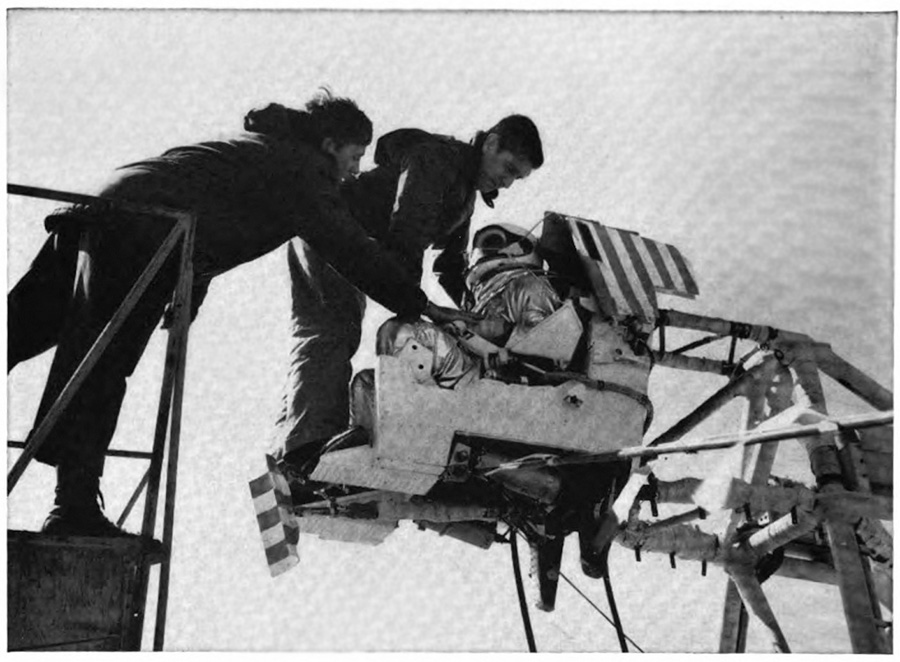
Ground-testing the X-15 escape system. NAA photo.
A rocket test sled of the X-15 escape system begins a run at Edwards. The canopy ejects ... NAA photo.
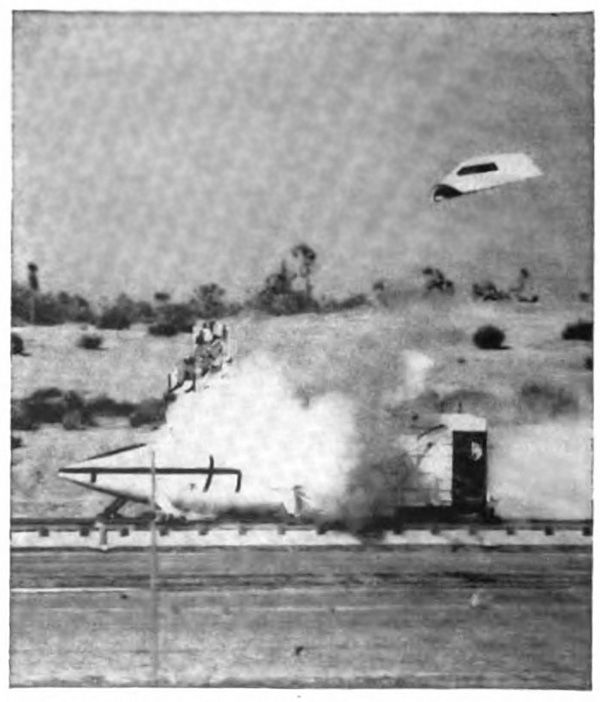
... and blows away while the seat with dummy emerges. NAA photo.
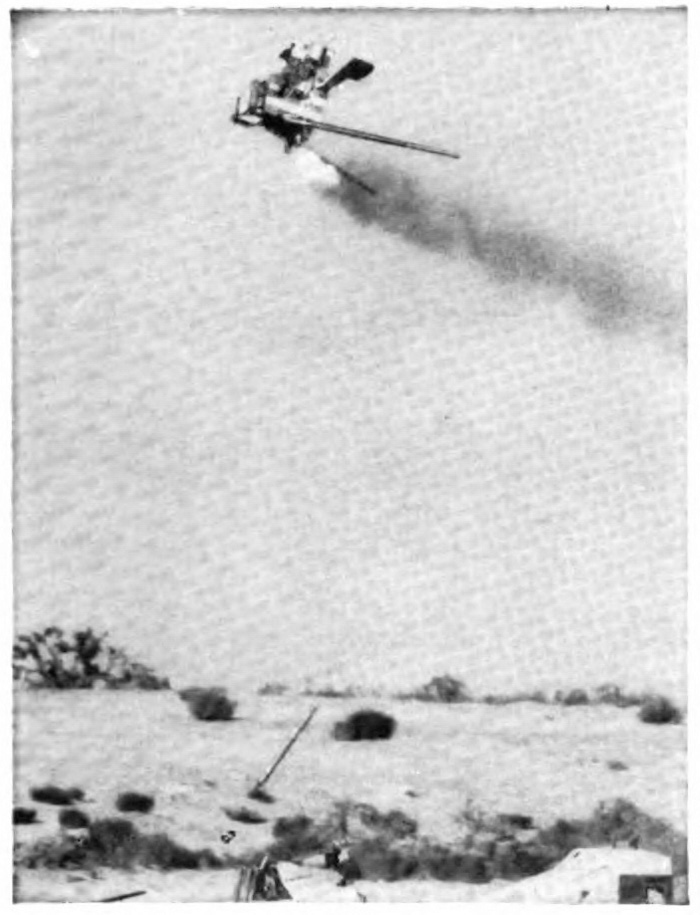
Powered ejection ends ... NAA photo.
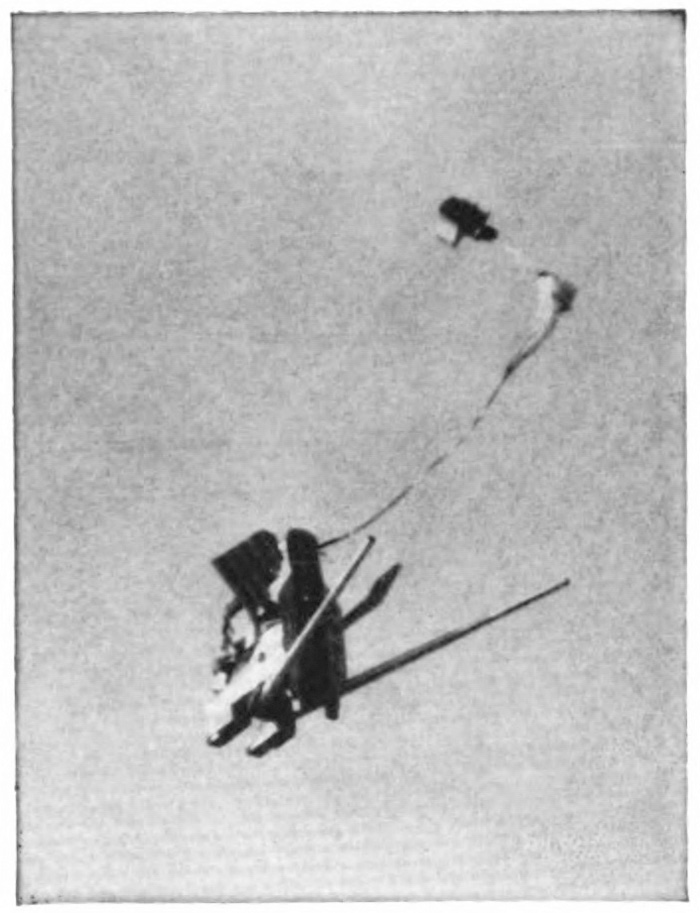
... and the chute begins to deploy automatically. NAA photo.
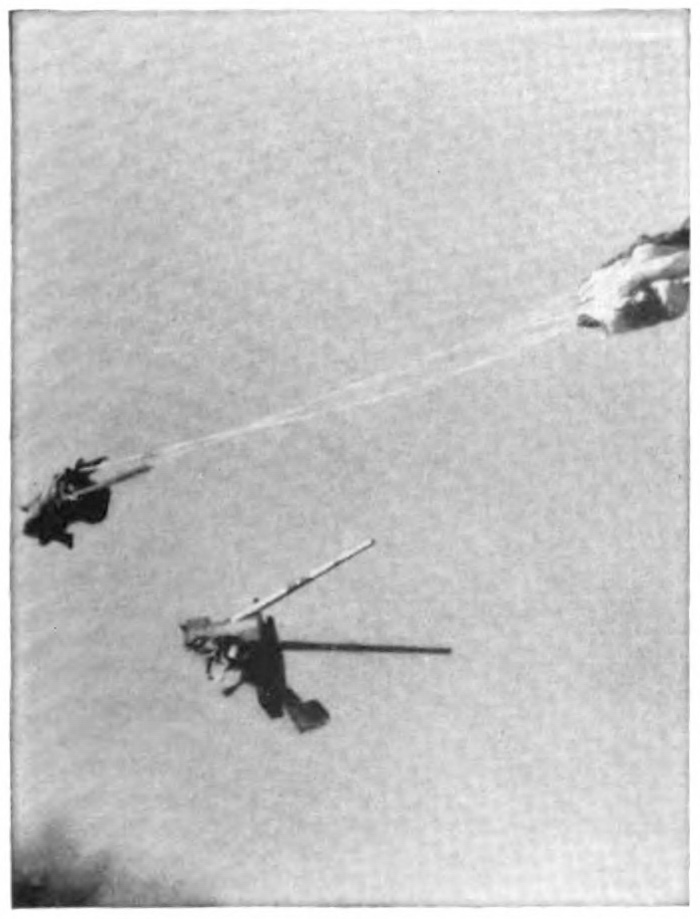
The dummy separates from the seat ... NAA photo.
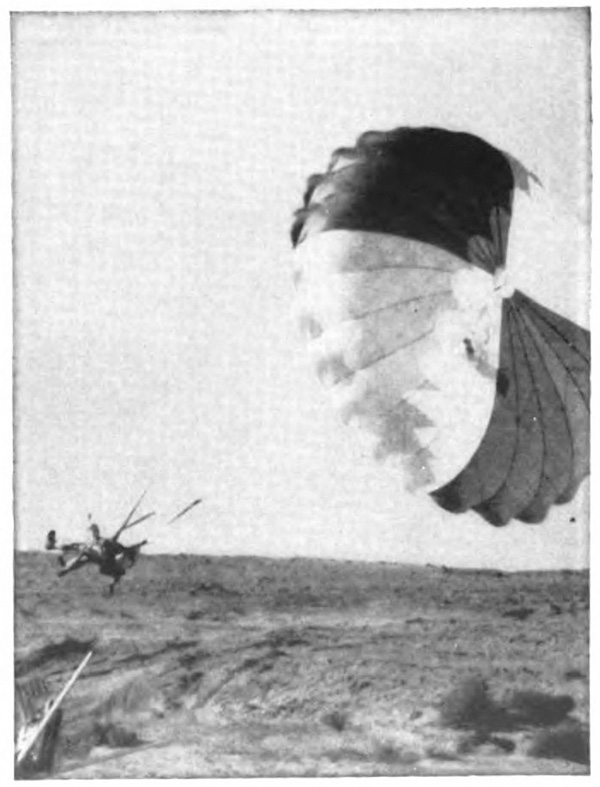
... for a soft landing on the desert. NAA photo.
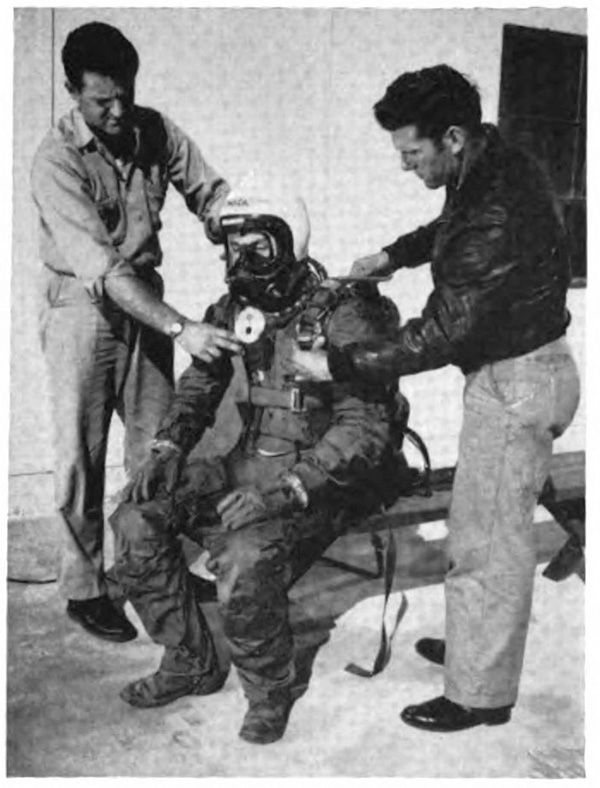
Farmer’s son tries out early-model experimental Clark pressure suit. NASA photo.
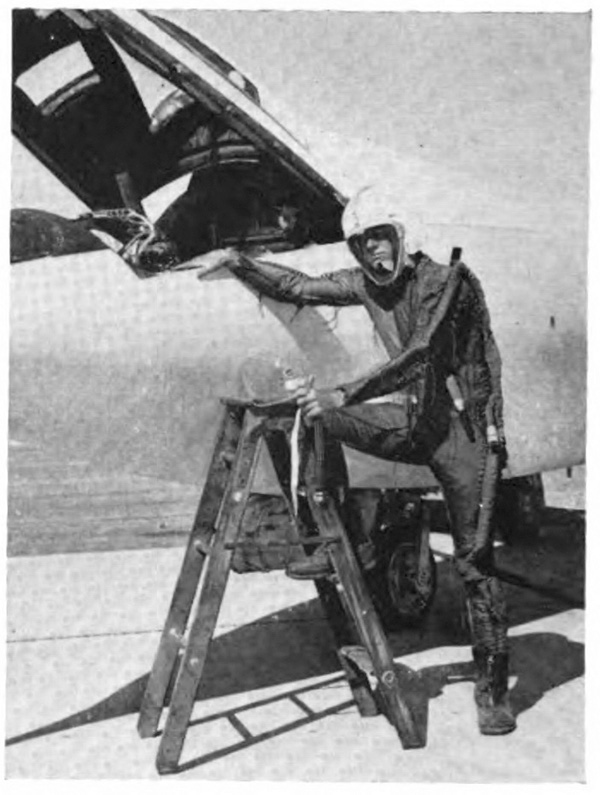
Bill Bridgeman wearing an early-model Air Force partial-pressure suit. Douglas photo.
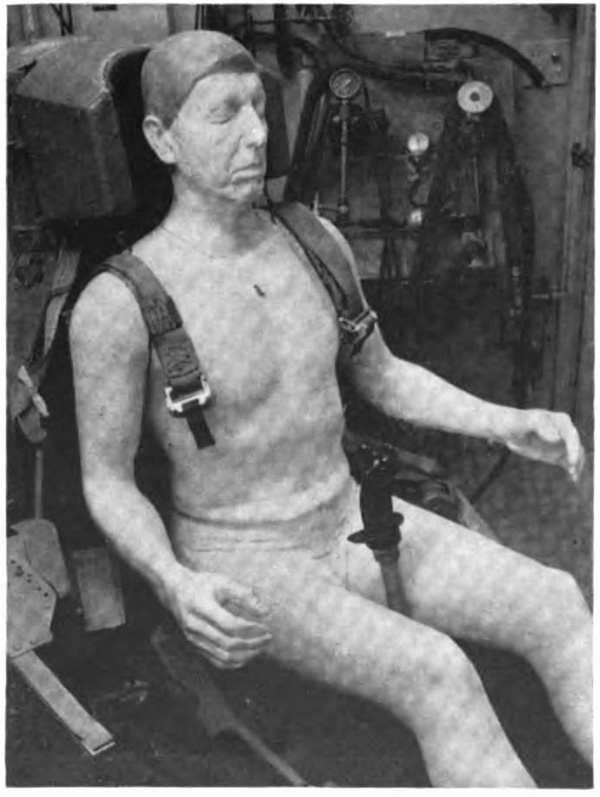
A rubber tire preserved for posterity. David Clark’s statue of me. Photo by Marvin Richmond.
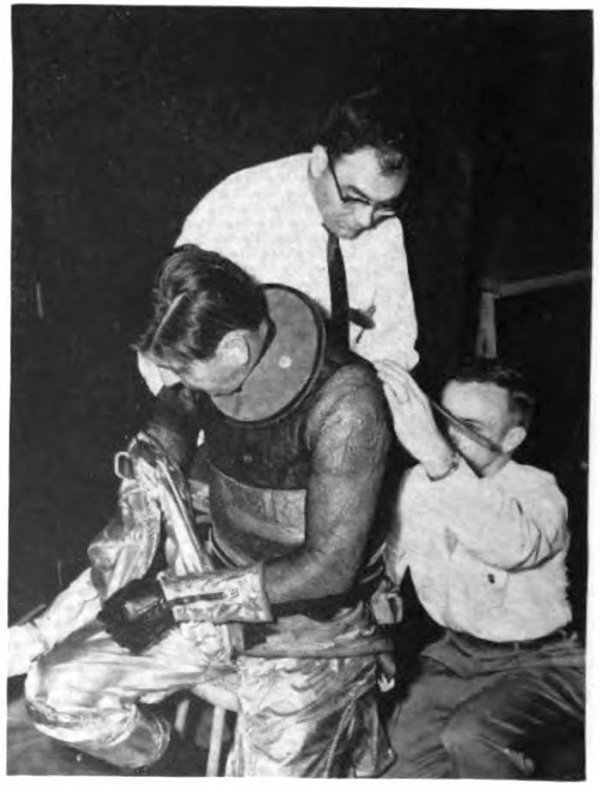
The pressure-suit break-through: link-net material. NAA photo.
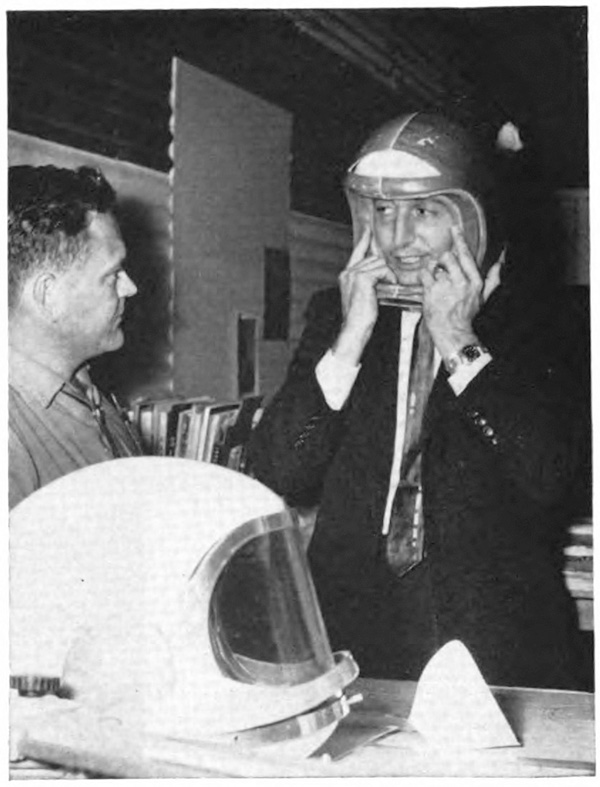
Fitting the helmet. NAA photo.
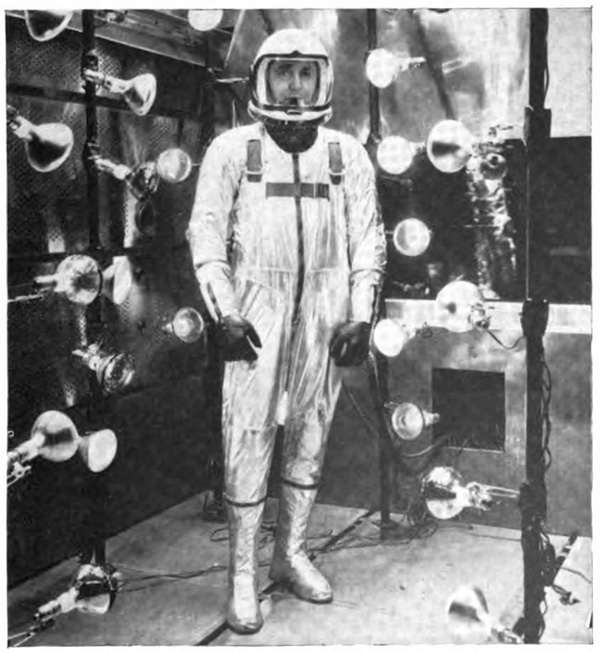
Posing for publicity. NAA photo.
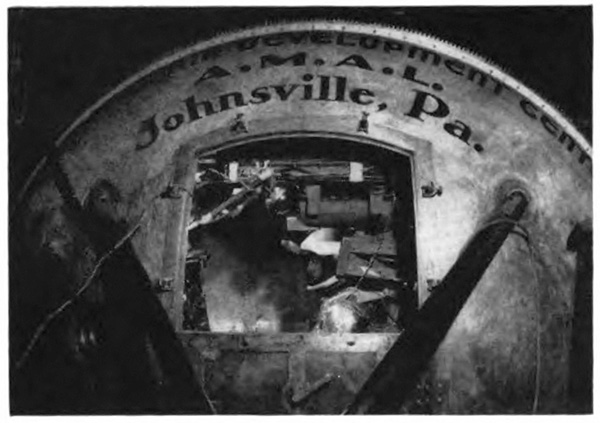
The centrifuge gondola at Johnsville. NAA photo.
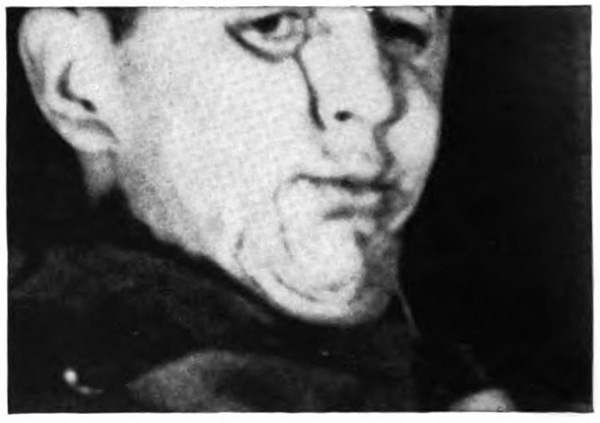
Clip from the horror film. NAA photo.
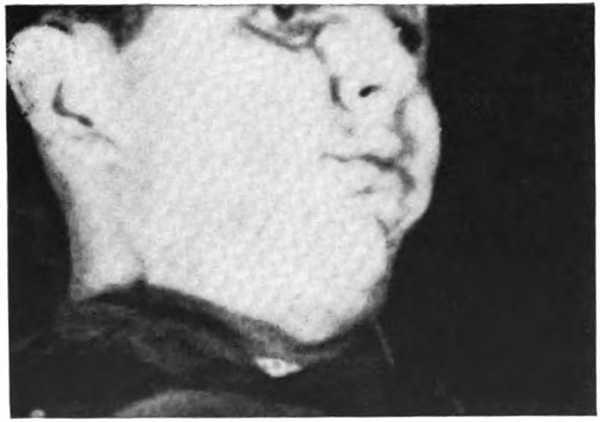
Clip from the horror film. NAA photo.
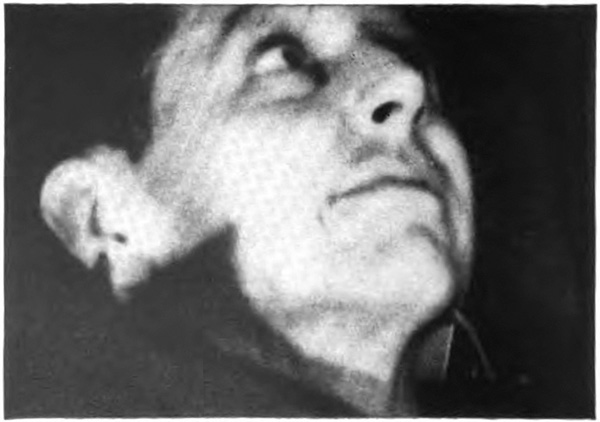
Clip from the horror film. NAA photo.
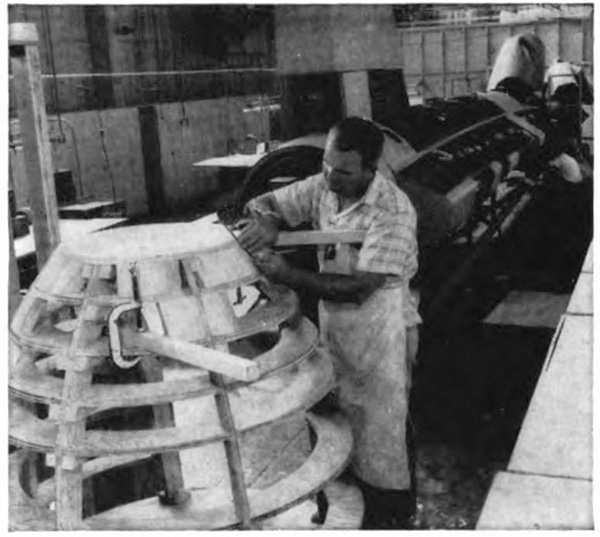
Building the mock-up. NAA photo.
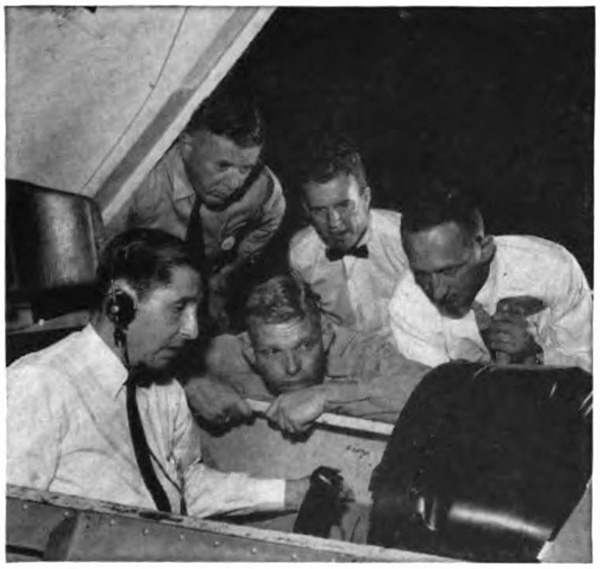
A demonstration in the simulator. Kincheloe presses in for a close look; behind him is Joe Walker. NAA photo.
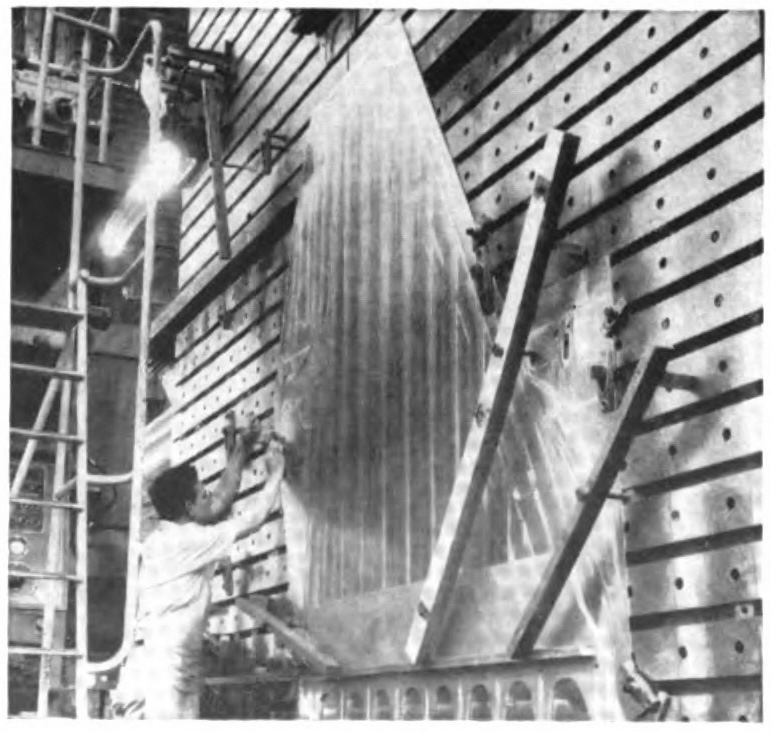
The Inconel X wing skin was ground to watchmaker’s tolerance. NAA photo.
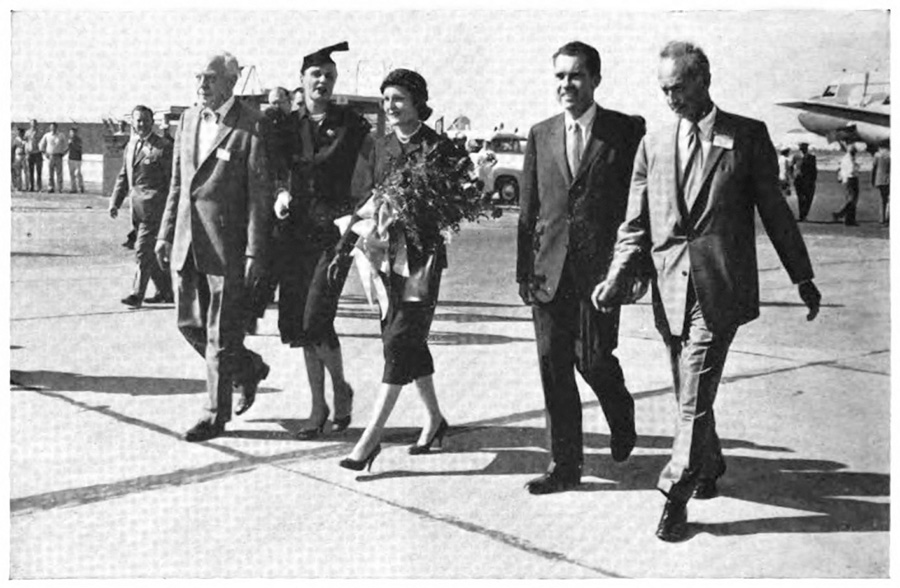
The hosts and guests for the roll-out party, October 15, 1958. From left: Mr. and Mrs. Dutch Kindelberger, Mrs. Nixon and the Vice President, and Lee Atwood. NAA photo.
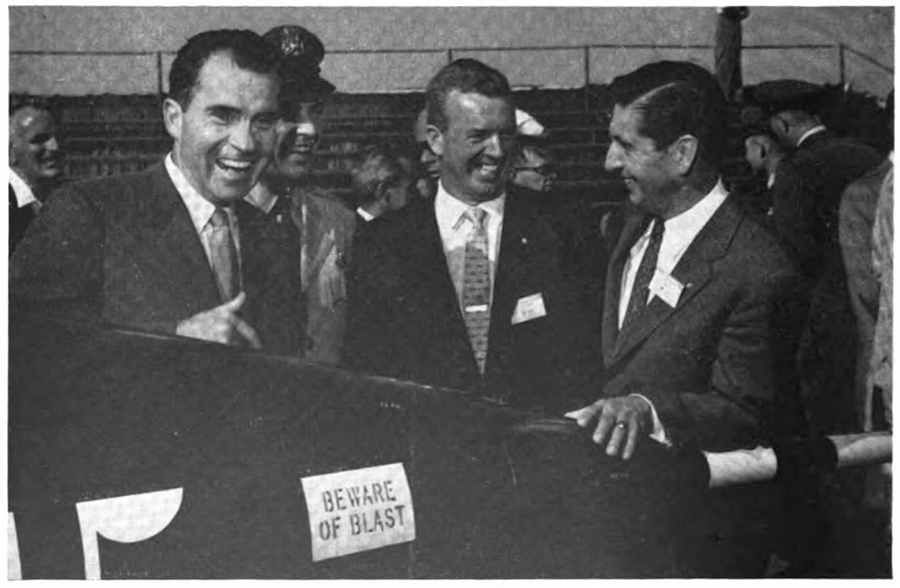
Crossfield to Nixon: “My job is not nearly so risky as yours, sir.” NAA photo.
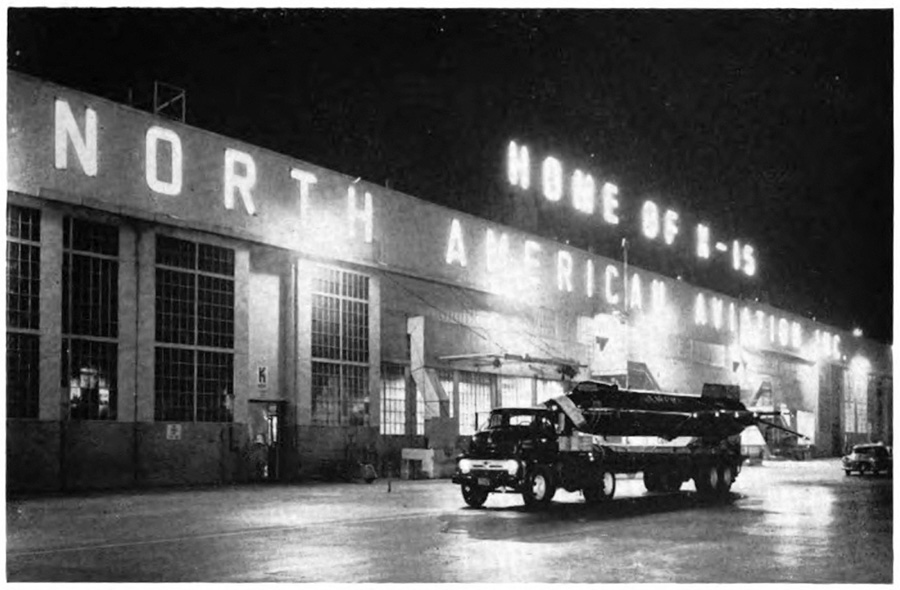
First trip: heading for Edwards by truck. NAA photo.
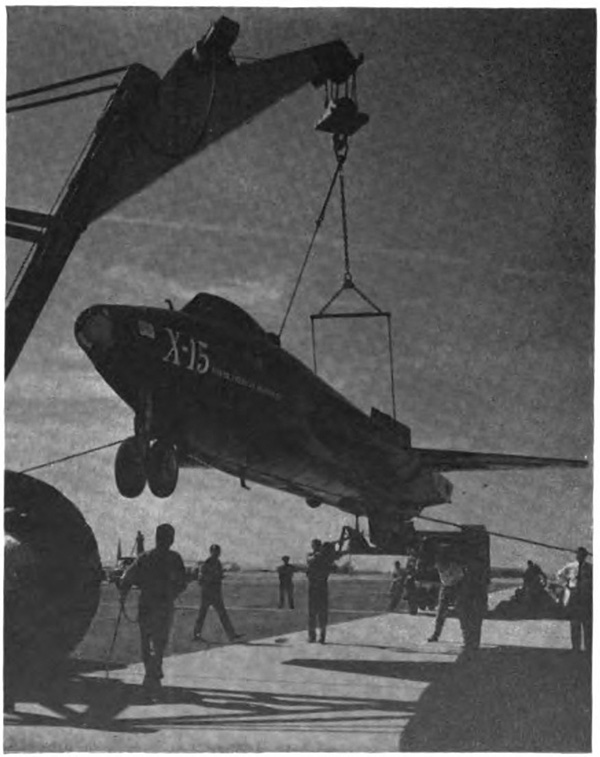
The dawn of a new era: arriving at Edwards. NAA photo.
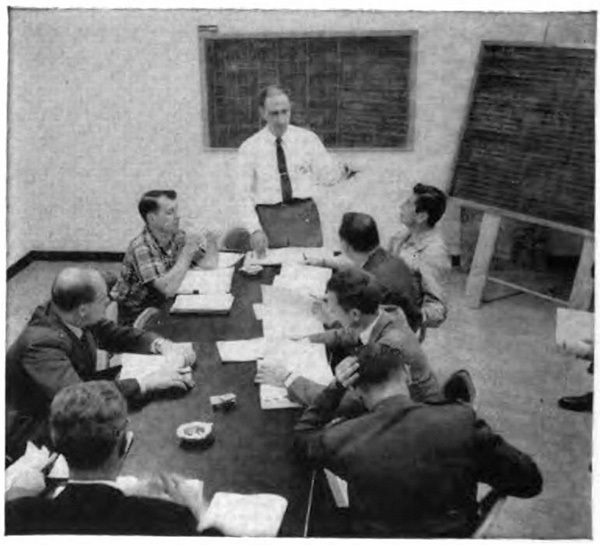
Sam Richter briefs the flight-test team. NAA photo.
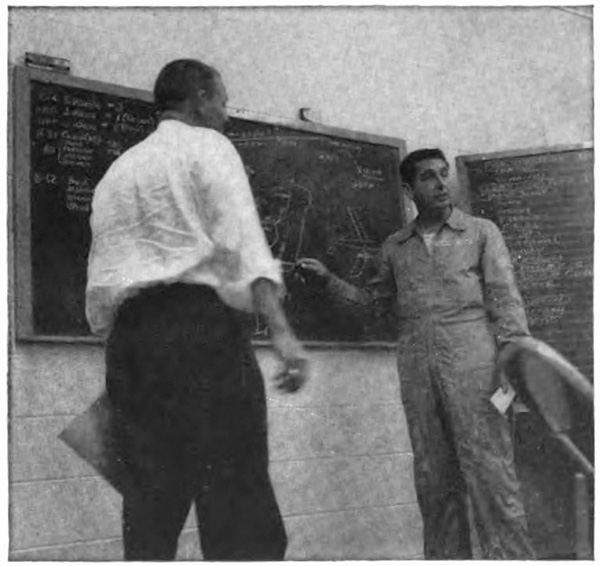
Q. C. Harvey and I put in our nickel’s worth. NAA photo.
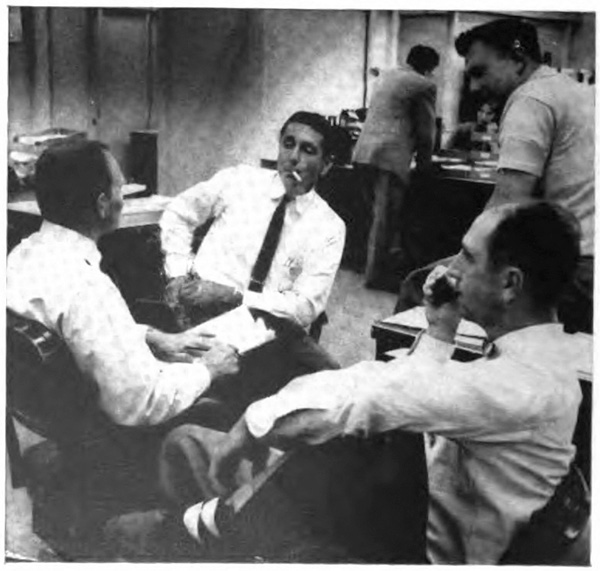
Rehash late the night before the flight. Clockwise: the pilot; the B-52 launch-panel operator, Bill Berkowitz; Sam the van man, and test director Q. C. Harvey. Cornell Capa-Magnum photo.
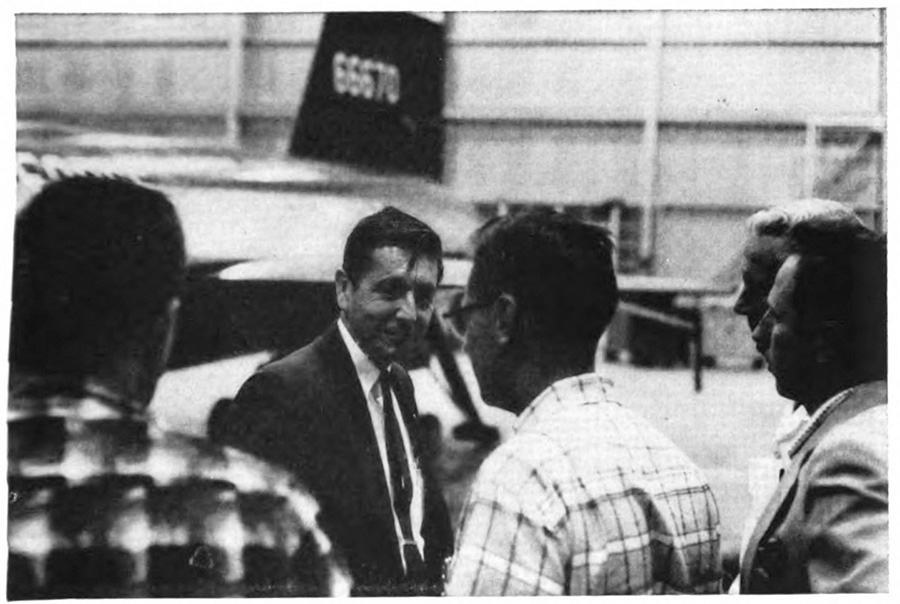
Later with the crew. Photo by John Bryson.
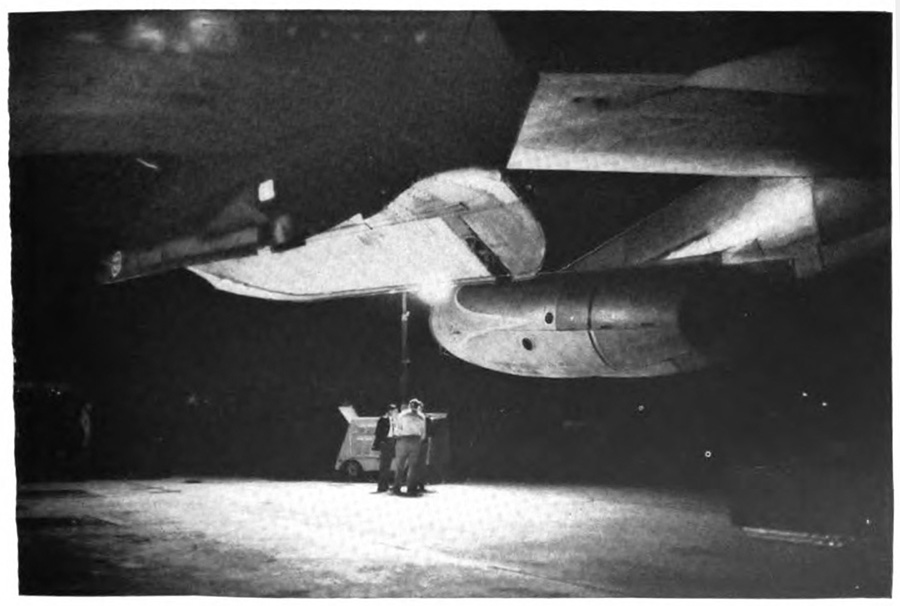
Still later: the countdown begins at midnight. Photo by John Bryson.
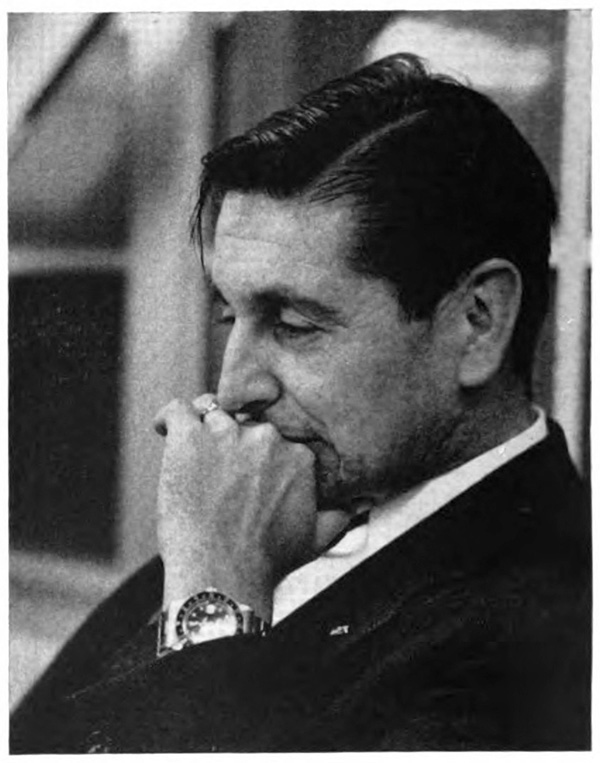
Later yet: flying tomorrow’s flight. Photo by John Bryson.
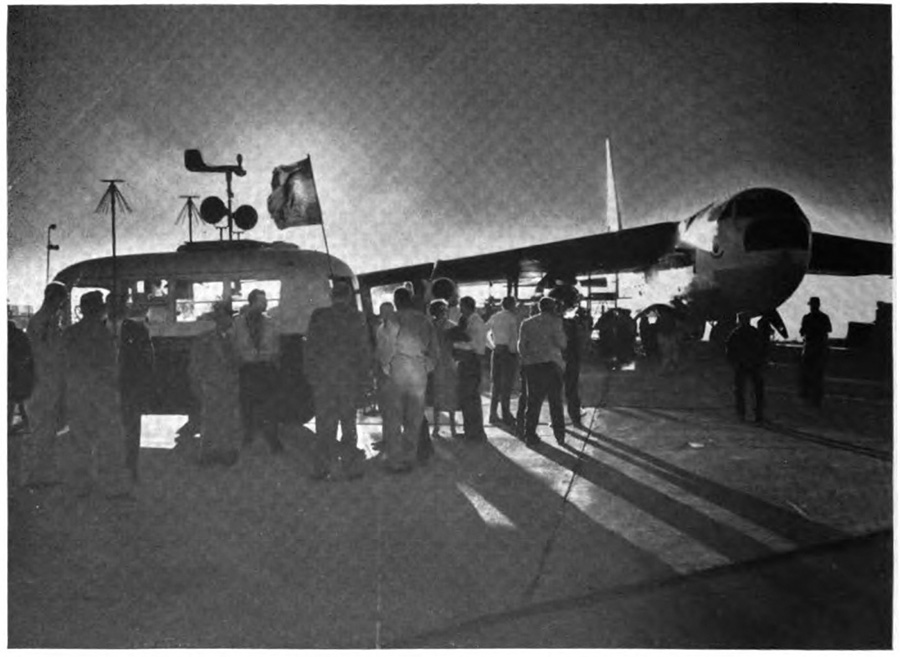
A few hours later, the carnival at dawn. Photo by John Bryson.
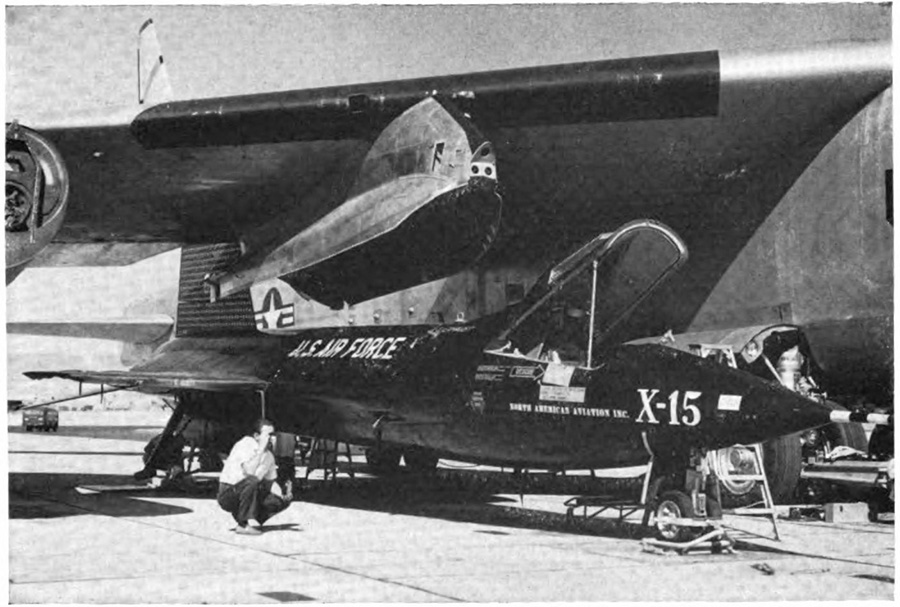
Moving the black bird into place ... NAA photo.
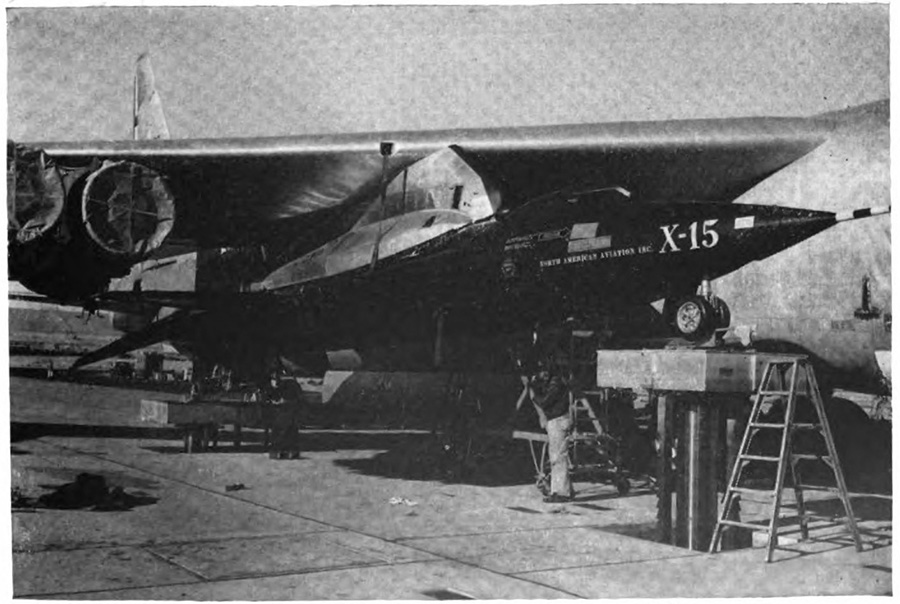
... and finally in place. NAA photo.
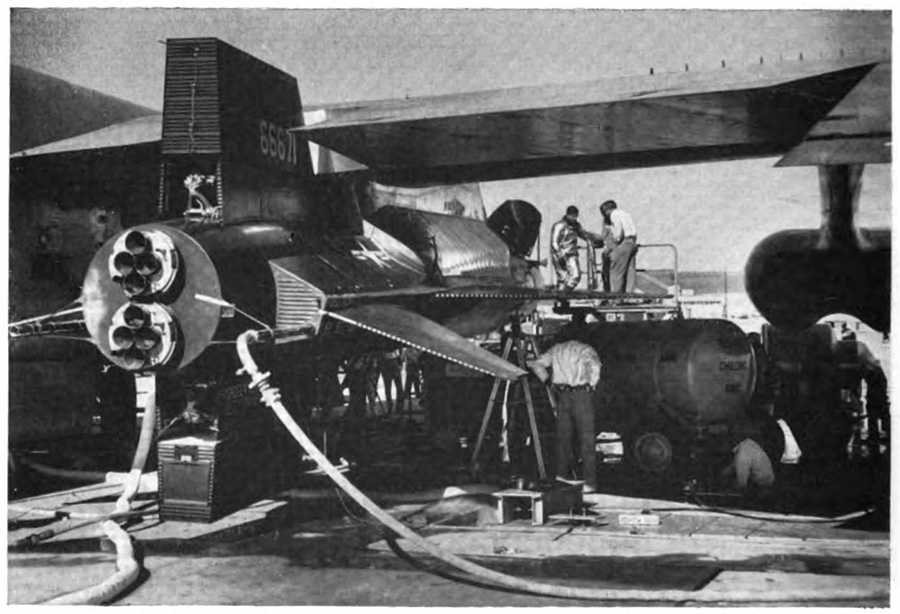
Fueling up ... NAA photo.
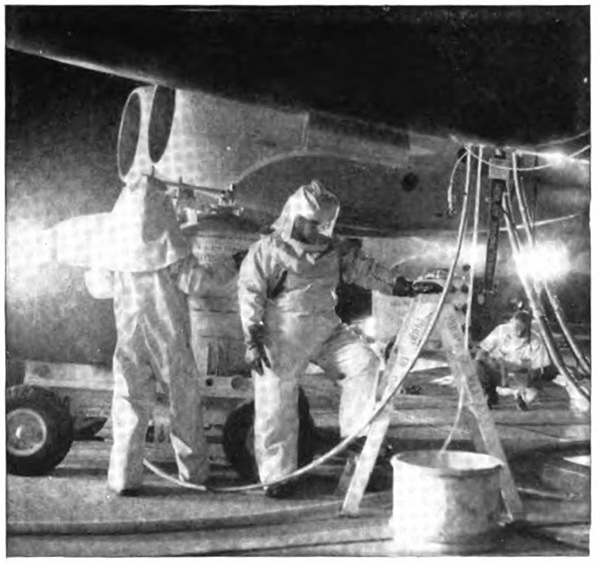
... and loading peroxide ... NAA photo.
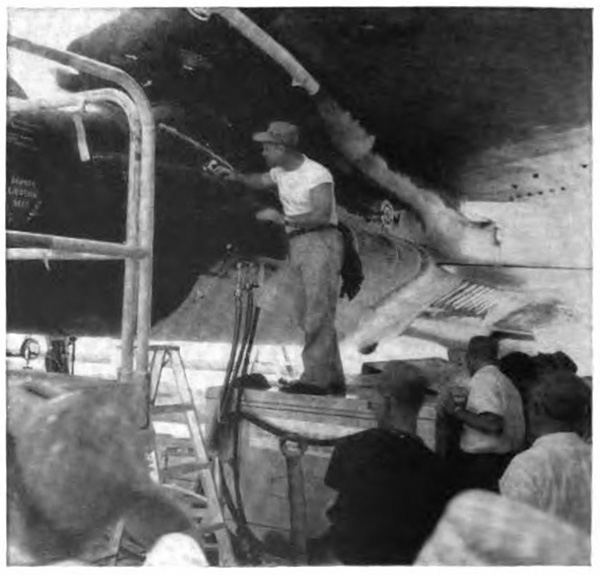
... and battening down the frozen hatches. NAA photo.
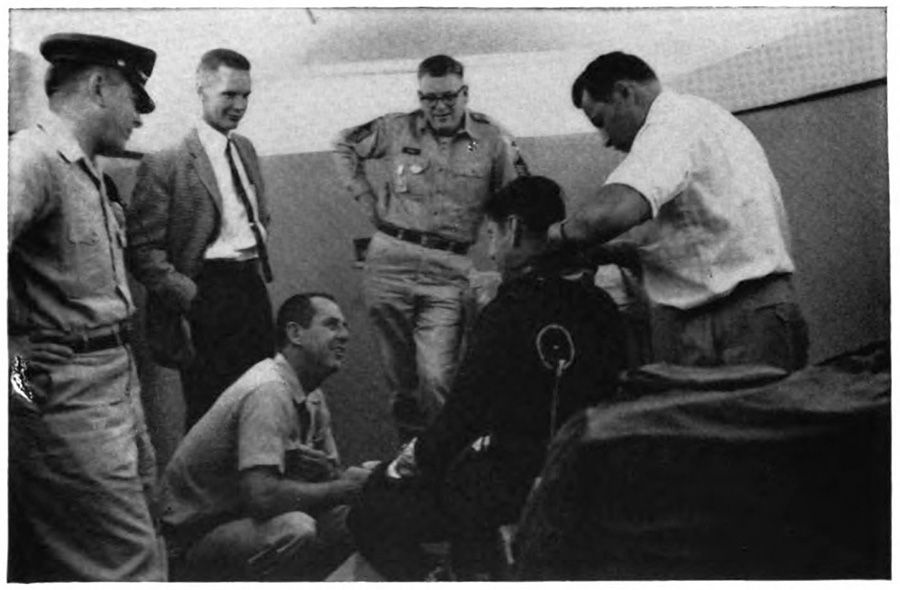
Inside the van with Capt. Richardson, squatting. NAA photo.
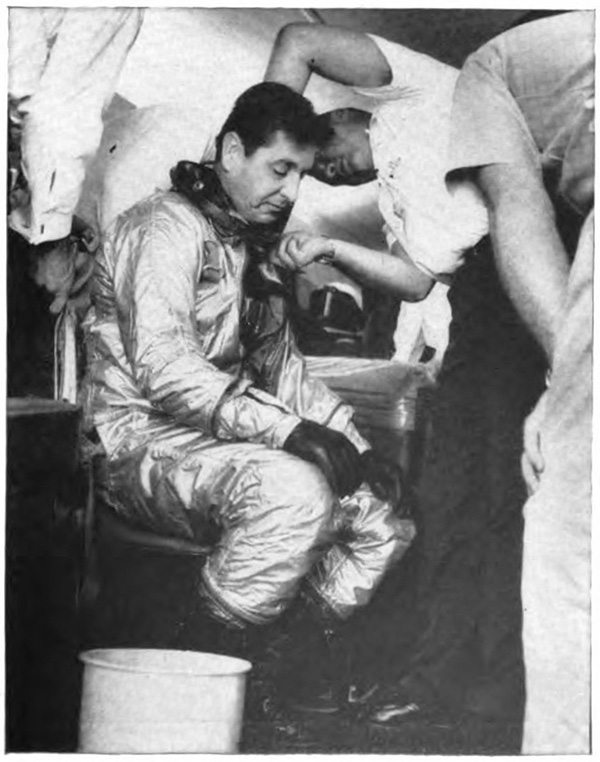
Twenty minutes later, zipping up the outer layer. Photo by John Bryson.
Occasionally we wait a little. Photo by John Bryson.
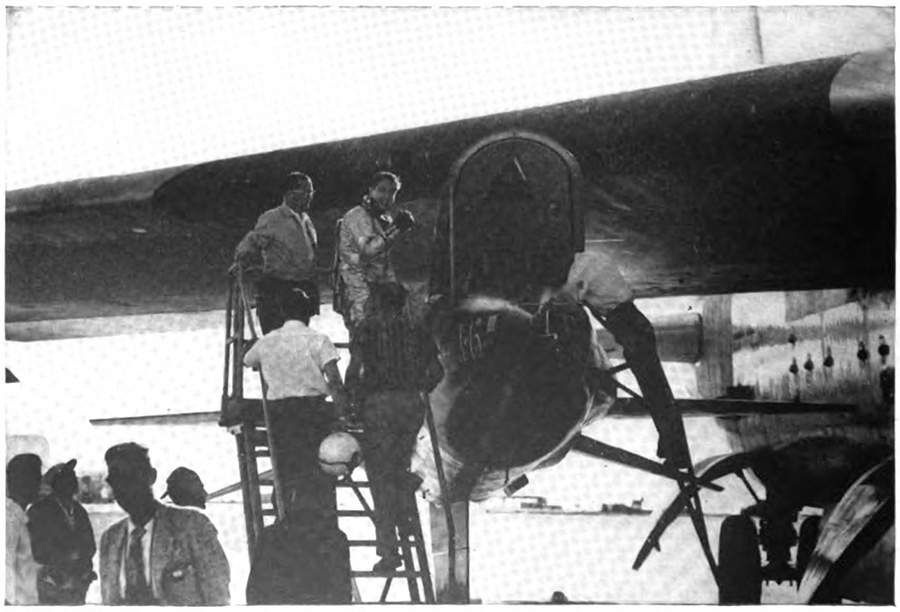
Bon voyage. Photo by John Bryson.
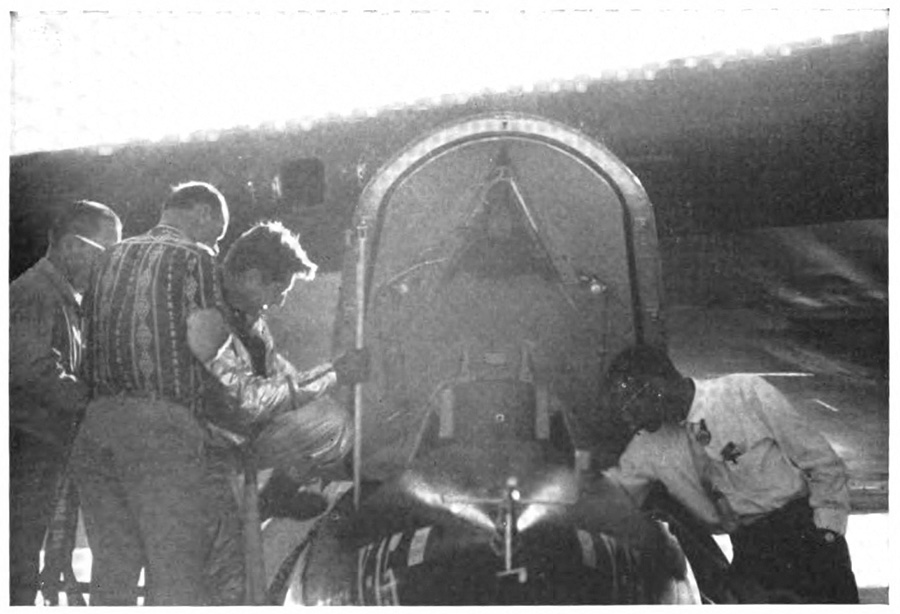
Getting in the office. Photo by John Bryson.
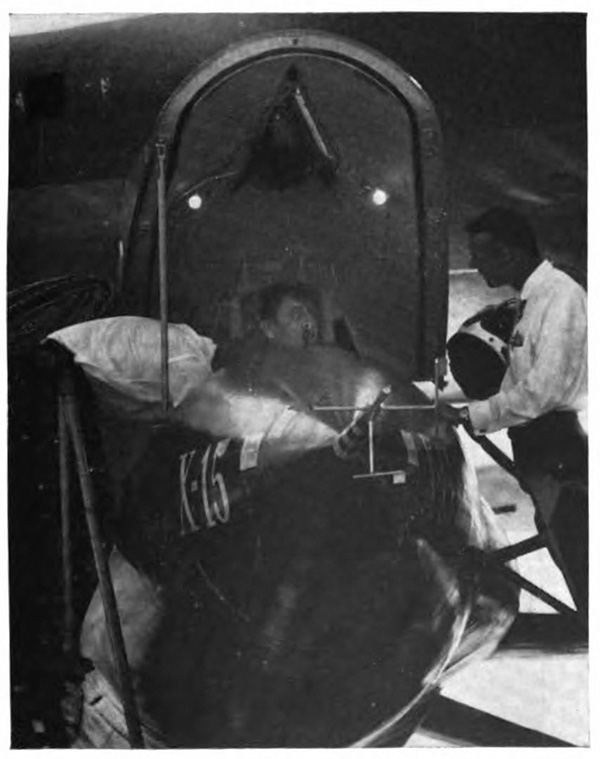
Pete Barker (right) with the pilot’s helmet. Photo by John Bryson.
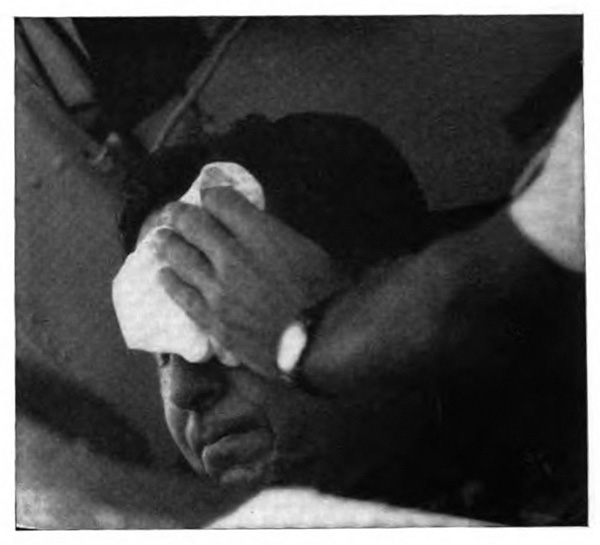
Sometimes we wait again ... Photo by John Bryson.
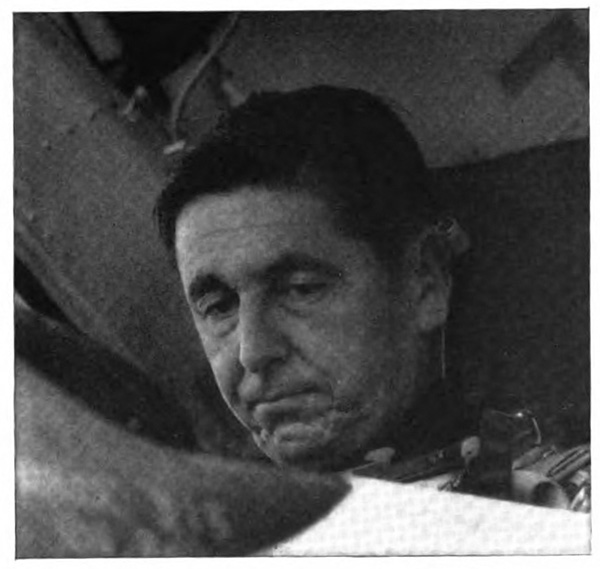
... and recheck ... Photo by John Bryson.
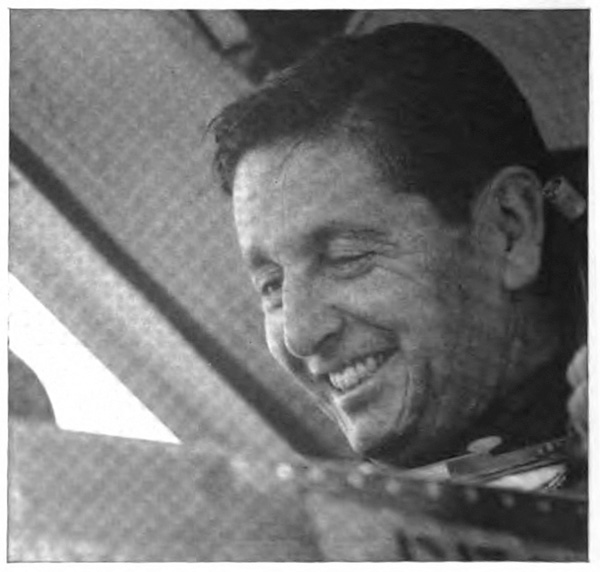
... and things begin to work. Photo by John Bryson.
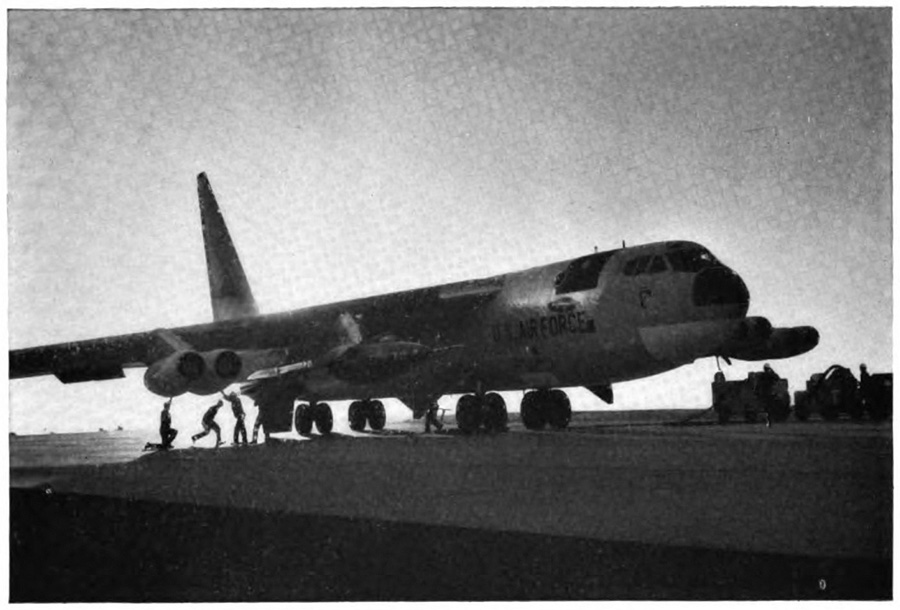
The carnival moves out. Photo by John Bryson.
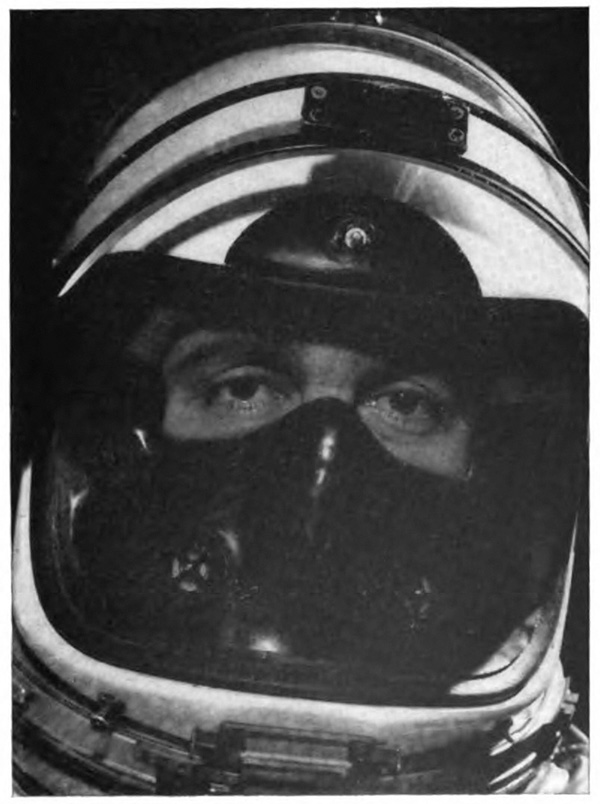
Eyes on the stars. Photo by John Bryson.
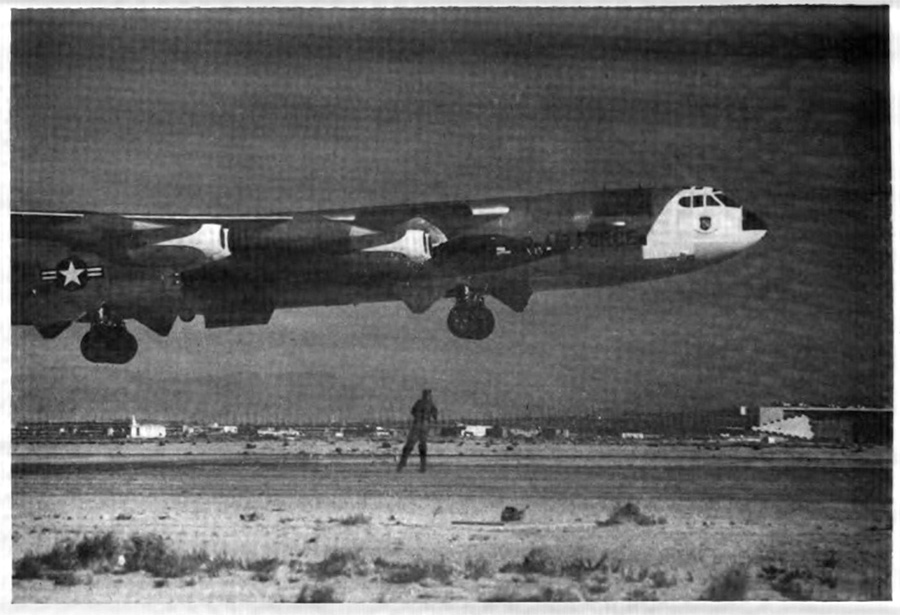
On the way to the stars. Photo by John Bryson.
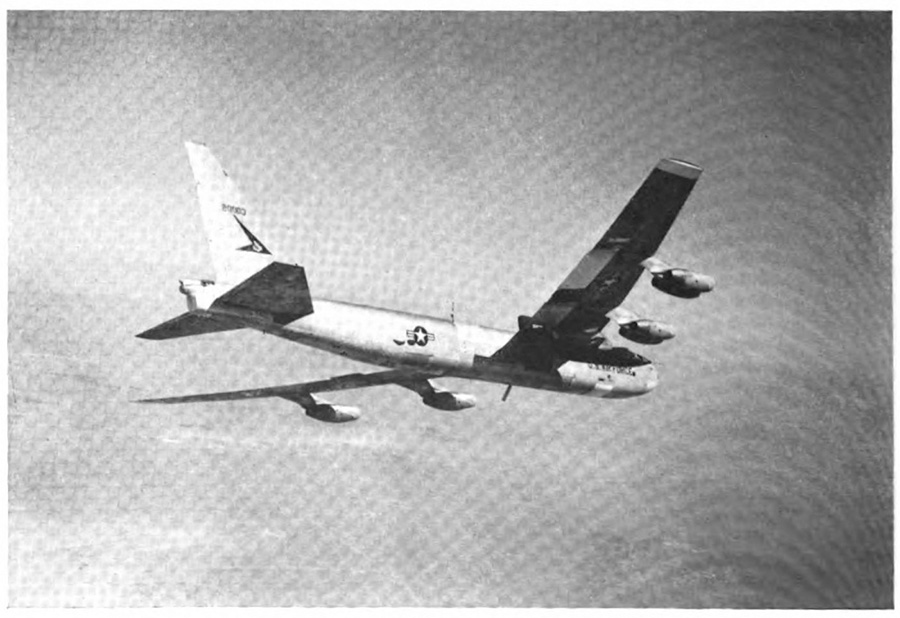
Straining for altitude again. NAA photo.
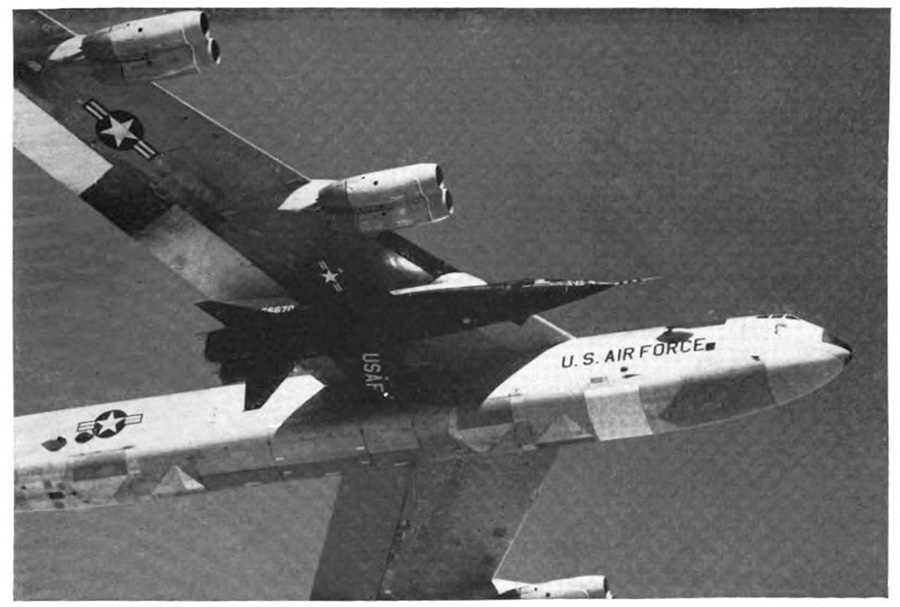
The final countdown. NAA photo.
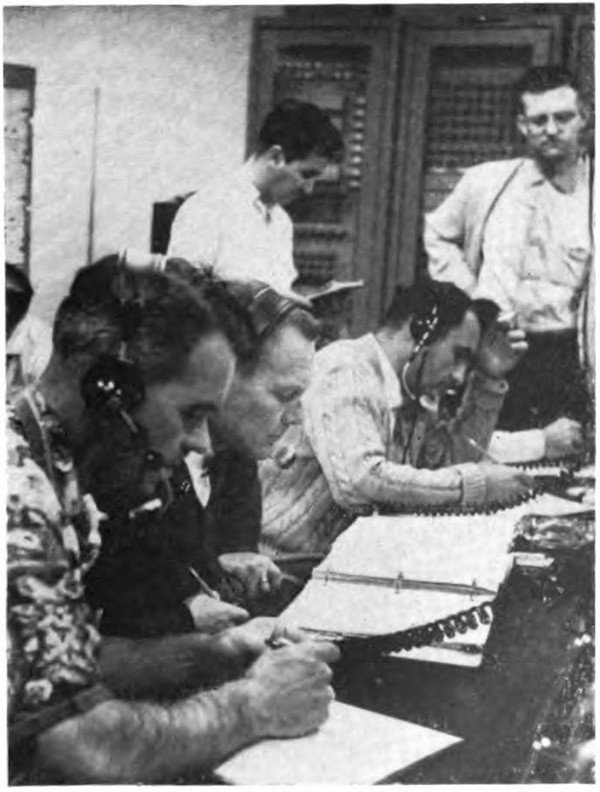
Test directors on the ground look over my shoulder. NAA photo.
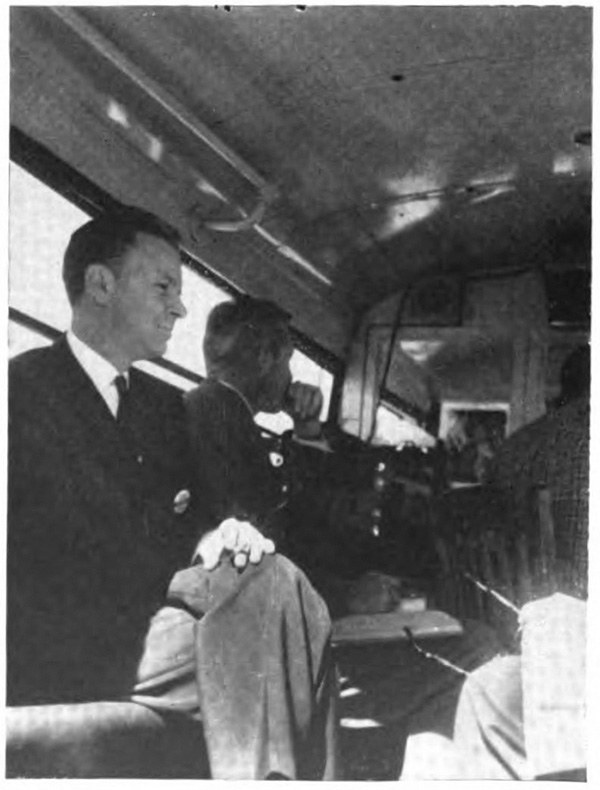
Stormy sweats it out in Sam’s van. NAA photo.
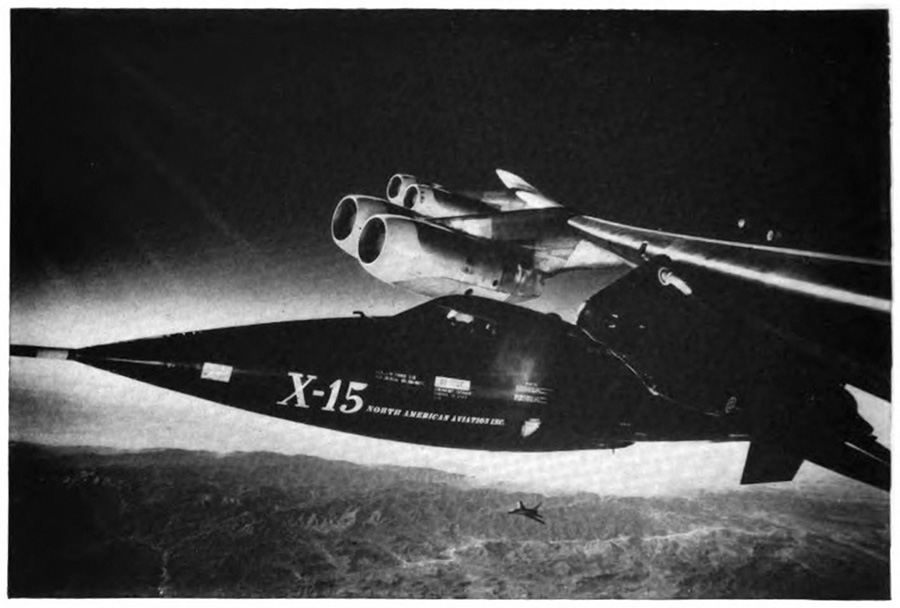
Not far from the stars. Courtesy National Geographic Magazine.
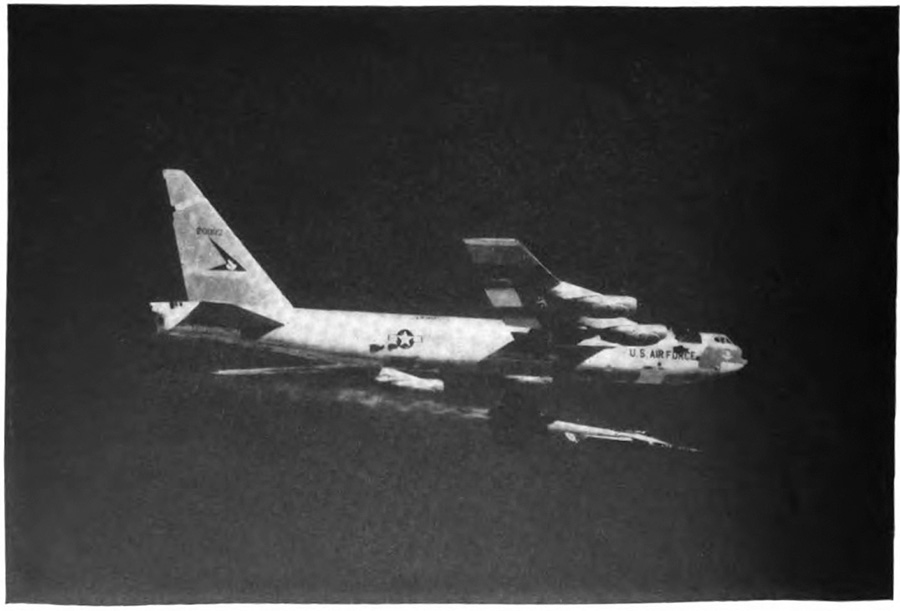
Three ... Two ... One. Drop! NAA photo.
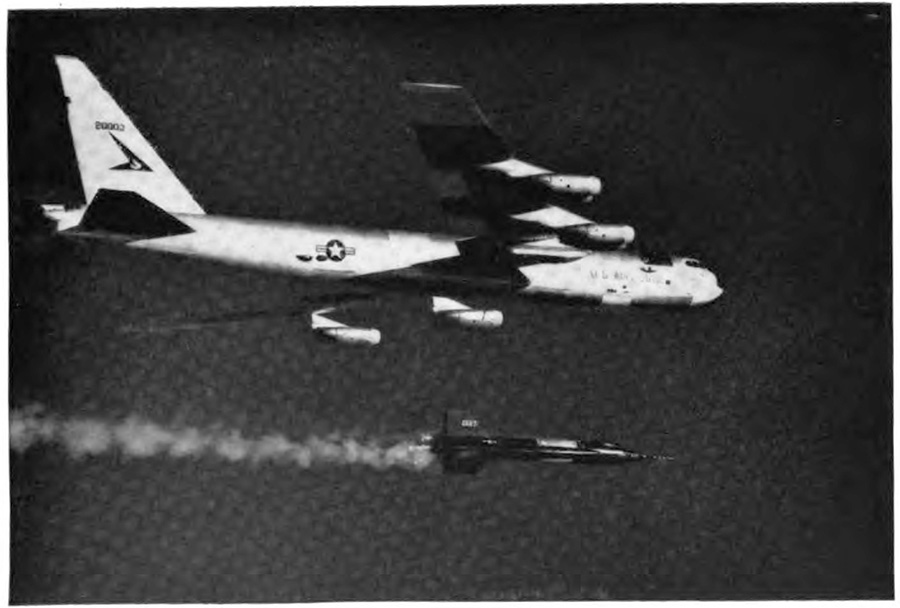
Firing up. NAA photo.
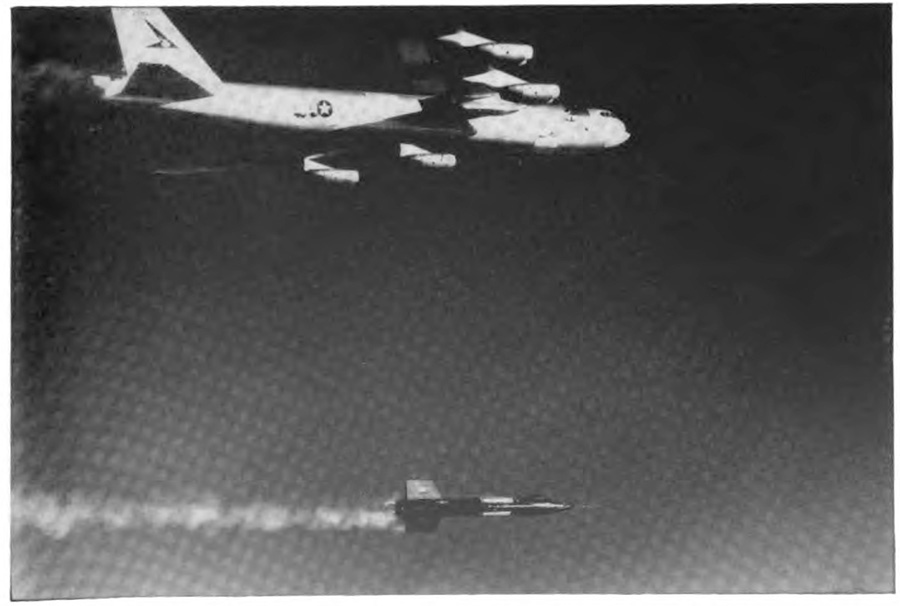
All eight going. NAA photo.
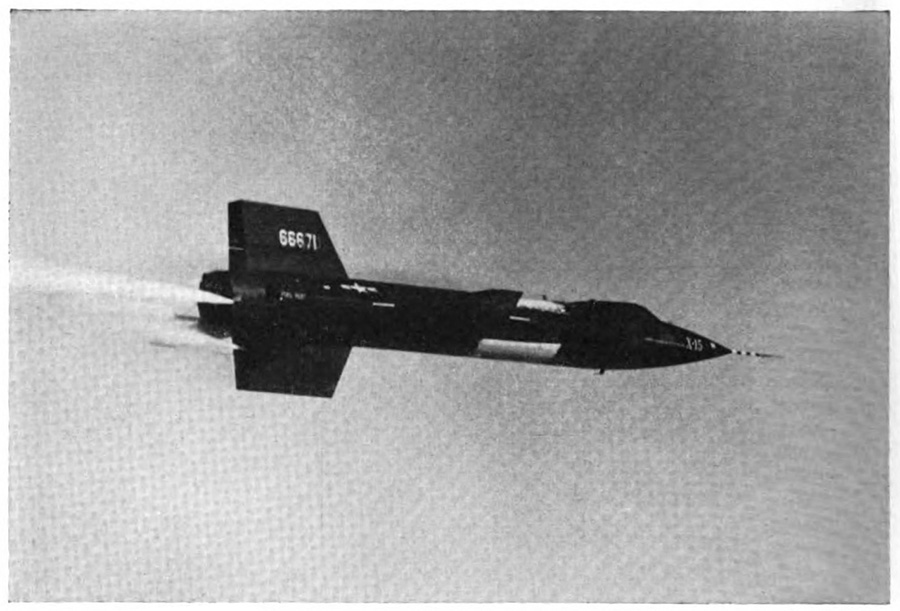
“Burn-out ... jettison.” NAA photo.
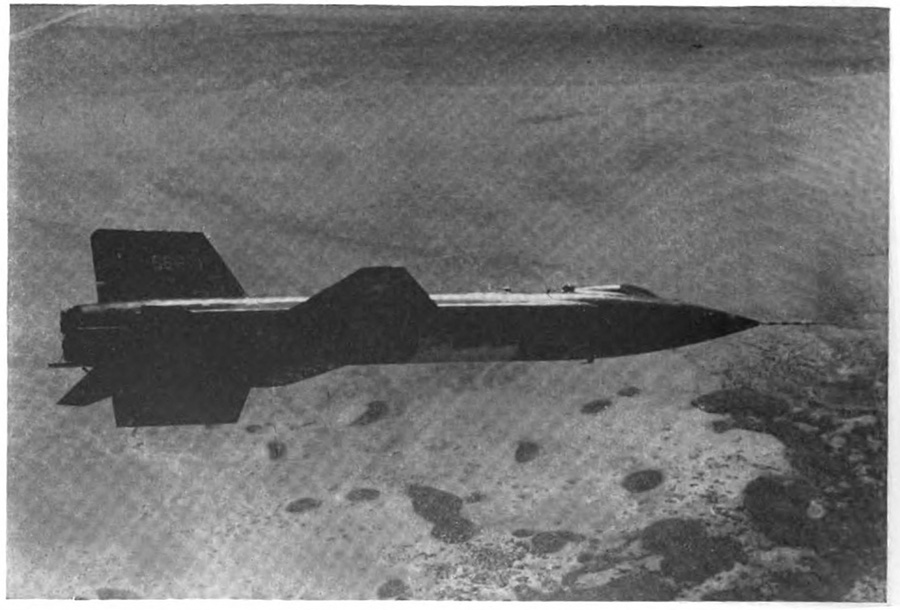
Gliding home. NAA photo.
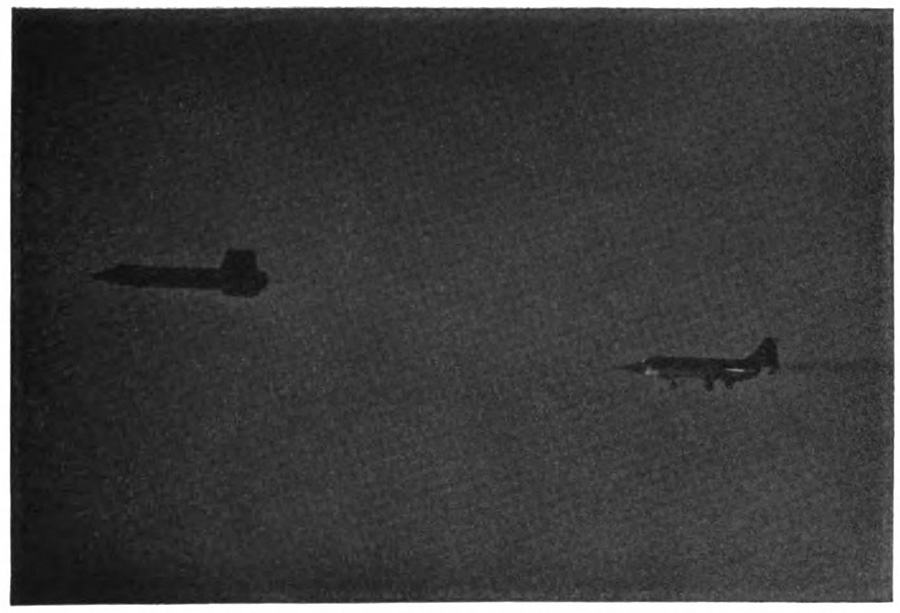
Picking up the chase. Photo by John Bryson.
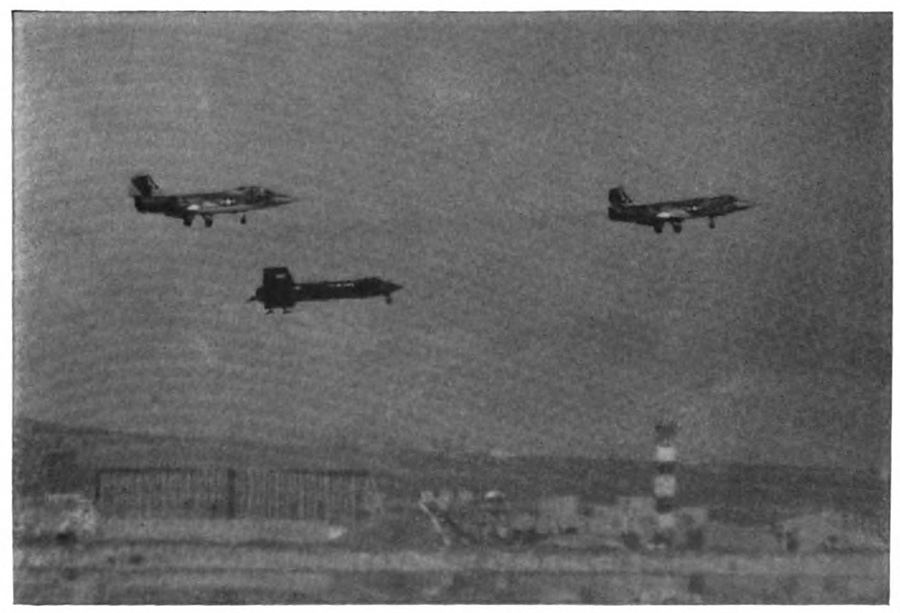
Gear down. NAA photo.
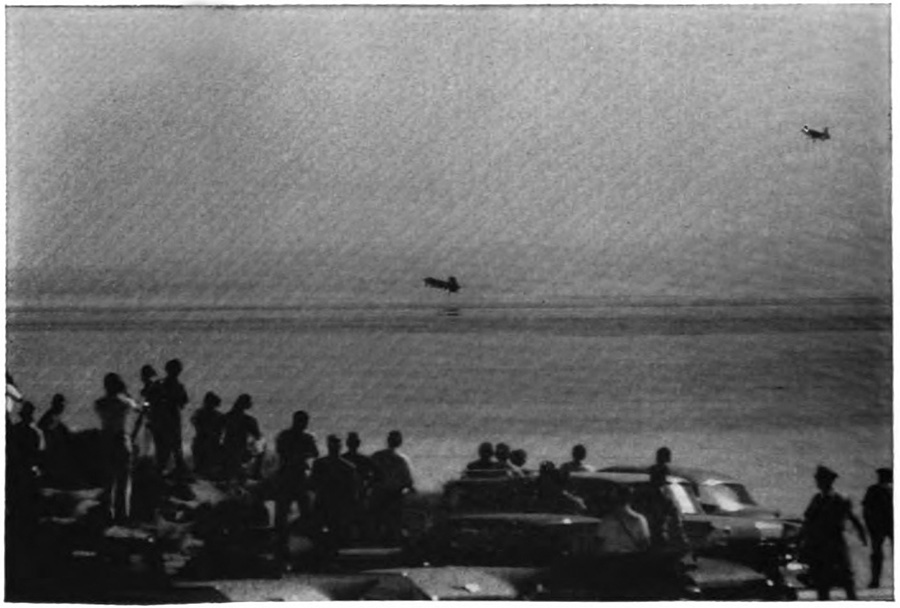
Feeling for the lake. Photo by John Bryson.
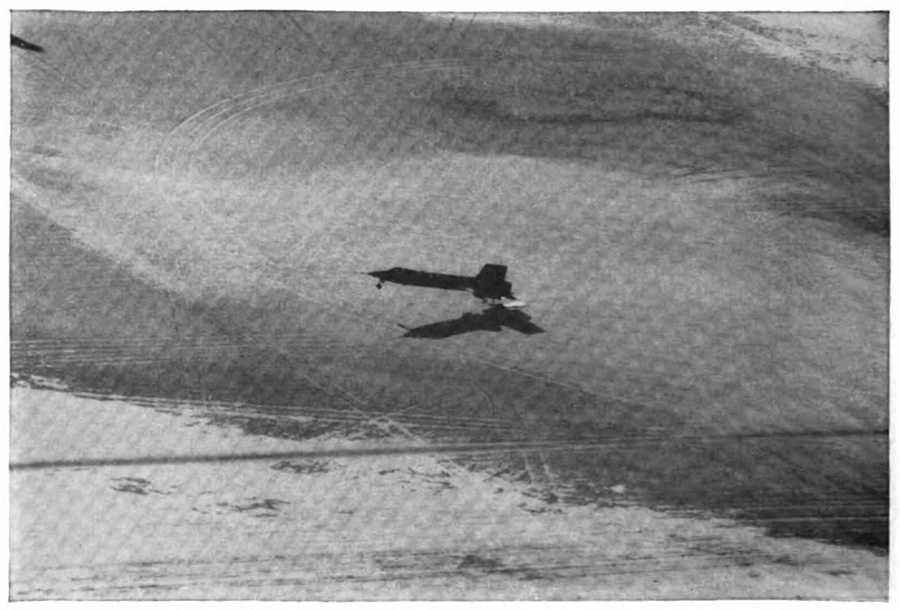
Touchdown. NAA photo.
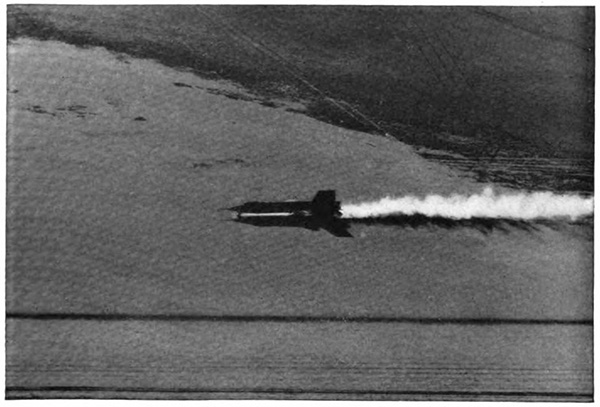
Roll-out. NAA photo.
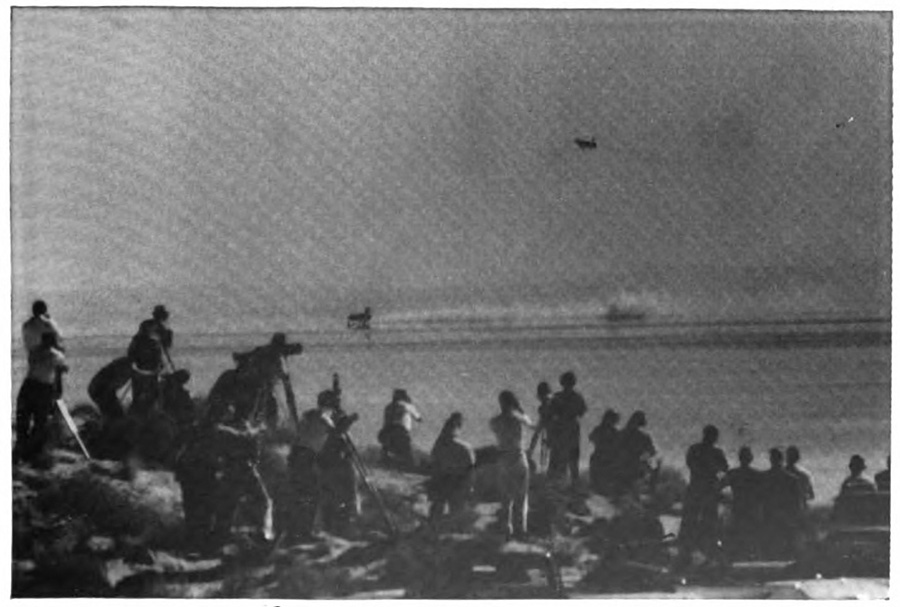
Stopping. Photo by John Bryson.
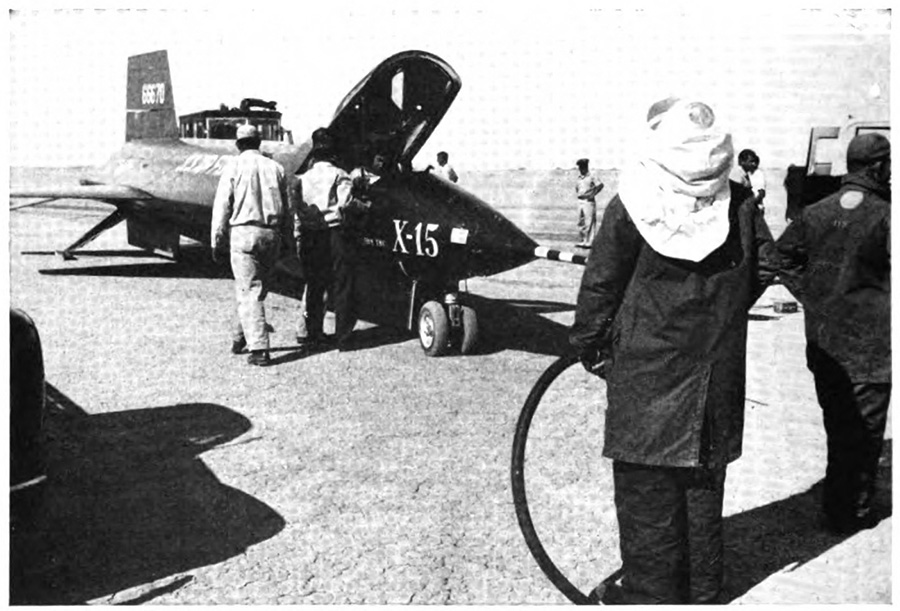
Shutting down. NAA photo.
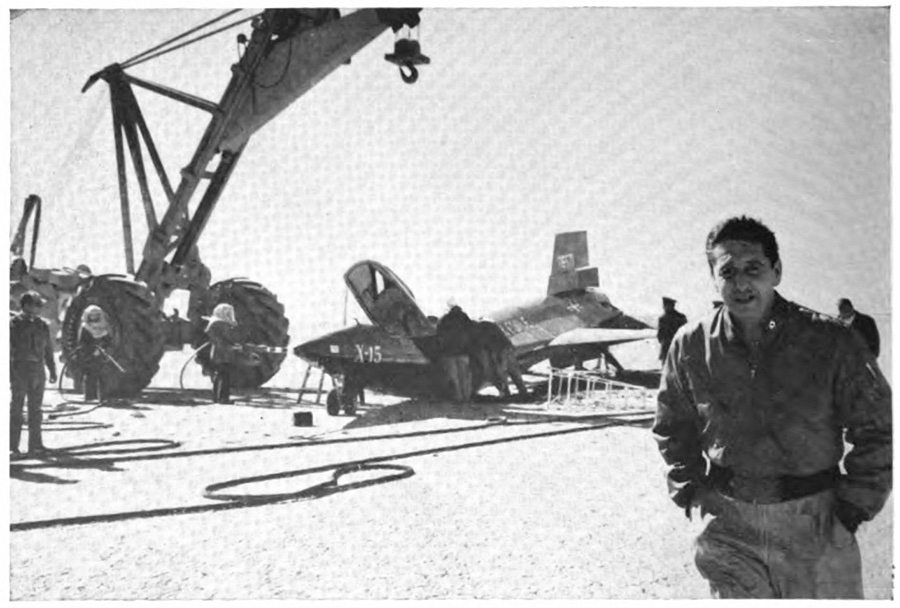
Back to the drawing board. UPI photo.
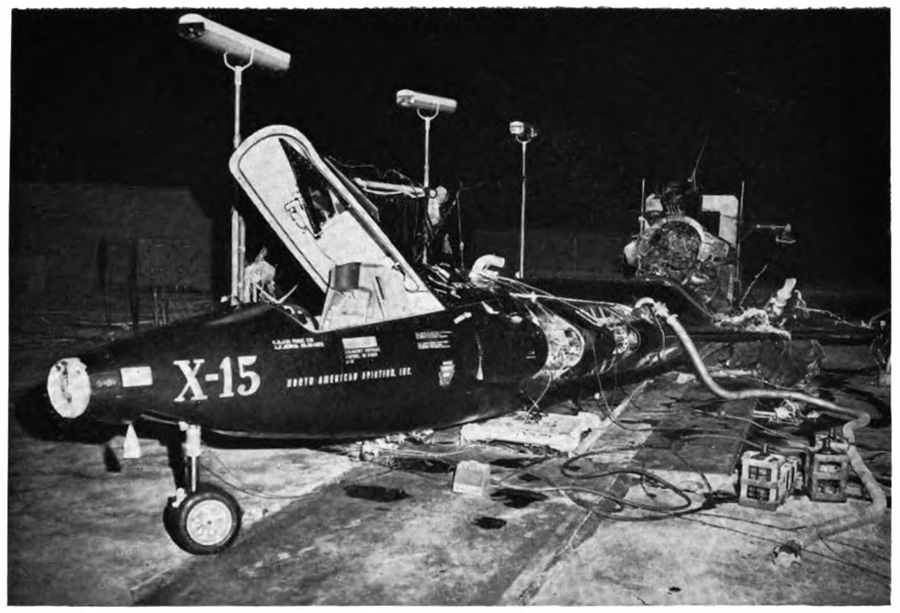
The price of progress: X-15 No. 3. NAA photo.
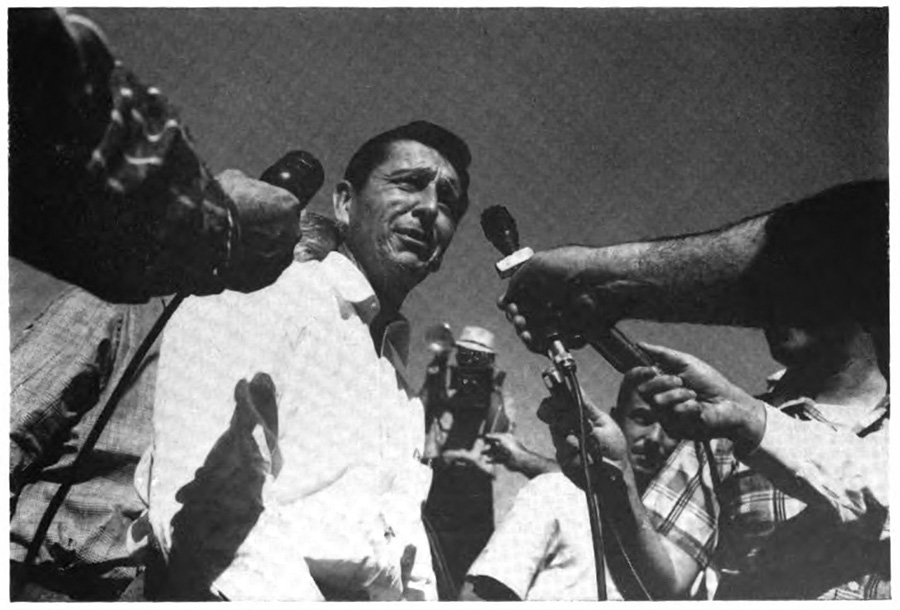
Inevitably, a public accounting. Photo by John Bryson.
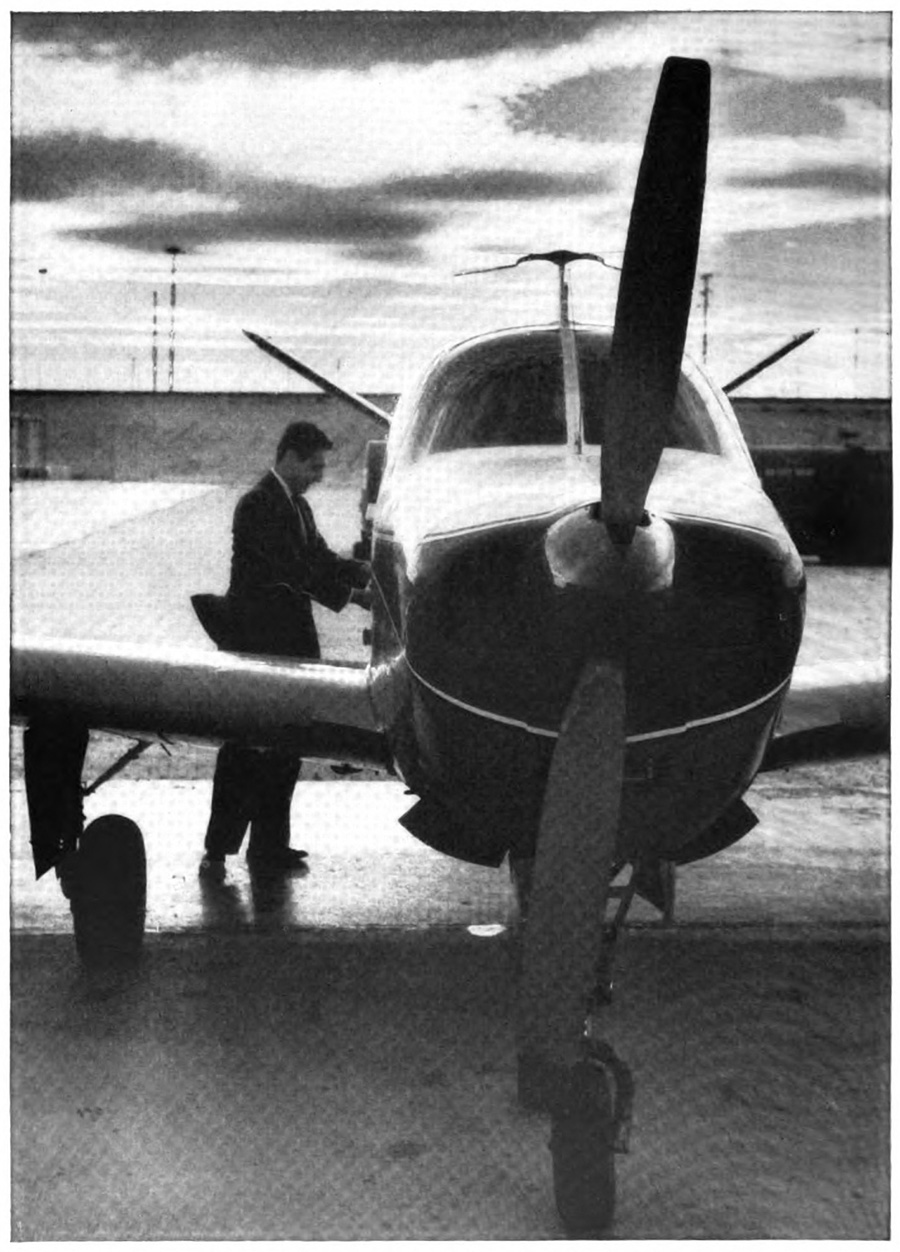
Always another dawn. Photo by John Bryson.
The substitution of the two smaller X-1-type engines was the obvious solution to our dilemma. Actually, the customers had already considered exactly the same idea. They approved it at once, and Edwards got busy building up a dozen “proven” X-1 engines from old parts. We planned to put two each in the first two X-15s, holding the third X-15 in the factory for the first XLR-99 engine and other improvements which flight test would generate. The remaining X-1 engines would be used for ground tests in the X-15 engine test beds at Edwards and RMI.
A few nights after this decision was firmed up, Stormy, Feltz, and I met after work in Charlie’s office at the North American plant. I was still grumbling about “interim measures.” I let off steam.
“As far as I’m concerned, we’ve botched the whole deal,” I growled. “You watch. We’re never going to get that big engine. The X-15 is going to die on the vine. I’ve seen it happen before.”
“You’re wrong there, Scotty,” Feltz said. “We’ll get the big engine sometime. Meanwhile, we’ll get a lot of Mach 3 data which will really help the F-108 and the B-70. We’ll prove out the X-15 systems and by the time the big engine comes the ship itself will be as reliable as an F-100.”
We debated this point for a long while. Stormy was also in favor of substituting the smaller engines. “I want to get this thing in the air as fast as possible,” he said. “I think that as soon as we start flying the X-15 and prove our systems and landing and the rest, Washington will be impressed and may look with more favor on an advanced X-15 or the X-15B.”
That remark was typical of Stormy. He was always looking far down the pike. He had cornered the Air Force combat aircraft market with the F-108 and the B-70, but he was stung when we lost out on the X-15B. He had not given up—and never would.
“Frankly, Scotty,” Charlie Feltz broke in, “this engine thing may be a blessing in disguise. I’ll tell you honestly that all along I’ve been a little concerned about busting into space all at once with a brand-new airplane and a brand-new, untried engine. They did it with the X-1, it’s true, and it was a real good show. But this is a new dimension we’re getting into. They were just trying to crack Mach 1. We’re trying to crack space, with a new pressure suit, re-entry, new metal, landing—everything at once. I’ve got a real good buddy who’s going to be flying that airplane for the first time, and I’d just as soon have him around for a while.”
Put that way, on a personal basis, there was nothing I could say in reply. From that point on, I resigned myself to the engine substitution, even though, in a sense, it marred my dream to help build and then fly the perfect airplane. In fact, after some weeks, I came to believe that even from a pilot’s point of view the engine substitution was wise. We could learn to crawl before we entered the Olympic hundred-yard dash. I was confident that in time and with God’s help we would eventually succeed with the big engine. There was too much at stake to allow it to fall by the wayside.
CHAPTER 33 ►