The Gallery Catalogue
Reading edition
YELLOW ROLLER CANARY
The roller canary is bred primarily for song, hence the form, feather, size, and substance of this roller makes it most exceptional. Most rollers are no more than five inches in length, with a much flatter appearing head and straighter back and are lacking in the solid girth of this bird. With the advent of color breeding, many of the foremost U. S. roller fanciers are experimenting with color, size, and form improvements, as shown in this advanced type. PLATE 1
YELLOW CHOPPER IN SONG
The chopper opens its beak wide in attaining some of its clear, free notes. The song of the chopper varies from that of the roller to the loud, full song of the average “type” canary, including the song of various crosses between the canary and birds of related families. There are no standards for the song of the chopper other than that it be cheerful, lively, and free. Its action should be lively and alert. PLATE 2
VARIEGATED YELLOW ROLLER IN SONG
The almost closed beak is typical of the roller in full song. This characteristic, plus the much prized low pitched song tours such as the Hollow Roll, Bass, and Koller serve to distinguish the roller canary. Tone quality is just as important as range. There is some possibility that the use of rape seed is at least partly responsible for the lower pitch of their most valued tours. PLATE 3
GREEN CHOPPER CANARY
The canary breeder usually specializes in type, color, or song. It is not unusual for a breeder to produce a hundred canaries for every worthwhile bird retained for further breeding. The remaining birds are mostly sold to pet stores. Hence, in the chopper classification there appear all colors, shapes, and sizes, and this green bird obviously has inherited much Border Fancy Blood. PLATE 4
VARIEGATED CHOPPER CANARY
In canaries, marked birds are more usual than birds of solid colors, and are known among breeders as variegated birds. The variegated, with irregular or even markings, often provides the individualism that appeals to a prospective bird owner who buys a canary as a gift. Evenly balanced markings that are exactly repeated on each side of the bird are fairly rare. PLATE 5
CINNAMON CHOPPER CANARY
The rich yellow-brown cinnamon coloring is an important variation in canaries. Being most attractive in itself, in addition, it is the basis for the delightful fawn coloring. The cinnamon pictured here has a well formed body, just a bit thick in the neck. Pencilling in a cinnamon is a deeper shade of the same yellow-brown body color, and similarly, the ends of the flight feathers can be an even deeper yellow-brown shade. PLATE 6
BLUE CHOPPER CANARY
“Blue” refers to slate or smoky gray coloring. The body conformation of this blue canary shows unmistakable Border Fancy Canary ancestry. In many blues the pencilling over the back is less distinct than in this specimen, and often there is considerable marking or variegation. PLATE 7
WHITE CHOPPER CANARY
In a white canary the white should be as pure as possible. The feathering of the canary illustrated is very good and the body conformation is pleasing. Some whites show faint colorings which are inherited and are natural to whites from crossing yellow and white canaries. Pure whites are rare and very valuable. PLATE 8
FAWN CHOPPER CANARY
In the fawn, the yellow of the yellow-brown cinnamon coloring is absent, leaving a rich brown background. This delightful mutation is now present in type birds and rollers. PLATE 9
16
CLEAR CAP GOLD LIZARD CANARY
The distinctive Lizard Canaries, silver cap and gold cap, are regaining some of their previous popularity. The Gold Lizard shown here shows the lizard markings across the back and shoulders more attractively than does our Silver Lizard. These two birds were imported, as were others used for these reproductions. They have exceptionally good lizard markings and size. PLATE 10
CLEAR CAP SILVER LIZARD CANARY
The Silver Lizard Canary shown here has good size and excellent feathering and markings. Lizard Canaries offer the fancier an opportunity to show birds of much interest to the casual viewer. PLATE 11
YELLOW BORDER FANCY CANARY
The Border Fancy Canary has outstanding beauty and delicacy of form. The Yellow Border Fancy Canary is the ideal sought by perhaps nineteen out of twenty Border breeders. PLATE 12
YELLOW-GREEN BORDER FANCY CANARY
The green in this bird is an excellent foil for the almost black pencilling which appears on the shoulder, back, and flank. The feathering is well depicted. The green color should be close to that of the upperside of a holly leaf. These heavily colored green birds are the pride and joy of many canary fanciers, and the development of an ideal green is a real challenge to any fancier. PLATE 13
TICKED BUFF BORDER FANCY CANARY
This lifelike portrayal shows exceptional feather detail and the ground color is excellent for a Buff. The wings and tail of the bird are unusually good; the legs and feet very natural. Note the tick mark back of the eye. PLATE 14
MINIATURE FAWN BORDER FANCY CANARY
The body of this canary shows good conformation, feathering, and position. The richness of the fawn coloring is little short of ideal.
On the perch, a good Border from eye to end of tail, shows an angle of about 60° above horizontal. A Miniature Border retains all of the form, feathering and coloring of the ideal Border but is smaller in size. PLATE 15
CINNAMON-MARKED NORWICH CANARY
The effect of cinnamon blood is considered to be of great value by many breeders. The standard for feathering is softness and silky texture with brilliancy and compactness. The feathering of this bird is exceptional. Evenness and fine texture are characteristic of the cinnamon canary. General form and position is close to the ideal. PLATE 16
PLAIN HEAD CLEAR BUFF NORWICH CANARY
The bird shown is ideally formed and nicely balanced. It is well up off the perch, and its feathering is clean and smooth. It is a natural color Norwich (not color fed) and is particularly lifelike. PLATE 17
COLORFED NORWICH PLAIN HEAD CANARY
The beautiful flame tint of this bird is accomplished by feeding special color food when new feathers are growing. In the ideal Norwich, feathers are soft and silky with brilliancy and compactness, and are deep, bright, rich, pure and level in color. PLATE 18
WING-MARKED DARK CRESTED NORWICH CANARY
This spectacular bird is beautifully feathered as well as almost ideally formed. The crest correctly covers eyes and beak and is exceptionally even. Crest bred birds generally possess longer feathers than plain head types and have a tendency toward looseness of feather, hence the close feathering of this crested bird portrays the ideal. PLATE 19
WHITE YORKSHIRE CANARY
The erect fearlessness of the Yorkshire type is shown here. The feathering of this bird is excellent and its stance upon the perch is characteristic of this bold and alert canary. Note the long, well-placed legs topped by slim thighs. PLATE 20
17
CLEAR YELLOW YORKSHIRE CANARY
The ideal Yorkshire Canary is a favorite of fanciers all over the world. It is a soldier-like bird with graceful outline, bold and fearless expression, and smart lines and movements. PLATE 21
WING-MARKED YORKSHIRE CANARY
The stance of this canary is excellent. Note its tapering wedge shape which is a characteristic of the Yorkshire Canary Club ideal. PLATE 22
BUFF YORKSHIRE CANARY
The silky feathering of the Buff canary is well developed in this specimen. In Buff feathering the yellow pigmentation does not extend down into the tips of the feathers. As a result the bird is lighter in color and should have a frosted appearance across the shoulders. PLATE 23
SCOTCH FANCY CANARY
The Scotch Fancy was once extensively bred to develop this strange posture but is almost extinct today. Without doubt, the unnatural formation of this type is the cause of its gradual disappearance. The canary shown here was painted from one of the few remaining specimens and was imported directly from England for the purpose of making this illustration. PLATE 24
LANCASHIRE COPPY CANARY
The Lancashire Coppy, regrettably, is also being bred much less extensively today. It is an outstandingly large, erect bird—a veritable giant compared to the average roller or chopper canary. The difficulties faced by breeders of this type are many since the effort to produce increasingly large birds has led to considerable deterioration in other desirable characteristics, such as feathering. PLATE 25
GLOSTER CANARY
The Gloster Canary is a heavily crested bird, much smaller than the Norwich. The crest itself comes down, ideally, almost level with the center of the eye. The feathering of the specimen we show here is outstanding in quality because of its compactness and its fine texture. PLATE 26
EUROPEAN GOLDFINCH
The red face of this alert bird distinguishes it from other finches. The goldfinch breeds freely in the aviary and is kept not only because of its own attractiveness, but because it readily breeds with other finches, including canaries. PLATE 27
CANARY AND EUROPEAN GOLDFINCH CROSS
This cross provides some very outstanding singers. The goldfinch ancestry of this bird shows in its orange face and the traces of yellow wing bars. Its canary ancestry is evident in its beak, posture and conformation. PLATE 28
CANARY AND EUROPEAN LINNET CROSS
The linnet is popular for breeding mules and hybrids because it is one of the most outstanding singers among our finches. The effects of the linnet are especially clear in the coloring of the head, back and wings of this lifelike illustration. PLATE 29
MALE VENEZUELAN BLACK-HOODED RED SISKIN
The canary and siskin cross was considered infertile for many years just as are many other canary hybrids. Fortunately it was discovered that these hybrids were sometimes fertile when crossed back with a canary, furnishing a new incentive to thousands of canary fanciers now on the trail of both an all-red and an all-black canary. Today, many fanciers believe that the introduction of the Black-hooded Red Siskin’s blood will provide the means of producing a red canary. PLATE 30
FEMALE VENEZUELAN BLACK-HOODED RED SISKIN
This attractive but much less lively colored “other half” of the Black-hooded Red Siskin will also produce fertile canary hybrids. The female siskin illustrates very well the dimorphic colorations common to many wild birds, being slightly orange in many of the areas showing deepest red in the male Black-hooded Red Siskin.
These siskins are considerably smaller than even very small canaries, and they have an unattractive wild song. As might be expected, 18 their coloring, size, and song characteristics are transmitted to the hybrids resulting from crossing with the canary. The fancier, through selective breeding back to desirable canary stock, endeavors to eliminate the unwanted siskin characteristics and at the same time retain the effect of the red coloring which produces many shades of apricot, orange and copper. PLATE 31
MAHOGANY CANARY AND SISKIN 1ST CROSS
The canary and siskin hybrid is always a very dark bird and usually small in size. Depending on the depth of color they are usually called a copper, bronze, or mahogany. When these hybrids are mated back to pure canary stock, the chicks obtained are called second cross and generally have a much more attractive appearance. PLATE 32
ORANGE-CINNAMON CANARY AND SISKIN 2ND CROSS
The deep orange coloring of this second cross hybrid was obtained from a fertile canary and siskin first cross that was mated back to canary stock carrying some cinnamon blood. The orange tint has little, if any, tendency to fade and is often as bright as that temporarily obtained through color feeding. In a second cross bird such as this, the siskin heritage is usually very noticeable in the song. PLATE 33
APRICOT CANARY AND SISKIN 3RD CROSS
When the second cross canary and siskin is mated back to pure canary stock again, the apricot coloring is one of the possible results. This bird illustrates the way in which the Red Siskin coloring has been diluted and evenly spread throughout. The apricot stock is used by breeders in crossing with unrelated hybrid stock in order to intensify desired coloring, form, feathering, and size characteristics as well as to further introduce the color to type birds such as Border Fancies. PLATE 34
FROSTED PINK CHOPPER CANARY
The frosted pink canary is usually considerably removed from the first canary and siskin cross and it represents much progress. Many fanciers are concentrating on this pink coloration rather than the deep orange colorings in their work toward producing the red canary. PLATE 35
DILUTE HEN CHOPPER CANARY
The dilute factor was discovered by accident some years ago by a fancier keen enough to recognize something of its potential value. When this factor is present it dilutes by graying or thinning out otherwise standard colors. If it were not for this dilute factor in the bird illustrated, the cinnamon markings and the yellow would have been noticeably deeper in color. PLATE 36
19
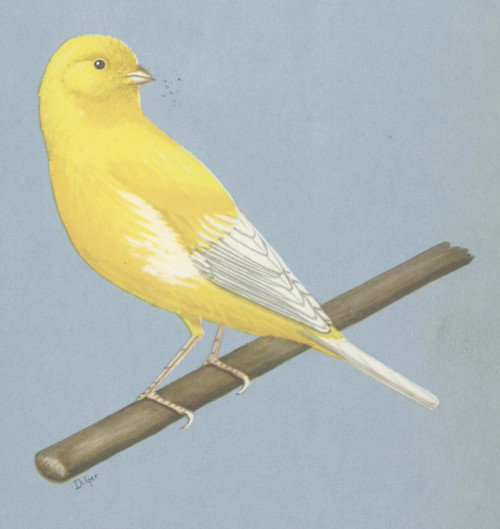
PLATE 1 YELLOW ROLLER CANARY
20
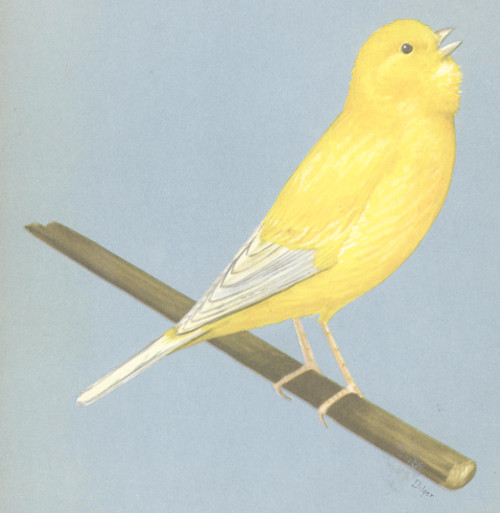
PLATE 2 YELLOW CHOPPER IN SONG
21
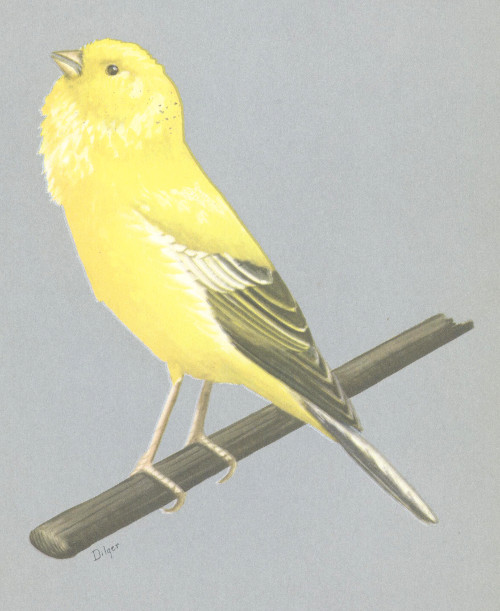
PLATE 3 VARIEGATED YELLOW ROLLER IN SONG
22
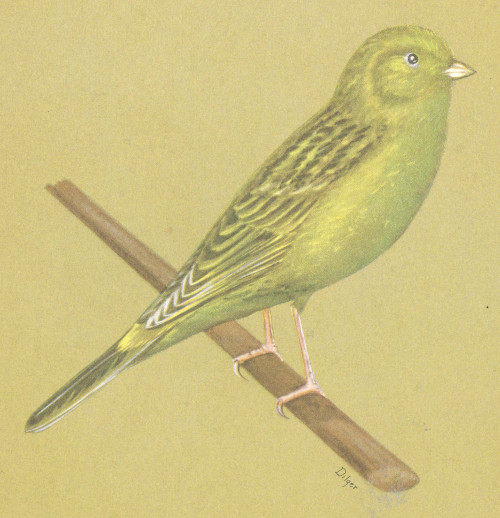
PLATE 4 GREEN CHOPPER CANARY
23
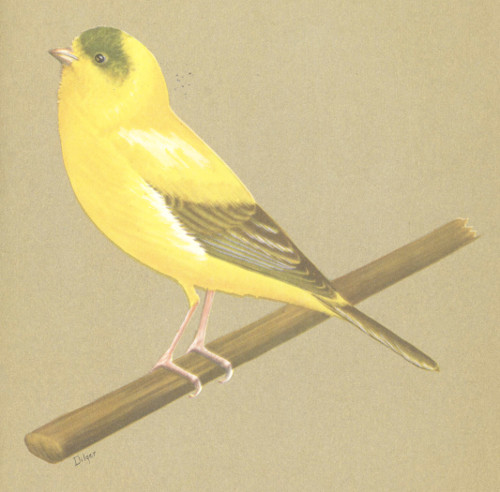
PLATE 5 VARIEGATED CHOPPER CANARY
24
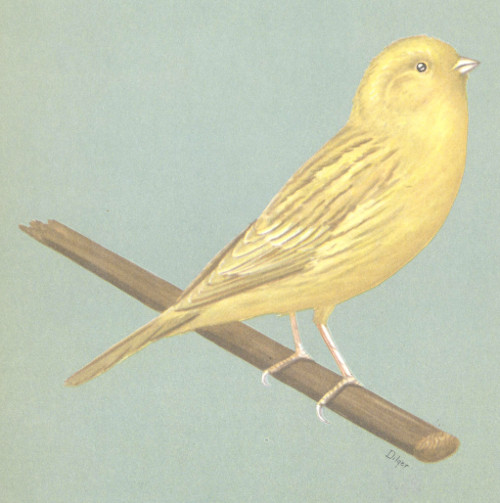
PLATE 6 CINNAMON CHOPPER CANARY
25
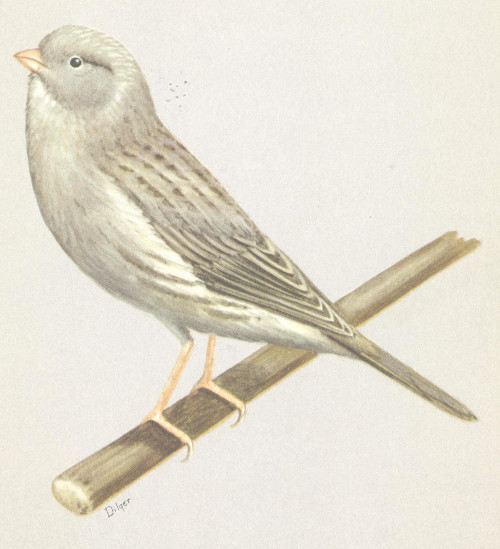
PLATE 7 BLUE CHOPPER CANARY
26
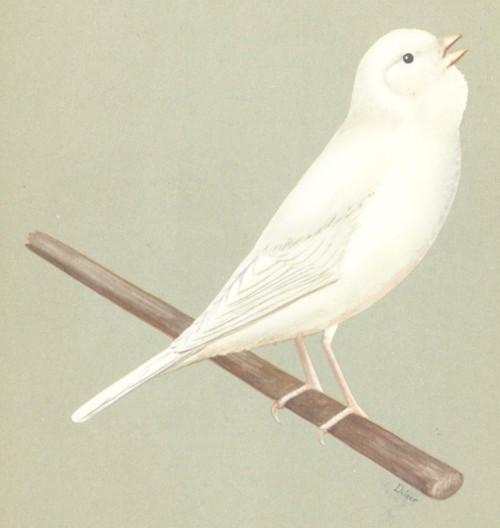
PLATE 8 WHITE CHOPPER CANARY
27
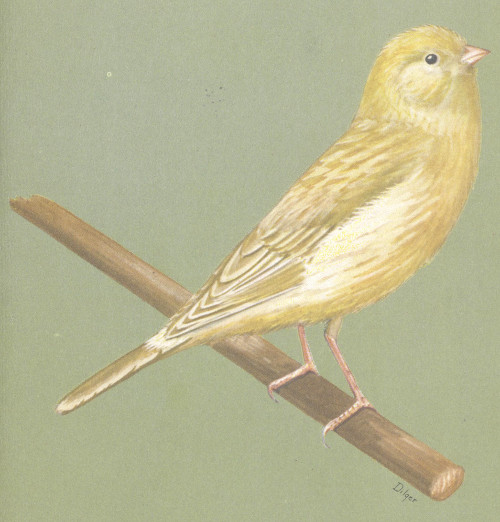
PLATE 9 FAWN CHOPPER CANARY
28
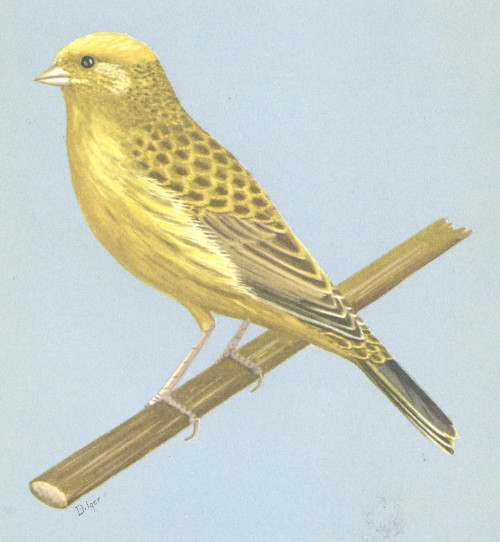
PLATE 10 CLEAR CAP GOLD LIZARD CANARY
29
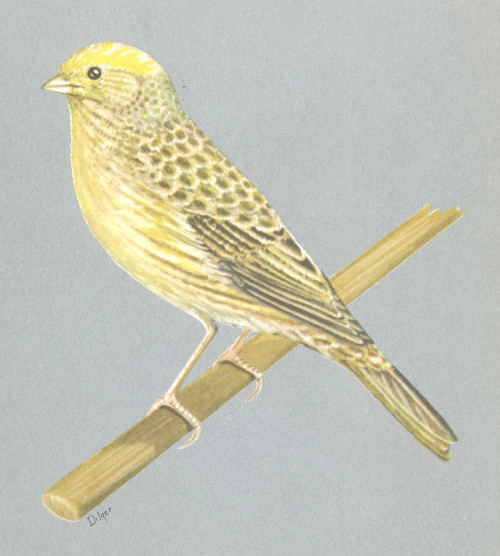
PLATE 11 CLEAR CAP SILVER LIZARD CANARY
30
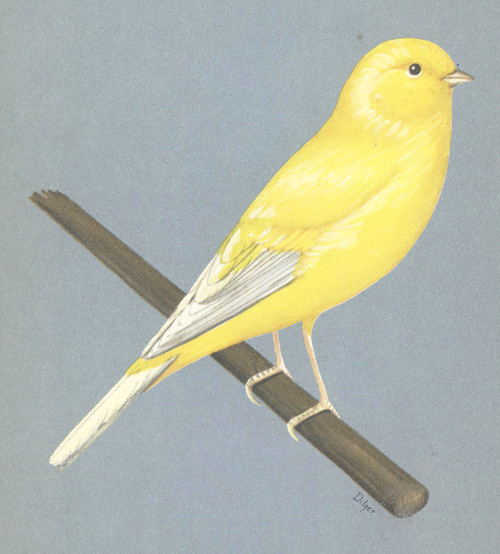
PLATE 12 YELLOW BORDER FANCY CANARY
31
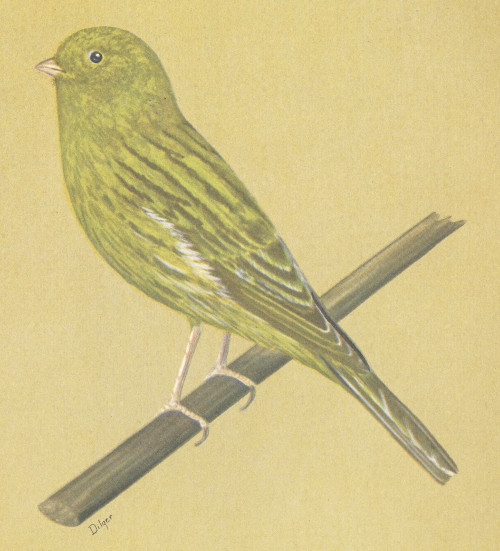
PLATE 13 YELLOW-GREEN BORDER FANCY CANARY
32
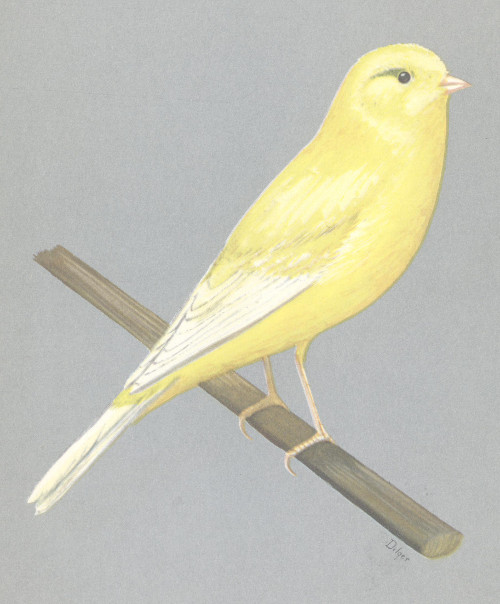
PLATE 14 TICKED BUFF BORDER FANCY CANARY
33
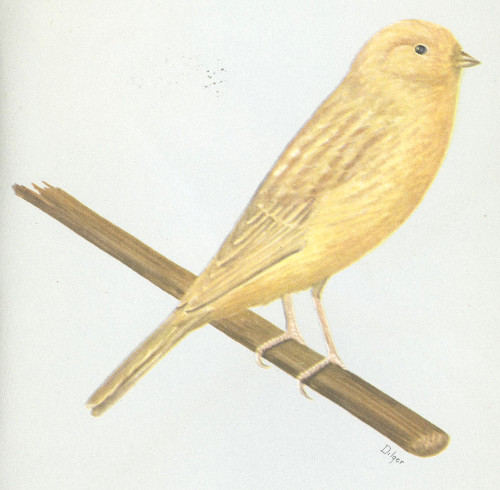
PLATE 15 MINIATURE FAWN BORDER FANCY CANARY
34
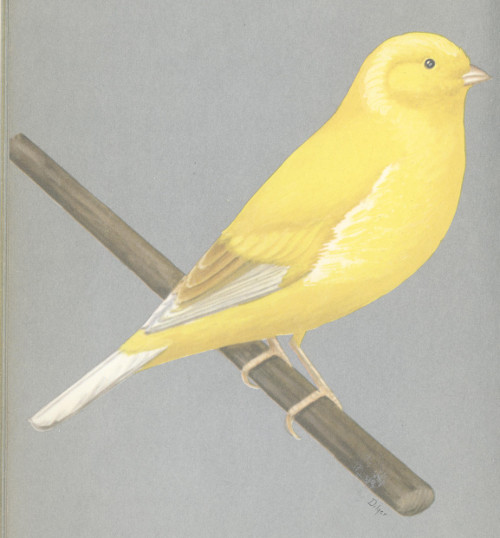
PLATE 16 CINNAMON-MARKED NORWICH CANARY
35
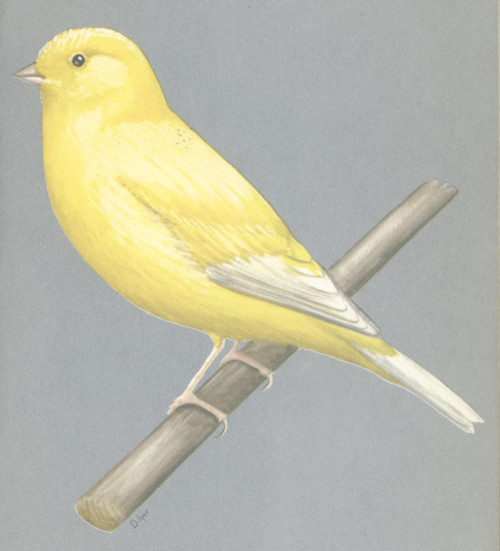
PLATE 17 PLAIN HEAD CLEAR BUFF NORWICH CANARY
36
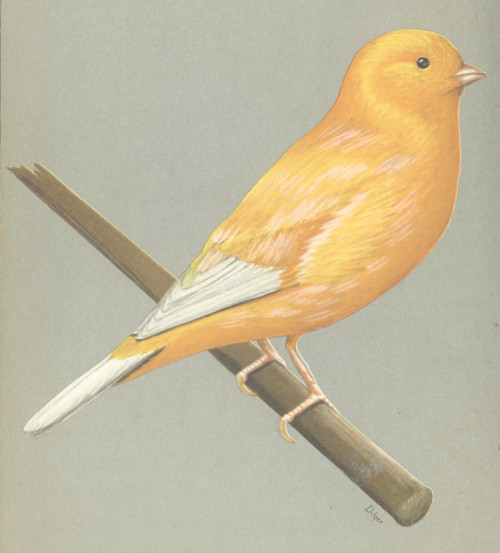
PLATE 18 COLORFED NORWICH PLAIN HEAD CANARY
37
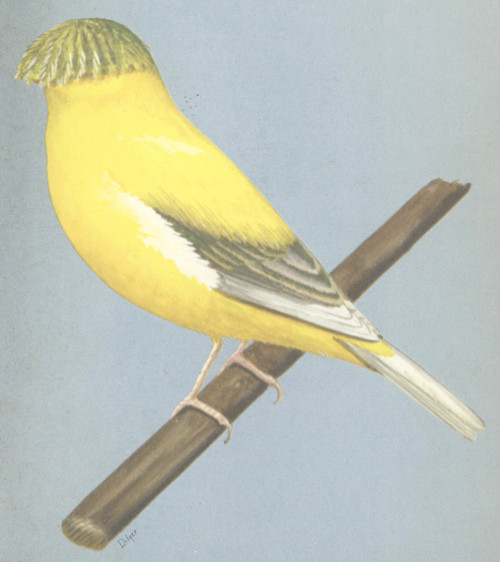
PLATE 19 WING-MARKED DARK CRESTED NORWICH CANARY
38
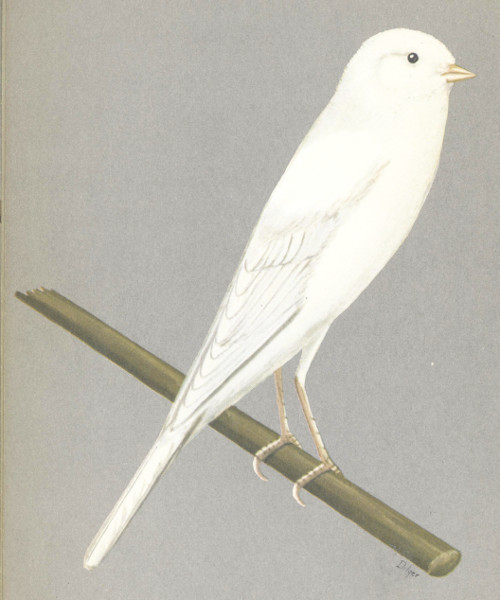
PLATE 20 WHITE YORKSHIRE CANARY
39
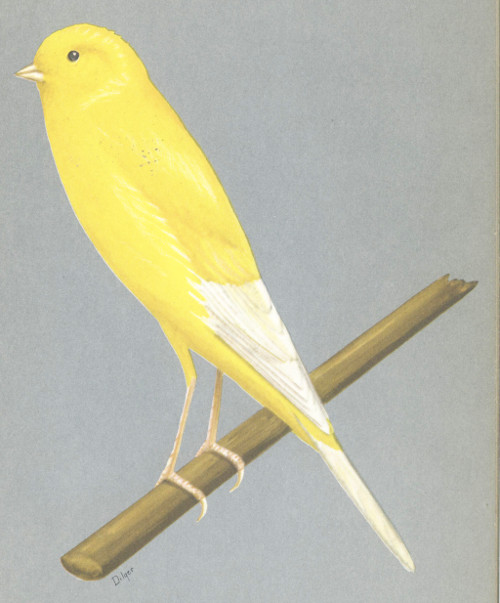
PLATE 21 CLEAR YELLOW YORKSHIRE CANARY
40
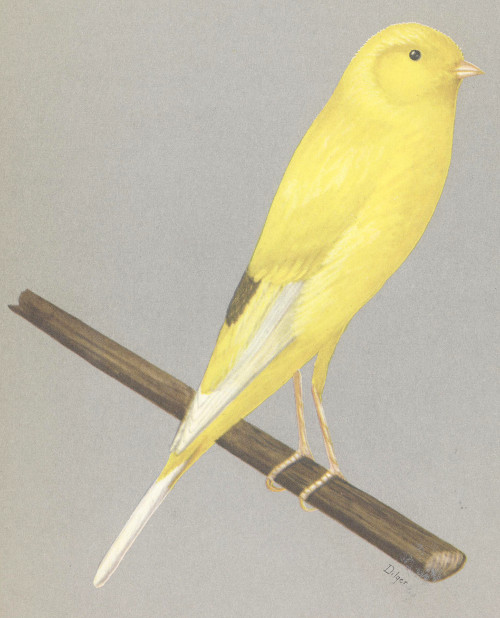
PLATE 22 WING-MARKED YORKSHIRE CANARY
41
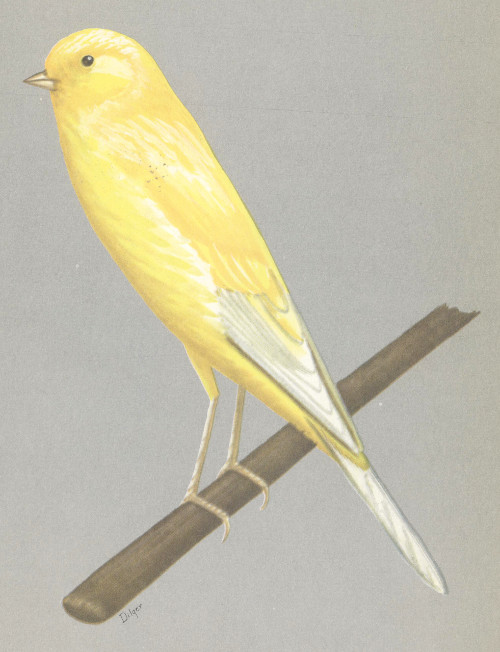
PLATE 23 BUFF YORKSHIRE CANARY
42
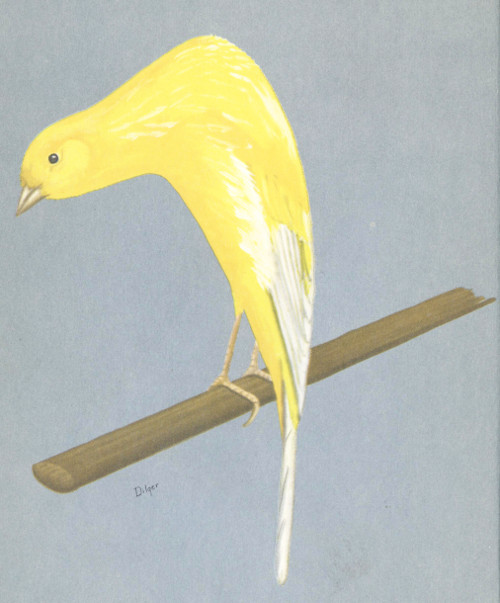
PLATE 24 SCOTCH FANCY CANARY
43
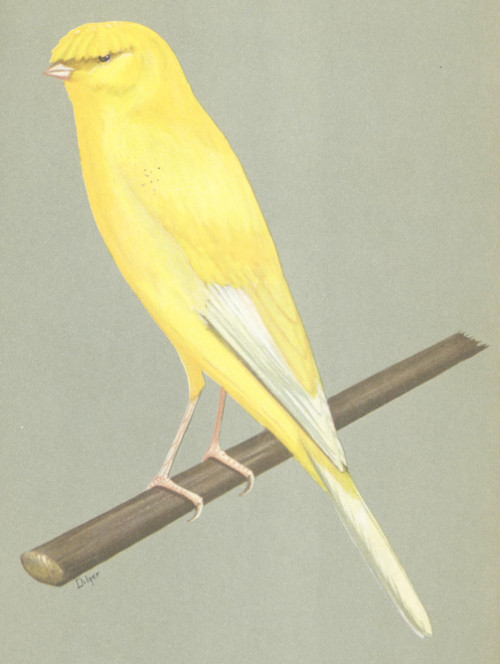
PLATE 25 LANCASHIRE COPPY CANARY
44
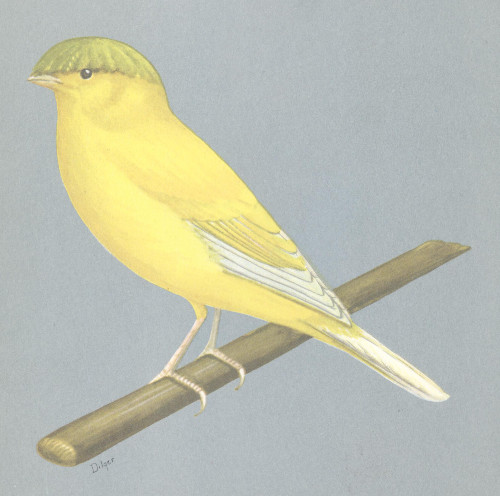
PLATE 26 GLOSTER CANARY
45
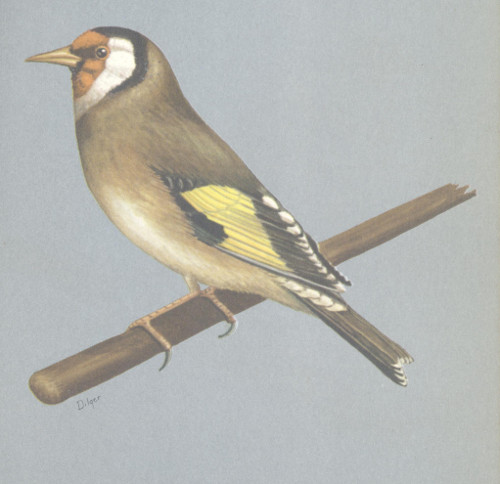
PLATE 27 EUROPEAN GOLDFINCH
46
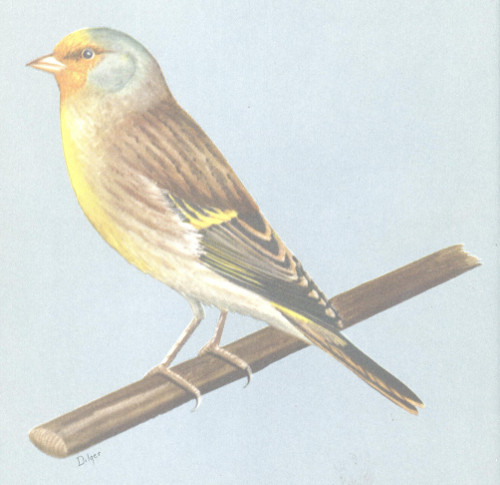
PLATE 28 CANARY AND EUROPEAN GOLDFINCH CROSS
47
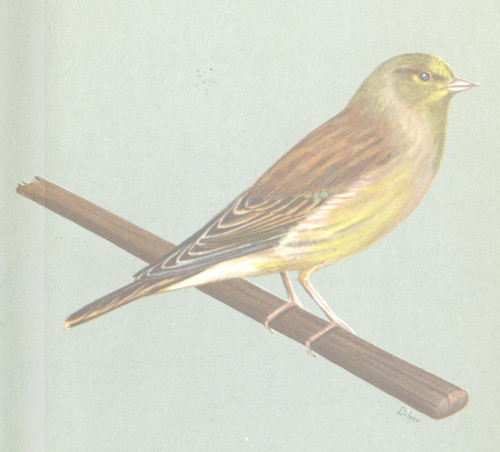
PLATE 29 CANARY AND EUROPEAN LINNET CROSS
48
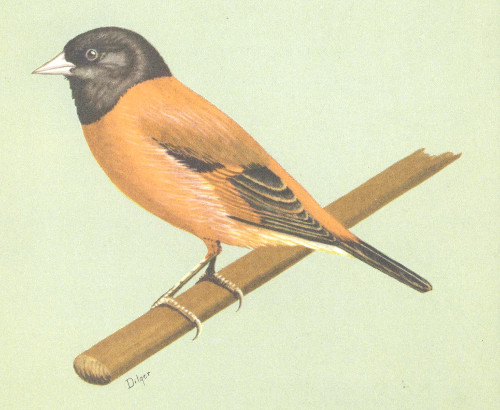
PLATE 30 MALE VENEZUELAN BLACK-HOODED RED SISKIN
49
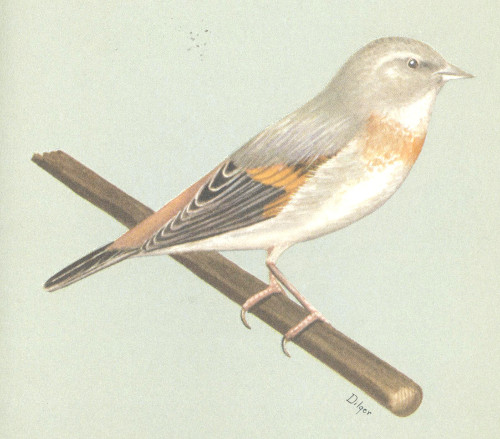
PLATE 31 FEMALE VENEZUELAN BLACK-HOODED RED SISKIN
50
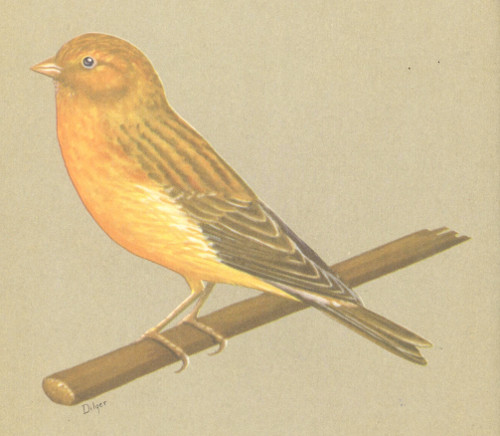
PLATE 32 MAHOGANY CANARY AND SISKIN 1ST CROSS
51
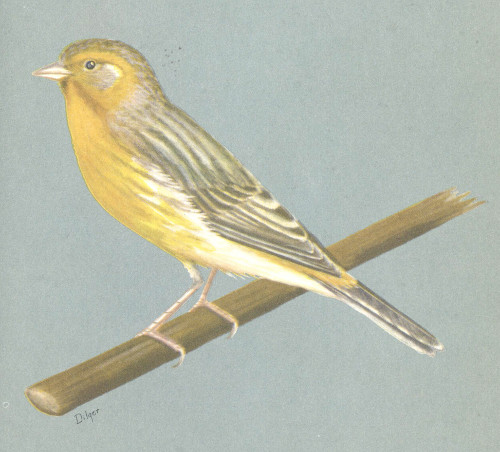
PLATE 33 ORANGE-CINNAMON CANARY AND SISKIN 2ND CROSS
52
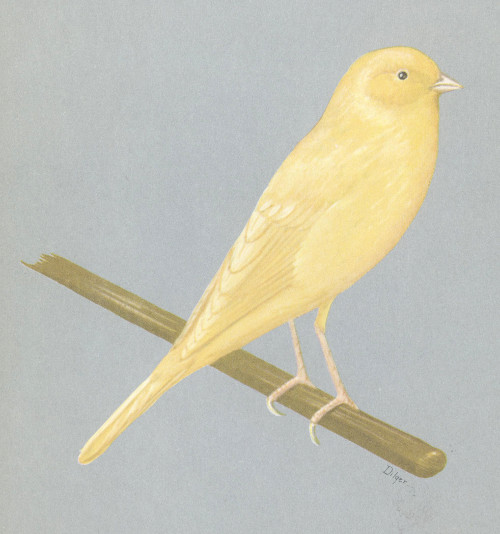
PLATE 34 APRICOT CANARY AND SISKIN 3RD CROSS
53
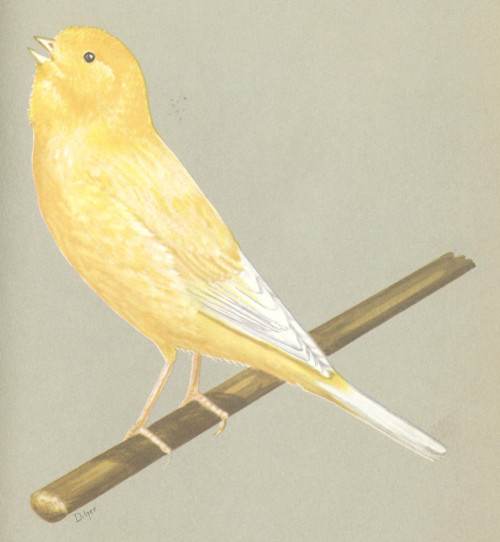
PLATE 35 FROSTED PINK CHOPPER CANARY
54
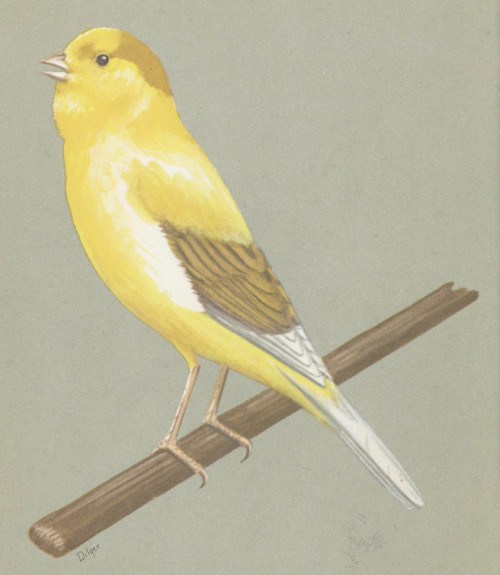
PLATE 36 DILUTE HEN CHOPPER CANARY
55