3 Guide and Adviser
Reading edition
76
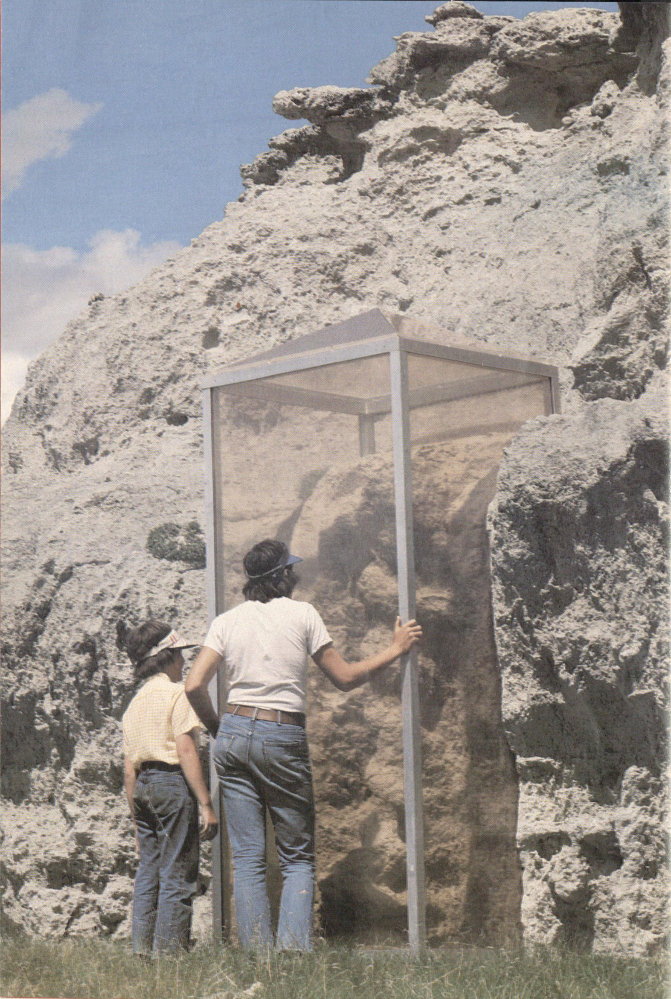
Ask a ranger for directions to the protected example of a Devil’s Corkscrew, the fossilized burrow of a small, beaver-like animal called Palaeocastor. See pages 68-69 for more information about this interesting animal.
77
Visiting the Park
Contents of This Section
Visiting the Park 77
Location
Area
Climate
When to Visit
Visitor Center
Activities
Camping
Nearby Accommodations
Transportation
Establishment Date
Address
Access
Protection 80
Park Regulations
Safety Tips
Birding Along the Niobrara 81
Taking the Annual Count
Collections of Agate Springs Fossils 86
NPS Areas With Fossil Exhibits 88
Badlands
Dinosaur
Florissant
Fossil Butte
Petrified Forest
John Day
Hagerman
Nearby National Parks 90
Badlands
Devils Tower
Fort Laramie
Jewel Cave
Mount Rushmore
Scotts Bluff
Wind Cave
Not So Nearby National Parks 92
Bighorn Canyon
Little Bighorn
Rocky Mountain
Theodore Roosevelt
Armchair Explorations 93
Location
Northwestern Nebraska 69 kilometers (43 miles) north of Scottsbluff along the Niobrara River.
Area
1,116 hectares (2,762 acres).
Climate
Temperatures range from winter lows of -38° C (-36° F) to summer highs of 39° C (101° F). Winter temperatures average 1° C (33° F), and winter snow averages 60 centimeters (2 feet) for the whole winter. However, snowdrifts can be much higher. Summer nights are cool, with temperatures averaging 10° C (50° F). Average annual precipitation is 41 centimeters (16 inches), with most precipitation in April and May.
When to Visit
Most people go to the park some time between June and August, but you can avoid the high summer temperatures by visiting in the spring, fall or—if you don’t mind the cold and snow—in the winter. Spring can be blustery, but the fall is usually dry and the days are cool. Check ahead on local weather conditions if you plan a winter visit. Museums and tourist attractions in nearby Fort Robinson are open Memorial Day to Labor Day.
Visitor Center
A ranger is on duty to help you and answer your questions. Fossil exhibits and part of James H. Cook’s personal collection of Indian items are on display in the visitor center, and publications about the park, paleontology, and history are on sale.
Activities
A trail from the visitor center takes you on a tour to both University and Carnegie Hills, with an interpretive display at each. The roundtrip distance is three kilometers (two miles) and takes about one hour. You may fish for German brown and rainbow trout in the Niobrara River if you have a Nebraska fishing license. The park has several tables for picnickers.
78
Camping
The park has no camping facilities, but there are state campgrounds near Harrison and near Fort Robinson, Nebraska, and a commercial campground on Nebr. 26 between Mitchell and Scottsbluff, Nebraska.
Nearby Accommodations
Hotels, motels, food stores, outdoor supply stores, and restaurants are available in Scottsbluff, Nebraska. A motel, restaurant, gas station, and grocery store are in Mitchell, Nebraska, 55 kilometers (34 miles) south of the park. There are a motel, food store, drugstore, and restaurant in Harrison, Nebraska, 37 kilometers (23 miles) north of the park, and there are motels and restaurants at Fort Robinson, Nebraska, 37 kilometers (23 miles) east of Harrison, or 74 kilometers (46 miles) northeast of the park.
Transportation
Buses—The nearest bus connections are in Scottsbluff, Nebraska. Airport—Scottsbluff, Nebraska, has an airport served by a scheduled commercial airline. Rentals—Cars may be rented at the airport or at car rental agencies in Scottsbluff.
Establishment of the park
June 5, 1965.
Mailing Address
Agate Fossil Beds
National Monument, 301 River Road,
Harrison, NE 69346.
Access
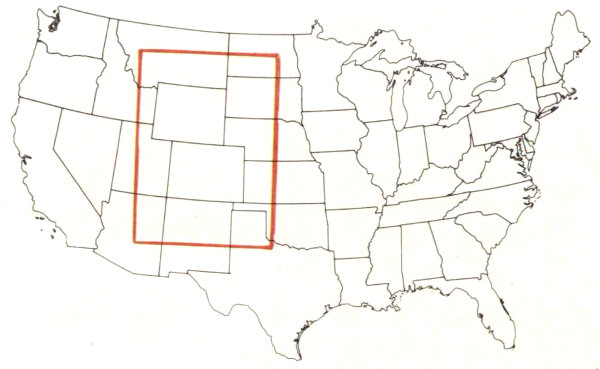
To reach the park from Scottsbluff, Nebraska, take Nebr. 26 west to Mitchell, then Nebr. 29 north to the park. From Fort Robinson, Nebraska, take Nebr. 20 west to Harrison, then Nebr. 29 south to the park.
79
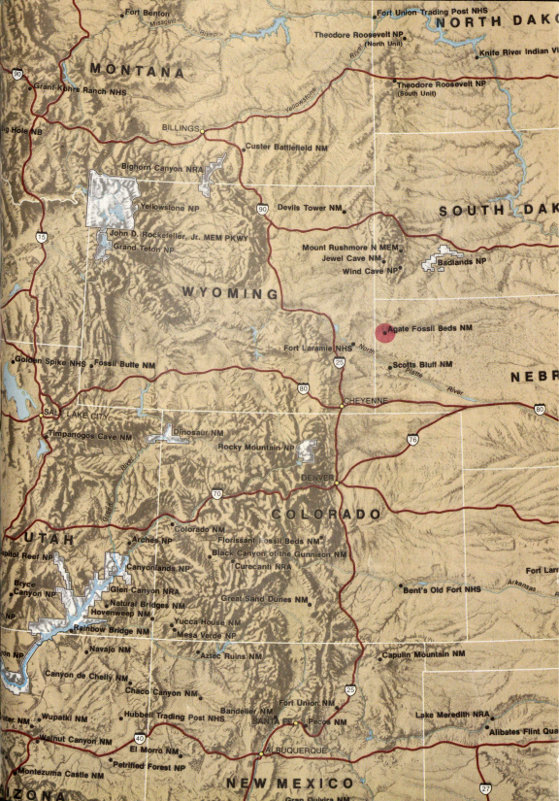
Plains states High-resolution Map
80
Protection
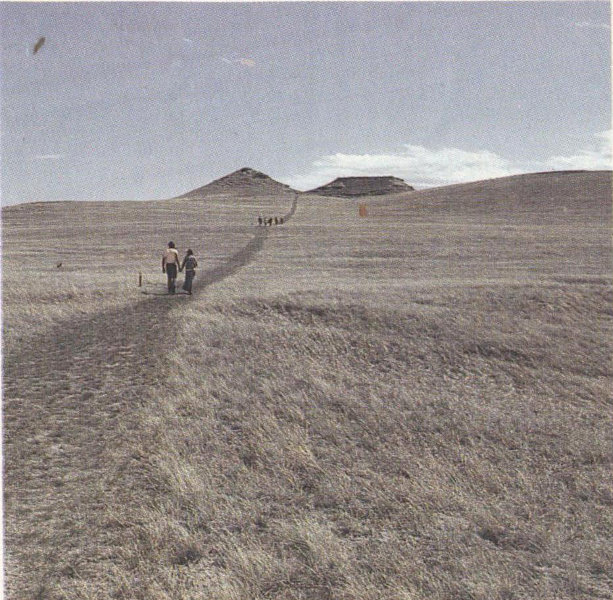
The trail from the visitor center takes you across the Niobrara River, up University Hill to the fossil layer, then to the fossil exhibit on Carnegie Hill, and back to the visitor center. The walk takes about one hour.
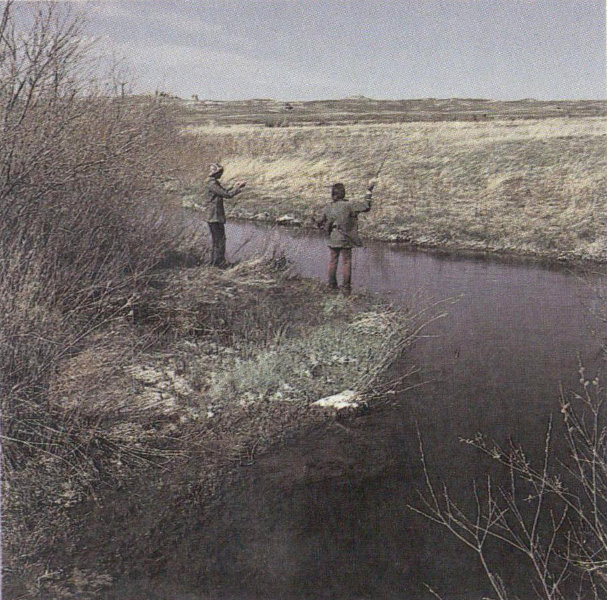
Two fishermen try their luck in the Niobrara.
Park Regulations
To ensure your safety and to protect the park’s natural and historical resources, several regulations have been established by the National Park Service. Collecting of fossils, rocks, plants, or other objects is not permitted. Please be sure to leave everything as you find it along the trails and throughout the park for others to enjoy. If you have any questions about park regulations and policies, please ask the staff. The rangers are here to help you and to enforce the regulations.
Safety Tips
Though snakes are not prevalent, be sure to watch for rattlesnakes as you walk about through the park, along the trails, and near the exhibits at Carnegie and University Hills. Avoid them if you see them, but do not harm them. As a general rule it is best to keep a good distance from any wildlife you see, not only to protect yourself and your children, but to avoid frightening or hurting the animal. It is best to observe wildlife at a safe distance with field glasses. While walking about the park, do not take chances by climbing on loose rock, or going into unauthorized areas, and do not let your children go beyond your control. Park your vehicle in authorized places and observe the normal rules of road safety and courtesy while you are in the park, and when entering and leaving it.
81
Birding Along the Niobrara
Taking the Annual Count
One of the joys of visiting the national parks, author Freeman Tilden once said, is having an unexpected, provocative experience. You go to a park to see or do one thing, and you come across something else that strikes your fancy as well. Tilden called it serendipity. At Agate Fossil Beds National Monument, one such experience might be birdwatching. In this piece, Doris B. Gates writes of her annual bird surveys in this area.
In western Nebraska the northern part of the Great Plains ends at the Pine Ridge, an escarpment circling from Wyoming across Nebraska’s north edge and winding into South Dakota. A major grass of this mixed prairie is little bluestem, Nebraska’s state grass, whose rusty-red hue in fall and winter gives much of the state its characteristic color.
These plains are rarely broken by cultivation and only a few houses with their few trees break the landscape. The land’s major change comes where the Niobrara River, here little more than a narrow creek, cuts a valley whose rock outcroppings provide homes for rock wrens, chipmunks, and bushy-tailed wood rats better known as pack or trade rats.
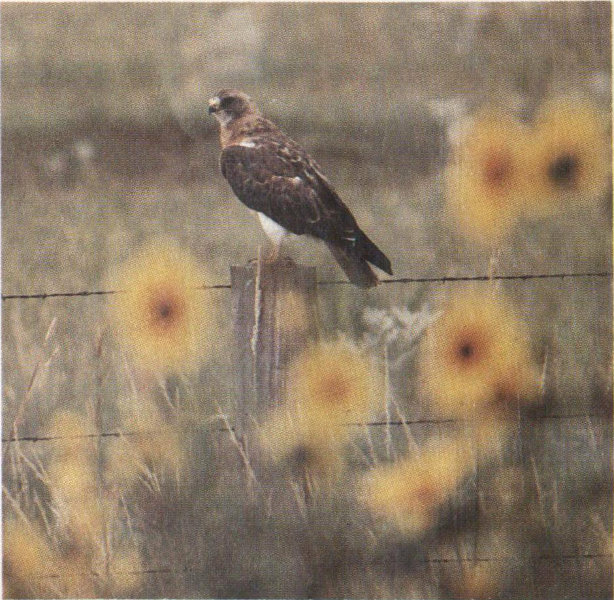
Swainson’s hawk
Here, since 1967, near Agate Fossil Beds National Monument, my partner and I have taken part in the annual Breeding Bird Survey for the U.S. Fish and Wildlife Service. Part of one of our survey routes, Highway 29, crosses the monument’s west end. We know the area—in June at least—quite intimately, when there is nothing quite so beautiful as a sunrise over these flower-dotted, green-grassed rolling hills along the Niobrara.
We go many kilometers and make many bird counting stops, then we drop into the little valley where the Niobrara flows and suddenly we hear and see birds in such rapid succession that we have difficulty getting them all named in the three minutes allowed us under the survey rules. Actually, three stops are influenced by the river: on the south edge we have found a common nighthawk, a lark sparrow, and a Say’s phoebe; on the north end the rock wren sings its un-wrenlike song. Near the bridge, where a narrow belt of shrubs and trees—mostly willows—hugs the river, we have logged the following: common flicker, a red-headed woodpecker, eastern and western kingbirds, western wood peewees, a blue jay, black-capped chickadees, house wrens, a brown thrasher, robins, yellow warblers, black-billed magpies, common grackles, black-headed grosbeaks, American goldfinches, and the non-native house sparrow and starling. Only once did we see or hear a black-billed cuckoo.
continues on page 85
82
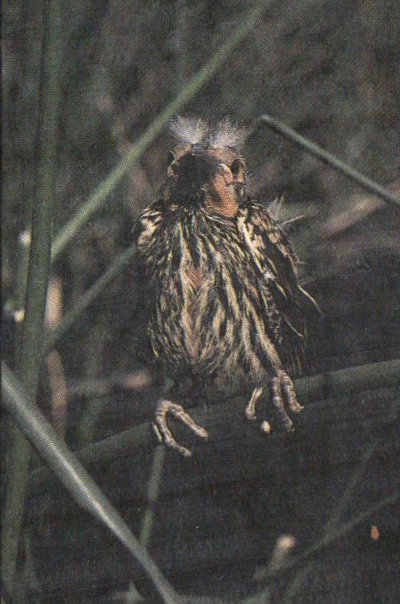
Red-winged blackbird chick
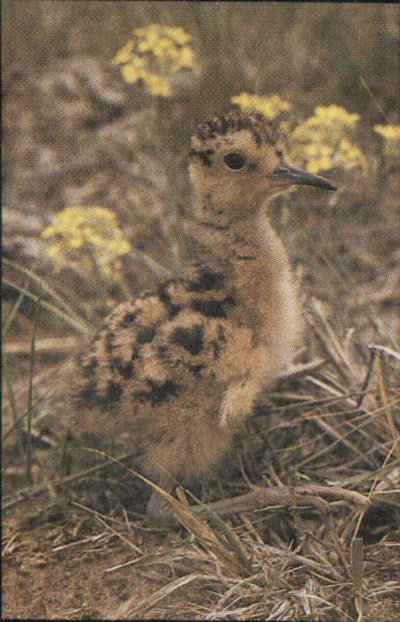
Long-billed curlew chick
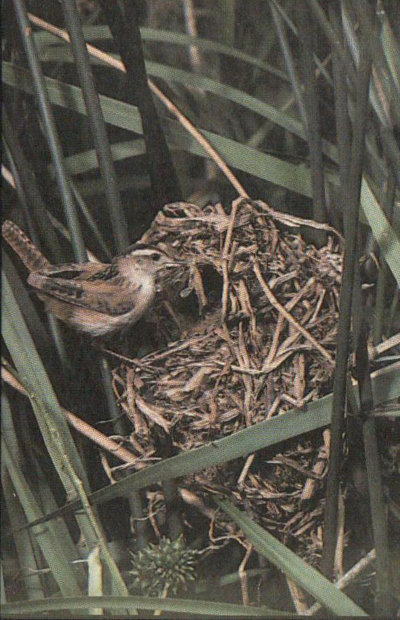
Long-billed marsh wren
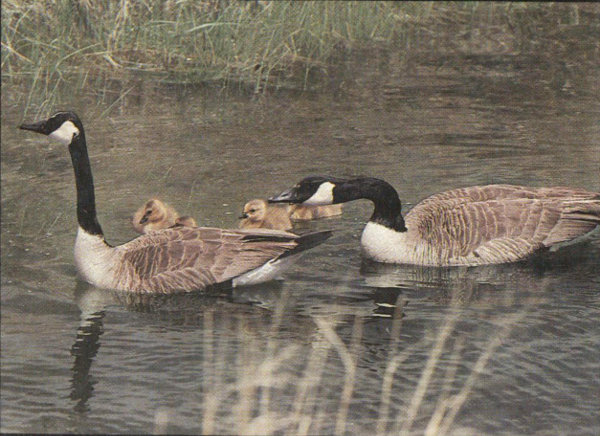
Canada geese
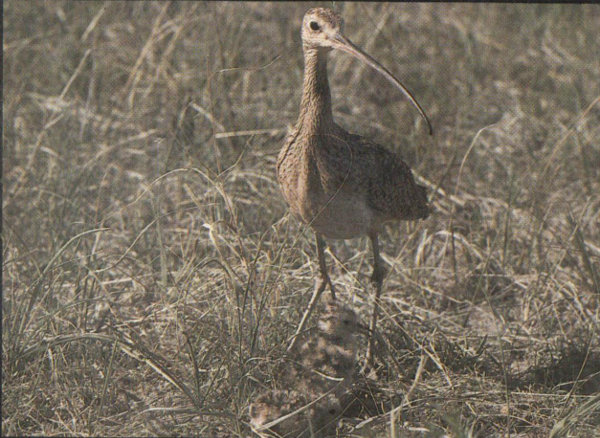
Long-billed curlew male
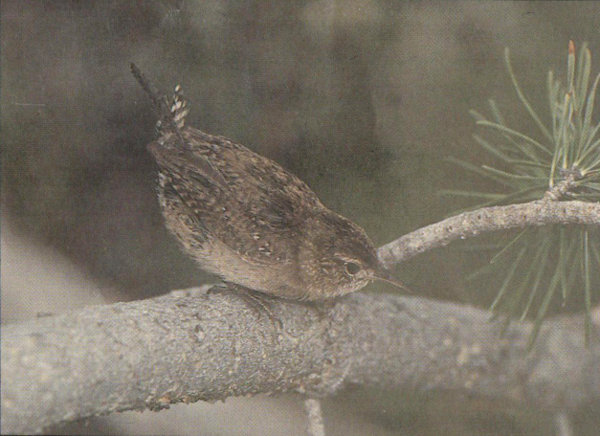
House wren
83
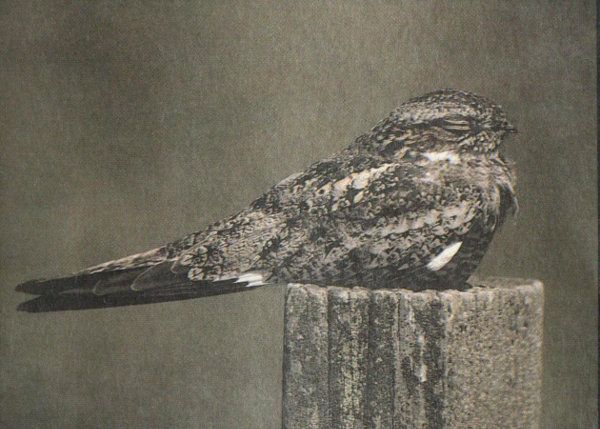
Nighthawk
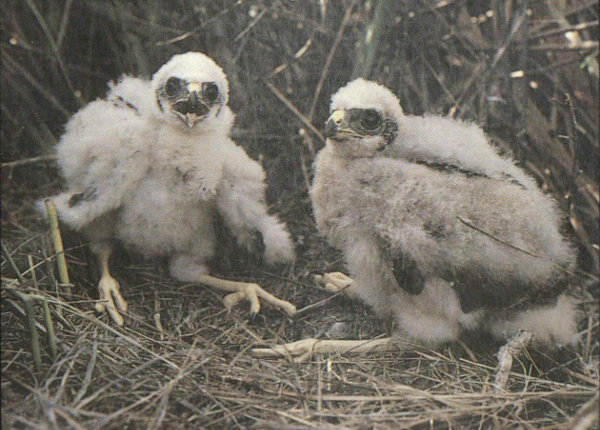
Marsh hawk chicks
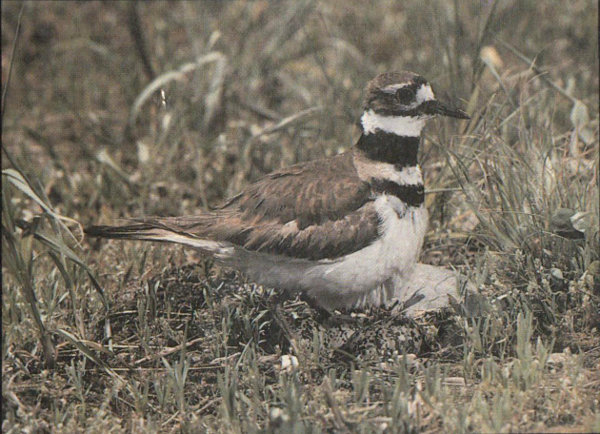
Killdeer
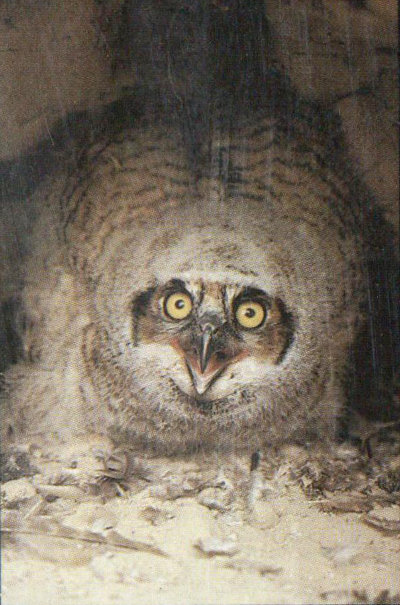
Great horned owl
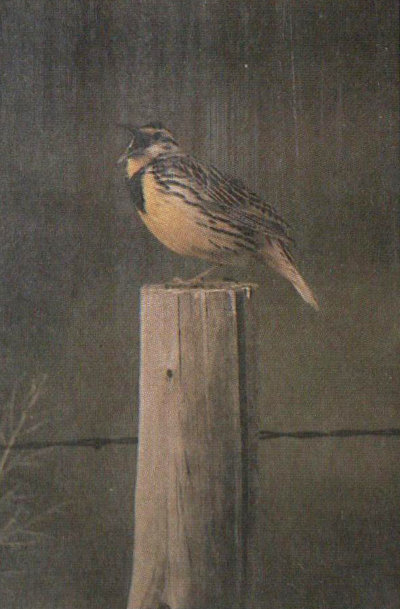
Western meadowlark
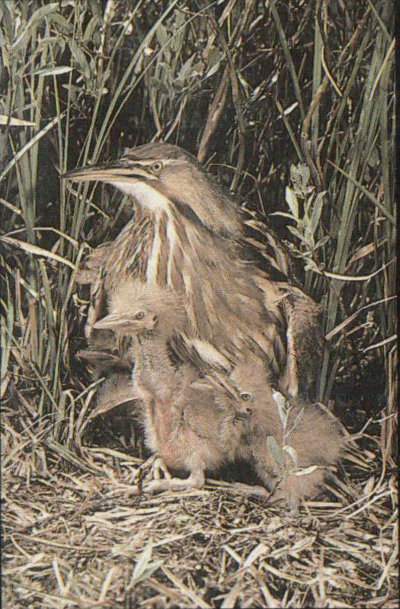
American bittern
84
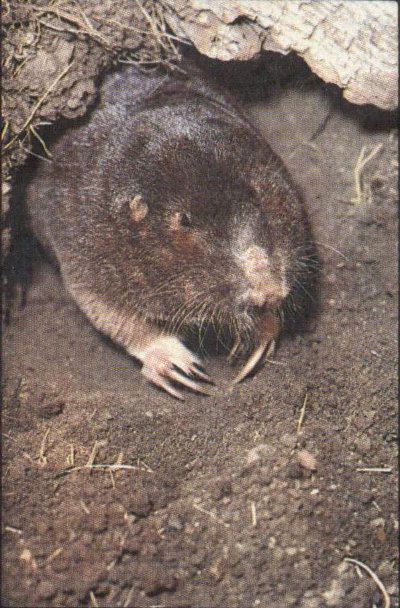
Pocket gopher
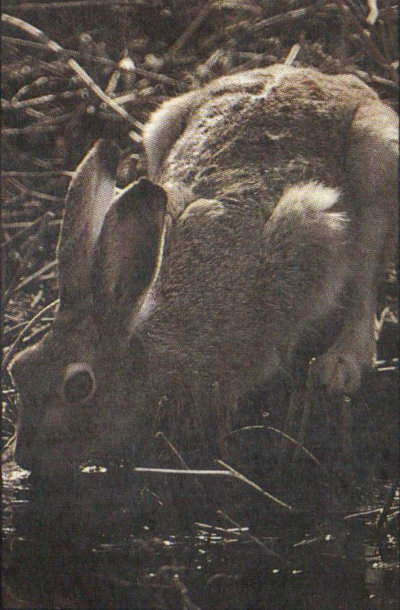
Jackrabbit
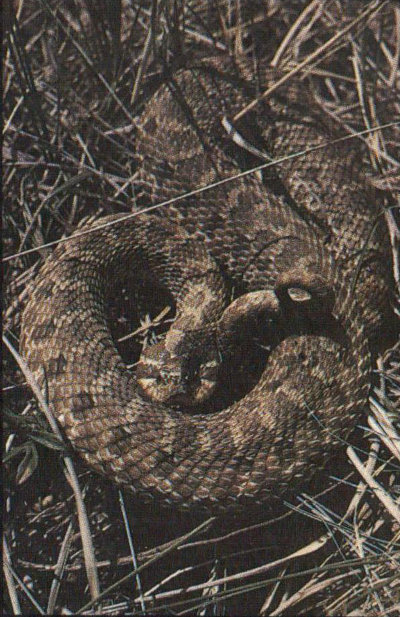
Hognose snake
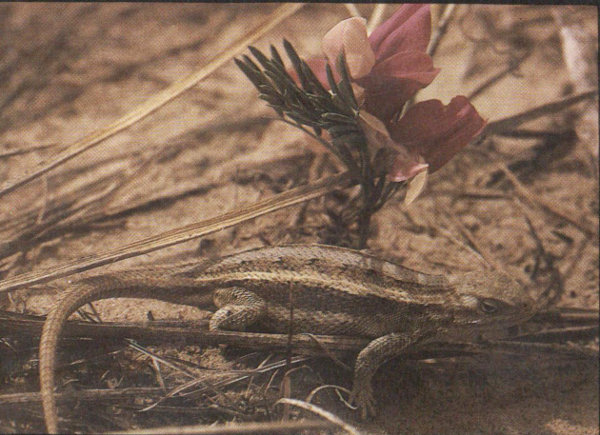
Fence lizard
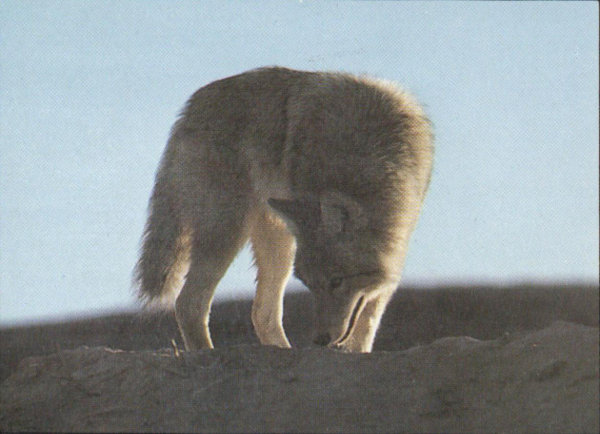
Coyote
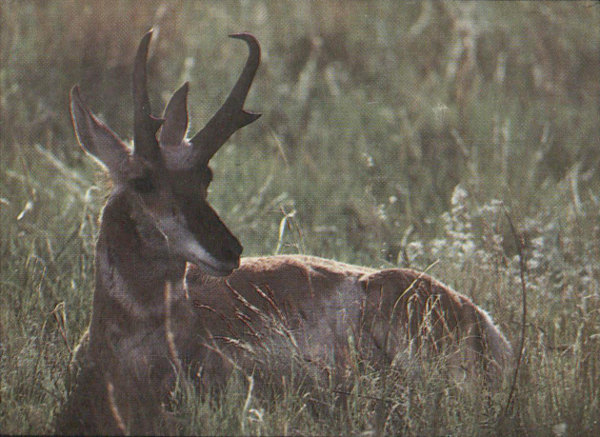
Pronghorn
85
If we stop and peer into a large culvert under the highway we may scare out a cloud of cliff swallows whose mud nests are stuck on culvert walls. Barn and rough-winged swallows are more rarely seen—usually near the Agate buildings.
Near scattered farmhouses we may see logger-head shrikes; by one water tank we usually find a few killdeer. These and such birds as the long-billed curlew, upland sandpipers, and sharp-tailed grouse break the near monotony of such prairie birds as western meadowlarks (Nebraska’s state bird), lark buntings, horned larks, and chestnut-collared longspurs. Lark buntings line the utility wires, taking off to sing their territorial songs, and descending with butterfly-like motions.
Hawks are here—red-tails, Swainson’s, ferruginous, marsh, and the little American kestrel—but in small numbers. We search long rows of fence posts for a burrowing owl and occasionally see one. Great-horned owls frequent tall cottonwood trees around the Agate ranch buildings. This is also the country of turkey vultures, golden eagles, and prairie falcons, but we have not been lucky enough to see them yet.
Mammals are more elusive. Cattle pasture conspicuously on land formerly claimed by the buffalo (bison). We see pronghorns each year. A lone coyote is the only other relatively large mammal we have logged. Check a good mammal book and you will appreciate what lives here largely invisible to the untrained eye: shrews, moles, bats, cottontails and two kinds of jackrabbits, pocket gophers, prairie dogs, kangaroo rats, voles, several kinds of mice, two kinds of ground squirrel, muskrats, beaver, raccoons, minks, badgers, longtailed weasels, two kinds of skunks, occasional porcupines and bobcats, white-tailed deer, and mule deer. Consider yourself lucky if you see the swift fox, mountain lion, and the rare black-footed ferret.
Life abounds here in other forms less noticeable to eyes trained on the Breeding Bird Survey: various species of amphibians, reptiles, fish, and the numerous insects associated with grasslands. We hear perhaps too much about rattlesnakes—western Nebraska has only the prairie rattler, whose numbers are now much reduced. Other snakes include western hognosed, blue racer, bullsnake, and the plains, wandering, and red-sided garter snakes.
86
Collections of Agate Springs Fossils
Museums You Can Visit
Many museums throughout the world have displays of fossils from the Agate Fossil Beds. Very few of them actually collected their own material. Museum curators are dedicated “horse traders” and fossil-swapping is part of the business. When museums such as the Carnegie Museum of Pittsburgh or the American Museum of Natural History in New York make collections like the ones made at Agate earlier in this century, they usually have some trading stock left over after completing their study collections and exhibits. They then can trade an extra Menoceras slab, for example, for a dinosaur skeleton from some faraway corner of the Earth.
At several museums in this country you can see mounted skeletons of several animals found at Agate, along with Menoceras slabs (sections of rock with the bones still imbedded) or models and dioramas of Agate specimens. To the right are listed, in order of proximity to the park, some of the museums and their specimens from Agate.
The United States Museum of Natural History, Smithsonian Institution, has many fossils that depict the life of the most recent 65 million years and several murals by artist Jay H. Matternes showing the life of each of the epochs. The Miocene mural, reproduced on pages 20-21 of this handbook, is among these reconstructions. It depicts ancient life around what is today known as Agate Fossil Beds National Monument.
The Trailside Museum Fort Robinson, Nebraska 69339.
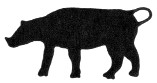
Menoceras slab, skeleton, and restoration
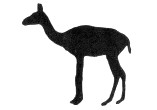
Stenomylus skeleton on a slab, and a prepared limb
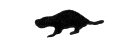
Palaeocastor in a Daemonelix Palaeocastor in a plaster cast
Museum of Geology, South Dakota School of Mines and Technology Rapid City, South Dakota 57701.
Menoceras slab, beautifully prepared
The Geological Museum University of Wyoming, Laramie, Wyoming 82070.
Menoceras, mounted skeleton
Stenomylus slab containing most of a skeleton
University of Nebraska State Museum 101 Morrill Hall, 14th and U Streets, Lincoln, Nebraska 68508.
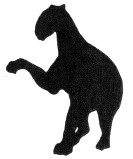
Moropus, mounted skeleton
Palaeocastor skeleton in a Daemonelix; also, two other Daemonelix
Menoceras slab
Dinohyus skeleton
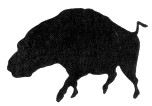
Stenomylus, a group of skeletons
Field Museum of Natural History Roosevelt Road at Lake Shore Drive, Chicago, Illinois 60605.
Menoceras slab
Moropus skeleton
The University of Michigan Exhibit Museum 1109 Geddes Rd., Ann Arbor, Michigan 48104.
Menoceras slab and mounted skeleton
Dinohyus eating dead Menoceras, a diorama
Stenomylus skeleton and model
Carnegie Museum 4400 Forbes Ave., Pittsburgh, Pennsylvania 15213.
Promerycochoerus slab
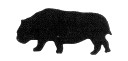
Menoceras slab and mounted skeleton
Moropus, mounted skeleton
Dinohyus, mounted skeleton
Stenomylus, three skeletons mounted in a group
The American Museum of Natural History Central Park West and 79th St., New York, New York 10024.
Moropus skeleton
Menoceras slab and skulls, one used in a sequence showing collecting and preparation techniques
Dinohyus skull
Stenomylus, nine skeletons and a reconstruction of the group in life
Museum of Comparative Zoology Harvard University, Oxford Street, Cambridge, Massachusetts 02138.
Menoceras slab
Dinohyus skeleton
Stenomylus skeleton
88
NPS Areas With Fossil Exhibits
Several fossil sites in the United States are under the protection of the National Park Service. Besides Agate, the major ones are:
Badlands National Park, South Dakota
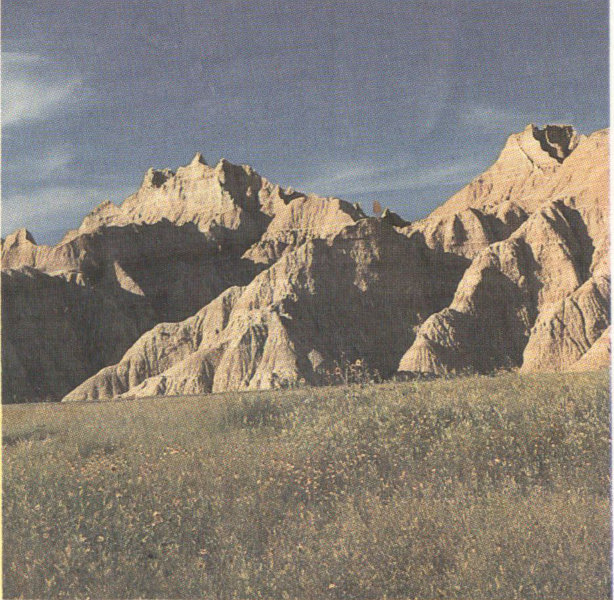
Badlands
Prominent deposits from the Oligocene Epoch, predecessor to the Miocene, combine with a rugged, eroded landscape and abundant wildlife to make Badlands a park where the natural processes of the past combine with those of today. The National Park Service maintains a Fossil Exhibit Trail at Badlands and presents fossil cleaning demonstrations. Prominent fossils are those of ancient camels, giant pigs, sabertooth cats, Protoceras, and Brontotheres. Mailing address: P.O. Box 6, Interior, SD 57750.
Dinosaur National Monument, Colorado and Utah
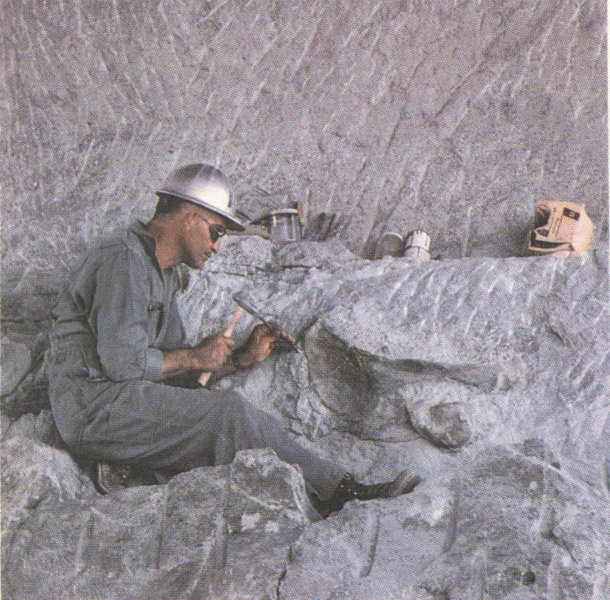
Dinosaur
The late Jurassic muds and sands of the Morrison Formation have been a major source of dinosaur bones for more than a century. Steeply tilted strata near Vernal, Utah, were the source of tons of bones for the Carnegie Museum of Pittsburgh. This quarry site became the nucleus of Dinosaur National Monument. The bone-bearing stratum has been exposed by careful excavation, so that bones and partial skeletons of numerous dinosaurs are exposed in high relief. The entire quarry face is covered by a glass-walled structure that forms a large gallery. Mailing address: 4545 E. Hwy. 40, Dinosaur, CO 81610.
Florissant Fossil Beds National Monument, Colorado
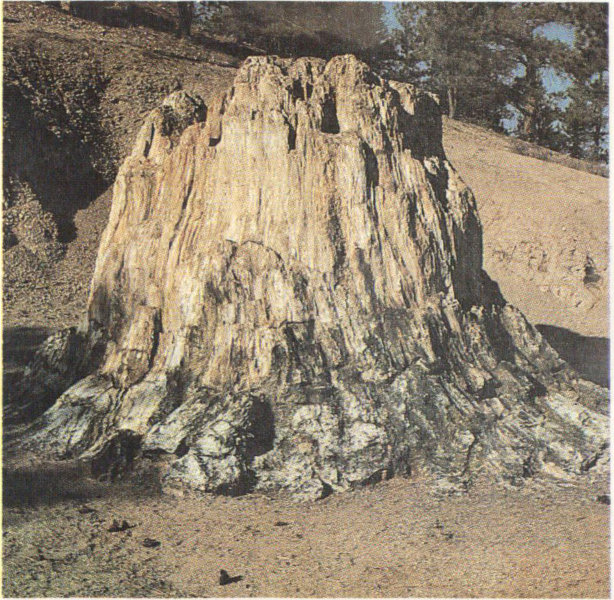
This site has long been famous for its fossils of insects and plants preserved in fine-grained sediments. Specimens of Brontothere indicate an Eocene age for the deposits. Mailing address: P.O. Box 185, Florissant, CO 80816.
89
Florissant
Fossil Butte National Monument, Wyoming
Within the strata of this rock remnant of an ancient lake is one of the most extensive concentrations of fossilized freshwater fish known to science. The site is about 18 kilometers (11 miles) west of Kemmerer, Wyoming. Mailing address: P.O. Box 592, Kemmerer, WY 83101.
Petrified Forest National Park, Arizona
Petrified Forest
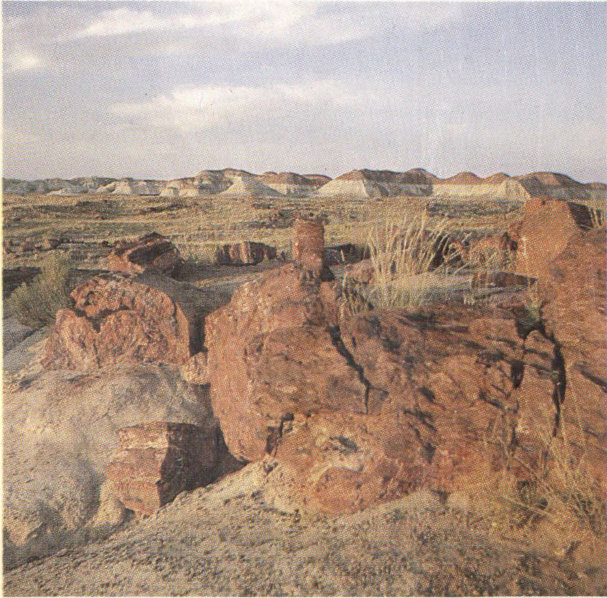
Here in the Late Triassic Chinle Formation are widespread deposits of petrified logs. Some are nearly 2 meters in diameter and 60 meters long (6.5 by 197 feet). Preserved in bright colors of opal and other minerals, the most common trees are relatives of the living monkey puzzle or Hawaiian star pine. Paleontologists believe many of the logs floated to the area in Triassic rivers and became stranded. In the museum are displays of various fossil plant species and animal fossils from the same deposits. Mailing address: P.O. Box 2217, Petrified Forest National Park, AZ 86028.
John Day Fossil Beds National Monument, Oregon
With a total of about 5,700 hectares (14,100 acres) in several noncontiguous units in north-central Oregon, this park provides an extensive record of Earth history dating back at least 37 million years. Plant and animal fossils are present in great variety. Mailing address: HCR 82, Box 126, Kimberly, OR 97848.
Hagerman Fossil Beds National Monument, Idaho
Within the banks of the Snake River are preserved the last vestiges of late Pliocene life before the Ice Age and modern flora and fauna appeared. Mailing address: P.O. Box 570, Hagerman, ID 83332.
90
Nearby National Parks
While you’re in the Agate Fossil Beds area, why not see some other sites in the National Park System? These parks offer a variety of experiences from frontier history presentations to caving.
Badlands National Park is 97 kilometers (60 miles) southeast of Rapid City, South Dakota. This wonderland of bizarre, colorful spires and pinnacles, massive buttes, and deep gorges is open all year, though blizzards may temporarily block roads in the winter. Campfire programs and guided nature walks are presented. Backpackers will enjoy the park’s wilderness area. The park has a herd of about 300 bison and some prairie dog towns. Mailing address: P.O. Box 6, Interior, SD 57750.
Devils Tower
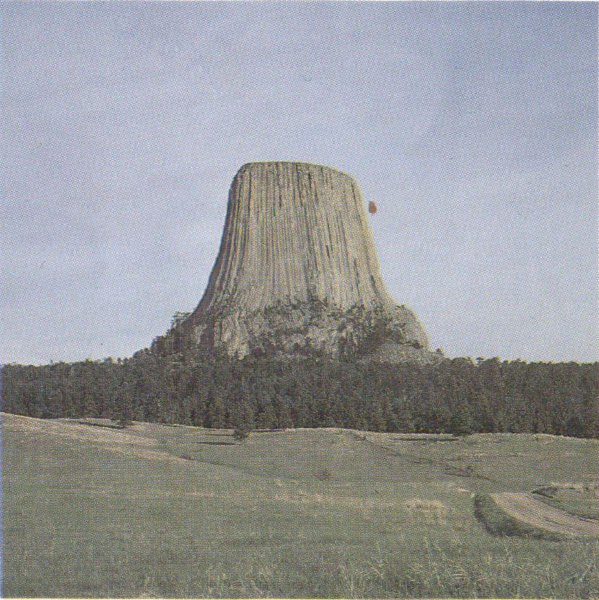
Devils Tower National Monument is 47 kilometers (29 miles) northwest of Sundance, Wyoming. Known as Mato Tipila (Bear Lodge) to the Lakota, this towering landmark looms over the Belle Fourche River in the northeast corner of Wyoming. Here the Black Hills meet the plains grasslands, and you will likely see prairie dogs, as well as other mammals and a variety of birds. The park is open all year. Mailing address: P.O. Box 10, Devils Tower, WY 82714.
Fort Laramie
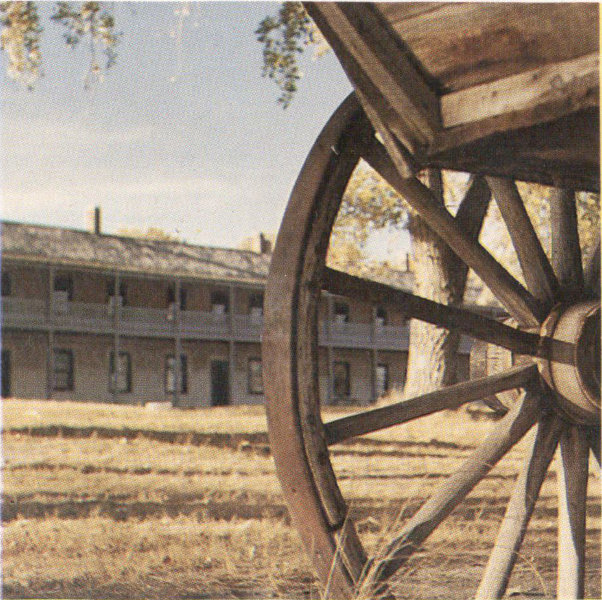
Fort Laramie National Historic Site is 5 kilometers (3 miles) southwest of Fort Laramie, Wyoming. The first fort on the site was built in 1834 and soon became a lucrative center of the fur trade. The U.S. Army took over in 1849, using the fort to protect the Oregon Trail. The fort was abandoned by the Army in 1890. Several buildings are furnished as they would have been during the Army years of the 1870s and 1880s. The park is open all year. Mailing address: HC 72, Box 389, WY 82212.
91
Jewel Cave National Monument is located on U.S. 16, 24 kilometers (15 miles) west of Custer, South Dakota. The cave’s name comes from the myriads of jewel-like calcite crystals that adorn its walls. Tours are conducted daily from mid-May through September. Tours, if any, the rest of the year are irregular. Mailing address: RR 1, Box 60 AA, Custer, SD 57730.
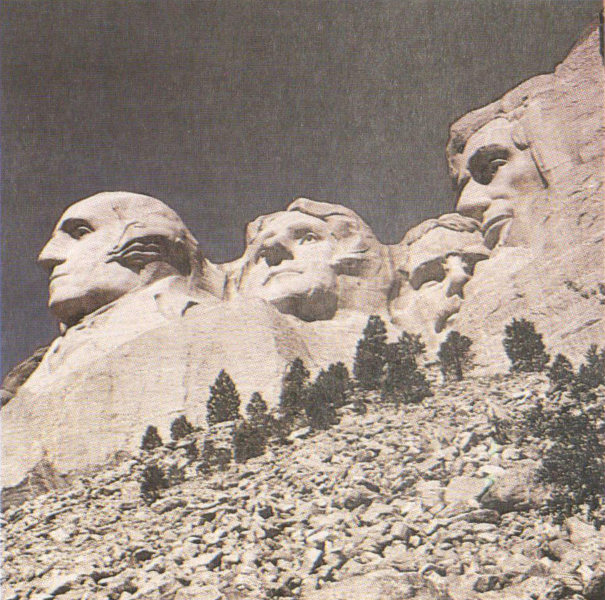
Mount Rushmore
Mount Rushmore National Memorial is 40 kilometers (25 miles) southwest of Rapid City, South Dakota. The mountain sculpture of Washington, Jefferson, Theodore Roosevelt, and Lincoln is best viewed under morning light. From June 1 to Labor Day the faces are illuminated at night. The park is open all year. Mailing address: P.O. Box 268, Keystone, SD 57751.
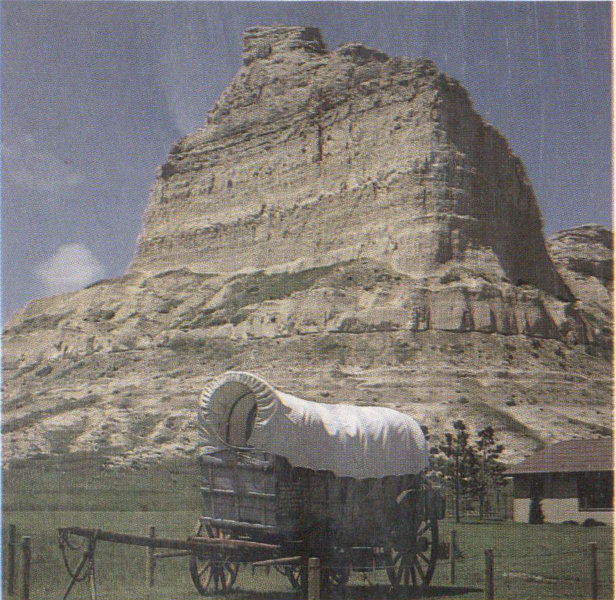
Scotts Bluff
Scotts Bluff National Monument is 8 kilometers (5 miles) southwest of Scottsbluff, Nebraska. This massive rock promontory rises 245 meters (800 feet) above the valley floor, and it served as a landmark to Indians, fur traders, and settlers traveling the Oregon Trail. It was named for a fur trapper, Hiram Scott, and has remained a symbol of the great overland migrations. The park is open all year. Mailing address: P.O. Box 27, Gering, NE 69341.
Wind Cave National Park is 16 kilometers (10 miles) north of Hot Springs in southwest South Dakota. Two worlds meet here: the underground world of the cave and the life of the surface prairie. The cave gets its name from the wind blowing into or out of the cave. Mailing address: RR 1, Box 190, Hot Springs, SD 57747.
92
Not So Nearby National Parks
By expanding your travel perimeter even farther beyond Agate Fossil Beds, you can take in these other National Park System sites.
Bighorn Canyon National Recreation Area straddles the Montana-Wyoming border, 67 kilometers (42 miles) from Hardin, Montana, and at Lovell, Wyoming. Access to boat ramps and campgrounds is from both ends of the long reservoir. Yellowtail Dam tours are given from Memorial Day to Labor Day. The visitor centers are open all year. Mailing address: P.O. Box 458, Fort Smith, Montana 59035.
Little Bighorn Battlefield National Monument is 24 kilometers (15 miles) south of Hardin, Montana. Here on June 25, 1876, Lt. Col. George Armstrong Custer and five 7th Cavalry companies attacked and were surrounded and killed by Indians. Mailing address: P.O. Box 39, Crow Agency, MT 59022.
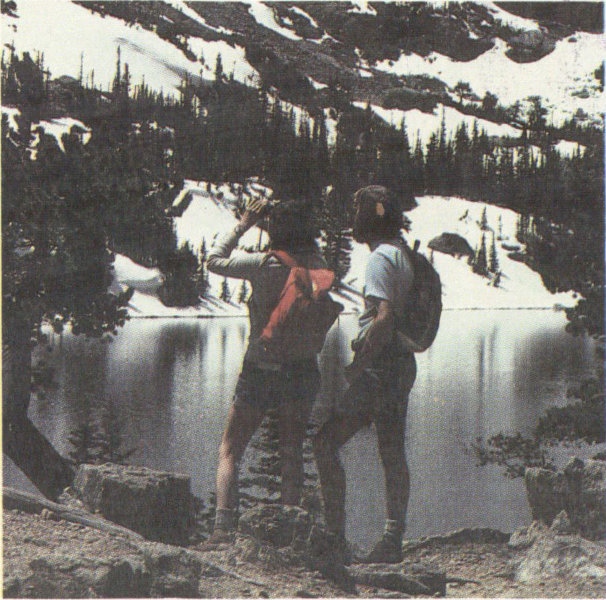
Rocky Mountain
Rocky Mountain National Park is northwest of Denver and about 3 kilometers (2 miles) west of the community of Estes Park, Colorado. The park is one of America’s most accessible mountainous areas. Trail Ridge, which crosses the Continental Divide, offers breathtaking views. Elk, mule deer, bear, cougar, and bighorn sheep roam mountain crags, meadows, and valleys. Mailing address: Estes Park, CO 80517.
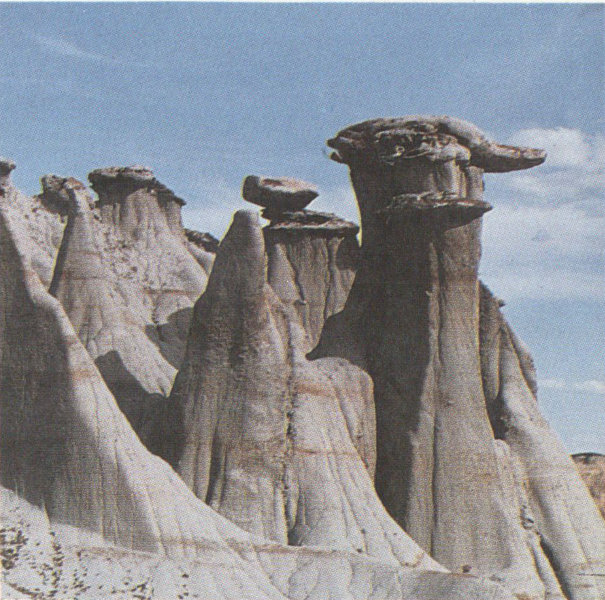
Theodore Roosevelt
Theodore Roosevelt National Park is on Interstate 94 at Medora, North Dakota. A separate unit is 90 kilometers (56 miles) north on U.S. 85. In these magnificantly colored badlands along the Little Missouri River Roosevelt had an open-range ranch and developed his practical conservation philosophy. Both units have campgrounds. Mailing address: P.O. Box 7, Medora, ND 58645.
93
Armchair Explorations
Some Books You May Want to Read
Bartlett, Richard A., Great Surveys of the American West, University of Oklahoma Press, 1962.
Camp, Charles L., Earth Song: A Prologue to History, American West Publishing Co., 1970.
Colbert, Edwin H., Evolution of the Vertebrates, John Wiley and Sons, Inc., 1969.
Cook, Harold J., Tales of the 04 Ranch, University of Nebraska Press, 1968.
Cook, James H., Fifty Years on the Old Frontier, University of Oklahoma Press, 1980.
Gould, Stephen Jay, Ever Since Darwin: Reflections in Natural History, W. W. Norton and Co., 1977.
Howard, Robert West, The Dawn-seekers, Harcourt Brace Jovanovich, 1975.
Johnson, Kirk R. and Richard K. Stucky, Prehistoric Journey: A History of Life on Earth, Roberts Rinehart, 1995.
Lanham, Url, The Bone Hunters, Columbia University Press, 1973.
Laporte, Léo F., Evolution and the Fossil Record, W. H. Freeman Co., 1978.
Larson, Robert W., Red Cloud: Warrior-Statesman of the Lakota Sioux, University of Oklahoma Press, 1997.
Mason, Stephen F., A History of the Sciences, Collier Books, 1970.
Meade, Dorothy Cook, Heart Bags & Handshakes: The Story of the Cook Collection, National Woodlands Pub. Co., 1994.
Osborn, Henry F., Cope: Master Naturalist, Princeton University Press, 1931.
Paul, R. Eli, Autobiography of Red Cloud: War Leader of the Oglalas, Montana Historical Society Press, 1997.
Plate, Robert, The Dinosaur Hunters: Othniel C. Marsh and Edward D. Cope, McKay Co., 1964.
Raup, David M. and Steven M. Stanley, Principles of Paleontology, W. H. Freeman Co., 1978.
Romer, Alfred Sherwood, Vertebrate Paleontology, University of Chicago Press, 1966.
Schuchert, Charles and Clara Mae LeVene, O.C. Marsh: Pioneer in Paleontology, Yale University Press, 1940.
94
Index
Numbers in italics refer to photographs, illustrations, charts, or maps.
A B C D E F G H I J K L M N O P Q R S T U V W X Y Z
A
Aepinacodon 54-55, 60
Agate Fossil Beds National Monument 11, 14, 50;
animals at, 20-22, 24-34, 84;
birding at, 81, 82-83, 85;
established, 17, 78;
geology of 23, 47-52;
museum specimen of, 38, 86-87;
topography of, 7;
visitor information 77-80
Agate Springs Ranch 7, 10, 17;
excavations at, 38, 39; fossils from, 40-41, 86-87
Alligator 54-55, 60
American Museum of Natural History 14, 38, 52, 87
Aplodontia 32
B
Badlands National Park, South Dakota 88, 90
Barbour, Erwin H. 11, 14, 38
Big Badlands, South Dakota 49, 52
Bighorn Canyon National Recreation Area, Montana-Wyoming 92
Bittern, American 83
Blackbird, red-winged 82
Bone Cabin, Wyoming 48
Breeding Bird Survey, U.S. Fish and Wildlife 81, 82-83, 85
Buteos (buzzard hawks) 28
C
Cambrian period 46
Camels. See Oxydactylus, Stenomylus
Camping 78
Carboniferous period 46
Carnegie Hill 12-13, 14, 37, 77
Carnegie Museum 14, 38, 39, 40-41, 69, 87, 88
Carnivores, small 32-34
Cenozoic Era 46, 47, 49, 52
Chalicotheres. See Moropus
Cheyenne River 52
Cleveland, Utah 48
Colorado Plateau 49
Como Bluff, Wyoming 48
Cook, Eleanor Barbour 14
Cook, Harold 10, 14, 17, 52
Cook, James H. 6, 8, 10-11, 14, 77;
buys Agate Springs Ranch, 7, 10;
discovers fossils, 11, 24, 38
Cook, Kate Graham 10-11, 14
Cook, Margaret Crozier 17
Cook Museum of Natural History 17
Cope, Edward Drinker 9, 11, 14
Coyote 84
Cretaceous period 46
Curlew, long-billed 82
Cuvier, Georges 42, 43, 45
Custer Battlefield National Monument. See Little Bighorn Battlefield National Monument
D
Daemonelix 33, 69, 70, 86
Daphoenodon 20-21, 22, 32, 38
Darwin, Charles 43, 44, 45
Devil’s Corkscrew 76
Devils Tower National Monument, Wyoming 90
Devonian period 46
Diceratherium 24. See also Menoceras
Dinohyus 20-21, 22, 30, 87
Dinosaur National Monument, Colorado and Utah 42, 48, 88
Drought 35, 36, 50-51
E
Ecology 53, 61-73
Entelodon 30
Entelodont 30
Eocene epoch 25, 27, 29, 31, 46, 49, 53, 63, 88
Equus 63
Excavations 38, 39
F
Field Museum of Natural History 87
Flora 7, 10, 53, 54-59, 60, 71-73
Florissant Fossil Beds National Monument, Colorado 53, 88, 89
Folsom, New Mexico 14;
spearpoint, 17
Fort Laramie National Historic Site, Wyoming 90
Fort Robinson State Park, Nebraska 50, 77
Fossil Butte National Monument, Wyoming 89
Fossils 38-41, 47, 86-89
G
Geological Museum, University of Wyoming 86
Geology 35, 46, 47-52
Geese, Canada 82
Gerenuk 29
Gering Formation 50
Gopher, pocket 84
Graham, Elisha B. 10
Graham, Mary 10-11
Grasslands 26, 35, 51, 61, 71-72
Gregorymys 33
Guan 28
H
Hagerman Fossil Beds National Monument, Idaho 89
Harrison Formation 23, 50, 63
Hawk 56-57, 60;
marsh 83;
nighthawk 83;
Swainson’s 81
Horses 62-63, 66-67. See also Merychippus, Miohippus, Parahippus, Protohippus
Hutton, James 45
J
Jackrabbit 84
Jefferson, Thomas 42
Jewel Cave National Monument, South Dakota 91
John Day Fossil Beds National Monument, Oregon 89
Jurassic period 46
K
Killdeer 83
L
Laboratory 40-41
Lamarck, Jean-Baptiste de 43
Laramide Revolution 49
Linnaeus, Carolus 43
Little Bighorn Battlefield National Monument 92
Lucretius (Titus Lucretius Carus) 42
Lyell, Charles 42, 43, 45
95
M
Map 78, 79
Marsh, Othniel C. 8, 9, 11
Marsland Formation 50, 51
Matthew, W. D. 52
McJunkin, George 14
Meadowlark, western 83
Meniscomys 32-33
Menoceras 14, 20-21, 22, 24, 25, 36, 38, 51, 86, 87
Merychippus 52, 58-59, 60, 62-63
Merychyus 20-21, 22
Mesozoic era 46, 47-49
Miocene epoch 46, 49-52, 71-73;
animals of 20-37, 62, 63, 64-69, 70;
birds of 28
Miohippus 25-26, 27, 64, 66-67
Mississippi Embayment 35, 49
Monroe Creek Formation 50
Morrison, Colorado 48
Moropus 20-21, 22, 29-30, 86-87
Mount Rushmore National Memorial, South Dakota 91
Museum of Comparative Zoology, Harvard University 87
Museum of Geology, South Dakota School of Mines and Technology 86
Museums, fossils at 86-87. See also American Museum of Natural History, Carnegie Museum
N
Nanotragulus 27-28
National Park Service 17, 88-92
Nighthawk 83
Nimravus 32
Niobrara River 7, 16, 23-24, 36, 37, 50, 54-55, 60
North Platte River 52
Nothocyon 32, 33
O
Oglala Sioux Indians 7, 11. See also Red Cloud
Oligobunis 32
Oligocene epoch 25, 31, 46, 49, 50, 52, 53, 70, 88;
animals of 61, 63
Opossum 54-55, 60
Ordovician period 46
Oreodon 25, 54-55, 60, 63
Osborn, Henry F. 14, 38
Owl, great horned 83
Oxydactylus 20-21, 22, 28, 56-57, 60
P
Palaeocastor 14, 20-21, 22, 33, 64, 68-69, 70-71, 77, 86
Palaeolagus 34
Paleocene epoch 46, 53
Paleozoic era 46, 47-48
Parahippus 20-21, 22, 27, 56-57, 60, 62, 67
Permian period 46
Peterson, O. A. 14, 38, 39
Petrified Forest National Park, Arizona 89
Pigs 30-31
Pine Ridge, South Dakota 52
Pleistocene epoch 28-29, 46, 64, 67
Pliocene epoch 24-25, 27, 46, 52, 63
Portheus 48
Precambrian era 46
Promerycochoerus 20-21, 22, 25, 87
Pronghorn (artiodactyls) 63, 84. See also Syndyoceras
Protoceras 31
Protohippus 62, 63
Pseudaelurus 32, 58-59, 60
Q
Quaternary period 46
R
Red Cloud 9, 11
Rhinoceros 24-25, 50, 51, 63
Rocky Mountain National Park, Colorado 92
Rocky Mountain Revolution 51, 52
Runningwater Formation 51
Rodents 32-34
S
Sandpiper, upland 14
Scotts Bluff National Monument, Nebraska 49, 91
Sheep Creek Formation 52
Silurian period 46
Smiley Canyon, Nebraska 50
Snake, hognose 84
Stenomylus 14, 20-21, 22, 29, 37, 39, 50, 64-65, 86, 87;
hitchcocki, 51
Sundance Formation 48
Syndyoceras 20-21, 22, 31
Synthetoceras 31-32
T
Teeth, high-crowned 62-63
Temnocyon 32
Tertiary period 46, 53
Theodore Roosevelt National Park, North Dakota 92
Thompson, Albert 14, 38
Toadstool Park, Nebraska 49
Tortoise 33-34
Trailside Museum, Nebraska 86
Triassic period 46
U
Uniformitarianism 42, 43, 45
University Hill 7, 12-13, 35;
digging at, 14;
formation of 37;
tourist facilities at, 77
University of Nebraska State Museum 86
V
Visitor information 77-80, 86-92
Von Linne, Karl 43
W
Wallace, Alfred 45
White River 52;
Badlands 31;
Beds 49
Wildflowers 7, 10
Wind Cave National Park, South Dakota 91
Wren, house 82;
long-billed marsh 82
★GPO: 1999—454-765/00504
Reprint 1999
96