FOOTNOTES
Reading edition
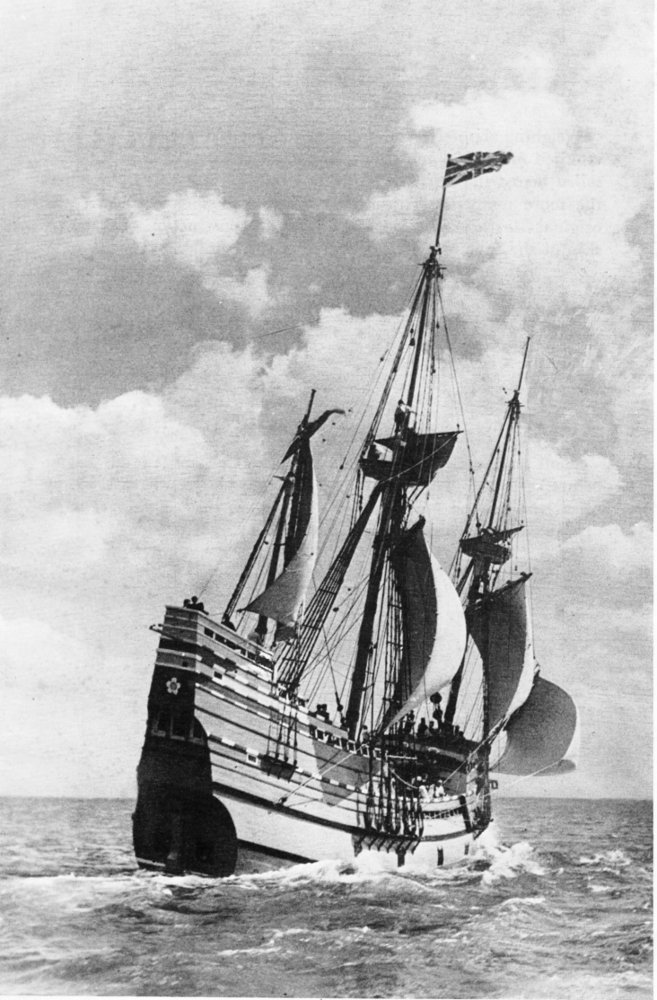
THE MAYFLOWER
Weighing about 180 tons, and only about 106 feet long, the overcrowded Mayflower must have had a rough voyage. The Pilgrims sailed across the north Atlantic to avoid pirates who frequented the more temperate latitudes. No one knows exactly what the original Mayflower looked like, but this reconstruction of a typical ship of the time and class is probably very similar.
99
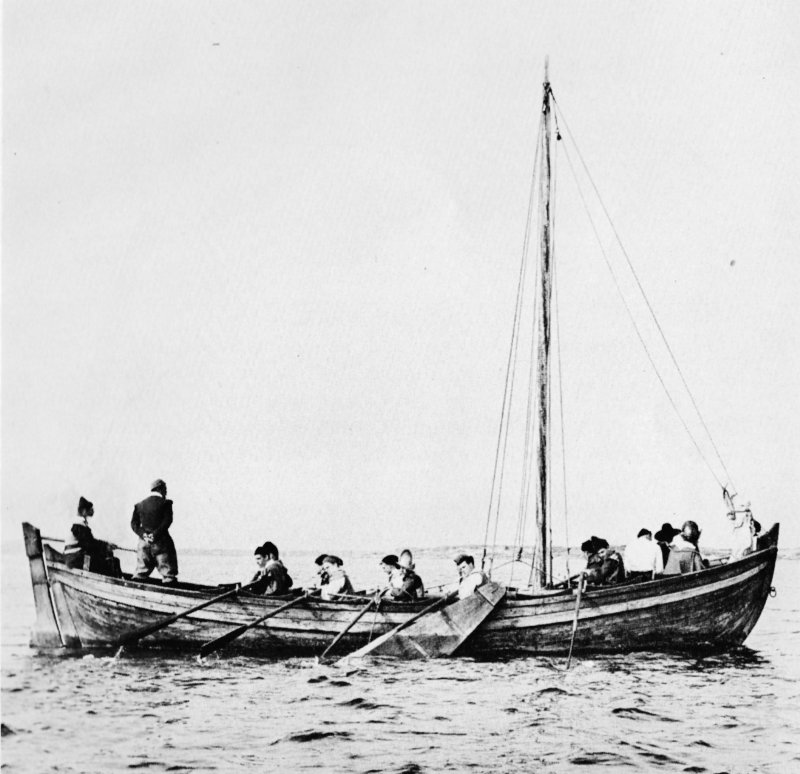
THE SHALLOP
Small groups of Pilgrims explored Cape Cod and Clark’s Island before selecting Plymouth as the site for their settlement. They plied between the Mayflower and the shore in a shallop, a large open boat which could be rowed and/or fitted with sails.
101
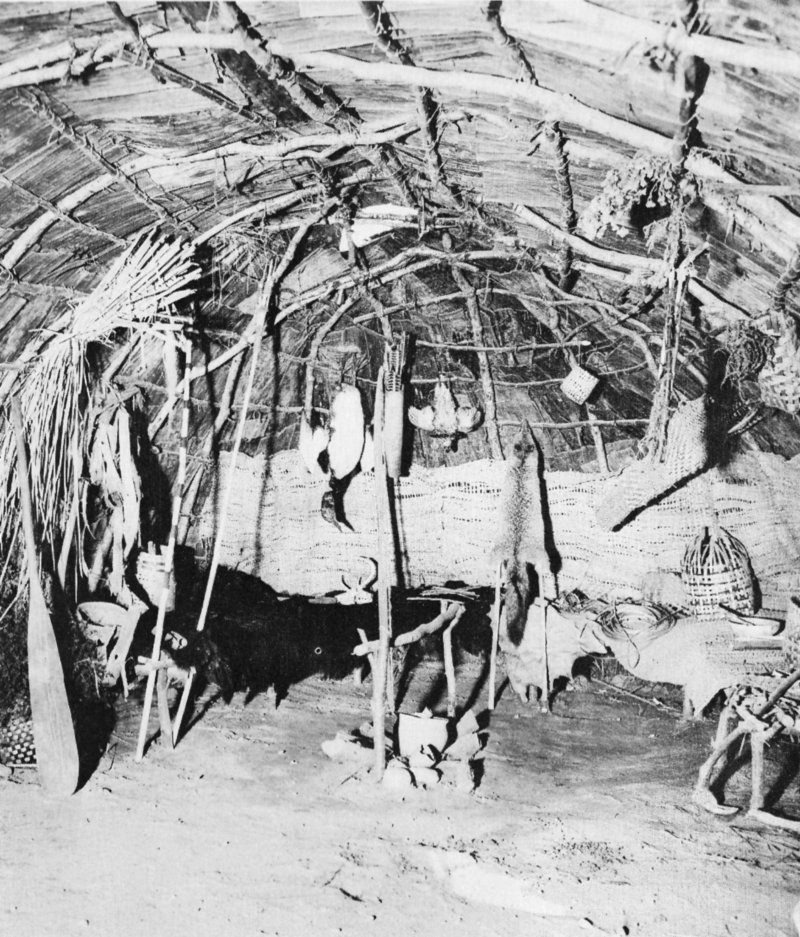
INDIAN WIGWAM
This reconstructed wigwam and its contents are like those encountered by the Pilgrims during their first explorations. The bark huts of their Algonquian Indian neighbors soon became familiar shelters to the Pilgrims, whose descriptive accounts allow us to understand much of the native way of life which fast disappeared in New England.
103
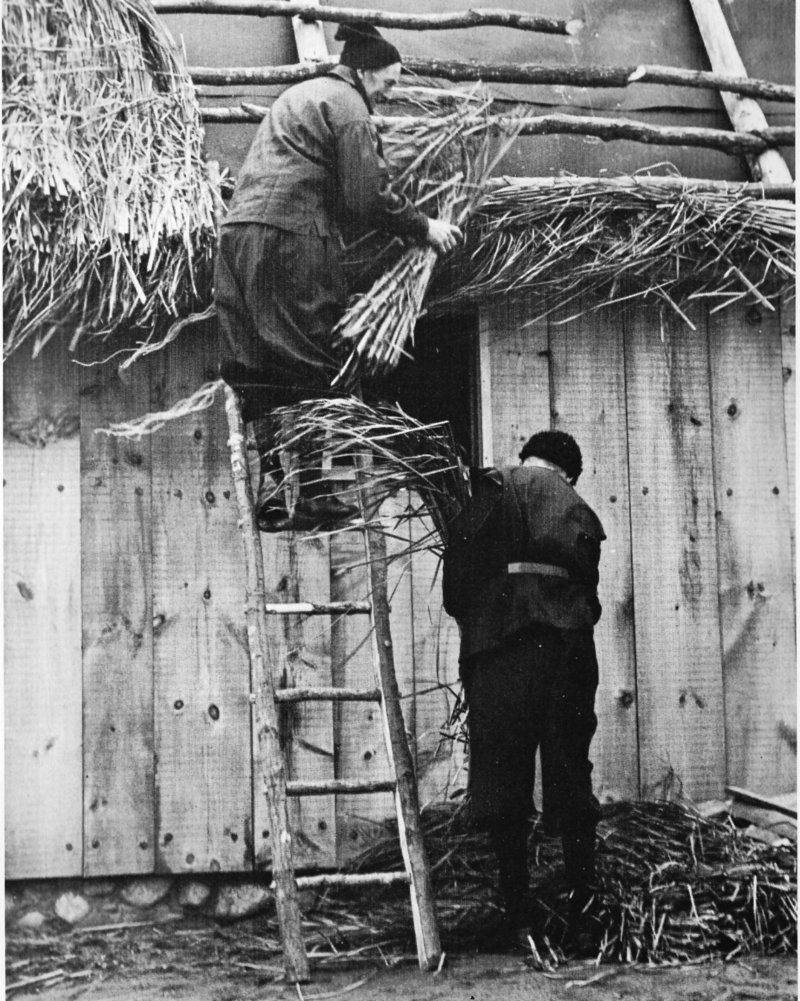
CONSTRUCTING A HOUSE AT PLYMOUTH
Members of the group early agreed that each family should build its own house, “... thinking by that course men would make more haste.” Roofs were thatched with bundles of rushes and grass, which provided a good watershed but could easily be fired by a spark from the chimney, as is graphically described in Mourt’s Relation.
105
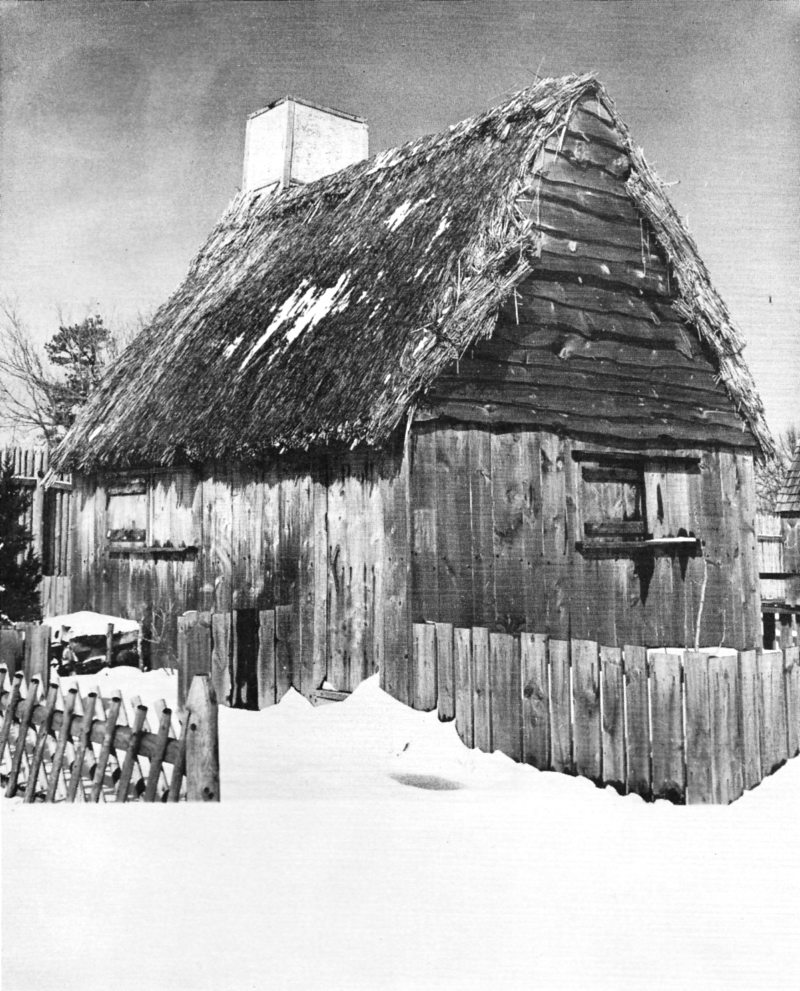
PILGRIM HOUSE IN WINTER
Pilgrim houses like this may have been almost as snug as log cabins which were unknown in America until several years later. Clapboards prepared by the Pilgrims also constituted a major portion of the first shipment which was sent back to the sponsoring “merchant adventurers” in England.
107
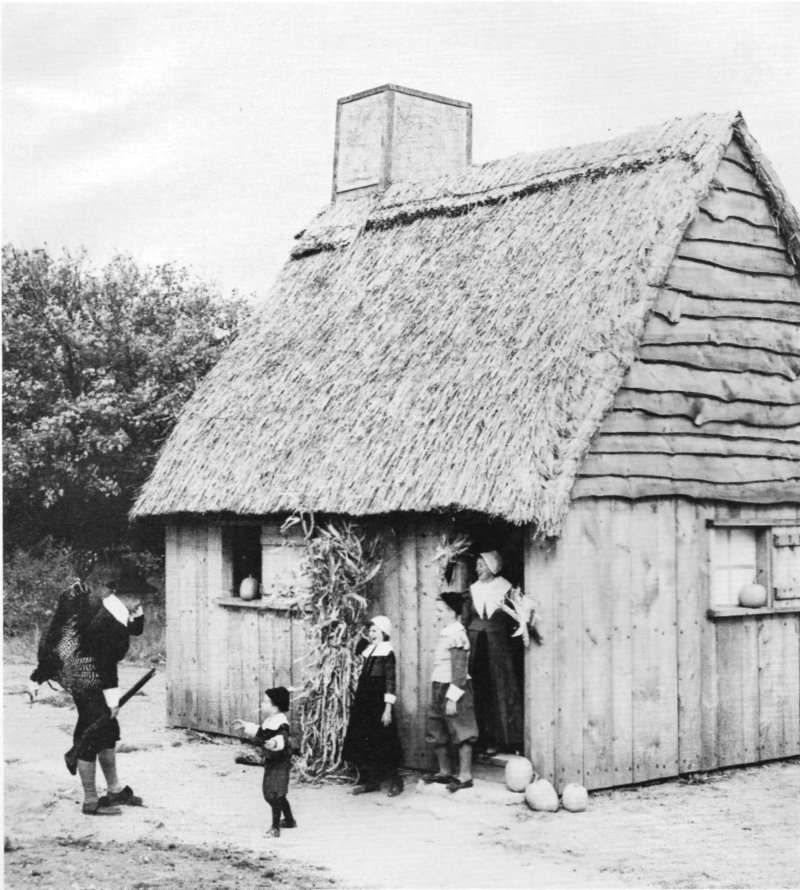
A PILGRIM FAMILY
Everyone had to work at securing food during the first difficult years in the new plantation. Corn, pumpkin, and turkey came to be major items in the diet of the Pilgrims after they learned their uses from the Indians.
109
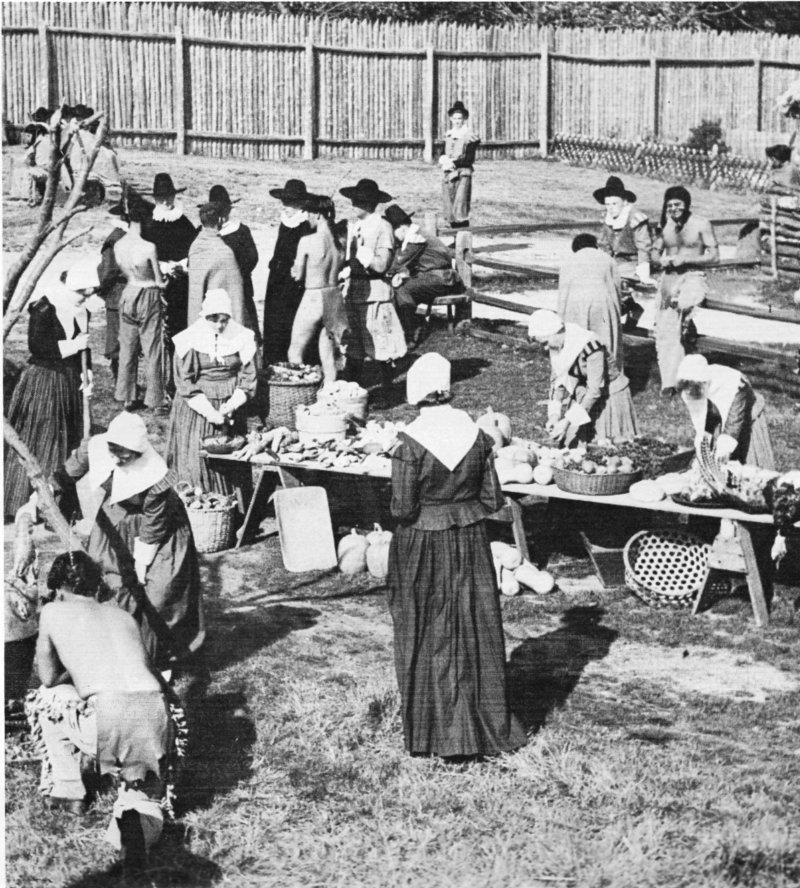
THE FIRST THANKSGIVING
It must have been a festive occasion when, “Our harvest being gotten in, our governor sent four men on fowling, that so we might after a special manner rejoice together, after we had gathered the fruit of our labors.” Massasoit and ninety other Indians were welcomed and contributed five deer to the three-day harvest festival.
111
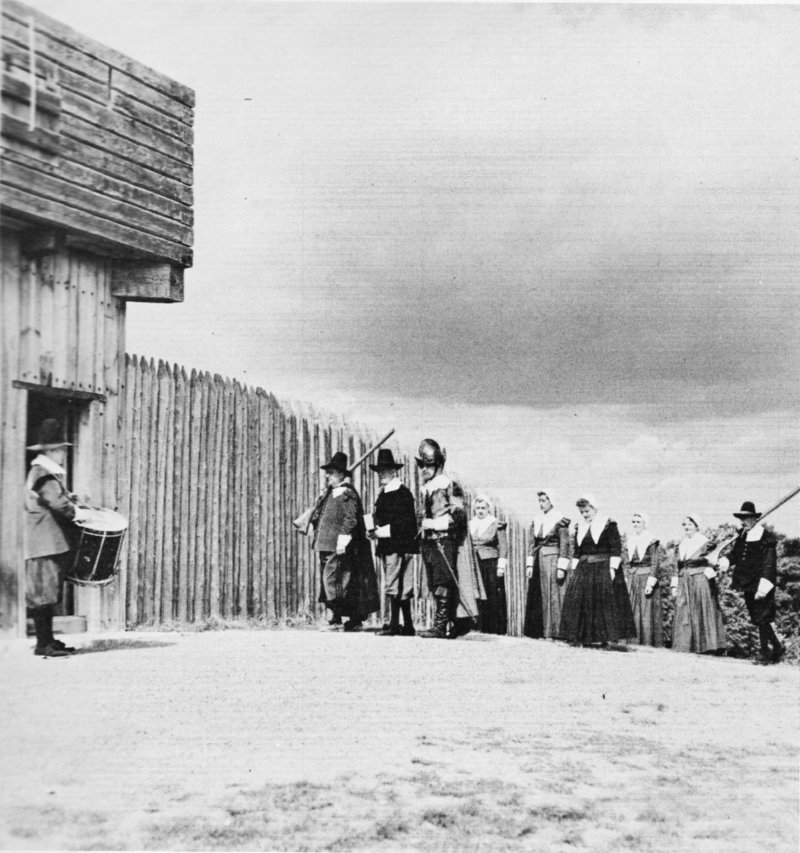
PILGRIMS GOING TO CHURCH
Most of the Pilgrims were Separatists who were opposed to the forms of the Church of England, but spent most of the sabbath in informal services combining social and religious activities. Fear of Indian attack made the first settlers cautious, so they rarely traveled unarmed, and in 1622-23 built a combined fort and meeting-house, although they were fortunate in enjoying warm relations with neighboring tribes for several years.
113
PHOTOGRAPHS FROM PLIMOTH PLANTATION
The preceding photographs illustrating modern reconstructions of things familiar to the Pilgrims were generously provided by Plimoth Plantation, in Plymouth, Massachusetts. The Plantation includes full-scale replicas of the Mayflower, the shallop, and the original settlement, much as they probably looked in 1627. During that year the first census was recorded and the herd which had been owned in common was divided. Records kept by administrators of the colony tell where the various houses were located, how much land was alloted to each household, and other relevant information. Historical research in such documents has been supplemented by archeological excavation to yield clues which allow plausible reconstruction. With such full-scale exhibitions, and through a continuing program of research and publication, this non-profit organization attempts to foster better public understanding of the adventure of the Pilgrims, which was first recounted in Mourt’s Relation.
115