79
Reading edition
Yesterday, To-day, and To-morrow
There is a candy shop near where I live. On its sign it says, “Made Fresh Every Hour.” History is being made every day. It is being made fresh almost every hour. The newsboy even now is calling outside of my window, “Extra! Extra!” Is it a new war? Is it a new discovery? If you had clipped head-lines from the papers since the World War, here are some of the things you might have pasted in your scrapbook.
TREATY OF PEACE SIGNED AT VERSAILLES
Nations Agree on Terms of Peace
The Mohammedan Turks in the East Are Again Threatening the Christian Nations of the West
THE IRISH FREE STATE ESTABLISHED
After Centuries of Struggle to Become Independent of England, Ireland at Last, with England’s Permission, Has Set Up a Government of Her Own
COLUMBUS OF THE AIR
Read, an American, Crosses Atlantic Ocean for First Time in an Airplane; Lands at the Azores and Then in Portugal; Several Others Soon Follow, and the Ocean Is Crossed a Number of Times
WOMEN CAN VOTE AT LAST
All Through the Ages Women Have Had Little or No “Say” in the Government; Now, for the First Time, They Can Vote in Our Country and in Most Other Civilized Countries
STRONG DRINK PROHIBITED
The Use of Wine and Strong Drink, Which Has Caused So Much Crime, Disease, Death and Unhappiness, Has Been Forbidden in the United States and Limited in Many Other Countries; in the Generations to Come, Men Will Probably Marvel That There Was Once a Time When People Drank Poison for Pleasure
From now on you will have to read your history in the daily papers.
Up to this time, history has been marked by the story of one war after another, some big, some small, some short, some long. Almost always a fight has been going on somewhere. It has been War, War, War; Fight, Fight, Fight. Children scratch, kick, and bite. But the older we get, the less do we use our fists and feet to settle quarrels. So fighting seems to be a sign of childhood—that we are “kids”—and our fights, that we call wars, a sign of how young the world really is and we really are; a sign that the world is still but a minute or two old.
Now, we admire and praise as heroes Horatius, Leonidas, Joan of Arc, and General Foch and those others who have defended their countries against the attacks of the enemy, as we would admire a man who shoots a burglar or a murderer that attacks his family in the night. But those, whether kings, generals, or princes, who do the attacking and take life with no other excuse than to add to their power or wealth or glory, are no better than burglars who go forth with a gun and a blackjack to waylay, rob, and murder for the same purpose. War kills, war destroys, war costs millions of lives and billions of dollars—money that could be used to make us happy, instead of causing bitterness, suffering, misery, and unhappiness; blind men and cripples, widows and orphans. No one is better off, not even the winner. It is a terrible game, in which even the winner loses. And yet in the long run who knows? It may be the only way the world can grow!
But this is certain: if wars do not end, they will be fought with something more deadly, more terrible than shot and shell. Sooner or later, some man of science will invent a disease more catching than the terrible plague, more deadly than the Black Death with which to attack the enemy. But if such a disease is let loose, once started it will spread from one being to the next till every one has caught it and died and no one will escape. Or he will invent a poison to poison the air we breathe that will spread like the wind or like wildfire in dry grass, and there will be no stopping it. The air that wraps the globe will be a sea of poison gas. Every thing that breathes will take only one breath, and every man, woman, and child, every beast of the field, every bird and flying thing will drop dead. Or he will invent something a million times more powerful than gunpowder or dynamite—something so explosive that when discovered by some Mr. Swartz it will blow him, his house, his town, his country, and the whole world to kingdom come—and that will be the end of this little spark off the sun.
Perhaps you have looked through a microscope at what seem to be wars between germs. As germs might look up at the eye of the microscope through which we watch their life-and-death struggles, and wonder what is up above on the other side looking down at them, so we may look up at the blue eye of heaven above us and wonder what all-seeing, all-knowing, all-powerful being up there is watching our own life-and-death struggles here below.
Our little world, which seems so immense to us, is really only a tiny speck, only one of countless other specks floating in space; it is like one of the tiny motes which you may see any time in a sunbeam that shines in at the window. Who has an eye so keen that he can count the moving motes in such a beam of light? Who would miss one such grain of dust if it should disappear? So this grain of dust we call the World and all of us who live upon it could vanish without ever being noticed!
This story ends here, but only for the present, for history is a continued story and will never end.
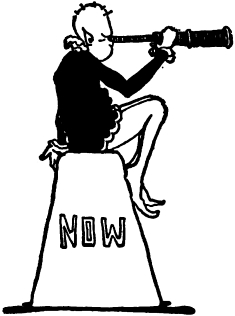
If you were living in the Year 10,000 A.D., as some boy will be, your history would only be just begun when you had reached where we are now. Even the World War would then seem as long ago as the fights of the Stone Age men seem to us. You might think of us and all the inventions we consider so wonderful as we think of the discovery of copper and bronze.
Will the history that is written in the Year 10,000 have any wars to tell about? If the wars on Earth cease, will there be wars with other worlds?
And if there are no more wars, what will history tell about? Will it be new inventions? What kinds? Will it be new discoveries? We know every corner of the world now. Will it be the inside of this world or other new worlds or a spiritual world?
Perhaps then people will no longer use trains, steamboats, automobiles, or even flying-machines, but go from place to place as on some magic carpet, simply by wishing. Perhaps then they will no longer use letters, telephones, or telegraphs, or even radio, but read each other’s thoughts at any distance.
And so on—World without end—Amen!
PRONOUNCING INDEX
This list of the most important names in the book tells you on what page you may find each name and how to sound those you may not know.
Sound a as in hat.
“ aw “ “ saw.
“ ah “ “ ah!
“ ee “ “ see.
“ e or eh “ “ get.
“ er “ “ her.
“ i or ih “ “ hit
“ igh “ “ right.
“ o “ “ hot.
“ oh “ “ oh!
“ ow “ “ how.
“ u or uh “ “ up.
“ ew “ “ few.
Aaron (air´ un), 262
Abednego (a bed´ nee go), 261
Abraham (ay´ bra ham), 49, etc.
Acropolis (a krop´ o lis), 145
Adolphus, Gustavus (a dolf´ us), 396
Æneas (ee nee´ as), 190 etc., 196
Æneid (ee nee´ id), 196
Æsop’s Fables (ee´ sop), 447
Africa, 169, 348, 352
Age of Discovery, 347
Age of Miracles, 454
Aix-la-chapelle (ayks - la - sha pell´), 258, 298
Alaric (al´ a rik), 224
Alcuin (al´ kwin), 259, 260
Alexander the Great, 159 to 168
Alexandria, 163, 164
Alfred the Great, 264 to 270
Allah (al´ ah), 244 to 247
Alps, 173, 429
America, 271, 346
Americus, 346
Angle-land, 223
Angles, 223 to 230
Anglo-Saxons, 223, 229
Anno Domini, 26
Antony (an´ to nih), 190 to 192
Aphrodite (af ro digh´ tih), 60
Apollo (a pol´ lo), 58 to 63
Arabesques (air a besks´), 252
Arabia, 242, 252 to 256
Arabian Nights, 442
Arabs, 244 to 256
Ares (ay´ reez), 58
Arch of Constantine, 216
Arch of Titus, 216
Aristides (air is tigh´ deez), 133, 134
Aristotle (air is tott´ ell), 160, 166
Artemis (ar´ tee mis), 58
Arthur, 234, 311
Aryans (ar´ yans), 23, 56, 220, 256
Asia, 162, 248
Assurbanipal (ass er ban´ ih pal), 97, 98, 164
Assyria (as seer´ ih ah), 42, 94 to 98
Astarte (ass tar´ tih), 76
Athene (a thee´ nih), 59, 60, 145 to 154
Athene Parthenos (par´ the nos), 194
Athenians, 83, 114, 140 to 145, 236
Athens, 60, 83, 114, 126, etc.
Attila (at´ tih lah), 225 to 227
Augustan Age, 196
Augustus, 195 to 197
Austria, Austrian, 396, 408, 409, 440, 462
Azores, 466
Aztecs (az´ tecks), 355 to 357
Baal (bay´ al), 76
Babylon (bab´ in lun), 98 to 103, 106 to 108
Babylonia, 43 to 48
Babylonians, 45 to 49, 75
Bach (bahk), 439
Bacon, Roger, 324
Bagdad, 243, 254, 262
Balboa (bal boh´ ah), 350, 351
Baltimore, 455, 456
Bastille (bas teel´), 421, 422
Beethoven, Louis (bay´ to ven), 441, 442
Belgium, 461
Bell, 457
Belshazzar (bel shaz´ zar), 108
Benedict and Benedictines (ben´ eh dickt), 237
Bethlehem, 197, 216
Bible, King James, 387
Bishop of Rome, 218
Bismarck, 450, 451, 461
Black Death, 328, 468
Black Sea, 21, 169, 444
Blondel (blon dell´), 300
Boleyn, Anne (bool´ in), 370
Bourbon (boor´ bun), 449
Brahma, Brahmanism, Brahmanists (brah´ mah), 111, 112
Britain, 186, 223, 229
British Museum, 33
Bronze Age, 19 to 22
Brutus, 121, 189, 190
Bucephalus (bew sef´ a lus), 160
Buddha, Buddhism, Buddhists (bood´ dah), 112, 113
Byron, 97
Byzantium (bi zan´ shi um), 217
Cabot (kab´ ut), 350, 379
Cadmus (kad´ mus), 74
Cæsar, Augustus (see´ zer), 193, 196
Cæsar, Julius, 184 to 192
Cairo (kigh´ ro), 38, 196
Canaan (kay´ nan), 50, 54, 55, 70
Canada, 350, 417
Canary Islands, 340
Canterbury Cathedral, 309
Cape of Good Hope, 348
Cape Horn, 351
Cape of Storms, 348
Carthage and Carthaginians (kar´ thij), 78, 170 to 176
Caspian Sea, 21
Cathay (ka thay´), 316 to 322, 328
Cathedral of Notre Dame (nohtr´ dam), 309
Cathedral of Rheims (rhance), 309
Cathedral of St. Peter, 201
Catherine, 406
Catholic, 365 to 371
Cave Man, Men, People, 12, 22, 66
Cavour (ka voor´), 452
Caxton, 334
Ceres (see´ reez), 61
Chaldea, Chaldeans (kal dee´ ah), 43, 49, 55
Châlons (sha lahng´), 226
Charge of the Light Brigade, The, 445
Charlemagne (sharl maign´), 257 to 263
Charles the Great, 257, 259, 264
Charles I, 390 to 393
Charles II, 393
Charles V. of Spain, 367 to 369
Charles XII, 404, 405
Charles the Hammer, 249, 250, 257
Cheops (k ee´ ops), 38, 39
China, 316, etc.
Christ, 197 to 202
Church of St. Peter, 258, 366
Cincinnatus (sin sin nah´ tus), 122
Circus Maximus, 195
Civil War, 446
Clavichord (klav´ ih kord), 438
Cleopatra (klee o pah´ tra), 30, 188, 192
Clermont (kler mont´), 456
Clisthenes (klis´ the neez), 116, 117 133
Clotilda (klo till´ dah), 233
Clovis (klo´ vis), 233, 234
Cologne Cathedral, 309
Colosseum (kol o see´ um), 195, 205
Columbia, 346
Columbus, Christopher, 337 to 345
Commodus (kom´ mo dus), 213, 214
Confucius (kon few´ shus), 113
Constantine, 215 to 218
Constantinople, 217, 228, 231, 232, 248, 335, 336
Corday, Charlotte (kor day´), 427
Cordova (kor´ do vah), 243, 254
Corinthian, 148, 149
Cornelia, 182, 183
Cornwallis, Lord, 418
Corsica, 428
Cortés (kor´ te), 356, 357
Crécy (kres´ sih), 327 to 329, 336
Crimea, Crimean War (krigh mee´ ah), 444, 445, 446
Crœsus (kree´ sus), 104 to 106
Cromwell, Oliver, 391 to 393
Crusades (kroo say´ dz), 297 to 299, 302, 303
Cuneiform (kee nee´ ih form), 45, 75, 97, 99
Cupid, 60
Cyrus (sigh´ rus), 104 to 109, 124
Czar (zahr), 190
da Gama, Vasco (day gah´ mah), 348 to 350
Damascus (da mas´ kus), 254
Danes, 265, 266
Dardanelles (dar da nellz´), 135
Dare, Virginia, 379
Darius (dah righ´ us), 124 to 127, 132
Dark Ages, 229, 231, 261
David, 70, 71
da Vinci, Leonardo (dah vin´ chih), 364
Declaration of Independence, 416, 417, 423
Declaration of Right, 394, 423
Defender of the Faith, 369
Delphi (dell´ figh), 63, 106, 139
Delphic Oracle, 63, 107
Demeter (dee mee´ ter), 61
Demosthenes (dee mos´ the neez), 157 to 159
De Soto, 354
Diana (digh an´ ah), 58
Divine Right of Kings, 386, 390, 398
Domesday Book, 290
Doric (dor´ ik), 148, 149
Draco (dray´ co), 114, 115
Dutch, Dutchman, Dutch Republic, 374
Edison, Thomas Alva, 457
Edward III, 327
Egypt and Egyptians, 22, 27, 28, 30 to 41, 188, 192, 430
Elba, 432, 449
El Dorado (el do rah´ do), 354, 355
Elizabeth Tudor, 372, 374 to 381
England, 186, 223, 264 to 268, 284, 312, etc.
Epicureans (ep ih kew ree´ ans), 236
Epicurus (ep ih kew´ rus), 213
Episcopalians, 304, 365
Eternal City, The, 195
Etruscans (ee trus´ kans), 121, 122
Euphrates River (ew fray´ tees), 21, 22, 26, 42, 100, 106
Excalibur (eks kal´ ih ber), 234
Exodus, 54
Fairfax, Lord, 416
Fates, 61
Father of his Country—Peter the Great, 402
Washington, 419
Ferdinand, King, 338, 344, 367
Feudal System (few´ dal), 273, 277
Florida, 354
Foch, General (fush), 461, 467
Forum of Rome, 195, 206, 216
France, 224, 297, 395, etc.
Franco-Prussian War (frang´ ko-prush´ an), 451, 461
Franklin, Benjamin, 414, 417
Franks, 224, 233
Frederick Barbarossa (bar bah ross´ ah), 297, 298
Frederick the Great, 407 to 410
French Assembly, 452
French Revolution, 420, 422, 429
Freya (fray´ ah), 222
Fulton, Robert, 456
Gabriel (gay´ brih ell), 244
Gargoyles (gar´ goilz), 308
Garibaldi (gar ih ball´ dih), 452
Gaul (gawl), 169, 186, 223
Gautama (gaw´ tah mah), 111 to 113
Genghis Khan (jen´ gis kahn), 316, 317, 402
Genoa (jen´ oh ah), 337
George II, 412
George III, 413 to 418
German, 297, 366, 407, 451, 460
Gipsies, 24, 26
Gladiators (gla dih ay´ tors), 181
Godfrey, 296
Goddess of Reason, 426
Golden Age, 19, 97, 143, 150
Goliath (go ligh´ eth), 70
Gordian Knot (gor´ dih an), 163
Goshen (go´ shen), 51
Goths (gahths), 224
Gracchi (grack´ igh), 183
Graces, 61
Grand Monarch (Louis XIV), 398
Great Fire, 394
Great War, 309
Greece, 56, etc., 64, etc., 124, etc.
Greene, General, 418
Greenland, 271
Guido (gwee´ doh), 437
Gutenberg (goo´ ten berg), 334
Guy, 437
Hamites (ham´ ights), 23, 26, 28, 56
Hamlet, 383
Hammurabi (hah mew rah´ bee), 48
Handel, 437 to 440
Hannibal, 173, 174, 175, 182, 395
Harold, 286, 287
Haroun-al-Rashid (hah roon´ al rah´ shid), 262, 263, 267
Hastings, Battle of, 289
Hathaway, Anne, 381
Hanging Gardens, 101, 108
Hegira (he jigh´ rah), 244 to 249
Hellas (hell´ as), 56
Hellen, 56
Helen, 65 to 67, 79
Helena, 216
Hellenes, 56
Hellespont (hell´ ess pont), 135, 162
Henry VIII, 369 to 372
Hephæstus (he fess´ tus), 58
Hera (hee´ rah), 57
Hercules (her´ kew leez), 214
Hermes (her´ meez), 58
Herodotus (he rod´ o tus), 149, 150, 157
Hieroglyphics (high´ er o gliff icks), 30, 33
Hiram, 76
Holland, 464, 374, 403
Holy City, Holy Land, 293, 296
Homer, 68, 69, 79, 89
Horace, 196
Horatius (ho ray´ shus), 121, 467
Horus (hoh´ rus), 34
Hundred Years’ War, 327 to 329, 335
Huns, 225 to 227
Iceland, 271
Iliad (ill´ ih ad), 67
Incas (in´ kas), 357
India, 109, etc., 165, 387
Indians, 109, 343
Indo-Europeans, 23
Inquisition, 373
Invincible Armada (ar mah´ dah), 375
Ionic (igh on´ ick), 148, 149
Ireland, 465
Irish Free State, 465
Iron Age, 19 to 22, 64, 66
Ironsides, 391
Isabelle, Queen, 339, 367
Isis (igh´ sis), 34
Islam (iss´ lam), 245 to 250
Israel (iz´ rah ell), 50, 51
Israelites (iz´ rah ell ights), 302
Italy, 89, etc., 173, 452
Jacob, 50
James I, 380, 385 to 387, 390, 412, 430
Jamestown, 413
Japan, 112, 445, 446
Jefferson Thomas, 416
Jerusalem, 70, etc., 205, 292, etc.
Jesus, 197, 363
Joan of Arc (jone of ark), 330 to 332, 467
John, King, 311 to 314, 390
Joseph, 50, 51
Juno, 57, 65, 211
Jupiter, 57, 61
Justinian (jus tin´ i an), 231 to 233, 336
Kaiser (kigh’ zer), 190
Knights of the Round Table, 235
Koran (koh´ ran), 245, 252
Kublai Khan (koo´ bli kahn), 318 to 320
Laconia (lah koh´ ni a), 82
Laconic (lah kon´ ik), 82
Lady of the Lamp, 445
Lafayette (la fay et´), 417, 442
Laocoon (lay ock´ oh on), 66
Last Supper, The, 364
Lavinia, 90
Lebanon, 72, 78
Leif Ericson (leef ehr´ ick son), 271
Leningrad (len´ in grad), 405
Leo I (lee´ oh), 226
Leonidas, 137 to 140
Lictor (lick´ tor), 121
Lincoln, President Abraham, 447, 448
Lion of the North, 396
Louis I (loo´ ih), 302, 395
Louis XIII, 395, 397
Louis XIV, 395, etc.
Louis XVI, 420
Lucy, Sir Thomas, 381
Luther, 366, 367
Lycurgus (ligh ker´ gus), 79 to 82
Lydia (lid´ i ah), 104 to 106
Macedonia (mass ee doh´ ni ah) 156, etc.
Madman of the North, 405
Magi (may´ jigh), 104
Magellan (ma jell´ an), 351, 352
Magna Carta (mag´ nah kar´ tah), 313, 34
Marathon, 127 to 130
Marco Polo (mar´ koh po´ loh), 318, 337, 338
Marconi (mar koh´ nih), 458
Marcus Aurelius (mar´ kus ah ree´ li us), 211, 213, 220
Maria Theresa (ma righ a te ree´ sah), 408 to 409
Marie Antoinette (mah ree´ an toah net´), 321 to 423
Marne, 461
Mars, 58, 61, 222
Marseillaise (mar say ly ayz´), 425
Masks, 145
Massachusetts, 388
Mayflower, 388
Mazda, 104
Mecca (mek´ ah), 243 to 246, 248
Medes (meeds), 98, 103, 104
Media (mee´ di ah), 100
Medina (meh dee´ nah), 243, 244
Meditations, 212
Mediterranean Sea, 21, 22
Menelaus (men ee lay´ us), 65, 66
Menes (men eez), 28
Merchant of Venice, The, 383
Mercury, 58, 61
Merry Monarch (Charles II), 393
Mesopotamia (mes o po tay´ mi ah), 21, 42, 44, 95
Messiah, The (oratorio), 439
Methodists, 304, 365
Mexico, 355 to 357
Michelangelo (migh kell an jee loh), 360 to 366
Middle Ages, 304, 335, 336
Miltiades (mill tigh´ a deez), 128
Minerva, 59, 60, 65
Mississippi, 355
Mohammed (mo ham´ ed), 242 to 245, 247
Mohammedans, 245, etc.
Moloch (moh´ lock), 76
Mona Lisa (moh’ nah lee’ zah), 364
Mongols (mon´ golz), 316, 402
Montezuma (mon tee zoo´ mah), 356
Morse, 456
Moscow (mos´ koh), 405, 432
Moses, 52, 154, 360
Moslems, 247 to 257
Mount Ararat (ar´ a rat), 43, 321
Mount of Olives, 216
Mount Olympus (o lim´ pus), 57, 64
Mount Parnassus (par nas´ us), 62
Mount Sinai (sigh´ nigh), 54
Mozart (mo´ tzart), 440 to 442
Muezzin (moo ez´ in), 246
Muses (mewz´ ez), 61
Napoleon Bonaparte (na poh´ le on bon´ na part), 428 to 434
Napoleon, Louis, 449
Napoleon III, 449
National Assembly, 422, 423, 424
Nebuchadnezzar (neb oo kad nez´ ar), 99 to 103, 261
Nelson, Lord, 430, 431
Neptune, 57, 61
Nero, 203 to 205, 211
New Forest, 290
Nightingale, Florence, 444, 445
Nicæa (nigh see´ ah), 217
Nicene Creed (nigh´ seen), 218
Nile, 22, 27, 28
Niña (nee´ nah), 340
Nineveh (nin´ eh veh), 94 to 100, 168
Noah’s Ark, 48, 321
Normandy, 286, 287
Normans, 286, 288
Norsemen, 270, 284, 286, 357
North America, 340 to 344, 350
Notre Dame (nohtr dam), 309, 426
Oberammergau (oh ber am´ er gow), 397
Octavius (ock tay´ vi us), 192, 193
Odysseus (o dis´e us), 68, 90
Odyssey (od´ ih sih), 68
Olympia (o lim´ pi ah), 84, 85, 101, 147
Olympiad (o lim´ pi ad), 87, 89
Olympic games, 86 to 88
Orpheus (or´ fe us), 436
Omar (oh´ mar), 247, 248
Osiris (o sigh´ ris), 34
Ostracism (os´ tra sism), 117, 118
Oxford, 267
Palestine (pal´ es tighm), 216
Palestrina (pah les tree´ nah), 337, 442
Palos, 340
Pan, 436
Pantheon (pan’ the on), 194
Pariah (pay’ rih a), 110
Paris (the city), 234
Paris (the man), 65
Parliament, 386, etc.
Parthenon (pahr the non), 145 to 148, 194
Pass of Thermopylæ (ther mop’ ih lee), 140
Passion Play, 397
Peking, 318
Peloponnesian War (pellv oh poh nee´ shan), 153, 156
Peloponnesus (pell oh poh neev sus), 152
Pericles, Age of (per´ i klees), 144, 147, 149, 150
Perry, Commodore, 446
Pershing, General, 464
Persia, 124, etc.
Persian Bible, 104
Persian Gulf, 21, 22
Peru, 359
Peter the Great, 402 to 406
Peter the Hermit, 293, 295
Petrograd, 405
Pharaoh (fay´ roh), 33, 39, 52
Pharos (fay´ ros), 164
Pheidippides (figh dip´ ih dees), 127, 129
Phenicia (fee nish´ ih a), 95
Phenicians (fee nish´ ans), 74 to 78, 170, 171
Phidias (fid´ ih as), 146, 147, 154, 359
Philip, 156 to 159
Philip II, 369, 373 to 375
Philip of France, 297 to 299
Philippics (fih lip´ icks), 158
Philippine Islands, 352
Pilate, 198, 199
Pillars of Hercules, 77
Pinta (pin´ ta), 340
Pisistratus (pi sis´ tra tus), 115, 116
Pizarro (pi zair´ oh), 357
Plato, 161, 166, 211
Pluto, 61
Polo, 318 to 320
Pompeii (pom pay´ yee), 207, 208
Pompey (pom´ pih), 186 to 188
Ponce de León (pon thee dee lee´ on), 354
Portugal, 338, 339, 350, 351, 466
Portuguese (por´ chew geese´), 348
Poseidon (poh sigh´ don), 57
Priam (prigh´ am), 65
Primitive Men, 13, 93
Primitive People, 16, 17
Protector, 393
Protestants, 368, 372, 373, 374, 395 to 397
Protestantism, 373
Prussia, 407 to 409, 431, 450, 451
Prussians, 450
Ptolemy I (tol’ ih mih), 167
Punic War (pew´ nick), 171, 172, 175, 182
Raleigh, Sir Walter, 378, 379, 380
Rameses (ram´ ih sees), 23, 52, 53
Raphael (raff´ ay ell), 362 to 366
Red Sea, 21, 54, 301
Red Shirt, Hero of, 452
Reformation (reff or may´ shun), 368
Reign of Terror, 425, 427
Remus (ree´ mus), 90, 91, 196
Renaissance (ren ay sahns´), 359, 360, 453
Revolution, 428
Richard of England (Richard the Lion-hearted), 297 to 301, 311
Richelieu (rish´ ih lew), 395, 397
Roanoke (roh´ a nohke), 379, 387
Robespierre (rob´ bes pyer), 425, 427
Robin Hood, 301
Rollo, 284, 286
Roma, 92
Roman Aqueduct (ack´ we duct), 179
Roman Catholics, 368
Roman Senate, 186, 189, 216
Rome, 89, etc.
Romeo and Juliet, 383
Romulus (rom´ yew lus), 90, 92, 93, 196
Romulus Augustulus (a gus´ tew lus), 228
Rosetta Stone (roh zet´ a), 32, 33
Roxana (rocks an´ a), 167
Rubicon (rew´ bih kon), 187
Runnymede (run´ ih meed), 313
Russia, 402 to 406
Sabines (say´ bighns), 92
Sahara (sa hah´ rah), 28
St. Helena (hell´ ee nah), 217, 434
St. John, 437
St. Louis, 302
St. Paul, 201 to 203
St. Peter, 201, 203, 217, 218
St. Petersburg, 405
St. Simeon Stylites (sim´ ee on stigh ligh´ tees), 236
Saladin, 300
Salamis, Bay of (sal´ ah mis), 140, 141, 151
Samuel, 55
San Salvador, 343
Santa Maria, 340
Santa Sophia, 232, 336
Saracens (sair´ ah sens), 248, 249
Saracenic Empire (sair ah sen´ ick), 243
Saratoga, 417, 418
Sargon I (sahr´ gon), 48
Saturn, 222
Saul, King, 55, 70
Saul (Paul), apostle, 200
Saxons, 223
Schwarz, 325
Scipio (sip´ ih oh), 175, 182
Scotland, 374 to 376, 385
Scots, 385
Semites (sem´ ights), 23, 52, 56, 76
Seneca (sen´ e kah), 203
Sennacherib (se nack´ e rib), 96, 97
Serbia, 460, 461
Seven-League Boots, 89
Seven Wonders of the World, 101, 147, 164
Seven Years’ War, 410, 417
Shakspere, William, 190, 380 to 383
Sheba, 72
Sicily, 170
Sidon (sigh´ don), 77
Sistine Chapel (sis´ teen), 361, 362
Sistine Madonna, 363, 364
Slavs, 402
Smith, Captain John, 388
Snow King, 396
Socrates (sock´ ray tees), 153 to 155, 161
Solomon, 71 to 73, 76, 101, 103, 104
Solon (soh´ lon), 115, 116
South Sea, 350, 351
Spain, 169, 339, etc.
Spanish Armada, 375, 376
Sparta, 79, 82, 83, 126 to 129, 134, 151, 152, 153
Sphinx, 39
Stephen, 301
Stephenson, 200
Stoic (stoh´ ick), 210 to 213, 236
Stone Age, The, 11, 14, 17
Strait of Gibraltar, 77, 248
Straits of Magellan, 351
Stratford, 381, 383
Stuarts, 385, etc.
Sweden, 396, 404
Tarquin (tahr´ kwin), 119 to 121, 189
Tartars (tah´ tahr), 316, 317
Ten Commandments, 54, 55, 113
Tennyson, Lord, 235, 445
Terrorists, 426
Teutons, 220 to 236
Thames River (temz), 289, 313
Themistocles (thee mis´ to klees), 133, 134, 140 to 142
Thermopylae (ther mop´ ih lee), 137, 140
Thirty Years’ War, 395, 396, 397
Thor, 222, 230, 233
Tiber River, 90, 91
Tigris River (tigh gris), 21, 22
Titus (tigh´ tus), 206 to 208
Tiu (tih´ ew), 222
Toledo, 254
Tours (toor), 243, 249, 250, 257
Tower of Babel (bay´ bel), 44, 45, 108
Tower of London, 289, 380
Trafalgar (trah fal´ gar), 431
Travels of Marco Polo, 320, 338
Treaty of Westphalia (west fay´ lia), 396
Trojan War, 64, 67, 234
Trojans, 66, 67
Troy, 65 to 67, 90, 104
Tudors, 385, 386
Turkish, 336
Turks, 293, 335, 465
Tu-tank-amen (too tank a´ men), 36
Twenty-third Psalm, 71
Tyre (tihr), 77, 170
Ultima Thule (ul´ tih mah thew lee), 20
Ulysses (yew liss´ ees), 68
United States, 413, etc.
Ur (er), 49, 55
Urban (er´ ban), 293
Valhalla (val hal´ lah), 222
Vandals (van´ dalz), 223, 224
Venetians, 318
Venice, 318, 319
Venus, 60, 61, 65, 154
Vergil, 90, 196
Versailles (ver´ sah´ ye), 399, 423, 451, 465
Vesta, 61
Vesuvius (vee soo’ vihus), 207, 208
Victor Emmanuel, 452
Victoria, 352, 443
Victorian Age, 443
Vikings, 270, 271
Vineland, 271
Virgin Queen, 374, 379
Virginia, 379, 387
Vulcan, 58, 60, 207
Wagner (vahg’ ner), 441, 442
Walter the Penniless, 295
Washington, George, 412, 415 to 419, 422
Waterloo (waw ter lew´), 433
Watt, James, 455, 456
Wellington, 434
Western Empire, 231
Westminster Abbey, 439
William the Conqueror, 286, 290
William and Mary, 394
William of Prussia, King, 450, 451, 461
William the Silent, 374
Wise Men of the East, 161
Wise Men of Greece, 161
Woden (woh´ den), 221, 222
World War, 465, 469
Worms (vohrms), 367
Wright, 458
Xantippe (zan tip´ e), 154
Xerxes (zerks´ eez), 132, etc., 140 to 143.
Yorktown, 418
Zama (zay´ mah), 175
Zeno (zee´ noh), 211, 212, 213
Zeus (zews), 57, 84
Zoroaster (zoh roh as´ ter), 103, 104