Note Note 18 — § 1 THE "SPECIAL" THEORY OF RELATIVITY AS A STEPPING STONE TO THE "GENERAL" THEORY OF RELATIVITY
Henry L. (Henry Leopold) Brose translation
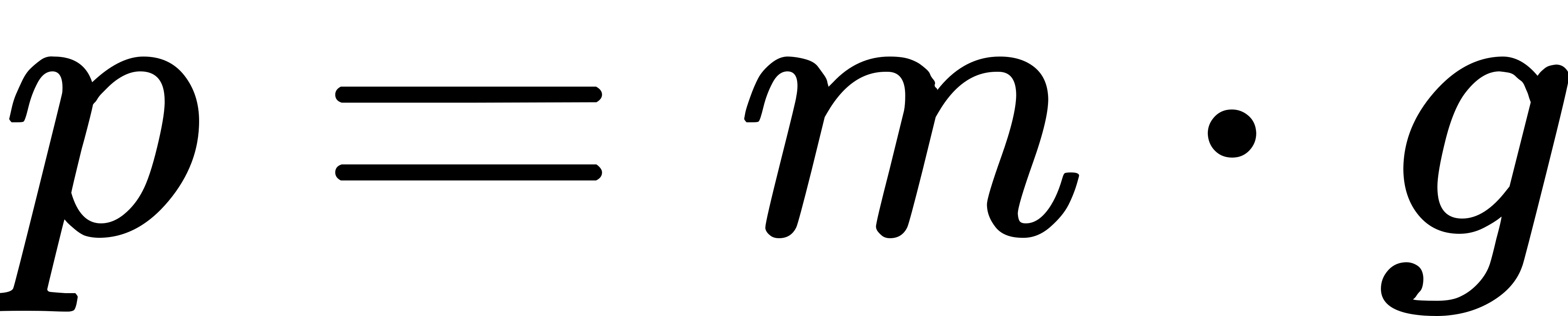
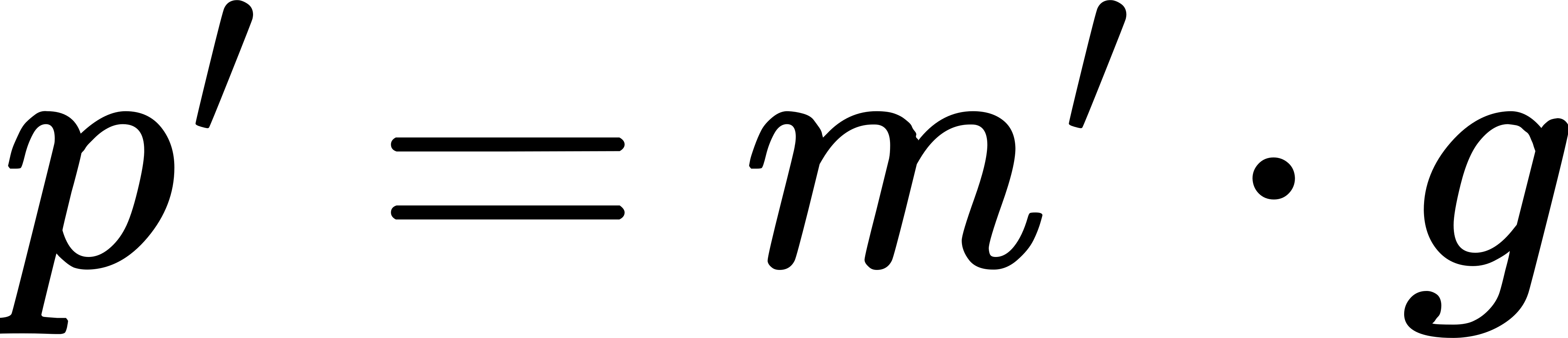
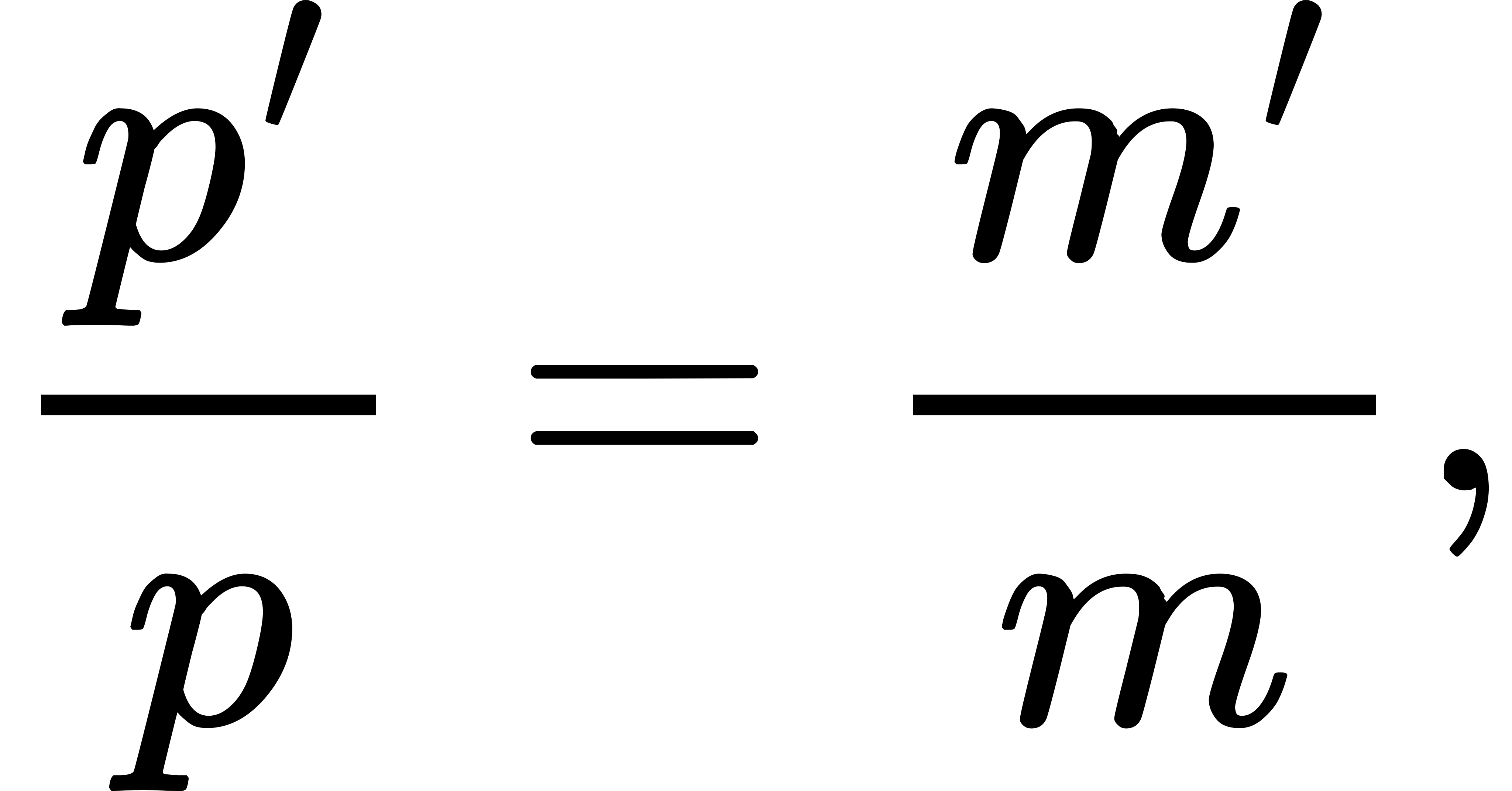
(p. 40). The determination of the inertial mass of a body by measuring its weight is rendered possible only by the experimental fact that all bodies fall with equal acceleration in the gravitational field at the earth's surface. If and ' denote the pressures of two bodies upon the same support (i.e. their respective weights), and denote the acceleration due to the earth's gravitational field at the point in question, then dynes and dynes, respectively, where and ' are the factors of proportionality, and are called the masses of the two bodies, respectively. As has the same value in both equations, we have and we can accordingly measure the masses of two bodies at the same place, by determining their weights.