Note Note 3 — § 1 THE "SPECIAL" THEORY OF RELATIVITY AS A STEPPING STONE TO THE "GENERAL" THEORY OF RELATIVITY
Henry L. (Henry Leopold) Brose translation
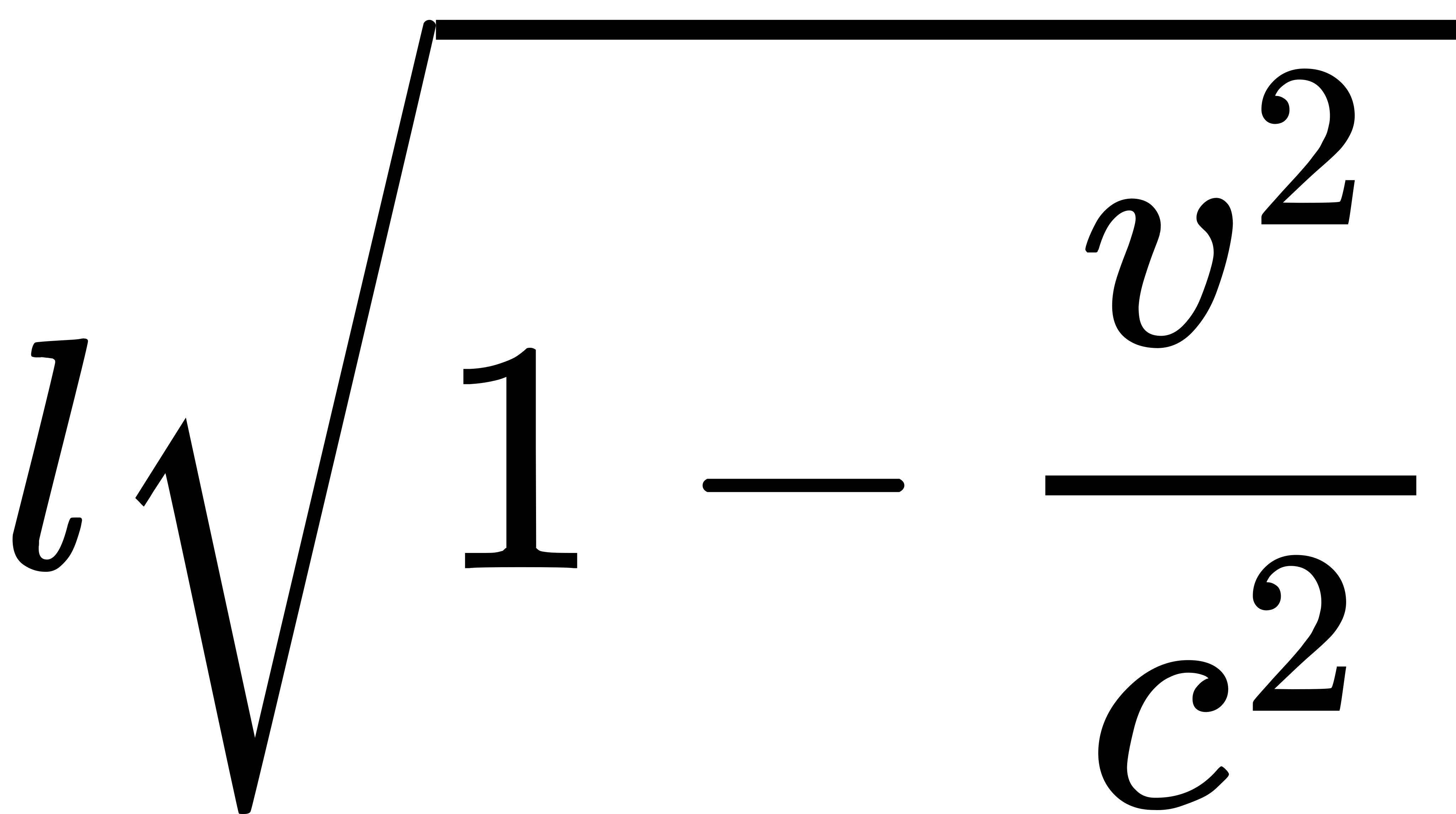
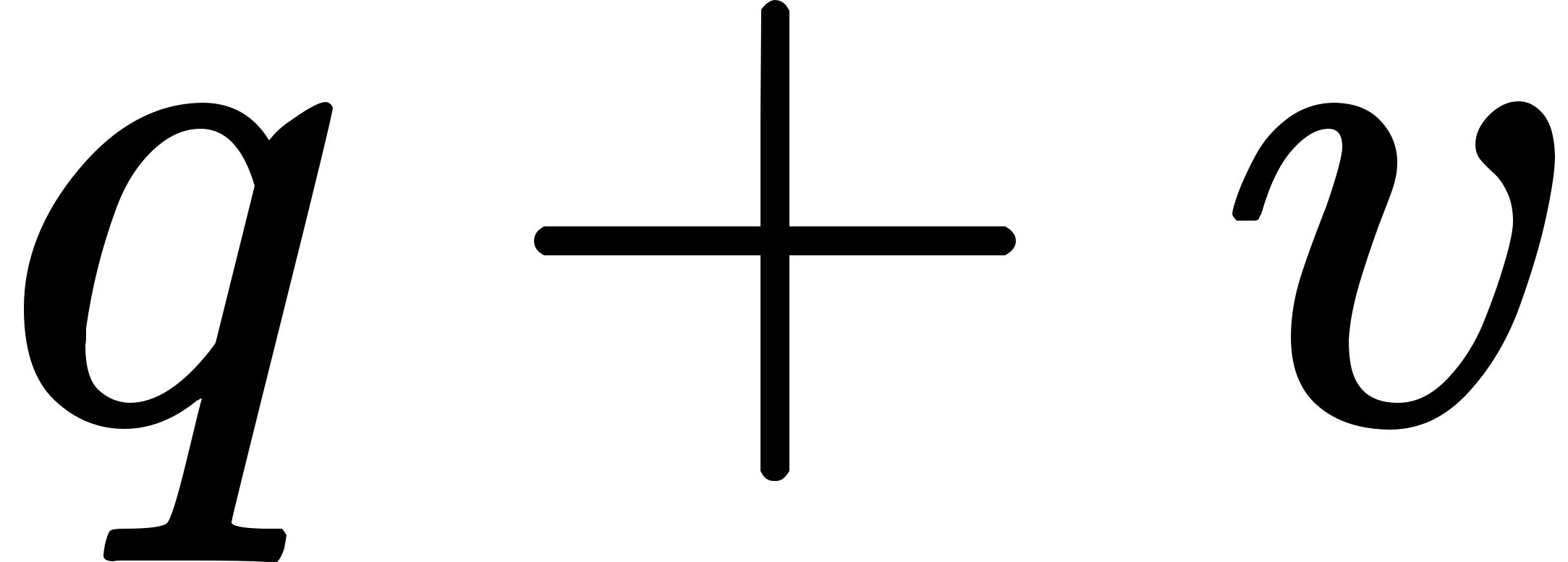
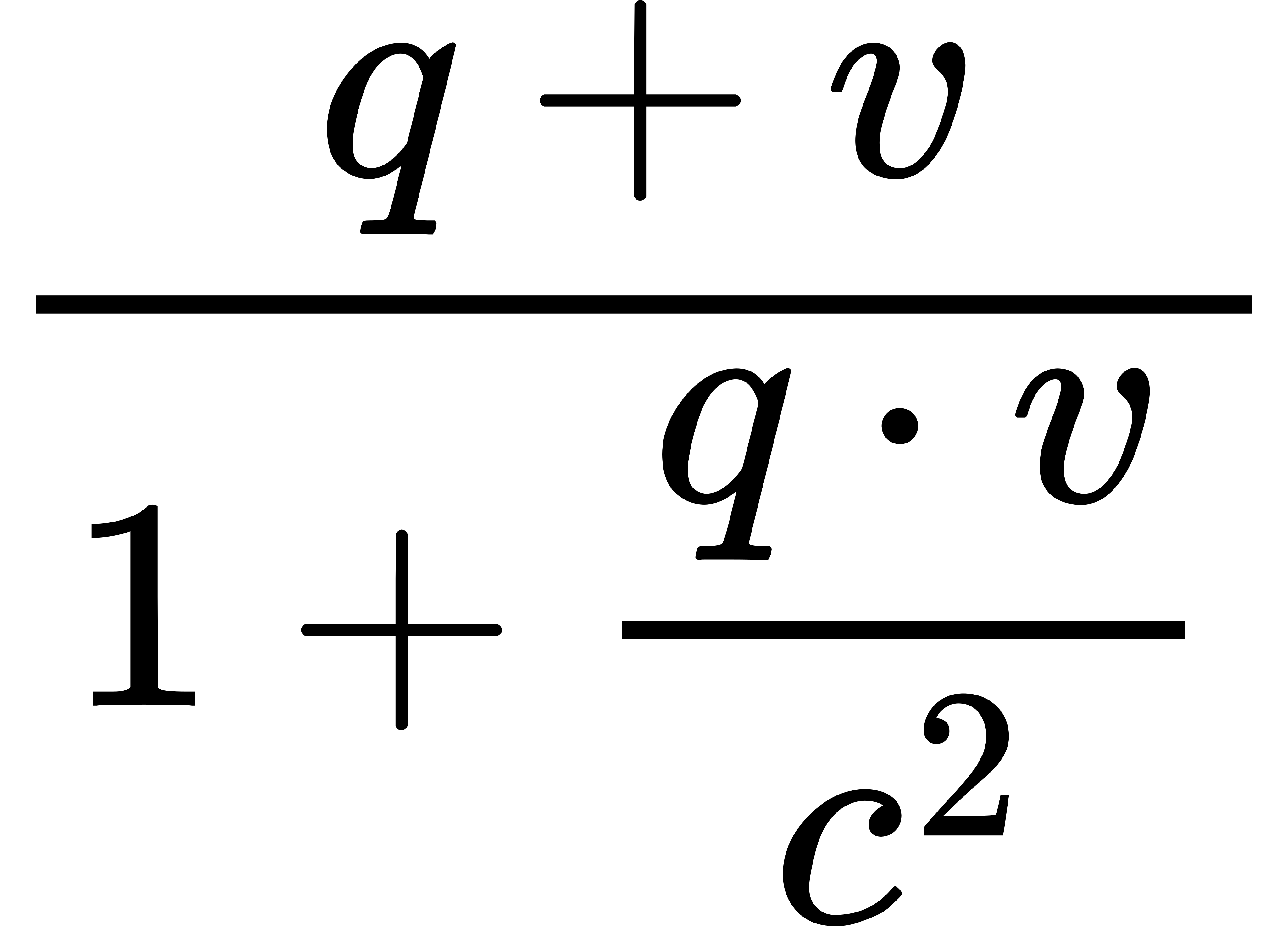
(p. 9). Abolishing the transformations of Newton's principle of relativity and replacing them by the so-called Lorentz-Einstein transformations signified a step of extraordinarily far-reaching consequence. It was justified in that the new theory of relativity which followed as a result of it, confirmed, without difficulty, the results of all the fundamental experiments of optics and electrodynamics. Concerning the Michelson-Morley experiment, Lorentz, to account for its negative result within the realm of electrodynamics, had been compelled to set up the hypothesis that the dimensions of all bodies contract in the direction of their motion. But Einstein now showed that if we define the conception of simultaneity rigorously, taking into account the postulate of the constancy of the velocity of light, the Lorentz-transformations, which had been found empirically, followed necessarily as those equations of transformation that must hold between the co-ordinates of two systems moving uniformly and rectilinearly with respect to each other. And without the help of any further hypothesis there appears as a direct consequence of this transformation just that contraction of lengths which Lorentz had adduced to explain the result of the Michelson-Morley experiment. This contraction of a length in the direction of motion of an object to the value is, however, in the new theory the expression of the general fact that the dimensions of a body have only a relative meaning, that is, that their values depend on the state of motion of the observer, which determines the dimensions of the body in question. This holds for the extension of bodies in time as well as in space. From the point of view of the new principle of relativity the negative result of the Michelson-Morley experiment was self-explained. But what was the position with regard to the other fundamental facts of optics and electrodynamics? The result of Fizeau's experiment concerning the velocity of light in flowing water became a direct test of the kinematics arising out of the new formulæ. According to the Lorentz transformation the two velocities, and with which, for example, two locomotives approach each other, do not merely become added, so that would be the relative velocity of each with respect to the other, but rather each engine-driver will find as the velocity with which he passes the other driver, the value according to the new formulæ. This is the addition theorem of velocities according to the new theory. It gives us immediately the amount observed in Fizeau's experiment for the velocity of light in flowing water. Aberration and the Doppler effect follow just as readily to the correct amount. A detailed discussion of these questions is to be found in every account of the "special" theory of relativity (cf. the references given in Note 2).