Note Note 1 — § 1 THE "SPECIAL" THEORY OF RELATIVITY AS A STEPPING STONE TO THE "GENERAL" THEORY OF RELATIVITY
Henry L. (Henry Leopold) Brose translation
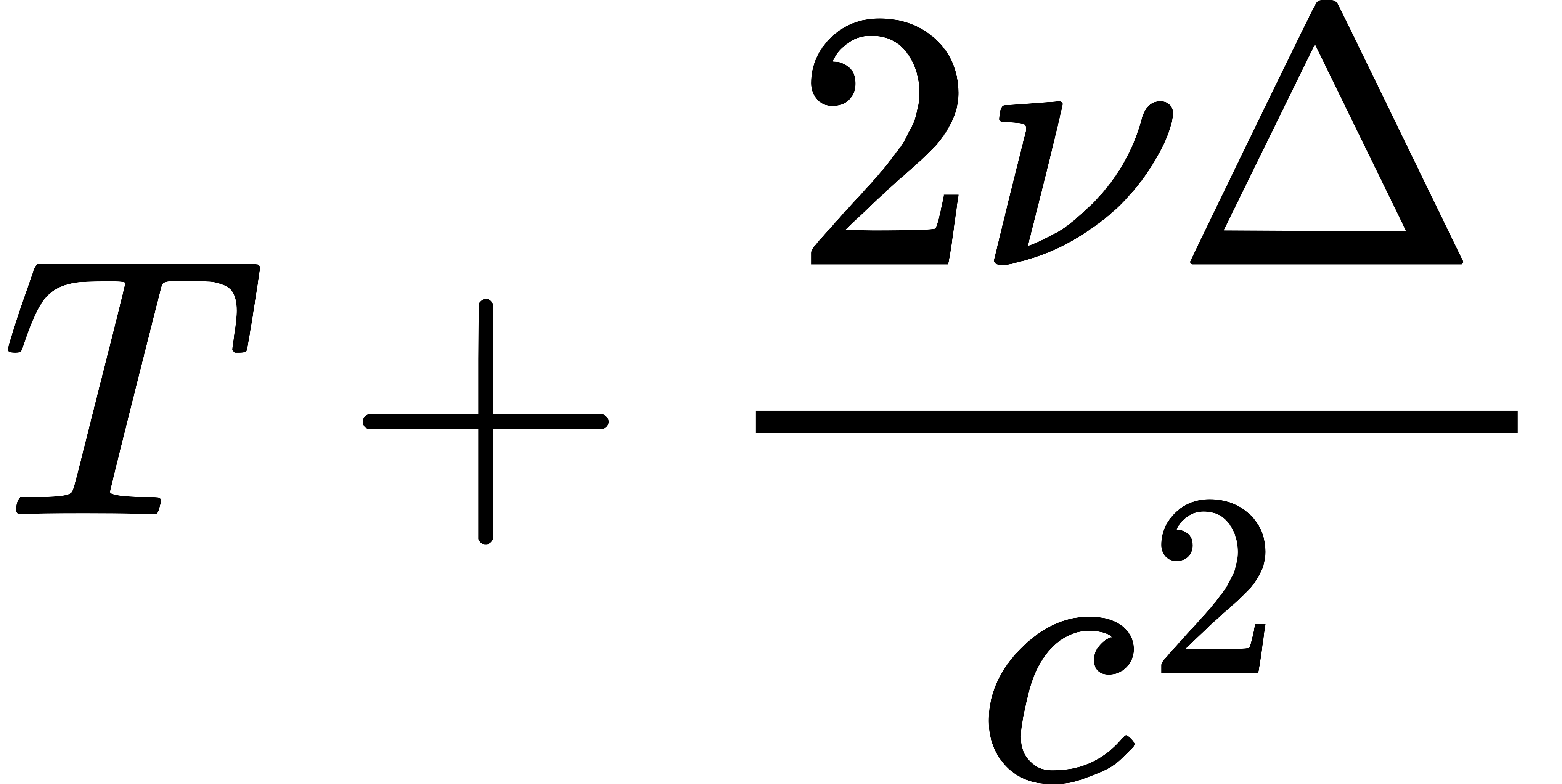
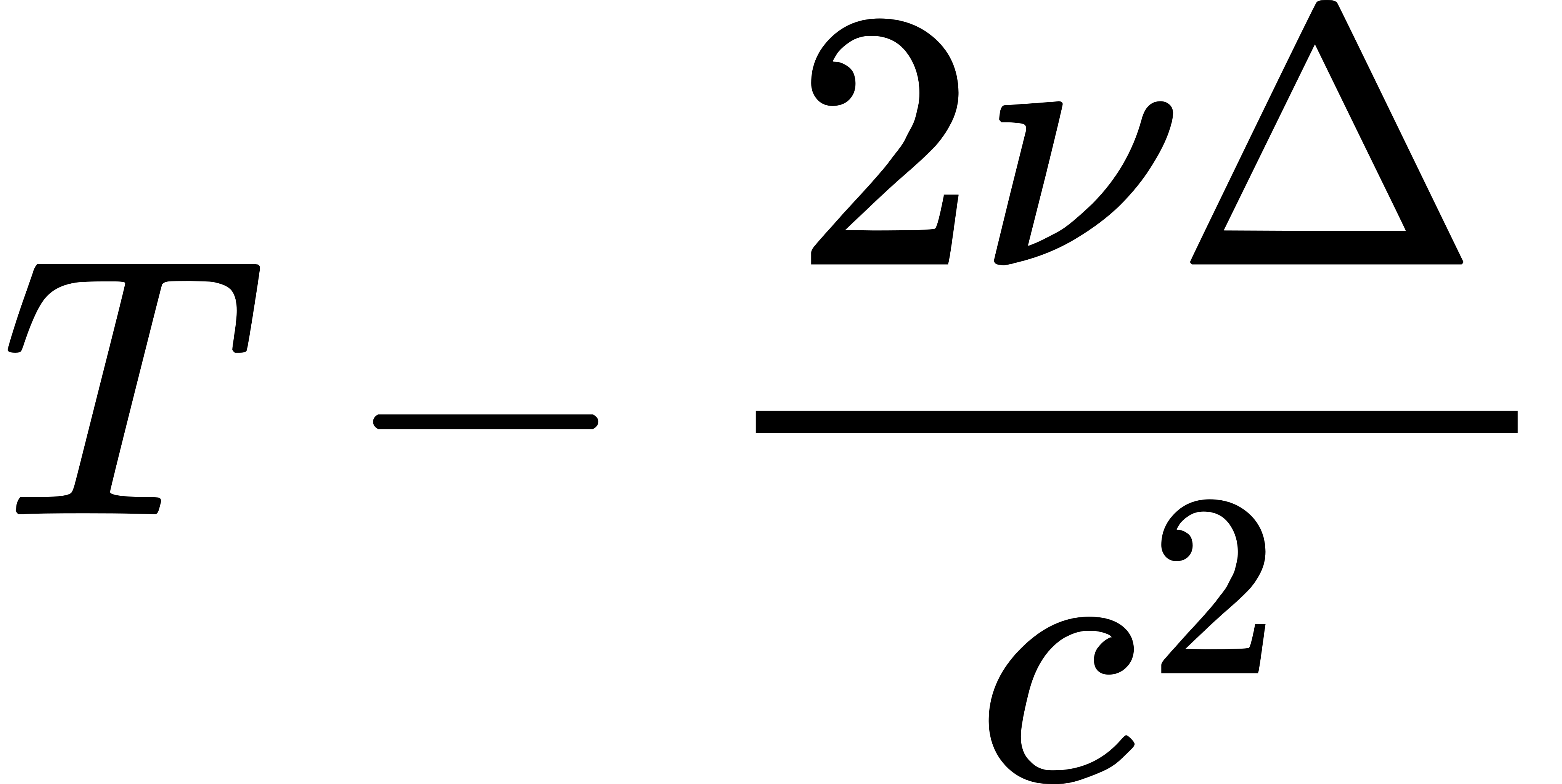
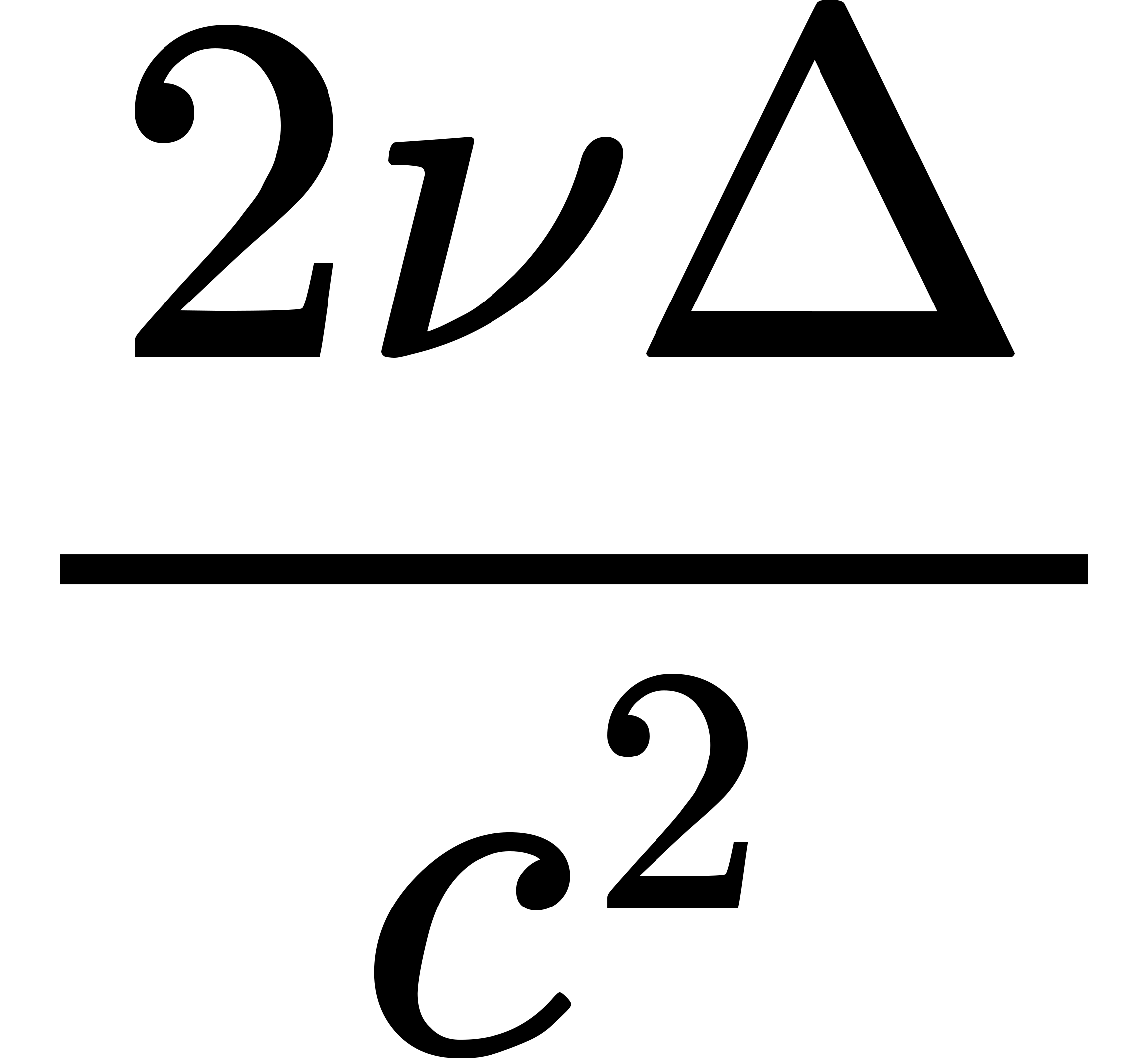
(p. 4). So long as the universal significance of the velocity of light remained unknown, two conjectures were possible in the question as to whether, under certain circumstances, the motion of the source of light would make itself observable in the velocity of propagation of light. It might be surmised that the velocity of the source simply added itself to that velocity of light which is characteristic for the propagation of the light from a source at rest. Or, it might be conceived that the motion of the source has no influence at all on the velocity of the light emitted by it. In the second case it was imagined that the source of light only excites the periodically changing states of the luminiferous ether, which is at rest, that is, which does not share in the motion of the matter (source of light), and that these states then propagate themselves with a velocity that is characteristic of the ether, and with a velocity that makes these states perceptible to us as light waves. This view had finally apparently won the day. It was the advent of the special theory of relativity and the quantum hypothesis that made this view impossible. For the special theory of relativity, in robbing the assertion: "the ether is at rest" of its significance, since we may arbitrarily define any system as being at rest in the ether, as far as uniform translations are concerned, and in depriving the luminiferous ether of its existence, deprived light-waves of their carrying or transmitting medium. The quantum hypothesis, in raising light-quanta to the rank of self-supporting individuals, deprived the velocity of light of its character as a constant that is characteristic of the ether. Thus, our view of light-quanta again leads to a kind of emission theory of light. According to classical mechanics it would have been typical of a theory of emission for the velocity of the source in motion to have added itself to the velocity of the light from the source at rest. We thus revert to the conjecture which we quoted first above. Now, such a superposition of velocities would necessarily cause quite remarkable phenomena in the case of spectroscopic binary stars (de Sitter, "Phys. Zeitschrift," 14, 429). For if two stars move in circular Kepler orbits around each other, and if our line of sight lies in the common plane of the orbits, then we should necessarily perceive the following: if is the time of revolution of the system, the orbital velocity of the one (bright) component, the distance of the whole system from the earth, and, finally, , the velocity in vacuo of the light from the source which is at rest, then the velocity of light at the epoch of greatest positive velocity in the direction of vision is , and in the other direction, respectively. Consequently the time-interval between two such successive positions would have the values and alternately, for the observer on the earth, as a simple calculation shows. Since, on account of the gigantic distances between the fixed stars, the member may become very great, indeed, greater than , we should be able to observe definite anomalies in the case of the spectroscopic binaries. For the time intervals between two such successive epochs in the orbit should be able to contract to nil, indeed, even become negative, and we should not be able to interpret the measured Doppler effects by means of motions in the Kepler ellipses. In reality, however, these anomalies have never manifested themselves. Observation of these very sensitive subjects of test (spectroscopic binaries) teaches us that the motion of the source of light does not make itself remarked in the propagation of the light. This renders our first view likewise untenable. The special principle of relativity, alone in postulating the constancy of the velocity of light, and in putting forward a new addition theorem of velocities, has led us to an attitude in this question that is free from inner contradictions and compatible with experience. (Cf. Note 2.)