Note 340 — Chapter XII
Reading edition
The following note will explain the use of the palm-nuts, and the names of the figures:—
In throwing Afa, the reverend man, or the scholar, if sufficiently advanced, takes sixteen of the fleshy nuts of a palm, resembling the cocoa-tree; these are cleared of sarcocarp, and are marked with certain Afa-du, or Afa strokes.
When fate is consulted, the 16 nuts are thrown from the right hand to the left; if one is left behind, the priest marks two; if two, one (the contrary may be the case, as in European and Asiatic geomancy); and thus the 16 parents are formed.
The 16 are thus named and made:—
1. Called Bwé Megi: it is the Mother of all.
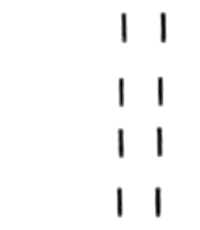
2. Yeku Megi.
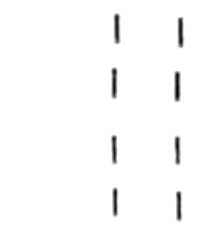
3. Wudde, or Odé-Megi.
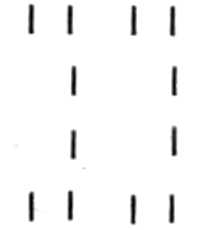
4. Dí-Megi.
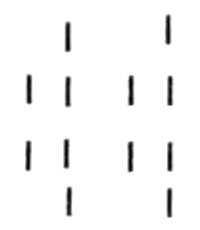
5. Losu Megi.
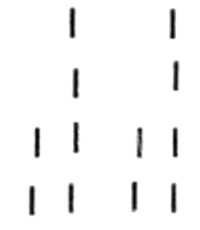
6. Urán Megi: an inversion of No. 5.
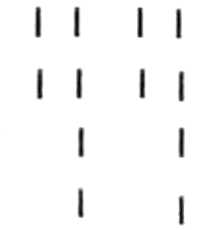
7. Called Abla Megi.
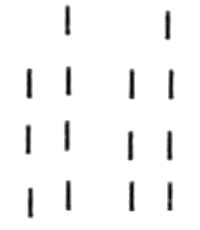
8. Akla Megi; or Abla inverted.
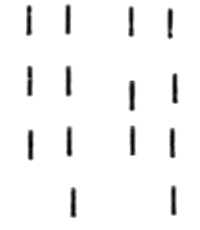
9. Sá Megi.
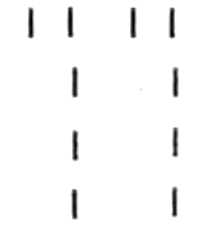
10. Guda Megi: an inversion of No. 9.
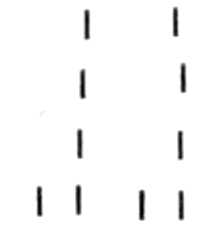
11. Turupwen Megi.
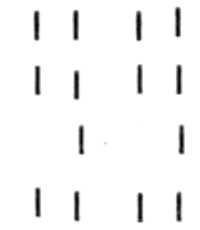
12. Tula Megi.
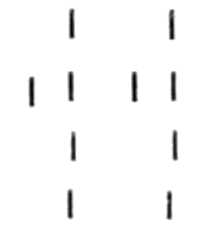
13. Lete Megi; or Tula inverted.
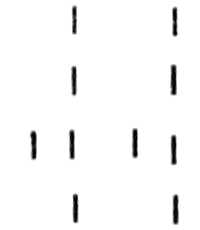
14. Ká Megi.
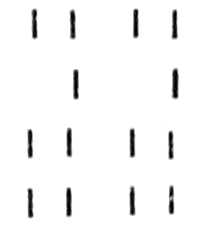
15. Ché Megi.
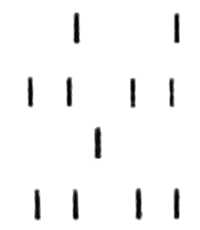
16. Fú Megi: considered the Father of all.
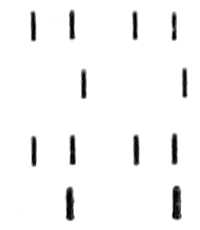
These 16 parents may have many children. Nos. 13 and 2, for instance, make
17.
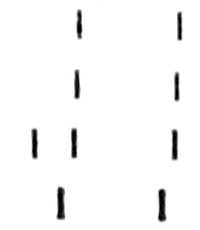
—and so on, showing an infinite power of combination.